Why Your Ohio Lawn Is Still Growing In Mid-November
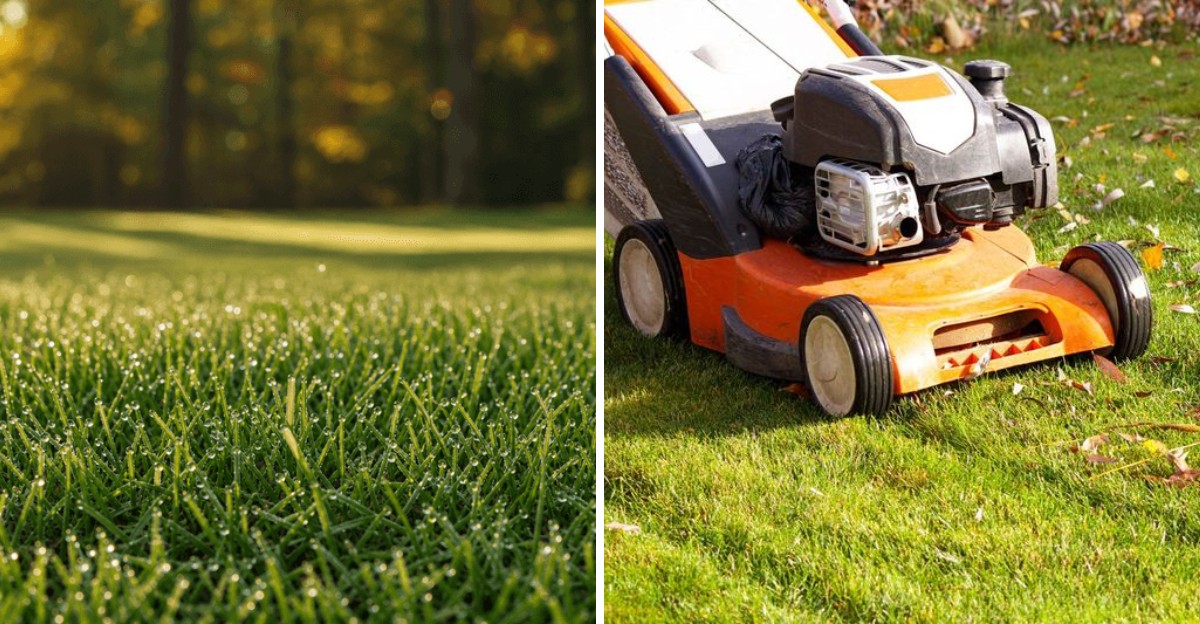
Grass roots can keep growing in soil that hovers just above freezing, long after the leaves upstairs have slowed to a crawl. That hidden work goes on while most of us have already parked the mower for the year.
Here in Ohio, mid-November can still bring sunny afternoons in the 50s. Your yard notices every one of them.
The blades soak up light, and the plants quietly stash sugar like squirrels packing away acorns.
I find it fascinating that the green carpet outside my window seems to ignore the calendar.
You might be surprised by how much is happening under your feet right now. A late trim, a leftover leaf pile, or one more feeding can shape how your yard looks next April.
So is that stubborn green growth a sign of trouble, or a lawn doing exactly what nature designed it to do?
1. Those Green Blades Are Built For Chilly Weather
Most Ohio yards are planted with cool-season turf, and that one detail explains a lot. Kentucky bluegrass, tall fescue, perennial ryegrass, and fine fescues are the usual mix across the state.
These grasses grow best when air temperatures sit roughly between 60 and 75 degrees. Summer heat often slows them down, which is why a lawn can look tired and tan in August.
Fall flips the script, and the grass starts to perk up again.
By November, top growth has slowed, but it has not stopped. A few mild days in a row can push out enough new leaf to make the yard look shaggy.
That surprises plenty of homeowners who expected everything to shut down after the first frost.
Warm-season grasses like Bermuda or zoysia behave differently. They turn straw-brown once cold weather arrives and stay that way until spring.
You will spot them more in far southern Ohio, but they are uncommon in most neighborhoods.
So if your lawn is still green and growing, you can relax. It is a sign the turf matches the climate it lives in.
Ohio State University Extension points out that fall is the most important season for cool-season lawns, which makes this late burst of energy a healthy habit rather than a warning sign.
2. Warm Soil Keeps Grass Roots Busy Below The Surface
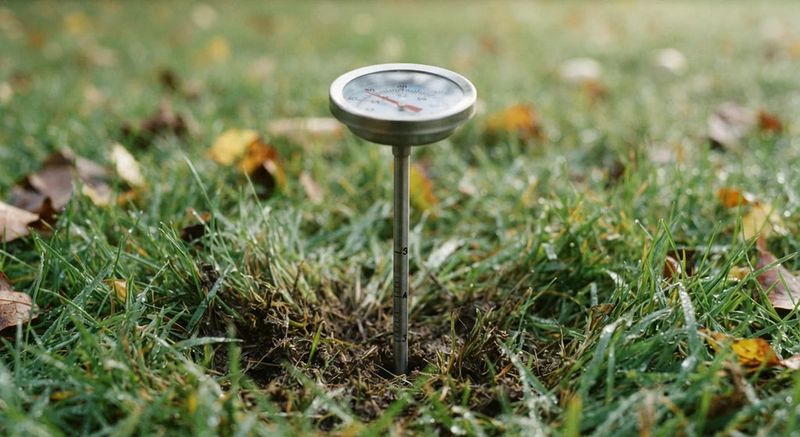
A soil thermometer can teach you more about your lawn than a weather app. Air temperatures swing wildly in November, but the ground cools down slowly.
Soil holds onto heat stored up during summer and early fall. Even after a frosty night, the earth a few inches down may still be in the 40s or low 50s.
Grass roots can keep growing in soil as cool as the upper 30s, while leaf growth slows sharply once soil drops below about 50 degrees.
That gap is the reason your yard keeps acting alive. Roots stretch deeper, and new shoots called tillers form near the base of the plant.
You will not see most of that work, but it builds a thicker lawn next year.
I like checking soil temps with an inexpensive probe thermometer about four inches deep. Take a reading in the morning, when the ground is coolest, for a more honest number.
Online soil temperature maps can also give you a quick picture for your county.
Once the soil stays near freezing for a stretch, growth mostly winds down. Until then, think of the ground as a slow-cooling oven.
The heat lingers, and your grass takes full advantage of every degree it can get.
3. Every Sunny Afternoon Feeds Your Grass’s Energy Bank
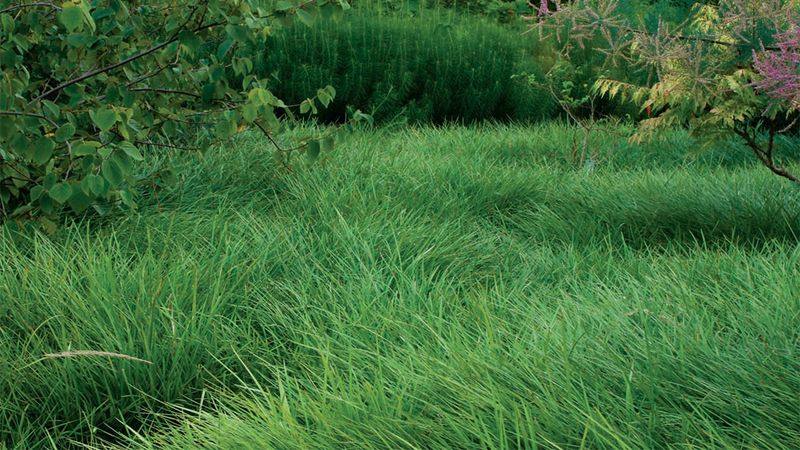
Sunshine in November does more for your yard than lift your mood. Grass blades keep making food through photosynthesis whenever they get light and the temperature is above freezing.
Here is the clever part. Cooler nights slow the plant’s use of that food, so extra sugars pile up instead of getting spent on fast leaf growth.
Turf experts call these stored sugars carbohydrates, and the grass tucks them into its roots, crowns, and underground stems.
Those reserves work like a pantry for winter. They help the plant handle freezing temperatures and give it fuel for green-up in early spring.
A lawn that stores plenty tends to recover faster from winter stress.
That means you should resist the urge to treat November grass like it no longer matters. Keep the blades clear and healthy so they can catch light.
Shade from leaf piles, tarps, or patio furniture left on the lawn cuts into that energy collection.
I could be wrong, but I suspect many spring lawn problems start right here, in the overlooked weeks of late fall. A few bright afternoons might seem minor.
Added together, they help decide whether your grass wakes up strong or sluggish next year.
4. Late Frosts And Mild Spells Stretch Ohio’s Growing Season
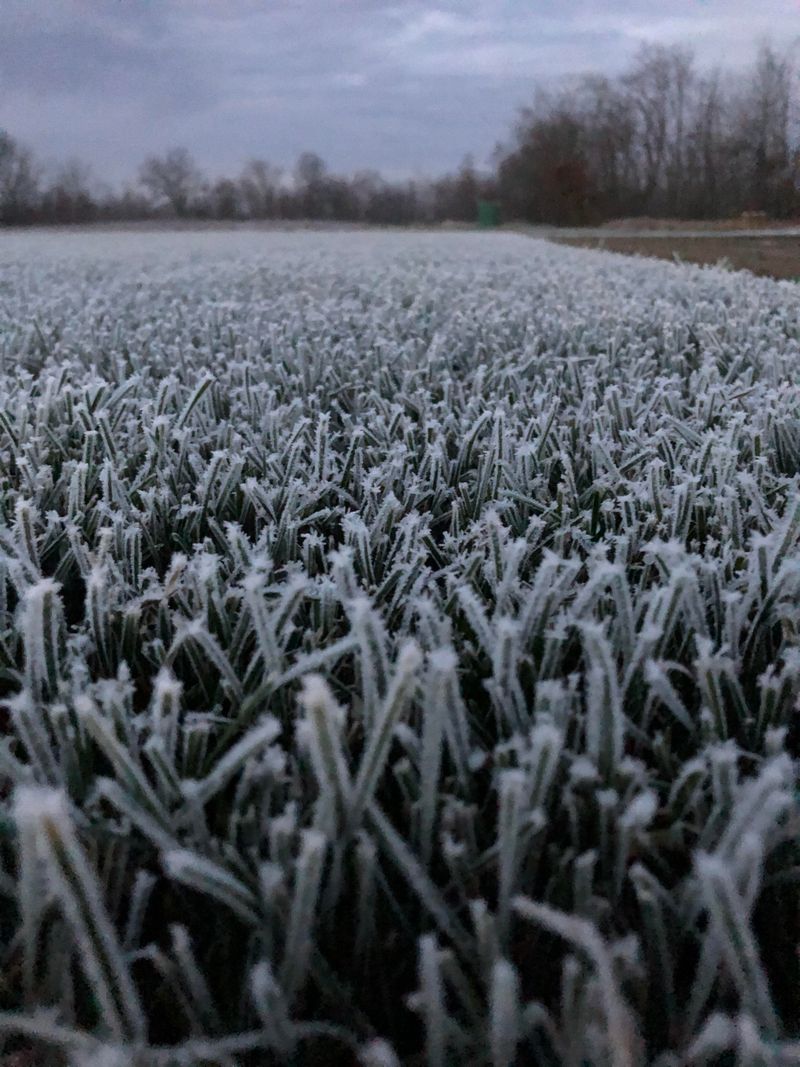
Weather in the Buckeye State loves a plot twist. One week brings frosty mornings, and the next feels like early October.
Average first fall frost dates vary across Ohio. Northern counties often see that first frost in early to mid-October, while parts of southern Ohio and areas near Lake Erie may hold off until late October or later.
The lake acts like a heat battery and can delay frost along the shoreline.
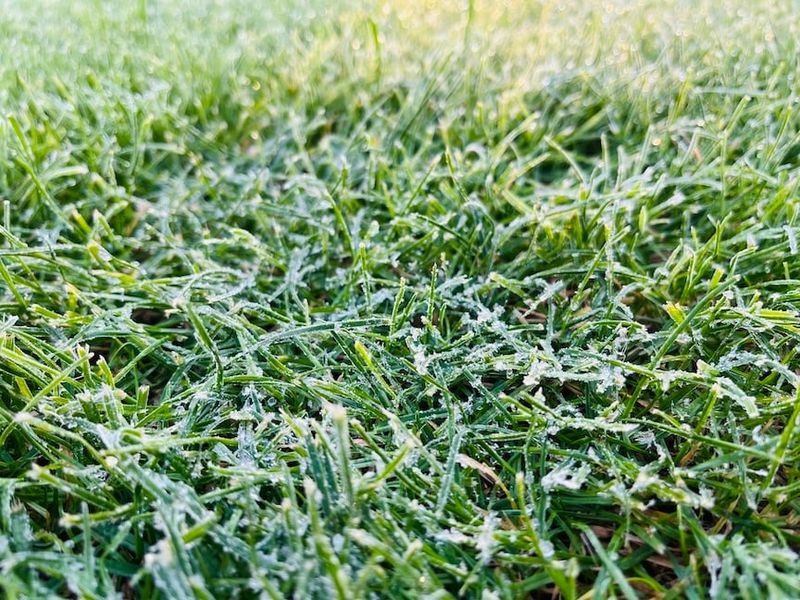
A light frost is not a stop sign for cool-season grass. Blades may look silvery at sunrise, then bounce back by lunch.
Growth slows for real only after repeated hard freezes and steadily cold soil.
One quick tip: stay off frosted grass. Walking on frozen blades can crush plant cells and leave dark footprints that show up as brown tracks later.
Wait until the frost melts before mowing, raking, or letting the kids race across the yard.
Mild stretches in November happen often enough that they are part of normal fall weather here. You do not need an unusual heat wave to explain a growing lawn.
A few pleasant days after a cold snap can be all it takes to wake those blades back up.
5. One Last Mow Can Help Your Lawn Through Winter
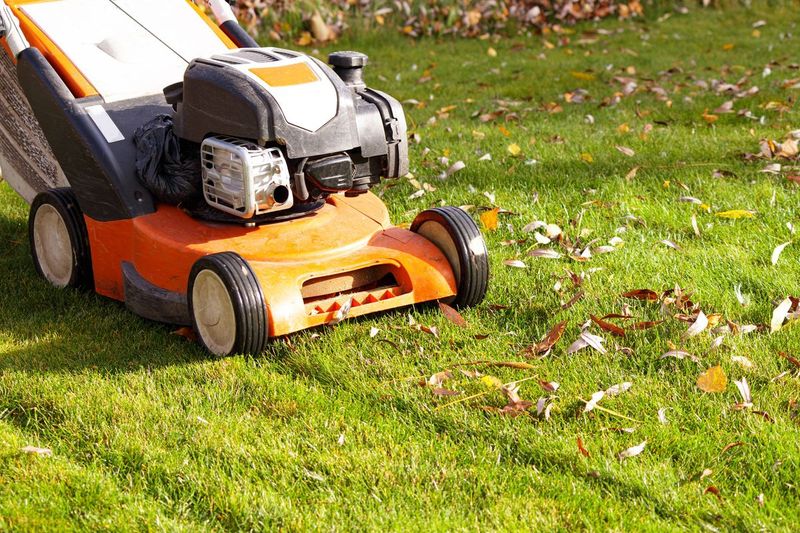
Mowing in November might feel strange, but your grass will thank you. Keep cutting as long as the lawn is growing and the ground is firm enough to walk on.
For the final mow, many extension experts suggest a height of around 2.5 to 3 inches for most Ohio lawns. Grass left long and floppy can mat down under snow.
Those matted patches give snow mold diseases a cozy place to spread.
Going too short brings its own trouble, though. Scalping the lawn removes the leaf surface the plant needs to store energy and protect its crown.
Lower the height gradually over a couple of mows rather than all at once.
Follow the one-third rule even this late in the year. Never remove more than a third of the blade in a single cut, because that stresses the plant.
Sharp blades help too, since a clean cut heals faster than a ragged tear.
When you finish that final pass, give your mower some care. Clean grass off the deck and handle fuel storage according to your owner’s manual.
Come spring, you will be glad the machine starts on the first pull.
6. Fallen Leaf Piles Can Smother Your Lawn
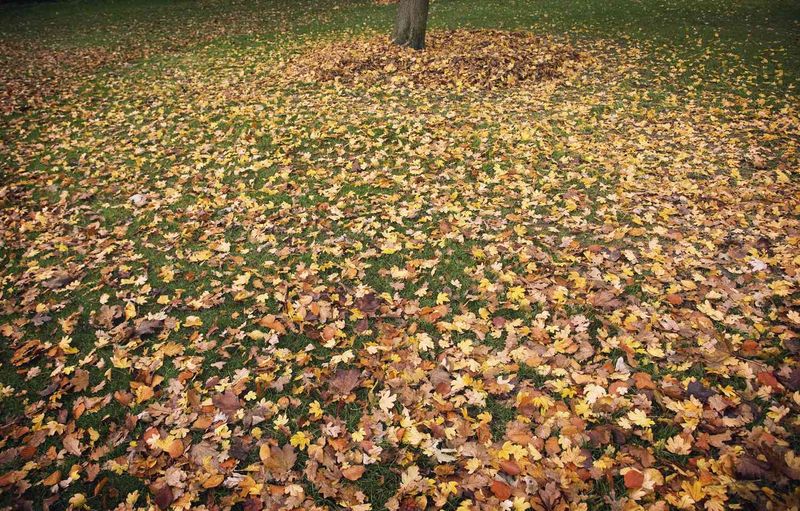
Autumn leaves look lovely on a postcard. On your lawn, a thick wet layer can block light and trap moisture right against the grass.
Grass under heavy leaf cover cannot photosynthesize well, so it loses out on those valuable fall sugars. The damp, shaded conditions also invite fungal problems like snow mold.
By spring, you may find thin, matted patches right where the biggest piles sat.
You do not need to bag every single leaf. A light layer can be chopped up with your mower and left in place.
Shredded leaves break down and return nutrients to the soil, and research has shown that mulching moderate leaf amounts does not harm turf.
The trick is keeping the grass visible. If you can still see green blades through the leaf bits after mowing, you are in good shape.
If the yard disappears under a brown blanket, rake or blow away the excess.
Extra leaves make fantastic garden material. Spread them over vegetable beds, add them to a compost pile, or tuck them around perennials.
That turns a chore into free mulch, and your lawn gets the open air and sunshine it needs for the rest of fall.
7. A Late-Fall Fertilizer Feeding Pays Off Next Spring
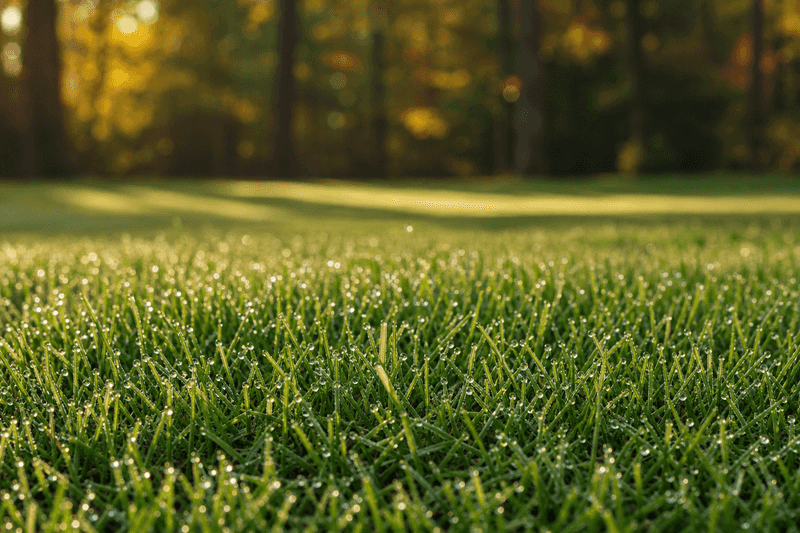
Some of the smartest lawn feeding happens when most people have stopped thinking about grass. Turf specialists in Ohio and nearby states often recommend a late-season nitrogen application while grass is still green but top growth has slowed.
Timing usually falls around the last mowing, often late October into November. The grass takes up nitrogen through its roots and uses it to build stored food rather than lots of new blades.
Many homeowners notice earlier, more even green-up the following spring.
Read the bag carefully before you buy. Products labeled as winterizers vary widely, and the nitrogen number matters most for this purpose.
Follow label rates, and skip extra phosphorus unless a soil test says your yard needs it.
Keep it on the grass and away from waterways. Sweep stray granules off driveways and sidewalks so they do not wash into storm drains.
Also avoid spreading fertilizer on frozen or snow-covered ground, where it can run off instead of soaking in.
A soil test through a lab recommended by OSU Extension is worth considering. It tells you what your soil already has and what it lacks.
That way, your money goes toward exactly what your lawn needs.
8. Your November Lawn Checklist Before The Ground Freezes
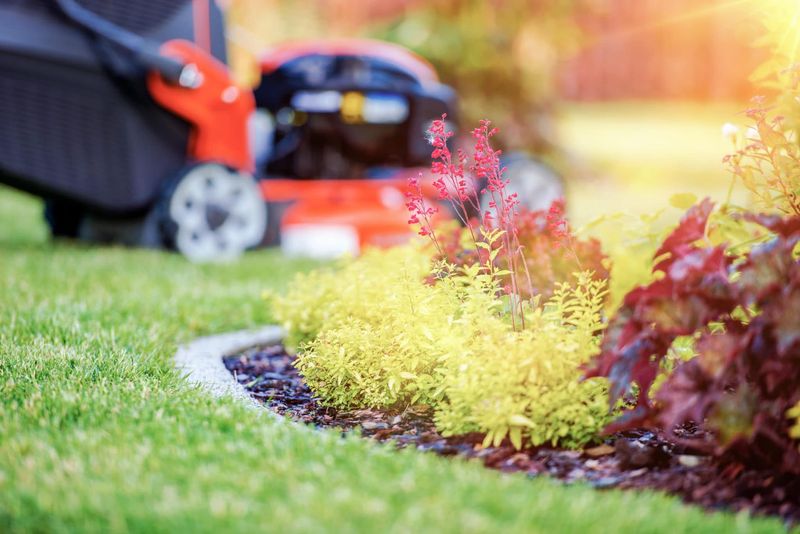
Watching your yard stay green this late is honestly a treat. It also gives you a small window to set up a better lawn for next year.
Start with the simple jobs. Keep mowing while the grass grows, and finish around 2.5 to 3 inches.
Clear heavy leaf cover, and pick up toys, hoses, or furniture that could smother patches over winter.
Next, think about water and traffic. Fall rains usually take care of moisture, so watering is rarely needed now.
Disconnect and drain outdoor hoses before hard freezes, and try not to create worn paths across soggy or frosted turf.
Seeding is mostly done for the year, since late plantings often struggle to establish before cold weather. If you spotted bare areas, jot them down for spring repair or try dormant seeding once soil temperatures are steadily cold.
Late fall is also a smart time to note weedy spots for next season.
Finally, enjoy the view. A lawn that keeps growing into November is usually a lawn doing its homework.
Give it a little help now, and those green blades will reward you when the snow melts and spring finally rolls in.