The Sealing Trick That Keeps Stink Bugs From Wintering Inside Maryland Homes
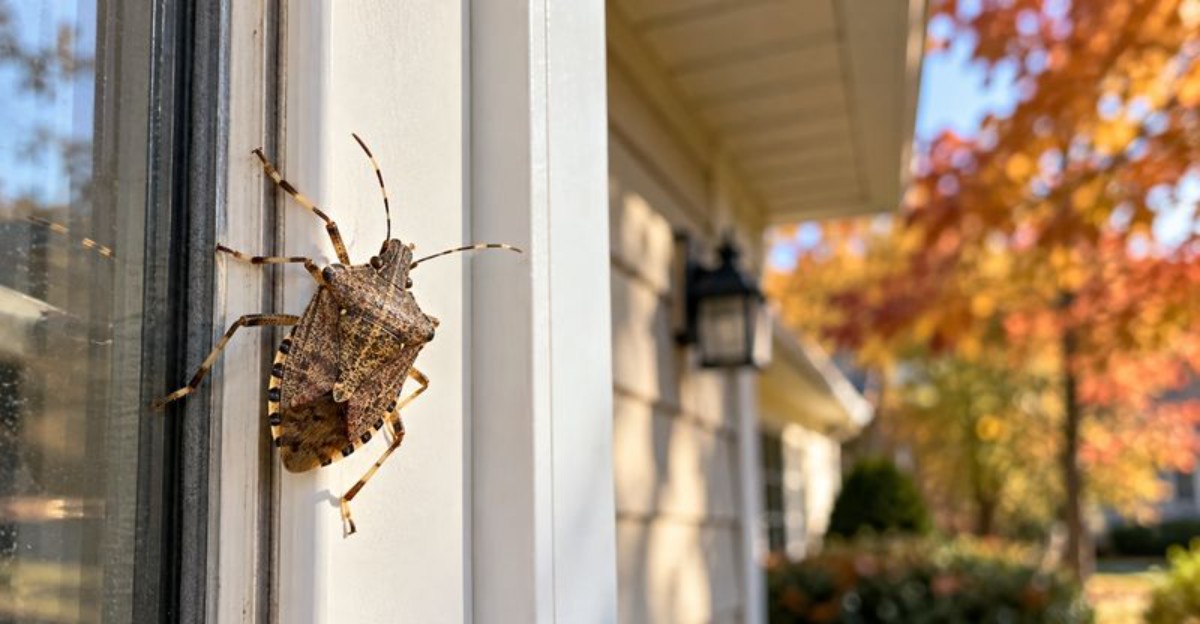
A single home in Maryland once logged more than 26,000 of these shield-shaped bugs over one season. A homeowner actually counted them, and researchers took notice.
Okay, confession. I used to think a few stray visitors on my curtains were no big deal. Then I watched dozens bask on my sunny siding one October afternoon, lined up like folks waiting for a bus.
They don’t chew holes, raise families, or raid the pantry indoors. They simply slip through gaps we didn’t know existed and doze in our walls until spring. That faint cilantro smell when one gets bumped? You never forget it.
Here’s what gets me. The fix costs less than a pizza and fits in one hand. So why do so many of us wait until the bugs are already crawling across the lampshade?
Those Sunny Walls Covered In Stink Bugs Are Sending You A Signal
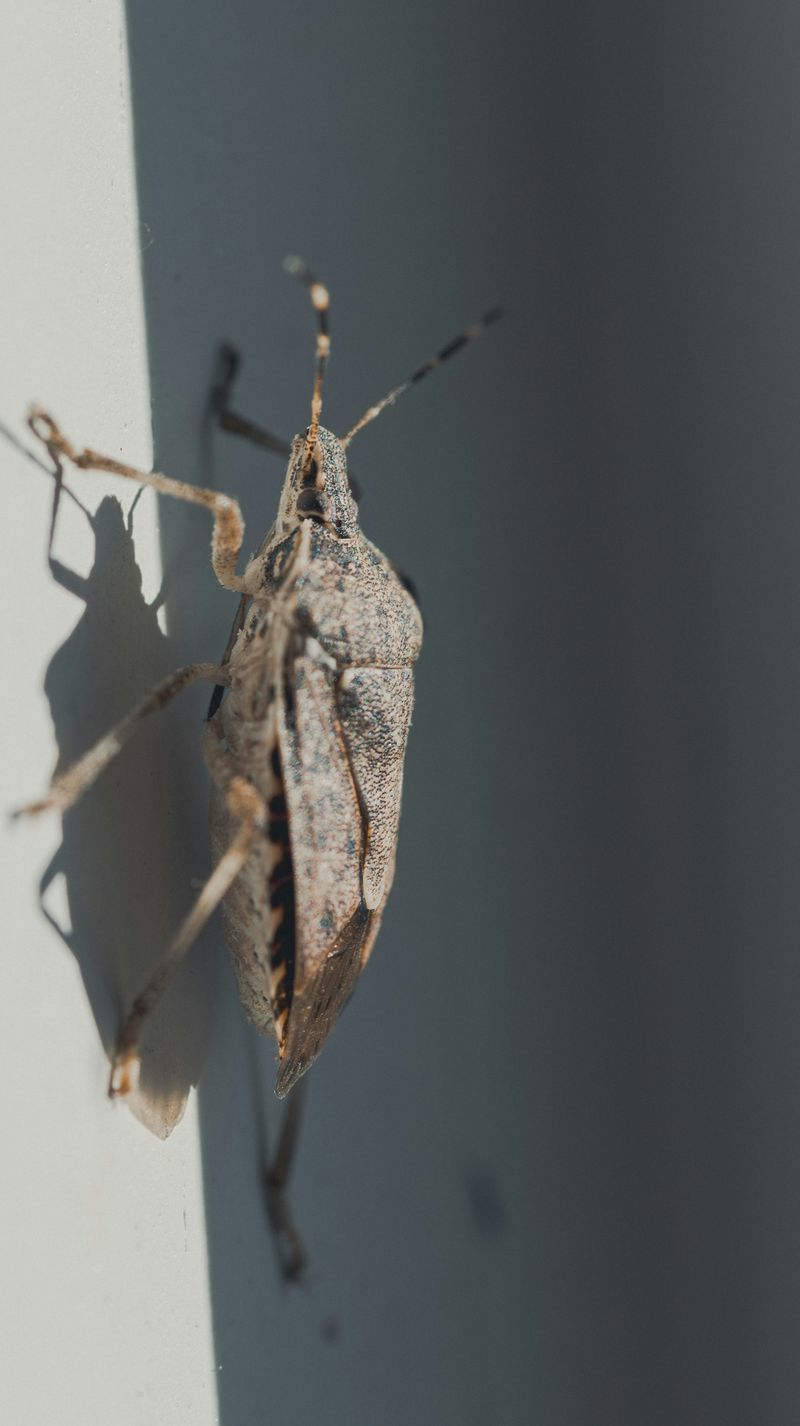
Shorter days flip a switch inside these bugs long before frost arrives. Scientists call it diapause, a kind of winter rest mode triggered mostly by shrinking daylight.
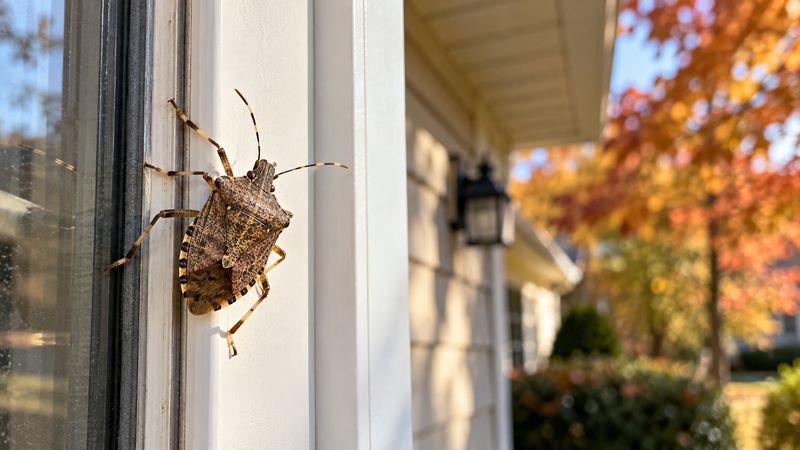
In Maryland, the big push toward houses usually starts in September and runs through October. University of Maryland Extension notes that the bugs gather on warm south and west-facing walls first. They soak up heat there before hunting for a crack to crawl into.
So that crowd on your siding is a preview, not a coincidence. Many of the bugs you see outside are testing your house for a way in.
The brown marmorated stink bug arrived from Asia and was first found in Allentown, Pennsylvania, in the late 1990s. It spread quickly across the Mid-Atlantic, and our region still sees some of the heaviest fall swarms in the country.
Once inside, they don’t breed or feed. They tuck into wall voids, attics, and window frames, then wake up on warm winter days and wander toward your lamps.
Watch those sunny walls closely in late summer. They point straight to the spots you’ll want to seal first, and they tell you the clock is already ticking.
A Tube Of Silicone Caulk Is The Real Stink Bug Stopper
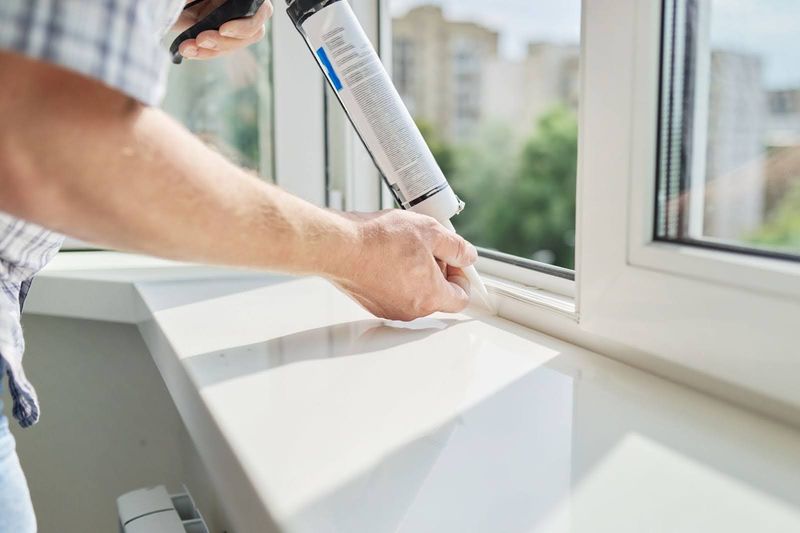
Trust me on this one. My best stink bug season started with a ten-dollar caulk gun and a free Saturday in late August.
The trick is simple. Seal cracks from the outside before the bugs show up, not after they’re already inside your walls. Extension experts in Maryland and nearby states recommend exclusion as the most reliable way to keep them out.
Choose a quality silicone or silicone-latex caulk rated for exterior use. It stays flexible through hot summers and icy winters, so it won’t crack open again by January.
Run a bead along every gap where window and door frames meet siding or brick. Check spots where different materials join, like wood trim against stone.
Clean old, flaking caulk away first, or the new layer won’t stick well. Dry weather helps too, so pick a day without rain in the forecast.
A good rule is to seal any crack you could slide a credit card into. Adult stink bugs are flat and only about a quarter inch thick, so tiny openings work fine for them.
Finish by early September if you can. Waiting until the first cold snap means you’re sealing bugs inside rather than out.
Worn Weatherstripping And Door Sweeps Invite Stink Bugs Right In
Kneel down by your front door some evening with the porch light on outside. If you spot daylight or lamplight peeking under the edge, a stink bug can spot it too.
Door sweeps wear down faster than most of us realize. Rubber cracks, bristles flatten, and screws loosen with every slam of the door.
Replacing a sweep is a short, easy job for most folks. Measure the door width, buy a matching sweep, and screw it on so it lightly brushes the threshold.
Weatherstripping around the door and window sashes deserves the same check. Press on it with a finger. If it feels brittle, flat, or leaves gaps, peel it off and stick on fresh foam or V-strip.
Don’t skip the garage. Garage doors often have big gaps along the bottom seal and the side tracks, and stink bugs happily stroll in there.
Sliding patio doors are sneaky trouble spots as well. Check the track and the vertical seal where the panels meet.
Bonus perk? Your heating bill may drop a little. Sealing drafts keeps out cold air along with the bugs, so the effort pays off twice.
Pipes, Cables, And Dryer Vents Are Sneaky Stink Bug Highways
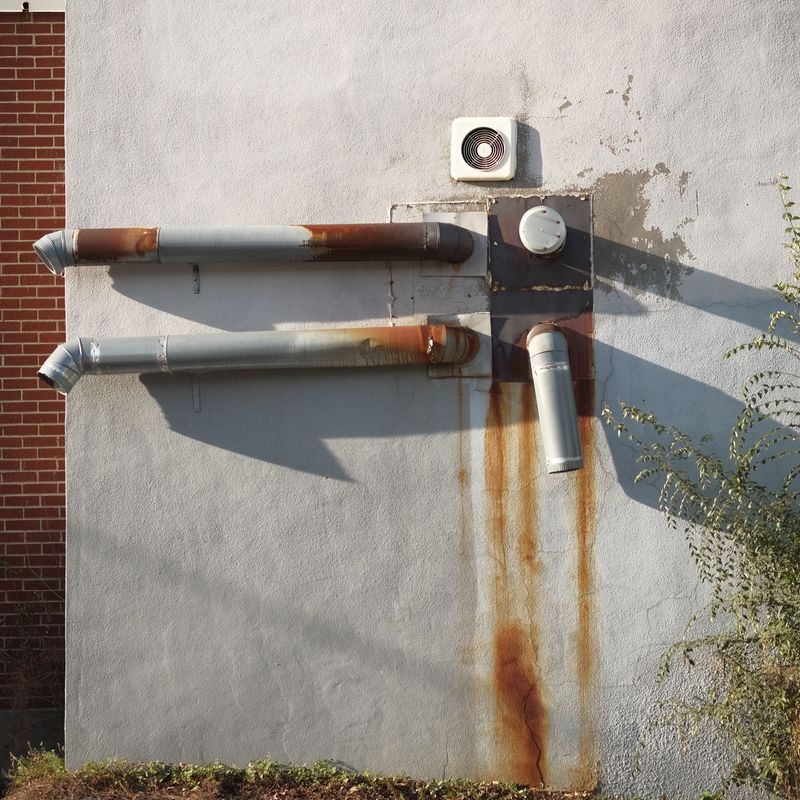
Walk around your house slowly and look for anything poking through the walls. Outdoor faucets, cable lines, AC refrigerant lines, and gas pipes all need holes, and those holes are rarely sealed tight.
I didn’t expect the cable line to be my worst offender. The installer had drilled a hole twice the size of the wire and left it wide open.
Small gaps around pipes and wires seal nicely with exterior caulk. Larger openings can be packed with copper mesh or backer rod first, then covered with caulk or a low-expansion foam.
Dryer vents need a different fix. You can’t seal them shut, since moist hot air must escape. Instead, make sure the flap closes snugly when the dryer is off, and replace broken or stuck louvers.
Bathroom and kitchen exhaust vents work the same way. A damper that hangs open is basically a bug doorway.
Check the sill plate too, where the house frame sits on the foundation. Hairline gaps there often go unnoticed for years.
Bring a flashlight and a notepad. Mark each gap as you find it, then knock them out one by one on a dry afternoon.
Attic Vents And Window Screens Need A Fine Mesh Upgrade
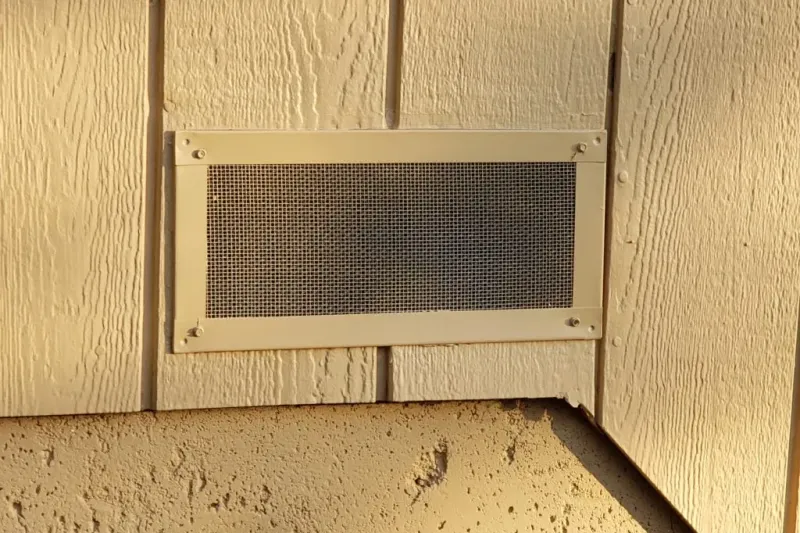
Up near the roofline, stink bugs find some of their coziest hiding spots. Attics stay sheltered, dark, and quiet, which suits a sleepy bug just fine.
Gable vents, soffit vents, and ridge vents must stay open for airflow. So the goal is screening, not sealing. Fine insect mesh fastened behind the vent louvers lets air pass while blocking bugs.
Chimneys deserve a cap with a screen. That keeps out stink bugs, plus birds, squirrels, and rain.
Window screens matter just as much. A tiny tear in a corner is plenty for a flat bug to slip through. Patch kits work for small holes, and rescreening a whole frame is cheaper than most people expect.
Window air conditioners are a classic weak spot. Remove them in early fall if possible. If yours stays put, seal around the side panels and cover the outside unit snugly.
Fair warning, ladder work is no joke. Use a sturdy ladder, have someone hold it, and call a pro for steep or high roofs.
Once the high spots are screened, those pesky attic gatherings shrink dramatically.
Bright Porch Lights Draw Stink Bugs To Your Doorstep
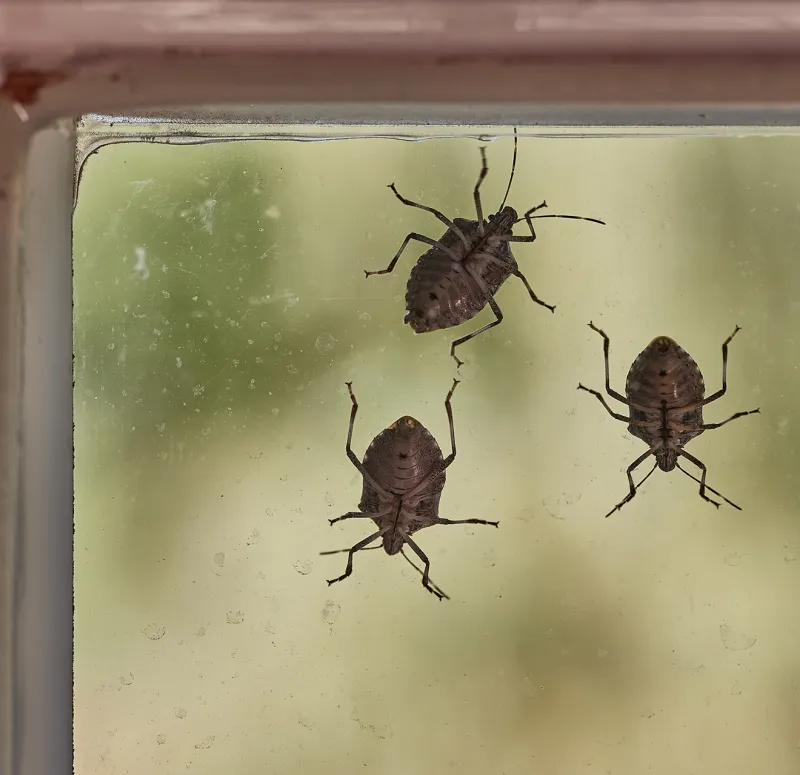
Guilty as charged. For years, my porch light burned from sunset to bedtime, and the bugs loved it.
Stink bugs are drawn to light at night, much like moths. A bright white bulb near a door pulls them right to the spot where gaps are most likely.
Swapping to yellow bug-light bulbs or warm-toned LEDs can help. Insects tend to notice those wavelengths less, so fewer bugs gather near your entrances.
Better yet, turn outdoor lights off when you don’t need them. Motion-sensor fixtures give you light for safety without a glowing invitation all night long.
Indoor lights matter too. Close blinds or curtains in the evening during peak fall weeks so light doesn’t spill through windows.
Light changes alone won’t keep bugs out. Think of it as a helper to your sealing work, not a replacement for it.
Fun fact: researchers use light traps to monitor stink bug populations in Mid-Atlantic orchards. That tells you how strongly these insects respond to a glowing target.
Small switches like these cost almost nothing. Pair them with tight seals, and your doorstep becomes a far less popular hangout.
Soapy Water Handles The Stink Bugs That Still Sneak Inside
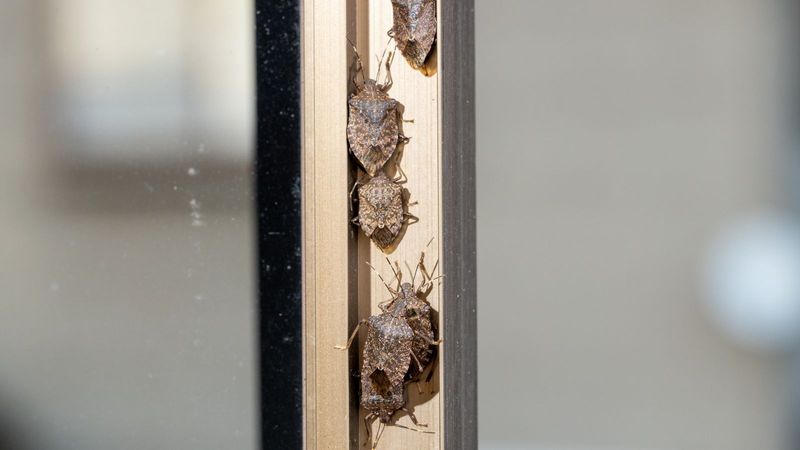
Even the tidiest seal job misses a few. When a stink bug strolls across your kitchen counter in February, stay calm and skip the shoe.
Squishing one releases that strong, lingering odor and can stain fabric or walls. Instead, keep a jar with water and a squirt of dish soap handy.
Hold the jar under the bug and nudge it in. The soap breaks the water’s surface tension, so the bug sinks and can’t climb out. Toss the contents outdoors or flush them.
Vacuuming works for bigger groups, but the smell can cling to the machine. Many folks keep a cheap handheld just for bugs, or slip a knee-high stocking inside the hose to catch them.
Empty the catch into a sealed bag right away and put it in the outdoor trash.
Indoor bug sprays aren’t recommended by Maryland Extension experts. Bugs hidden in walls stay out of reach, and leftover remains can attract carpet beetles.
Write down where the escapees show up. Those spots point to gaps you missed, and next August, they go straight to the top of your sealing list.