Why Heavy Tree Pruning Can Backfire In Arizona During August
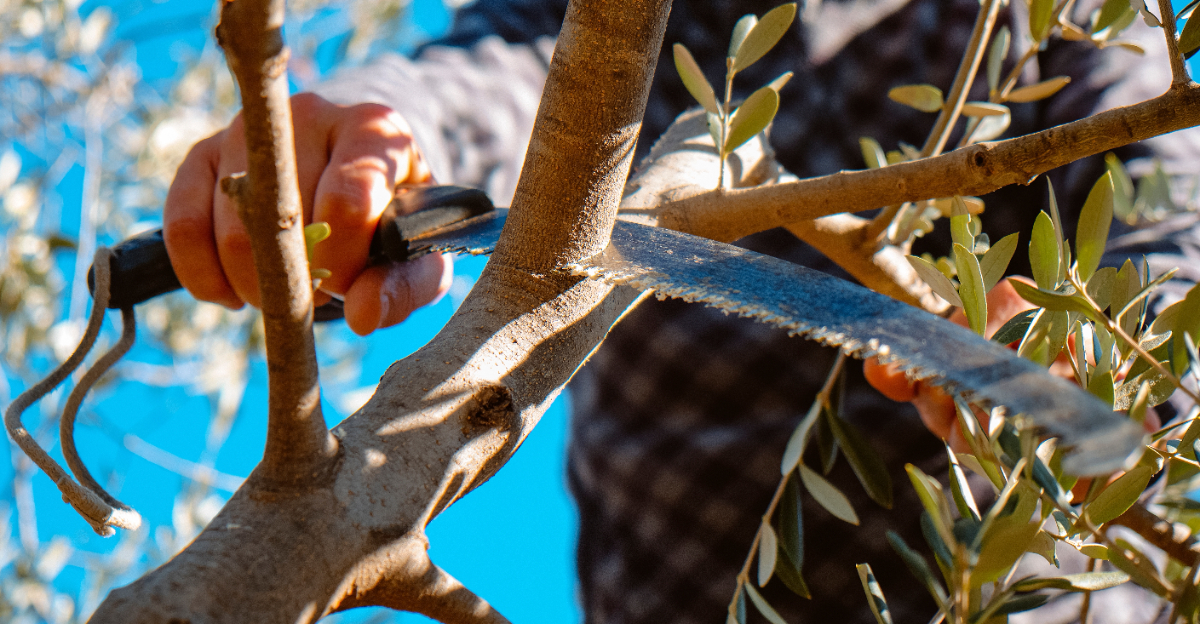
Cutting back trees may seem like a smart way to freshen up your yard before fall, but August is one time to slow down. Many Arizona trees are already working hard to handle extreme heat, strong sun, and lingering monsoon weather.
Removing too much growth now can leave them struggling when they need every healthy branch they have.
Waiting a little longer often gives trees a much better chance to recover. The timing of pruning matters more than many homeowners realize, especially during one of the hottest parts of the year.
Knowing which branches can safely come off and which ones should stay in place helps protect your trees from unnecessary stress.
That simple decision can make a noticeable difference before cooler weather finally arrives.
1. Wait Until Cooler Weather For Major Pruning
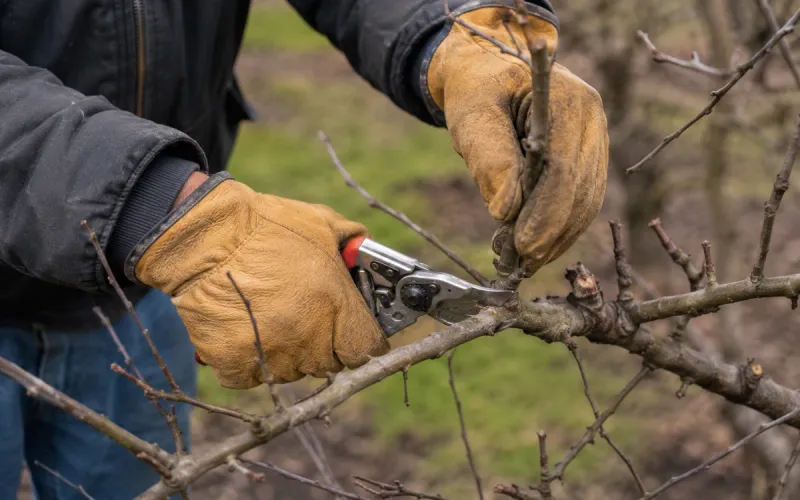
Patience pays off when it comes to pruning in the desert Southwest. August sits right at the peak of summer heat, and pushing a tree through heavy cuts during that window puts serious stress on an already-taxed plant.
Trees slow down their recovery processes during extreme heat. Cutting back large limbs forces the tree to redirect energy toward healing wounds.
Doing that in 110-degree weather is like asking someone to run a marathon with a sunburn.
Late fall and early winter are far better windows for major pruning work in this region. Temperatures drop, the tree moves toward dormancy, and healing happens at a much more manageable pace.
Waiting even a few months makes a real difference.
Some homeowners feel the urge to prune in summer because growth looks wild. That urge is understandable, but acting on it with heavy cuts can set a tree back significantly.
A little restraint in August protects the investment you have in your landscape.
Cooler weather also means less risk of pests and pathogens entering fresh cuts. Heat-stressed trees have weaker defenses, making them more vulnerable after pruning.
2. Remove Only Broken Or Damaged Branches
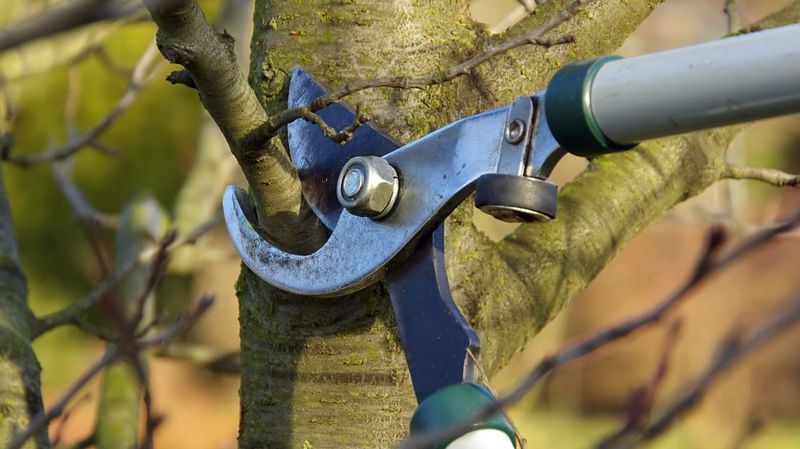
Broken branches are a different story from healthy ones. When a limb is already cracked, hanging loose, or structurally compromised, removing it in August is actually the right move.
Leaving a damaged branch attached during monsoon season creates real problems. Strong winds can rip it off unpredictably, tearing a larger wound in the bark and leaving behind jagged edges that take much longer to seal over.
Targeted removal of broken or hazardous limbs is considered acceptable even during hot months. The key word is targeted.
You are not reshaping the tree or thinning the canopy. You are removing what is already a liability.
Keep cuts clean and precise. A sharp saw or loppers leave a smoother wound edge than a dull blade, which helps the tree compartmentalize the damage faster.
Avoid leaving stubs, since they tend to become entry points for insects and fungal issues.
Arizona monsoons bring sudden gusts that can turn a barely-hanging branch into a projectile. Addressing those specific limbs promptly is smart safety management.
Just keep the scope narrow and resist the urge to start trimming healthy wood nearby while you have the tools in hand.
Your Arizona Garden Changes Every Week. Your Plan Should Too.
Gardening in Arizona changes quickly throughout the season. Every Friday you’ll receive a simple weekly plan showing exactly what to plant, prune, fertilize, harvest, and protect so you never miss the right timing.
Stick to what is broken, damaged, or genuinely hazardous. That approach protects both the tree and anyone passing underneath it.
3. Fresh Cuts Increase The Risk Of Sunburn
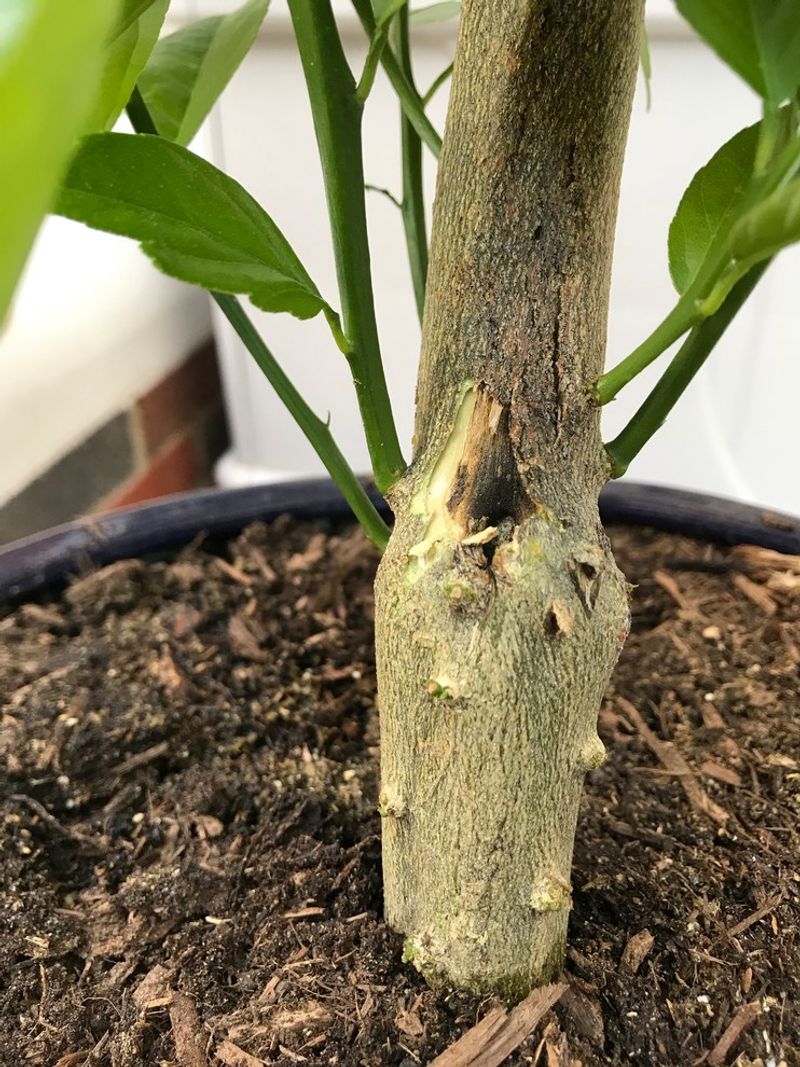
Sunburn on a tree sounds strange, but it is a real and common problem in the desert. Bark that has been shaded by leaves and branches for months is suddenly exposed to direct sun after heavy pruning, and the results can be damaging.
Exposed cambium and inner bark are especially vulnerable. Intense UV radiation combined with triple-digit heat can scorch tissue that was never meant to face direct sunlight.
Once that damage sets in, the affected area becomes harder for the tree to protect.
Sunscald tends to show up as discolored, cracked, or dried-out patches on the trunk or main limbs. It weakens the outer layer of the tree and can allow entry points for insects or disease to develop over time.
Whitewashing exposed trunks with diluted latex paint is a common protective measure in hot desert climates. It reflects heat and reduces the intensity of sun exposure on vulnerable wood.
Not every tree needs it, but recently pruned specimens in open, sunny spots often benefit.
Keeping the canopy as intact as possible during August reduces this risk considerably. Leaves act as natural shade for the bark below them.
Strip too many away at once, and the tree is left exposed during the most punishing weeks of the year.
4. Large Wounds Close Much More Slowly
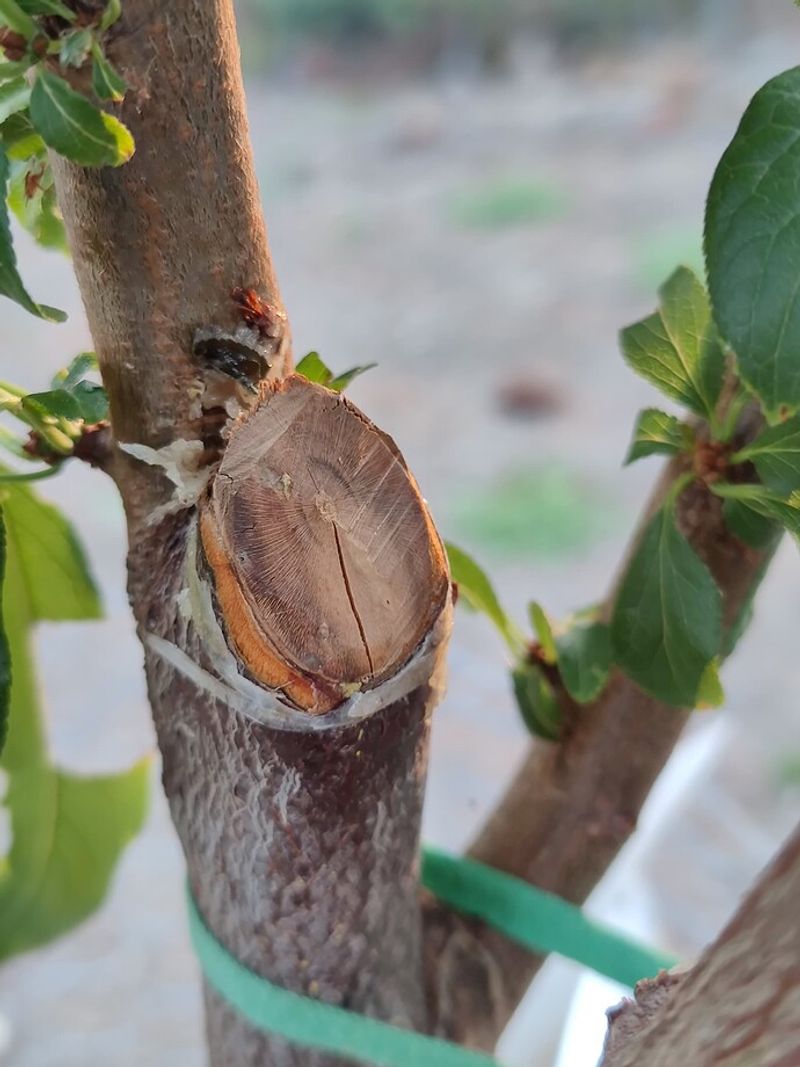
Big cuts leave big wounds, and those wounds need time and energy to close. In August, a tree’s ability to compartmentalize damage is working against two major obstacles: extreme heat and limited water availability.
Compartmentalization is the process trees use to wall off wounds and prevent decay from spreading inward. It is not a fast process under ideal conditions.
Add relentless summer heat, and that process slows down even further.
A wound made in late fall or winter has months of mild weather ahead of it before the next heat season hits. That gives the tree time to begin forming callus tissue around the cut.
A wound made in August has to get through the rest of summer first.
Larger diameter cuts are particularly slow to close. Wounds over two inches across can take years to fully seal, even under good conditions.
Starting that process during the hottest month of the year is not ideal timing.
Moisture stress also plays a role. Trees in dry desert soil are often running lean on water reserves by August, even with irrigation.
Healing tissue requires resources, and a moisture-stressed tree has fewer of them to spare.
Smaller, targeted cuts made at the right time of year are less of a burden on the tree.
5. Summer Pruning Removes Healthy Leaf Canopy
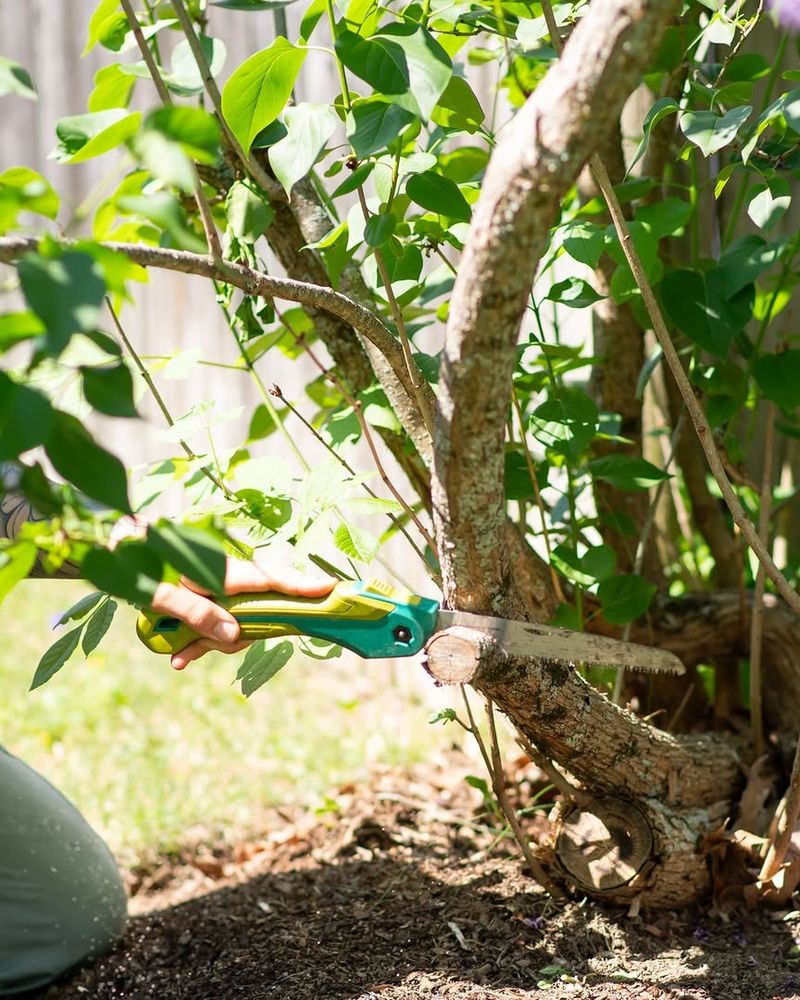
Leaves do more than make a tree look full. During summer, they are the primary source of energy production, shade, and moisture regulation for the entire plant.
Cutting away large portions of the canopy in August removes the very system the tree depends on most.
Photosynthesis runs at full capacity during long summer days. Reducing leaf mass means reducing the tree’s ability to produce food for itself.
That matters a lot when the tree is also managing heat stress and high water demand at the same time.
Canopy also shades the root zone. Roots near the soil surface can be sensitive to extreme heat.
A dense canopy keeps ground temperatures lower and helps retain soil moisture, which benefits root health during the hottest months.
Removing too much leaf cover at once can trigger a stress response. Some trees respond by sending out rapid, weak new growth called water sprouts.
These shoots grow fast but lack structural strength and often require additional pruning later.
In Arizona, afternoon shade from a mature tree can reduce surface temperatures significantly in the area beneath it. Thinning that canopy heavily in August eliminates a natural cooling benefit right when it is needed most.
6. Trees Store Less Energy After Heavy Pruning
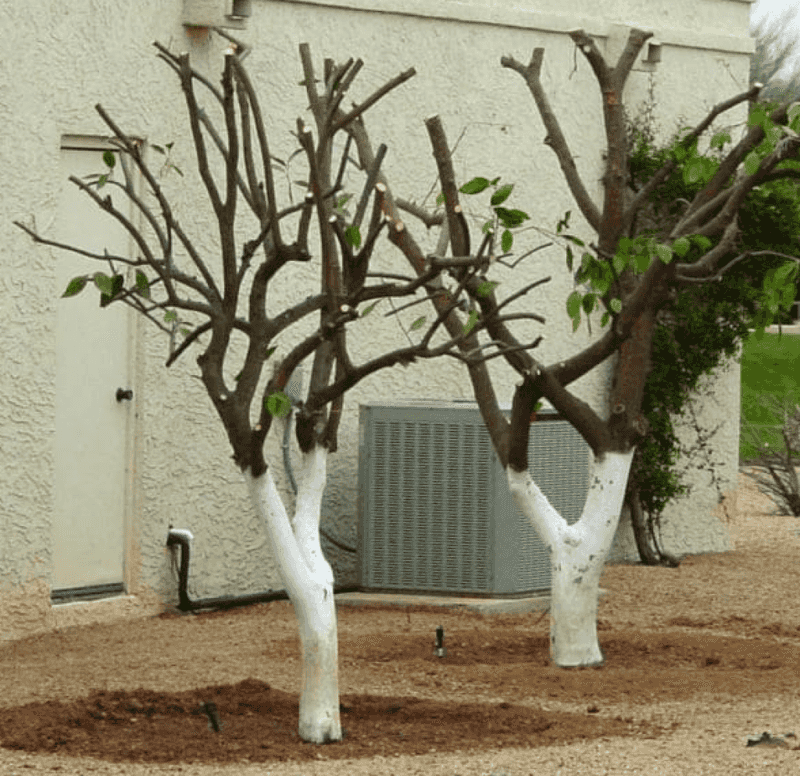
Energy storage in trees works differently than most people expect. Trees bank carbohydrates in their roots, trunk, and branches to fuel new growth, support healing, and get through tough stretches.
Heavy pruning pulls directly from those reserves.
When a large portion of the canopy is removed, the tree immediately starts drawing on stored energy to respond. It needs to seal wounds, push out new growth, and maintain basic functions.
All of that costs resources the tree was holding in reserve.
Depleted energy reserves make a tree more vulnerable to follow-on stressors. Pest pressure, drought, and disease can all hit harder when a tree is running low.
August is already a high-stress month, so adding heavy pruning to the equation compounds the challenge.
Recovery from significant pruning typically takes a full growing season or more, depending on the tree species and overall health.
Starting that recovery process in the middle of summer gives the tree less time to rebuild before the next stressful period arrives.
Smaller, selective cuts remove far less leaf and branch mass. The energy cost is lower, and the tree bounces back faster.
Keeping major work for cooler months gives reserves time to rebuild naturally before pruning demands kick in.
Healthy trees with full canopies heading into fall are better positioned to handle winter dormancy and spring growth cycles.
7. Light Cleanup Is Safer Than Heavy Cutting
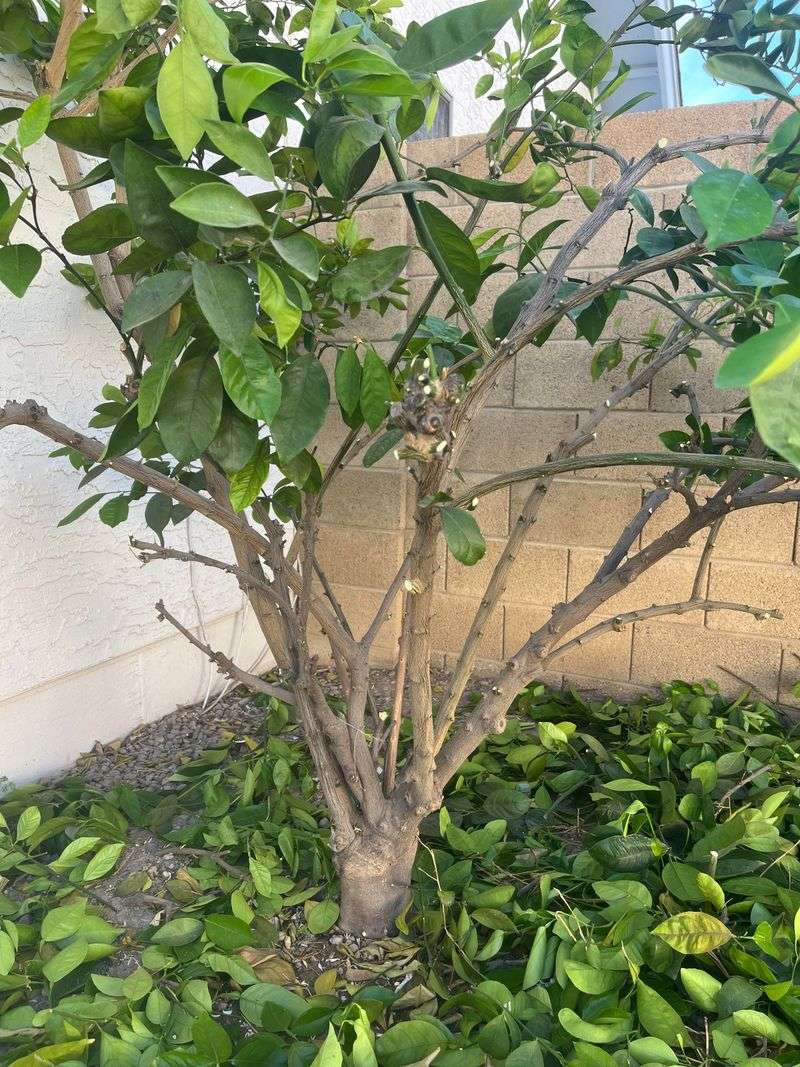
Not all pruning is equal. There is a big difference between tidying up a few wayward twigs and removing major structural limbs.
During August, light cleanup is the approach that makes the most sense for most desert trees.
Removing small broken twigs, clearing out crossing branches that rub together, or snipping back minor growth brushing against a structure are all low-impact tasks.
None of them significantly reduce the canopy or force the tree to spend much energy on healing.
Light work also gives you a chance to inspect the tree closely. You might spot signs of pest activity, early disease, or structural issues worth monitoring.
Catching problems early is always easier than addressing them after they have progressed.
Heavy cutting in summer, on the other hand, creates large wounds, reduces leaf mass, and triggers stress responses that can weaken the tree over time. The short-term satisfaction of a trimmed-up tree often comes at a longer-term cost in desert climates.
A good rule of thumb is to avoid removing more than about ten to fifteen percent of the canopy at any one time during hot months.
That estimate can vary depending on tree species and health, but it provides a reasonable starting point for keeping cuts conservative.