Why Skunks And Raccoons Suddenly Tear Up Ohio Lawns In Fall
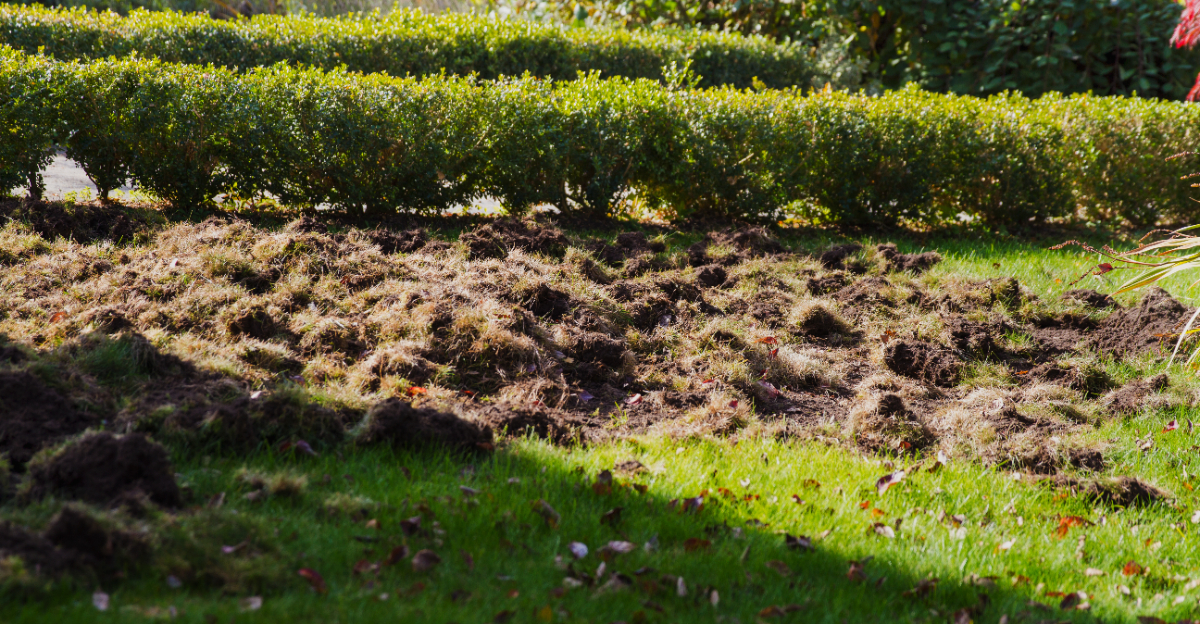
A lawn that looked perfect yesterday can wake up covered in torn patches and flipped chunks of grass by morning. In Ohio, this kind of fall damage often feels random, but skunks and raccoons are usually following a very specific target beneath the surface.
They are not interested in ruining your yard. They are searching for something that becomes much easier to find as the season changes.
The clues are in the damage itself. Shallow holes, lifted turf, scattered pieces of soil, and repeated digging spots can reveal what brought them there and why they keep returning.
The timing makes it more frustrating because your lawn is often trying to recover before winter arrives. Blaming the animal is easy, but the real cause may be the hidden food source turning your yard into a hunting ground.
Once you understand what they are after, the damage starts to make a lot more sense.
1. White Grubs Turn Fall Lawns Into Feeding Grounds
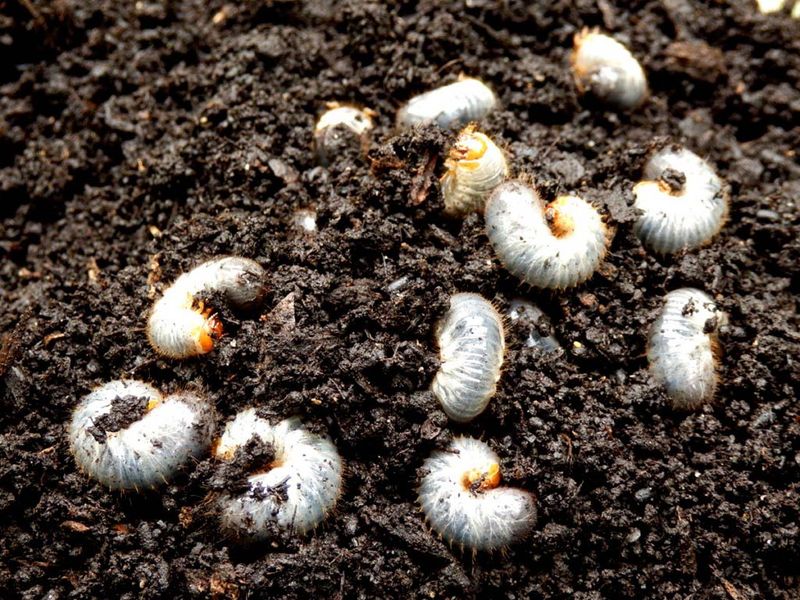
Beneath a well-kept lawn, the soil can hold more food than most people realize. White grubs are the larval stage of several scarab beetles, including Japanese beetles and masked chafers, which are both documented turf pests across the state.
According to Ohio State University Extension, white grub larvae feed on grass roots through summer and into fall before moving deeper in the soil as temperatures drop. During the early fall weeks, grubs are still near the surface and actively feeding.
That surface location makes them easy targets for foraging animals. Skunks and raccoons have a strong sense of smell and can detect prey moving just beneath the turf.
A lawn with a high concentration of grubs in the root zone can draw repeated nightly visits from wildlife searching for a reliable food source.
Grubs are not the only prey beneath the grass. Earthworms, beetle larvae, and other soil insects also live in the root zone and attract the same animals.
Still, white grubs are a well-documented food source for both species. A lawn that gets torn up repeatedly in the same spots may have a concentration of soil prey worth investigating.
The digging itself is not proof of a grub infestation, but it is a reasonable signal to take a closer look at what is happening underground.
2. Skunks Leave Clusters Of Shallow Holes
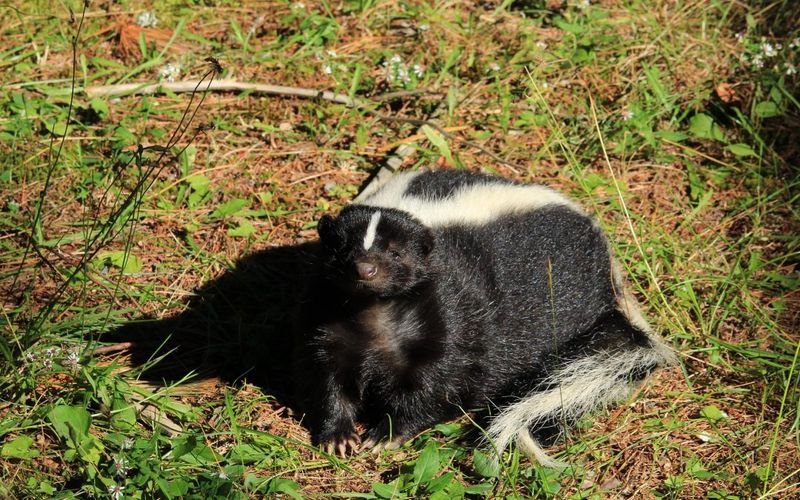
Waking up to a yard that looks like someone spent the night poking it with a stick is a frustrating experience. Scattered across the grass are small, shallow depressions, often grouped in clusters rather than spread in a single line.
That pattern is commonly associated with skunks, which tend to probe the soil with their snouts and front claws. They work in short, repeated motions rather than digging deep trenches.
Wildlife extension resources describe skunk digging as typically shallow and cone-shaped, concentrated in areas where the animal detects prey just below the surface.
A skunk may work across a section of lawn, punching small holes as it follows the scent of grubs or earthworms moving through the root zone.
Your Ohio Garden Changes Every Week. Your Plan Should Too.
Gardening in Ohio changes quickly throughout the season. Every Friday you’ll receive a simple weekly plan showing exactly what to plant, prune, fertilize, harvest, and protect so you never miss the right timing.
The holes are usually only a few inches deep and may appear in groups of several within a small area.
Identifying skunk activity by holes alone is not always reliable. Birds like starlings and robins also probe lawns for earthworms and grubs, and squirrels occasionally dig small holes while caching food.
Combining the hole pattern with other clues helps narrow things down. Skunk tracks show five toes with visible claw marks, and skunks are most active at night.
Fresh damage appearing overnight alongside a faint musky odor nearby can help confirm the source. Checking more than one type of evidence gives a clearer picture.
3. Raccoons Peel Back Bigger Pieces Of Turf
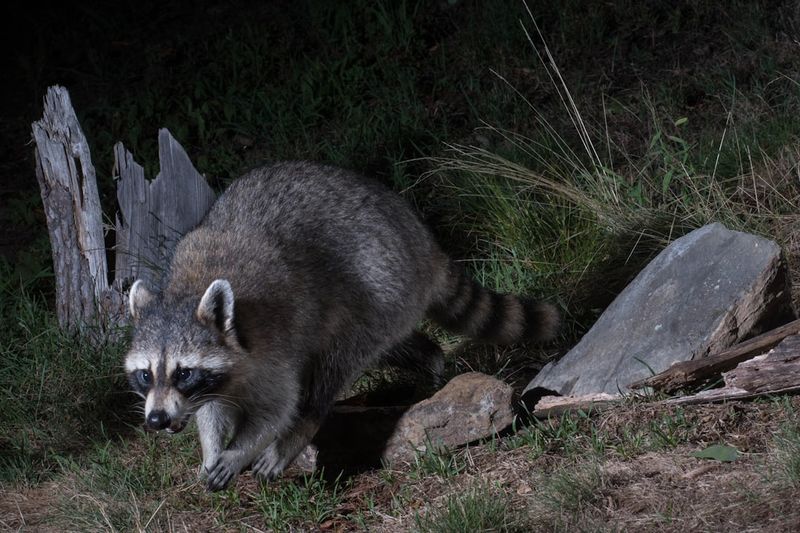
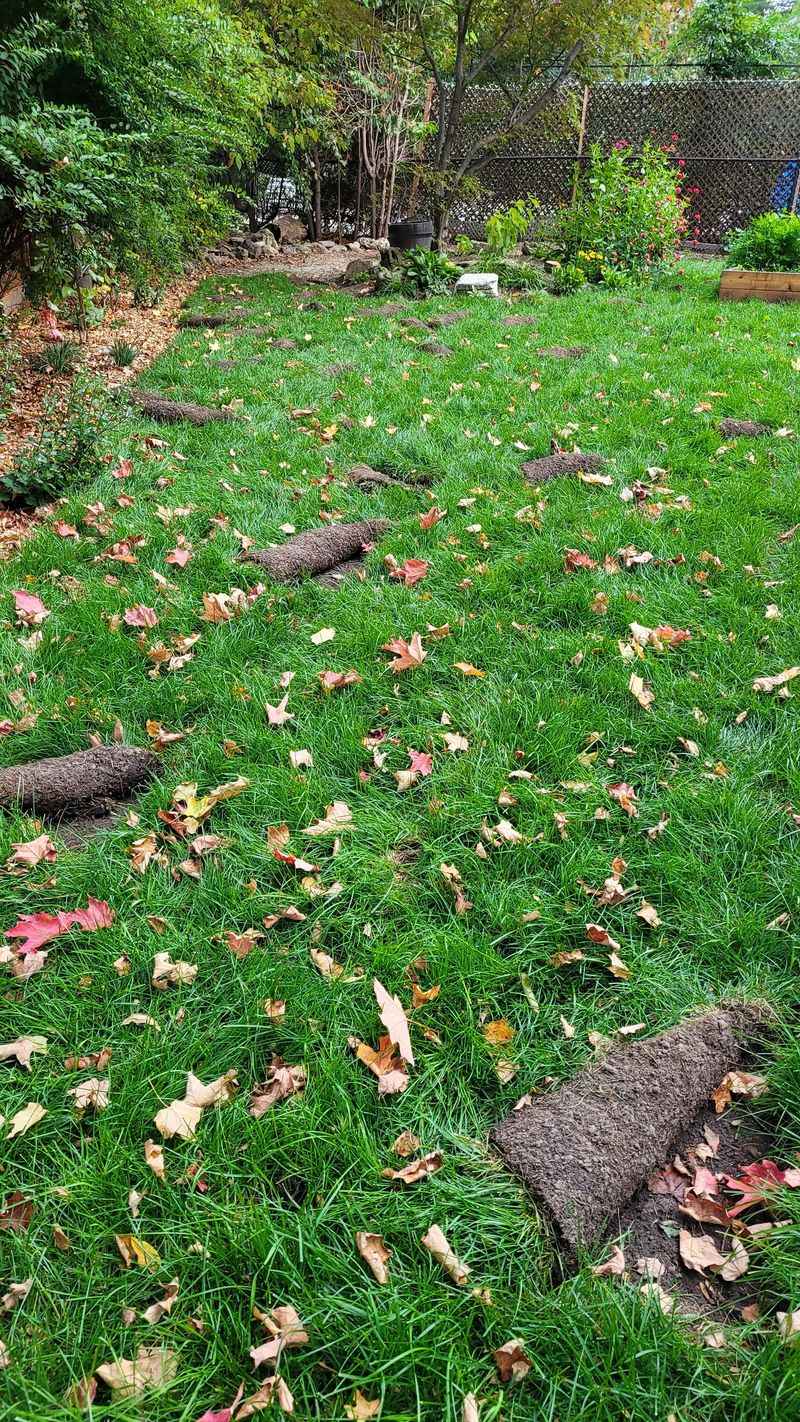
Grass that looks like loose carpet someone tried to roll back is a different kind of damage from the scattered holes a skunk leaves behind. Larger sections of sod lifted, flipped, or folded over are more commonly linked to raccoon activity.
Raccoons have dexterous front paws and are physically capable of gripping and pulling turf upward when the grass roots beneath are weakened or loosened.
According to wildlife resources from the Ohio Department of Natural Resources, raccoons are opportunistic feeders that actively search for invertebrates in soil and turf.
When grubs or other prey are concentrated near the surface, raccoons may lift entire sections of sod to access the food below.
The result can look dramatic, with patches of grass folded back and bare soil exposed underneath.
The distinction between skunk and raccoon damage is useful but not absolute. Both animals can create overlapping patterns depending on soil conditions, prey location, and individual behavior.
Raccoon tracks are distinctive, showing five elongated toes on both front and back feet, and they resemble small handprints in soft soil. Fresh damage appearing in larger torn sections overnight, combined with visible tracks, makes raccoon activity a reasonable conclusion.
Even so, treating the damage as a clue rather than a certainty is the smarter approach before deciding on any response.
4. Loose Sod Makes The Search Much Easier
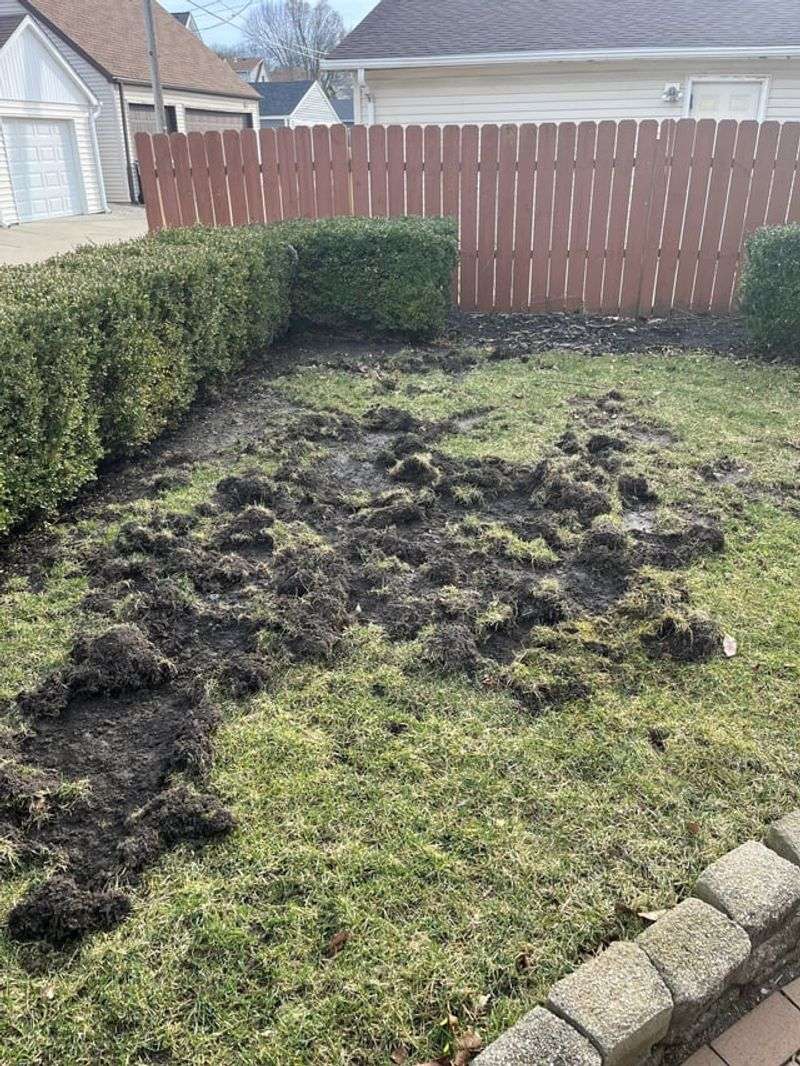
Grass that pulls up with almost no resistance is telling you something important about what is happening below the surface. Healthy turf holds firmly to the soil because its root system anchors it in place.
When white grubs feed heavily on those roots through late summer and into fall, the connection between grass and soil weakens significantly.
Ohio State University Extension notes that heavy grub feeding can sever enough roots to leave turf spongy underfoot and easy to lift in sections.
That loosened sod becomes much easier for wildlife to access. A raccoon or skunk that might otherwise struggle to break into firm turf can peel back a weakened section with far less effort.
The animals are not causing the original root damage, but they are taking advantage of conditions that grub feeding may have already created. Loose turf essentially lowers the barrier between the forager and its meal.
Grubs are not the only reason sod can become loose. Drought stress, fungal disease, and other turf problems can also weaken root systems and make grass easier to disturb.
A lawn that lifts like a rug deserves a close inspection regardless of what caused it. Pressing down on affected areas with your foot and checking whether the turf springs back or stays flat is a simple first test.
Spongy turf that does not bounce back warrants a look at the root zone before assuming wildlife is the whole story.
5. The Digging Can Reveal A Hidden Grub Problem
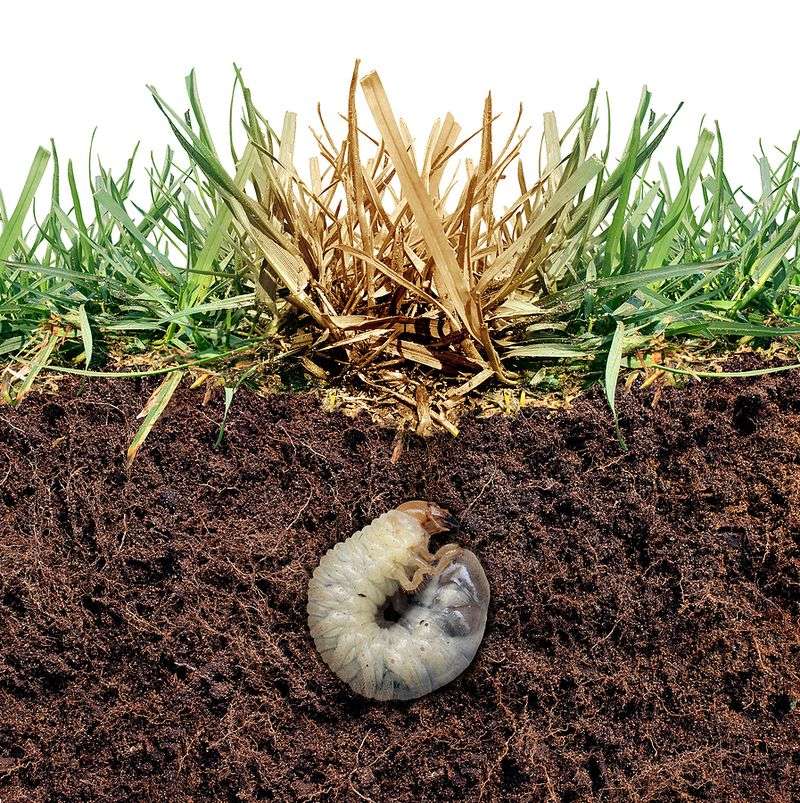
Animals rooting through a lawn night after night can feel like pure destruction, but there is another way to look at it. Repeated foraging in the same area may be pointing to something beneath the surface that would have gone unnoticed otherwise.
A lawn that looks healthy from above can still have a significant concentration of soil-dwelling prey just below the root zone. Wildlife often finds it before the homeowner does.
Persistent digging in a specific patch of turf is a reasonable prompt to check what is actually underneath. Ohio State University Extension recommends cutting and lifting a one-square-foot section of sod from the affected area and examining the soil and roots directly.
Checking several spots across the damaged zone gives a more accurate picture than relying on a single sample. Grub numbers and visible root injury together matter more than either factor alone.
Seeing wildlife dig does not automatically mean a grub treatment is needed. Skunks and raccoons also forage for earthworms and other soil insects that may be present in normal quantities.
Repeated damage in the same spots, combined with a physical inspection showing significant root loss, gives a much stronger basis for action than wildlife activity alone.
Letting the animals guide you to the right spots for inspection is actually a practical starting point, as long as the inspection itself drives any decision that follows.
6. Not Every Torn Lawn Needs Grub Treatment
Reaching for a bag of grub control the morning after finding torn turf is an understandable reaction. The damage looks serious, the cause seems obvious, and treating it feels like taking action.
Slowing down before applying any product is worth the extra effort, because the digging may not actually point to a grub problem that requires intervention.
Skunks and raccoons eat a wide variety of soil-dwelling prey. Earthworms are a major food source for both animals, and neither species limits itself to white grubs.
A yard with abundant earthworm activity can attract repeated foraging even when grub numbers are low or within a range that causes little actual turf harm. Applying a grub-control product in that situation would treat a problem that does not exist.
Ohio State University Extension guidance emphasizes that both preventive and curative grub products have specific timing windows. They work best when applied to a confirmed grub problem.
Preventive treatments are typically applied earlier in the season, while curative options may be used later when grubs are already present and feeding.
Using either product without confirming a grub issue wastes money, adds unnecessary chemistry to the lawn, and may not stop the wildlife from returning anyway.
A physical inspection of the root zone is the most reliable way to determine whether a grub population is large enough to warrant treatment before any product goes down.
7. Check Beneath The Turf Before You Treat
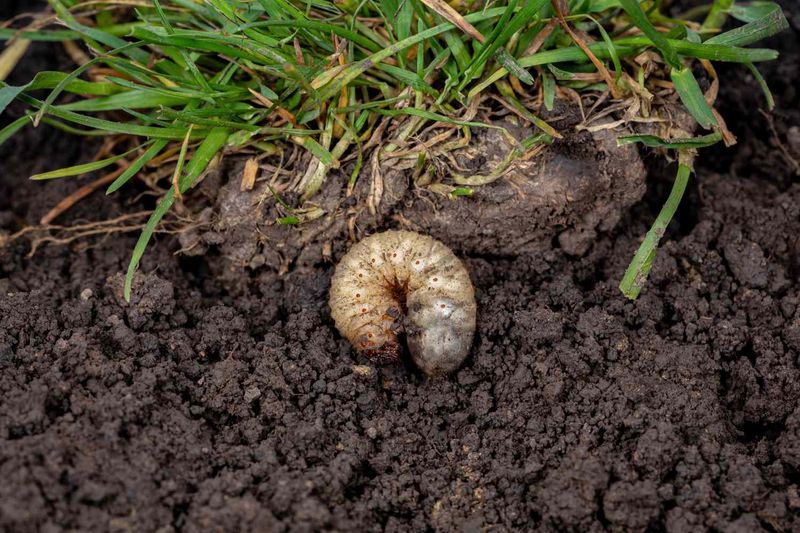
Looking past the torn surface and focusing on what is underneath is where a smart diagnosis actually begins. Pulling back a damaged section of turf and examining the root zone directly takes only a few minutes.
It gives far more useful information than the surface damage alone can provide. Ohio State University Extension recommends using a sharp spade or knife to cut a small section of sod, roughly one square foot.
Fold it back to expose the soil beneath.
White grubs are C-shaped, cream-colored larvae with a tan or brown head capsule. They are typically found in the top few inches of soil, often curled near the root zone.
Checking several locations across the damaged area is more reliable than inspecting a single spot, since grub populations can be unevenly distributed across a lawn. A single sample with a few grubs may not reflect what is happening a few feet away.
Actual treatment decisions should rest on what the inspection reveals. Visible root damage combined with a meaningful number of grubs across multiple sample spots gives a reasonable basis for considering a curative product.
Finding only one or two grubs per square foot in soil that still has an intact root system suggests the turf may recover on its own.
Grub thresholds can vary by turf type and condition, so consulting Ohio State Extension resources for your specific situation is a reliable next step before treating.
8. Repair The Damage After The Foraging Slows
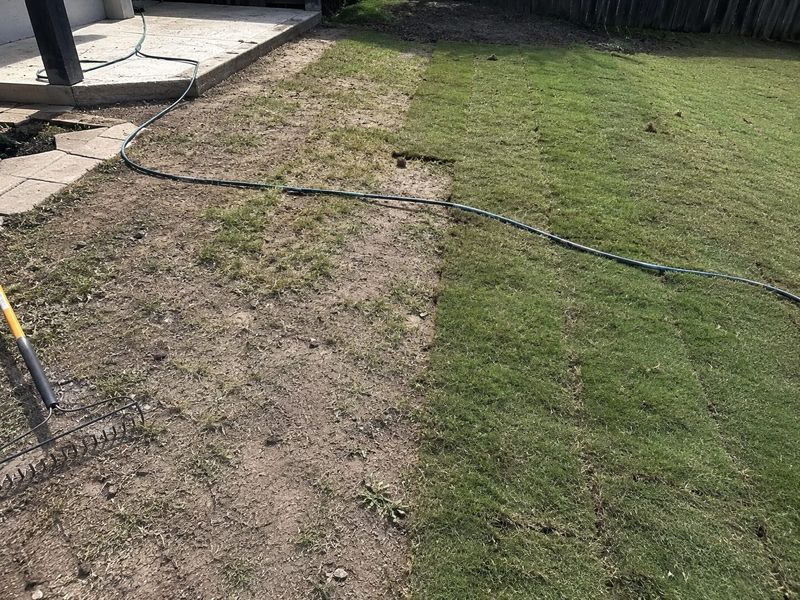
Once the nightly visits taper off, the lawn still needs attention. Torn patches, flipped sod, and exposed soil do not fix themselves, and leaving them through winter can invite weed establishment and further turf loss.
Repairing the damage promptly gives the grass the best chance to recover before cold weather sets in.
For sections where sod was lifted but not destroyed, press the turf firmly back into place and water it in. This can help restore soil contact and encourage root recovery.
Turfgrass specialists recommend tamping loosened sections down firmly and keeping them consistently moist while roots re-establish. Thin or bare areas where sod was too damaged to salvage may need overseeding.
Fall reseeding in Ohio works best when done early enough to allow germination before soil temperatures drop too low for good establishment.
Repairing the surface is only part of the equation. If the underlying prey population that attracted wildlife in the first place has not been addressed, the foraging may return and undo the repair work.
Skunks and raccoons are following food beneath the turf, and patching the grass without checking what is below leaves the root cause unresolved. A repaired lawn that sits over an active grub population or dense earthworm activity will likely draw foragers back.
Letting the evidence from your inspection guide the full response, surface repair and soil management together, gives the lawn the best path forward.