Why Fall Is The Best Time To Plant Trees In Missouri
October rearranges everything beneath the surface while you aren’t looking. Nobody tells you that autumn quietly surpasses spring for planting. Missouri soil under your feet stays warm after leaves fall.
Roots keep working in your yard while everyone assumes season ended. Packing your tools away early costs you the strongest window. Cooler air eases stress off your new plantings almost instantly.
Rain arrives steadier now, sparing you from constant watering. Fungal threats ease, giving your roots room to expand. Winters here move slower than you expect, especially in Missouri.
Nurseries drop prices while demand for your favorite plants eases. Establishing plants now guarantees you stronger blooms later. Waiting until spring forces your roots to work through summer heat.
Timing matters more to you than effort once the calendar shifts. Advantages like this rarely stay hidden from you for long. You will not want to look away from what comes next.
1. Missouri Autumn Rain Does Your Watering For You

Ask anyone who has hauled a five gallon bucket across a hot July lawn how they feel about summer planting. Their answer usually involves sore arms and a hose that never reaches far enough.
Fall in Missouri tends to hand you steady, gentle rainfall instead. Autumn systems roll through with soaking rains rather than the quick downpours that run off before soil can absorb anything.
Cooler temperatures also mean far less water disappears into thin air. Evaporation from soil and leaves drops sharply once daytime highs settle into the 60s and 50s.
The math works in your favor. A tree planted in October typically needs far less supplemental water than one planted in June during a heat stretch.
Still, do not assume nature covers everything. Missouri sees dry Octobers now and then, so check soil moisture by poking a finger a few inches down near the root ball.
If it feels dry, give the tree a slow soak. A hose trickling at the base for twenty minutes beats a fast blast that mostly runs sideways.
Keep watering until the ground freezes hard, usually sometime in December depending on where you live in the state. Evergreens especially appreciate that late season drink because their needles lose moisture all winter long.
Come spring, your tree starts the growing season already hydrated and settled. That head start shows up in leaf size and shoot length within the first year.
2. Nurseries Discount Trees To Clear Inventory
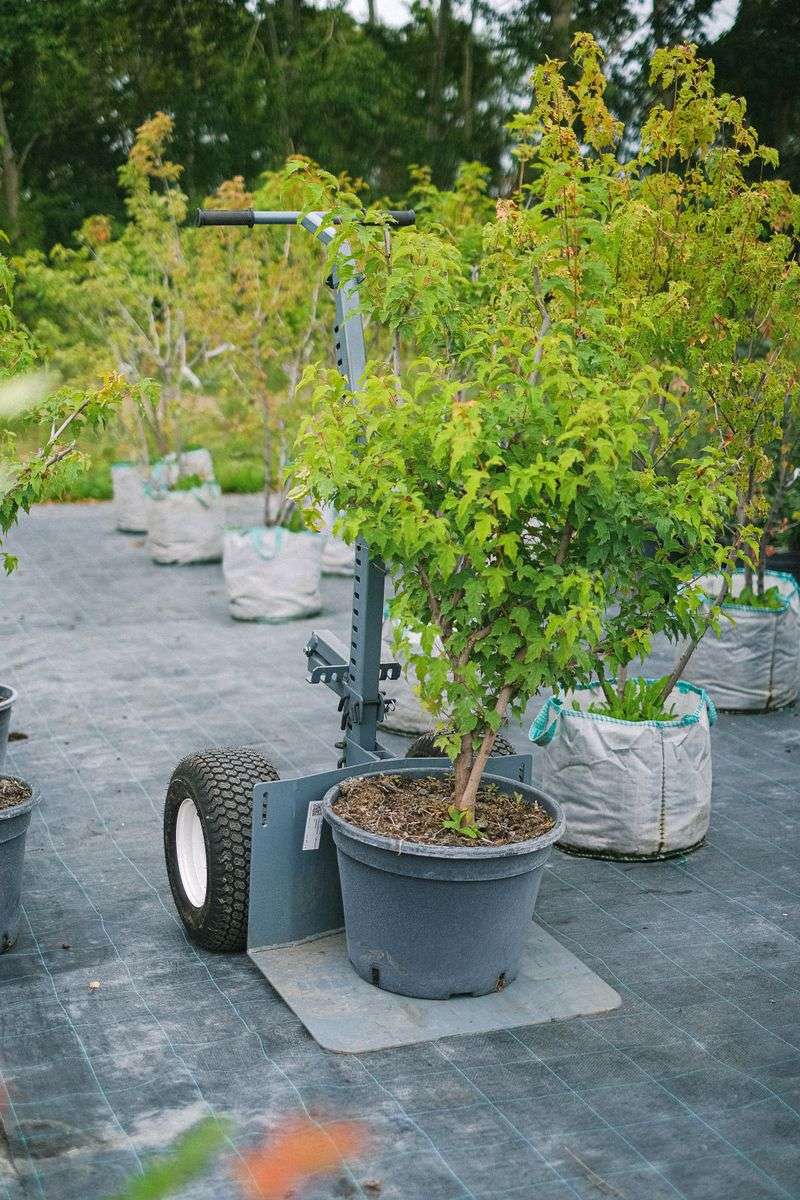
Here is a secret garden centers do not advertise loudly. By late September, they would rather sell you a tree at a discount than pay to shelter it through winter.
Prices on trees and shrubs can drop significantly once autumn sets in, though the exact discount varies by nursery and location. Some Missouri nurseries run clearance events in October just to clear inventory before cold weather.
Say a tree costs around eighty dollars in May, you might find a similar one for roughly half that in October. For anyone landscaping a whole yard, the savings add up fast.
Your Missouri Garden Changes Every Week. Your Plan Should Too.
Gardening in Missouri changes quickly throughout the season. Every Friday you’ll receive a simple weekly plan showing exactly what to plant, prune, fertilize, harvest, and protect so you never miss the right timing.
Selection does shrink, so shop with flexibility. Go in knowing which two or three species suit your spot rather than fixating on one exact cultivar.
Inspect stock carefully before buying. Look for firm bark, no circling roots poking out of drainage holes, and a root ball that feels heavy and moist rather than light and crumbly.
Skip anything with a trunk wound, obvious cracks, or leaves that browned early and stayed attached. Those are signs of stress that a bargain price will not fix.
Ask staff how long the tree has sat in the lot. Container trees that spent all summer baking on asphalt may show more stress, while balled and burlapped stock dug in fall is often fresher.
A little patience with the clearance rack can fill a yard for the price of one spring maple. Just plant promptly instead of letting your bargain sit in the driveway for weeks.
3. Warm Soil Meets Cool Air, The Perfect Combo
Picture a bathtub that has been sitting full since July. That is basically Missouri soil in October, still holding onto summer heat long after the air has turned crisp.
Roots love warm soil. Many horticulturists point to ground temperatures staying above roughly 40 degrees as the cutoff for active root growth, which in most of Missouri can mean well into November or even early December.
Meanwhile, the cool air above ground tells the branches and leaves to slow down. That mismatch is exactly what a newly planted tree wants, because it can pour energy into root building instead of pushing out tender new shoots.
Spring works the opposite way. Cold, soggy soil sits under warming air, so the top of the tree wakes up and demands water before the roots are ready to deliver it.
Practically speaking, this means a tree planted in mid October gets several weeks of quiet root expansion before winter settles in. By the time April arrives, that root system is already anchored and reaching for moisture.
You can stretch the window even further by mulching a few inches deep after planting. Mulch works like a blanket, holding soil warmth longer and buying your tree extra root growing days.
Skip mulch piled against the trunk though. Keep it pulled back a couple of inches so the bark stays dry and pest free through the damp months.
4. Transplant Shock Loses Most Of Its Punch
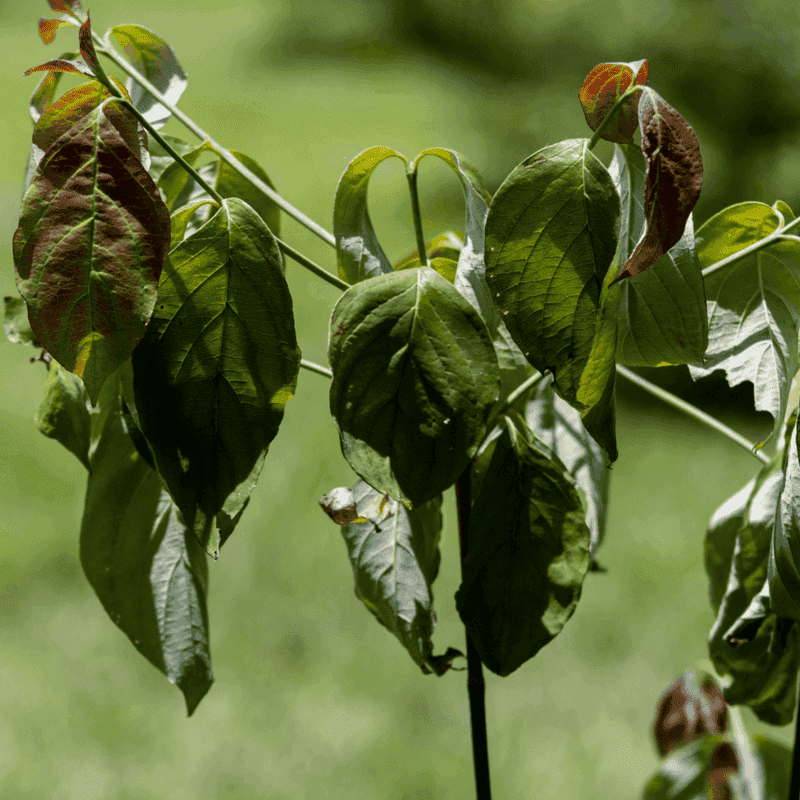
Moving a tree is a bit like moving to a new town. The adjustment period is rough, and heat makes everything worse.
When a tree gets dug up, it leaves a big share of its fine feeder roots behind in the field. The remaining roots have to support the entire canopy above.
In spring or summer, that canopy is full of leaves demanding water constantly. The reduced roots cannot keep up, and the tree wilts, scorches, and sulks for a season or two.
Fall changes the equation. Leaves are dropping or already gone, so water demand plummets right when the root system is smallest.
The tree essentially gets months of recovery time with almost no pressure. It rebuilds fine roots through late autumn, rests through the coldest weeks, then resumes root work during winter thaws.
Missouri gets plenty of those mild stretches in January and February. Ground temperatures bounce back above freezing, and root growth quietly resumes while everything looks dormant.
To help things along, keep the root ball intact during planting. Slice away twine and burlap once the tree sits in the hole, but avoid shaking soil loose from the roots.
Loosen the sides of your planting hole with the shovel so roots can push outward easily. Glazed, smooth hole walls act like a flower pot and encourage roots to circle instead of spreading. Handle it right and your tree barely notices it moved.
5. Fewer Bugs, But New Risks To Watch For

Insects and fungi both thrive on the same conditions found in a Missouri summer, warmth plus humidity. Take away the warmth and their activity drops off considerably.
Japanese beetles have finished feeding by October. Borers that hunt stressed trunks are winding down their flight periods, and leaf spot fungi lose steam as temperatures drop.
A newly planted tree is naturally more vulnerable while it recovers. Giving it a few pest quiet months to establish is a real advantage.
Cooler weather also means less leaf disease pressure on species prone to it. Dogwoods, crabapples, and maples all appreciate skipping a humid establishment period.
There is one autumn nuisance worth guarding against, and it has antlers. Bucks rub their heads on slender trunks in October and November, and a young tree can lose significant bark in a single evening.
Wrap the lower trunk with a plastic spiral guard or set three sturdy stakes around it. Remove guards in spring so nothing girdles the growing trunk.
Rabbits and voles gnaw bark under snow cover too. A hardware cloth cylinder pushed an inch into the soil handles both, and it costs almost nothing.
Keep mulch pulled back from the trunk as well, since piled mulch gives voles a cozy tunnel right next to the bark. A doughnut shape works better than a volcano. Small precautions in October save a whole lot of frustration in March.
6. Your Tree Gets A Head Start On Missouri Summer
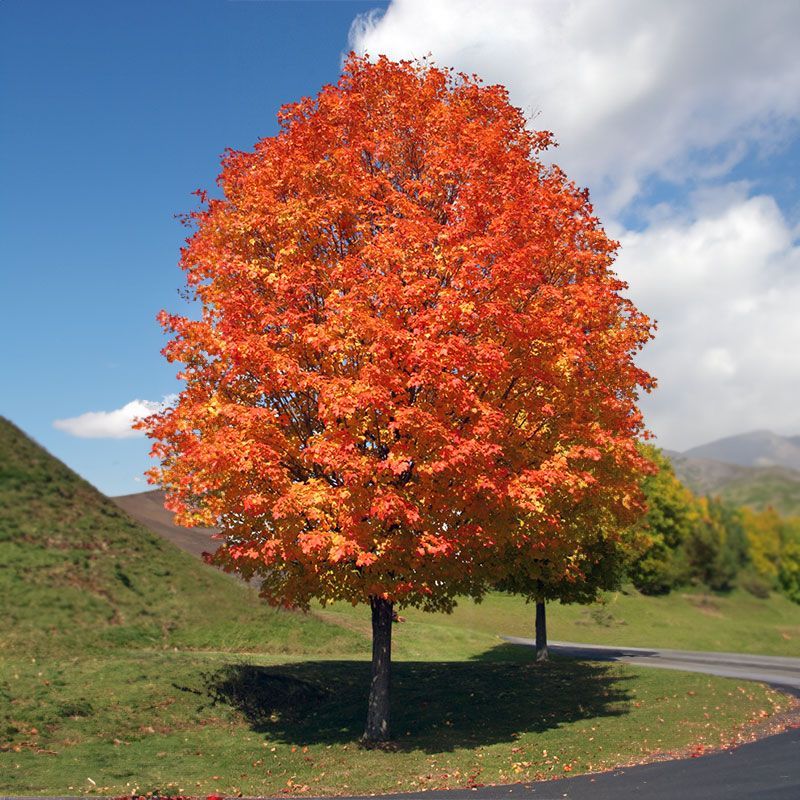
Missouri summers do not ease in politely. One week it is pleasant, the next it is 96 degrees with air thick enough to swim through.
A tree planted the previous October faces that heat with roots already spread through surrounding soil. A tree planted in April faces it with roots barely out of the original root ball.
The difference in survival odds can be considerable. Horticultural experts widely agree that fall planted deciduous trees tend to establish faster than spring planted ones of the same size.
Growth shows it too. Fall planted trees often put on noticeably more trunk caliper and shoot length in their first full season.
Think of it as banking six extra months of root development for free. That underground network is what carries a tree through drought, wind, and August humidity.
Give it the best possible start by digging wide rather than deep. A hole two to three times the width of the root ball, but only as deep as the ball itself, encourages roots to spread sideways where oxygen lives.
Set the tree so the root flare, that widened spot where trunk meets roots, sits slightly above surrounding grade. Planting too deep is one of the most common mistakes in home landscapes.
Backfill with the native soil you removed. Fancy amendments in the hole can create a bathtub effect that keeps roots trapped in one spot. Water it in well, mulch, and let winter do the rest.
7. Cool Weather Makes Digging Almost Pleasant

Anyone who has dug a planting hole in Missouri clay in July knows how difficult it can be. Sweat in the eyes, gnats in the ears, and soil baked hard and dry.
Autumn digging is a different experience entirely. Fifty five degrees and overcast turns a chore into something almost enjoyable.
The soil cooperates better too. Fall moisture softens clay so a spade slices through instead of bouncing off, and you get cleaner hole walls with less effort.
That matters more than comfort. Working soil at the right moisture level protects its structure, while chopping at bone dry or waterlogged clay ruins the crumbly texture roots need.
Test readiness by squeezing a handful. If it forms a ball that crumbles when poked, conditions are good, and if it stays slick and shiny, wait a couple of days.
Since you are not racing the heat, you can take time to do things properly. Measure the root ball depth, check the flare, and remove any wire basket or synthetic burlap.
Fall is also a good moment to fix drainage issues before planting. Fill the empty hole with water and see how long it takes to drain, since standing water after several hours signals a spot better suited to a raised planting berm.
Bring a tarp for the excavated soil. It keeps your lawn tidy and makes backfilling quicker when the wind picks up. Comfortable work tends to be careful work.
8. Autumn Color Shopping Beats Guessing From A Tag
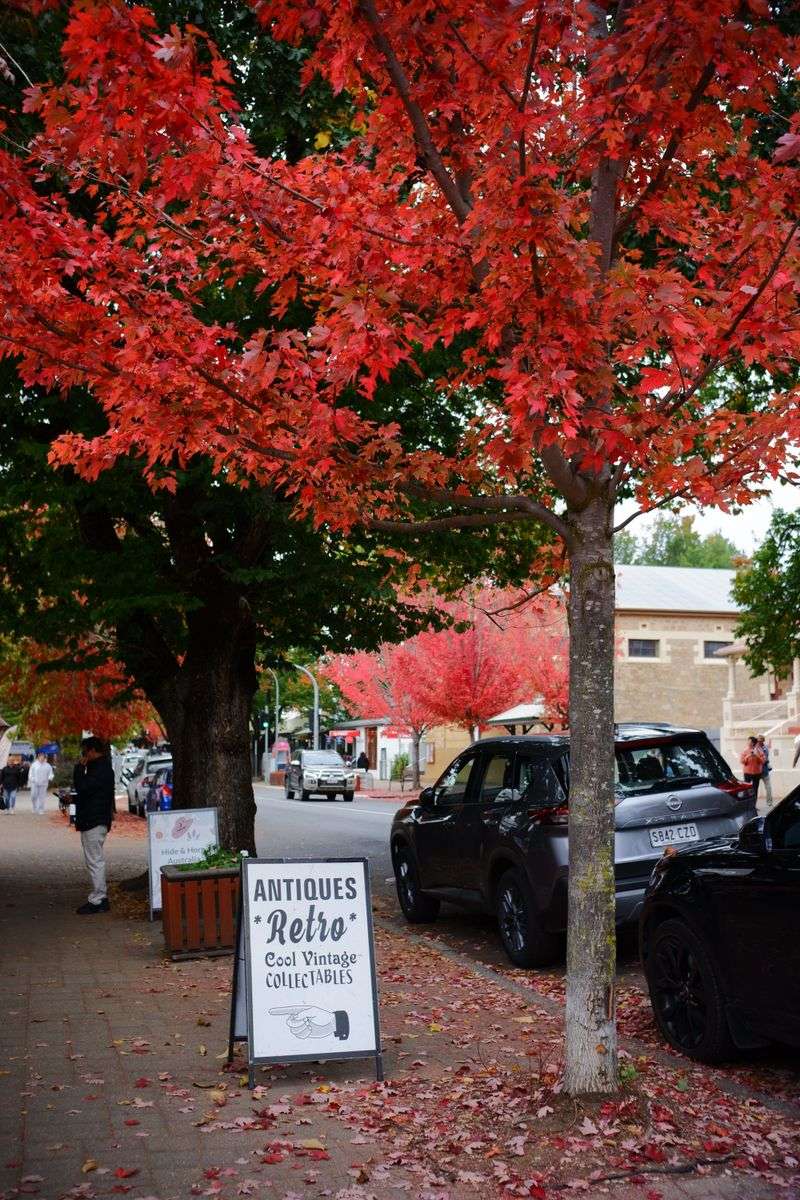
Plant tags promise things like brilliant scarlet and glowing amber. Reality sometimes delivers muddy brown.
Shopping in October lets you see actual color on actual trees instead of trusting a photograph. What you pick is what you get, standing right in front of you.
Individual seedlings within a species can vary quite a bit. Two red maples grown from seed may turn wildly different shades, so choosing in person removes the gamble.
Look for named cultivars if consistency matters to you. Selections are propagated from cuttings, meaning color performance stays predictable year after year.
Missouri offers some genuine standouts worth seeing in the flesh. Sugar maple glows orange and gold, black gum turns fiery scarlet, and serviceberry mixes red and orange in the same canopy.
Native oaks deserve a look as well. Shumard and scarlet oak deliver deep red tones and support an enormous number of native insects and birds.
Bring your phone and photograph the tree beside the tag. Memories fade by planting time, and labels sometimes go missing in transit.
Consider where you will view the tree from too. A gold leafed tree planted where afternoon sun backlights it looks twice as dramatic as the same tree in shade.
Pair color thoughtfully with what already grows in your yard. Red and gold together sing, while three reds in a row can read as visual noise. Choosing with your own eyes is simply more satisfying.