8 Pyracantha Alternatives Arizona Homeowners Are Planting Without the Thorns or the Mess
A popular hedge shrub across Phoenix belongs to the rose family and catches the fire blight that scorches pear trees. Its thorns are sharp enough to leave swollen, throbbing fingers after one careless afternoon spent pruning along the fence.
Those orange berries look cheerful until they drop onto the patio and leave sticky stains for weeks. Salty Arizona irrigation water can also brown the leaves, which makes the tangled branches look even scruffier by summer.
I have to admit I kept mine far too long because I loved the birds that visited each winter. What surprises me most is how many thornless, low-water plants feed the same birds while asking far less.
October is prime planting time in Arizona, since cooler soil helps new roots settle before next summer arrives. So which softer, tidier shrubs and trees deserve that empty spot along your fence this fall?
1. Desert Willow
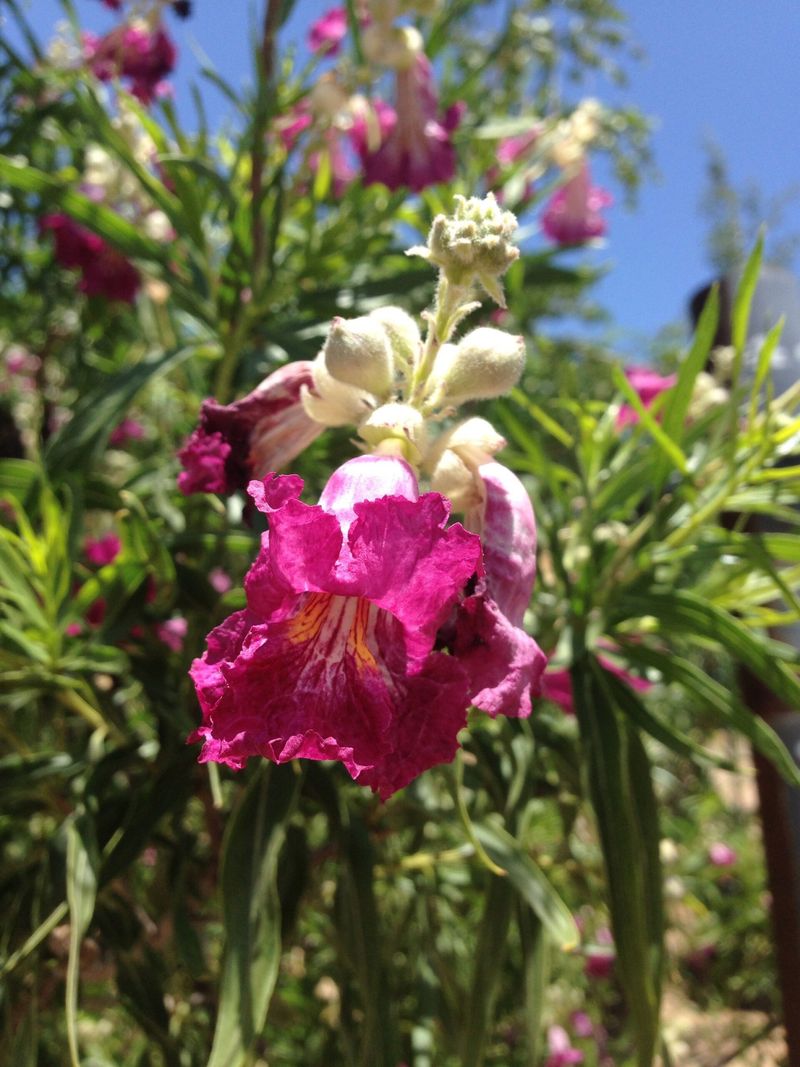
Hummingbirds treat a blooming desert willow like a drive-through, zipping between its ruffled pink trumpets from spring well into fall. Despite the name, it is not a true willow at all, but a cousin of catalpa trees.
I love how the narrow leaves cast a soft, airy shade without a single thorn to snag your sleeve. Native to desert washes across the Southwest, it handles brutal heat and grows comfortably in USDA zones 7 through 11.
You might notice skinny seed pods dangling in autumn, and they do create some light litter beneath the canopy. Most homeowners find a quick rake every few weeks easier than scrubbing sticky, staining berries off the patio.
Plant it now in full sun with fast-draining soil, then water deeply every week or two through the cooler months. Once established after a couple of years, it gets by on occasional summer soaks and little else.
Pruning young trees into a single or multi-trunk shape helps them look tidy instead of shrubby. Varieties like Bubba and Burgundy offer darker flowers, so you can choose blooms that match your house and personal style.
2. Desert Museum Palo Verde
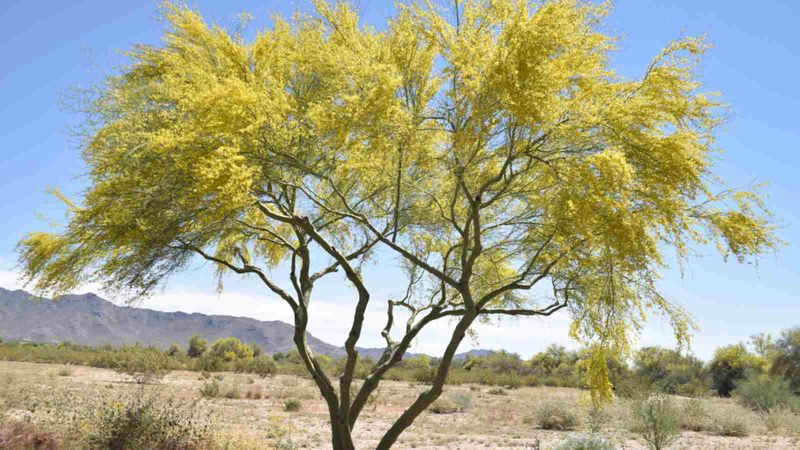
Green bark does a surprising amount of work on this tree, since palo verdes photosynthesize through their trunks and branches. The Desert Museum hybrid was selected in Tucson and blends three palo verde species into one remarkably tidy package.
Personally, I think the near lack of thorns is its best trick, especially compared with the spiny native foothill palo verde. Kids and dogs can run beneath the branches without snagging skin or fur on sharp little spines.
Each spring, the canopy bursts into bright yellow flowers that bees visit eagerly, and scattered blooms often return later. It also sets fewer seed pods than many palo verdes, so cleanup stays refreshingly light after the flowers fade.
Growth is fast, sometimes reaching twenty feet tall within several years, so give it space away from walls and pools. Full sun and reflected heat suit it nicely, and it handles typical desert soils without much fuss or amendment.
October planting gives roots months of mild weather before the next hot summer tests them. Water deeply but infrequently, and avoid heavy fertilizer, because lush, overfed growth can make branches weaker during monsoon winds.
3. Brittlebush
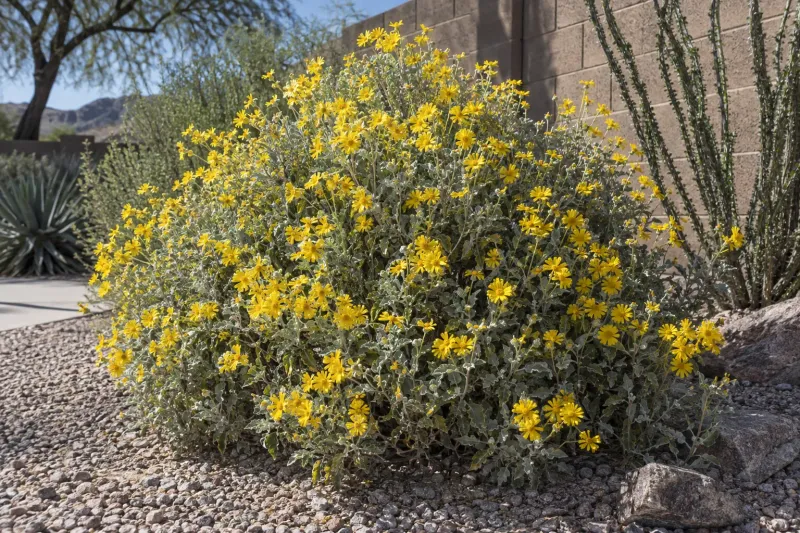
Early Sonoran Desert missions reportedly burned brittlebush sap as incense, giving this humble shrub a surprisingly fragrant history. The name comes from its brittle stems, which snap easily, though you will find no thorns anywhere on it.
I like how the fuzzy, silver leaves practically glow under a full moon, reflecting light and helping the plant stay cool. Those fine hairs are a clever adaptation that reduces water loss on the hottest, driest afternoons.
By late winter and spring, mounds turn bright yellow with daisy flowers held on tall stems above the foliage. Bees and butterflies crowd those blooms, and finches pick at the seeds once the petals fall and heads dry.
Its open, airy structure leaves fewer shaded hiding spots than a thick hedge, which keeps yard edges easier to inspect. Cut spent flower stalks back in late spring if the seedheads look messy or you want fewer volunteers.
Brittlebush is frost tender below the high twenties, so it suits low and mid elevation gardens best. Plant it this month in sunny, well-drained ground, then water monthly once settled, since overwatering shortens its life.
4. Desert Marigold
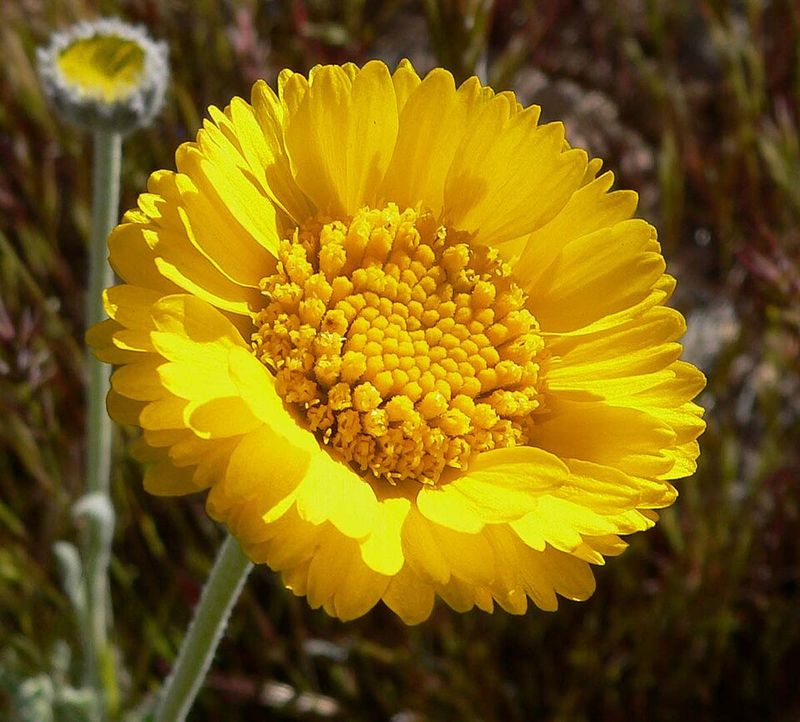
Few wildflowers bloom as stubbornly as desert marigold, which can flower in nearly every month when given a little extra water. Its lemon-yellow daisies sit on wiry stems above soft, woolly gray leaves that look lovely beside dark boulders.
You need very little to keep it happy, mainly full sun and gravelly soil that drains quickly after a rare storm. Rich soil and frequent watering tend to make plants floppy, so tough love works better with this desert native.
Native bees and small butterflies visit constantly, and seed-eating birds like lesser goldfinches enjoy the heads once flowers dry. I enjoy leaving a few faded blooms in place just to watch those tiny yellow birds work the patch.
Individual plants are short-lived perennials, often lasting only a couple of years before they decline and fade out. Thankfully, they reseed politely, so new seedlings usually pop up nearby to keep the color going without replanting.
Scatter seed or set out small transplants now, since fall planting takes advantage of winter rains for root growth. Grouping several plants along a walkway creates a low, thornless border that feels friendly to bare ankles and passing guests.
5. Desert Globemallow
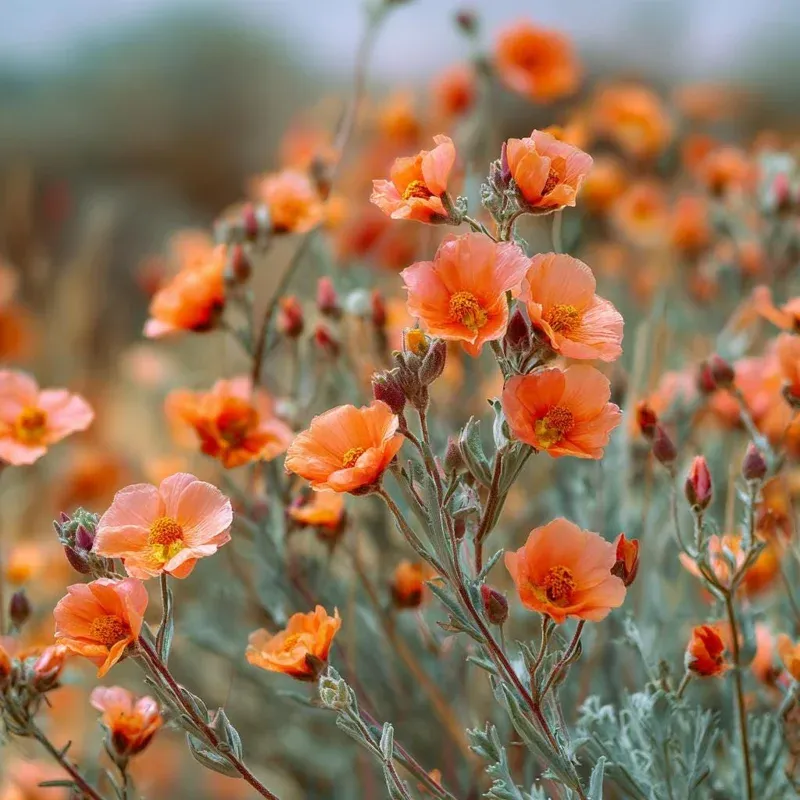
Desert globemallow flowers come in a sherbet shop of colors, from classic apricot orange to pink, red, lavender, and white. Those cupped blooms open from late winter through spring, and plants often rebloom after a trim and extra water.
Native bees adore it, including specialist globemallow bees that rely heavily on Sphaeralcea flowers for pollen. I love how a single clump can buzz with activity on a warm morning without needing anything fancy from you.
One small warning belongs here, because the tiny star-shaped hairs on the leaves can irritate eyes and sensitive skin. Wear gloves when pruning, and plant it a step back from paths where people brush past regularly.
Still, it has no thorns, and its relaxed, mounding shape fits nicely in spaces where a spiny hedge felt too aggressive. Cut it back hard in late spring or summer to refresh tired stems and encourage a tidier, fuller form.
Plant now in full sun with lean, well-drained soil, then water every couple of weeks until winter rains arrive. Established plants handle long dry stretches well, which makes them ideal for low-water beds along driveways and block walls.
6. Texas Ranger
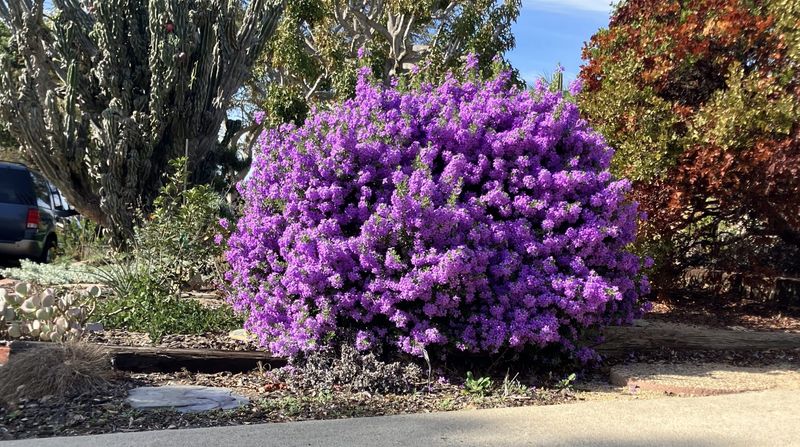
Gardeners often call Texas ranger a barometer bush, since it tends to bloom after rains or when humidity rises during monsoon season. Seemingly overnight, the silvery shrub disappears beneath a cloud of purple, bell-shaped flowers that bees find irresistible.
Personally, I think it makes one of the friendliest hedge replacements, offering dense evergreen screening without a single thorn. It thrives in punishing sun and reflected heat, and established shrubs need only occasional deep watering during summer.
You will want to resist the urge to shear it into tight boxes or balls, which reduces flowering dramatically. Selective pruning in spring keeps a natural shape and allows the shrub to bloom freely along the branch tips.
Most varieties reach five to eight feet tall, so check the tag and pick a compact type for smaller spaces. Options like Green Cloud and Compacta vary in foliage color and size, giving you useful choices for any yard.
Well-drained soil matters most, since soggy roots lead to rot faster than drought causes trouble. Fall planting lets roots grow during mild weather, so a shrub set out this month will look settled by next summer.
7. Rosemary
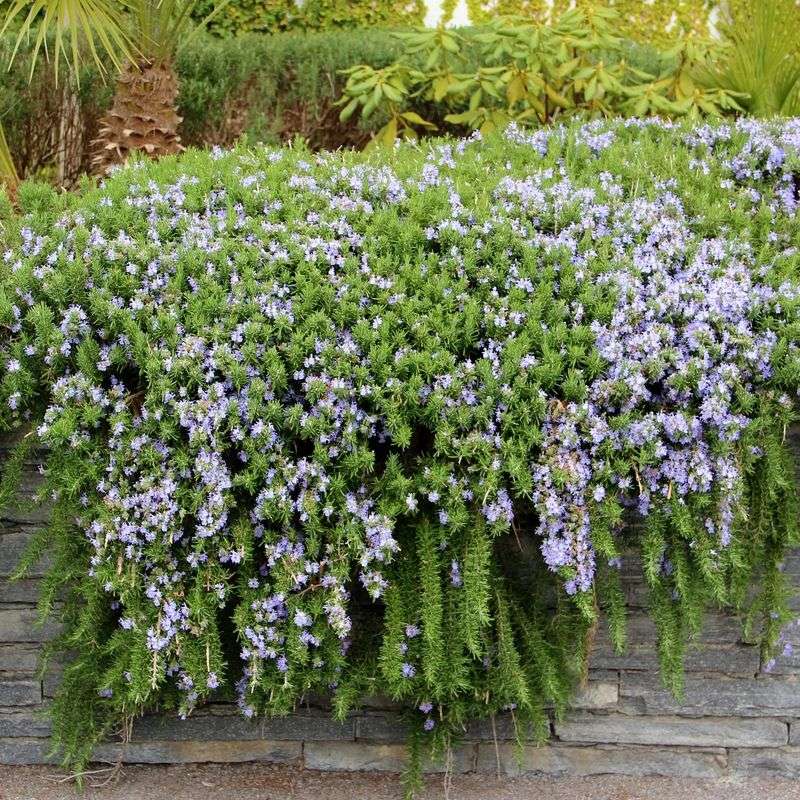
Bees discovered the rosemary on my patio before I even finished planting it, swarming the tiny blue flowers by afternoon. Many varieties bloom during cooler months, which gives pollinators a welcome snack when little else is flowering nearby.
Brushing past the needle-like leaves releases a piney scent instead of drawing blood, and that alone wins me over. Upright forms make a soft, thornless hedge, while trailing types spill nicely over low walls and planter edges.
Some gardeners claim rosemary repels mosquitoes, but evidence for plants growing in the ground is weak, so treat that as a bonus. Its real strength is toughness, since it handles intense heat and alkaline desert soils with surprising grace.
Rabbits and javelina usually leave it alone, which matters in neighborhoods where hungry critters nibble nearly everything green. You also get fresh sprigs for roasted potatoes and grilled chicken, something no ordinary ornamental hedge can match.
Plant this month in full sun with excellent drainage, and skip rich soil or heavy fertilizer. Water deeply until established, then reduce watering, because soggy roots cause far more trouble for rosemary than dry spells do.
8. Lavender
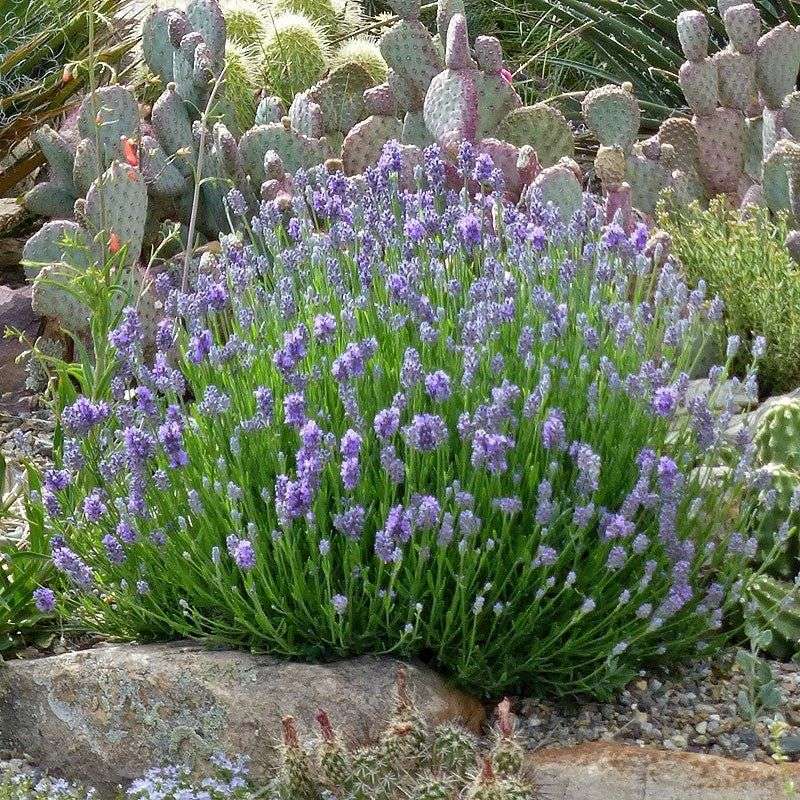
Lavender earns its spot as the honest wild card on this list, because it shines in some desert gardens and sulks in others. Higher towns like Prescott and Sedona grow it beautifully, while scorching low desert summers can test even sturdy plants.
I can’t imagine a more soothing plant to brush against, since the fragrant gray leaves feel soft instead of stabbing. Bees visit the purple flower spikes eagerly, and the stems dry beautifully for sachets or small bouquets indoors.
In hotter areas, you need to choose a spot with afternoon shade and soil that drains almost instantly after watering. Raised beds or gravel mulch help, because humid monsoon weather combined with wet roots often leads to rot.
Spanish lavender and lavandin hybrids like Provence tend to handle heat better than many classic English types. Many people swear lavender scent deters insects, though research on living plants is limited, so enjoy that idea lightly.
October is an excellent month to plant, giving roots cool weather to grow before heat returns next year. Trim spent flower stems after blooming, but avoid cutting into old bare wood, which often struggles to sprout new growth.