The Summer Fertilizing Mistakes That Set Arizona Citrus Trees Back And What To Do Instead
Citrus trees usually get a lot of attention during summer, and for good reason. This is the time of year when homeowners are doing everything they can to keep trees healthy, productive, and looking their best.
When temperatures stay high for weeks, even small care decisions can have a noticeable impact on how a tree performs.
Fertilizing is a good example. Most people know citrus trees need nutrients, but timing and application matter more than many realize.
A tree can receive fertilizer and still fail to benefit from it if the wrong approach is used during the hottest part of the season.
That is why summer can sometimes be confusing. A homeowner may be trying to help a citrus tree, only to end up creating additional stress without realizing it.
The effects are not always immediate, which makes the connection easy to miss.
Arizona citrus trees face unique challenges during summer.
Understanding which fertilizing habits work against them and which practices support healthy growth can make a significant difference in the months ahead.
1. Too Much Nitrogen Can Lead To Excess Leaf Growth
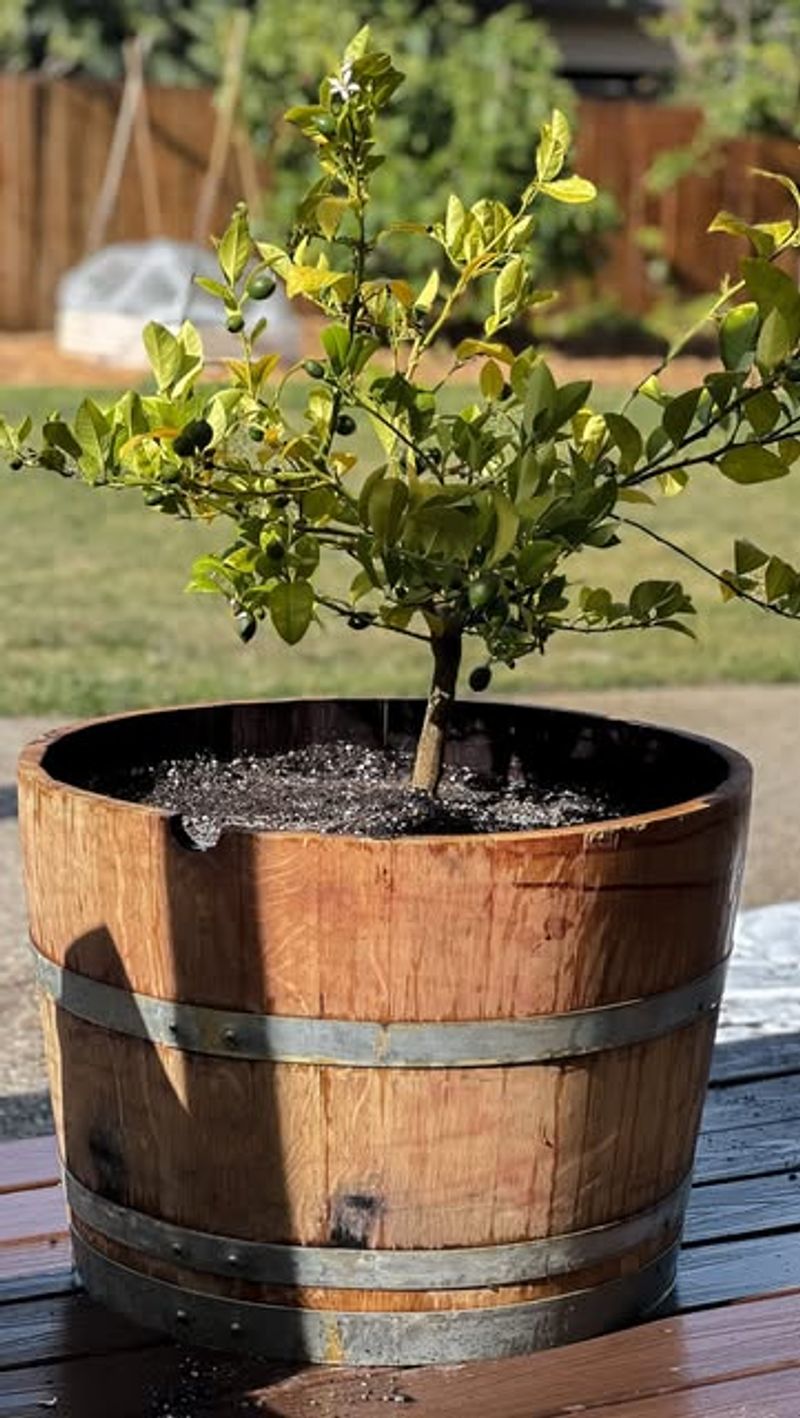
Nitrogen pushes trees hard, and in summer, that push can backfire fast. When citrus gets a heavy nitrogen dose during hot months, it puts all its energy into making leaves instead of holding onto fruit.
You end up with a bushy, green tree that looks healthy on the outside but is struggling underneath.
Excess leaf growth is not just a cosmetic issue. All that new, soft growth is weak.
It wilts quickly in extreme heat and becomes an easy target for pests like aphids and leafminers, which are already active during warm months in the low desert.
Citrus trees actually slow their growth naturally during peak summer heat. Feeding them a nitrogen-heavy fertilizer during that slowdown works against their natural rhythm.
Roots cannot absorb nutrients efficiently when soil temperatures are high, so much of what you apply ends up wasted or causes harm.
A better approach is to hold off on high-nitrogen products between June and August. If your tree looks pale or stressed, check soil moisture first before reaching for fertilizer.
Most summer citrus problems trace back to water, not nutrients. Letting the tree rest during its natural dormancy period leads to stronger growth when cooler temperatures return in fall.
2. Feeding During Extreme Heat Can Add Extra Stress
Fertilizing a citrus tree when temperatures are pushing past 105 degrees is like asking someone to sprint in a sauna. The tree is already working overtime just to stay stable.
Adding fertilizer on top of that heat forces the root system to process something it simply cannot handle right now.
Roots under heat stress are less efficient at taking up nutrients. When salts from fertilizer sit in warm, dry soil, they can pull moisture away from roots rather than deliver nutrients.
What starts as a helpful gesture can turn into a problem that weakens the tree over several weeks.
Timing matters more than most people realize. Fertilizer applied right before or during a heat spike often just sits in the soil doing nothing useful.
Your Arizona Garden Changes Every Week. Your Plan Should Too.
Gardening in Arizona changes quickly throughout the season. Every Friday you’ll receive a simple weekly plan showing exactly what to plant, prune, fertilize, harvest, and protect so you never miss the right timing.
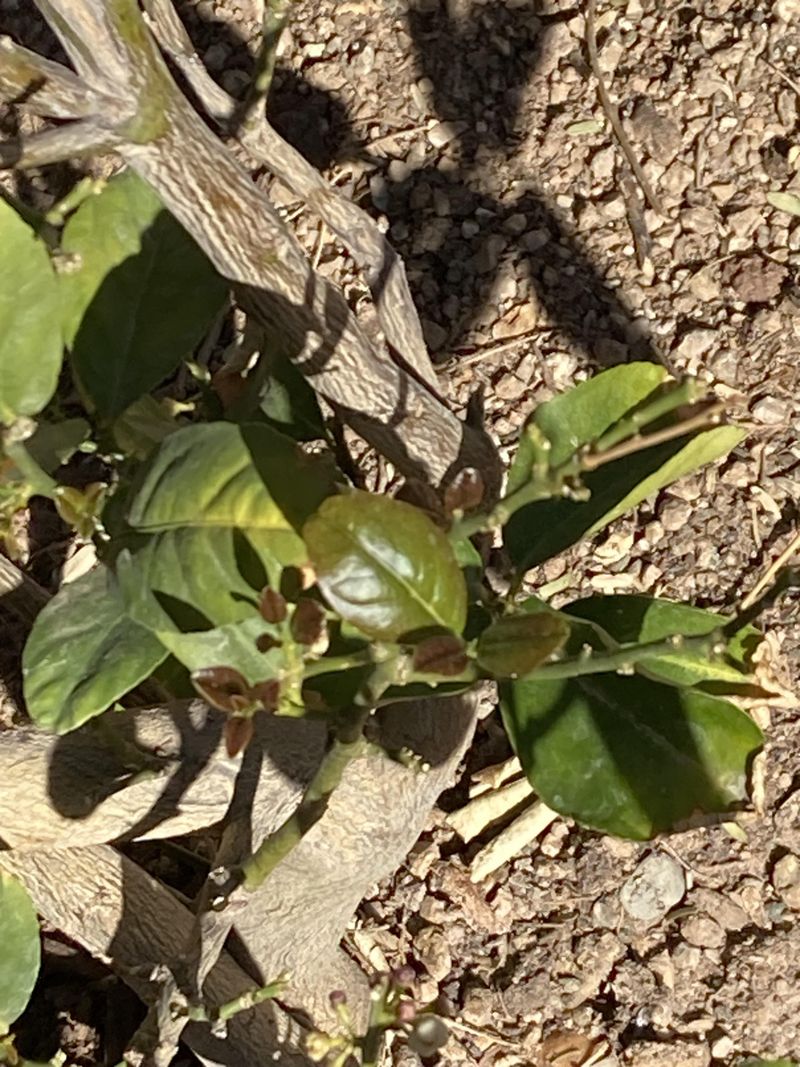
In some cases, concentrated fertilizer salts near the root zone can cause visible leaf scorch or tip burn, which is easy to confuse with sun damage.
Experienced desert gardeners typically skip fertilizing from late May through early September. Late winter and early fall are the most productive feeding windows for citrus in hot, arid climates.
Feeding when the tree is actively growing and temperatures are manageable gives nutrients the best chance of being absorbed and used effectively. Patience during summer pays off with better results after the heat breaks.
3. Overfertilizing Can Increase The Risk Of Salt Buildup
Salt buildup is one of the sneakiest problems in desert citrus care. Most people never see it coming until the damage is already showing up in the leaves.
Overfertilizing, especially with synthetic products, dumps extra mineral salts into soil that already has a naturally high salt content in many parts of the Southwest.
When salt concentrations get too high around the root zone, water movement in the plant gets disrupted. Roots struggle to pull in moisture even when the soil feels wet.
Leaf edges start turning brown and crispy, a symptom that gets blamed on heat or drought when the real cause is salt injury at the root level.
Sandy desert soils can make this worse. Salts do not bind well to sandy particles, so they move around easily and can concentrate in spots where roots are most active.
Adding more fertilizer without flushing the soil first just layers more salt on top of an existing problem.
Flushing the soil with a deep, slow watering every month or so during summer helps push salts below the root zone. Using a fertilizer with a lower salt index, or switching to an organic option, also reduces buildup risk significantly.
Getting a basic soil test once a year can reveal whether salt is already an issue before symptoms appear on the tree.
4. Dry Soil And Fertilizer Are A Poor Combination
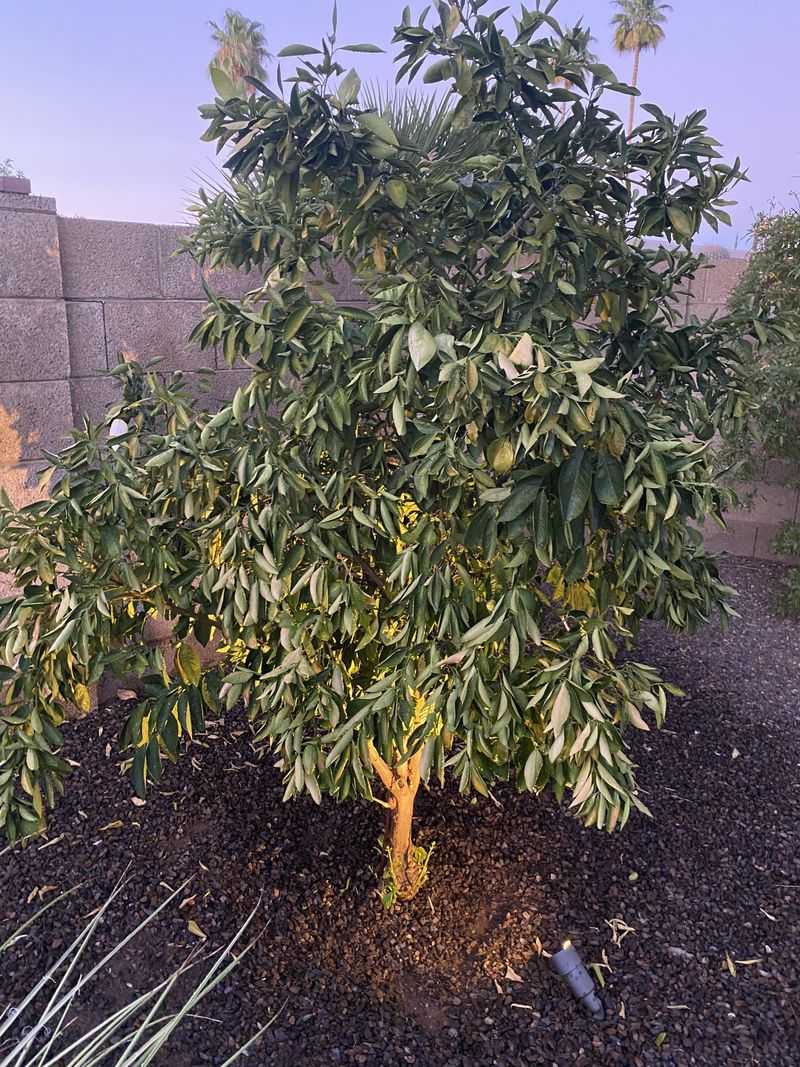
Applying fertilizer to bone-dry soil is one of the fastest ways to hurt a citrus tree in summer.
Dry soil cannot carry nutrients to the roots properly, and concentrated fertilizer sitting on parched ground can actually pull moisture out of nearby roots through osmosis.
That is the opposite of what you want.
In hot, arid conditions, soil dries out faster than most people expect. Even if you watered two days ago, the top few inches can be completely dry by the next morning.
Sprinkling granular fertilizer onto that dry surface and walking away is a recipe for root burn, especially when temperatures are high.
Always water thoroughly before applying any fertilizer in summer. The soil should be moist several inches down, not just damp on the surface.
Moist soil helps dilute fertilizer salts and allows nutrients to move toward the root zone at a safe concentration.
After applying fertilizer, water again to help it absorb evenly. Avoid fertilizing right before a stretch of extreme heat with no rain in the forecast.
Watering schedules matter just as much as fertilizer type during summer months. A well-hydrated tree with consistent soil moisture will absorb nutrients far more efficiently than a stressed tree sitting in dry, compacted ground.
Moisture is the foundation everything else depends on in desert citrus care.
5. Applying More Does Not Always Produce Better Results
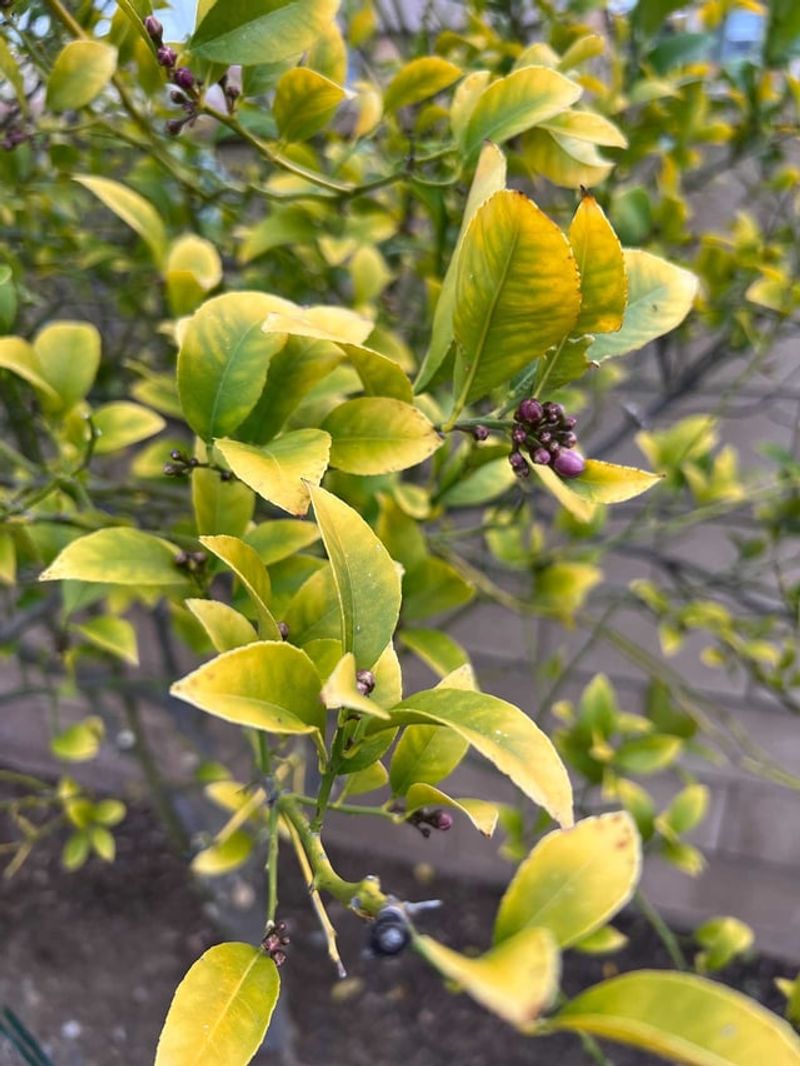
Doubling the fertilizer dose does not double the results. With citrus trees, more is almost never better, especially in summer.
Roots have a limited capacity to absorb nutrients at any given time, and overloading the soil just creates problems without any added benefit to the tree.
Many gardeners assume that if the tree looks off, more fertilizer will fix it. But yellowing leaves in summer are often caused by heat stress, overwatering, or root issues, not nutrient deficiency.
Adding fertilizer to an already stressed tree can push it further in the wrong direction.
Label rates exist for a reason. Following the recommended amount on the fertilizer package is not just a suggestion.
Exceeding it increases salt load, raises the risk of root damage, and wastes money on product that the tree cannot use. Staying within the recommended range is always the safer call.
Citrus trees in warm desert regions actually have lower fertilizer needs in summer compared to spring and fall. A light feeding, if you choose to fertilize at all, is far safer than a heavy application.
Watching the tree closely and adjusting based on what you actually see is smarter than following a rigid schedule. Less input during the hottest months often leads to a healthier, more stable tree once fall arrives and active growth resumes.
6. Slow-Release Products Are Often A Better Summer Choice
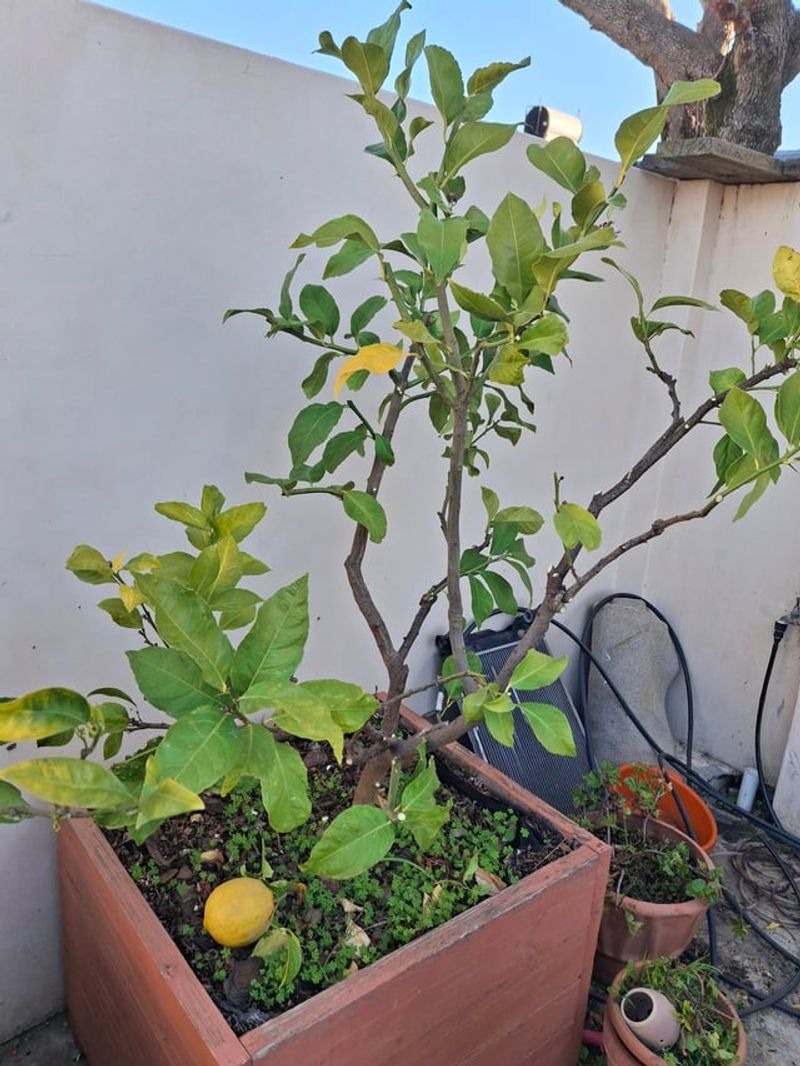
Slow-release fertilizers work differently than standard granular or liquid products. Instead of dumping a large dose of nutrients all at once, they release small amounts steadily over several weeks or months.
That steady, low-level feeding is much easier on a tree that is already managing summer heat stress.
Quick-release products can cause a sudden surge of salts in the root zone, which is risky when soil temperatures are high and moisture is unpredictable. Slow-release formulas avoid that spike entirely.
Nutrients become available gradually as the coating breaks down, which lines up better with how a heat-stressed tree actually absorbs them.
Organic fertilizers like compost, worm castings, or feather meal also fall into the slow-release category. They feed gently and improve soil structure at the same time.
In sandy desert soils, that added organic matter helps retain moisture and supports the beneficial microbes that make nutrients more available to roots over time.
Look for fertilizers labeled with a high percentage of slow-release nitrogen, sometimes shown as water-insoluble nitrogen on the package. Products designed specifically for citrus and palms in hot climates often include this formulation.
Applying a slow-release product in late spring, just before intense heat sets in, gives the tree a steady supply without the risk of shock or salt injury during the most demanding weeks of the year.
7. Deep Watering Helps Move Nutrients Into The Root Zone
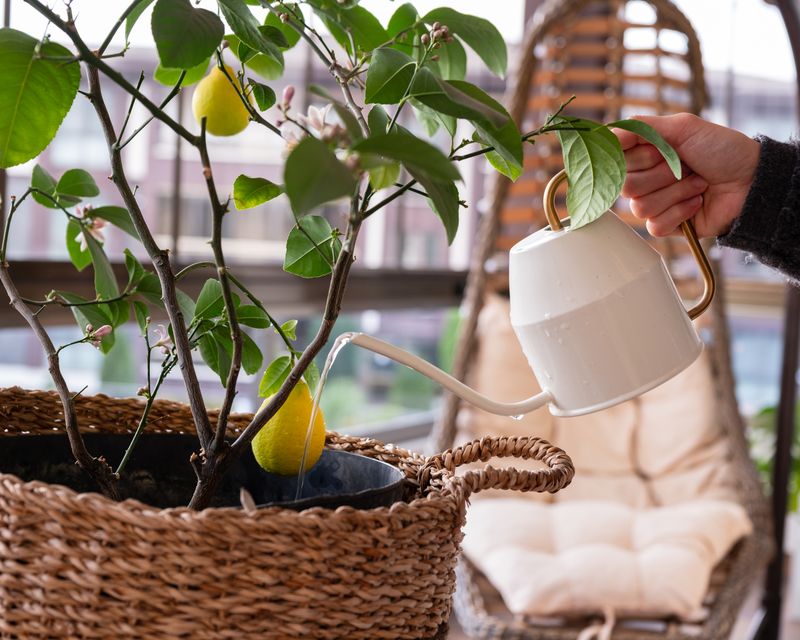
Nutrients cannot do their job if they never reach the roots. Shallow, frequent watering keeps moisture near the surface, which encourages surface roots and leaves deeper roots dry.
Fertilizer applied over shallow-watered soil often stays in the top few inches where it can concentrate and cause more harm than good.
Deep watering means soaking the soil slowly until moisture reaches 18 to 24 inches down. Citrus roots extend wide and deep, so getting water to that depth is what actually supports the tree.
A slow drip or flood irrigation that runs for an extended period works far better than a quick sprinkle every day.
When you water deeply before and after fertilizing, you accomplish two things at once. You dilute the fertilizer salts to a safe level, and you carry nutrients down to where the feeder roots are most active.
That combination improves uptake and reduces the chance of surface salt accumulation.
In Arizona, where summer evaporation rates are extreme, deep watering also helps trees build drought resilience. Roots that chase deep moisture are more stable and less vulnerable to surface heat.
Adjusting your irrigation schedule to water less often but for longer periods is one of the most impactful changes you can make for summer citrus health. Better watering habits support everything else you do in the garden, including fertilizing.