Why Spraying Neem Oil On Texas Tomatoes Today Will Cause Severe Sunburn
Texas sun can turn neem oil into your silent enemy fast. Spraying your tomatoes at noon risks scorching every leaf within hours. Wind speed alone can change how fast that oil affects you.
Heat changes how neem oil behaves on your tomato leaves. Timing decides if your plants thrive or suffer afterward. Afternoon applications intensify every risk factor for your garden.
Many gardeners across Texas miss this narrow window every season. Morning hours protect your plants that evening sprays destroy. Humidity levels also shift how fast your leaves absorb it.
Chlorophyll breaks down fast as your plants face intense heat. Damage often stays invisible until your tomatoes suffer visibly. Your roots feel that stress long before leaves show it.
You cannot afford to guess when the stakes climb this high.
The Reaction That Happens When Oil Meets Intense Heat
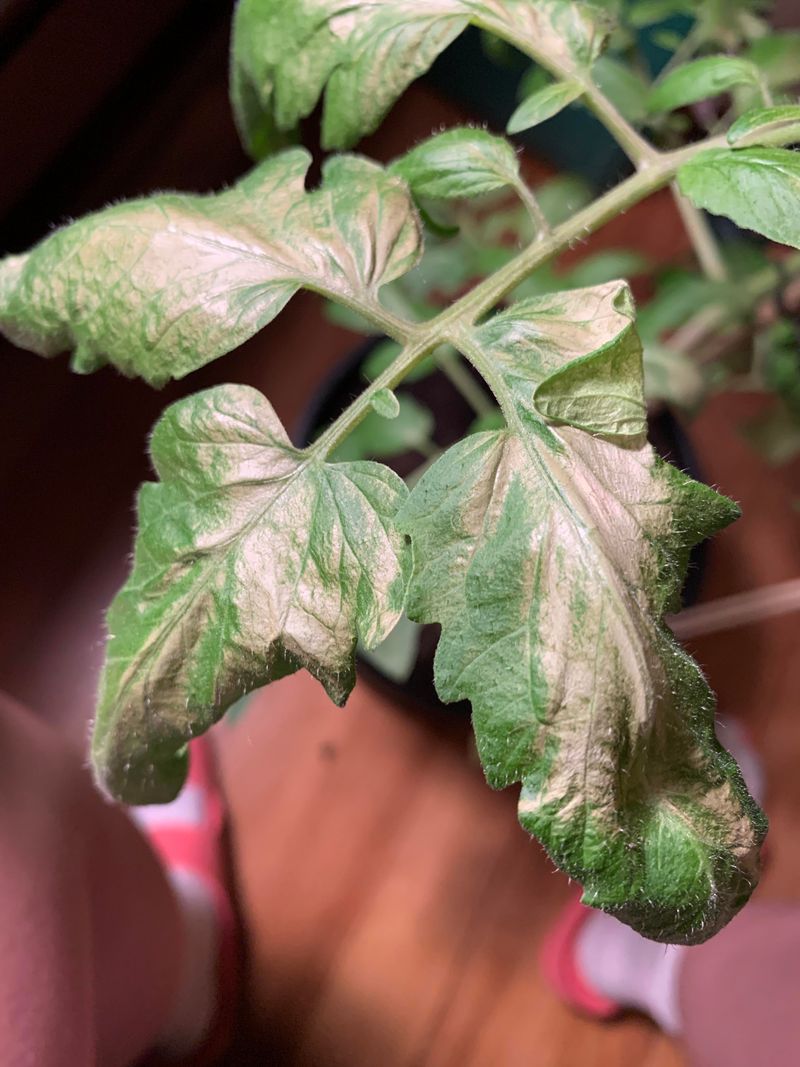
Picture this: you spray your tomato plants on a hot morning, and by noon the leaves look torched. That is not a coincidence. Neem oil is a fatty, oil-based substance that clings to leaf surfaces after application.
When sunlight hits an oily leaf, something predictable happens. The oil acts like a magnifying lens, concentrating heat directly onto the leaf tissue beneath it.
Leaf cells are mostly water, and they cannot handle that level of focused heat. The tissue breaks down fast, turning yellow, then brown, then crispy.
Texas summer temperatures regularly push past 95 degrees Fahrenheit by mid-morning. Add oil on the leaves, and the surface temperature climbs even higher than the air around it.
Applying oil during peak heat essentially bakes your plants from the outside in. The damage happens within hours, not days.
Gardeners are often confused because neem oil worked fine for them in spring. The difference is that spring temperatures are gentler and sunlight is less intense.
A backyard grower in Austin sprayed her tomatoes at 9 a.m. last July, thinking she had safely beaten the heat. By noon, her leaves showed the same scorch marks as plants sprayed at midday.
Once summer arrives and the Texas sun turns brutal, the rules shift fast. Understanding this chemical reaction is the first step to protecting your crop all season long.
Timing Mistakes That Turn A Helpful Treatment Harmful
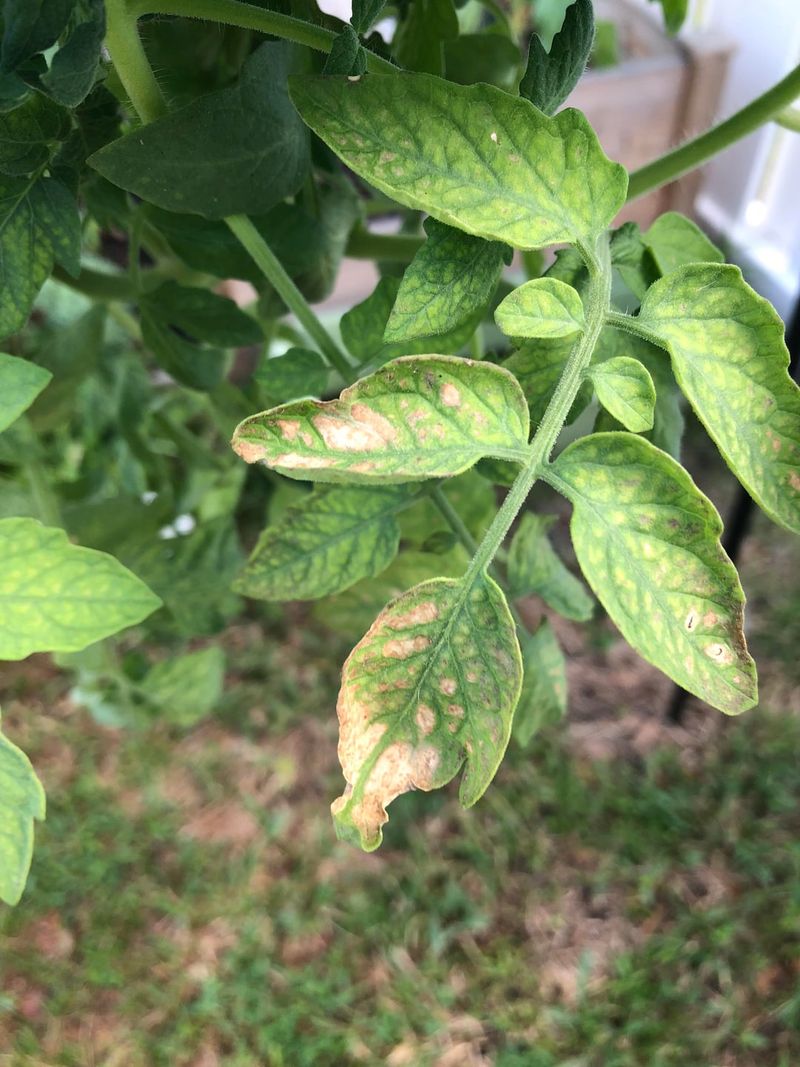
Most gardeners spray when they finally have free time, and that is often midday on a weekend. That exact window is when neem oil on Texas tomatoes becomes a problem.
Applying any oil-based spray between 10 a.m. and 6 p.m. in Texas summer is a fast track to leaf burn. The sun angle during those hours is steep, and UV intensity peaks right around noon.
Even if the temperature feels manageable in the shade, your tomato leaves are absorbing full sun exposure. A thin coat of neem oil on sun-drenched leaves can raise the surface temperature by ten degrees or more.
Another common mistake is spraying right before an unexpected heat wave rolls in. Texas weather shifts fast, and a forecast of 92 degrees can jump to 100 by afternoon.
Gardeners sometimes spray the evening before a scorcher, thinking the oil will dry overnight. But neem oil does not fully absorb into leaves; it sits on the surface and stays active.
Your Texas Garden Changes Every Week. Your Plan Should Too.
Gardening in Texas changes quickly throughout the season. Every Friday you’ll receive a simple weekly plan showing exactly what to plant, prune, fertilize, harvest, and protect so you never miss the right timing.
Morning dew can rehydrate the residue, keeping it slick and heat-concentrating well into the next day. One mistimed application can set your tomato plants back by weeks.
Protecting your tomatoes requires watching both the clock and the forecast. Getting the schedule right is just as important as the product itself.
How Sunlight Changes The Way Neem Oil Behaves On Leaves
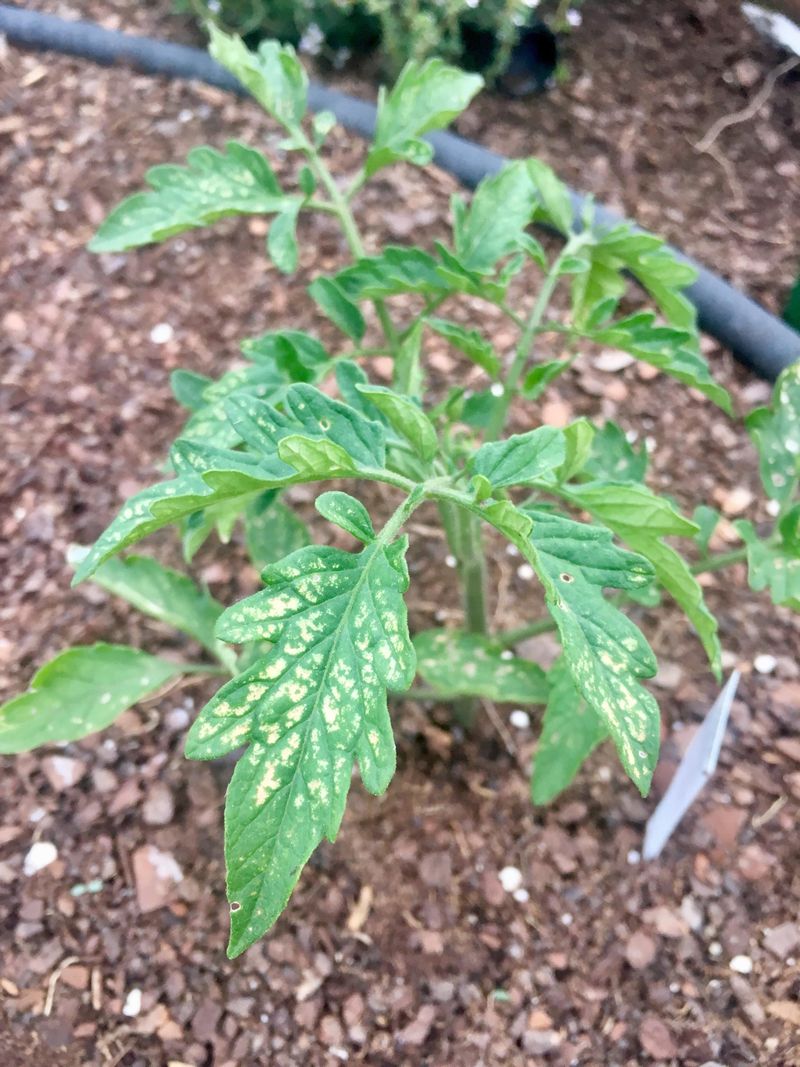
Neem oil does not behave the same way in shade as it does in direct sunlight. Light fundamentally changes how this substance interacts with plant tissue.
In low light, neem oil spreads evenly across the leaf surface and begins to break down slowly. That slow breakdown is part of what makes it effective as a pest deterrent.
Direct sunlight speeds up that breakdown dramatically. The oil oxidizes faster, releasing compounds that can irritate and damage the very cells it sits on top of.
Azadirachtin, the active ingredient in neem oil, is also light-sensitive. UV rays degrade it quickly, which sounds like a good thing, but the byproducts of that degradation can be harsh on tender tomato leaves.
Think of it like sunscreen that turns corrosive once it breaks down on your skin. The original product is fine, but the transformed version causes harm.
Texas sunlight is especially intense because of the state’s southern latitude and long summer days. The UV index regularly hits 10 or above during June through August.
That level of radiation accelerates every chemical reaction happening on a leaf surface. Applying oil under those conditions triggers a harmful reaction that unfolds faster than most gardeners expect.
Understanding light behavior helps you make smarter decisions about when and how to apply organic treatments all summer.
Warning Signs Your Tomato Plants Are Already Reacting
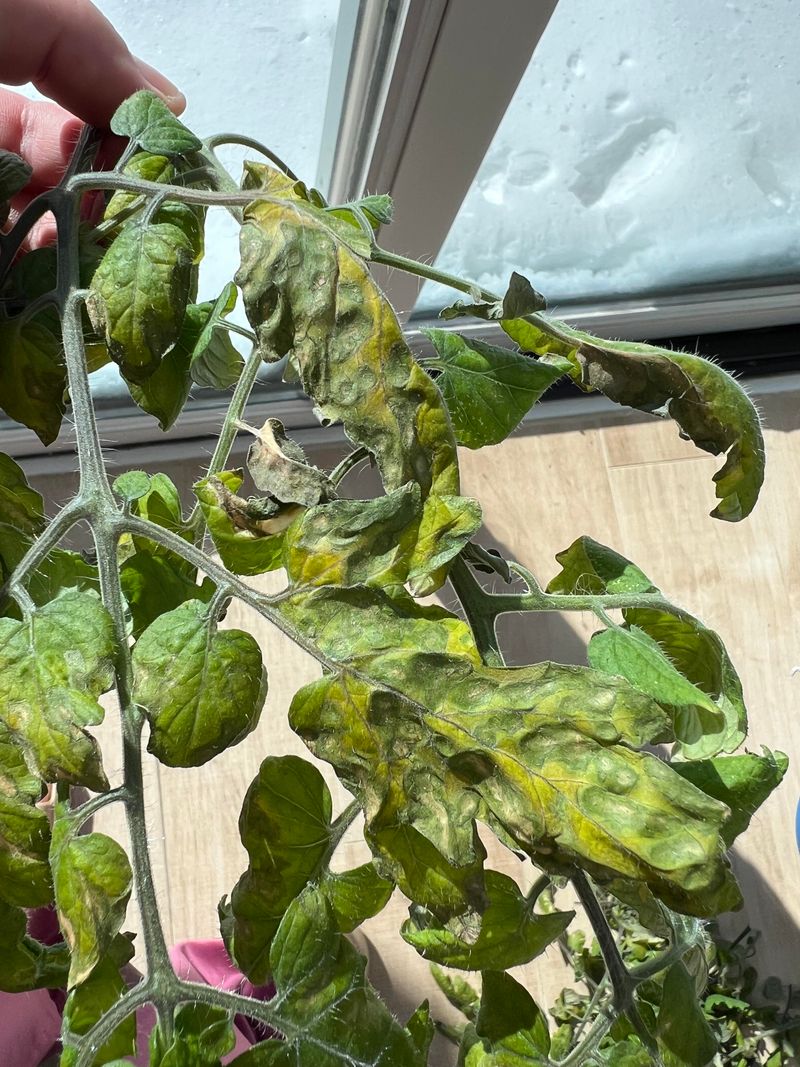
Your plants will tell you when something is wrong, and the signs show up faster than you might think. Catching them early is everything.
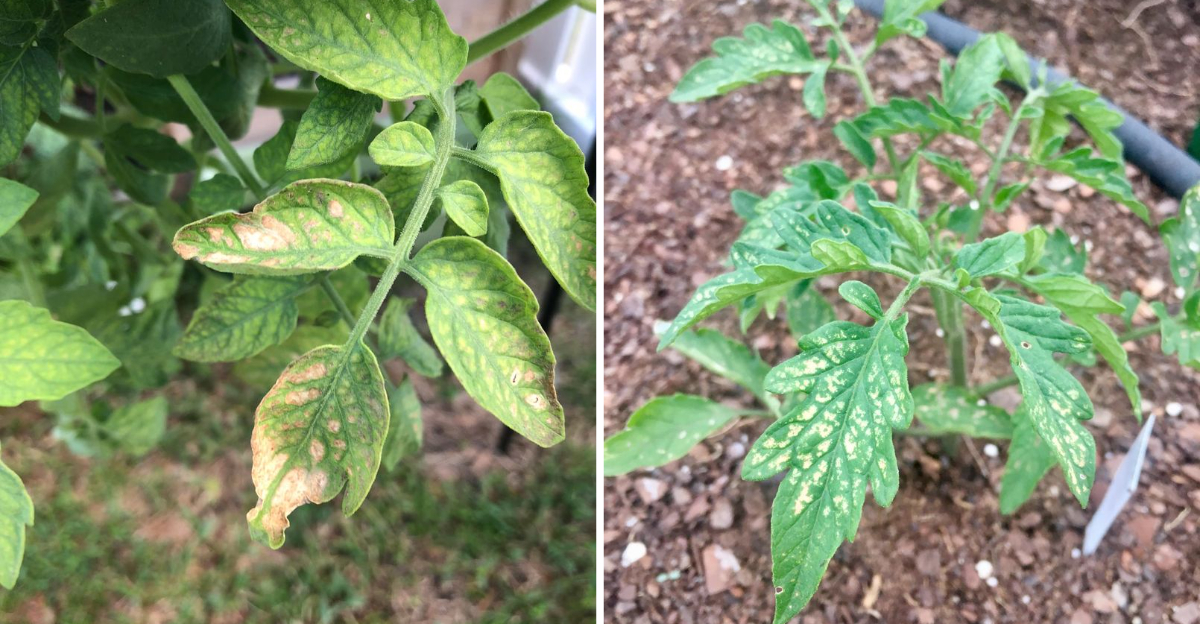
The first clue is a pale, washed-out look on the upper surface of leaves. This bleaching happens within a few hours of oil exposure under strong sun.
Next come the brown, papery patches that appear along leaf edges and tips. Those patches feel dry and brittle, almost like the leaf was held over a flame.
Some gardeners mistake this for a fungal infection and spray even more product. That reaction makes things significantly worse and delays recovery.
Wilting is another early signal, even when the soil has plenty of moisture. The damaged cells can no longer regulate water properly, so leaves droop despite being well-watered.
Fruit can also show damage if the spray reached the tomatoes directly. Look for light-colored, sunken areas on the skin, especially on the side facing the sun.
Younger leaves tend to react faster than older ones because their tissue is more delicate. If the newest growth looks stressed first, neem oil burn is likely the cause.
A wrong guess on timing leaves a recognizable pattern of damage behind. Learning to read these warning signs quickly can save the rest of your harvest before the injury spreads further.
Safer Windows For Applying Neem Oil In Texas Summers
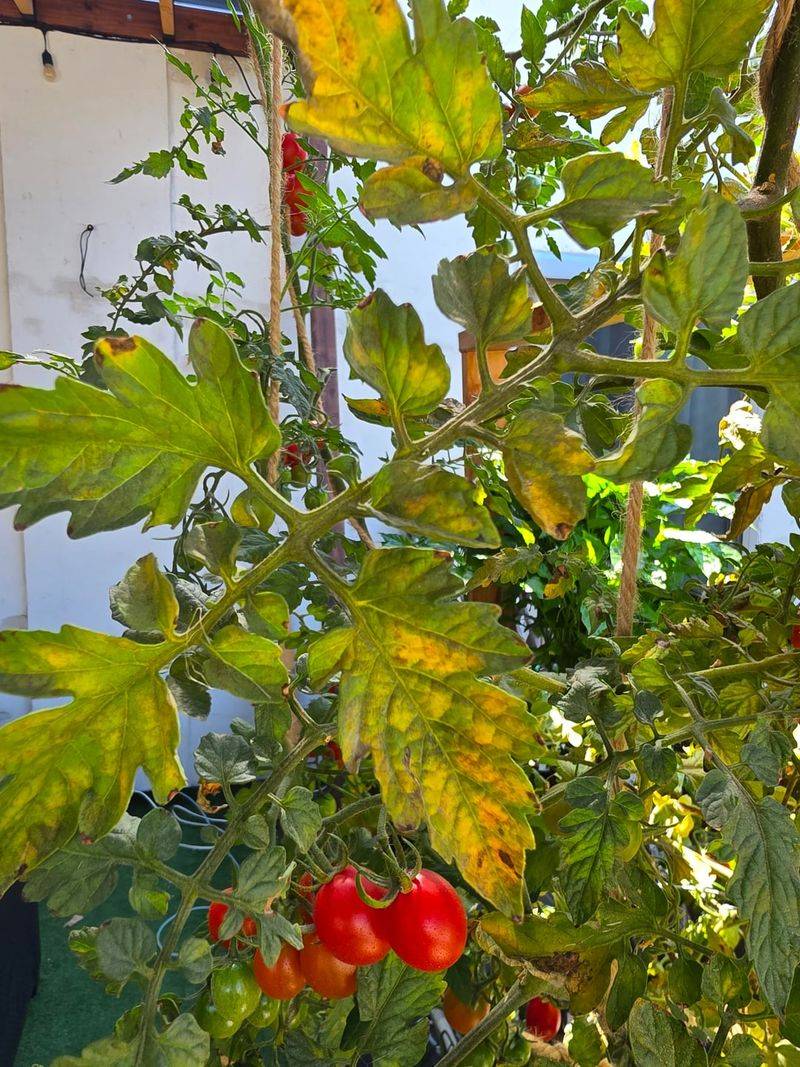
Timing your application correctly turns neem oil from a liability into a powerful ally. The safe window is easy to follow once you know it.
Early morning is the best time to spray, ideally between 6 a.m. and 8 a.m. The sun is low, temperatures are cooler, and dew has not yet fully evaporated.
At that hour, the oil has several hours to begin breaking down before peak UV hits. By the time the midday sun is blazing, much of the surface residue has already dispersed.
Evening is the second-best option, but only if temperatures will stay below 85 degrees overnight. Warm nights slow the breakdown process and can leave oil sitting on leaves longer than intended.
Check the forecast for the next 24 hours before spraying. If a heat spike is coming, push your application back until conditions settle.
Avoid spraying right before or after a rain event as well. Rain can spread oil across more leaf surface area and intensify uneven exposure.
Cloudy days are not automatically safe, either. Clouds can part quickly in Texas, and the shift from overcast to full sun happens without much warning.
Applying neem oil on Texas tomatoes during those cooler morning hours dramatically reduces the risk of sunburn. A small shift in your schedule protects your plants and keeps the treatment working as intended.
Steps To Reverse Minor Damage Before It Spreads
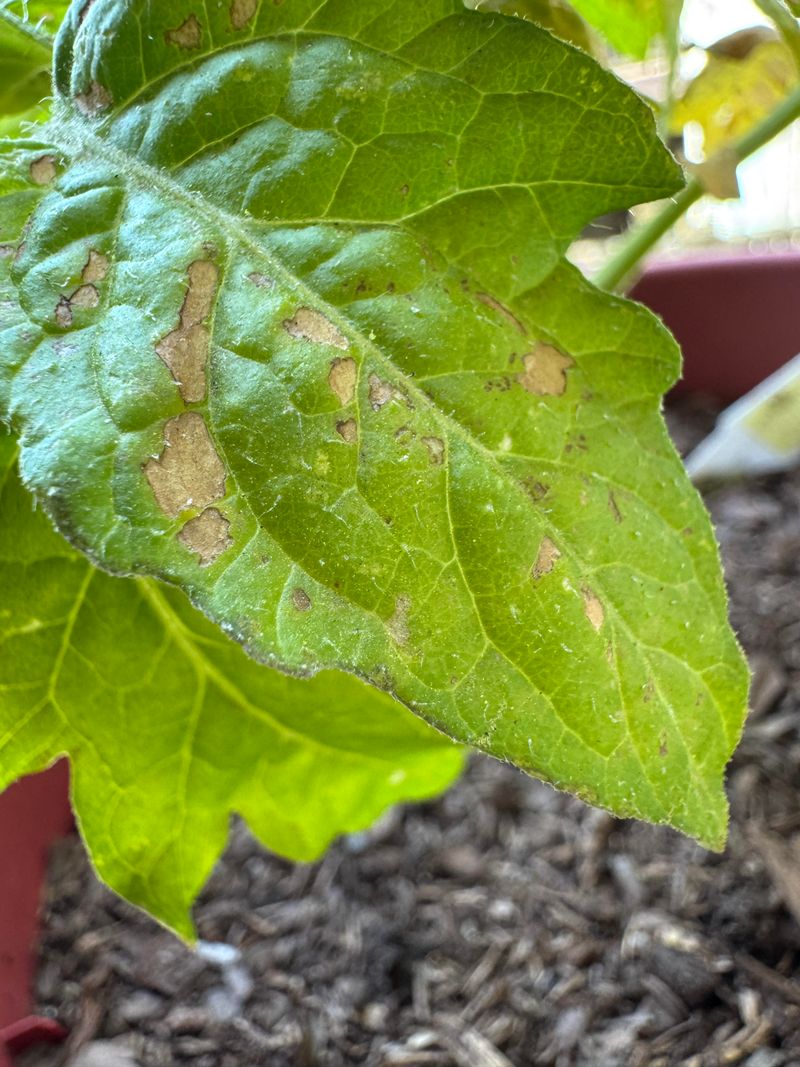
Catching the damage early gives your tomatoes a real shot at bouncing back. Acting within the first 24 hours makes a noticeable difference in recovery speed.
Start by rinsing the affected plants thoroughly with clean, cool water. This removes any remaining oil residue from the leaf surface and stops the heat-concentrating effect immediately.
Use a gentle spray setting, not a harsh jet. Forceful water pressure can further stress already-damaged tissue and knock off leaves that might otherwise recover.
Once rinsed, move any potted plants into partial shade for a few days. For in-ground plants, use a shade cloth rated at 30 to 40 percent to reduce direct sun exposure during recovery.
Remove leaves that are more than half covered in brown, papery damage. Keeping dry tissue on the plant can invite secondary fungal issues that compound the original problem.
Water the soil deeply after rinsing the leaves. Stressed plants need consistent moisture at the roots to push energy into new growth.
Avoid fertilizing right away, as nutrients can overwhelm a plant that is already struggling. Give the tomatoes one to two weeks to stabilize before resuming any feeding routine.
Getting the timing wrong is a fixable mistake. With quick action, good hydration, and a few days of shade, most plants recover and go on to produce a solid harvest.