8 Smells That Help Keep Mice Out Of Your California Home This Winter

Birds barely react to capsaicin, the fiery compound in hot peppers, while furry mammals feel the full burn. That quirk explains why a light dusting of cayenne in an attic can make certain paths less inviting to whiskered intruders.
Cloves owe their punch to eugenol, and peppermint’s sharp blast comes from menthol, both strong enough that they may muddle invisible scent trails. Studies suggest rodents can grow used to one repeated smell, so rotating aromas may help.
For what it’s worth, my kitchen smells like a candy cane shop all winter, and I’m not complaining. You might notice several of these helpers already sitting in your spice rack or garden beds.
Plenty of homeowners hope a single scent will solve everything, yet smells work best as a polite warning sign. Paired with sealed gaps and tidy pantry shelves, a few familiar aromas could make your California home less tempting this winter.
1. Peppermint Oil On Cotton Balls Near Entry Points
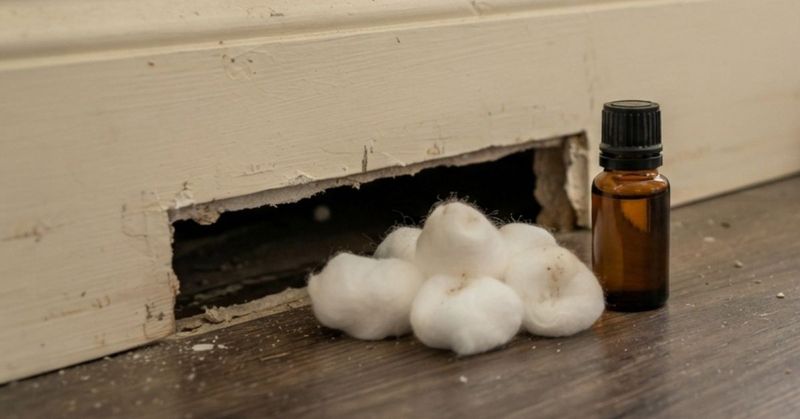
One whiff of pure peppermint oil can make your own eyes water, and a mouse nose is far more sensitive. That sharp menthol blast is the main reason peppermint shows up on nearly every natural rodent list.
I like soaking a cotton ball with about ten drops and tucking it under the sink near pipe gaps. Cabinet corners and the dusty space behind the stove are other smart places for a fresh cotton ball.
The scent fades fast, especially in a warm kitchen, so swap the cotton balls every few days. You can also mix a quick spray by adding plenty of oil to water with a small squirt of dish soap.
I have to admit the research is mixed, and lab studies show mice often adjust to the smell over time. Think of peppermint as a polite warning sign rather than a locked door for your home.
Pet owners should take care, because concentrated essential oils can bother cats and dogs if they lick or inhale them. Keep treated cotton balls well out of reach and skip diffusers in rooms where your cat naps.
The real power move is sealing gaps larger than a quarter inch with steel wool and sturdy caulk. Once those doors are closed, the minty smell becomes a pleasant bonus that keeps curious noses moving along.
Personally, I love how the house smells like a candy cane shop during the rainy months. Your nose wins, and the little pantry raiders get a strong hint to look somewhere else.
2. Whole Cloves And Clove Oil In The Pantry
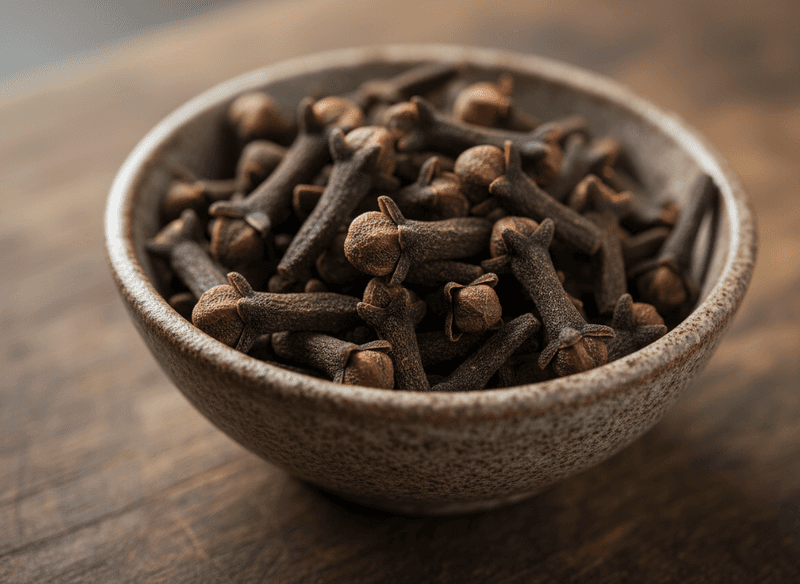
Grandma’s holiday ham trick might double as pest control, since those little studded cloves pack a serious punch. Cloves contain eugenol, a spicy compound that gives them their numbing bite and their famously strong smell.
What surprises me most is how much aroma comes from such a tiny dried flower bud. Yes, cloves are actually unopened buds from the clove tree, a tropical species called Syzygium aromaticum.
Toss a handful of whole cloves into small cloth bags and tuck them onto pantry shelves. They also fit nicely inside drawers, where crumbs and paper scraps sometimes tempt a nesting mouse.
For tighter spots, add a few drops of clove oil to cotton balls and slide them behind appliances. Clove oil is strong stuff, so wear gloves and keep it away from your eyes and skin.
Whole cloves slowly lose their kick, so give each sachet a sniff every week or two. When the scent feels faint, crush a few buds between your fingers or replace the whole batch.
Like other scents, cloves work best in small enclosed areas where the aroma can build up. In a large open garage, the smell spreads thin and mice may barely notice it at all.
Pair your clove sachets with sturdy airtight containers for flour and pet kibble on every pantry shelf. A mouse with no snacks to find has very little reason to stick around your kitchen.
3. Eucalyptus Oil Along Garage Baseboards
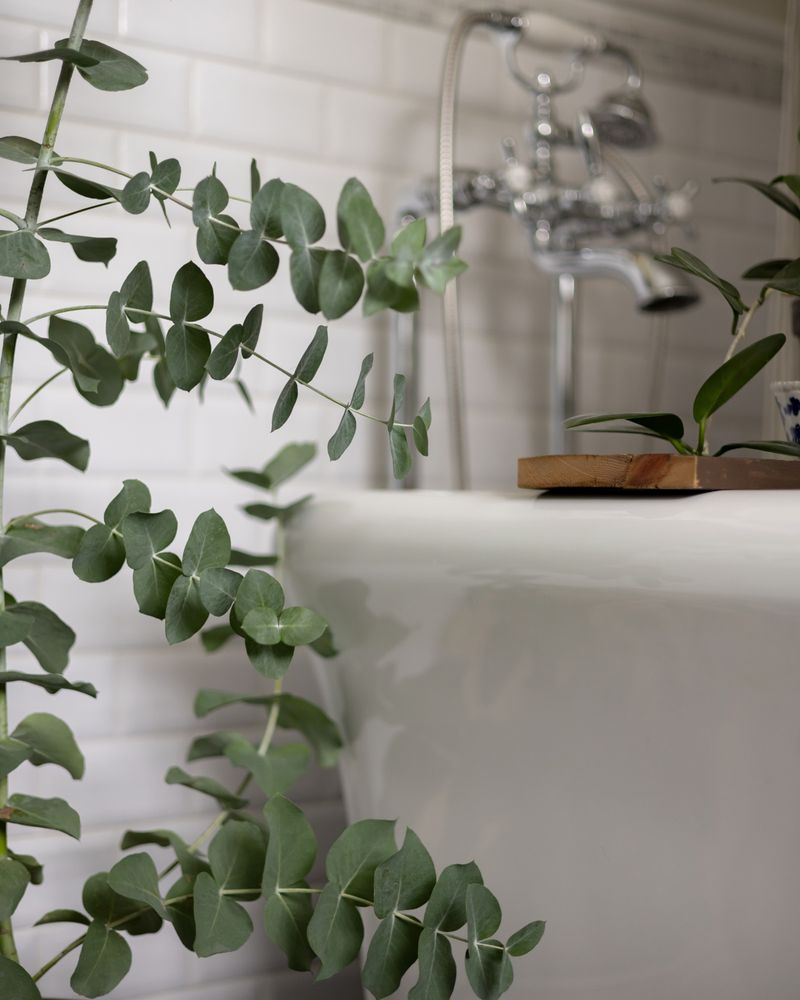
Anyone who has walked under a California blue gum grove knows that sharp, medicinal scent clinging to the air. Much of that punch comes from a compound called 1,8-cineole, which many people simply call eucalyptol.
Mice rely heavily on scent trails to find food, and strong oils may muddle those invisible paths. I believe that confusion is why eucalyptus often appears on natural deterrent lists alongside peppermint and cloves.
Garages and laundry rooms are great places for this one, since they often sit away from bedrooms. Dab the oil onto cotton balls and set them along baseboards, near storage bins and door gaps.
A spray bottle of water with a few drops of oil works well for quick weekly touch-ups. Shake it well before every use, because oil and water quickly separate inside the plastic bottle.
Pet safety matters here, since eucalyptus oil is toxic to cats and dogs according to the ASPCA. Skip the diffuser if you share your home with a cat, and keep cotton balls up high.
One more tip, please resist planting blue gum trees just to repel rodents around your property. That tree is listed as invasive by the California Invasive Plant Council and can spread into wild areas.
Bottled oil gives you that crisp aroma without adding a towering, fire-prone tree right beside your house. Refresh it often, and treat it as one helpful layer within your bigger winter mouse plan.
4. Cayenne Pepper Sprinkled In The Attic

Ever rubbed your eye after chopping hot peppers and instantly regretted every life choice you made? Capsaicin, the fiery compound in cayenne, causes that burn, and rodent noses find it pretty unpleasant too.
Fun fact, birds barely react to capsaicin, which is why many hot pepper bird seeds exist. Mammals like mice feel the heat, so a light dusting can make certain paths less inviting.
I like using cayenne in the attic or crawlspace, where people and pets rarely wander through. Sprinkle a thin line along beams and beside any spots where you have recently found droppings.
Avoid sprinkling it where kids play or dogs sniff, because the powder can irritate eyes and noses quickly. Wear gloves while handling the powder, and wash your hands well before touching your face afterward.
Outdoors, rain washes cayenne away fast, and winter storms can erase your work in one afternoon. Plan on reapplying after each rainy spell if you use it near foundation cracks or garden sheds.
You might notice the powder gets scattered by drafts or footsteps in busier parts of the house. Check your lines weekly and refresh any patches that look thin or clumped from damp air.
Cayenne works as a short-term nuisance, not a cure for a mouse family already living inside. If droppings keep appearing, it may be time to set snap traps or call a licensed pest professional.
5. Cinnamon Sticks Tucked Into Kitchen Drawers
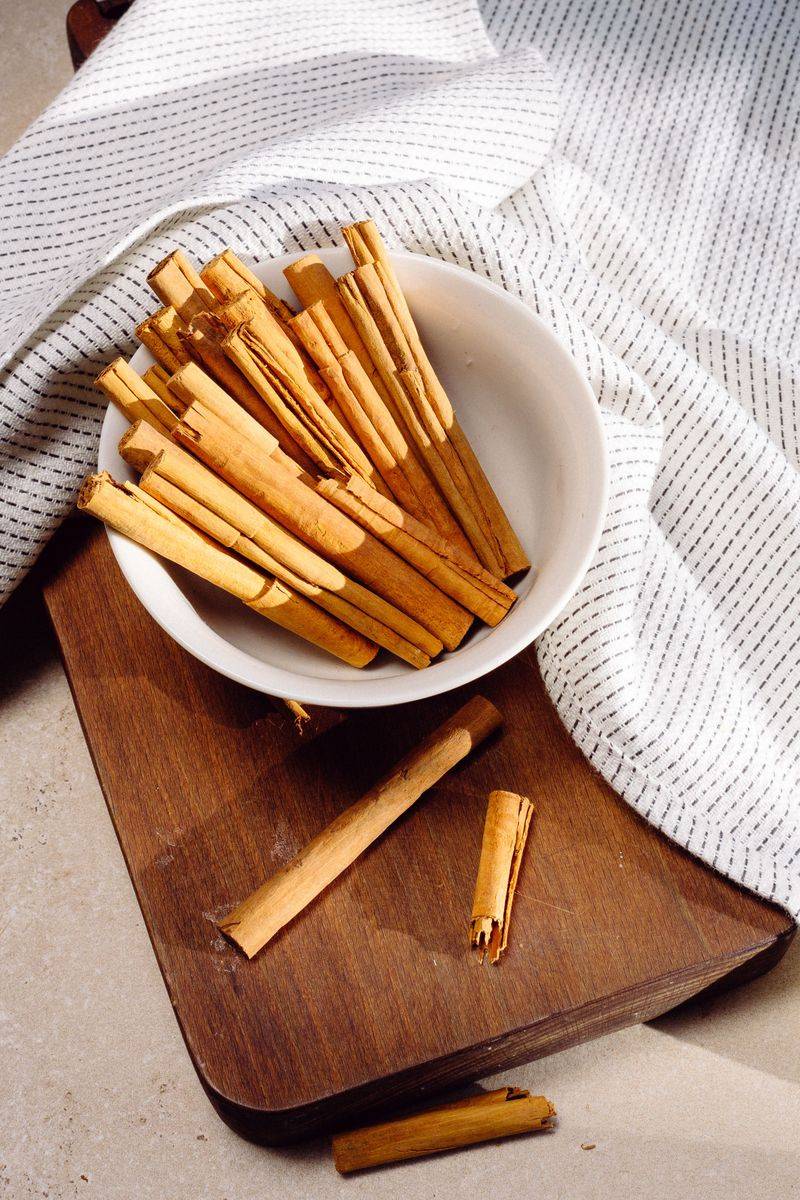
Your kitchen might already smell like a bakery, but tiny noses could find that warmth surprisingly irritating. Cinnamon gets its signature aroma from cinnamaldehyde, a compound that gives the spice its sweet heat.
I can’t imagine a cozier deterrent than a bundle of cinnamon sticks tucked into a utensil drawer. Drawers and lower cabinets are favorite mouse hangouts, since they often hold crumbs and quiet corners.
Whole sticks hold their scent longer than ground powder, which fades quickly once exposed to air. If you prefer powder, refresh it often, and wipe up any spills so you are not leaving snacks.
Cinnamon essential oil on cotton balls gives a much stronger hit for problem spots under the sink. Use it sparingly, because concentrated cinnamon oil can irritate skin and should stay away from pets.
Cinnamon has a long history, and ancient traders kept its true source secret to protect high prices. Now that famous spice can earn its keep in your pantry for just a few dollars.
Mix and match it with cloves for a warm, spicy combo that smells like holiday baking. Rotating scents may help, since some studies suggest rodents grow used to one repeated smell.
Keep the bigger picture in mind and seal gaps around pipes and vents before anything else. Cinnamon then becomes a cozy finishing touch rather than your one and only line of protection.
6. Cedar Blocks And Shavings In The Closet

Cedar chests have guarded wool sweaters for generations, and that woody scent still feels wonderfully old-fashioned. Many people swear it discourages rodents too, though the evidence leans more on tradition than lab research.
Personally, I enjoy opening a closet that smells like a forest cabin after a winter rain. Cedar blocks and shavings bring that aroma indoors with very little effort or mess on your part.
Tuck blocks into storage boxes and garage shelves where holiday decorations sit quietly untouched for many months. Those forgotten corners make prime nesting areas, since mice love shredded paper and soft old fabric.
Sand a block lightly with fine sandpaper when the smell fades, and the fresh surface releases more oil. Cedarwood essential oil on cotton balls offers a stronger option for small spaces like drawers and cupboards.
One caution matters, cedar shavings are not recommended as bedding for small pet rodents or rabbits. Keep any oils and shavings away from curious pets that might chew or sniff them closely.
Real cedar matters more than cedar-scented sprays, which often contain fragrance without the natural wood oils. Look for genuine aromatic red cedar or Western red cedar products at your local hardware store.
You need to treat cedar as a pleasant helper, not a fortress against determined winter guests. Combine it with tidy storage bins and sealed gaps, and your closets stay fresh and quieter.
7. Lavender Sachets And Garden Shrubs
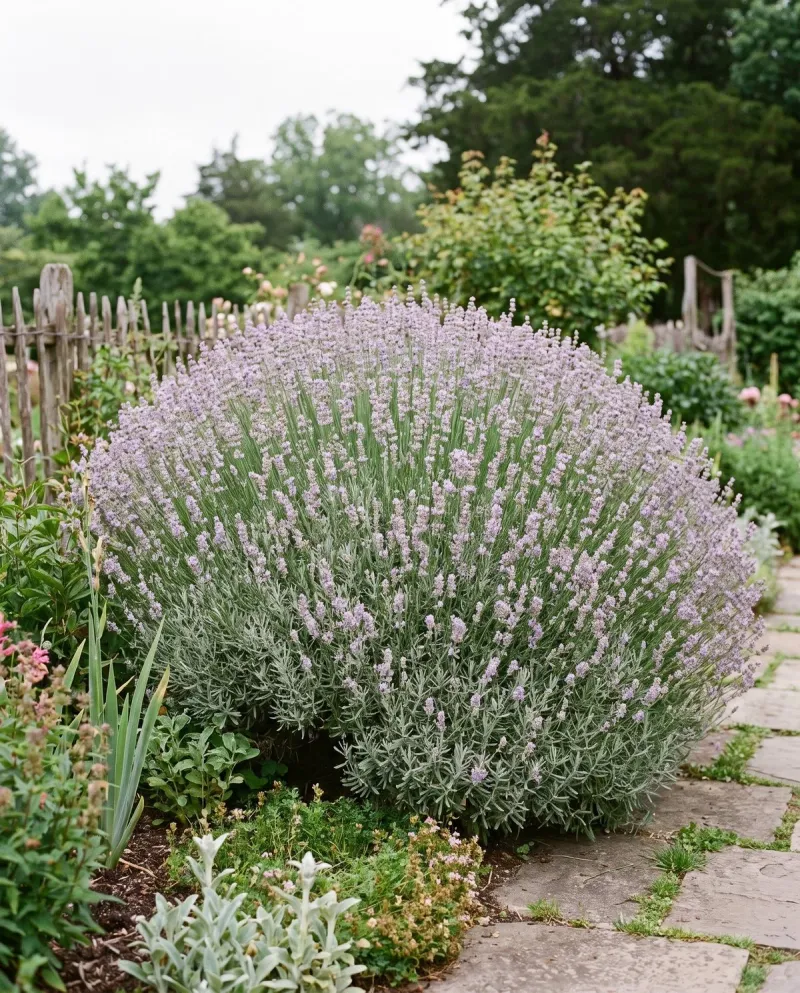
That calming scent you love before bedtime may feel like a loud alarm to a much smaller nose. Lavender owes its punch to compounds like linalool and linalyl acetate, which give it a strong floral perfume.
Indoors, dried lavender bundles in sachets add a soft fragrance to closets and cozy linen cabinets. Squeeze each sachet gently every week to release fresh oil and keep the scent nice and lively.
Outdoors, many California gardeners grow lavender easily, since it loves full sun and fast-draining soil. English lavender, Lavandula angustifolia, handles chilly nights well and suits most of the state’s climate zones.
Winter is a good time to plan new plantings, though most mild regions plant in fall or early spring. Avoid soggy spots, because heavy winter rain and clay soil can cause root rot surprisingly quickly.
I have to admit a lavender border alone will not stop a hungry mouse from moving in. Its real value is adding fragrance near doors while you handle sealing and cleanup inside the house.
Lavender essential oil on cotton balls works for problem spots like the pantry floor or under sinks. Keep the concentrated oil away from cats, since the ASPCA lists lavender plants as toxic to them.
Pollinators adore the summer blooms, so your shrubs earn their spot even when mice are not around. Few other deterrents give you purple flowers and a calmer evening mood at the same time.
8. Fresh Pine Needles Around The Home Perimeter
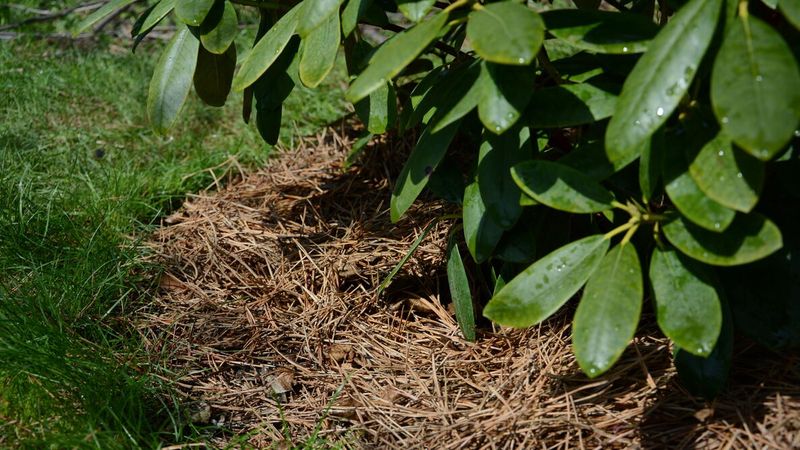
Fresh pine needles crunch underfoot and release a sharp resinous smell that clears your head in seconds. Some homeowners scatter them near entry points, hoping that sharp aroma and prickly texture discourage mice.
California has more native pine species than any other state, so needles are easy to find in many neighborhoods. Gather freshly fallen needles from your own yard rather than buying bags shipped from far away.
Place them in small mesh bags near garage doors or foundation vents so they stay tidy. Fresh needles smell strongest, so replace them weekly as they dry out and lose their aroma.
Fire safety matters here, since CAL FIRE recommends keeping dry needles cleared within five feet of your home. Keep any outdoor needle bags small and swap them often, or skip outdoor use in fire-prone areas.
Pine-scented cleaners offer another route, and wiping baseboards also removes the scent trails mice leave behind. Dilute the cleaner as the label directs and open a window, since the fumes can feel strong.
What surprises me most is that the cleaning probably helps as much as the pine smell itself. Removing crumbs and old urine trails takes away the clues that guide fresh visitors straight inside.
Wear gloves and spray droppings with disinfectant before wiping, since sweeping can stir up harmful particles. Finish with fresh needles by the door, and your home smells like a mountain cabin all winter.