How To Ripen Hard Persimmons Picked In California This November
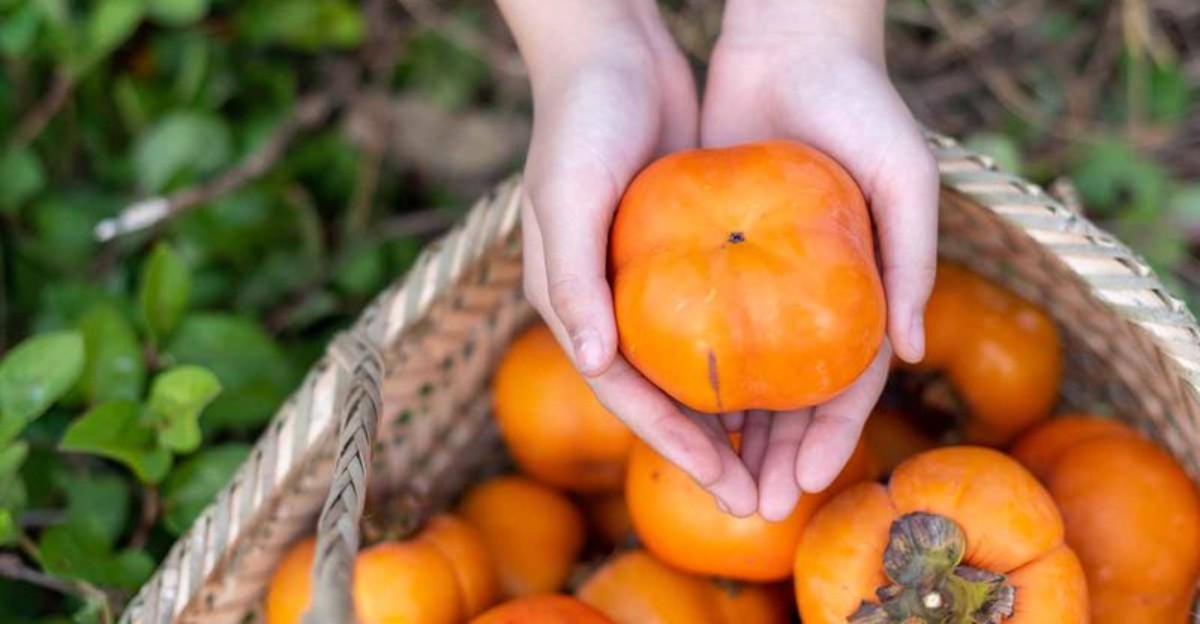
A firm, puckery orange fruit tucked into the freezer for a full day can thaw soft and noticeably sweeter. Ice crystals break down its cell walls, and much of that chalky astringency fades along with the hard texture.
Ripe bananas and apples give off ethylene, a natural gas that nudges fruit to soften inside a closed paper bag. Squat, tomato-shaped types, meanwhile, often taste sweet and crisp the moment they come off the tree.
As a rule, I check my ripening tray every morning with coffee in hand. You might notice the first fruit turning deep orange and almost see-through, wobbling like a jelly-filled balloon.
Many California backyard trees are loaded right now, and squirrels are watching them just as closely as you are. A few simple tricks using a paper bag, a freezer, or plain patience could turn that rock-hard harvest into jammy treats.
That Acorn-Shaped Persimmon Is Hiding A Puckery Secret
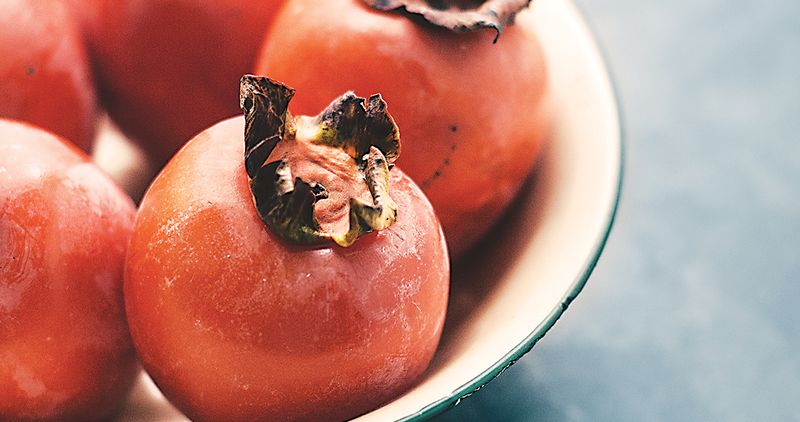
Blame tannins for that dry, fuzzy feeling. These natural plant compounds bind to proteins in your saliva, which is why your mouth feels scraped instead of sweet.
Astringent persimmons, like the pointy Hachiya, are packed with soluble tannins while they are firm. As the fruit ripens, those tannins change into an insoluble form that your tongue cannot detect. The sugar was there the whole time. It was just hidden behind the pucker.
Non-astringent types, like Fuyu, work differently. Their tannins fade while the fruit is still on the tree, so you can eat them crisp. UC Agriculture and Natural Resources notes that both types grow well across much of California, from the Central Valley to coastal backyards.
So the first step in ripening is figuring out which fruit you have. A firm Fuyu is often ready right now. A firm Hachiya needs time, warmth, or a little help before it becomes edible.
I like to think of the Hachiya as the patient cousin in the family. It asks you to wait, but it pays you back with rich, honey-like flavor that is hard to match. Respect the pucker, and the reward will come.
A Paper Bag And A Ripe Banana Speed Things Up
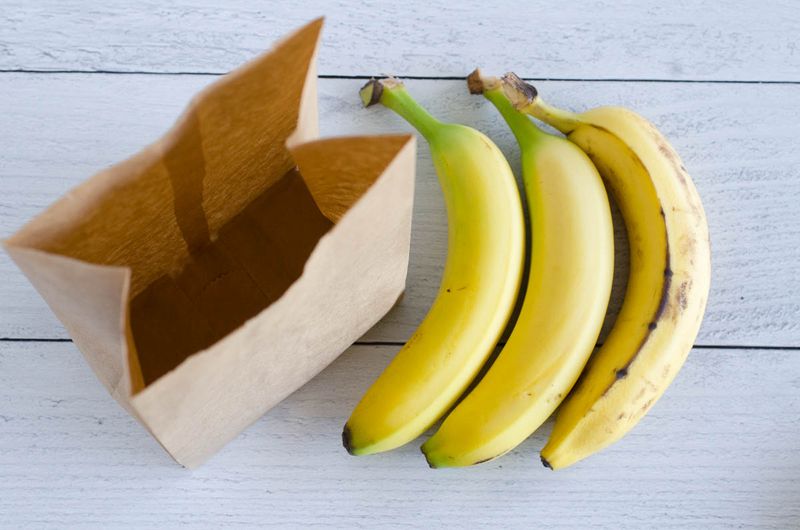
Ripe bananas and apples give off ethylene, a natural gas that tells fruit to soften. You can use that gas to nudge your persimmons along without any special gear.
Grab a brown paper bag and drop in your hard persimmons. Add one ripe apple or banana, then fold the top closed. Paper lets a little air move while still trapping enough ethylene to do its job. Plastic bags hold moisture, which can lead to mold, so skip those.
Keep the bag at room temperature, somewhere around 65 to 75 degrees. A spot away from direct sun works best. Cold garages slow everything down, especially on chilly November nights in Northern California.
Check your fruit every day or two. Hachiyas often need several days to a week or more, depending on how firm they were at picking. When they feel soft and squishy like a water balloon, they are ready.
Swap in a fresh banana if the first one turns mushy and brown. I keep a little rotation going during persimmon season, and my kitchen smells wonderful the whole time. It is the easiest method I know, and kids love peeking inside the bag.
Your Freezer Can Soften Hachiya Persimmons Overnight
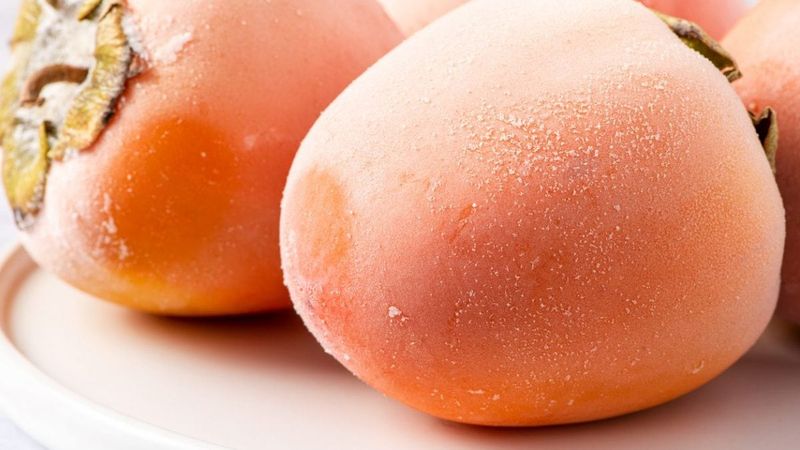
Impatient fruit lovers, this one is for you. Freezing is a quick shortcut that many persimmon growers swear by.
Place your hard Hachiyas in the freezer for at least 24 hours. Ice crystals break down the cell walls inside the fruit. When the persimmon thaws, it turns soft, and much of the astringency fades along with that firm texture.
Results can vary a bit. Some fruit comes out perfectly sweet, while very underripe fruit may still carry a slight dry edge. Fruit that was already starting to color deeply on the tree usually works best.
Let the persimmons thaw on a plate in the fridge or on the counter. You can also eat them half-frozen with a spoon. The texture reminds me of a natural sorbet, and nobody in my house complains about that.
Thawed fruit will be very soft and a little watery, so plan to eat it or use it soon. It works great in smoothies, quick breads, and puddings.
Quick tip: freeze a few in a zip-top bag and pull them out one at a time. That way, you have a sweet snack ready whenever a craving hits.
Room Temperature Ripening On A Tray Works Beautifully
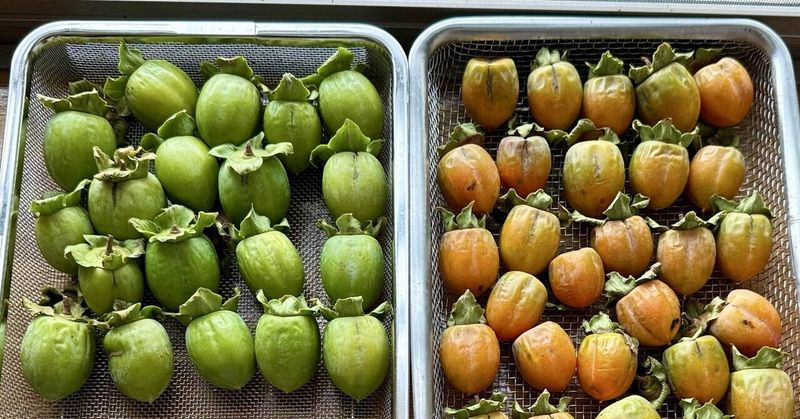
Grandma had it figured out long before anyone talked about ethylene. She simply lined persimmons up on a tray and let time handle the rest.
Arrange your fruit in a single layer with the stem side down. That flat stem cap gives the fruit a steady base and keeps the soft skin from bruising. Leave a little space between each one so air can move freely.
Pick a cool, shaded spot at room temperature. Bright windows can heat the fruit unevenly, while cold rooms slow ripening a lot. Expect anywhere from one to three weeks, depending on how firm the fruit was when you picked it.
Hachiyas tell you when they are ready. The skin turns deep orange, almost see-through, and the fruit feels like a jelly-filled balloon. Some wrinkling near the top is normal and fine.
Handle ripe fruit gently. It can split with just a squeeze, and that sweet pulp makes a sticky mess on the counter.
I find this method quietly satisfying. Every morning I check the tray with my coffee, and spotting that first glowing, wobbly fruit feels like a small holiday gift from the backyard.
Squat Fuyu Persimmons Are Ready To Eat Crisp
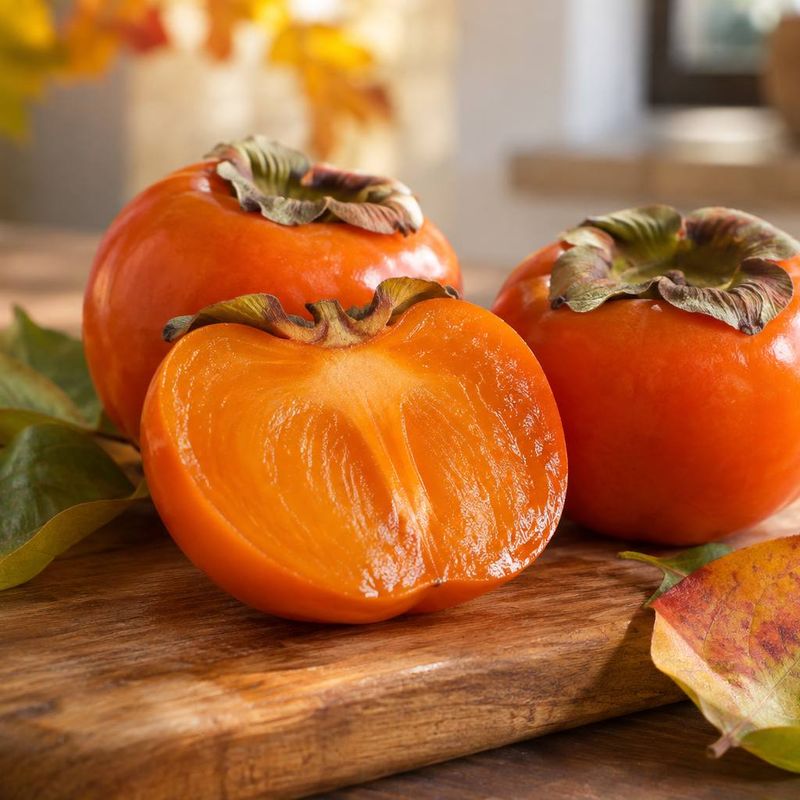
Good surprise alert: that hard fruit might already be ready. Fuyu persimmons are the non-astringent type, and they taste sweet even when firm.
Shape is your best clue. Fuyus are short and flat on the bottom, a lot like a small orange tomato. Hachiyas are taller with a pointed tip, closer to a big acorn.
Fuyus picked in November are often at their best right away. Slice them like an apple, skin and all, and enjoy that crunchy, mildly sweet bite. Many people describe the flavor as a mix of pear, apricot, and a hint of cinnamon.
You can let Fuyus soften on the counter too. They turn sweeter and more tender, though they will not get as jelly-soft as a Hachiya. It mostly comes down to your personal taste.
Store firm Fuyus in the fridge if you want them to last a few weeks. Keep them away from apples and bananas, which would speed up softening.
Personally, I love Fuyu slices in a crisp fall salad with greens and a few nuts. Did you know? Fuyu is the most widely sold persimmon in U.S. grocery stores.
Picking Persimmons At The Right Color Makes Ripening Easier
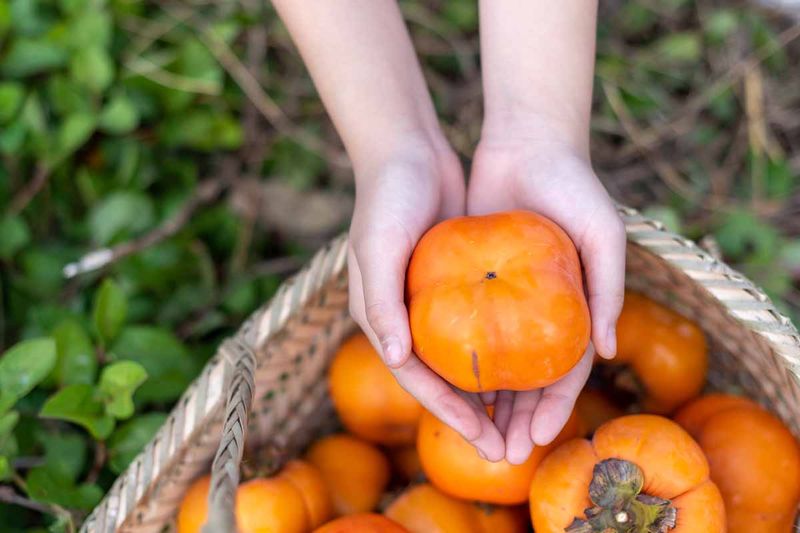
Timing at the tree shapes everything that happens on your counter. Fruit picked too green may stay bitter and hard no matter what trick you try.
Wait until persimmons show full orange color with little or no green near the stem. UC master gardeners suggest picking once the fruit has colored well, even while it is still firm. That is perfect for Hachiyas, which finish ripening indoors.
Use pruning shears instead of pulling. Cut the stem just above the green leafy cap, called the calyx. Leaving that cap in place helps the fruit store better and ripen more evenly.
In many California valleys, November frosts can damage fruit left hanging too long. Birds, squirrels, and raccoons also notice ripe persimmons fast. Picking firm fruit before soft spots appear protects your harvest.
Handle each piece with care. Bruised fruit tends to spoil before it ripens, so set aside anything dented and use it first.
I bring a padded basket out to the tree each fall. It sounds fussy, but it keeps my fruit looking glossy and sweet. A little gentleness at harvest pays off for weeks afterward.
Soft Persimmon Spots And Mold Deserve A Closer Look
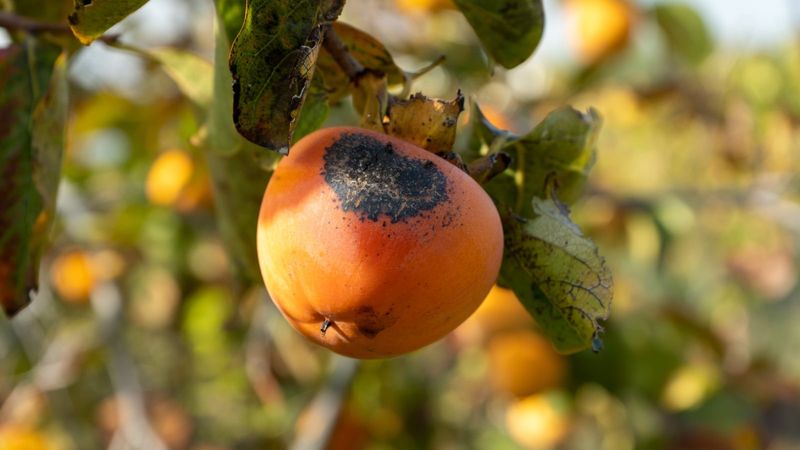
Ripe Hachiyas look a little wild, so it helps to know what is normal. Soft, wrinkly, almost see-through skin means the fruit is right on track.
Small brown streaks or freckles on the skin are usually fine too. Persimmons often develop these marks, and the pulp inside stays sweet. Peel back the skin and check if you are unsure.
Fuzzy white, green, or gray mold is a different story. Toss any fruit with mold, plus any juice-soaked neighbors nearby. A sour, fermented smell is another sign that a persimmon went too far.
Leaking fruit can also attract fruit flies quickly. Check your trays and bags every day, and remove anything that is breaking down.
Hard fruit that refuses to soften after several weeks may have been picked too early. Try the freezer method for these stubborn ones, since it often rescues fruit that stalls.
Personally, I keep a small bowl just for ripe fruit that needs eating today. It saves me from sorting through the whole batch every time. That simple habit helps me catch problems early and enjoy every sweet persimmon I worked so hard to grow.