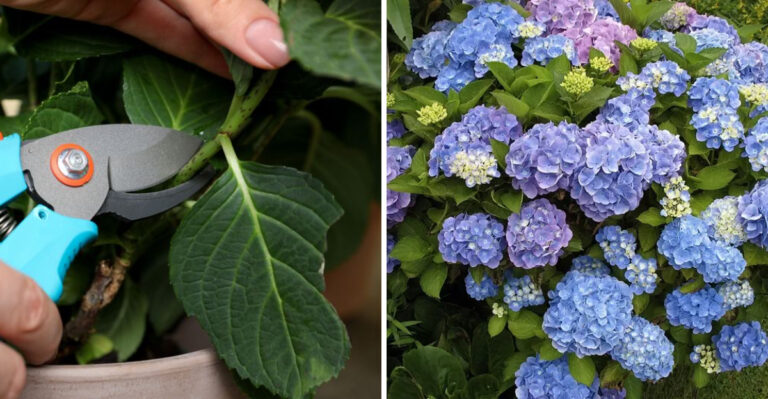
The One Thing You Should Do Before An Outdoor Plant Comes Back Into Your Ohio House
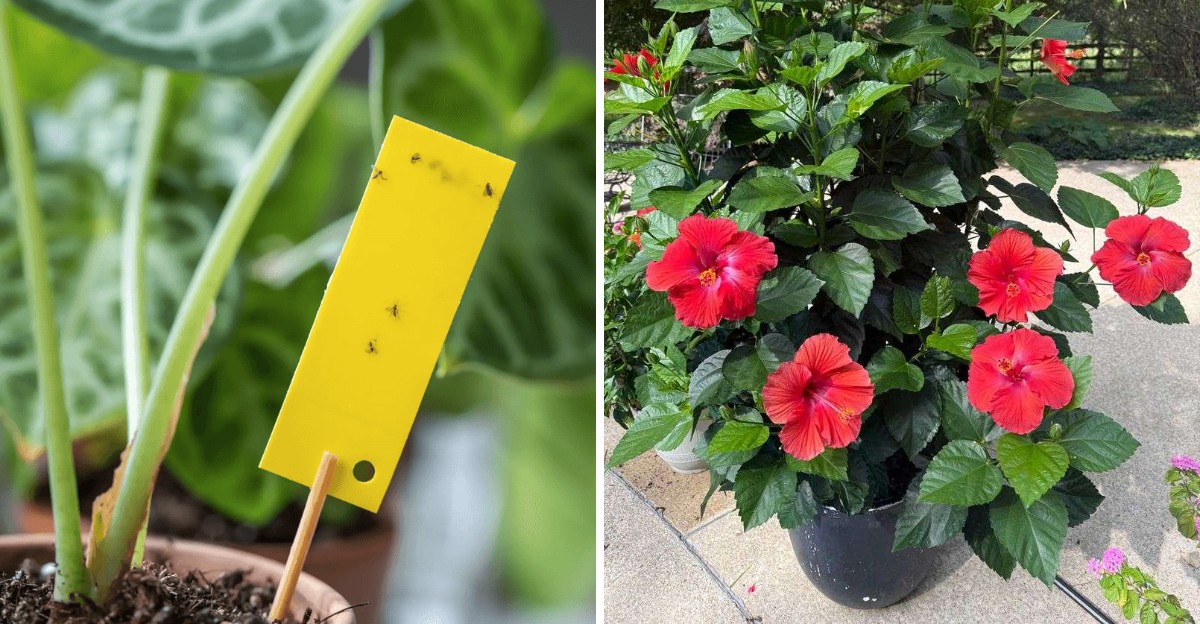
A single female spider mite can lay around a hundred eggs, and those eggs can hatch in just a few days in a warm room. That tiny math problem has ruined more winter windowsills than any cold snap ever could.
I learned this the hard way one October. My potted hibiscus looked flawless on the porch, glossy and proud.
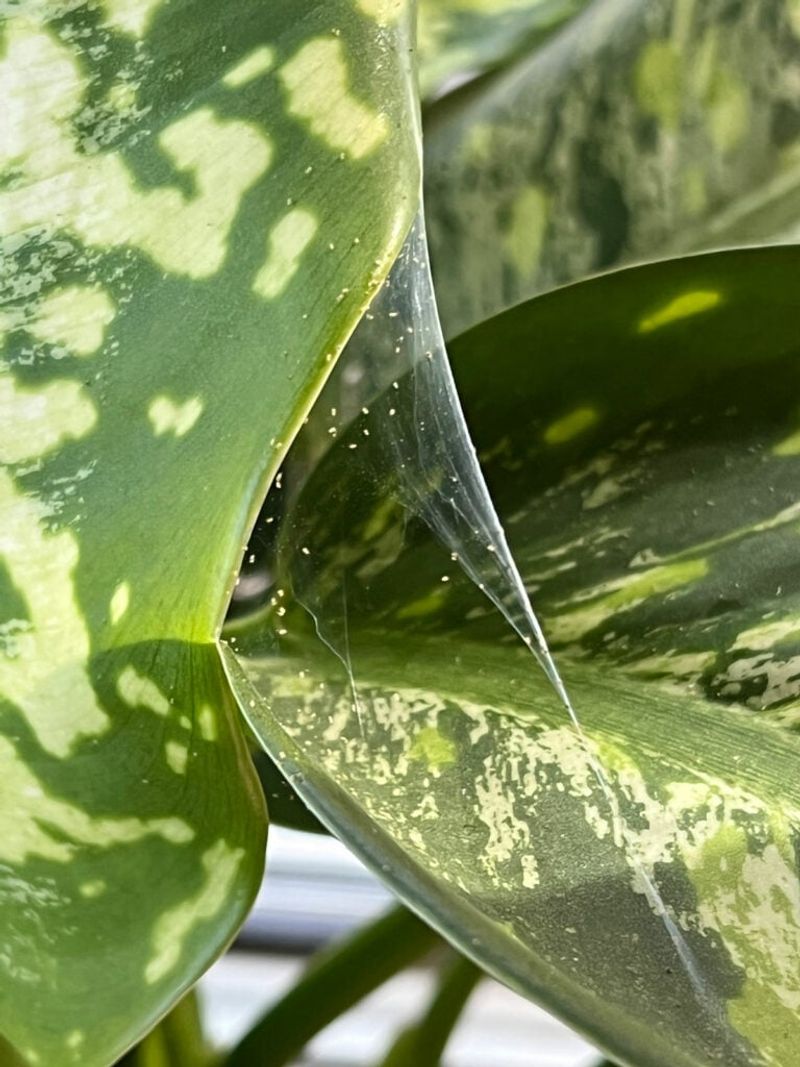
Three weeks after it came inside, my favorite pothos had speckled leaves and faint webbing near the stems.
Outside, ladybugs, lacewings, birds, and rain keep tiny freeloaders in check. Your cozy Ohio living room offers none of that, just steady warmth and an all-you-can-eat buffet.
So what separates a peaceful indoor jungle from a pest party that runs until spring? The answer takes less than an hour, and it starts before the pot ever crosses your doorstep.
1. Those Porch Pots Are Probably Carrying Tiny Passengers
Every summer, your container plants quietly become hotels. Aphids, spider mites, mealybugs, scale, whiteflies, and fungus gnats can all move in, and most of them are smaller than a sesame seed.
Outdoors, that crowd rarely gets out of hand. Lady beetles, lacewing larvae, parasitic wasps, birds, and heavy rain all help keep numbers low.
You might never notice a problem while the plant sits happily on your deck.
Inside, the story flips fast. Ohio State University Extension points out that warm, dry indoor air with no natural enemies lets many of these pests multiply quickly.
Spider mites, in particular, love the dry heat that furnaces pump out from November through March.
Personally, I find the speed the scariest part. A few hidden aphids can turn into a sticky colony in a couple of weeks, and they rarely stay on one plant.
They crawl, float, and hitch rides on your hands to the next pot over.
Earwigs, pill bugs, slugs, and even small spiders can also tuck themselves into drainage holes and saucers. None of them belong in your kitchen.
So the real question is not whether your plant has visitors, but how you catch them before they unpack.
2. Flip Every Leaf And Inspect Your Plant Before It Crosses The Doorstep
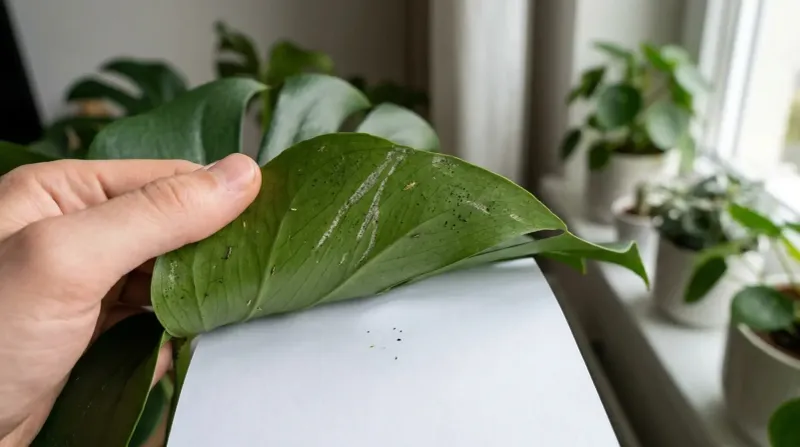
Grab a cup of coffee and a 10x hand lens, because the one thing that matters most is a careful pest inspection. Extension experts across the Midwest agree that checking plants outdoors, before they come in, is the single best way to stop trouble.
Start with the leaves. Look at the tops, then turn each one over, since aphids, whiteflies, and spider mites love hiding on the undersides.
Fine webbing, sticky shine, or tiny pale speckles are all warning signs.
Next, move to the stems and the joints where leaves meet branches. Mealybugs look like little bits of cotton fluff, while scale insects resemble small brown bumps that you could mistake for part of the bark.
Gently scrape anything suspicious with a fingernail.
Finally, check the soil surface and the pot itself. Lift the container and peek at the drainage holes and saucer for slugs, earwigs, ants, or pill bugs.
Tiny flying gnats rising from the soil mean larvae are living below.
I like to do this on a bright afternoon so nothing hides in shadow. If you find a lot of pests on one plant, set it aside and decide whether it is truly worth saving.
3. A Strong Garden Hose Spray Knocks Off A Surprising Number Of Bugs
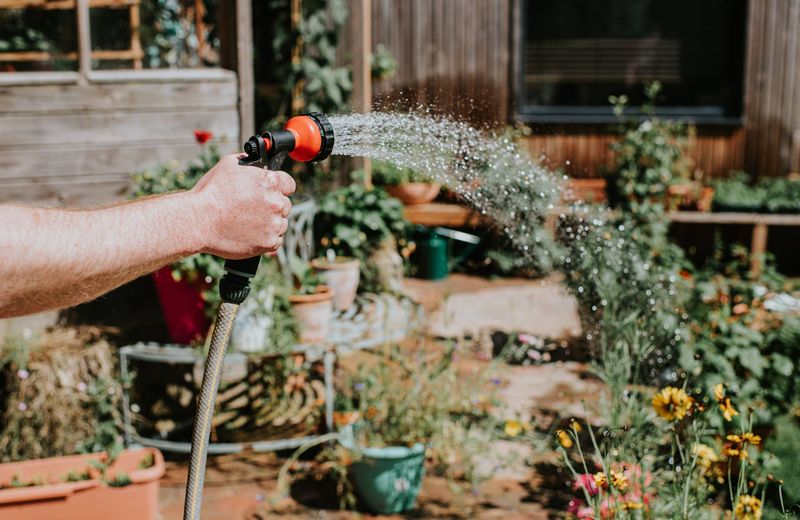
Plain water is wonderfully underrated. Once your inspection is done, a firm spray from the garden hose can knock aphids, spider mites, and whiteflies right off the plant.
Aim the stream at the tops and the undersides of every leaf. Work from the top down, and tilt the pot sideways if you can so the water does not just flood the soil.
Use firm pressure, not a blast that tears tender leaves apart.
Repeat the rinse two or three times over a week if you spotted pests. Each round catches newly hatched insects that missed the first shower.
It costs nothing, and it beats reaching for a spray bottle right away.
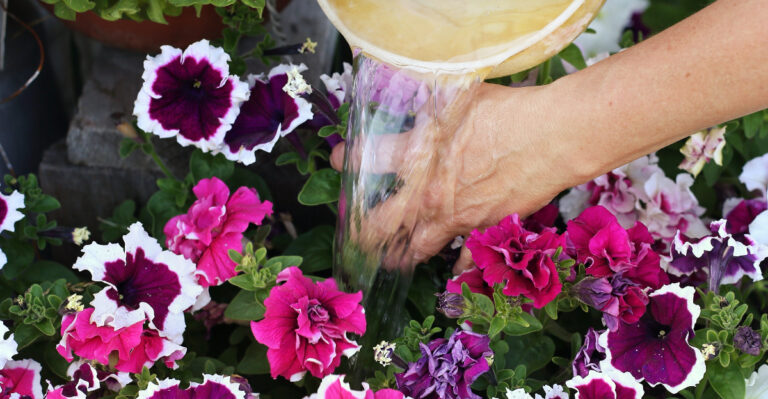
Soil pests need a different trick. Many gardeners soak the whole pot in a tub of lukewarm water for 15 to 20 minutes, which pushes hiding insects to the surface.
Let the pot drain well afterward, because soggy roots can rot indoors.
Do your rinsing on a mild, sunny day so leaves dry before evening. In Ohio, choose a mild day before nighttime temperatures become too cold for your plants, which may be in September or early October depending on your location and the weather.
Wet foliage plus cold air can invite fungal spots, and nobody wants to trade one problem for another.
4. Insecticidal Soap And Neem Oil Handle The Stubborn Leftovers
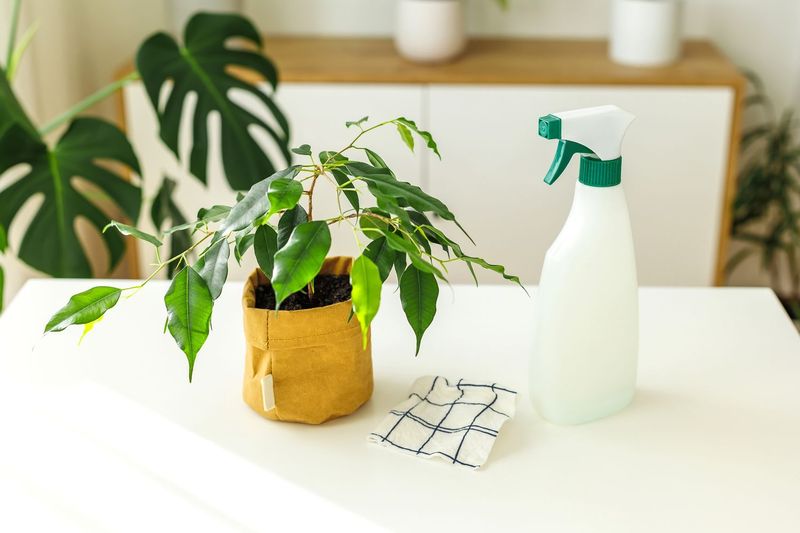
Some pests laugh at a hose. Mealybugs and scale cling tight, and their waxy coatings shed water like a raincoat.
That is where insecticidal soap or horticultural oil, including neem oil, earns its spot on the shelf. These products work on contact, smothering or breaking down soft-bodied insects like aphids, mites, whiteflies, and young scale crawlers.
They break down quickly and leave little residue.
Coverage is everything. Spray the tops and bottoms of leaves, the stems, and the leaf joints until they glisten.
Missed spots mean surviving bugs, so take your time.
Always read the label first. Some plants, such as ferns, succulents, and certain palms, can be sensitive to soaps or oils.
Test a small area and wait a day before treating the whole plant.
Skip spraying in hot sun or above roughly 85 degrees, which can scorch foliage. Let the plant dry fully outdoors before it heads inside, since the smell and drips are better left on the patio.
For a single stubborn mealybug, I simply remove it with a damp cotton swab. It is oddly satisfying, and it saves the spray for bigger jobs.
5. Watch The Nighttime Thermometer Before Moving Tropical Plants In
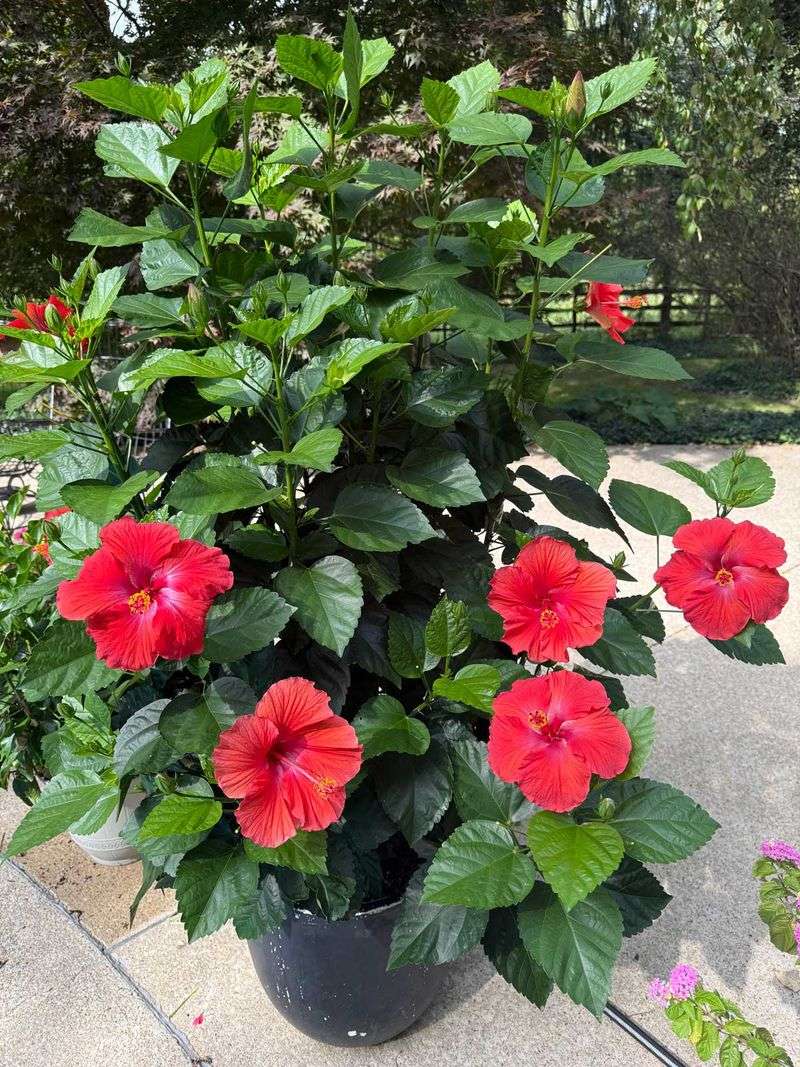
Timing can make or break this whole project. Most tropical houseplants, like hibiscus, mandevilla, and ficus, start sulking once nights drop below about 50 to 55 degrees.
Across Ohio, that usually happens in September. Northern counties near Lake Erie and higher spots in the northeast can cool off sooner, while the Ohio River valley in the south often stays mild a little longer.
Your local forecast matters more than any calendar date.
Waiting until a frost warning forces a rushed move. That is exactly when inspection gets skipped and pests slip in.
I prefer to start checking plants as soon as the first cool nights appear on the ten-day outlook.
Hardier plants such as rosemary can handle cooler air for a bit longer, though rosemary rarely survives a full Ohio winter outdoors in a pot. Tender types should come in well before the first frost, which often arrives in October for much of the state.
Give yourself a buffer of a week or two. That window leaves time to inspect, rinse, spray if needed, and recheck.
A calm, unhurried move beats a midnight scramble with a flashlight and a frosty porch.
6. Shady Spots Help Sun-Loving Plants Adjust To Dimmer Indoor Light
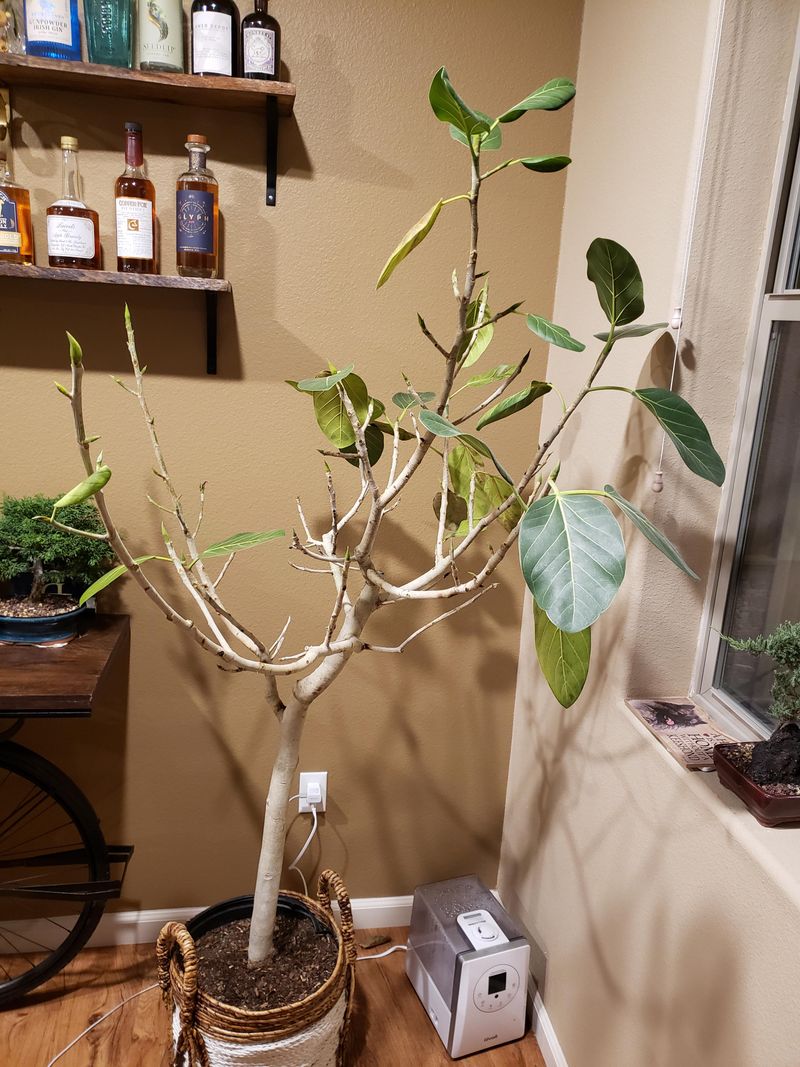
Leaf drop after the big move scares a lot of gardeners. Usually, the plant is not sick at all.
It is simply shocked by the huge drop in light.
A sunny Ohio patio can deliver many times more light than a typical living room window. When a plant suddenly loses that brightness, it often sheds older leaves to cut back on energy needs.
Ficus trees are famous for this dramatic reaction.
Easing the change helps. Move pots into a shaded spot outdoors, like under a tree or a covered porch, for about one to two weeks before they come inside.
This gentle step lets leaves adjust gradually.
Once indoors, give the brightest location you have. South or west windows work best through Ohio’s famously gray winter months.
A simple LED grow light can fill the gap for light-hungry plants.
Also expect your plant to drink less water. Shorter days and slower growth mean soil stays damp longer, so check with a finger before watering.
Overwatering ranks among the most common reasons houseplants struggle in winter.
A few yellow leaves are normal. Steady new growth later in winter is your sign everything settled in nicely.
7. A Separate Quarantine Corner Protects Your Houseplant Collection
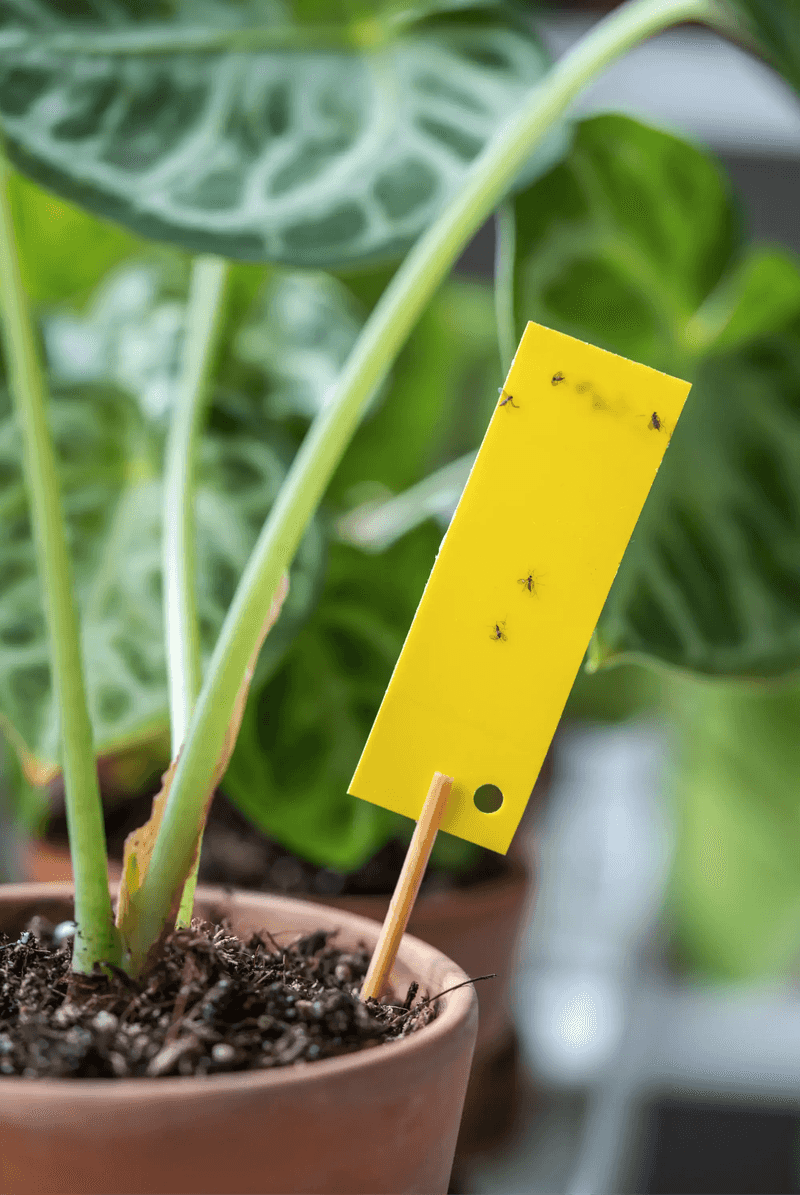
Even the most careful detective misses a few eggs. Quarantine is your safety net, and it takes almost no effort.
Set returning plants in a separate room or a corner away from your other houseplants for about two to four weeks. A sunny spare bedroom or an enclosed porch that stays above 55 degrees works well.
Distance keeps crawling and drifting pests from reaching your favorites.
Check the quarantined plants every few days. Flip leaves, look for webbing, and watch for gnats or sticky residue.
Yellow sticky cards placed near the pots help reveal flying pests like whiteflies and fungus gnats.
If something shows up, treat it right away while the problem is still small and contained. Once the plant stays clean for several weeks, it can join the rest of the indoor gang.
Honestly, I count this as the easiest insurance policy in gardening. It costs nothing but a little patience and floor space.
Make inspection plus quarantine your yearly fall ritual. Your winter windowsills will look greener, your soil will stay gnat-free, and spring will arrive with healthy plants ready to head back outside again.