8 Tips To Minimize Transplant Stress During Tennessee’s Summer Planting Season
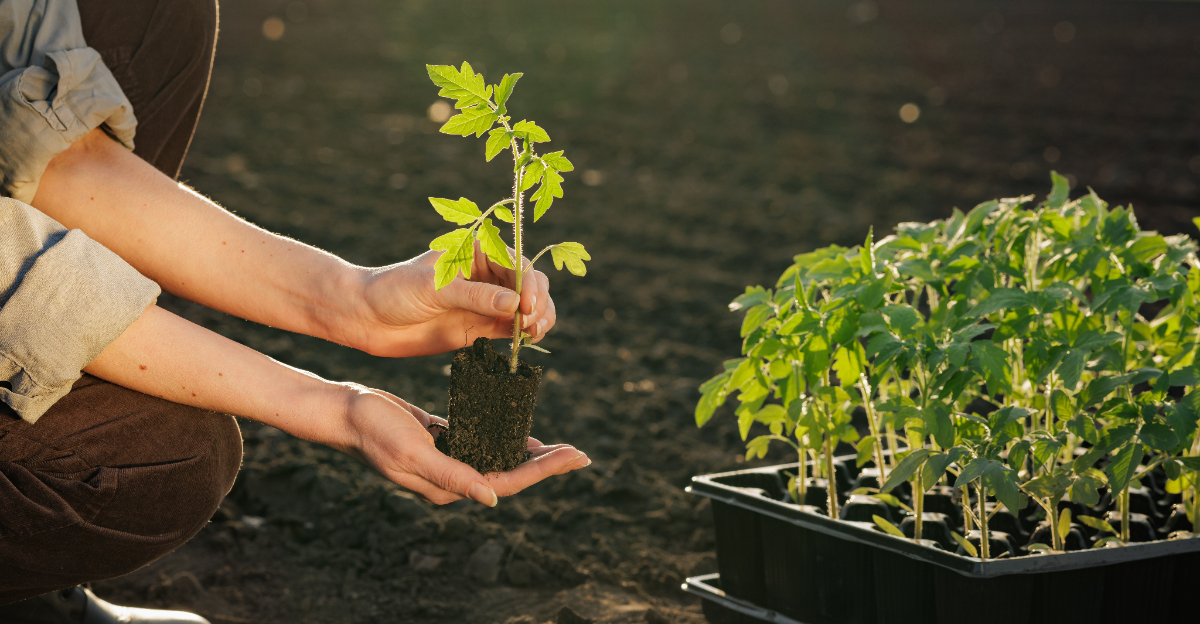
Tennessee summers don’t play around. Temperatures climb past 90 and just sit there, day after day, while humidity turns every outdoor chore into a workout.
For plants making the jump from container to garden bed, this is the toughest possible moment. Roots get disturbed, moisture disappears fast, and leaves can droop within hours if you time things wrong.
One rough afternoon in full sun can set a plant back weeks, even if it eventually recovers. Here’s the part most people miss: you actually have more control over the outcome than you’d expect.
Smart timing, proper hydration, and a few overlooked tricks can turn a risky transplant into a smooth transition. Your garden doesn’t just survive summer. It actually thrives.
1. Plant In The Early Morning Or Evening
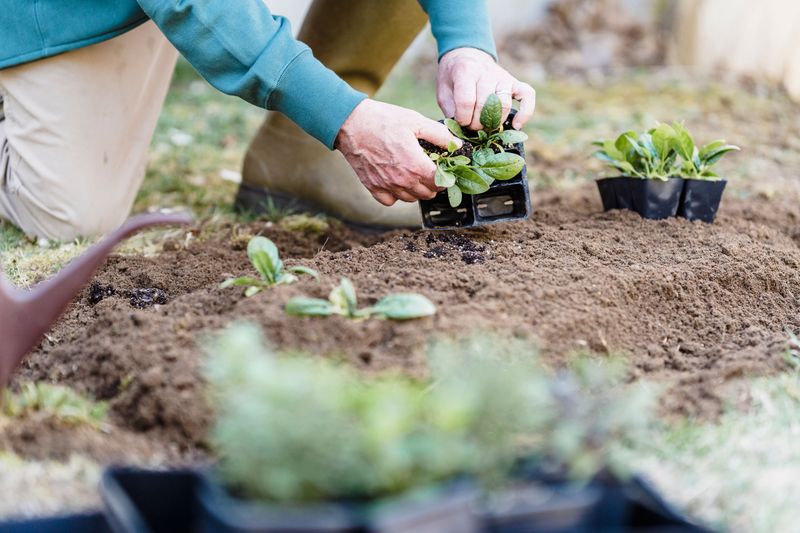
The sun at noon in summer is brutal. Planting during peak heat hours is one of the fastest ways to send your seedlings into shock.
Early morning gives you a sweet window. Temperatures are cooler, the air holds more moisture, and your plants have the entire day to settle in before stress builds up.
Evening planting works just as well. After the sun dips low, the ground cools down and plants can focus energy on root establishment instead of fighting heat.
Aim for planting before 9 a.m. or after 6 p.m. That narrow window can noticeably improve how well your transplants survive their first 24 hours.
Roots need calm conditions to spread. Extreme heat forces plants to push all energy upward just to stay alive, leaving nothing left for root growth below.
Think of it like moving into a new house. You would not want to haul boxes in a heatwave if you could help it. Your plants feel the same way.
Gardeners who shift their schedule early see noticeably stronger transplants within the first week. That head start sets the tone for the entire growing season ahead.
Minimizing transplant stress starts with respecting the clock. A simple schedule change costs you nothing but delivers results you can actually see.
2. Water Deeply The Day Before Transplanting
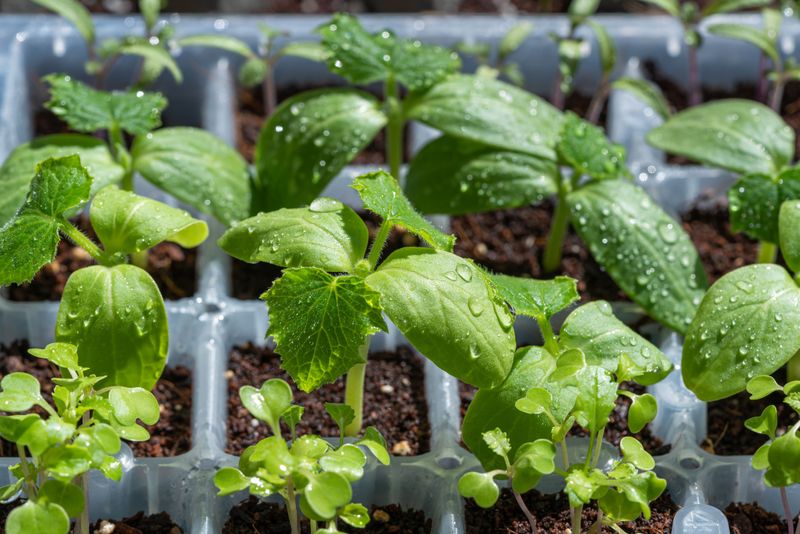
Dry roots are fragile roots. Giving your plants a deep soak the day before you move them is one of the smartest prep steps you can take.
When soil is well-hydrated, roots cling to it naturally. That means when you lift the plant, the root ball stays together instead of crumbling into a dry, dusty mess.
A hydrated plant also enters the move with a full tank. It has stored moisture in its cells, which helps it handle the shock of being uprooted and replanted.
Water slowly and deeply, not just a quick sprinkle on top. You want moisture to penetrate at least six inches down so the roots actually benefit from it.
Shallow watering only wets the surface. Roots chase moisture downward, so deep watering trains them to grow strong and anchor well in the soil below.
Skip this step and you are starting with a disadvantage. A stressed, thirsty plant going into a hot summer garden is a plant already fighting an uphill battle.
Your Tennessee Garden Changes Every Week. Your Plan Should Too.
Gardening in Tennessee changes quickly throughout the season. Every Friday you’ll receive a simple weekly plan showing exactly what to plant, prune, fertilize, harvest, and protect so you never miss the right timing.
This tip works for both container plants and garden beds. Whether you are moving a tomato seedling or a perennial herb, the rule stays the same.
Healthy hydration before transplanting is like fueling up before a long road trip. Your plants need every advantage possible to survive Tennessee summer planting season with minimal stress.
3. Keep The Root Ball Moist And Intact
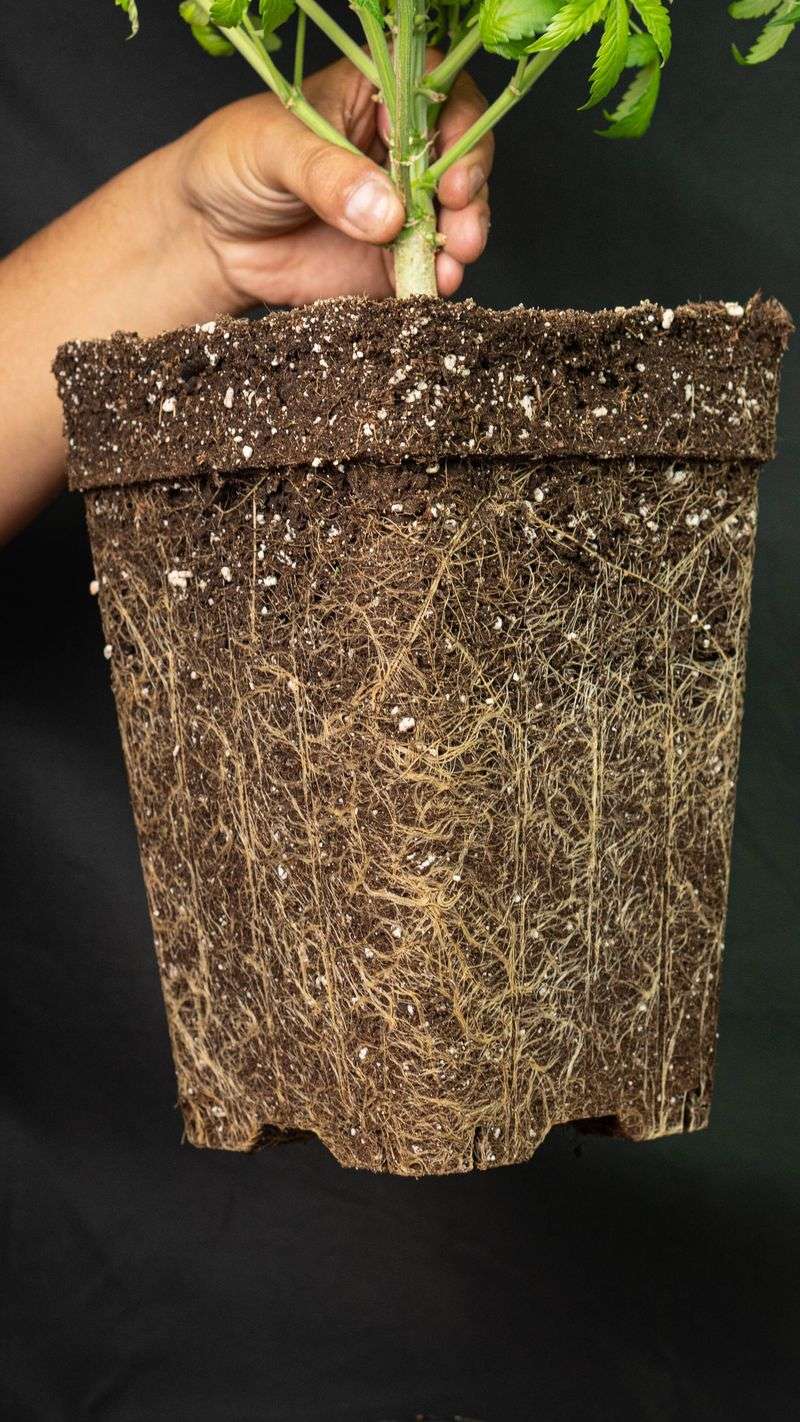
Roots are the lifeline of any plant. Damage them during the move and you have already lost half the battle before the plant hits the ground.
The goal is to keep the root ball together in one solid mass. Avoid shaking off soil, squeezing the roots, or letting them dry out in open air.
Work quickly once the plant is out of its pot or original spot. Every second the roots are exposed to summer air, they lose moisture and begin to stress.
If you need to carry a plant any distance, wrap the root ball lightly in wet burlap or a damp cloth. That simple step keeps things moist until planting time.
Roots that are torn or broken have to heal before they can absorb water. That healing process delays establishment and makes the plant more vulnerable to heat damage.
Think of the root ball like a fragile package. You would not toss it around, shake it, or leave it sitting out unprotected. Treat transplants with that same care.
Some gardeners water the hole before placing the plant inside. That little puddle of water at the bottom gives roots an immediate moisture source right from the start.
Keeping roots intact during transplanting is one of the most overlooked steps in minimizing transplant stress. Protect them well and the rest of the process gets a whole lot easier.
4. Water Thoroughly Right After Planting
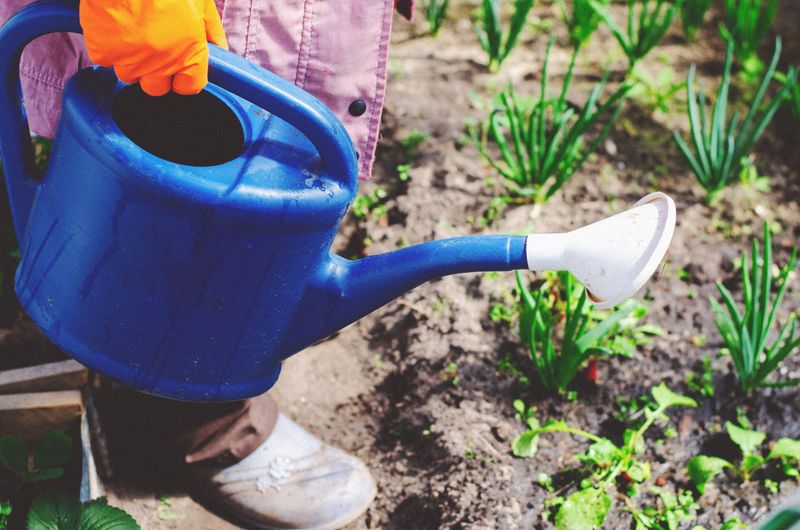
The moment a plant goes into the ground, the clock starts ticking. Getting water to those roots immediately is one of the most critical steps in the whole process.
Right after planting, soak the area slowly and deeply. You want water to reach the bottom of the root zone, not just wet the top inch of soil.
This first watering also helps settle the soil around the roots. Air pockets left behind during planting can dry out roots fast, so water helps collapse them and create good contact.
Use a gentle flow setting on your hose or a watering can with a rose head. High-pressure water can wash away soil and expose delicate roots to the summer air.
Some gardeners add a diluted solution of liquid seaweed or kelp to the first watering. These natural products can help reduce shock and encourage faster root recovery.
Do not rush this step. Take your time and make sure the entire planting area is thoroughly saturated before you move on to the next transplant.
A plant that dries out in the first few hours after transplanting may look fine at first. By the next morning, it could be wilting badly and struggling to bounce back.
Consistent moisture right after planting sets the foundation for recovery. It is one of the easiest ways to protect your investment during Tennessee summer planting season in the South.
5. Add A Layer Of Mulch
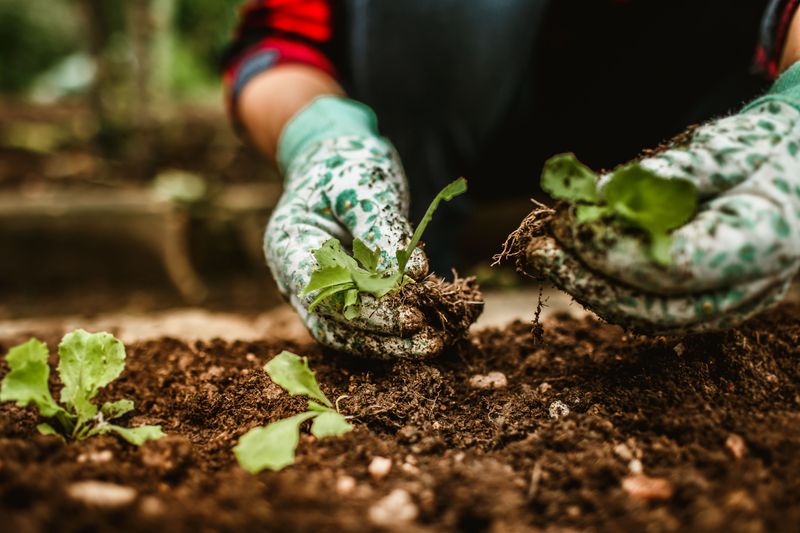
Bare soil in a Tennessee summer gets scorching hot. Mulch acts like a protective blanket, keeping the ground cooler and holding in precious moisture your new transplants desperately need.
Spread a two to three inch layer of mulch around each plant. Keep it a few inches away from the stem to prevent rot and allow airflow at the base.
Wood chips, straw, and shredded leaves all work beautifully. Each option breaks down slowly over time and adds organic matter back into the soil as it decomposes.
Mulch also suppresses weeds that compete with your transplants for water and nutrients. Fewer weeds mean your new plants get more of what they need to establish quickly.
Soil temperature under mulch can run significantly cooler than uncovered ground. That difference alone can help tip the balance between a thriving plant and a struggling one.
Another bonus: mulch slows down evaporation dramatically. On a hot, breezy day, uncovered soil can lose significant moisture within just a few hours of watering.
Apply mulch right after watering so you are locking in that moisture from the start. The combination of deep watering plus mulch is one of the most reliable combos in summer gardening.
Mulch is cheap, easy to find, and incredibly effective. Adding it after transplanting is one small step that pays off in big ways throughout the growing season.
6. Provide Temporary Shade
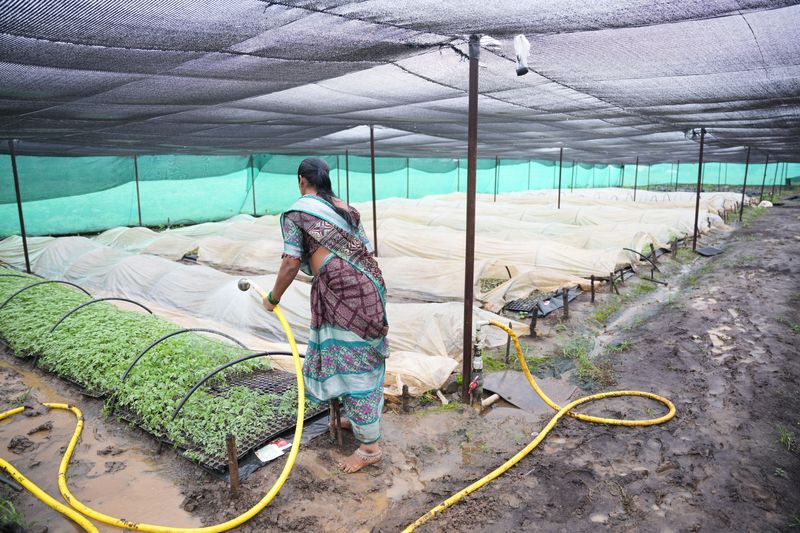
Full summer sun is not a friend to freshly transplanted seedlings. Even sun-loving plants need a break from intense heat during their first few days in the ground.
Temporary shade gives roots time to settle before the plant has to manage full sun exposure. Think of it as easing your transplants into their new environment rather than throwing them in the deep end.
Shade cloth is the easiest solution. A 30 to 50 percent shade cloth draped over a simple frame blocks enough light to reduce heat stress without cutting out too much sunlight.
No shade cloth on hand? Old bedsheets, row cover fabric, or even a wooden pallet propped at an angle all do the trick in a pinch.
Remove the shade covering during morning hours when the sun is gentle. Put it back in place before midday heat peaks and remove it again in the evening.
Most transplants only need shade protection for three to five days. After that window, roots are usually established enough to handle full sun without wilting badly.
Watch your plants closely during this adjustment period. Wilting in the afternoon is normal, but if they are still drooping in the early morning, they need more shade time.
A little temporary shade goes a long way toward protecting your plants. That short period of shelter can mean the difference between a transplant that thrives and one that barely survives the season.
7. Hold Off On Fertilizing
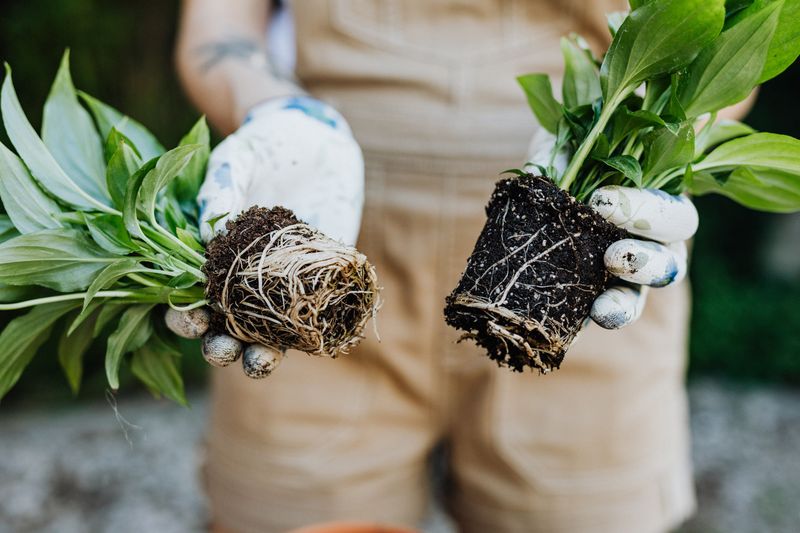
Fertilizer feels like a generous gift to a struggling plant. But right after transplanting, it can actually make things worse instead of better.
Fresh transplants have damaged or disturbed roots. Applying fertilizer to compromised roots can burn them, adding chemical stress on top of the physical stress they are already dealing with.
Hold off on any fertilizer for at least two weeks after transplanting. Give roots time to heal, spread, and reconnect with the surrounding soil before introducing anything extra into the mix.
During this waiting period, your plant is focused on one thing: survival. It is sending energy to root repair, not to producing new leaves, flowers, or fruit.
Once you see new leaf growth appearing, that is your green light. New growth signals that roots are functioning well and the plant is ready to accept nutrients again.
When you do start fertilizing, go gentle at first. A diluted liquid fertilizer or a light application of compost tea is a safer starting point than a full-strength granular feed.
Phosphorus-rich fertilizers are especially helpful after the waiting period ends. Phosphorus supports root development specifically, which is exactly what a newly transplanted plant needs most.
Patience here pays off in a big way. Letting your transplants settle naturally before feeding them sets the stage for stronger, healthier growth throughout the rest of the growing season.
8. Water Deeply And Consistently In The Weeks After
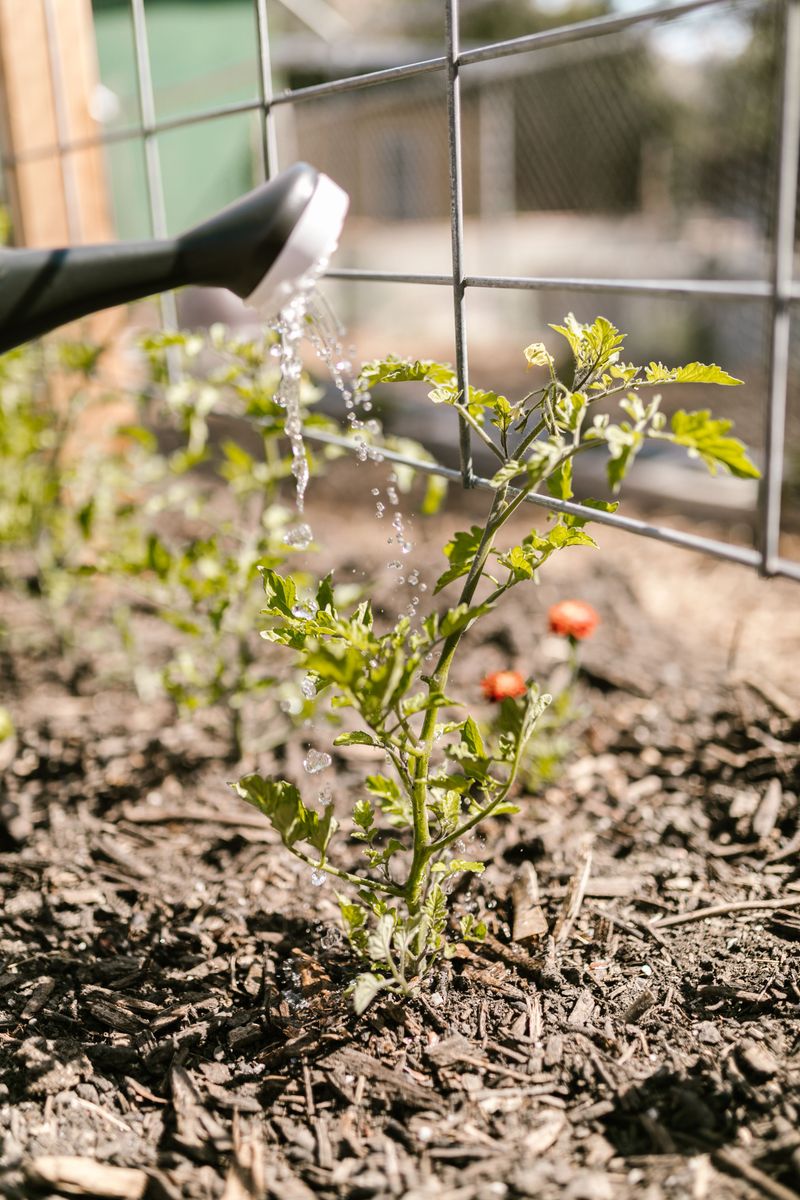
Transplanting is not a one-day event. The weeks that follow are just as critical as the moment you put the plant in the ground.
Consistent, deep watering during this recovery period helps roots spread outward and downward into the surrounding soil. Shallow or irregular watering produces weak, surface-level roots that struggle in drought conditions.
Aim to water deeply two to three times per week rather than a little bit every single day. Deep sessions encourage roots to chase moisture deeper into the soil where it stays cooler and more stable.
Stick your finger two inches into the soil before watering. If it still feels moist at that depth, hold off for another day and check again before adding more water.
Drip irrigation systems are a reliable tool during this period. They deliver water slowly and directly to the root zone, reducing evaporation and keeping moisture levels steady without overwatering.
Watch for signs that your plant is establishing well. Upright stems, firm leaves, and new growth appearing within two weeks are all positive signals that roots are taking hold.
Wilting during the hottest part of the afternoon is still normal for a few weeks. But if plants perk back up by evening, they are on the right track.
Staying consistent with deep watering is the final key to minimizing transplant stress during summer planting season. Keep it up and your Tennessee garden will reward you with strong, productive plants all season long.