These Are The Native Florida Plants That Can Help Discourage Ticks Naturally
Florida yards and ticks go together in a way nobody signed up for. Walk through the wrong patch of grass, brush against the wrong shrub, and you are doing a full body check before you even make it back inside.
Most people reach for chemicals without a second thought. But native plant world has something interesting to offer here.
Certain plants have properties that ticks genuinely want nothing to do with. They also happen to look beautiful, support local wildlife, and thrive in Florida’s climate without much fussing.
Now, to be straight with you, no plant is a force field. Ticks are persistent and no single solution sends them packing for good.
But stacking your yard with the right natives is a smart layer of defense, one that works passively while you go about your life.
1. Beautyberry Brings The Strongest Native Repellent Case
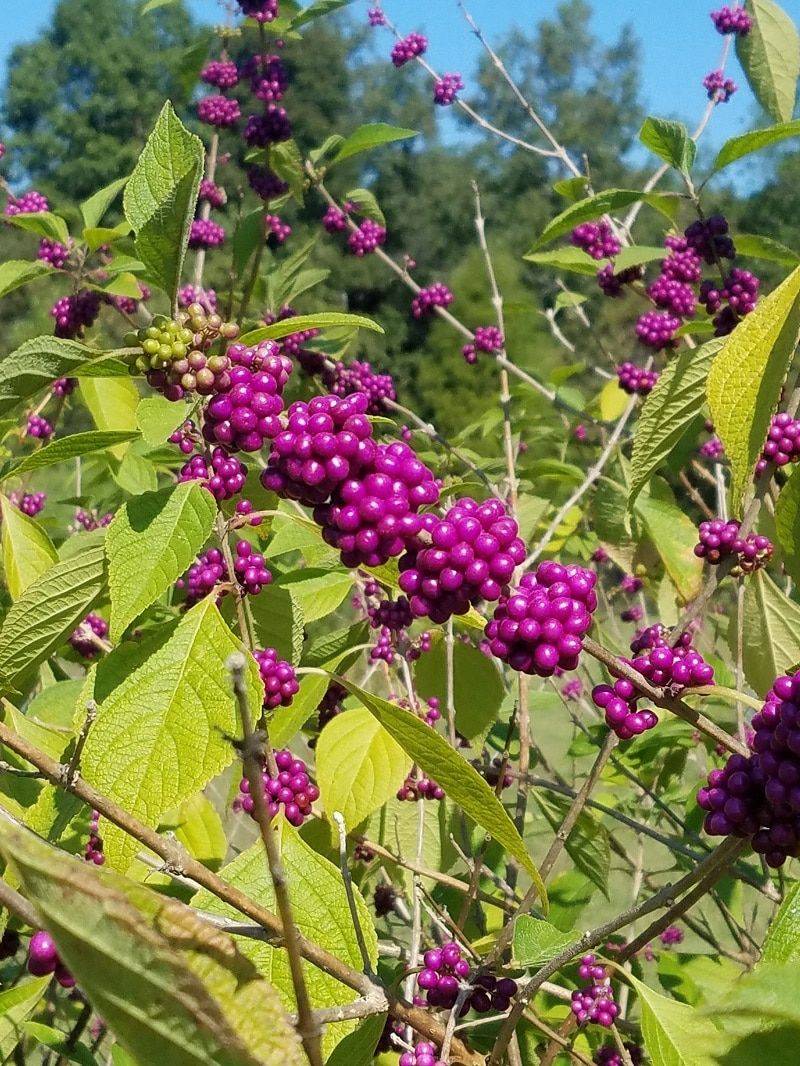
Few native plants have earned as much scientific attention for tick-related properties as American beautyberry (Callicarpa americana).
Researchers at the USDA Agricultural Research Service found that compounds in beautyberry leaves showed measurable repellent activity against mosquitoes and ticks.
Those compounds include callicarpenal and intermedeol. That is genuinely exciting news, and it is worth understanding what it actually means for your yard.
Planting beautyberry does not create a force field around your property. Ticks are persistent, and a shrub alone will not stop them.
What beautyberry offers is a research-backed connection between its natural chemistry and pest-discouraging potential. That is more than most ornamental plants can claim.
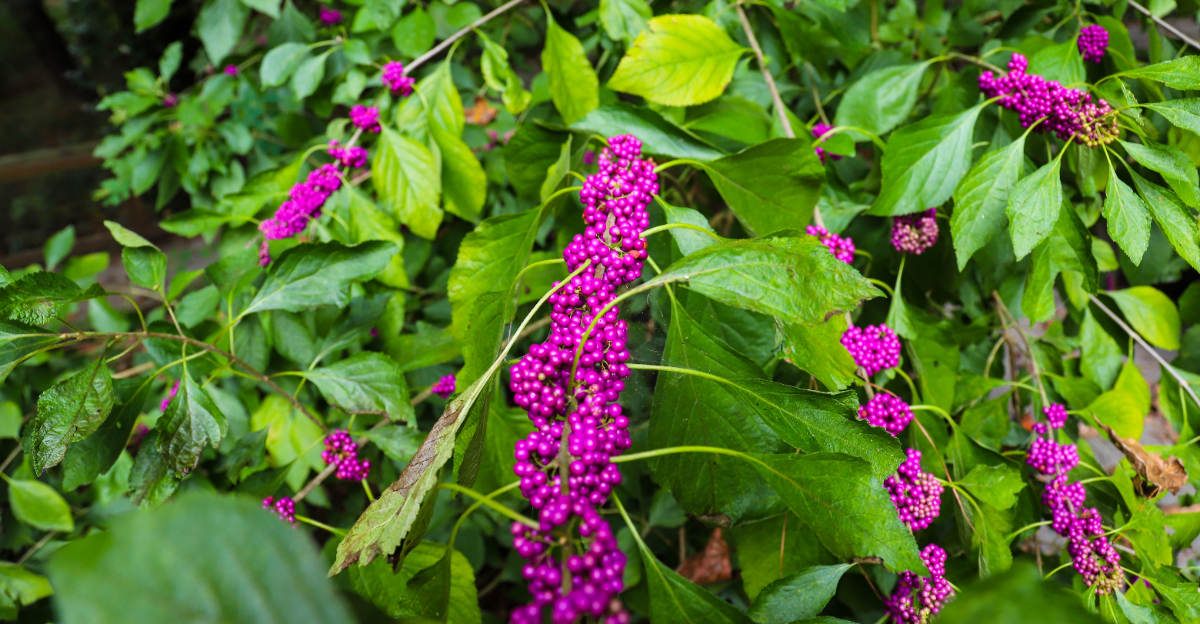
Beyond the science, this plant is a standout in any native Florida landscape. It produces bold clusters of bright purple or white berries in late summer and fall.
Those berries attract birds, including mockingbirds and catbirds, which help keep insect populations in check. The arching stems and textured leaves add soft, layered structure to a border without creating the kind of dense, damp thicket that ticks love to shelter in.
Beautyberry grows well across this state, thriving in partial shade to full sun with well-drained soil. It handles sandy conditions and periods of drought once established, which suits many Florida yards perfectly.
Pruning it back in late winter keeps growth tidy and productive. UF/IFAS recommends it as a low-maintenance native shrub that supports pollinators and wildlife while staying manageable in home landscapes.
For gardeners who want both ecological value and a plant with real tick-related research behind it, beautyberry belongs at the top of the list.
2. Wax Myrtle Adds Aromatic Cover Without Inviting Chaos
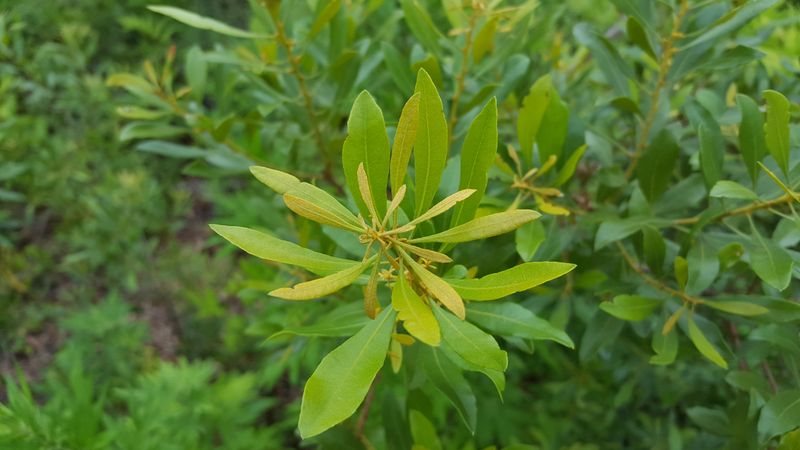
Walk past a wax myrtle (Morella cerifera) on a warm afternoon and you will catch a sharp, clean fragrance that hints at why this plant has been used for centuries.
Early settlers boiled the waxy berries to make bayberry candles, and the aromatic foliage was known to have insect-discouraging qualities.
While modern research on wax myrtle as a tick deterrent is limited, its structure and growth habits make it a genuinely smart choice for a less tick-friendly yard.
Ticks thrive where moisture collects and air movement is minimal. Wax myrtle naturally grows into an upright, open-branched form that allows sunlight and airflow to move through the canopy.
Your Florida Garden Changes Every Week. Your Plan Should Too.
Gardening in Florida changes quickly throughout the season. Every Friday you’ll receive a simple weekly plan showing exactly what to plant, prune, fertilize, harvest, and protect so you never miss the right timing.
When used as a border hedge or screen, it replaces the kind of overgrown, tangled invasive shrubs that create ideal tick habitat. That structural swap alone can make a meaningful difference in how welcoming your yard is to ticks.
This plant is incredibly adaptable across this state. It handles wet soils, dry sandy soils, salt spray along coastal areas, and the heavy summer rains that challenge many ornamental shrubs.
It grows quickly, which means it fills in gaps in a border without a long wait. Birds are drawn to the small waxy berries, especially yellow-rumped warblers during migration season, adding real wildlife value to the planting.
UF/IFAS notes wax myrtle as a versatile native that works well as a large shrub or small multi-trunk tree. Trimming it lightly a couple of times a year keeps it neat without stripping its natural character.
For gardeners replacing invasive privet or similar messy shrubs, wax myrtle is a practical and aromatic upgrade. It works with the Florida landscape rather than against it.
3. Yaupon Holly Helps Build A Cleaner Native Border
Borders matter more than most gardeners realize. The edges of a yard, where lawn meets garden bed, fence line, or woods, are exactly where ticks move in from surrounding areas.
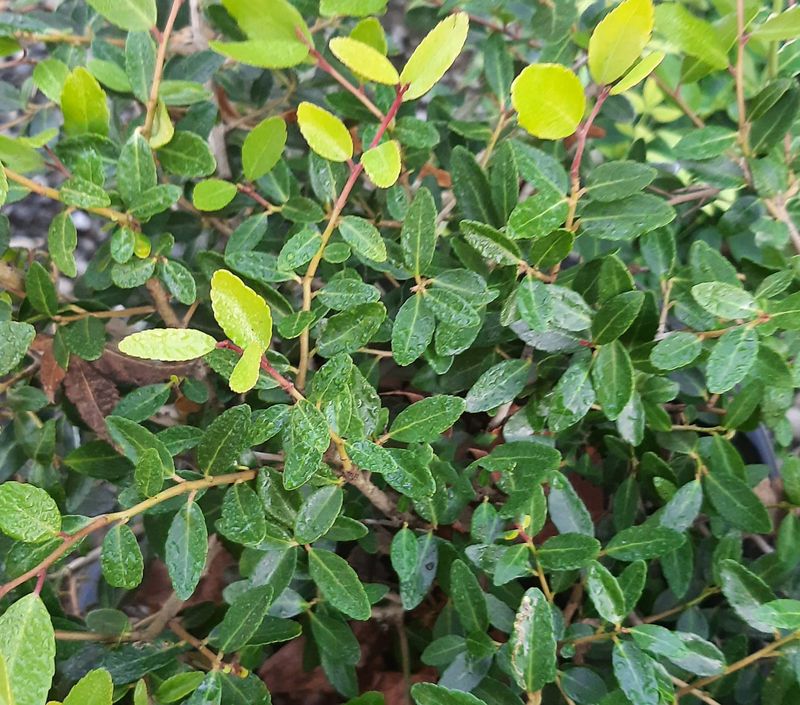
A loose, weedy, or overgrown border gives them easy cover and a comfortable route into your space. Yaupon holly (Ilex vomitoria) offers a tougher, tidier alternative that earns its place on this list through structure, durability, and native credentials.
Yaupon is one of the most rugged native shrubs growing in this state. It tolerates drought, salt, poor sandy soils, and wet conditions that would stress most ornamental plants.
That adaptability makes it genuinely useful across northern, central, and coastal regions. It can be shaped into a formal hedge, left to grow in its natural rounded form, or trained as a small multi-trunk specimen.
Either way, it creates a clean, defined border that replaces the kind of brushy mess ticks prefer.
The small red berries, which appear on female plants in winter, attract a wide range of birds, including cedar waxwings and robins. Having insect-eating birds active in your yard is a natural bonus that supports overall pest balance.
Yaupon also holds its foliage year-round, meaning the border it creates stays intact through every season, not just when plants are actively growing.
UF/IFAS Extension recommends yaupon holly as a low-maintenance native with strong landscape utility. It rarely needs supplemental water once established and responds well to pruning.
Planting it along property edges or wooded transitions gives you a cleaner, more defined barrier. That barrier is far less inviting to ticks than the tangled shrubs or weedy growth it replaces.
4. Firebush Supports Wildlife Without Creating Tick Friendly Thickets
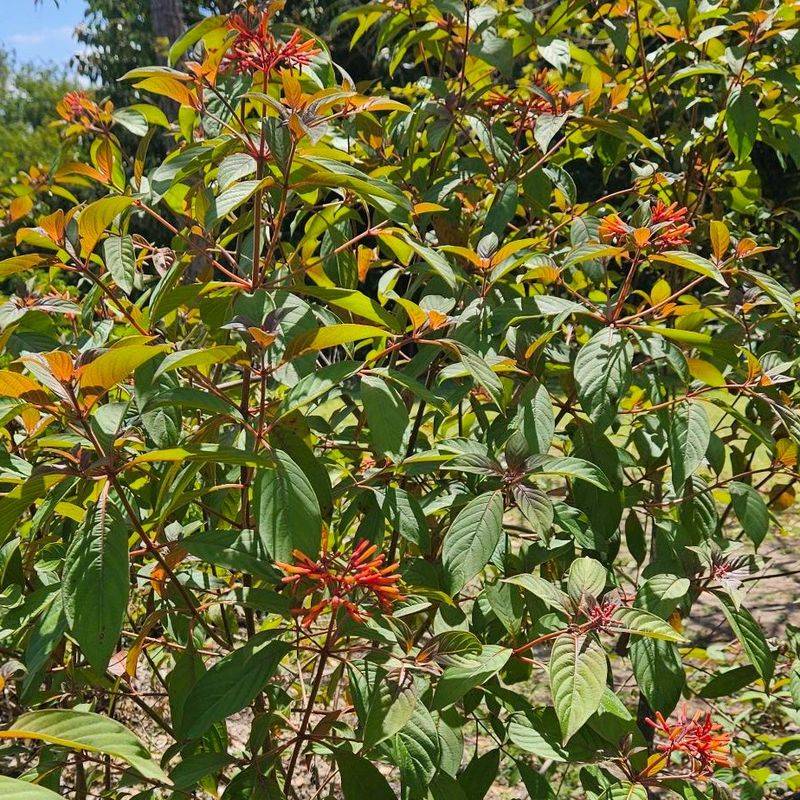
Bright orange-red flowers that bloom from spring through fall, hummingbirds hovering around the clusters, and a heat tolerance that laughs at a Florida summer.
Firebush (Hamelia patens) is one of the most rewarding native shrubs you can grow in this state.
It earns a spot on this list because of how it grows, not just what it looks like.
Ticks need damp, shaded, dense cover to survive and reproduce. Firebush grows in an open, airy form with upright branching that allows sunlight to reach the base of the plant.
It thrives in full sun and well-drained soil, which are exactly the conditions that make a yard less hospitable to ticks.
Placing it in sunny borders or open garden beds keeps the surrounding ground dry and exposed, cutting down on the sheltered micro-habitats ticks depend on.
The wildlife value here is real and layered. Hummingbirds are strongly attracted to the tubular flowers, and butterflies, including swallowtails and sulphurs, visit regularly.
The small dark berries that follow the flowers feed mockingbirds, catbirds, and other species. Insect-eating birds and pollinators working through a yard contribute to a more balanced outdoor environment overall.
Firebush grows vigorously in southern and central regions and performs well in northern regions as a returning perennial, even if it gets cut back by frost.
UF/IFAS describes it as a fast-growing native with excellent wildlife value and good drought tolerance once established.
Cutting it back in late winter keeps it tidy and encourages fresh growth. For gardeners who want a plant that is both beautiful and structurally smart, firebush delivers on both counts.
It does that without creating the dense, damp thickets that invite tick problems.
5. Muhly Grass Keeps Plantings Airy And Sunlit
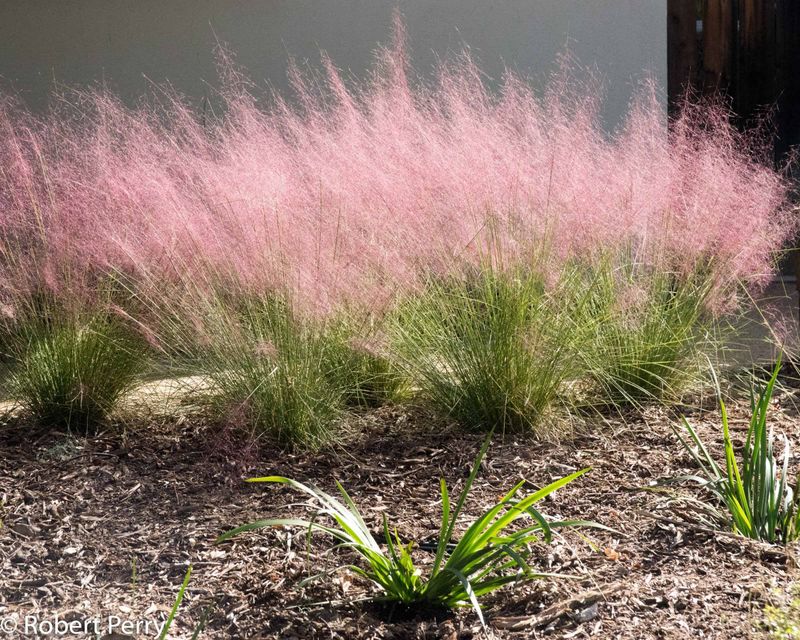
Picture the difference between a lawn edge choked with tall weedy grass and a planting of muhly grass (Muhlenbergia capillaris). Its pink plumes catch the afternoon light and move in a warm breeze.
That visual difference also reflects a real difference in tick habitat. Dense, weedy, unmaintained grass is one of the top environments ticks use for host-seeking behavior.
Muhly grass offers the opposite: an open, airy, well-drained planting that lets sunlight hit the soil and keeps air moving freely.
Ticks are sensitive to desiccation, meaning they struggle to survive in dry, exposed, sunny spots. Muhly grass grows in clumping form rather than spreading into a dense mat, which means the ground beneath and around it stays relatively open.
Planted in masses along borders or sunny beds, it creates a visually striking landscape feature without producing the damp, tangled conditions ticks prefer to shelter in.
The fall bloom is genuinely spectacular. From roughly September through November, clouds of pink to purplish plumes rise above the fine-textured foliage.
That makes it one of the most photographed native plants in this state. Birds visit the seed heads through the cooler months, adding quiet wildlife activity to the garden.
UF/IFAS rates muhly grass as highly drought-tolerant and well-suited to sandy Florida soils. It needs minimal maintenance beyond cutting it back once a year in late winter before new growth begins.
Full sun is essential for the best bloom and the most open, airy form. Replacing invasive or weedy grass plantings with muhly grass is one of the most effective ways to tidy a border.
It also actively reduces the habitat qualities ticks look for in a landscape.
6. Coontie Offers Structure Without Damp Leafy Clutter
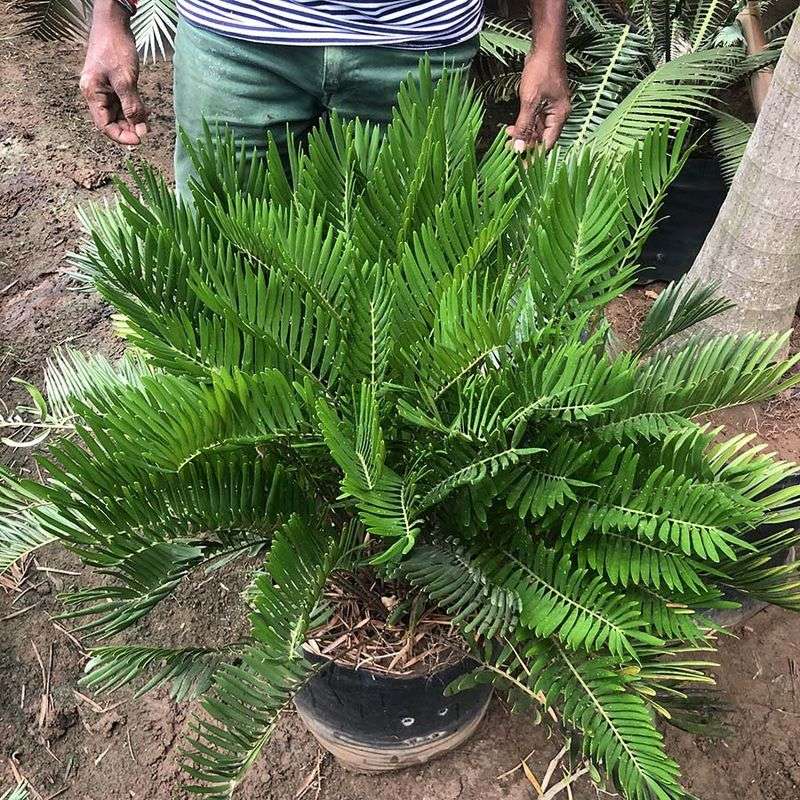
There is something almost prehistoric about coontie (Zamia integrifolia), and that makes sense. This native cycad has been growing in this state for thousands of years, long before modern landscaping existed.
It is the only cycad native to the continental United States, and it brings a kind of quiet, durable structure to a garden that few other plants can match.
For tick-conscious gardeners, its tidy, low-growing form is exactly what you want in a shaded or partially shaded bed.
Coontie does not produce the kind of thick, overlapping leaf litter that collects moisture and creates cool, damp hiding spots. Its stiff, dark green fronds grow in an upright rosette form that stays relatively open at the base.
Paired with a clean layer of mulch, it keeps the planting area neat without contributing to the dense, moist ground clutter that ticks gravitate toward.
The ecological story of coontie connects directly to the atala butterfly (Eumaeus atala), a striking native species that was once nearly gone from this state.
Atala caterpillars feed exclusively on coontie foliage, and planting coontie has helped support the recovery of this butterfly across southern and central regions.
That kind of direct conservation impact is rare in a landscape plant.
UF/IFAS Extension recommends coontie for its extreme drought tolerance, salt tolerance, and adaptability to sandy soils. It grows in full sun to heavy shade, which makes it one of the most versatile natives available.
Coontie is slow to establish but virtually maintenance-free once settled. For shaded spots where other ground-layer plants might create messy or damp conditions, coontie offers clean structure.
It also brings real wildlife value and a deep native history worth preserving.
7. Simpson’s Stopper Gives Borders A Tidy Native Upgrade
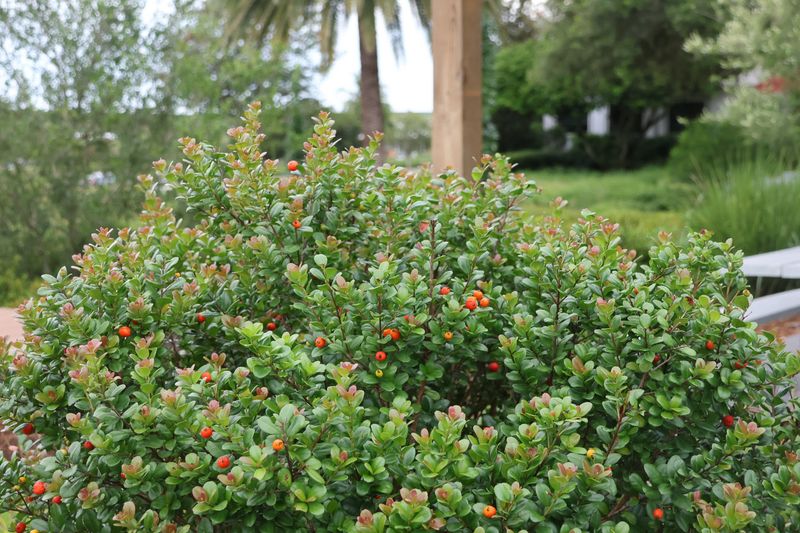
Not every gardener has heard of Simpson’s stopper (Myrcianthes fragrans), but those who grow it tend to become enthusiastic advocates. This native shrub quietly does everything a good border plant should do.
It stays tidy, holds its foliage year-round, produces fragrant flowers, and feeds birds through the cooler months.
For gardeners who want a cleaner, more structured yard edge that also supports native wildlife, it is a practical choice that deserves far more attention.
The tick connection here is about replacement and structure. Many Florida yards have borders that include invasive shrubs, overgrown ornamentals, or weedy tangles that hold moisture and create layered cover at ground level.
Simpson’s stopper replaces that kind of messy growth with a compact, upright, well-behaved shrub. It allows sunlight to reach the soil and keeps air circulating through the planting.
That shift in conditions matters when you are trying to make your yard less attractive to ticks.
Small white flowers appear in clusters and carry a pleasant fragrance, especially in the morning. The berries that follow shift from green to orange-red as they ripen, attracting mockingbirds, catbirds, and other fruit-eating species.
Having active bird life in the yard supports a more balanced environment and adds a layer of natural insect pressure that benefits the whole outdoor space.
UF/IFAS notes that Simpson’s stopper performs well in full sun to partial shade and tolerates drought, salt, and the sandy soils common across coastal and inland areas. It grows at a moderate pace and responds well to light shaping.
For gardeners replacing invasive shrubs along borders or fence lines, this native offers a refined, wildlife-friendly upgrade. It is structurally sound and quietly works in your favor.