Why Your Florida Roselle Never Flowered This Year
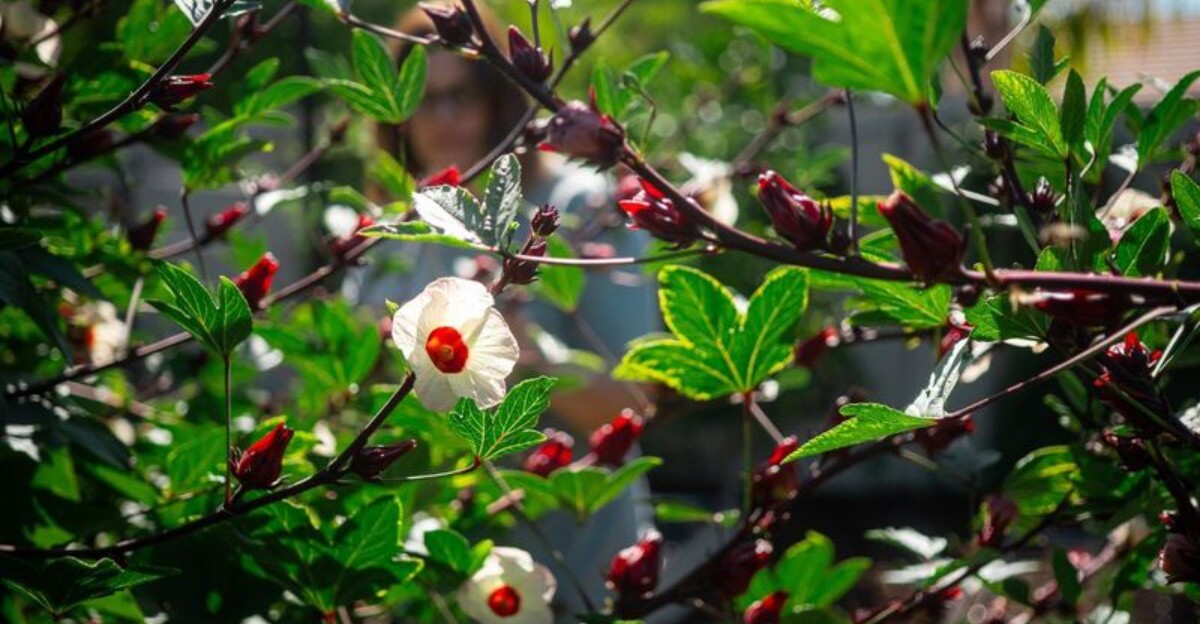
A plant can grow taller than your head, look perfectly healthy, and still refuse to bloom until the calendar flips to fall.
That stubborn habit trips up a lot of backyard growers. Mine spent one whole summer as a giant green hedge, and I almost pulled it out in September. I can’t imagine how much tangy red tea I would have missed.
This hibiscus cousin follows a clock that has little to do with heat, rain, or how much you fuss over it. Light, timing, food, and a few hidden soil troubles all play a part in Florida yards.
You need to know which of those factors is to blame before you plant again next spring. Chances are your plant was simply waiting on a signal that never quite arrived.
That Leafy Roselle Bush Is Listening to the Calendar
Roselle runs on daylight, not effort. Researchers call it a short-day plant, which means it waits for nights to grow longer before it sets flower buds.
All summer in Florida, the days stretch past 13 hours. Your plant treats that as a signal to keep building stems, leaves, and roots.
That huge green shrub is actually a factory under construction, not a failure.
As fall arrives, the days shorten and the switch finally flips. University of Florida extension notes that roselle usually blooms in October or November across much of the state.
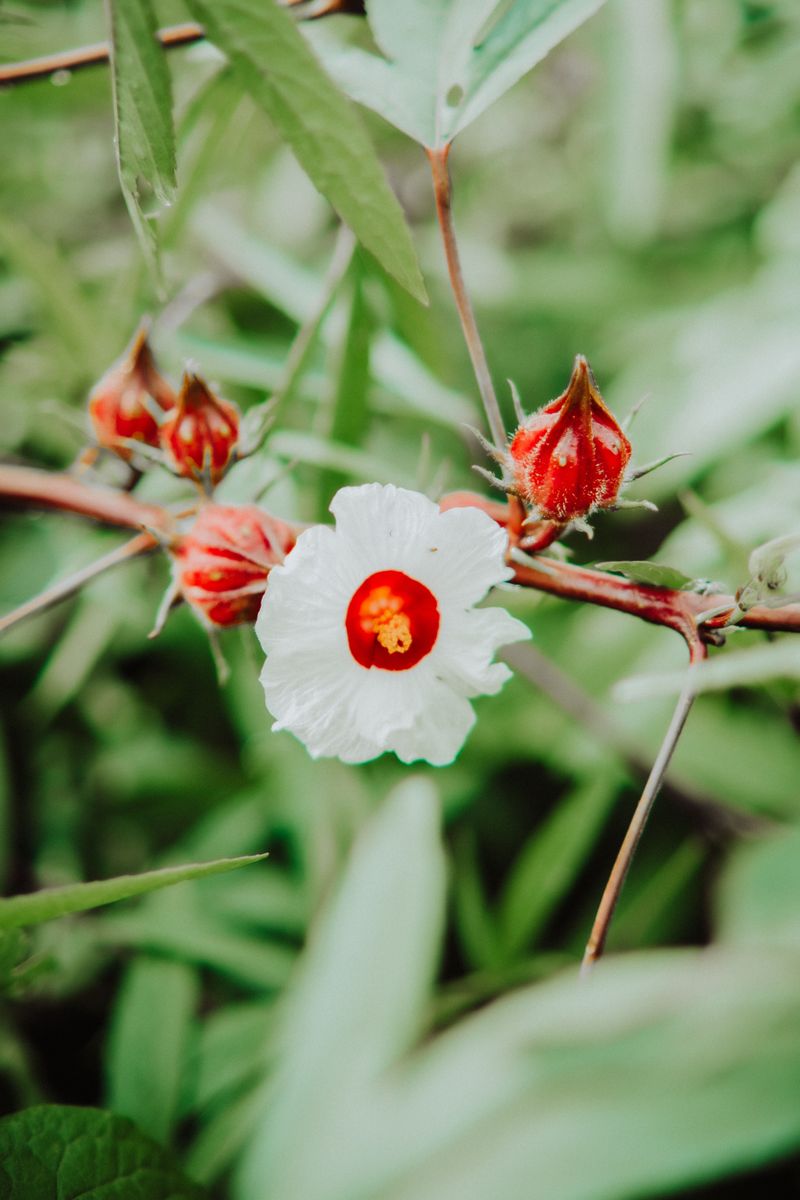
Pale yellow flowers with dark red centers open for about a day, then the fleshy red calyx swells around the seed pod.
So if you judged your plant in August, you may have judged too early. Many growers give up right before the show starts.
A sneaky problem can come from outdoor lighting. A bright porch light, streetlamp, or security flood shining on the plant all night can interrupt that long-night signal.
Some photoperiod plants react to even modest light at night.
Check where your roselle sits after dark. If a lamp blazes on it, moving the plant or the light next year could make a real difference.
An Early Cold Snap Can Beat Your Roselle Buds to the Finish Line
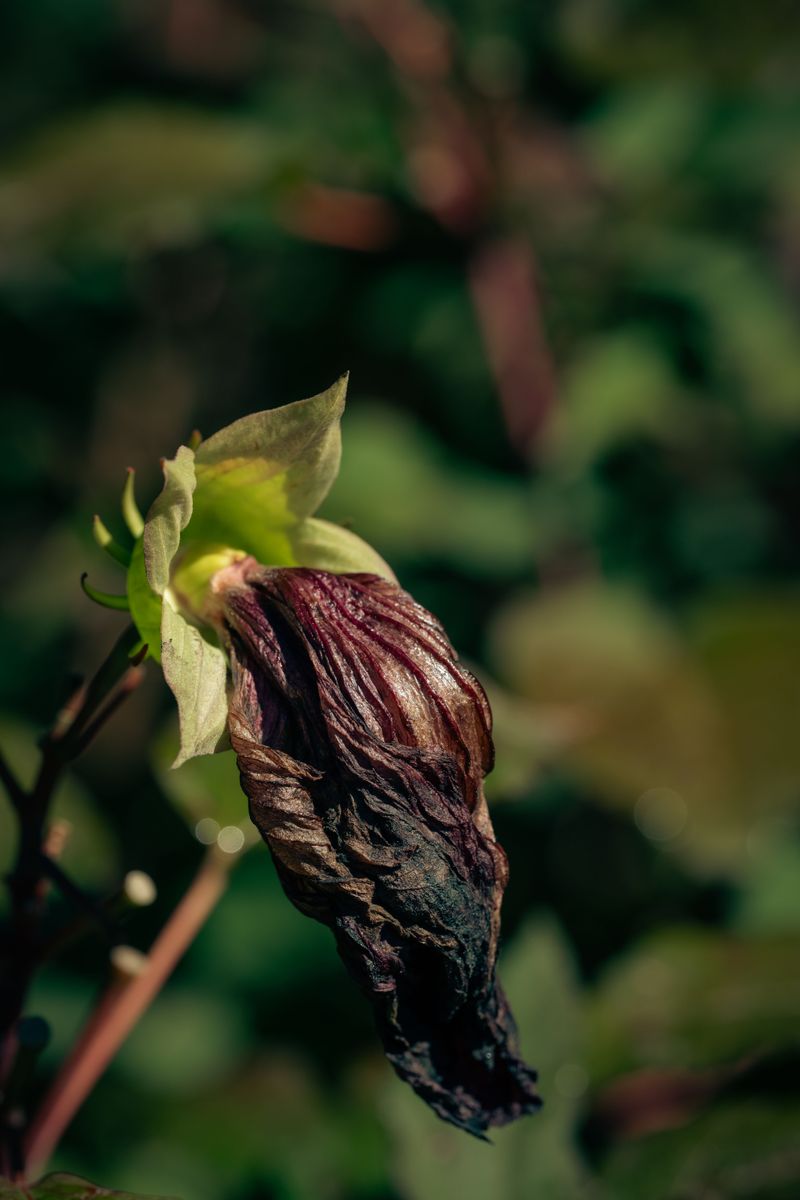
Here is the frustrating twist for northern growers. Your roselle might have been ready to bloom, but cold weather got there first.
Roselle is very tender to frost. In North Florida and the Panhandle, a cold night in November can arrive just as buds begin forming.
A single frost can blacken the leaves and stop flowers and calyces in their tracks.
Central and South Florida gardeners usually have a wider window. Plants there often keep producing into December and sometimes beyond, since frost is rare or mild.
Personally, I keep an eye on the forecast every fall. When temperatures near freezing are predicted, a frost cloth draped over the plant overnight can buy a few extra weeks.
Remove the cover once the morning warms up so the plant does not overheat.
Planting location helps too. A spot on the south side of your house, near a wall that holds warmth, can protect buds from a light chill.
If you garden in a cooler part of the state, consider this a race against the calendar. Getting plants in the ground early in spring gives them the best chance to finish flowering before winter weather moves in.
Spring Planting Gives Roselle Seedlings a Head Start
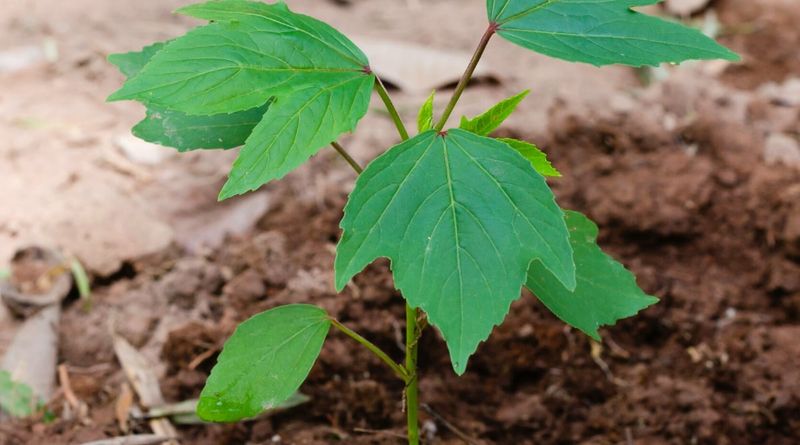
Timing your planting matters, even though the plant blooms on a fixed fall schedule. Starting at the right moment decides how big your harvest gets.
UF/IFAS guidance points to spring, often April or May, as an ideal planting window in Florida. Seeds sprout quickly in warm soil, and seedlings spend the long summer growing into big branching plants.
More branches means more spots for flowers when fall arrives.
Late planting is where many gardeners get stuck. A roselle sown in August can still flower around October, but it will be small with far fewer calyces.
Plant it too late and it may not have time to bloom at all before cool weather, especially up north.
Did you know roselle is grown widely in West Africa, the Caribbean, and Southeast Asia? Folks in the Caribbean call the drink sorrel and serve it around the winter holidays, right when the harvest comes in.
For next year, mark your calendar now. Start seeds indoors in late winter or sow directly once soil warms.
Give seedlings a few weeks to settle, then let summer do the heavy lifting for that autumn crop.
Shady Corners Leave Roselle Starving for Sunshine
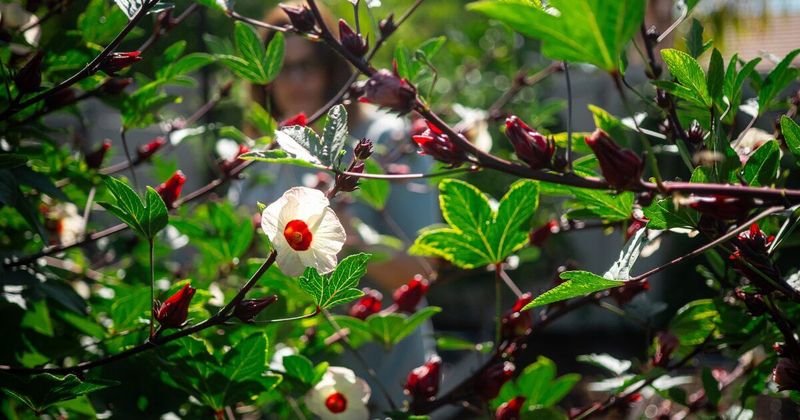
Sunlight is fuel, plain and simple. A roselle tucked under a live oak or beside a tall fence may grow, but it often grows thin and stingy.
Roselle performs best with full sun, meaning at least six to eight hours of direct light each day. Flowers and those thick calyces take a lot of energy to produce.
A plant stuck in shade simply cannot gather enough of it.
Watch for clues. Long, stretched stems, wide gaps between leaves, and a plant leaning toward the open sky all suggest a light shortage.
You might see a few blooms, but the harvest will be slim.
Shade also changes over a season. A spot that was bright in April can sit in heavy shade by September once nearby trees and shrubs fill out, and that is exactly when roselle needs sun the most.
I like to stand in my garden at a few times during the day before choosing a bed. Notice where shadows fall in midmorning and late afternoon.
Container growers have an advantage here. Just move the pot into the sunniest place you have, and your plant will thank you.
Heavy Doses of Lawn Fertilizer Keep Roselle Leafy and Lazy
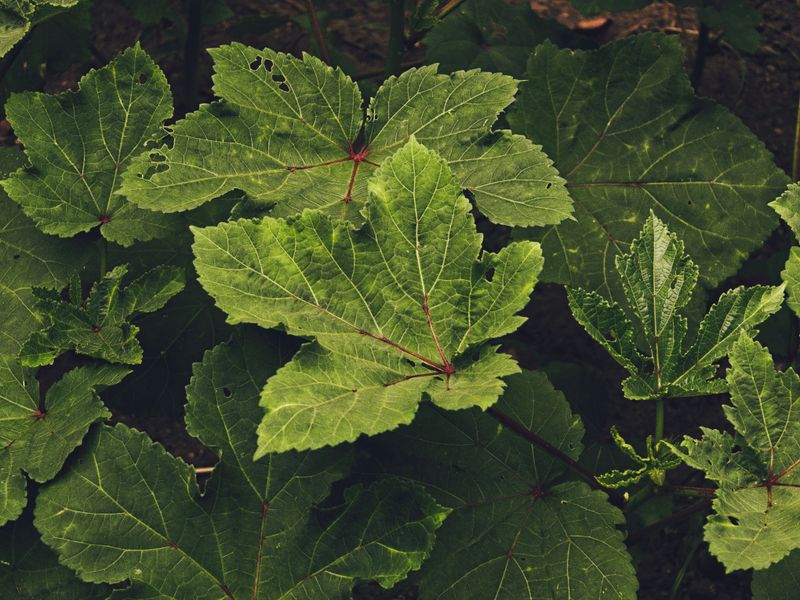
Feeding your roselle like a lawn is a classic slip-up. Those high-nitrogen blends push out deep green leaves, and lots of them.
Nitrogen supports foliage growth. Too much of it can encourage a plant to keep making leaves while flowering gets delayed or reduced.
You end up with an impressive bush and a disappointing harvest.
Roselle is not a heavy feeder. Florida sandy soils do drain nutrients quickly, so a little help is useful.
Mixing compost into the bed at planting time and adding a light, balanced fertilizer during early growth usually covers its needs.
Watch out for hidden nitrogen sources too. Lawn fertilizer that drifts onto nearby garden beds, or runoff from a freshly fed yard, can quietly add more than you intended.
Some gardeners shift to a fertilizer with relatively more phosphorus and potassium once the plant is well established. That approach is common advice, though a soil test from your county extension office gives you the clearest picture.
A soil test is cheap and easy. It tells you what your ground actually lacks, so you can stop guessing and stop overfeeding.
Knotted Roots Could Point to Nematodes in Florida Sand
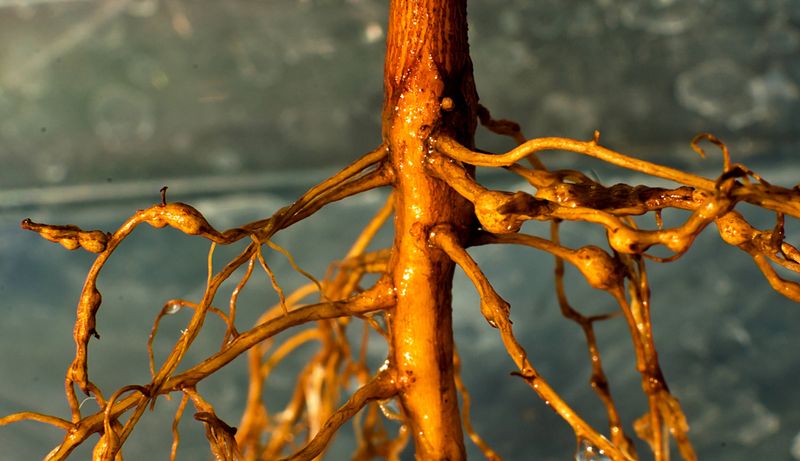
Sometimes the trouble sits underground where you cannot see it. Root-knot nematodes are tiny worms that thrive in warm sandy soil, and Florida has plenty of both.
UF/IFAS lists these pests as a serious problem for roselle. They invade the roots and cause lumpy swellings called galls.
Damaged roots cannot pull up water and nutrients well, so the plant becomes stunted and stressed.
A struggling plant often wilts in the afternoon heat even when the soil is moist. Leaves can turn yellow, growth slows, and flowering may be weak.
To confirm, gently dig up a small plant or a side root. Bumpy, knotted roots are a strong clue.
Your county extension office can also help with testing.
Managing nematodes takes a few steps. Rotate where you plant roselle each year, and avoid following crops like tomatoes or okra that also host these pests.
Adding plenty of organic matter helps roots cope. Soil solarization in summer, covering moist soil with clear plastic for several weeks, can reduce populations in a bed.
Growing roselle in a large container with fresh potting mix is another clever workaround.
Aphids, Whiteflies, and Spider Mites Love Stressed Roselle Leaves
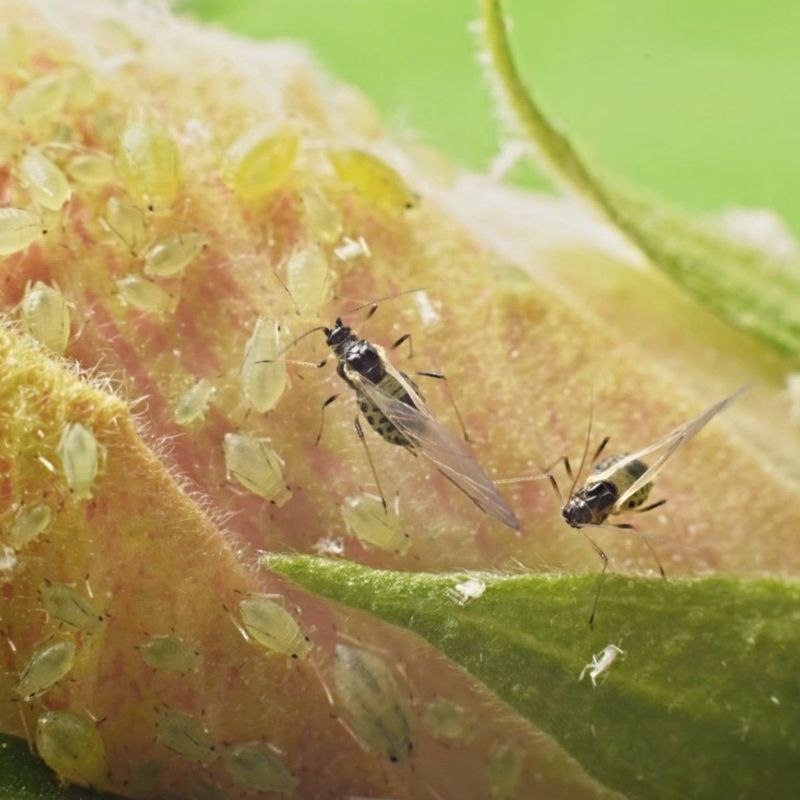
Flip a leaf over and you might find tiny squatters. Aphids, whiteflies, and spider mites all feed on roselle sap, and Florida warmth lets them multiply fast.
A light infestation is usually just a nuisance. Heavy feeding, though, weakens a plant, and weakened plants tend to put out fewer flowers.
Each pest leaves its own calling card. Aphids cluster on soft new growth and leave sticky honeydew.
Whiteflies rise in a little white cloud when you brush the plant. Spider mites cause fine speckling and, in bad cases, delicate webbing, especially during dry weather.
I check my plants once a week, because early action is so much easier. A strong spray of water knocks many pests off.
Insecticidal soap or horticultural oil can help when numbers climb, as long as you follow label directions and avoid spraying in the hottest part of the day.
Leave room for the good guys. Ladybugs, lacewings, and tiny parasitic wasps feed on these pests and keep them in check naturally.
Broad pesticide sprays often harm those helpers first.
Fungal problems like leaf spots can also add stress, so remove badly damaged leaves.
Spacing and Smart Pinching Set Up Next Fall’s Calyx Harvest
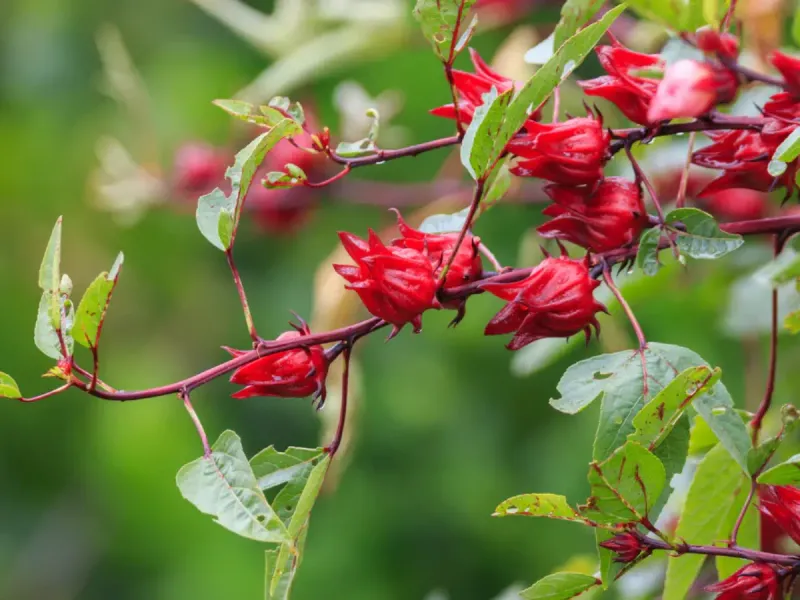
Picture next November with branches loaded in ruby calyces. Okay, that is the dream, and two simple habits move you closer to it.
First, give your plants room. Roselle often grows five to seven feet tall and spreads wide.
Spacing plants roughly four feet apart lets sunlight reach every branch and keeps air moving, which helps reduce leaf diseases.
Crowded plants compete for light and grow tall and skinny. Fewer side branches usually mean fewer flowers.
Second, try a little early pinching. When young plants are knee high, snipping the growing tips encourages more side shoots.
More shoots give the plant extra places to bloom once short days arrive.
Stop pruning by midsummer, though. Late cuts can remove the very branches getting ready to flower.
One more tip once harvest starts. Pick calyces while they are plump and still tender, usually within a couple of weeks after the flower fades, and the plant often keeps producing more.
Now jot down your plan. Spring planting, full sun, light feeding, healthy roots, and good spacing add up to a Florida roselle that finally delivers that tangy fall harvest.