9 Fragrant Plants That May Discourage Rats in Florida Gardens This November
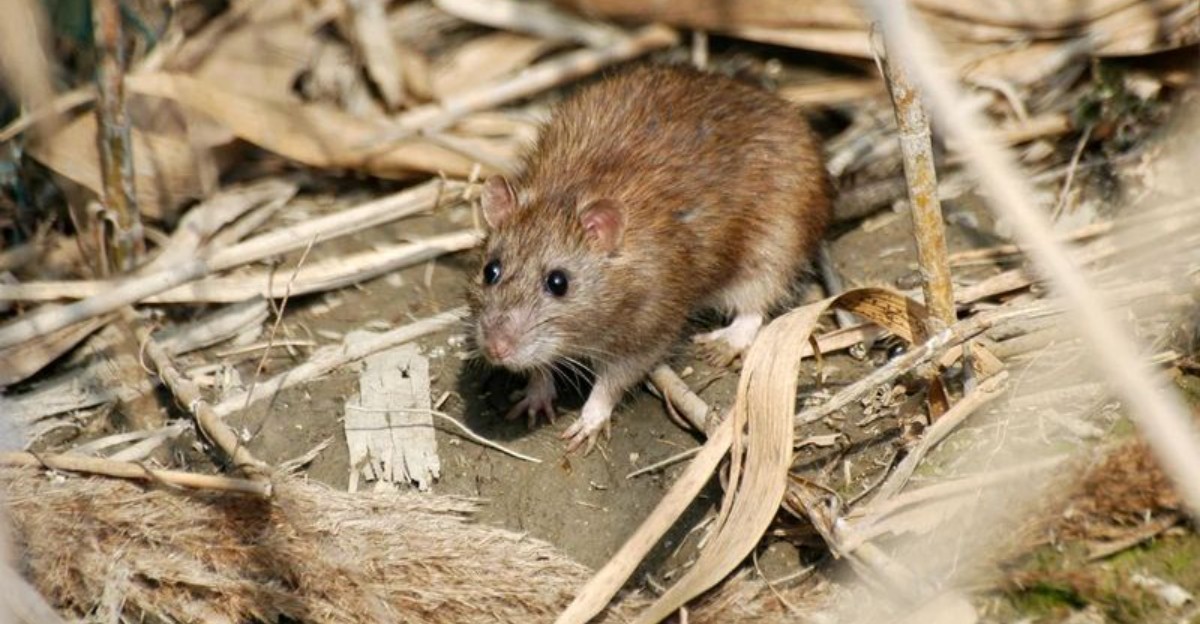
A rat’s nose is so sharp that it can sniff out food trails left behind by other rats. That same powerful sense of smell might also be its weak spot, and some gardeners are betting on it.
Strong herb and flower scents can make certain hiding spots less comfortable for rodents, though science offers mixed results. I like that honesty, because it keeps expectations real while still giving us fun plants to grow.
Here in Florida, the cooler weeks ahead open a welcome planting window after a long and sticky summer. Personally, I spend October sketching bed layouts, so November planting feels smooth instead of rushed and messy.
You might notice a few kitchen favorites on this list, along with some cheerful blooms for Florida beds.
Which fragrant newcomer do you think a sneaky backyard rat would want to avoid first in your garden?
1. Lavender
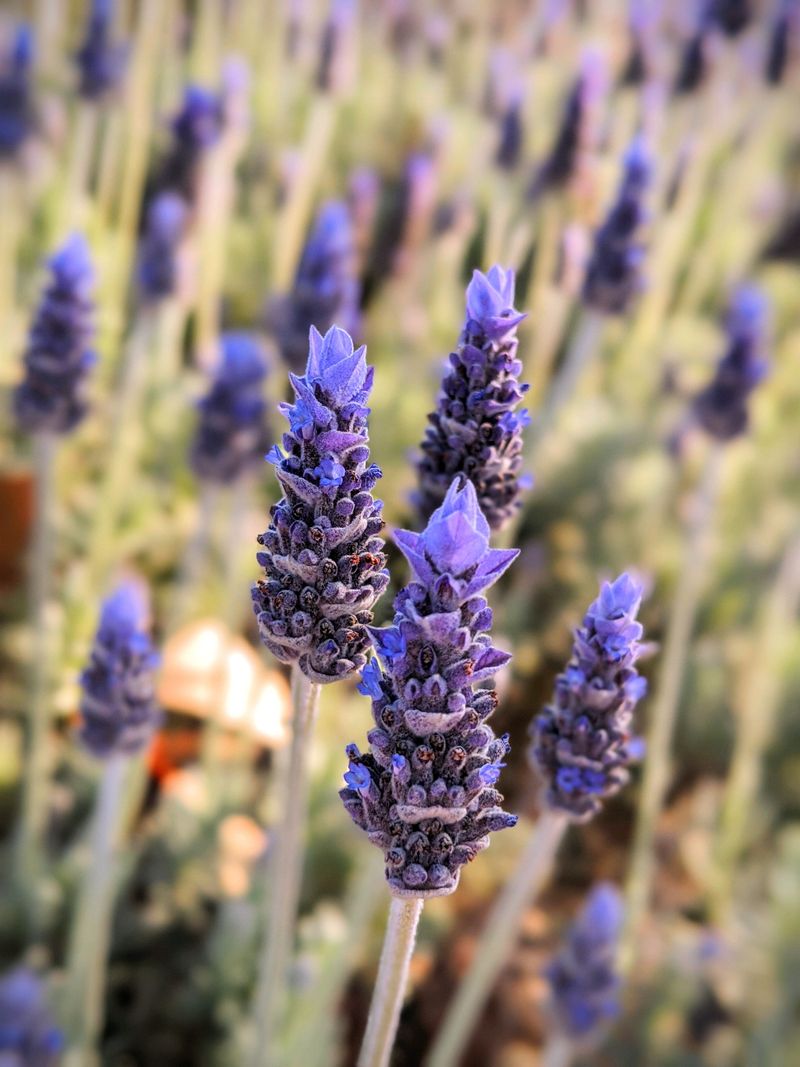
Lavender smells like a fancy spa to us, yet that strong oil may feel like a noisy alarm to rodents. I love brushing past the gray leaves and catching that clean, sweet perfume on a breezy morning.
Scientists have not proven that lavender chases rats away, so think of it as a possible extra layer of protection at best. Rats mostly stay where food and shelter come easily, and fragrance alone rarely changes that habit.
Our steamy summers can be rough on lavender, especially English types like Lavandula angustifolia that prefer drier air. Spanish lavender, Lavandula stoechas, and hybrids like Goodwin Creek Grey usually handle humid Florida gardens with more grace.
November planting gives roots several cool months to settle in before the heat returns next summer. Choose the sunniest spot you have, since lavender wants at least six hours of direct light daily.
Drainage matters more than anything else, because soggy roots lead to rot faster than you might expect. I have to admit my best lavender lives in a terracotta pot filled with gritty, sandy mix.
Skip heavy mulch around the stem, and use a thin layer of pebbles to keep the crown dry. Water deeply but only after the top inch of soil feels dry to your curious fingertip.
Place pots near doorways or sheds where you already spot droppings, then pair them with tidy storage habits. Sealed feed bins and clear clutter will do most of the work while lavender adds its lovely backup.
2. Peppermint
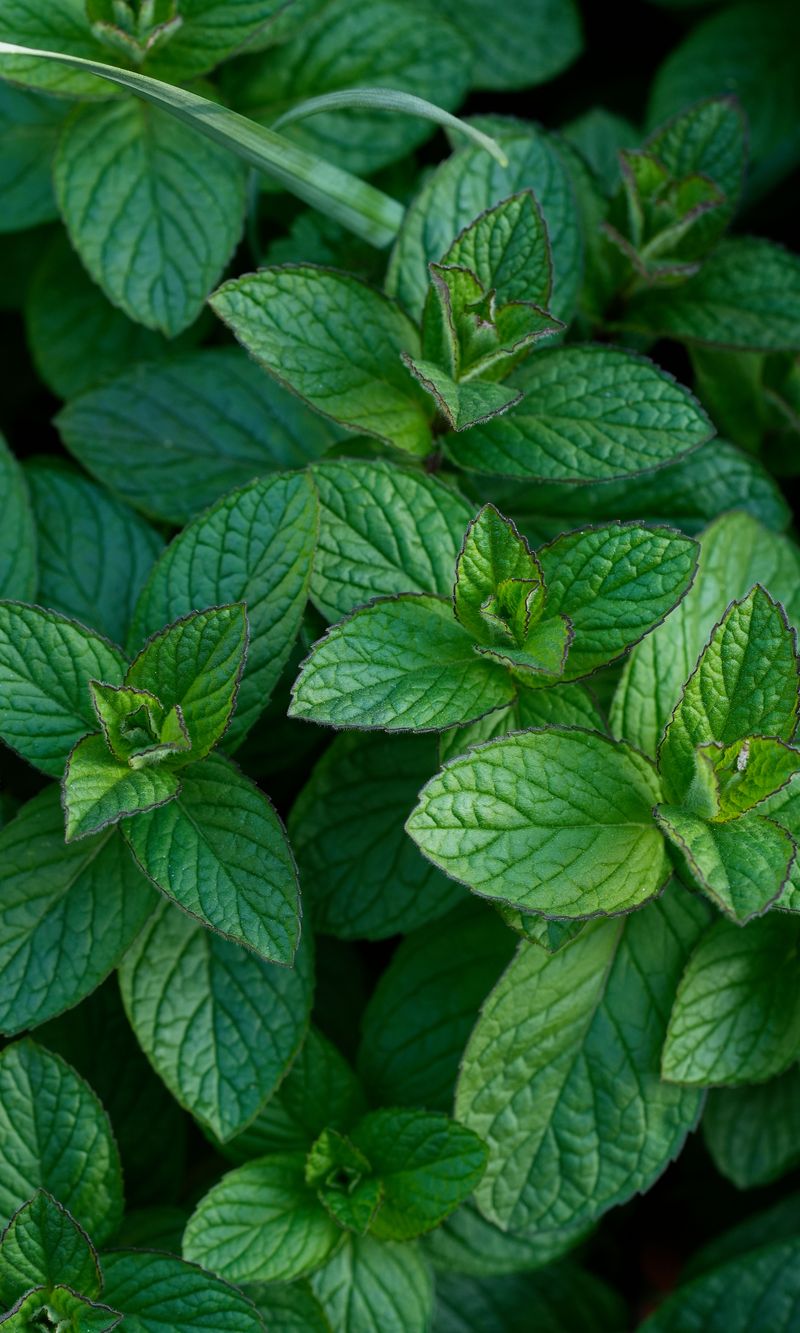
Crush one peppermint leaf between your fingers, and that icy blast of menthol hits your nose instantly. Rodents have far keener noses than we do, which is why peppermint shows up in so many natural repellents.
Some lab tests found rodents briefly avoided peppermint oil, but the effect faded as the scent weakened. Living plants release a softer aroma than concentrated oil, so expect gentle discouragement rather than a guaranteed eviction.
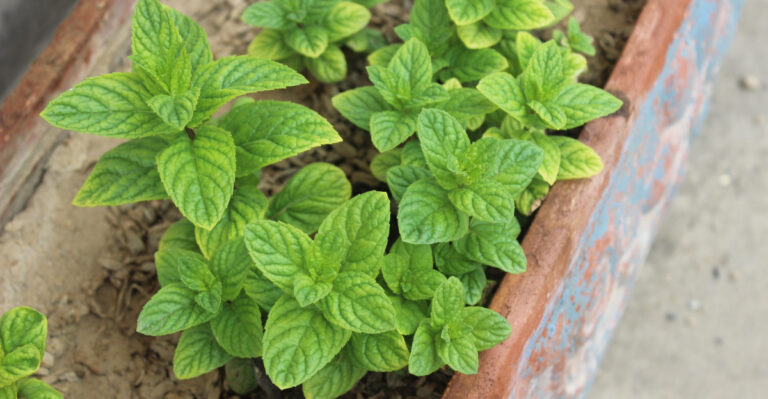
Peppermint, Mentha x piperita, spreads by sneaky underground runners that can swallow a whole bed in one season. I strongly suggest growing it in containers, unless you want a mint lawn by next spring.
Your Florida Garden Changes Every Week. Your Plan Should Too.
Gardening in Florida changes quickly throughout the season. Every Friday you’ll receive a simple weekly plan showing exactly what to plant, prune, fertilize, harvest, and protect so you never miss the right timing.
Cooler months suit this herb nicely, since our summer heat often leaves mint leggy and tired. Give it morning sun with some afternoon shade, especially in the southern half of the state.
Mint enjoys steady moisture, so check pots every couple of days when breezy fall weather dries them out. A saucer underneath helps, but dump standing water so roots and mosquitoes do not get too comfortable.
Pinch the stem tips often, because frequent trimming keeps plants bushy and releases more of that minty fragrance. I like tossing the clippings into iced tea, which feels like a sweet reward for garden chores.
Set a few pots beside garage doors or compost bins where rats often travel along walls after dark. Refresh the scent by brushing the leaves whenever you walk by, and the plants will thank you with fresh growth.
3. Marigolds
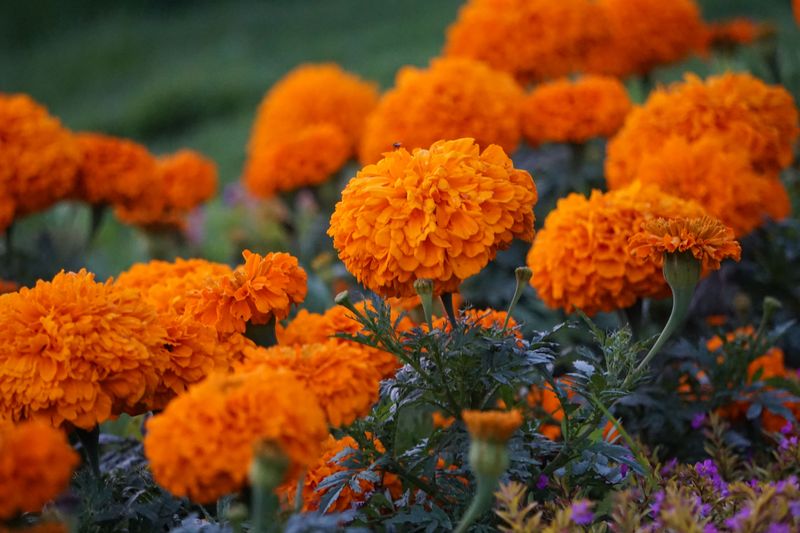
Marigold leaves carry a sharp, musky smell, so those sunny petals are hiding a surprisingly funky secret. That odd aroma is a big reason gardeners have tucked marigolds into vegetable rows for many generations.
Rat claims for marigolds are mostly based on gardener stories rather than solid research, so keep expectations modest. Their proven talent lies underground, where French marigold roots can suppress certain root-knot nematodes in sandy soil.
University of Florida researchers have studied that nematode trick, and it works best when marigolds grow densely for months. I find it fun that a cheerful bedding plant can quietly help my tomatoes next season.
Fall planting suits marigolds in central and southern regions, where mild winters let them bloom for months. Up north, watch the forecast closely, because a hard frost will quickly turn tender foliage to mush.
Give them full sun and well-drained soil, and avoid overhead watering that invites leaf spots and mildew. Spider mites can show up during dry spells, so peek under the leaves once a week or so.
Snipping off faded blooms keeps new buds coming, and it takes only a minute with your morning coffee. You can pick from compact French types or taller African marigolds that reach around three feet.
Plant a bright edging along vegetable beds, then keep fallen fruit and spilled birdseed cleaned up nearby. Those simple chores matter most, while marigolds bring cheerful color and a little extra scent to the whole effort.
4. Catnip
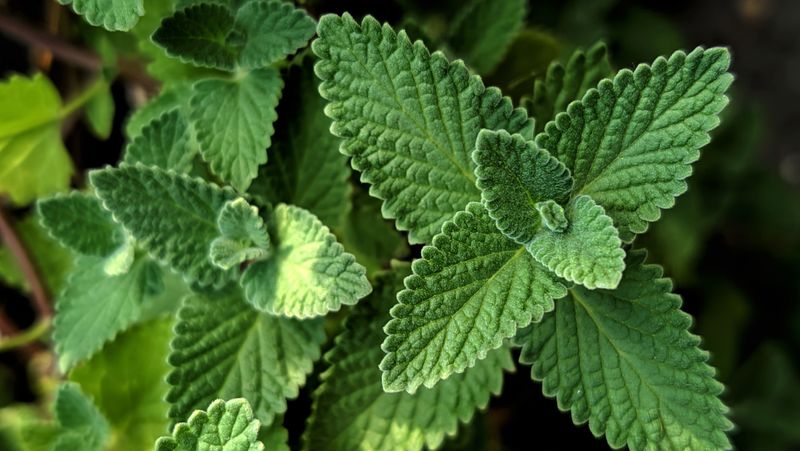
Your neighborhood cats may start treating your garden like a party venue once catnip moves in. That silly reaction comes from nepetalactone, an oil in the leaves that sends many cats rolling and purring.
Researchers have shown nepetalactone repels mosquitoes and some other insects in carefully controlled lab tests. Its effect on rats has little scientific backing, so I treat the rodent claims as a hopeful bonus.
The real rodent angle might be the visitors it attracts, since prowling cats make rats think twice. Of course, outdoor cats also hunt birds and lizards, so weigh that tradeoff before inviting extra feline traffic.
Catnip, Nepeta cataria, belongs to the mint family and shares that square stem and fuzzy leaf texture. In our heat it behaves more like a cool-season annual, so fall planting gives it the best run.
Sow seeds or set transplants in full sun to light shade, using soil that drains well after rain. Seeds sprout faster if you soak them overnight, which is a trick I picked up years ago.
Cats love to flop on young plants, so a small wire cage helps seedlings survive their fan club. Once plants reach a foot tall, they usually bounce back nicely from a bit of enthusiastic feline flattening.
Catnip drops plenty of seed, so trim spent flower spikes if you want to limit volunteers. Grow a pot near the back door, and crushed leaves may offer a little mosquito relief during those mild evenings ahead.
5. Rosemary
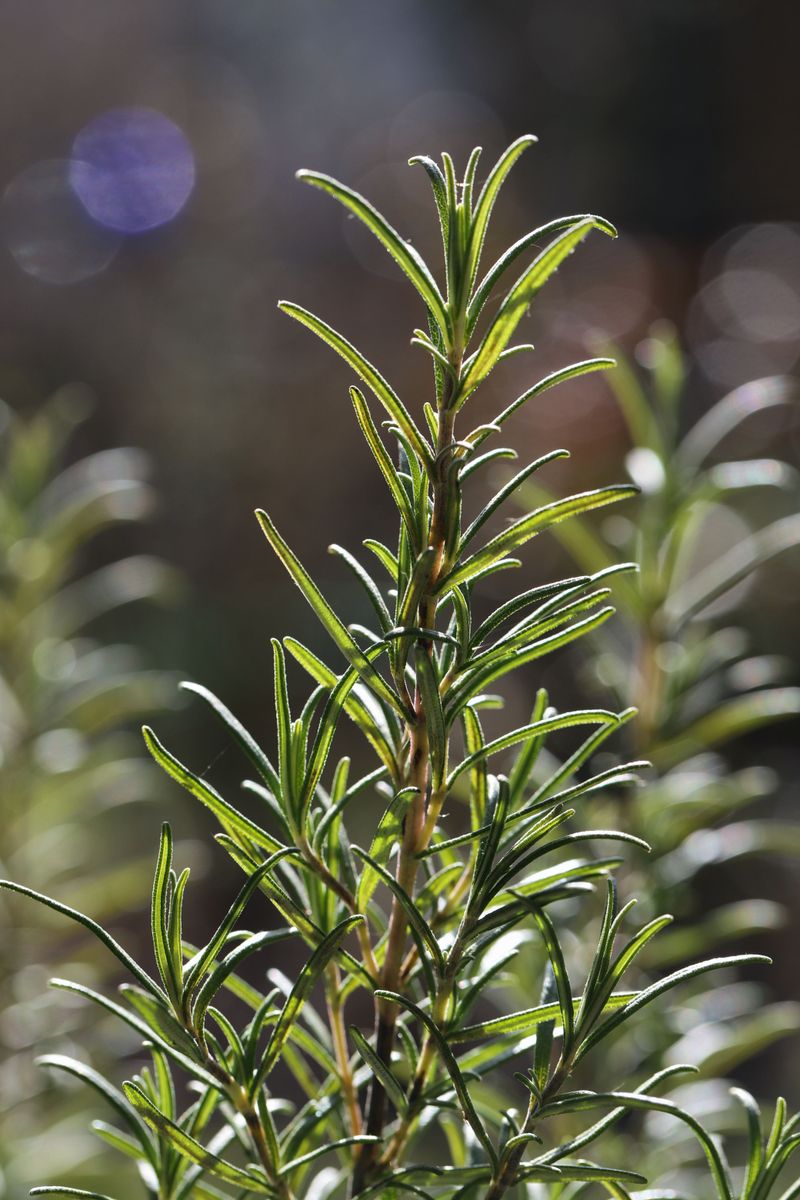
Rosemary got a new botanical name in 2017, when scientists moved it into the sage genus as Salvia rosmarinus. Brush the needle-like leaves, and you get a piney, resin-rich scent that clings to your fingers for hours.
Many gardeners plant rosemary near entryways hoping the bold aroma discourages rats, though proof remains thin. I still grow it everywhere, because even a modest deterrent that also flavors roast potatoes feels like a win.
This Mediterranean shrub hates wet feet, and soggy sand after a summer storm can trigger root rot fast. Raised beds or large containers give roots the quick drainage they crave in our rainy climate.
Fall is a smart time to plant, since roots establish during mild weather before stressful summer humidity returns. Pick a spot with full sun and decent airflow, because crowded corners invite annoying fungal trouble.
Upright varieties like Tuscan Blue grow into small hedges, while trailing types spill beautifully over pot edges and walls. Both kinds handle drought well once established, so resist the urge to water every single day.
Little blue flowers often appear in the cooler months, and bees happily visit them on sunny afternoons. Snip stems regularly for cooking, which keeps the shrub dense and less likely to turn woody.
Plant a row along a walkway, and every brush of your leg will release a fresh puff of fragrance. Just keep firewood and debris piles away from the house, since those spots give rats far better cover.
6. Chrysanthemums
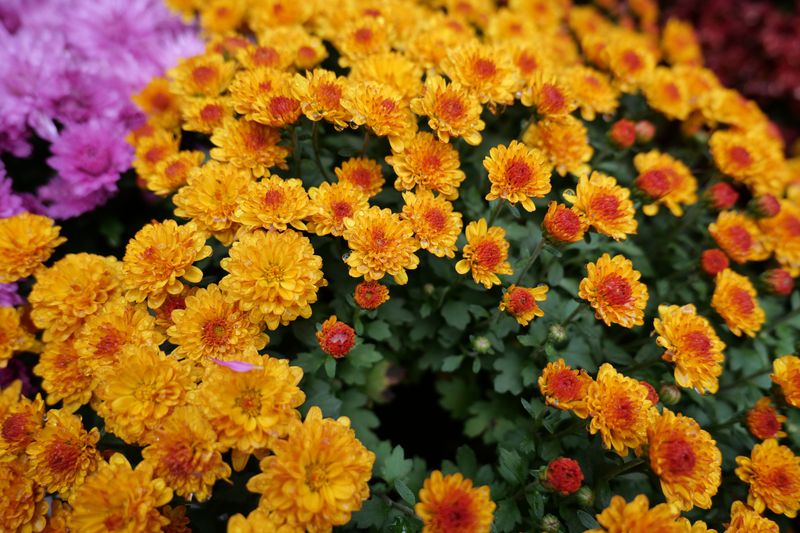
Garden centers burst with potted mums every fall, and their rounded mounds of color practically beg to come home. The rat-repelling reputation comes from a famous cousin, not from the cheerful pots you see by the registers.
Natural pyrethrins are extracted mainly from the Dalmatian chrysanthemum, Tanacetum cinerariifolium, which is a separate species. Those compounds target insects anyway, so claims about mums driving off rats deserve a friendly raised eyebrow.
I still plant mums every autumn, because the leaves carry a sharp, herbal scent that some pests seem to dislike. Mostly, though, I grow them for the joy of fresh color while summer annuals fade away.
Garden mums, Chrysanthemum x morifolium, can return for years in northern and central parts of the state. Farther south, many people treat them as seasonal color and swap them out once blooms finish.
Choose plants with lots of tight buds, since they will open over several weeks instead of fading quickly. Move them into full sun with well-drained soil, and water at the base when the surface dries.
Store-bought mums often arrive root-bound, so gently loosen the root ball before you set them in the ground. Wilting on the first warm afternoon is common, and a deep soak usually perks them right up.
Once flowering ends, cut perennial plants back by half and pinch new shoots until early summer next year. That pinching creates sturdier, bushier plants with many more buds when the next fall show rolls around.
7. Garlic
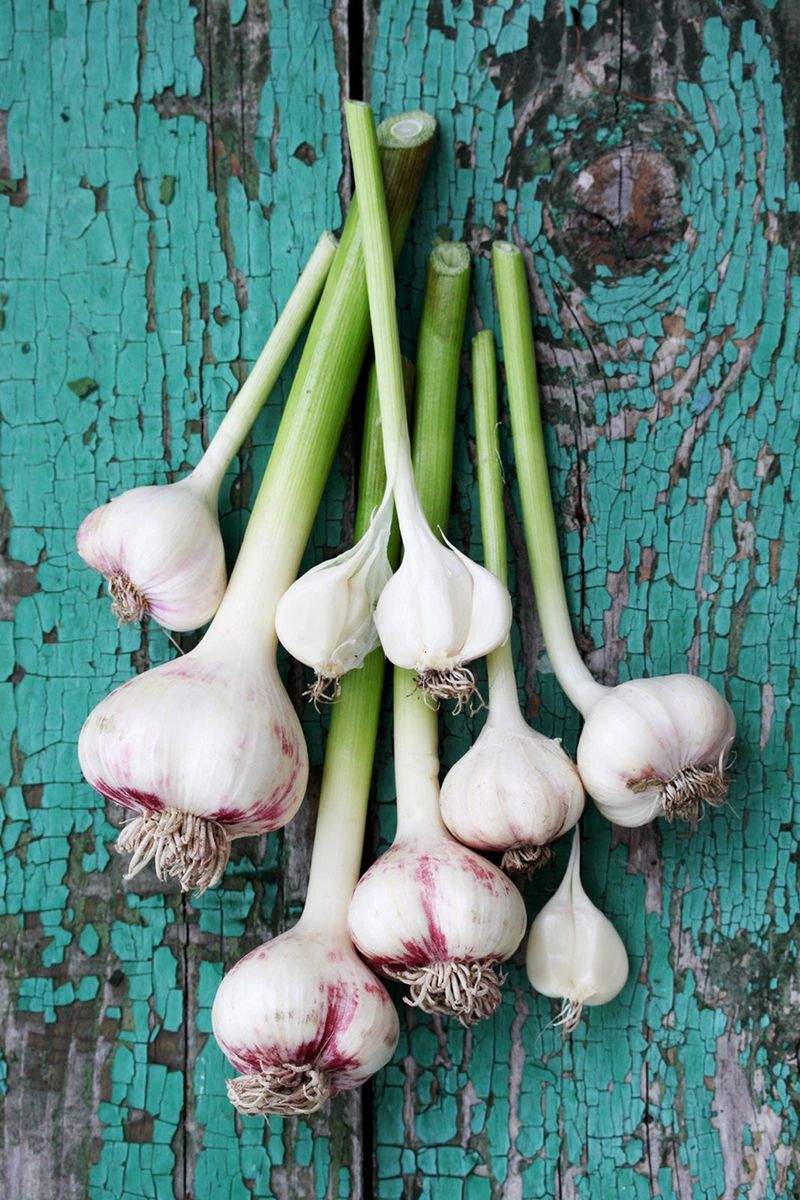
One garlic clove tucked into the soil this fall can swell into a whole papery bulb by spring. I can’t imagine a more satisfying trade, especially when the green shoots poke up through cool morning soil.
Garlic’s punch comes from sulfur compounds that form when its tissue gets bruised or chopped in the garden. Some gardeners believe that odor nudges rodents away, though research on garlic plants and rats is quite limited.
Timing matters here, because garlic needs our coolest months to grow leaves before forming bulbs as days lengthen. Florida extension experts generally suggest planting cloves between September and November, so there’s still time to plant this month.
Softneck and Creole types handle mild winters far better than hardneck varieties commonly grown in colder northern states. Many growers chill cloves in the refrigerator for several weeks first, which helps encourage plumper bulbs.
Plant each clove pointy end up, about two inches deep and six inches apart, in rich soil. Full sun and steady moisture keep leaves growing strong, while good drainage protects the bulbs from rot.
Pull weeds by hand, because garlic has shallow roots and dislikes competing for nutrients with pushy neighbors. You will know harvest is near in spring, when about half the leaves turn yellow and flop.
Garlic tucked among roses or vegetables adds extra aroma without hogging much space in busy beds. Personally, I count any rodent discouragement as a bonus, since homegrown garlic tastes amazing on its own.
8. Lemongrass
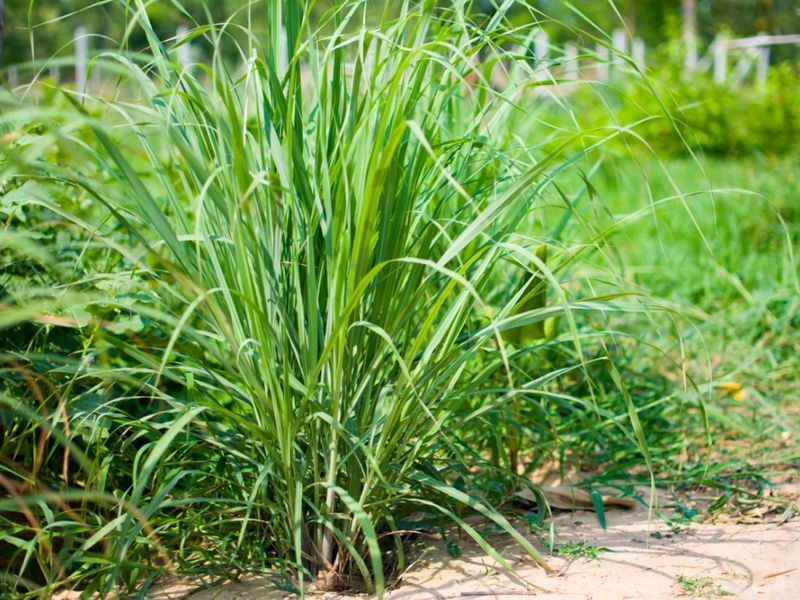
Snap a lemongrass blade, and a bright citrus perfume bursts out that smells like a lemon candy shop. That zesty scent comes from citral, the same compound that gives lemon peel its tangy kick.
Folks often claim lemongrass confuses rats, yet I could not find solid studies backing that idea. Living plants also do little for mosquitoes, so think of lemongrass as a kitchen star with possible bonus perks.
This tropical grass forms tidy clumps three to four feet tall and loves our long, warm growing season. It rarely sets seed here, so you can enjoy it without worrying about it escaping into wild areas.
Frost is the big catch, since temperatures near freezing can brown the leaves and harm young plants. Central and South Florida gardeners can plant in November, while northern growers might prefer large pots that move indoors.
Grab a fresh stalk from the grocery store, set it in water, and roots often appear within two weeks. Pot it up once roots reach an inch long, and you have a free plant ready for the garden.
Full sun and rich, moist soil that still drains well keep the clumps lush and leafy. Feed lightly with nitrogen fertilizer in the growing season, then trim the older outer leaves when they look ragged.
Wear gloves while trimming, because those blades have surprisingly sharp edges that can nick your skin. I love harvesting the pale lower stalks for soups, and the leftover tops make a soothing tea.
9. Sage
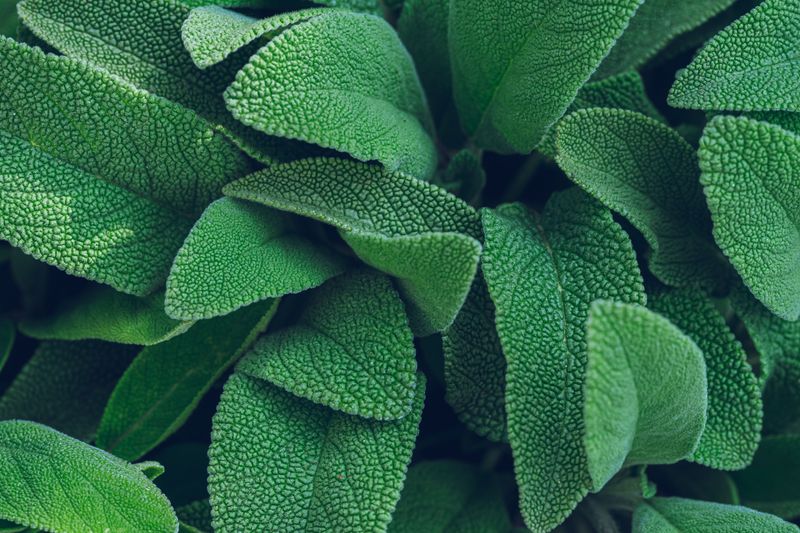
Rub a velvety sage leaf, and your fingers pick up an earthy, savory scent that smells like holiday stuffing. Those soft, silvery leaves feel almost like felt, which makes sage one of my favorite plants to touch.
Strong herbs like sage pop up on many rodent-repellent lists, but the evidence comes mostly from gardener experience. I enjoy growing it anyway, since a fragrant border near the patio rarely hurts and often delights.
Culinary sage, Salvia officinalis, comes from dry Mediterranean hillsides, so our muggy summers can test its patience. Many gardeners in the Sunshine State treat it as a cool-season herb, planting in fall and harvesting through spring.
That schedule lines up nicely with November, when cooler nights and lower humidity give young plants an easy start. Transplants from a nursery settle in faster than seeds, which can be slow and a little fussy.
Full sun and sharp drainage are nonnegotiable, so raised beds or clay pots usually work best. Let the soil dry slightly between waterings, because constantly damp roots often lead to rot and wilting.
Harvest leaves regularly from the top, which encourages branching and keeps the plant from getting woody too soon. Varieties like Berggarten have extra-wide leaves and rarely bloom, so they keep producing tasty foliage longer than standard types.
Pair a few sage plants with good habits, like sealing gaps under doors and storing pet food in tight bins. Your rat problem will shrink most from those steps, and your kitchen will gain a steady supply of fresh leaves.