Florida Lawns Take Real Damage From This Common Late Summer Fertilizer Habit
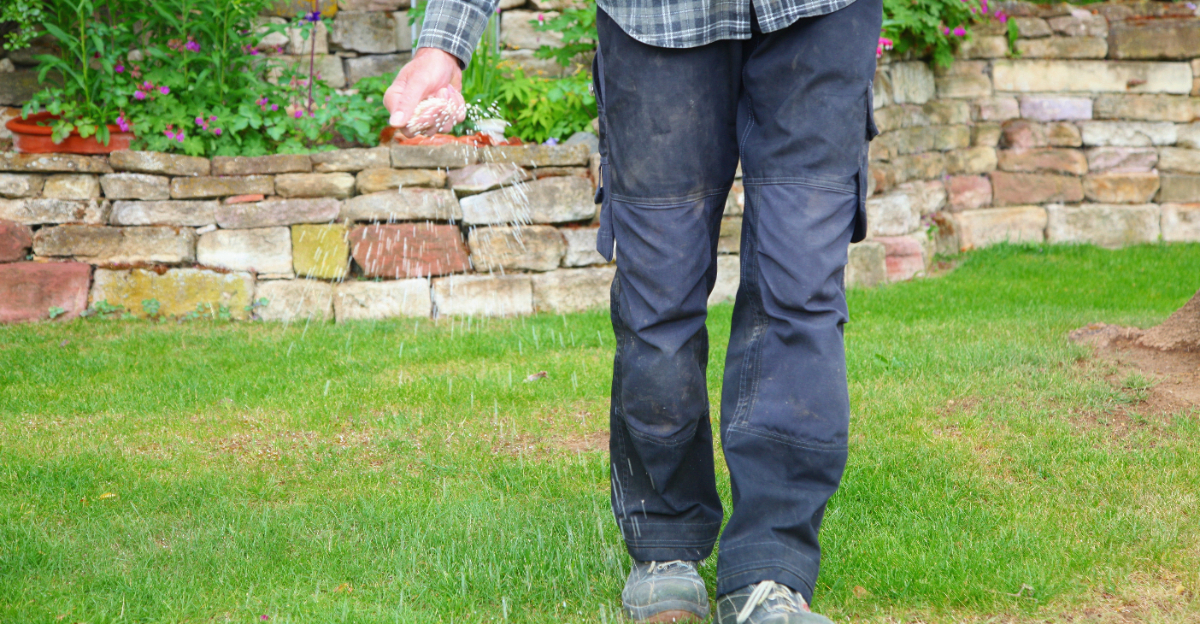
Your lawn looks fine today, but a fertilizer habit you repeat every late summer sets up trouble that won’t show up for weeks. Plenty of Florida homeowners reach for a heavy nitrogen feed right now, out of habit more than need.
Grass takes off fast and looks lush within days. But that rapid growth spurt happens at the worst possible time, right as summer heat and humidity peak and root systems already struggle to keep pace.
Soft, fast growth outpaces root strength, and that mismatch leaves grass vulnerable to fungus, drought stress, and pest damage that a slower-growing lawn shrugs off with ease. The fertilizer isn’t the enemy.
Timing is. A small adjustment now protects your lawn through the toughest stretch of Florida’s growing season.
Skip the wrong move this month, and your grass heads into fall stronger instead of weaker.
1. Stop Chasing Dark Green Grass
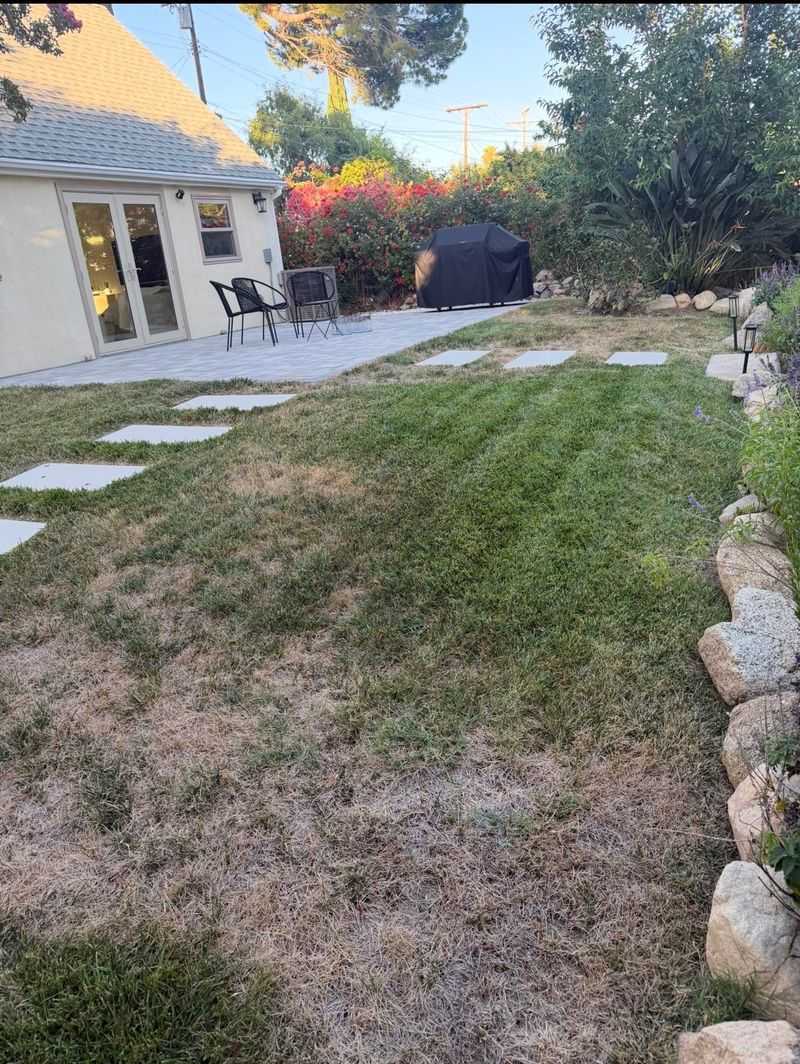
Reaching for more fertilizer every time the lawn looks a little pale is one of the most common late-summer mistakes. It feels logical.
Darker green usually signals a well-fed, cared-for yard. But grass color alone is not a reliable guide to what your turf actually needs.
Normal turf color shifts throughout the year. St. Augustinegrass, zoysiagrass, and bahiagrass all have natural color ranges that change with season, rainfall, temperature, and soil conditions.
A lawn that looks slightly lighter in August may simply be responding to heat stress or heavy rain diluting nutrients in the soil. That is not always a sign of deficiency.
Repeatedly adding nitrogen just to chase a darker shade can push the turf into faster growth than it needs. More leaf blade does not automatically mean a stronger, more resilient lawn.
Over time, using color alone as a fertilizer trigger can lead to problems that are harder to fix than a slightly pale yard.
UF/IFAS Extension recommends basing fertilizer decisions on soil test results, turf species needs, and seasonal timing, not visual color comparisons to the neighbor’s yard. The darkest lawn on the street is not necessarily the healthiest.
Steady, appropriate nutrition produces more durable turf than repeated applications meant to force a temporary color boost.
2. Too Much Nitrogen Pushes Weak Growth
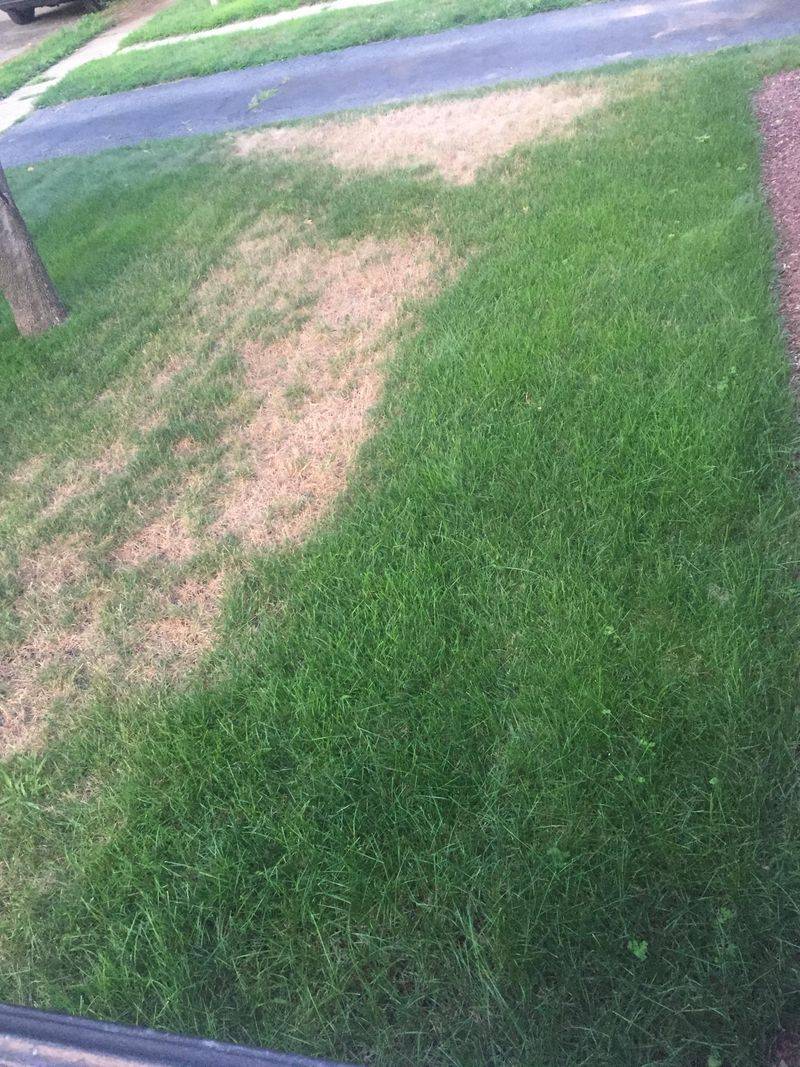
A sudden flush of bright green growth after fertilizing can feel like a win. But what is happening beneath that quick color change matters just as much as what you see on top.
Excess nitrogen pushes rapid, succulent leaf production that can actually work against long-term turf strength.
When turf grows faster than normal, the plant puts more energy into top growth and less into developing a strong root system. Roots stay shallow.
The grass becomes more vulnerable to drought stress when summer rain patterns shift. That soft, fast-growing tissue is also more susceptible to certain fungal diseases that thrive in Florida’s humid conditions.
UF/IFAS research links excessive nitrogen fertility with increased thatch accumulation. Thatch is the layer of deceased and living organic material that builds up between the soil and the grass blades.
Your Florida Garden Changes Every Week. Your Plan Should Too.
Gardening in Florida changes quickly throughout the season. Every Friday you’ll receive a simple weekly plan showing exactly what to plant, prune, fertilize, harvest, and protect so you never miss the right timing.
A thin thatch layer is normal. A thick one blocks water, air, and nutrients from reaching roots and creates a habitat where insects and pathogens can hide.
More mowing becomes necessary when growth accelerates, and mowing stressed turf too short adds another layer of pressure. Normal fertility supports steady, manageable growth.
Excessive fertility changes that balance in ways that create real maintenance headaches. The goal is turf that grows at a healthy pace, not turf that races ahead faster than the root system can support.
3. Quick-Release Fertilizer Hits Too Hard
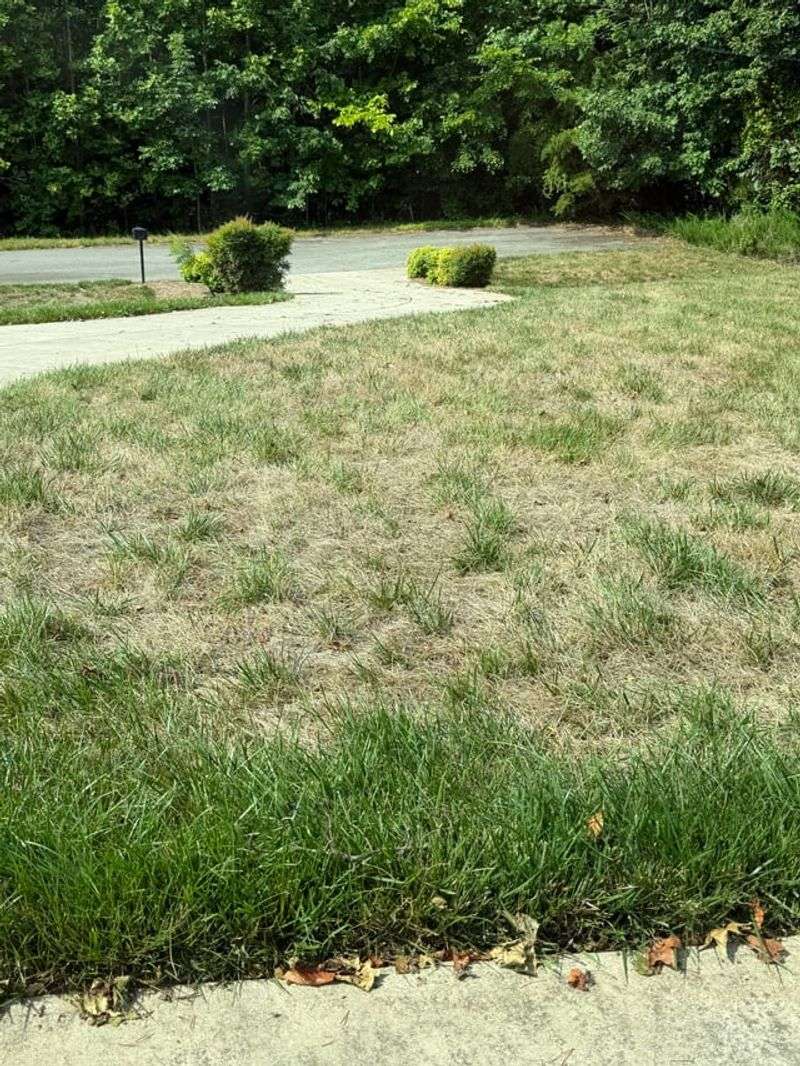
Not all fertilizer products behave the same way once they hit the soil. The source of nitrogen in a bag determines how fast the turf receives it and how intense the growth response will be.
That difference matters a lot in late summer.
Soluble or quick-release nitrogen becomes available to the plant very rapidly after application. Turf greens up fast and grows quickly.
That speed sounds appealing, but a large dose of fast-available nitrogen arriving all at once can push more growth than the lawn needs at one time. When that kind of product is overapplied or poorly timed, the risks go up considerably.
Slow-release nitrogen products spread nutrient availability over a longer period.
UF/IFAS commonly recommends fertilizers containing some slow-release nitrogen for homeowners because the steadier release supports more consistent growth without the intense surge.
That does not mean quick-release nitrogen is always the wrong choice. Timing, rate, and conditions all play a role.
Problems become more likely when fast-release products are applied at excessive rates or just before heavy rain. Florida summers bring unpredictable downpours that can move soluble nutrients before the turf has a chance to use them.
Reading the product label carefully and matching the nitrogen source to the season and turf needs is a practical step that many homeowners skip when they are in a hurry to see results.
4. Lush Turf Can Invite More Chinch Bug Trouble
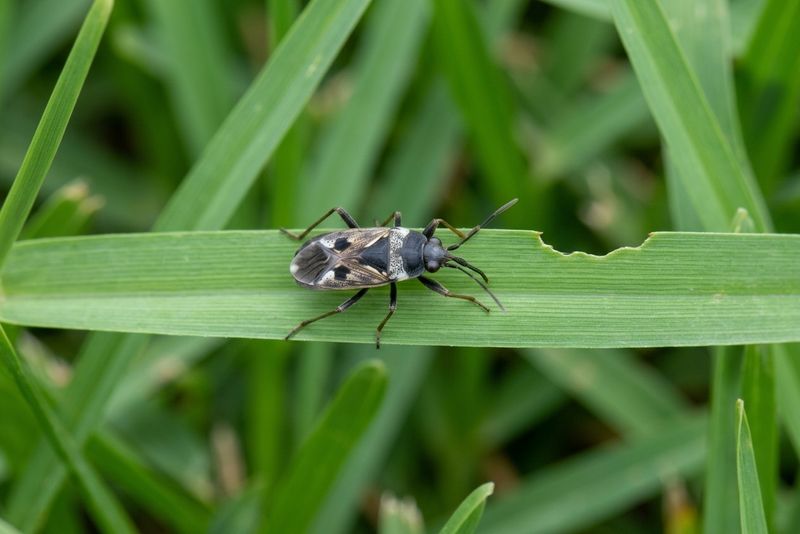
A pest clue near a brown patch in late summer deserves a closer look before you assume the lawn just needs more fertilizer.
Southern chinch bugs are one of the most destructive insects affecting St. Augustinegrass, and high nitrogen fertility can make that problem worse.
UF/IFAS reports that St. Augustinegrass receiving excessive nitrogen can experience greater chinch bug pressure and more severe damage. The connection is not that nitrogen creates the pest.
Chinch bugs are already present in many Florida landscapes. The issue is that the rapid, soft tissue produced under heavy nitrogen feeding can be more attractive and more vulnerable to feeding injury.
Chinch bugs feed by piercing grass blades and removing plant fluids. Damage typically appears as irregular patches of yellowing or browning turf, often starting in sunny, dry areas near sidewalks or driveways.
Those patches can expand quickly in hot weather. Homeowners who respond by adding more fertilizer to the brown areas may actually be making conditions more favorable for the insects already causing the problem.
Not every overfertilized lawn will develop a chinch bug infestation. Other factors, including drought stress, turf variety, and natural predator populations, all influence pest pressure.
But the relationship between high nitrogen rates and increased susceptibility is documented and worth considering when planning a late-summer fertilizer application on St. Augustinegrass.
5. Summer Rain Can Carry Nutrients Away
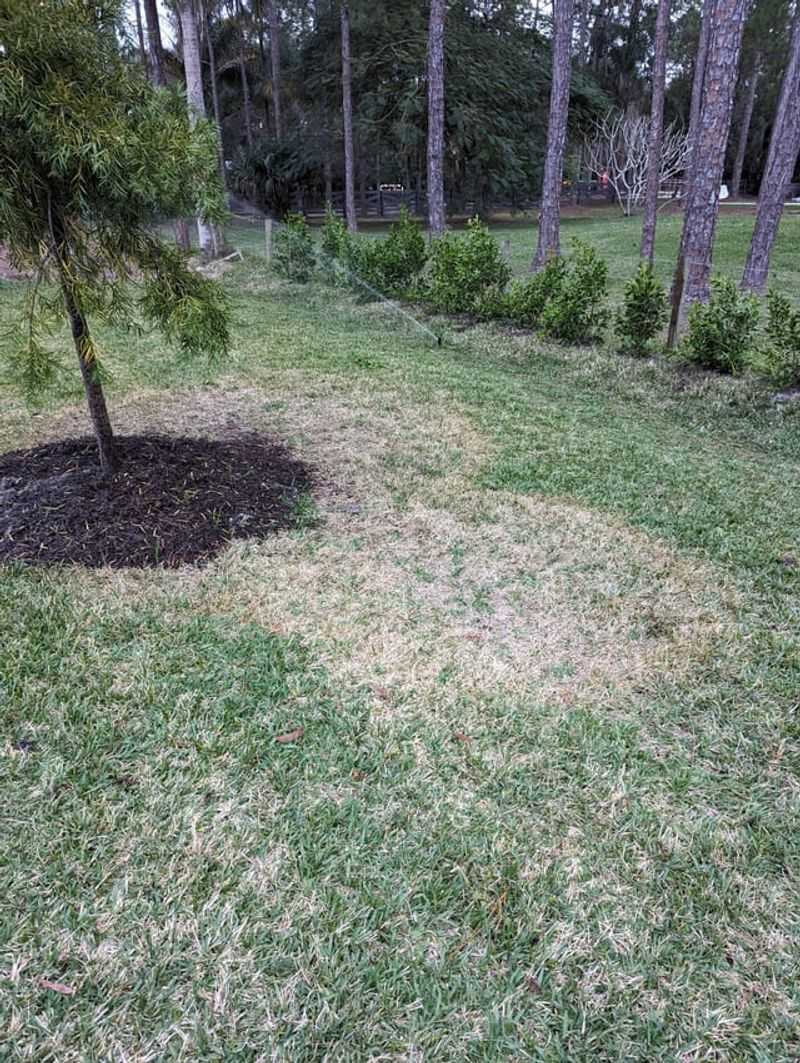
A summer thunderstorm rolling in just after fertilizing can undo a lot of work fast. Florida’s rainy season brings intense, unpredictable downpours that can move nutrients out of the root zone before the turf has a chance to absorb them.
Timing a fertilizer application around rainfall matters more than many homeowners realize.
Soluble nitrogen is particularly vulnerable to movement in the soil. UF/IFAS notes that soluble nitrogen can leach when overapplied or followed by excessive rain or irrigation.
That means nutrients can move downward past the root zone or run off the surface into storm drains, ditches, and waterways. Neither outcome benefits the lawn, and both raise environmental concerns.
Properly fertilized, actively growing turf can use nutrients efficiently when conditions are right. A healthy root system absorbs available nitrogen before it moves too far.
The problem comes when rates are excessive or when a heavy rain event arrives before the turf has had time to take up what was applied.
Applying fertilizer when no significant rain is expected for at least a day or two is a reasonable precaution. Checking the forecast before spreading product is a simple habit that can make a real difference.
Avoiding fertilizer application immediately before predicted heavy rain is also consistent with guidance from responsible nutrient management programs. Protecting water quality and feeding the lawn are goals that work well together with a little planning.
6. Brown Grass Does Not Always Need Feeding
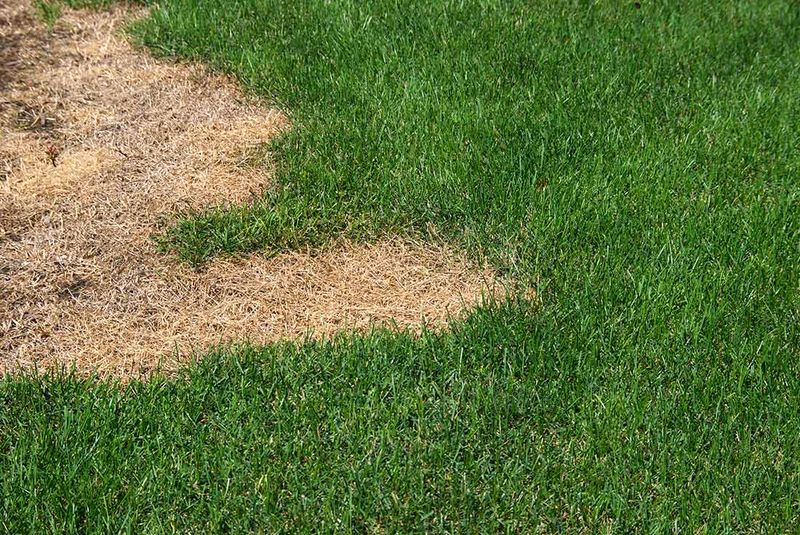
Brown or yellowing turf is easy to misread. Many homeowners see discolored grass and immediately assume the lawn is hungry.
Fertilizer goes down, and if the color does not improve, another application follows. That cycle can cause more harm than the original problem.
Several conditions can turn grass brown or pale that have nothing to do with nutrient levels. Drought stress is common in late summer, especially between rain events.
Overwatering or poor drainage can suffocate roots and cause turf to yellow. Fungal diseases like gray leaf spot or large patch create discoloration patterns that fertilizer cannot fix and may actually worsen.
Insects like chinch bugs or grubs cause browning that looks similar to drought damage from a distance. Mowing too low, dull mower blades, and scalping can injure turf and leave it looking ragged and pale.
UF/IFAS recommends identifying the actual cause of a problem before reaching for fertilizer or pesticides.
Practical clues can help narrow things down. Pull back the turf near a brown patch and look at the roots and soil.
Check for insects at the border of damaged areas. Note whether the pattern follows shade lines, irrigation zones, or foot traffic paths.
A soil test can reveal whether nutrients are actually deficient. Fertilizer applied to a lawn suffering from disease, insects, or water stress will not solve the problem and may make recovery harder.
7. Slow-Release Nitrogen Is The Smarter Choice
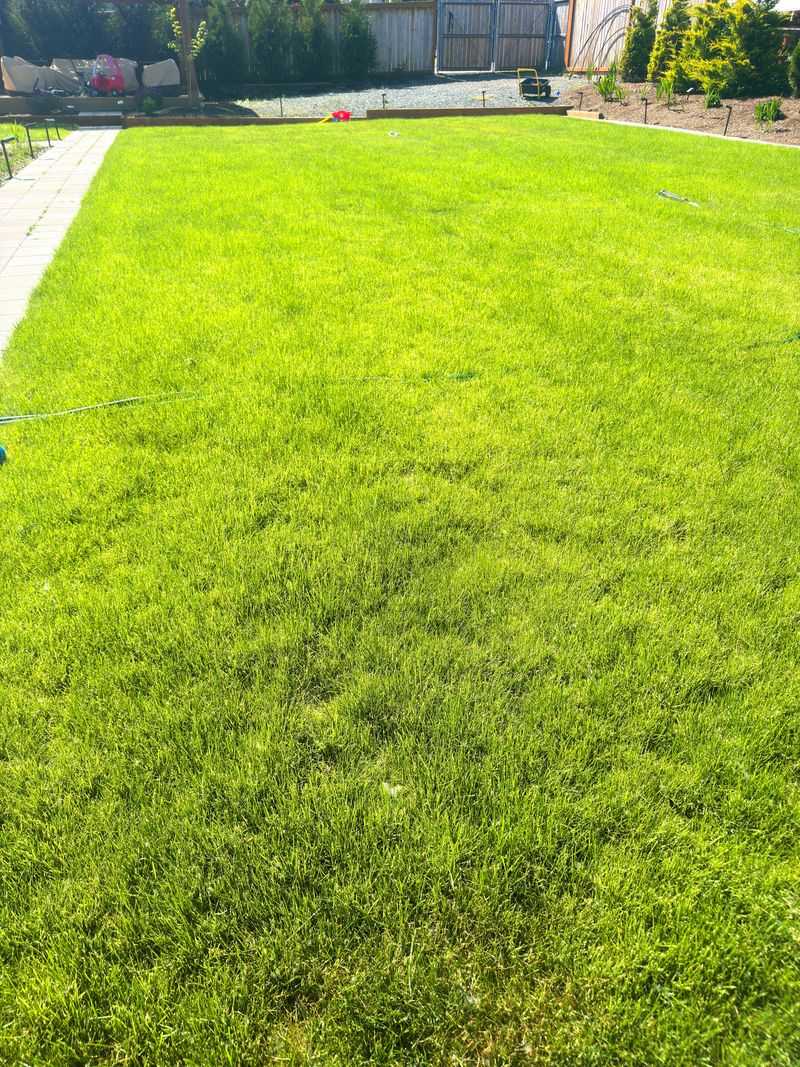
Choosing the right fertilizer product can make a noticeable difference in how turf responds over the course of the season. Slow-release nitrogen products are worth understanding.
They can provide steady results without the intense growth surge caused by fast-available nitrogen.
Slow-release nitrogen becomes available to the plant gradually over an extended period. That slower delivery can support more consistent turf color and growth without pushing the rapid, resource-heavy flush that follows a large dose of soluble nitrogen.
UF/IFAS materials recommend fertilizers that contain some slow-release nitrogen for homeowners managing residential turfgrass.
Slow-release products are not a perfect solution on their own. They can still be overapplied.
They do not eliminate the possibility of leaching or runoff when used incorrectly or in excessive amounts. Product choice does not replace attention to rate, timing, turf condition, and local rules.
Before applying any nitrogen fertilizer in late summer, check current local fertilizer ordinances. Some counties and municipalities in Florida restrict nitrogen or phosphorus applications during portions of the rainy season.
Those rules vary by location and can change. Checking with your local extension office or municipal government before fertilizing is always a smart step.
Slow-release nitrogen used at the right rate, at the right time, and within local guidelines gives turf a better chance of steady improvement without the side effects that come from pushing growth too hard.