Garden Snakes Hiding In Georgia Mulch May Be Helping Keep Rodents Away
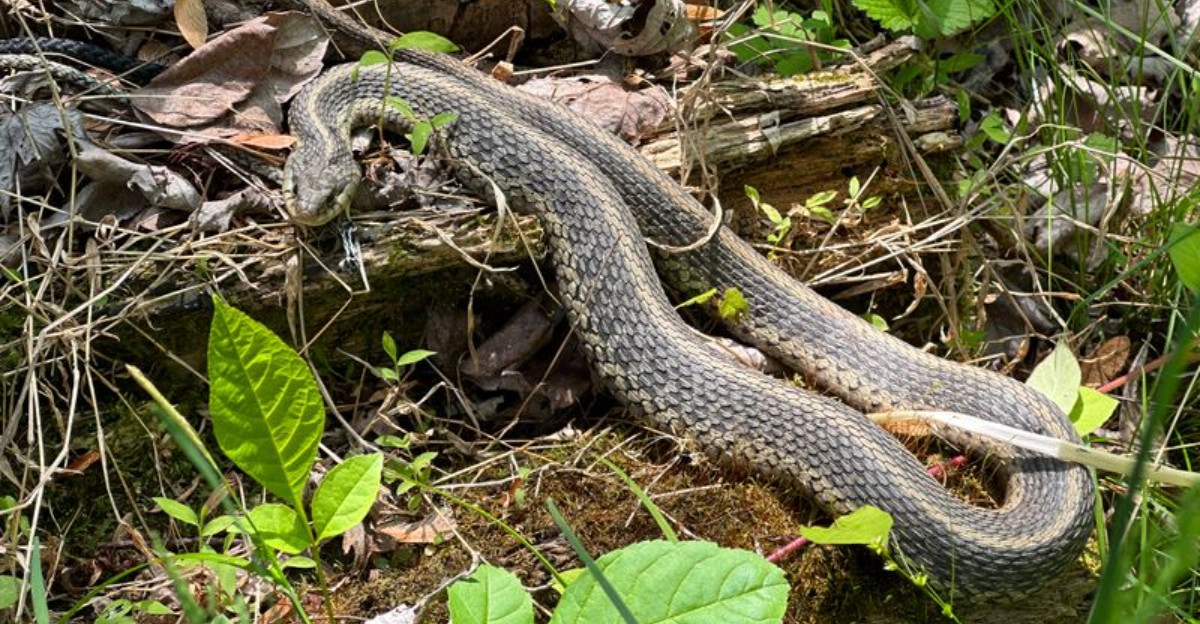
A single young rat snake can swallow a mouse whole, then rest for days while that meal slowly digests. Some of that resting happens just inches below the pine straw in your flower beds.
I used to flinch every time I pulled back a layer of shredded bark and saw a coil of scales. Now I pause and look closer.
Most of the time, the visitor is calm, harmless, and busy with work I never asked it to do.
Georgia has dozens of native snake species, and most pose no danger to people at all. Many of them spend warm months hunting the very mice and voles that chew roots, raid seed trays, and sneak into sheds.
So what exactly is moving through your mulch after dark? You might find yourself rooting for a creature you once wanted gone.
1. That Rustle Under The Pine Straw Might Be A Hungry Hunter
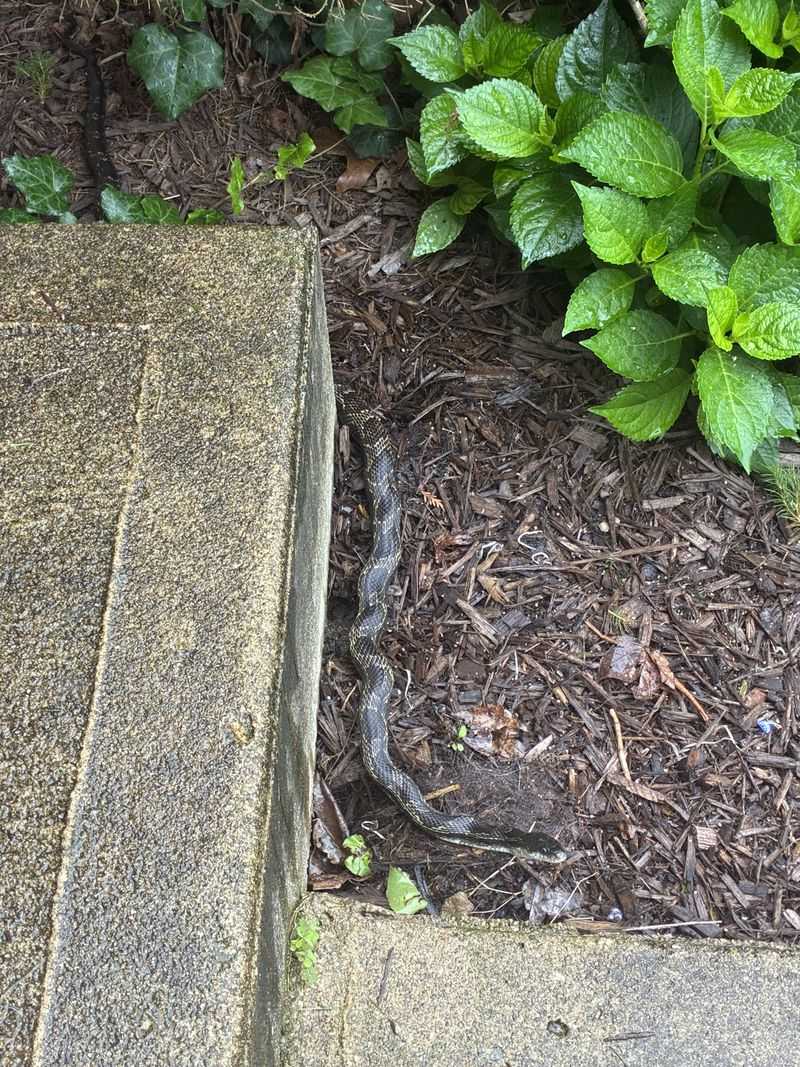
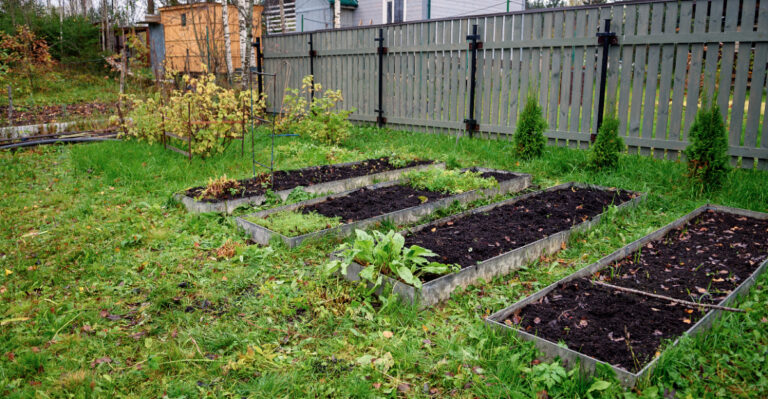
Mulch is basically a five-star hotel for small wildlife. It stays cool in summer, holds moisture, and gives cover from hawks and curious cats.
Mice, voles, and young rats love that shelter just as much as earthworms and beetles do.
Where rodents gather, the animals that eat them tend to follow, and in many backyards that means snakes.
I find this chain of events kind of delightful. You spread pine straw or bark to help your tomatoes, and without meaning to, you build a tiny food web right under your boots.
Snakes are cold-blooded, so they lean on their surroundings to control body temperature. A thick mulch layer lets them warm up near the surface on a cool spring morning or slip deeper when afternoon heat gets intense.
That flexibility makes mulch beds handy rest stops between hunts. A snake may spend a day or two tucked under bark while it digests a meal, then move along to another spot.
Most sightings are brief because many snakes travel widely and do not set up permanent homes in one flower bed. If you spot one, it is often just passing through on a hunting route.
2. Rat Snakes And Corn Snakes Are The Mouse Catchers You Want Around
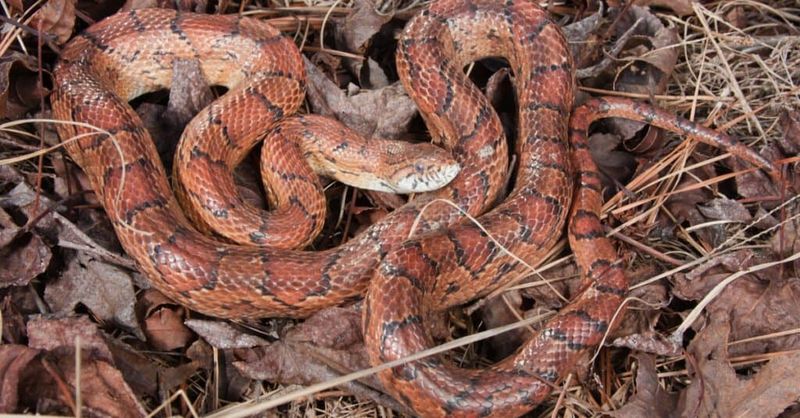
Farmers across the South have known this for generations. Keep a rat snake around the barn, and the corn crib suffers far less damage.
The eastern rat snake, sometimes called the gray rat snake or black rat snake depending on the region, is one of the most common large snakes in Georgia. It eats mice, rats, voles, and other small mammals, plus bird eggs when it finds them.
These snakes are constrictors. They grab prey, wrap their bodies around it, and squeeze until the animal stops breathing, then swallow it whole.
Rat snakes are also excellent climbers. You may spot one scaling a tree trunk, a fence, or even a brick wall, which helps them reach rodents hiding in sheds and attics.
Corn snakes, with their striking orange, red, and tan patterns, fill a similar role on a smaller scale. They are shy and mostly active at dusk or night, quietly checking burrows and mulch beds for mice.
Your Georgia Garden Changes Every Week. Your Plan Should Too.
Gardening in Georgia changes quickly throughout the season. Every Friday you’ll receive a simple weekly plan showing exactly what to plant, prune, fertilize, harvest, and protect so you never miss the right timing.
Personally, I think corn snakes are some of the prettiest reptiles in the state. Their bellies even have a checkered pattern that some folks say looks like kernels of Indian corn.
Neither species has venom, and both usually try to flee when people get close.
A cornered rat snake may vibrate its tail in dry leaves to sound like a rattle, which is pure bluff.
3. Kingsnakes Bring Rodent Control And A Surprising Bonus
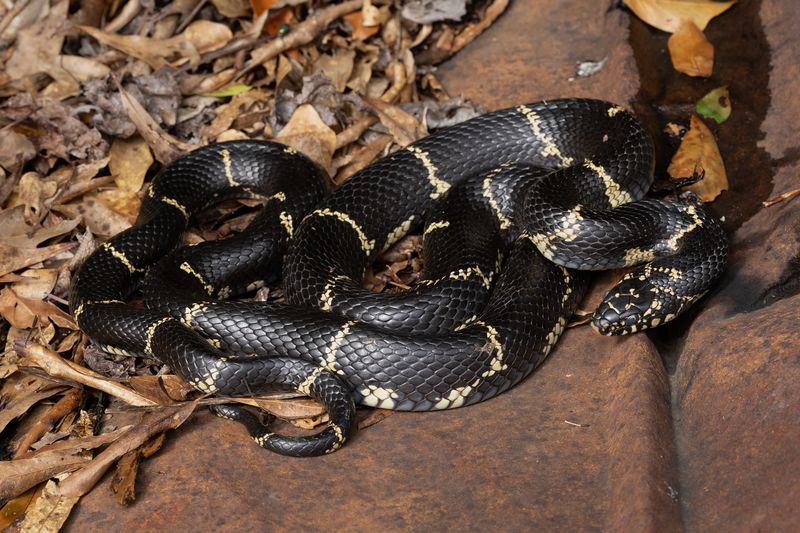
Here is a snake with a wild menu. Eastern kingsnakes eat rodents, lizards, birds, eggs, and other snakes, including venomous copperheads and rattlesnakes.
They are resistant to the venom of many pit vipers found in Georgia, which lets them take on prey that would harm most other animals.
Scientists consider them important predators in southern habitats for exactly that reason.
You can usually recognize an eastern kingsnake by its shiny black body crossed by thin white or yellow bands. Many people say the pattern looks like a chain link fence draped over the snake.
Like rat snakes, kingsnakes are constrictors and have no venom. They are often calm when spotted, though they may musk or nip if grabbed, so hands-off is the rule.
Sadly, eastern kingsnakes have declined in parts of the Southeast, and researchers are still studying why. Habitat loss, road traffic, and possibly disease are among the explanations being looked at.
That makes a kingsnake sighting in your yard extra special. I would honestly feel lucky to find one sunning near my compost bin.
Keep in mind that a single snake will not clear out every mouse or copperhead on your property. It is one helpful piece of a bigger balance, not a pest control service on demand.
4. Small Brown Snakes In Leaf Litter Handle Slugs And Snails
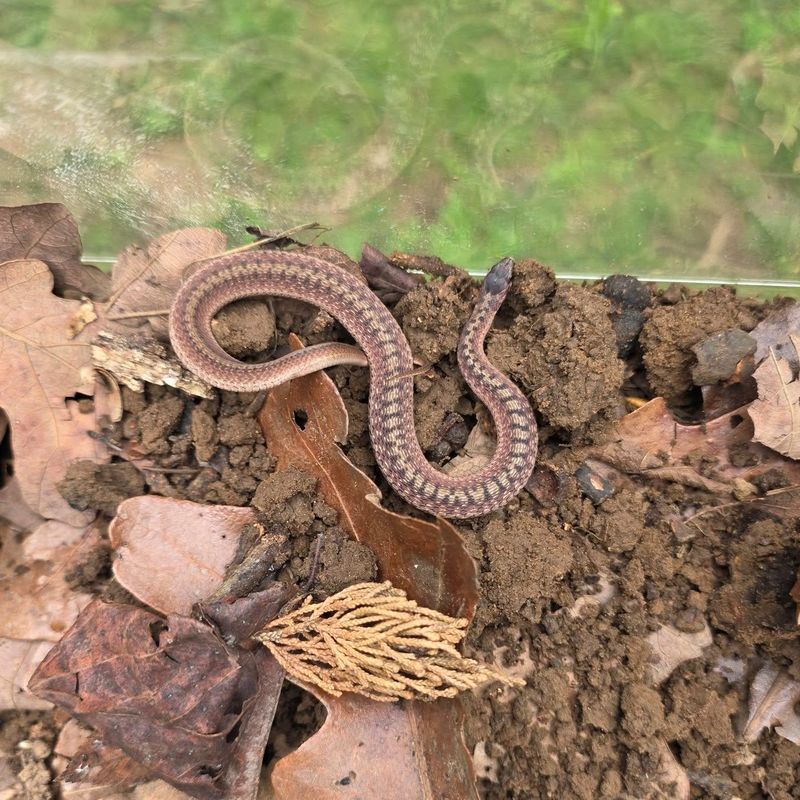
Not every helpful snake is chasing mice. Some of the most common mulch residents are small, secretive species that often go unnoticed.
Dekay’s brownsnakes are a classic example.
They are small, brown, and easy to mistake for a worm at first glance, and they feed heavily on slugs, snails, and earthworms.
If slugs chew holes in your hostas or lettuce every spring, these little snakes are on your side. A damp mulch bed full of slugs is basically their buffet line.
Ringneck snakes are another regular find. They have a dark back and a bright yellow or orange ring around the neck, plus a colorful belly that they flash when disturbed.
Ringnecks eat small salamanders, worms, insects, and slugs, and they spend most of their time under logs, stones, and loose bark. Gardeners usually meet them while turning over a board or weeding a shady corner.
Garter snakes also show up in moist, grassy spots. They eat frogs, worms, and slugs, and adults occasionally grab a small rodent too.
Racers are fast, slender snakes that hunt by sight in open areas. Their diet includes insects, lizards, rodents, and sometimes other snakes.
5. Most Snakes Slithering Through Your Flower Bed Are Harmless
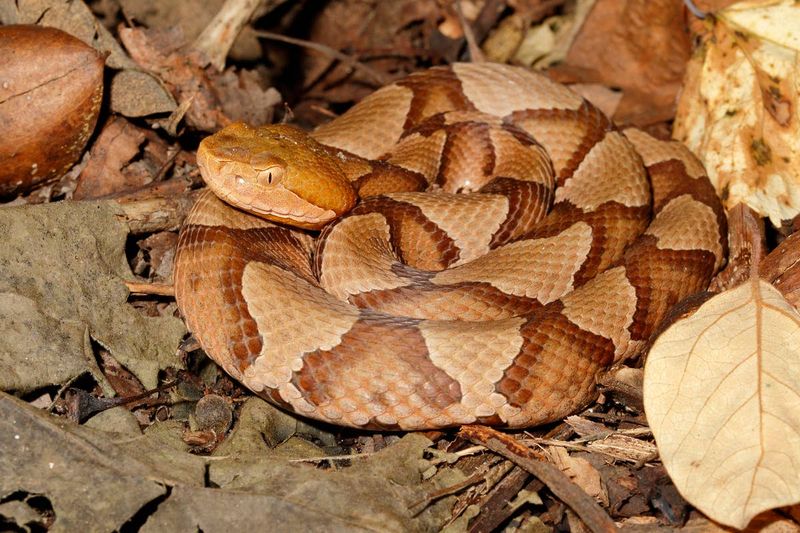
Take a deep breath before reaching for the shovel. According to the University of Georgia and state wildlife officials, only a handful of Georgia’s native snakes are venomous.
Georgia has more than 40 snake species, and only six are venomous. These include the copperhead, cottonmouth, coral snake, and a few rattlesnake species such as the timber and eastern diamondback.
Copperheads are the venomous species homeowners meet most often, especially in wooded neighborhoods. They have hourglass-shaped bands in shades of tan and copper that blend beautifully into leaf litter and mulch.
Venomous snakes also prefer to avoid people. Most bites happen when someone tries to handle, disturb, or move a snake, or accidentally steps on one without seeing it.
That is why wearing gloves and sturdy shoes while gardening makes so much sense. I also like to rake or poke through thick mulch before plunging my hands into it.
Native nonvenomous snakes play an important role in keeping local ecosystems balanced, so it’s best to leave them undisturbed.
The Georgia Department of Natural Resources encourages people to learn how to identify different snake species rather than making assumptions.
If you cannot tell what kind of snake you are seeing, keep your distance and snap a photo from far away. Local extension offices and Georgia DNR resources can help you identify it later.
6. Snakes Help, But Rodent Problems Need More Than Reptiles
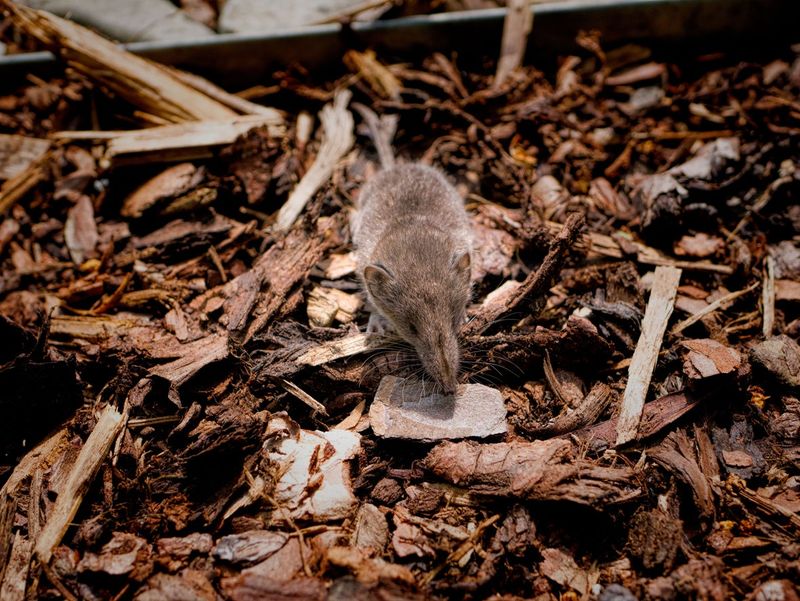
Let me be honest about the limits here. Snakes eat rodents, but they will not single-handedly fix a serious mouse or rat problem in your home.
Research on predators shows they help keep prey populations in check over time.
Rodents, however, breed incredibly fast, and food sources like spilled birdseed or pet food can outpace any number of hungry snakes.
Think of snakes as one member of a larger team. Owls, hawks, and foxes also help control rodent populations.
The biggest wins come from removing what attracts rodents in the first place. Store bird seed, grass seed, and pet food in tight metal or heavy plastic containers.
Clean up fallen fruit and keep compost bins closed. Seal gaps around doors, vents, and pipes so mice cannot slip indoors.
Here is a twist many people miss. When you cut down on rodents, you also cut down on what draws snakes close to your house.
So a tidy yard near the foundation and a wilder, mulched garden farther out can work well together. Snakes hunt the beds while your home stays less tempting.
7. Keep Woodpiles And Thick Mulch Away From Your Foundation
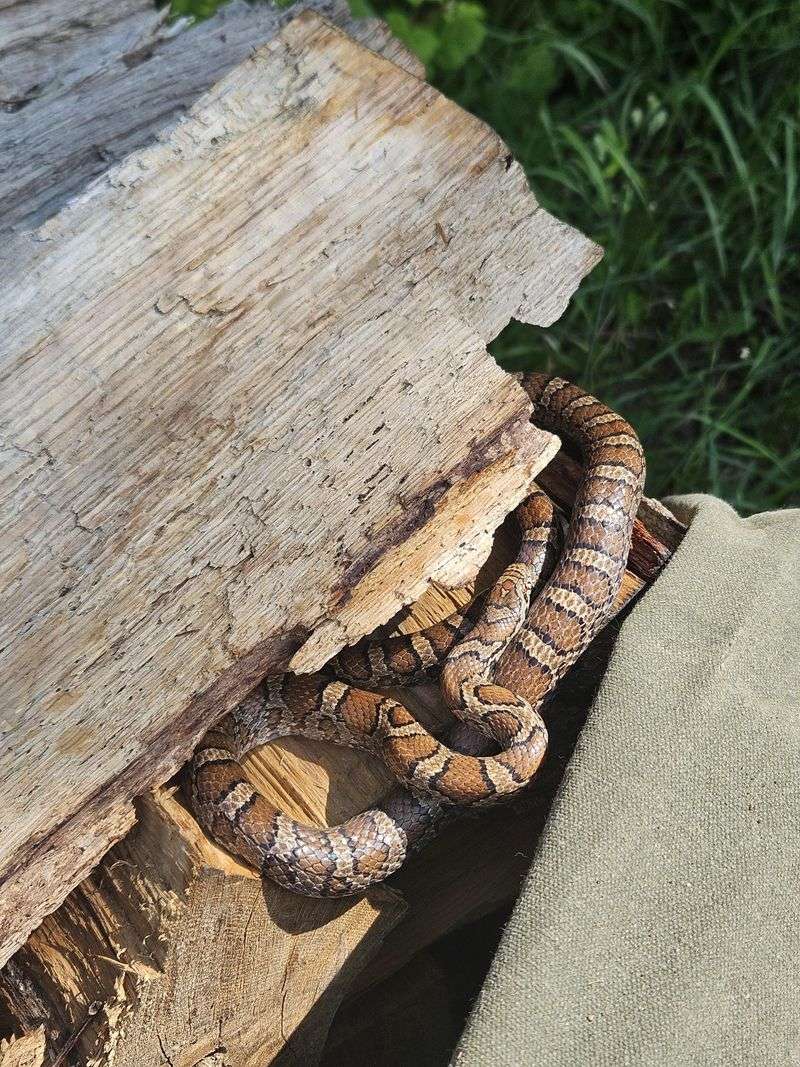
Placement matters more than most gardeners realize. Where you pile wood, rocks, and mulch decides where snakes and rodents spend their time.
University extension experts recommend keeping firewood, brush, and debris away from your home.
A good rule is to stack wood off the ground and toward the back edge of the property.
Mulch near the house is fine for plants, but keep it fairly thin, about two to three inches. A wide, deep layer pressed against siding can invite both rodents and termites.
I like to leave a narrow gravel or bare strip right along the foundation. It looks neat and makes visitors far less likely to settle next to my back steps.
Out in the far corners, you can relax a little. A brush pile, rock pile, or log in a quiet area gives snakes and other wildlife shelter without bringing them to your doorway.
Keep grass mowed in high-traffic zones like play areas and walkways. Short grass makes snakes easier to spot and less comfortable crossing.
Check spots like garage doors, crawl space vents, and gaps under decks. Sealing small openings keeps mice out, and that alone removes a big reason for snakes to come close.
8. A Snake In Your Mulch Can Mean Your Garden Is Thriving
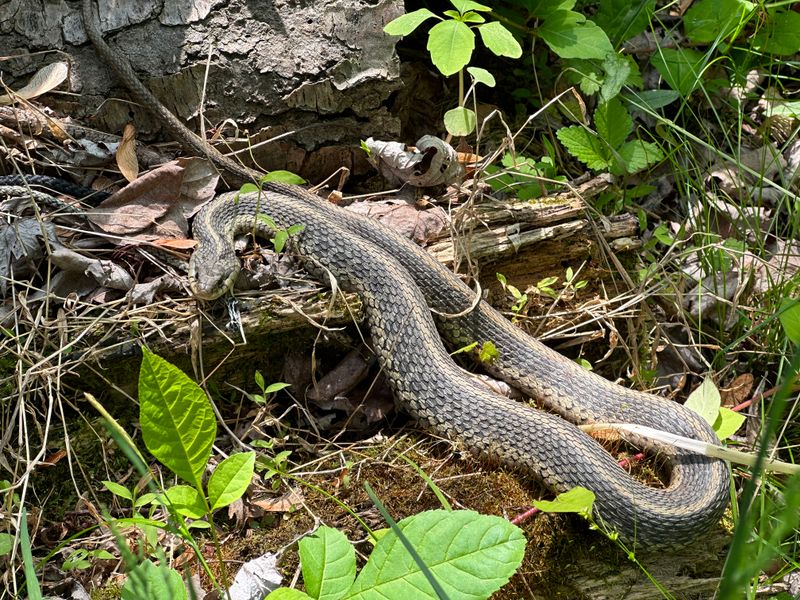
Finding a snake is a quiet compliment to your gardening. It usually means your yard offers shelter, water, and enough small prey to feed a predator.
Healthy ecosystems have layers, from soil microbes and worms up through insects, rodents, and the animals that eat them.
When one of those top hunters shows up, the whole system is likely doing its job.
Skipping heavy pesticide use helps keep that chain intact. Snakes rely on prey like slugs, insects, and rodents, so poisoning those animals can affect what eats them.
Rodent poisons are a particular concern. Wildlife experts note that predators can be harmed after eating poisoned rodents, so traps or exclusion are often safer choices around gardens.
Planting native shrubs, flowers, and groundcovers supports insects and birds too. A varied yard tends to stay more balanced than a bare lawn.
Snakes are most active in Georgia from spring through fall and slow down when temperatures drop. During cold winter stretches, many retreat underground or into protected spots, so sightings drop off.
Next time you spot one, try watching for a moment from a safe distance. Notice its pattern, the way it tastes the air with its tongue, and how quickly it vanishes.