9 Herbs That Struggle in Florida Summer but Thrive From November to April
Most of the country plants herbs in spring, yet Florida gardeners often get their best harvests in January. Our summer heat and soggy afternoons push many favorite kitchen herbs to flower early or simply fade away.
Several of these plants come from the Mediterranean, where summers are dry and winters stay cool and damp. Others hail from Europe and western Asia, so our muggy July afternoons feel like a foreign planet to them.
My first summer herb garden in Florida turned into a sad pile of stems, and I’ll take the blame for that one. You might notice the same pattern, with fragrant leaves turning yellow just as the rainy season settles in.
What surprises me most is how the same herbs bounce back with gusto once the cool air returns. Nine kitchen favorites truly shine once the calendar flips to November, and your beds deserve every one of them.
1. Cilantro
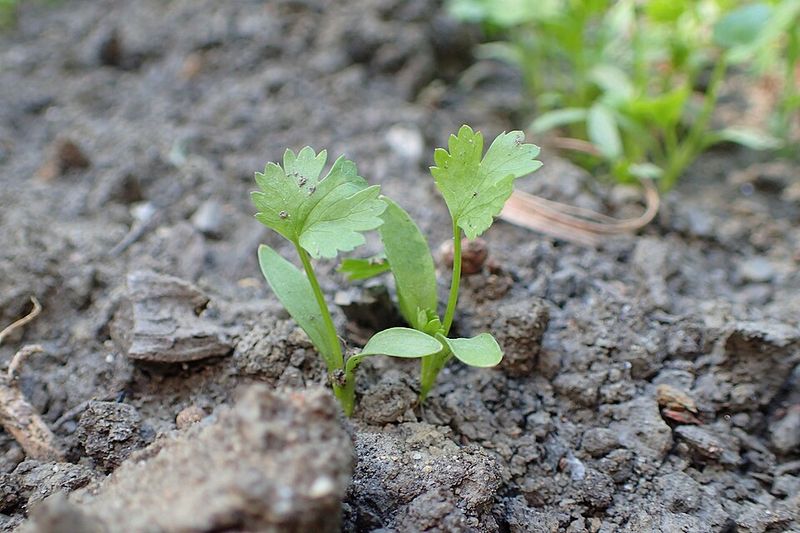
Cilantro and coriander come from the exact same plant, with the leaves and seeds simply wearing different names. I love how one packet of seeds can give you salsa greens in winter and spice jars by spring.
Summer heat is the big problem, because warm temperatures trigger the plant to bolt and send up flowers. Once that happens, the leaves turn thin and feathery, and their flavor often becomes harsh and bitter.
Cool months slow that flowering urge, which is why UF/IFAS lists cilantro as a strong winter herb choice. You can sow seeds from fall through early spring and enjoy weeks of leafy harvests before warmth arrives.
Sow seeds directly in the ground, since cilantro has a taproot and rarely enjoys being moved around. Lightly crushing the round seed husks before planting can help them sprout a little faster for you.
Pick a spot with full sun or light shade, and make sure the soil drains well after rain. Keep the ground evenly moist but not soggy, because waterlogged roots quickly lead to yellow, weak plants.
Personally, I sow a short row every three weeks so fresh leaves keep coming all season long. Harvest the outer stems once plants reach about six inches tall, and let the center keep growing.
When spring finally pushes the plants to flower, leave a few stalks standing for the helpful insects. Those tiny white blooms later ripen into coriander seeds that you can dry and save for autumn planting.
2. Dill
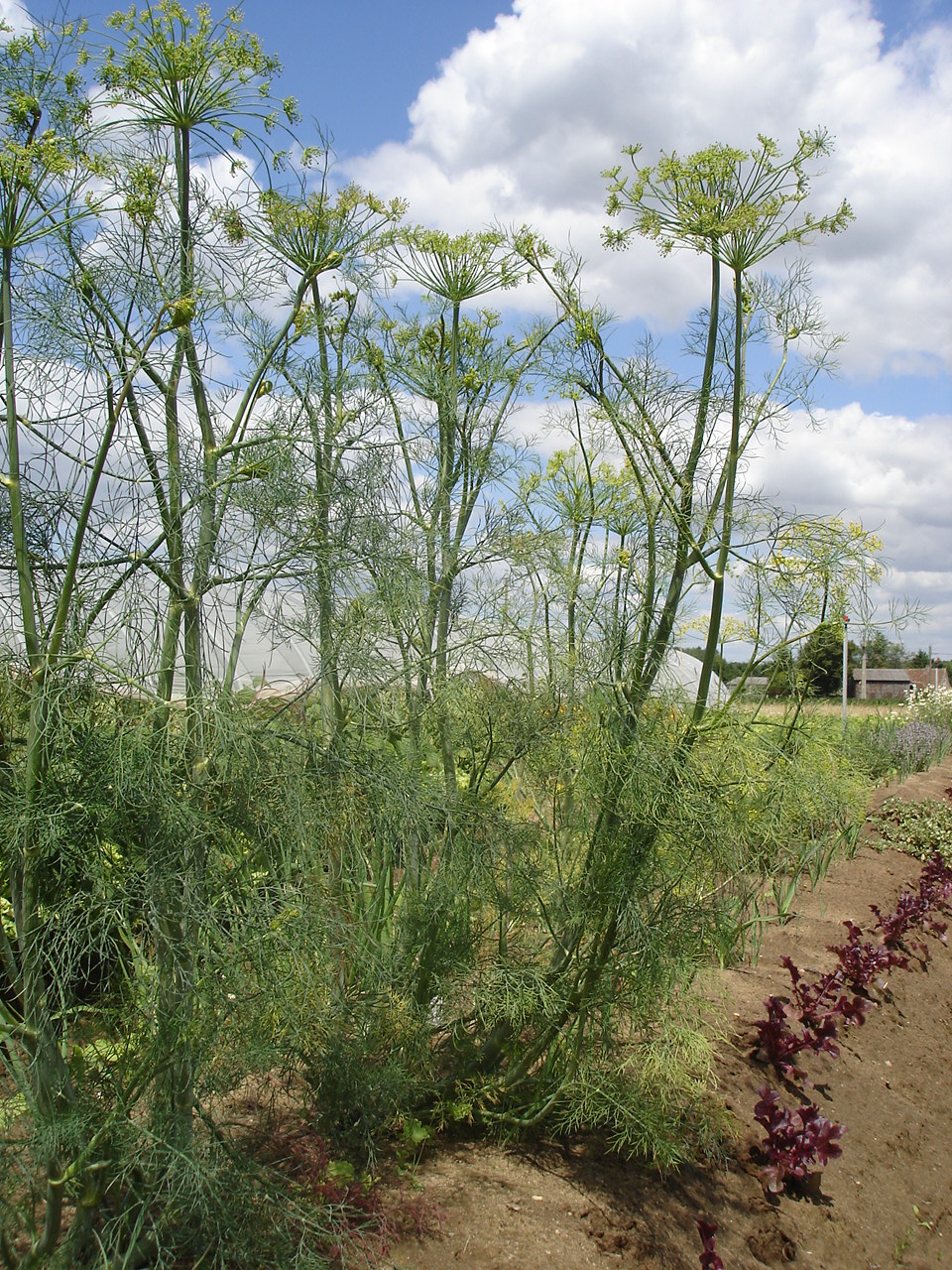
Dill shoots up like a feathery green fountain, sometimes reaching three to five feet before it finishes. Brushing past those airy fronds releases a sweet, tangy scent that instantly makes me crave homemade pickles.
Hot weather is where things go sideways, since dill rushes to bloom once the temperatures climb high. Summer plants often bolt within weeks, leaving you with yellow flower umbrellas and very few tender leaves.
Mild fall and winter weather gives dill the slow, steady growing season it needs to stay leafy. I believe it ranks among the most rewarding cool-season herbs, especially for beginners trying seeds for the first time.
Sow seeds straight into the garden, because the long taproot dislikes transplanting and often sulks for weeks afterward. Choose a spot with full sun and soil that drains quickly, then keep moisture steady and moderate.
Tall varieties can flop over in windy spots, so a few stakes or a nearby fence helps. Compact types such as Fernleaf stay shorter and fit nicely into roomy containers on a sunny patio.
You might spot striped green caterpillars munching the fronds, and those are black swallowtail babies in disguise. I plant a little extra dill so the butterflies get their share and my kitchen still gets plenty.
Snip fronds regularly from the outside, and sow a fresh batch every few weeks through early spring. When warmth finally wins, let the flower heads ripen so you can collect dill seed for cooking.
3. Parsley
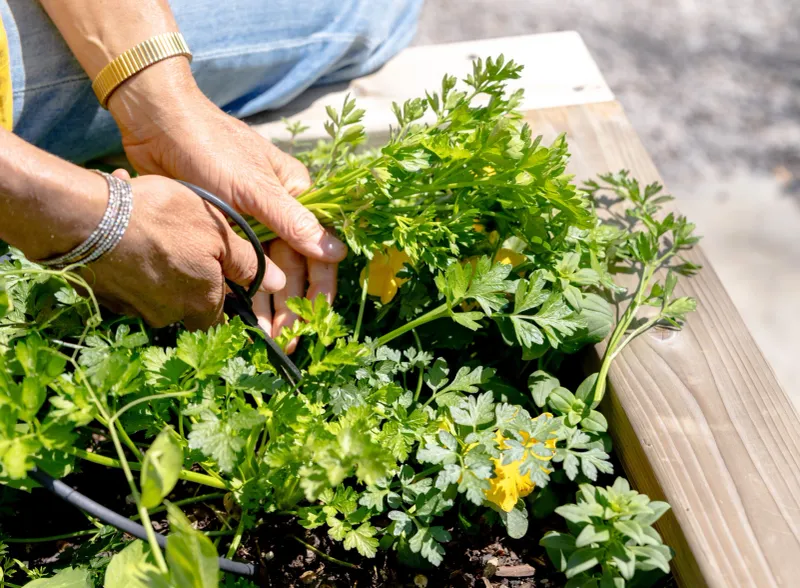
Parsley does far more than sit on the edge of a dinner plate looking pretty and ignored. Fresh leaves taste bright and grassy, and flat-leaf Italian types usually pack a stronger flavor than curly ones.
Technically a biennial, parsley usually behaves like a cool-season annual in our warm and humid climate. It grows lush through winter, then sends up flower stalks and declines once late spring heat arrives.
Late fall and winter make the best planting window, according to the University of Florida extension experts. Transplants give you a head start, since parsley seeds are famously slow and can take weeks to sprout.
Rich, moist soil with good drainage keeps the rosettes thick, so mix in compost before planting day. Full sun works well in winter, though a bit of afternoon shade can stretch the season into spring.
Here comes my favorite part, because parsley doubles as a nursery for black swallowtail butterfly caterpillars. I can’t imagine pulling those chubby striped guests off, so I simply grow an extra plant for them.
Harvest by cutting the outer stems near the base, letting the young center leaves keep growing outward. Regular picking actually encourages more growth, so you can enjoy handfuls for tabbouleh or soups all winter.
Container growers can tuck parsley into pots near the kitchen door for quick snips while dinner cooks. Just water whenever the top inch of soil feels dry, since potted plants lose moisture faster than beds.
4. Chives
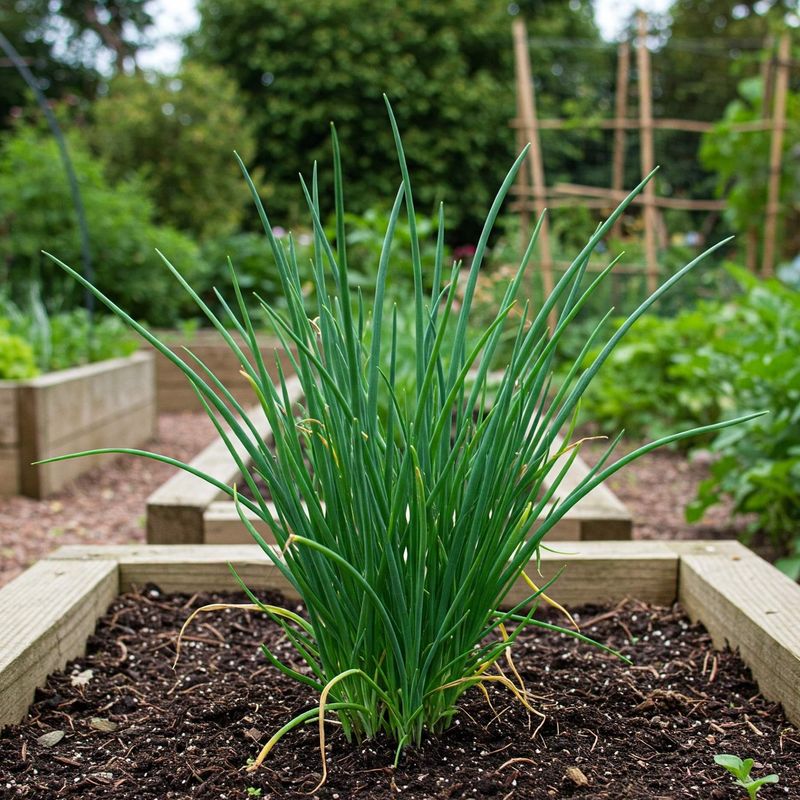
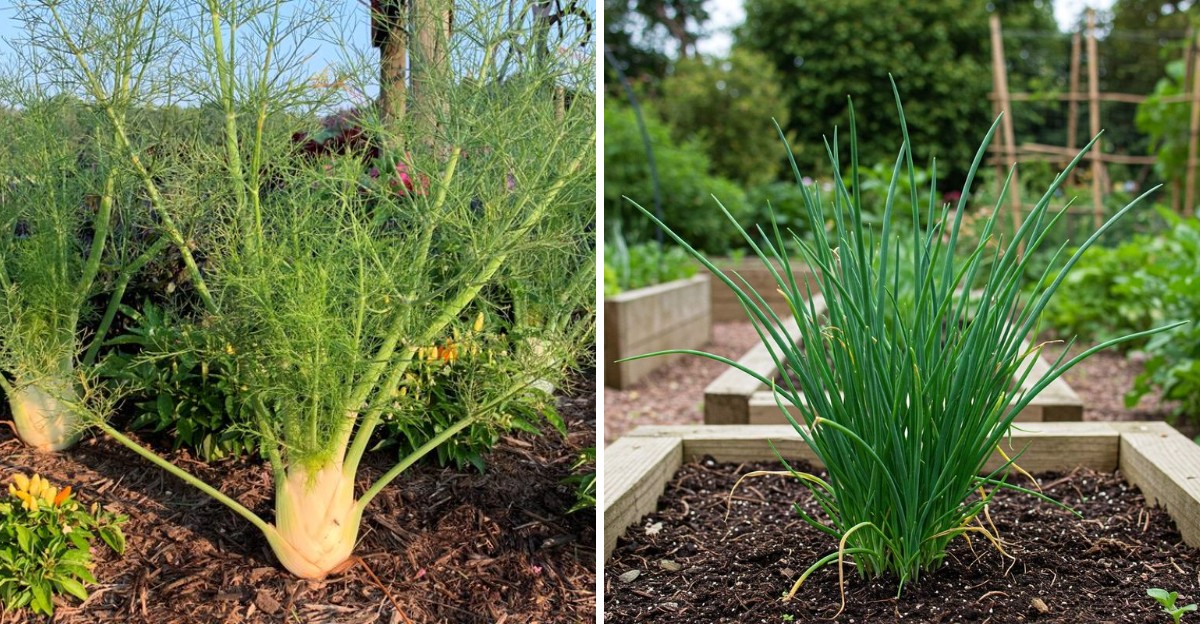
Chives look like a tidy clump of grass until you snip one and smell that mild onion punch. Garlic chives offer a slightly different twist, with flat leaves and a gentle garlicky bite instead.
Their round purple flower puffs are edible too, and I love sprinkling the tiny florets over scrambled eggs. Bees seem to adore those blooms as well, so leaving a few open helps your garden buzz.
Common chives come from cooler parts of Europe and Asia, so steamy summers tend to wear them down. Clumps often thin out or fade back during the hottest months, which can look alarming at first.
Healthy roots usually push out fresh green shoots once cooler weather returns, so avoid yanking them too soon. Winter is when chives really shine here, producing steady harvests you can trim again and again.
Give them plenty of sun and well-drained soil that stays evenly moist without ever turning into mud. Raised beds and roomy containers both work nicely, especially in yards with heavy soil or poor drainage.
Cut leaves about an inch or two above the soil, and new blades will pop up within weeks. Personally, I give each clump a light haircut every couple of weeks to keep the leaves tender.
Crowded clumps lose vigor over time, so divide them every couple of years during the cool season. You end up with free plants to share, and the original clump grows back stronger than before.
5. Chamomile
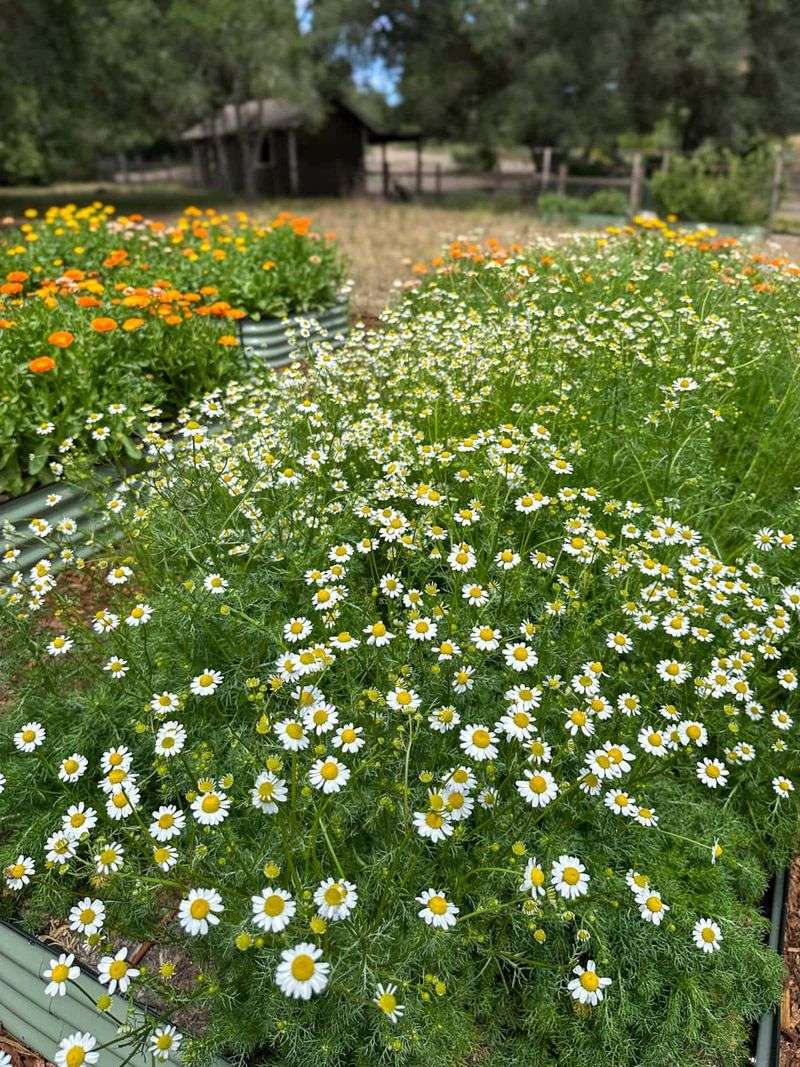
Crush a German chamomile flower between your fingers, and you get a sweet scent surprisingly close to apples. Those little white daisies with sunny yellow centers are the same ones brewed into soothing bedtime tea.
German chamomile, Matricaria chamomilla, is an annual, while Roman chamomile is a low creeping perennial used for groundcover. For tea in a backyard bed, the German type is usually the one you want to grow.
Summer heat and sticky humidity are rough on this dainty herb, and plants often collapse by June. Sowing seeds in fall gives it a long, mild stretch to bush out and bloom generously through spring.
The tiny seeds need light to sprout, so press them onto the soil surface instead of burying them. Mist gently until seedlings appear, because a strong spray can wash those specks right out of place.
Light, well-drained soil that is not overly rich suits chamomile best, so skip the heavy fertilizer. Once established, it prefers the drier side, and too much water leads to floppy stems and root trouble.
Honestly, picking the flowers feels like a cheerful little treasure hunt on bright and sunny winter mornings. Pinch off the open blooms every few days, then dry them on a screen for homemade tea.
Frequent picking encourages more buds, and the flowers also attract hoverflies and other helpful garden insects. Leave a few heads to ripen in spring, and you might find volunteer seedlings popping up next fall.
6. Thyme
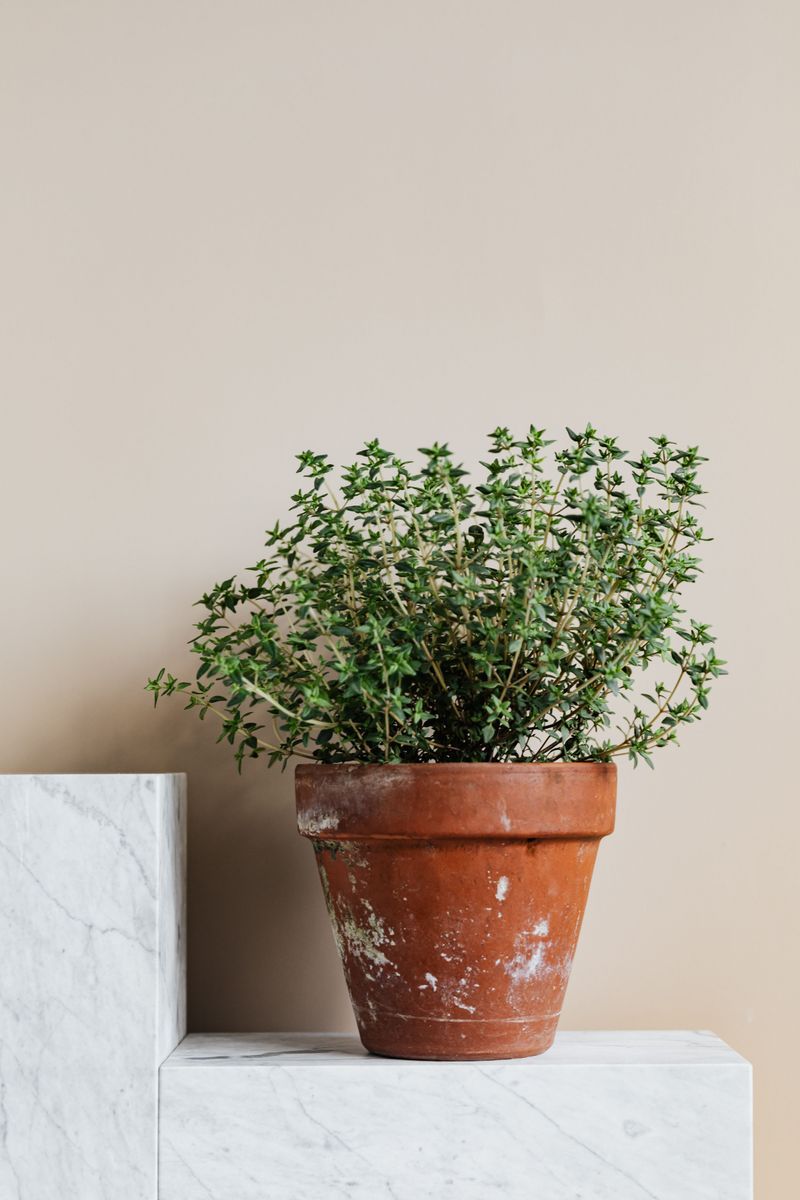
Thyme leaves are barely bigger than a grain of rice, yet each one carries a surprising amount of flavor. Run your hand across a mounded plant, and the earthy, warm aroma hangs in the air for minutes.
Common thyme, Thymus vulgaris, is a shrubby evergreen perennial that usually stays six to eight inches tall. Its small purplish flowers pull in bees like a magnet, which makes it a lovely pollinator snack bar.
Mediterranean hillsides are its ancestral home, so our wet summers can stress the plant and rot its stems. Heavy rain and muggy nights often lead to browning centers, especially in crowded beds with poor airflow.
Cooler, drier months from November to April give thyme its happiest stretch and its richest taste. I like how a single plant set out in late fall can supply roast chicken seasoning all winter.
Sharp drainage matters more than anything else, so raised beds or terra cotta pots make smart homes. Skip rich compost and heavy fertilizer, because lean soil keeps the growth compact and the oils concentrated.
Water deeply but only when the top inch dries out, since established thyme handles drought quite well. Full sun is ideal in winter, while a little afternoon shade helps plants coast through the warmer months.
Trim stems lightly and often, cutting just above a leaf pair to encourage bushy new growth. Treating thyme like a cool-season crop and replanting each fall is a perfectly fine strategy for many gardeners.
7. Sage
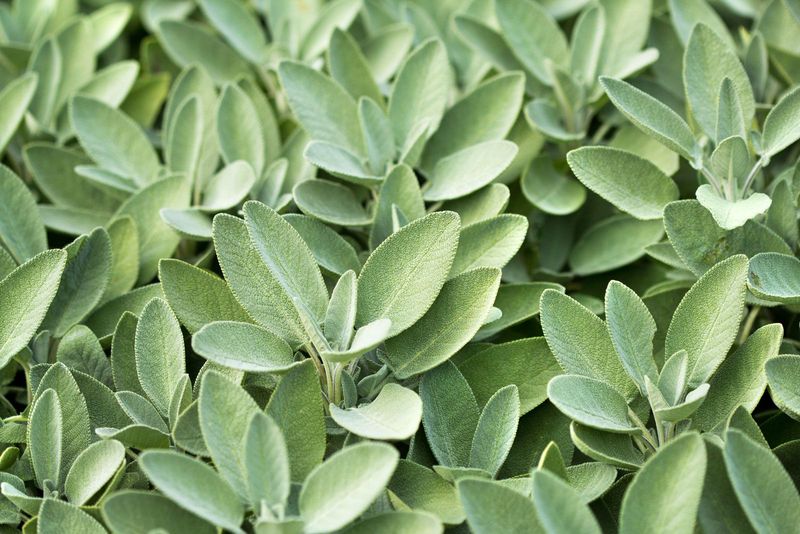
Soft, fuzzy sage leaves feel almost like velvet, and their gray-green color glows on cloudy winter afternoons. One sniff of that savory, piney scent brings holiday stuffing to mind faster than any recipe card could.
Common garden sage, Salvia officinalis, is a woody evergreen perennial that forms a compact little shrub. In cooler climates it lasts for years, but steamy Southern summers often wear it down much sooner.
Humidity is the real troublemaker, since wet leaves and soggy roots invite fungal problems and root rot. Many Florida gardeners find their sage looks tired by August, then perks up as temperatures finally drop.
Fall is the smartest time to set out transplants, giving young roots several months of comfortable weather. Starting from nursery plants is easier than seeds, which sprout slowly and take a while to bulk up.
Pick a sunny spot with excellent drainage, and do not worry much about poor or sandy soil. Sage tolerates lean ground nicely, and too much fertilizer can actually weaken the flavor of its leaves.
Let the soil dry slightly between waterings, and water at the base instead of sprinkling the foliage. Spacing plants a couple of feet apart keeps air moving, which helps leaves stay dry after showers.
Harvest a few leaves at a time, and pinch stem tips in spring to keep the shrub bushy. If summer leaves it ragged, a new plant next November will happily pick up right where it stopped.
8. Fennel
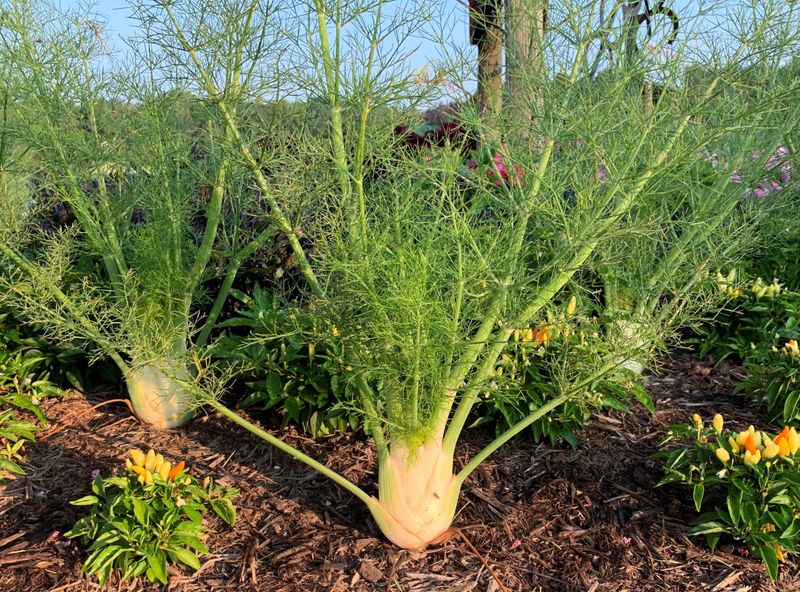
Fennel tastes like a gentle whisper of licorice, and both its feathery leaves and its seeds share that flavor. Florence fennel adds a bonus, forming a crunchy white bulb at its base that roasts up sweet.
Hot weather is not kind to that bulb, which turns tough and woody as the plant rushes to flower. Planting from fall into early winter gives fennel the cool stretch it needs to fatten up properly.
Common fennel, grown mainly for leaves and seeds, can tower up to six feet with airy branching stems. Florence types stay shorter, so they fit better in raised beds and slightly larger containers on patios.
Full sun and moist, well-drained soil enriched with compost help the bulbs swell up thick and crisp. Steady watering really matters here, because dry spells can push Florence fennel to bolt ahead of schedule.
You’re in for a fun surprise when black swallowtail caterpillars show up, since fennel is a favorite host plant. I usually share a plant or two with them and save the rest for my own supper.
Keep fennel away from dill, since the two can cross-pollinate and produce odd-tasting seeds for next year. Many gardeners also notice fennel slows the growth of nearby plants, so a separate bed works nicely.
Harvest bulbs when they reach roughly tennis ball size, cutting just above the soil line with a knife. Snip off spent flower heads before seeds drop, because fennel can spread itself around more than you expect.
9. Borage
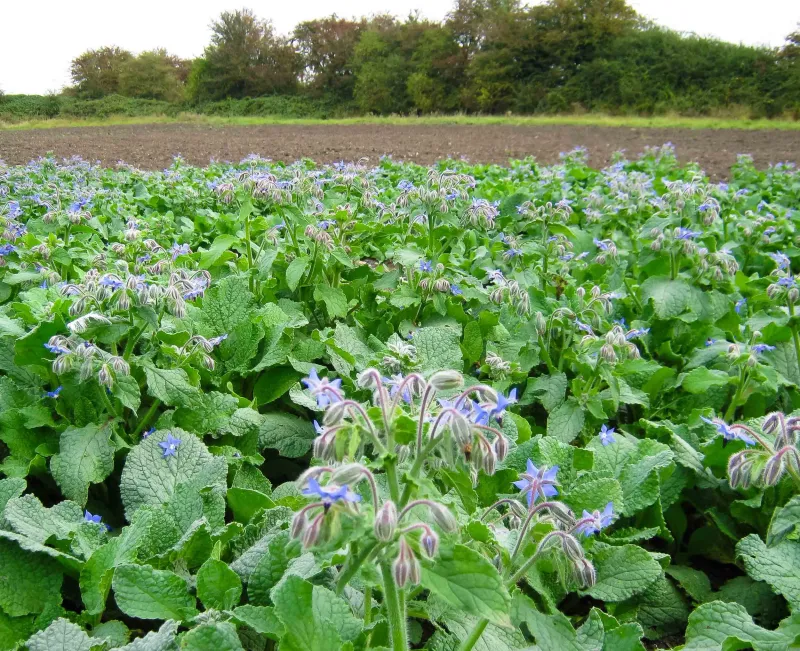
Borage flowers are shaped like tiny blue stars, and they nod downward as if shyly hiding from you. Fuzzy, bristly hairs cover the stems and leaves, so the whole plant feels a bit like a scratchy sweater.
Nibble a young leaf and you might taste something cool and fresh, much like a slice of cucumber. Those edible blossoms also make salads and lemonade look fancy with almost zero effort on your part.
Moderation matters, because borage contains natural compounds called pyrrolizidine alkaloids that can harm the liver in large amounts. A few flowers as garnish are fine for most people, but skip it as a daily salad green.
Summer heat makes this annual bolt and decline quickly, which is why fall sowing works so well here. Seeds planted around October in Florida usually reward you with steady blooms through winter and into spring.
Sow seeds directly where you want them, since the long taproot makes transplanting older seedlings tricky. Full sun suits borage best, though it handles light afternoon shade and nearly any well-drained soil.
Skip the rich fertilizer, because overly fertile ground tends to produce lots of leaves and fewer flowers. Water regularly while seedlings settle in, then ease off once plants are established and fairly drought tolerant.
What I love most is the steady hum of bees working those blue flowers on mild January afternoons. Brittle hollow stems can snap in strong wind, so a short stake helps keep the sprawling plant upright.