Your Indiana Neighbor May Not Be Allowed To Burn Leaves Next To Your Property
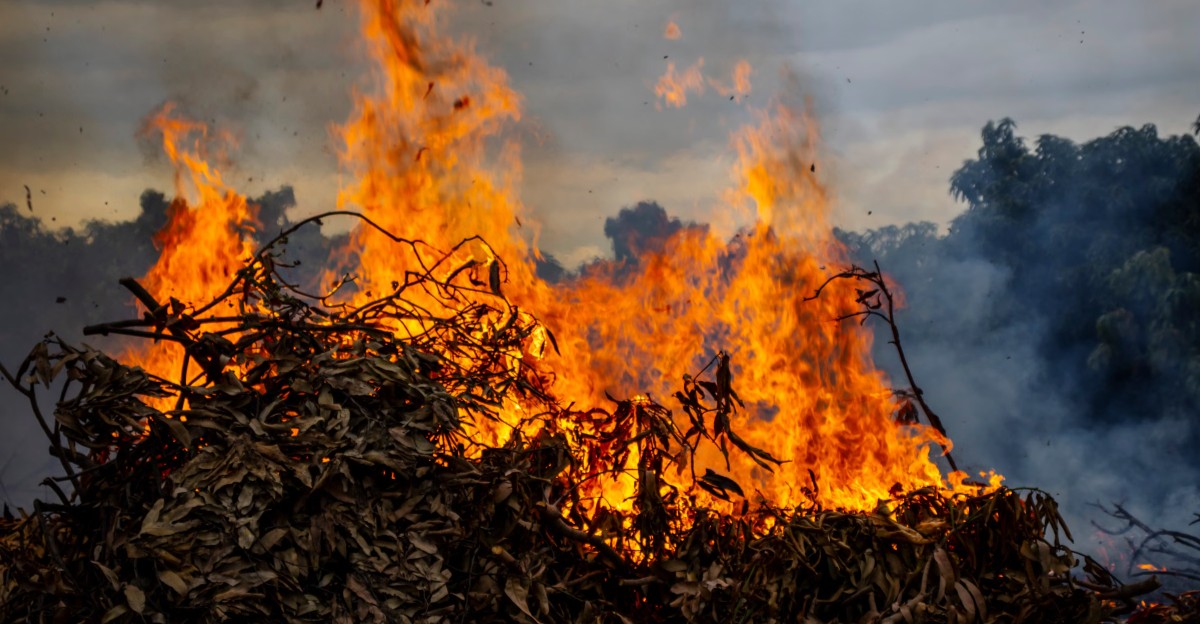
Clark, Floyd, Lake, and Porter counties share an unusual rule. Nobody there is allowed to burn a single pile of leaves in the backyard, no matter how careful they are.
I learned this the hard way after years of assuming fall smoke was just part of the season. Every October, I’d smell it drifting across fences and figured it was perfectly legal everywhere in Indiana. Turns out, plenty of it isn’t.
Apartment dwellers can’t do it either. Big cities like Indianapolis and South Bend have their own bans, and even legal fires come with a surprising list of strings attached.
So what about the smoky pile smoldering ten feet from your property line? Your neighbor might be within the rules, or they might be one complaint away from a visit by the fire department. The answer depends on details most folks rarely bother to check.
That Smoky Leaf Pile Next Door Might Already Be Breaking The Rules
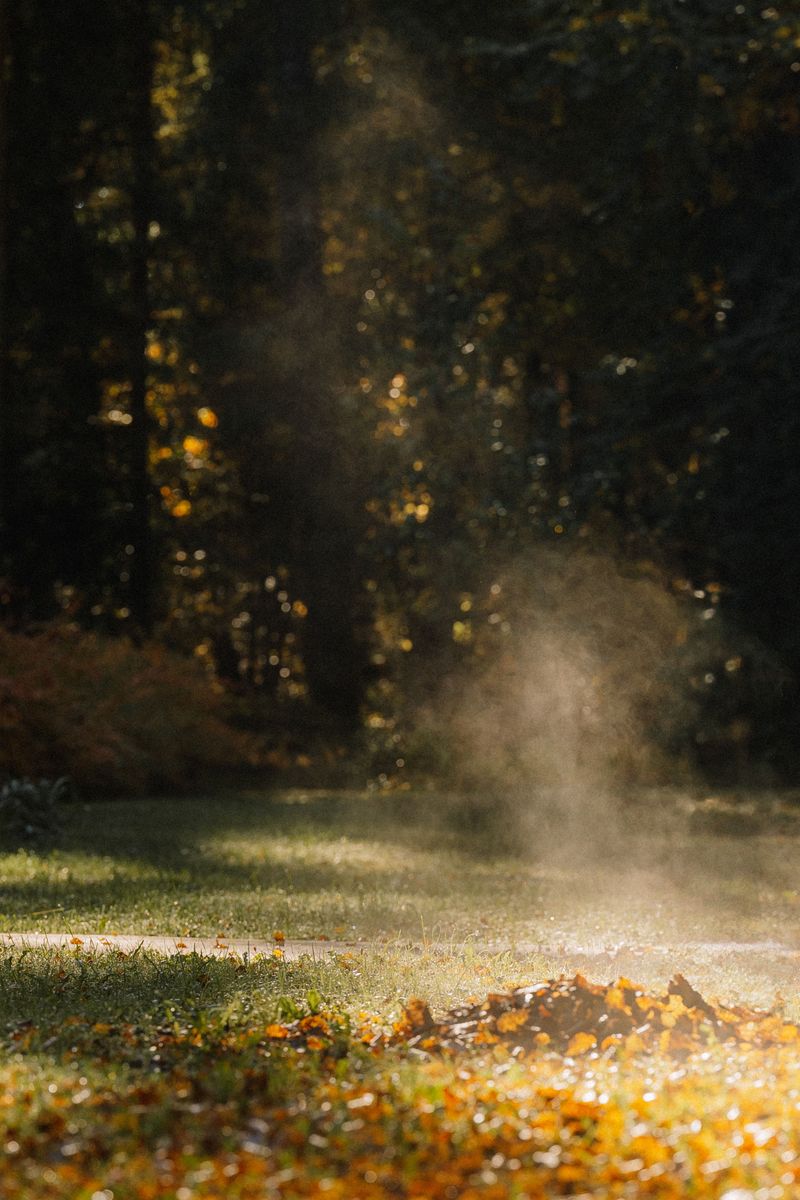
Smoke curling over the fence on a cool Saturday feels as old-fashioned as raking itself. Plenty of us grew up with a leaf pile smoldering at the curb, so it seems harmless.
The rules have shifted a lot since those days, though. State air quality rules from the Indiana Department of Environmental Management, often called IDEM, allow some residential burning, but only with a long checklist attached.
Location matters first. Some counties ban it outright, and many cities and towns add their own bans on top of state law.
Next comes the type of home. Burning is limited to residences with four or fewer units, so apartment complexes, condos, and mobile home parks are off the table.
Then there’s the fire itself. It has to be contained, watched, and put out if it creates a nuisance, a fire hazard, or a health threat. It also has to burn only clean yard waste like leaves and brush.
Truth is, a lot of neighbors simply don’t know any of this. They learned leaf burning from their parents and kept going.
So before you get annoyed, or before you strike a match yourself, it helps to know which rules apply to your street. A quick look at your county and city ordinances can clear up most of the confusion in about five minutes.
Lake, Porter, Clark, And Floyd Counties Ban Backyard Leaf Burning
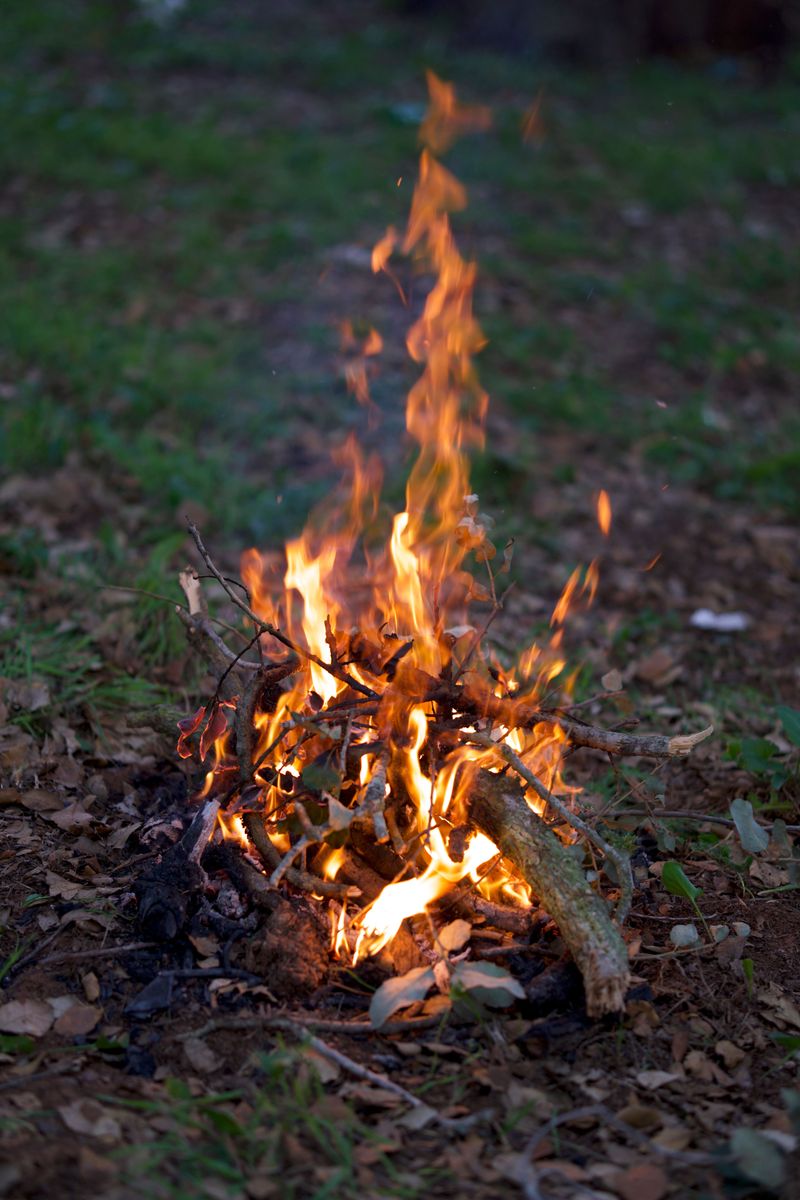
Live in Lake, Porter, Clark, or Floyd County? Then the answer is short and simple. Residential open burning of leaves and yard waste isn’t allowed there at all.
The reason has nothing to do with fire safety. Those counties sit in areas that have struggled to meet federal air quality standards for ground-level ozone, the main ingredient in summer smog.
Lake and Porter are part of the busy Chicago metro region, with steel mills, highways, and plenty of traffic. Clark and Floyd sit right across the Ohio River from Louisville, which shares the same air.
Smoke from thousands of backyard fires adds pollution that builds up fast. State regulators decided the simplest fix was a blanket ban on residential burning in those four counties.
So if your neighbor in Valparaiso, Merrillville, Jeffersonville, or New Albany is torching a leaf pile, that fire isn’t legal. It doesn’t matter if they use a fancy burn barrel or keep a hose nearby.
Fair warning, some longtime residents still don’t realize the ban exists. A friendly heads-up often works better than an angry phone call.
If the burning keeps happening, you can file a complaint with IDEM or reach out to your local fire department.
A Vented Metal Burn Barrel Is Only Step One
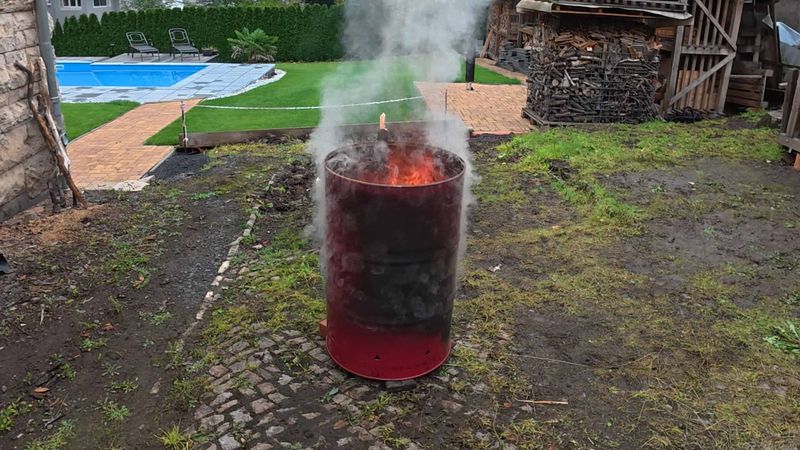
Guilty as charged, I once thought a pile in the middle of the yard counted as a proper fire. Under state rules, it doesn’t.
Where residential burning is permitted, the material has to go in a noncombustible container. That means something like a metal barrel with enclosed sides and a bottom, plus vents so the fire gets enough air to burn cleanly.
Only clean yard waste and untreated wood qualify. Trash, plastic, tires, painted or treated lumber, and household garbage are off limits across the state.
Someone also has to watch the fire the whole time until it’s fully out. You’ll need a garden hose, buckets of water, or another way to put it out quickly.
Weather plays a role too. Burning isn’t allowed during high winds, temperature inversions, or stagnant air, and the fire must be completely out before sunset.
Keep an eye out for county burn bans as well. During dry spells, local officials often stop all outdoor burning until rain returns.
If your neighbor has an open heap of leaves smoking in the grass with nobody around, that’s a red flag. Even in a county that allows burning, an unattended pile on the ground breaks several rules at once.
Indianapolis And South Bend Say No To Leaf Fires
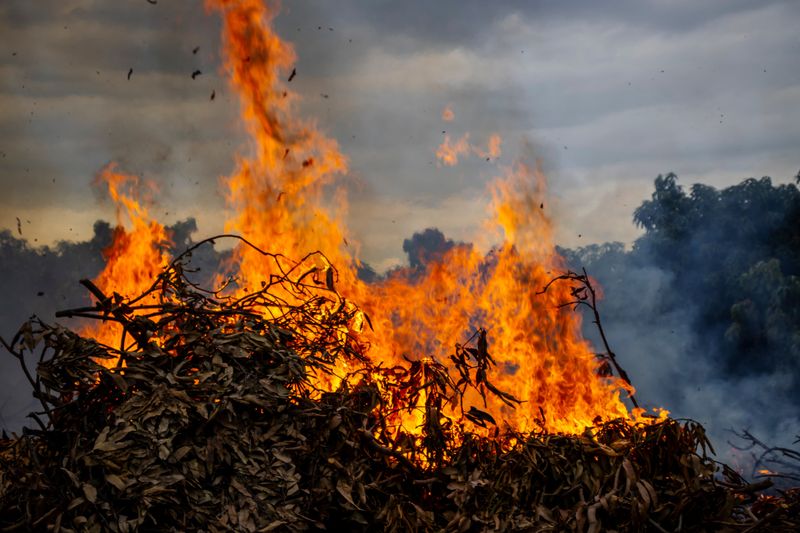
Big city life comes with a few extra rules, and leaf burning is one of them. Local governments can pass ordinances stricter than state law, and many of them do.
In Marion County, which covers Indianapolis, burning leaves is illegal. The city allows only limited recreational fires and a few small burns of dry twigs and branches, and leaves don’t make the list.
South Bend takes a similar stance. Leaf burning there is banned on both private and public property, so residents rely on leaf pickup and drop-off options instead.
Plenty of smaller towns have joined in too. Some suburbs ban open burning inside town limits, while others allow it only on certain days or require a permit from the fire department.
Not going to lie, this patchwork can get confusing. A fire that’s perfectly legal in a rural township might earn a citation a few miles away inside town limits.
The best move is to check your city or town code online, or call the non-emergency line for your fire department. Many departments post burning rules right on their websites each fall.
Once you know the local rule, you’ll know whether that smoky pile next door is a minor annoyance or an ordinance violation worth reporting.
Smoke Drifting Over Your Fence Can Count As A Nuisance
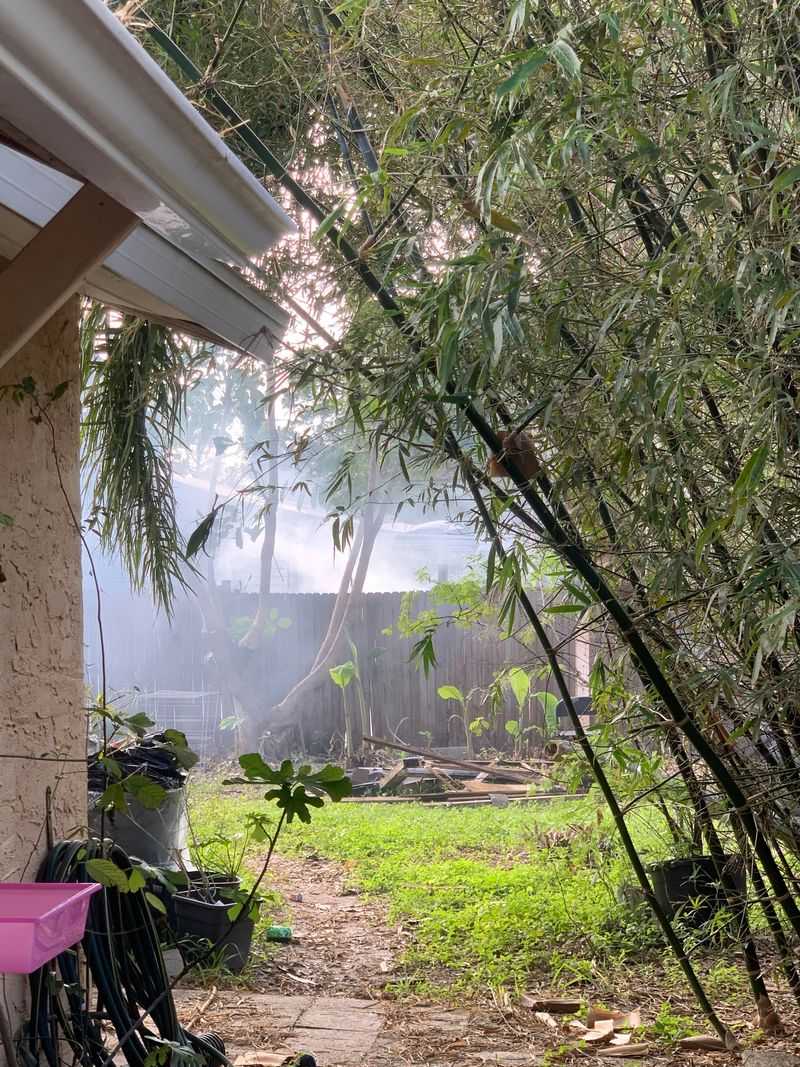
Some rules surprise a lot of people, and this one tops the list. Even a fire that follows every other state requirement has to be put out if it creates a nuisance, a fire hazard, or a threat to health.
That language comes straight from Indiana’s open burning rules. So if thick smoke from next door pours into your windows or chases you off your patio, the burner may need to stop.
Distance matters here. A barrel parked right at the property line sends smoke straight onto your lot, while a fire well back in a large rural yard may barely reach you.
Wind direction plays its part too. A breezy afternoon can turn a small burn into a cloud hanging over your clothesline, your kids’ swing set, and your open garage.
Some cities also set minimum distances from buildings or property lines for any outdoor fire. Check your local code to see if your town has one.
Beyond the burning rules, general nuisance law lets property owners seek relief when a neighbor’s activity seriously interferes with the use of their home. Repeated, heavy smoke can fall into that category.
Keep notes if the problem keeps happening. Dates, times, photos, and wind conditions help a lot if you ever need to file a complaint.
A Friendly Chat Over The Fence Comes Before The Complaint Form
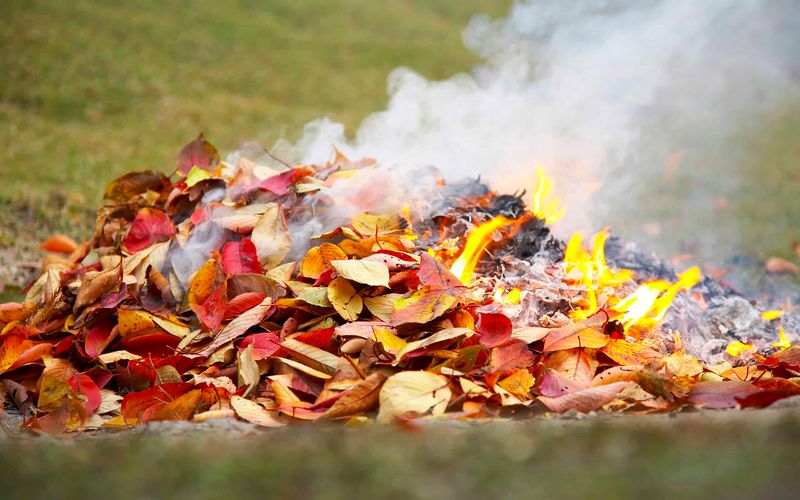
Trust me on this one. A calm conversation solves more smoke problems than any official complaint ever could.
Most neighbors who burn leaves aren’t trying to annoy anyone. They may not know about the county ban, the container rule, or the nuisance clause.
Start by mentioning how the smoke affects you. Something like ‘my daughter has asthma and the smoke comes right into her room’ lands far better than quoting state code.
You could also share an easy fix. Offer to point them toward the town’s leaf pickup schedule or a nearby yard waste drop-off site.
If friendly talk doesn’t help, you have options. For a fire burning right now that seems out of control or unattended, call your local fire department.
For ongoing problems, IDEM accepts complaints about open burning through its online complaint system. County health departments and local code enforcement offices often handle these issues too.
Fines for illegal open burning can be steep, so a complaint isn’t a small thing. That’s another good reason to give your neighbor a fair chance first.
Either way, document what you see. Clear records keep the conversation focused on facts instead of feelings.
Leaf Smoke Hits Kids And Sensitive Lungs Hardest
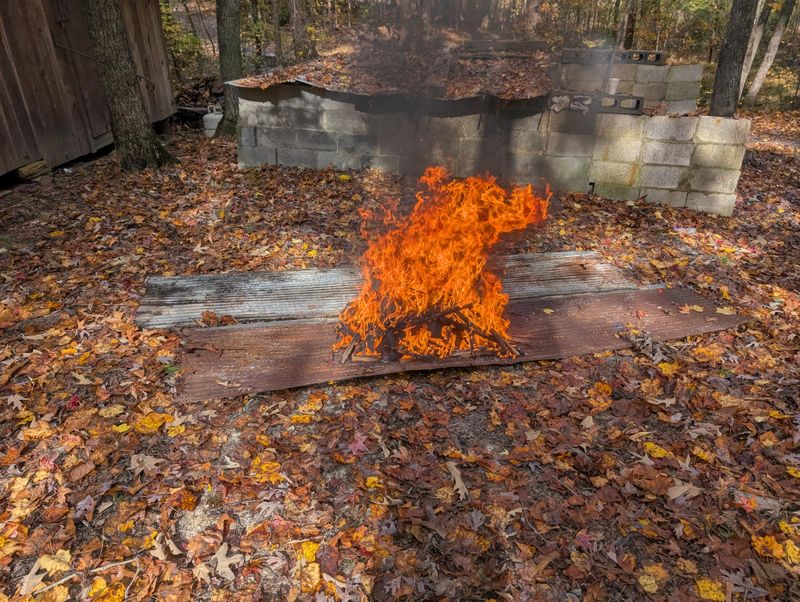
Smell aside, leaf smoke carries a lot more than nostalgia. Burning leaves release fine particulate matter, carbon monoxide, and other irritating compounds into the air.
Damp leaves make things worse. They smolder rather than burn hot, which pumps out even more smoke that lingers low around homes.
Those tiny particles can travel deep into the lungs. Short exposures often cause coughing, watery eyes, and a scratchy throat, while heavier exposure can trigger asthma attacks.
Children breathe faster than adults and take in more air for their size. Older adults, pregnant women, and anyone with heart or lung conditions are also more sensitive.
I’m the first to admit I love the smell of a campfire. Still, knowing what’s floating in that haze changed how I feel about a neighbor’s smoldering leaf pile.
Fall weather can make the problem stick around. Cool, still mornings often trap smoke near the ground, so it settles into yards rather than rising away.
If smoke drifts your way, close windows and switch your HVAC system to recirculate. A HEPA air purifier can also help indoors.
Health concerns give you a solid, non-confrontational reason to bring the topic up with the people next door.
Shredded Leaves Do More For Your Garden Than A Burn Pile
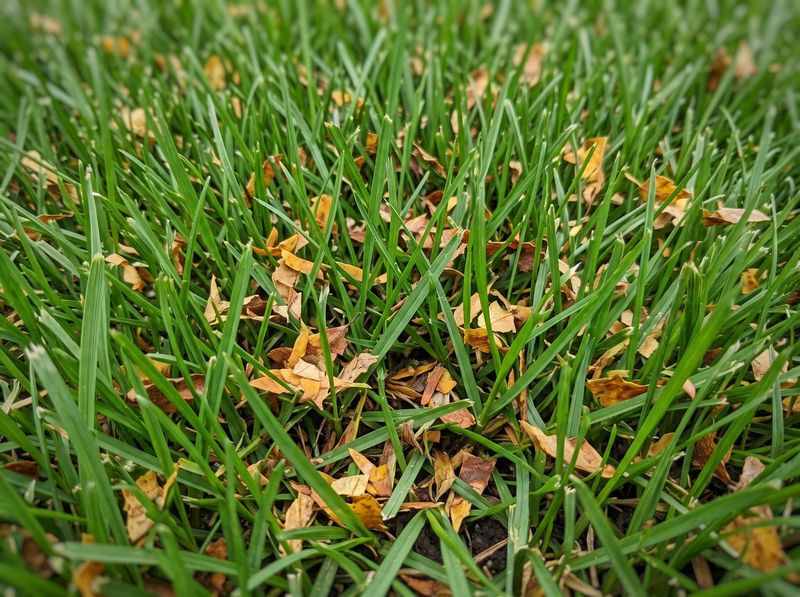
Every fall, I treat fallen leaves like free garden gold. Burning them sends all that organic matter up in smoke, when your yard could put it to work.
Mulching with your mower is the easiest option. Purdue Extension notes that shredding leaves into small pieces and leaving them on the lawn returns nutrients to the soil without smothering the grass, as long as the layer isn’t too thick.
Composting comes next. Mix shredded leaves with green material like grass clippings or kitchen scraps, keep the pile damp, and turn it now and then.
By spring, you’ll have dark, crumbly compost for vegetable beds and flower borders. Leaf mold, made from leaves alone, takes longer but makes a wonderful soil conditioner.
You can also rake leaves onto garden beds as winter mulch. Many native bees, moths, and fireflies overwinter in leaf litter, so leaving some in place helps local wildlife.
Most Indiana towns also offer curbside leaf pickup or yard waste drop-off sites each fall. Check your city website for dates and rules.
Share these ideas with your neighbor too. Clean air, happier gardens, and fewer fence-line arguments make a pretty nice trade for skipping the match.