9 Things Arizona Gardeners Are Thankful They Did in the Yard This Fall
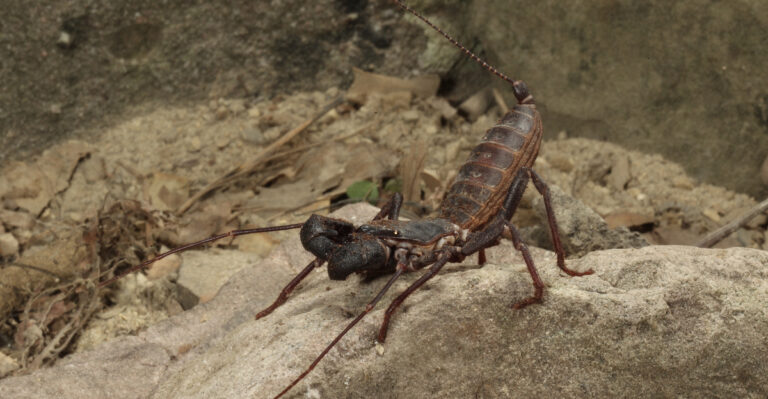
Bark scorpions glow an eerie blue-green under a blacklight, and they love the clutter we leave around our yards. In the low desert, October also brings the first evenings cool enough to enjoy working outside again.
Arizona gardeners know this window is short, since the soil stays warm while the air finally softens. Seeds sprout faster and roots settle in quickly, and migrating hummingbirds seem to notice every new bloom.
I have to admit that my best spring yards started with a few easy autumn afternoons and a shovel. You might notice that the happiest gardeners on your street did their real work while everyone else waited.
So which fall chores actually paid off, and which ones made the yard work harder for the family? The answers include a few habits I wish I had started years ago in my own Arizona backyard.
1. Sowing Mexican Gold Poppy Seeds For Spring
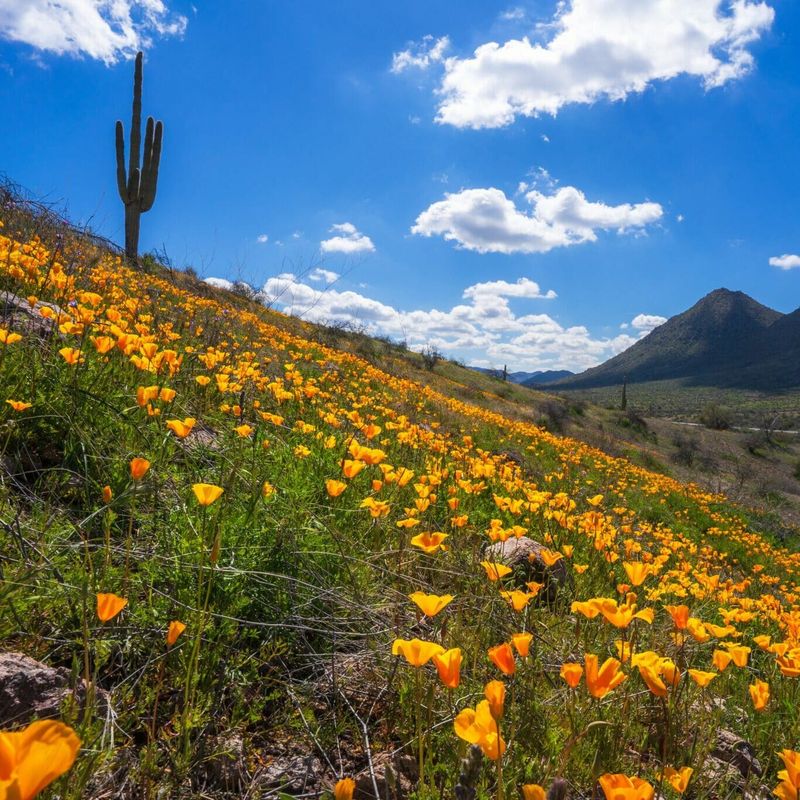
Mexican gold poppies can turn bare desert hillsides into glowing orange carpets after a decent winter rain season. I love how a handful of tiny seeds scattered in October can deliver that same show at home.
These poppies, known as Eschscholzia californica subsp. mexicana, are cool-season annuals native to the Sonoran Desert. They germinate when fall and winter rains arrive, then bloom from late winter into early spring.
You need to rake the soil surface lightly before sowing, because seeds need good contact with the ground to sprout. Skip burying them deeply, since a light dusting of soil or gentle raking is usually plenty.
Water the area gently if rain stays scarce, keeping the soil lightly moist until seedlings show their feathery blue-green leaves. Birds sometimes snack on the seeds, so scattering a little extra helps make up for the losses.
Native bees visit the cupped blossoms often, which makes the patch feel alive on sunny spring mornings. Personally, I mix in lupine and desert bluebells for a cheerful color combo that looks wild and natural.
2. Planting Kale And Lettuce In Warm Fall Soil

Leafy greens growing in the desert might sound backward, yet October is when low desert vegetable beds really wake up. Warm soil pushes seeds to sprout quickly, while cooler nights keep tender leaves sweet and crisp.
Kale, Swiss chard, and lettuce all fit nicely into fall plantings across Phoenix and Tucson area gardens. Carrots and radishes join the lineup too, along with cilantro, which bolts fast once spring heat returns.
I believe the biggest win is skipping the summer struggle, since these crops grow happily with far less water stress. You can often harvest outer kale leaves for months, picking a few at a time for dinner.
Plant seeds about a quarter inch deep and keep the top layer of soil moist until seedlings appear. Shade cloth can help during a stubborn warm spell, especially in early October when afternoons still run hot.
Watch for cabbage loopers chewing holes in kale, and pick them off by hand when you spot them. Hard frosts are uncommon in the low desert, though covering young lettuce on chilly nights is a smart habit.
3. Mixing Compost Into Hard Desert Soil
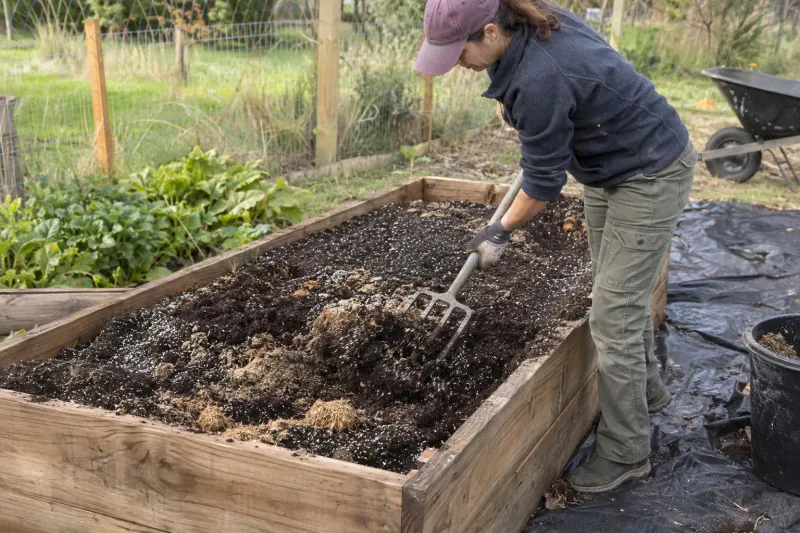
Desert soil can feel like baked pottery, and some of us have bent a shovel proving that point. Compost changes the whole story, turning that pale crust into something roots can actually explore.
Most low desert soils are alkaline and very low in organic matter, which makes nutrients harder for plants to use. Mixing in compost improves structure, helping sandy soils hold water while clay soils drain a little better.
Fall is a smart time for this job, because cooler weather makes digging bearable and microbes stay active longer. I like spreading two or three inches of compost over vegetable beds, then working it into the top layer.
Shredded leaves and aged manure work well too, though fresh manure can be salty and may burn tender roots. Let amended beds settle for a week or so before planting, especially if the manure seems questionable.
Native shrubs and cacti rarely need this treatment, since they evolved in lean soil and prefer it that way. Save your compost for vegetables and flower beds, where the rich mix pays off with stronger growth.
4. Tuning Up The Drip Irrigation System
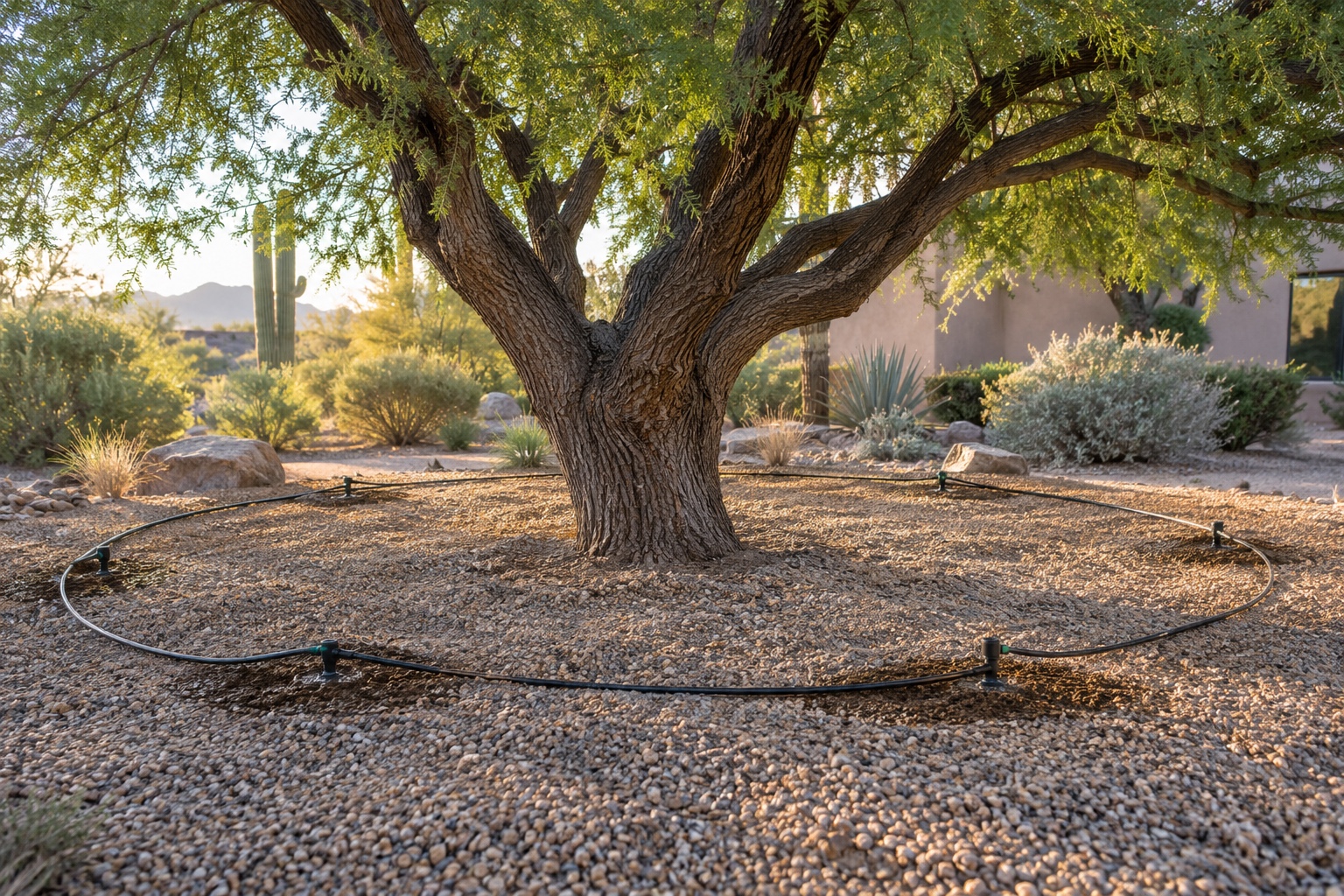
A single leaky emitter can quietly waste gallons every week, and most of us only notice when a plant looks sad. October gives you comfortable weather to walk the lines and fix those sneaky problems.
Drip systems deliver water right to the root zone, which cuts evaporation compared with sprinklers spraying across hot gravel. Pressure-compensating emitters help each plant receive steady flow, even on long runs or gently sloped yards.
Start by running each zone and checking for geysers, clogged emitters, or puddles that hint at a split line. Move emitters outward as shrubs and trees grow, because their feeder roots spread well beyond the trunk.
What surprises me most is how much less water many plants need once summer heat finally fades. Adjust your controller for fall, and plan to cut watering again when winter arrives and growth slows down.
Local water agencies, including Water Use It Wisely, share seasonal watering guides for desert landscapes. I keep one taped inside my garage, and it has saved my plants from both thirst and soggy roots.
5. Spreading Mulch Over Garden Beds
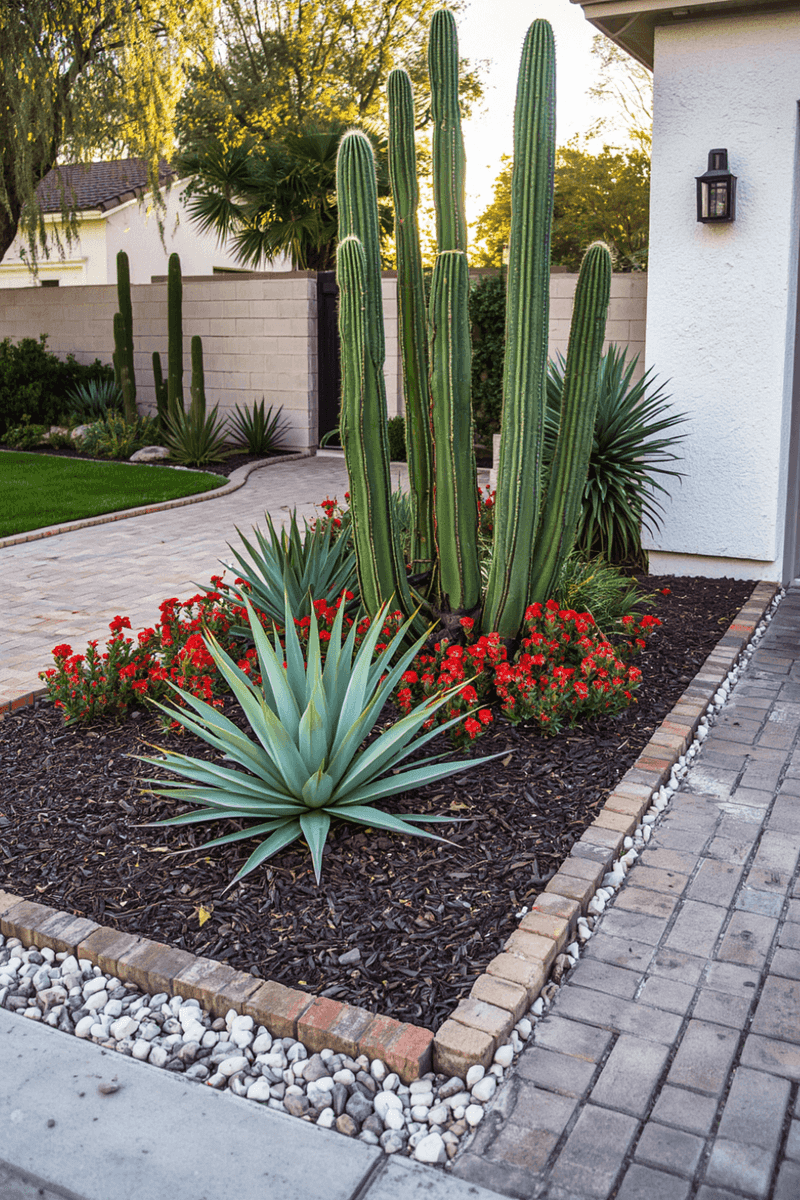
Bare soil in the desert loses moisture almost as fast as you can pour it on. A blanket of mulch acts like a sun hat for roots, keeping them cooler and noticeably calmer.
Organic mulches such as shredded bark, straw, or wood chips work well spread about two to four inches deep. Keep the layer pulled back a few inches from stems and trunks to discourage rot and gnawing pests.
I like how mulch smooths out temperature swings, which matters when October afternoons still feel warm and nights turn crisp. It also reduces weeds, so you spend less time kneeling in the dirt pulling stubborn sprouts.
Over months, organic mulch breaks down and feeds soil life, adding the organic matter desert ground badly lacks. Vegetable beds benefit most, though fruit trees and roses respond nicely to a fresh layer too.
One caution matters for scorpion country, because thick piles of wood mulch right against the house can shelter critters. Keep mulched beds a short distance from foundations and walls, and you get the benefits with fewer surprises.
6. Planting Penstemon And Desert Marigold
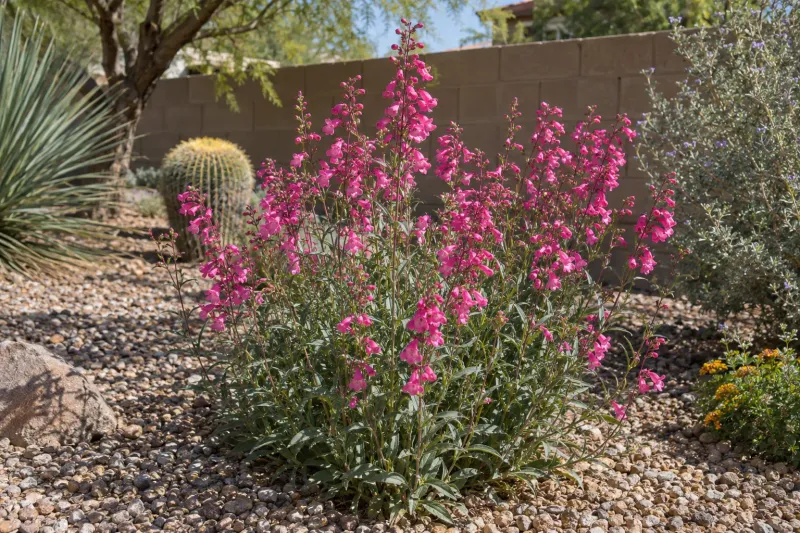
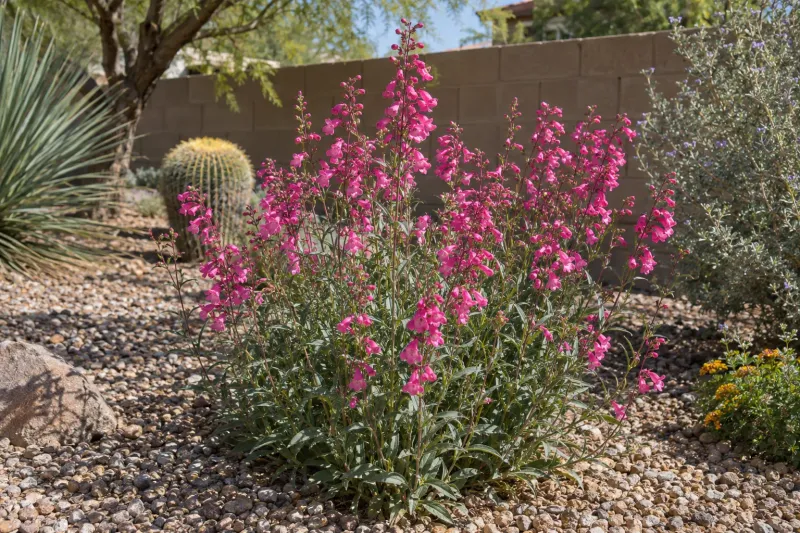
Parry’s penstemon sends up tall pink spikes in spring that hummingbirds treat like a personal snack bar. Getting it in the ground this fall gives those roots months to settle before the heat returns.
Fall planting is a favorite tip from desert nurseries, since roots keep growing in warm soil while tops face little stress. Plants set out now usually handle their first summer far better than spring transplants do.
Desert marigold, Baileya multiradiata, makes a great partner with its silvery leaves and cheerful yellow daisies. It blooms for long stretches and reseeds politely, filling bare gaps without becoming a weedy headache.
Both natives prefer full sun and excellent drainage, so skip rich amendments and avoid heavy watering once they establish. Too much water often shortens their lives, which surprises gardeners used to pampering thirstier flowers.
Brittlebush is another tough native worth considering, though frost can nip its leaves in colder spots. Personally, I enjoy how these plants bring butterflies and native bees without asking for much in return.
7. Building A Brush Pile Away From The House
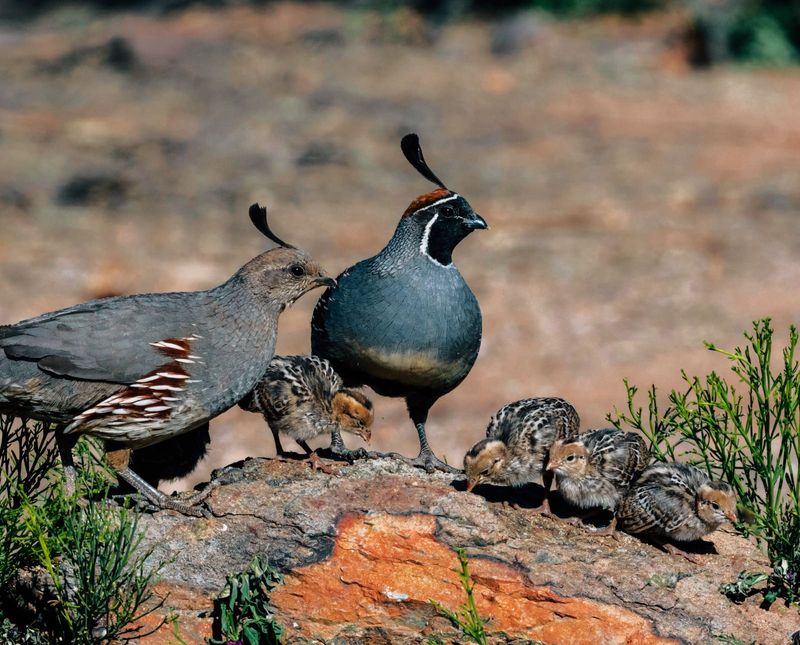
Gambel’s quail dart for cover the moment a hawk circles overhead, and a brush pile gives them somewhere to go. Those trimmed branches from fall pruning can become a busy little wildlife hideout instead of trash.
Build the base from larger logs crisscrossed loosely, then layer smaller branches on top for a sturdy, airy structure. Gaps inside matter, because birds, lizards, and small mammals need room to slip in and rest.
Placement is the real secret, since you want the pile far from your house, patio, and kids’ play areas. Brush piles can shelter scorpions, rodents, and occasionally snakes, so a back corner works much better than a side yard.
I believe this trade-off pays off for gardeners with larger lots and a soft spot for desert critters. Smaller urban yards may skip the pile and plant a dense native shrub for cover instead.
Check local fire guidance before stacking anything, especially if you live near wildland edges in higher elevations. Keep the pile modest in size and away from structures, fences, and anything that could catch a spark.
8. Clearing Clutter Where Scorpions Hide
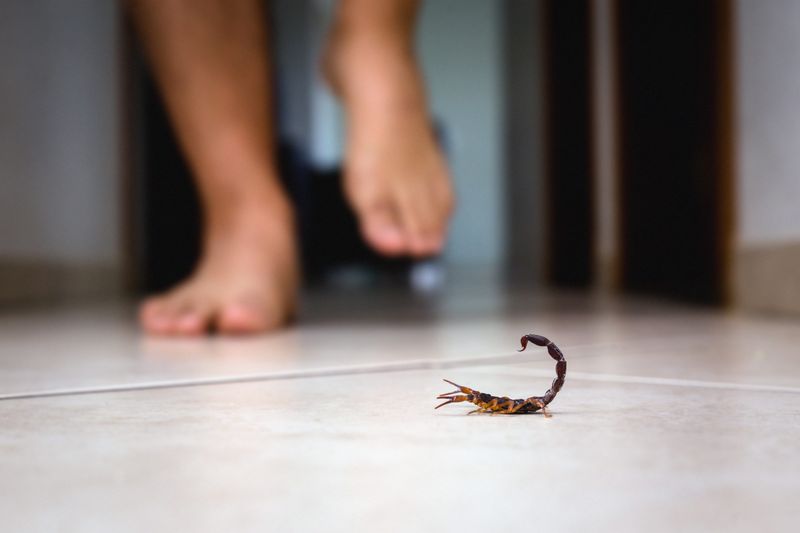
Arizona bark scorpions can squeeze through a crack about as thin as a credit card, according to pest experts. Fall cleanup is your chance to make the yard much less welcoming before they look for winter shelter.
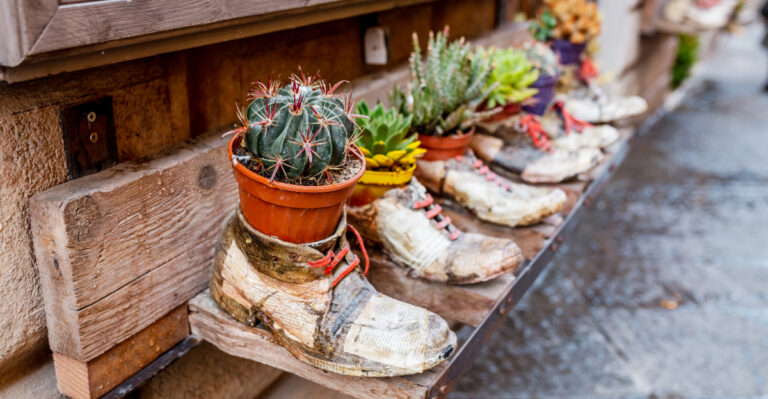
Scorpions hide under rocks, boards, stacked pots, and leaf litter, especially near walls and foundations. Moving firewood, lumber, and clutter well away from the house reduces the cozy daytime hiding spots they favor.
Trim shrubs and vines that touch the roof or walls, since bark scorpions climb surprisingly well. Seal gaps around doors and weep screeds too, which helps keep curious visitors outside where they belong.
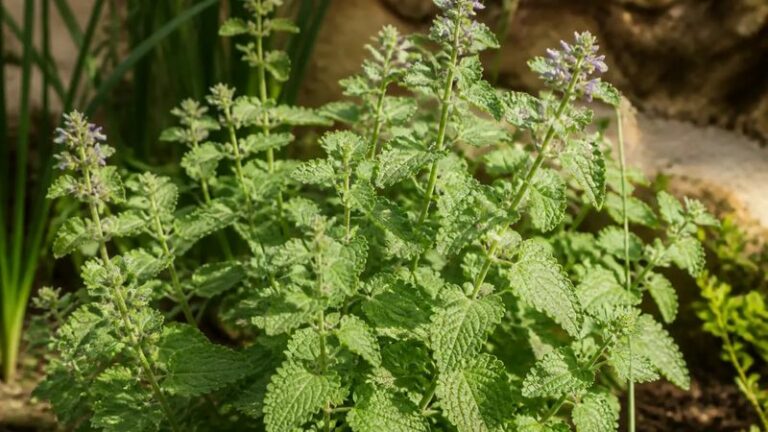
You might hear that lavender, mint, or marigolds repel scorpions, but the scientific evidence for that claim is thin. I still enjoy fragrant herbs, though I count on tidy habits rather than plants to manage these pests.
A blacklight walk after dark shows where scorpions gather, and the eerie glow is honestly fascinating. Wear gloves and shoes during cleanup, and call a professional if you find large numbers around your home.
9. Adding Fall Blooms For Hungry Hummingbirds
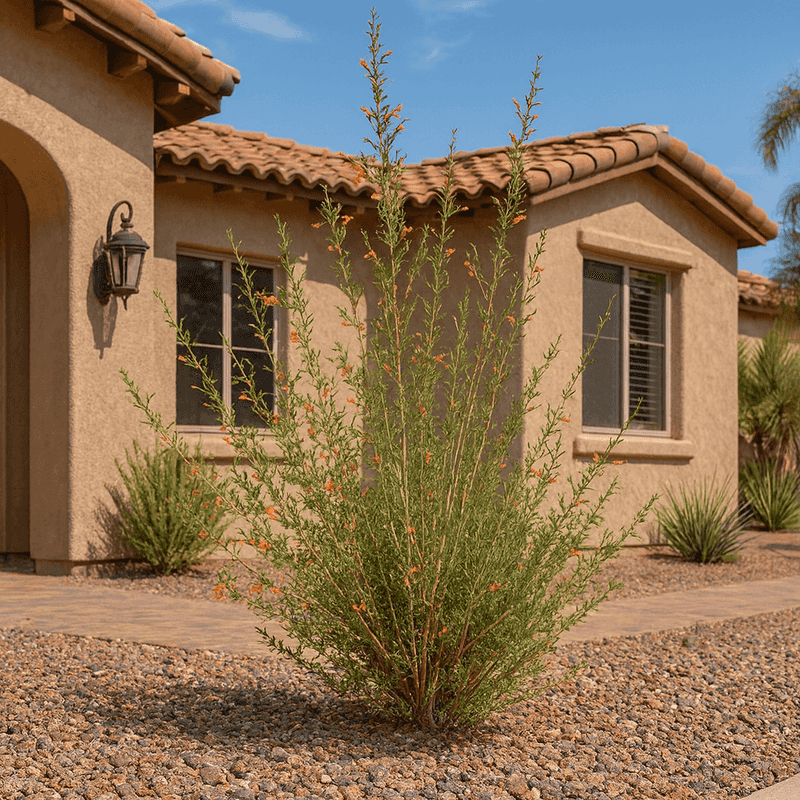
Hummingbirds passing through the desert in fall burn energy at a dizzying pace and need nectar stops along the way. Desert honeysuckle, Anisacanthus quadrifidus var. wrightii, answers that need with bright orange tubular flowers.
It often blooms from summer into fall, and I love watching hummingbirds zip between branches during cooler mornings. The shrub handles heat and reflected sun well, though occasional deep watering keeps flowers coming longer.
Desert zinnia and blackfoot daisy are low-growing natives that add white and yellow blooms near the ground. Bees and small butterflies visit them often, giving pollinators food when many summer flowers have faded.
Planting these perennials now lets roots grow during mild weather, so they bloom stronger next season. Group them in a sunny spot near a window, and you get front-row seats to the action.
Skip pesticides around these plants, since hummingbirds eat many tiny insects alongside their nectar. Personally, I think a yard buzzing with wings makes every bit of fall effort feel worth it.