8 Easy Ways To Protect Dahlias From Frost In Michigan
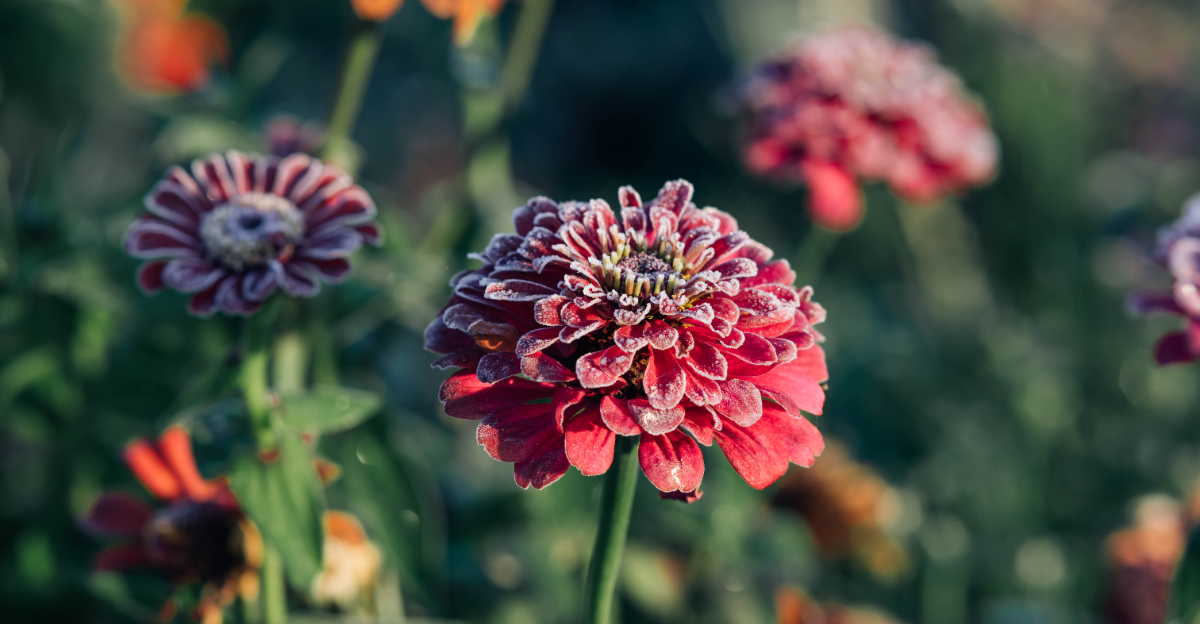
A sudden drop in temperature can catch gardeners off guard, but a little preparation can keep your flowers shining bright deep into the season.
In Michigan, where early frost can arrive with little warning, dahlias need extra attention to stay healthy and continue producing their bold, colorful blooms.
These striking flowers thrive in warm conditions, yet a few simple steps can help protect them when chilly nights approach.
Covering plants, managing moisture carefully, and choosing sheltered locations all play an important role in keeping dahlias strong and vibrant.
Michigan gardeners who stay alert to changing weather often enjoy longer blooming periods and healthier plants well into the cooler weeks.
With thoughtful care and timely action, your garden can remain full of color and beauty even as temperatures begin to fall.
Discover how the right protective techniques can help your Michigan dahlias grow sturdier, bloom longer, and maintain their stunning presence in your landscape.
1. Cover Plants With Blankets Or Sheets
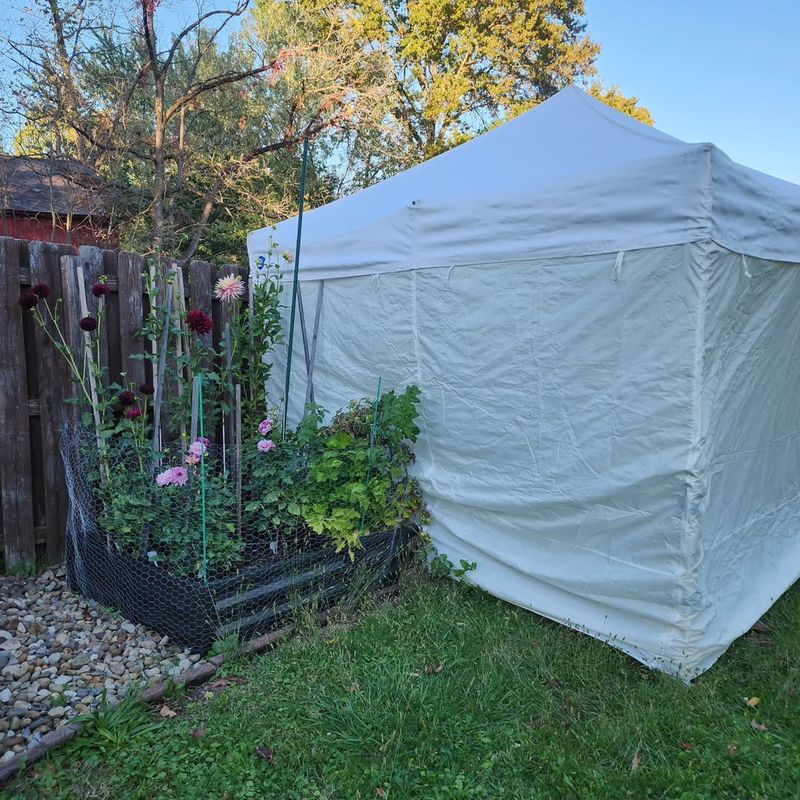
When temperatures begin to dip unexpectedly, something as simple as an old bedsheet can make a meaningful difference in protecting your dahlias.
Many Michigan gardeners rely on this easy method during early autumn, when cool nights can arrive faster than expected.
As evening approaches and frost becomes possible, gently drape lightweight sheets or blankets over your dahlia plants, making sure the fabric reaches all the way to the ground.
This creates a protective pocket that traps warmth rising from the soil, helping shield tender growth from sudden cold.
In Michigan, September and October nights can swing from mild to chilly quickly, making preparation especially important.
In the morning, once sunlight returns and temperatures begin to rise, carefully remove the covers so plants can receive fresh air and natural light.
Avoid using plastic directly on foliage, since it can trap moisture and intensify cold exposure rather than protect against it.
This simple, reusable solution offers dependable overnight protection while allowing your dahlias to continue growing comfortably through Michigan’s unpredictable early fall weather patterns.
2. Apply Thick Mulch Around The Base
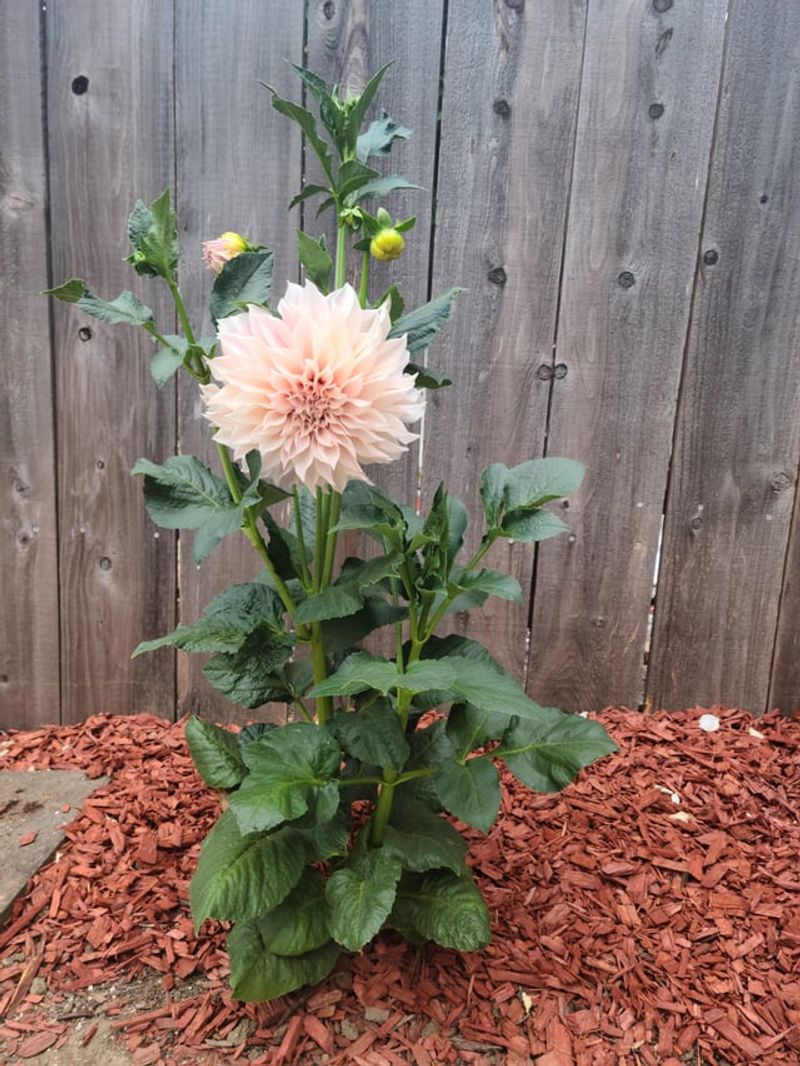
Applying a thick layer of mulch around your dahlias creates a natural insulating barrier that helps maintain stable soil temperature as colder weather approaches.
In many Michigan gardens, where fall nights can turn crisp quickly, this method provides reliable protection for delicate underground tubers.
Spread organic mulch such as straw, shredded leaves, or bark about four to six inches deep in a wide circle around each plant, leaving a small gap near the stems to prevent excess moisture buildup.
This layer acts like a blanket for the soil, trapping warmth below the surface and slowing temperature changes overnight.
As a result, roots remain more stable and protected from sudden chills.
Many Michigan gardeners favor this approach because it is simple, affordable, and effective throughout the season.
Over time, the mulch gradually breaks down, enriching the soil with organic matter and improving its structure.
Beyond protection, this added layer helps retain moisture and reduces weed growth, supporting healthier plants overall.
With consistent use, mulch becomes an essential part of fall garden care, helping dahlias remain strong and resilient as Michigan’s cooler weather settles in.
Your Michigan Garden Changes Every Week. Your Plan Should Too.
Gardening in Michigan changes quickly throughout the season. Every Friday you’ll receive a simple weekly plan showing exactly what to plant, prune, fertilize, harvest, and protect so you never miss the right timing.
3. Water Plants Before A Frost
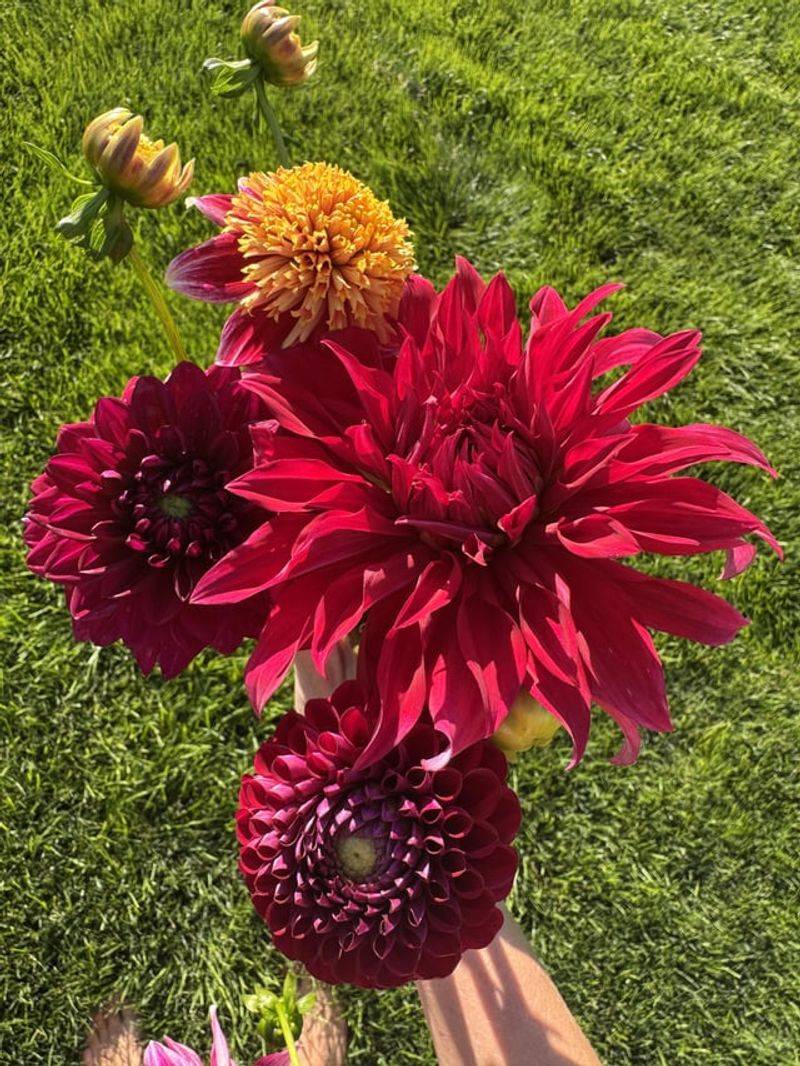
Watering your dahlias before a predicted frost may seem surprising, yet moist soil actually holds warmth better than dry soil.
In Michigan gardens, where overnight temperatures can drop quickly during fall, this simple step can help protect plant roots from sudden cold.
Water your dahlias thoroughly during the day, allowing moisture to soak deep into the soil while avoiding contact with leaves.
As evening temperatures fall, the water stored in the soil slowly releases heat, creating a slightly warmer environment around the root zone.
This gentle warmth helps buffer plants against sudden temperature changes.
Many Michigan gardeners rely on this technique during unexpected cold snaps, finding that well hydrated soil often improves plant resilience.
Timing is important, so water early enough for the surface to absorb moisture without remaining soggy by nightfall.
Balanced soil moisture also supports healthy root function and overall plant strength.
When combined with other protective methods, this simple watering practice can make a noticeable difference, helping your dahlias remain stable and supported through Michigan’s unpredictable autumn temperature swings.
4. Move Container Dahlias Indoors
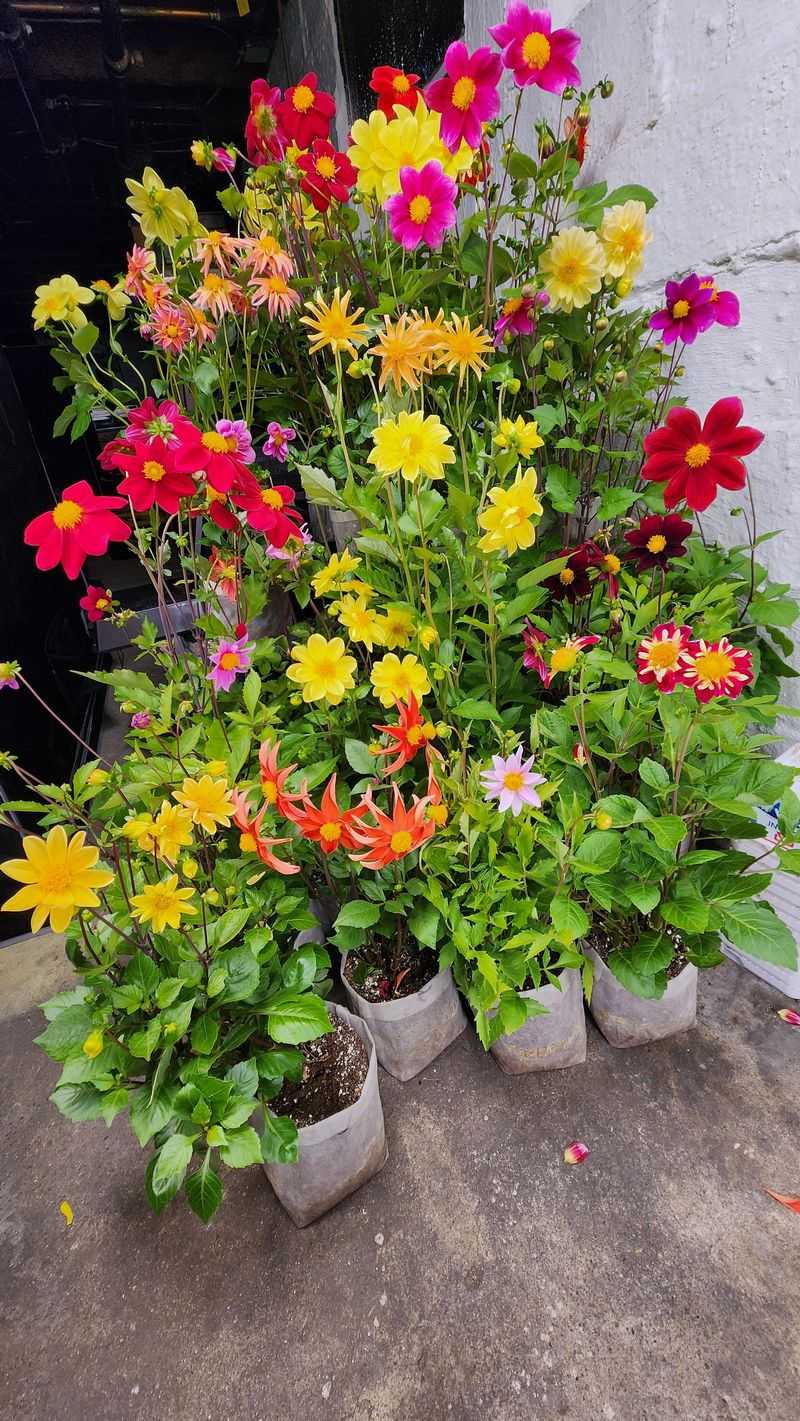
Dahlias growing in containers offer one major advantage when cold weather approaches, since they can be easily moved to safer locations.
In Michigan, where frost warnings can appear quickly during fall, relocating potted plants becomes one of the simplest and most reliable protection methods.
Before nighttime temperatures drop too far, move containers into a garage, basement, or covered porch where conditions remain cool but safely above freezing.
Container plants are more vulnerable than those in the ground because their roots lack the natural insulation of surrounding soil.
A sheltered indoor space helps maintain stable temperatures while preventing exposure to frost.
Keep plants in a bright but cool location and avoid overwatering while they rest.
Once outdoor temperatures rise again and frost risk passes, containers can be returned outside to continue growing naturally.
Many Michigan gardeners appreciate this flexible option because it requires little effort while offering dependable protection.
Over time, moving container dahlias indoors during cold spells becomes a simple routine that helps preserve healthy roots and supports continued growth throughout Michigan’s changing fall weather.
5. Install Temporary Cold Frames
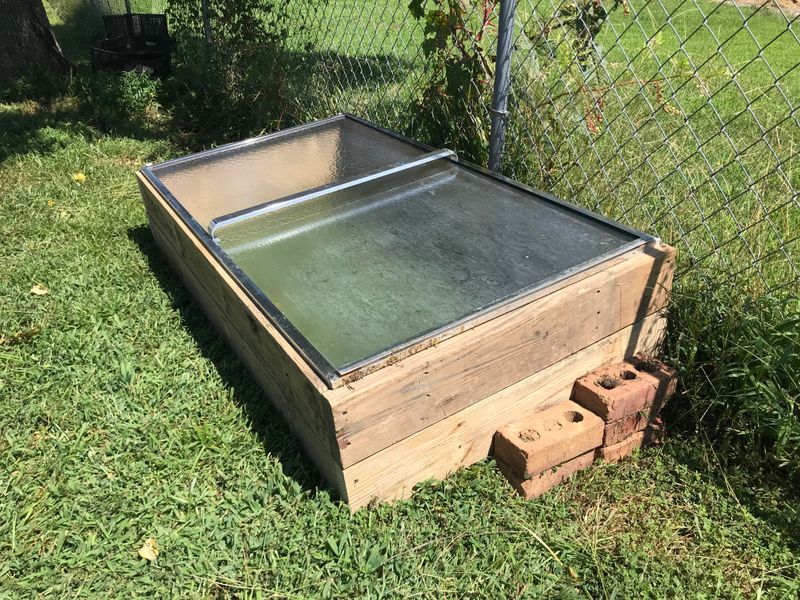
Temporary cold frames create a sheltered environment that helps dahlias stay protected as temperatures begin to fall.
These simple structures act like miniature greenhouses, trapping warmth from the soil while shielding plants from chilly winds common during autumn in Michigan.
A cold frame usually consists of a low, box shaped structure with a clear top that allows sunlight to enter while holding heat inside.
Many Michigan gardeners build their own using recycled windows and wood, though ready made versions are also widely available.
Position the cold frame over your dahlia bed before sunset so warmth can build gradually throughout the evening.
During sunny days, opening the top slightly prevents overheating and allows fresh air circulation.
This balance keeps plants comfortable while protecting them from sudden temperature drops.
Cold frames are reusable year after year, making them a practical and long lasting garden solution.
Over time, they become an essential part of seasonal plant care, helping dahlias remain stable, protected, and healthy as Michigan transitions from mild autumn days into cooler nights.
6. Dig Up And Store Tubers

When the first hard frost arrives, preparing dahlia tubers for winter storage becomes an important step for gardeners across Michigan.
After cold weather darkens the foliage, carefully lift the tubers from the soil using a garden fork, taking care not to damage their structure.
Shake away excess soil and allow the tubers to dry in a sheltered, well ventilated space for several days.
This drying period helps prevent excess moisture during storage.
Once ready, place tubers in boxes filled with peat moss, sawdust, or another breathable material that maintains gentle dryness.
Store the boxes in a cool, dark basement where temperatures remain steady, ideally between forty and fifty degrees.
Many Michigan gardeners follow this method each year to preserve strong, healthy tubers through winter.
Periodically check stored tubers to ensure they remain firm and balanced.
When spring returns and soil begins to warm, tubers can be replanted for another vibrant growing season.
Proper storage allows dahlias to thrive year after year, even through Michigan’s long and chilly winters.
7. Use Frost Protection Fabric
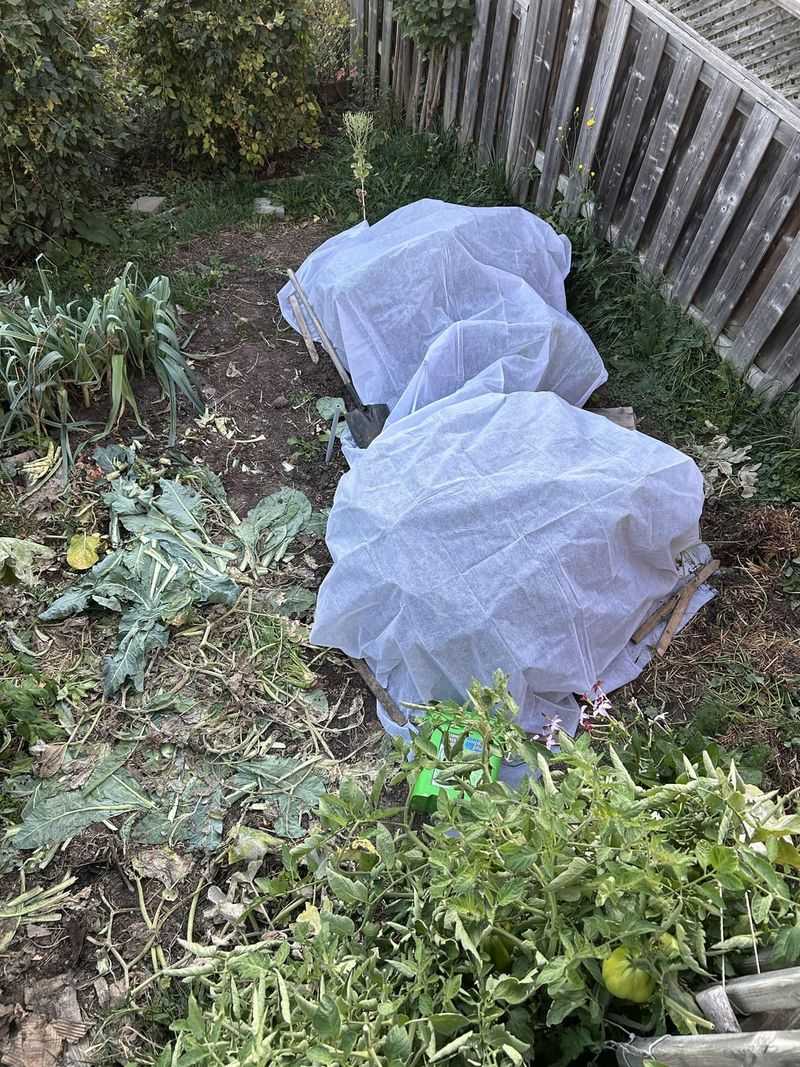
Frost protection fabric provides a lightweight yet effective shield that helps dahlias stay protected when temperatures begin to fall.
This specialized garden material allows light and moisture to pass through while trapping gentle warmth around plants, creating a stable environment during chilly Michigan nights.
Unlike ordinary fabric, frost cloth is designed specifically for plant protection and can be reused many times throughout the season.
When frost is forecast, drape the material loosely over your dahlias, allowing space for airflow while covering foliage completely.
Secure the edges with small stakes, stones, or soil to prevent wind from lifting the fabric overnight.
Many Michigan gardeners rely on frost cloth because it offers dependable protection without blocking sunlight during the day.
It also reduces sudden temperature swings that can stress plants.
Over time, this simple protective layer becomes a trusted tool for extending the growing season and helping dahlias remain healthy, stable, and vibrant as Michigan’s autumn temperatures gradually cool.
8. Create Windbreaks With Barriers
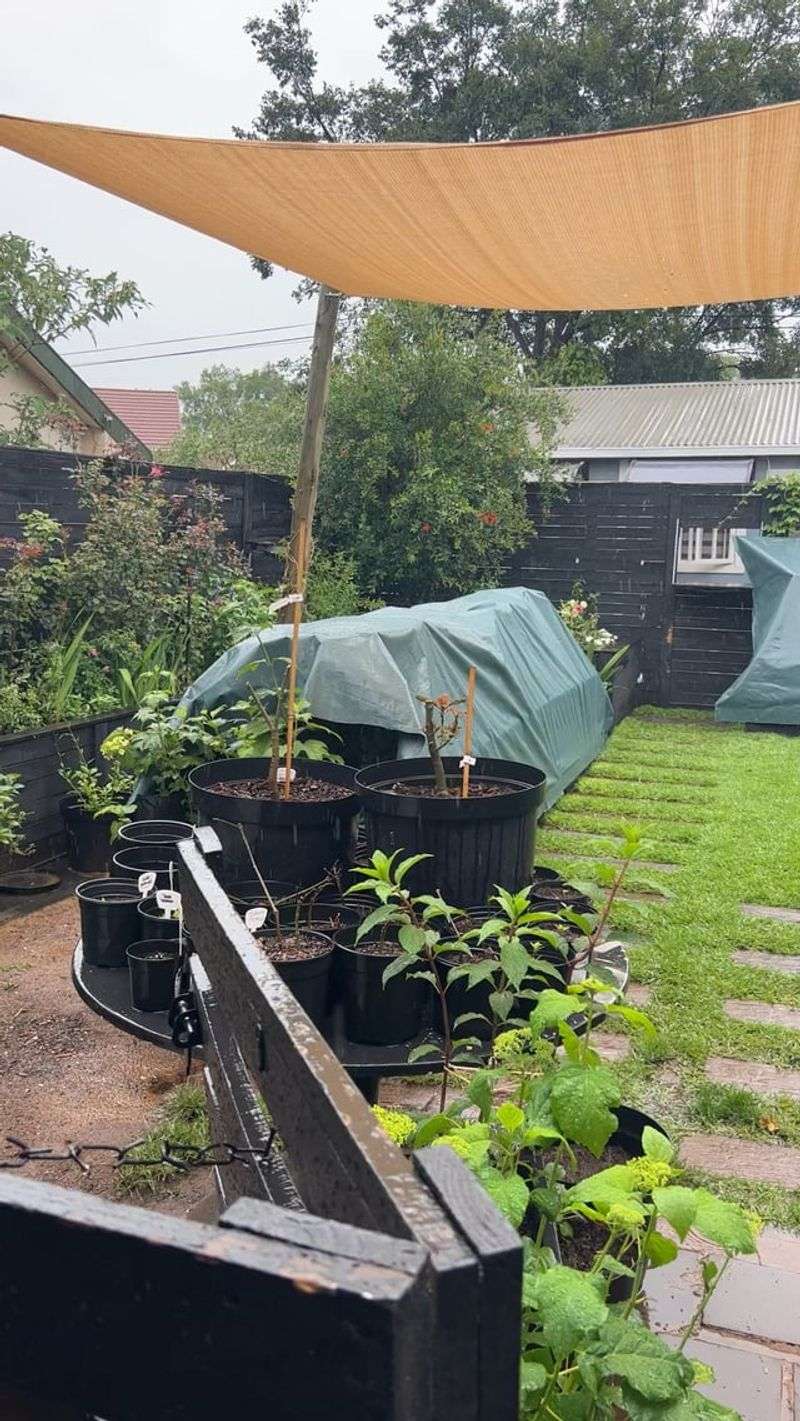
Cold winds can intensify frost conditions by stripping away the thin layer of warmth surrounding plants.
Creating temporary windbreaks helps reduce this effect and protects dahlias from sudden exposure to chilling air.
In Michigan, where open landscapes often allow wind to move freely, simple barriers can make a noticeable difference.
Stakes and burlap, wooden boards, or even hay bales can be positioned on the side where wind most frequently arrives.
These barriers slow airflow and create a calmer microclimate that helps maintain slightly warmer conditions around plants.
Position windbreaks a short distance away so they do not block sunlight during the day.
Many Michigan gardeners use this method alongside other protective steps for added security during colder nights.
Over time, reducing wind exposure helps stabilize plant temperature, minimize stress, and support healthier growth.
This simple approach provides dependable seasonal protection while preserving the strength and beauty of your dahlias throughout Michigan’s changing autumn weather.