9 Simple Ways To Protect Orchids This Winter In Michigan

My favorite windowsill flower descends from plants clinging to tree bark in steamy forests of the Philippines and nearby islands. Now that same tropical beauty sits beside my kitchen window while Michigan snow piles up against the glass.
Its thick roots wear a silvery coating called velamen that soaks up moisture from humid jungle air. Heated homes in January can feel drier than some deserts, which leaves those clever roots thirsty and confused.
I have to admit my first winter with one of these plants ended with a pile of dropped buds. You might notice the same sad drop if your pot sits near a drafty door or a blasting vent.
Small tweaks turned my sulking plant into a bloom machine, and the fixes cost almost nothing. Could your windowsill become the brightest spot in Michigan this winter with a few easy changes?
1. Keep Moth Orchids Away From Frosty Window Glass
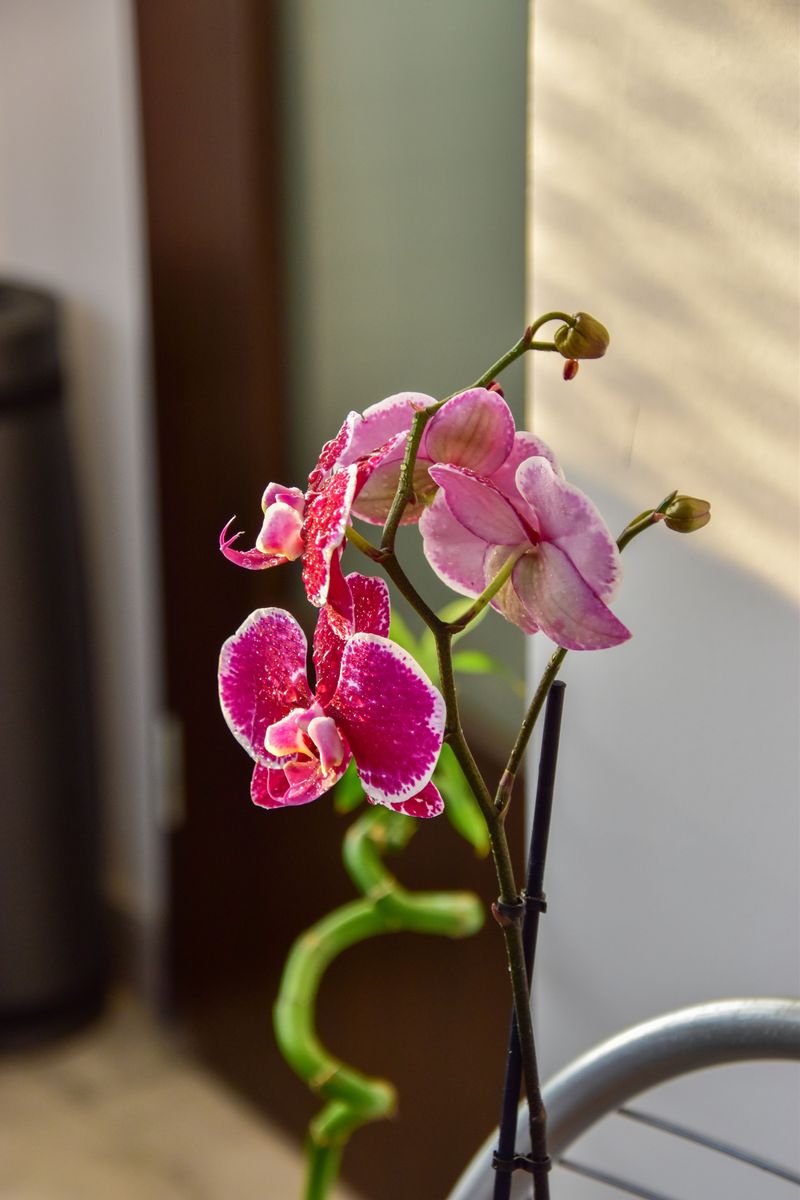
Glass on a January night can feel like an ice pack pressed against your orchid’s tender leaves. I once touched my kitchen pane at dawn and pulled my hand back fast, surprised by the chill.
Moth orchids, known as Phalaenopsis, come from warm forests and prefer nighttime temperatures that stay above 60 degrees. Leaves pressed against frosty glass can develop sunken, watery patches that later turn brown and crispy at the edges.
My easy fix is sliding pots back about six inches from the window once the sun goes down. That small gap creates a buffer of warmer room air without robbing the plant of daytime light.
Closing curtains or blinds in the evening adds another layer, trapping heat inside where your plants can enjoy it. Just remember to open them again each morning so the leaves can soak up every bit of winter sun.
Some growers tape a sheet of bubble wrap to the glass, which works like a cheap storm window. Light still passes through, so your orchid keeps its sunny view while the coldest air stays on the outside.
A cheap digital thermometer with a minimum reading tells you how cold the sill really gets overnight. If it dips below 55 degrees, I move the pot to a table farther inside the room.
Michigan cold snaps can drop overnight lows below zero, and windowsills feel that sudden plunge first. A little nightly shuffle keeps your plant comfortable until the warmer days of spring finally arrive.
2. Steer Orchid Leaves Clear Of Hot Heating Vents
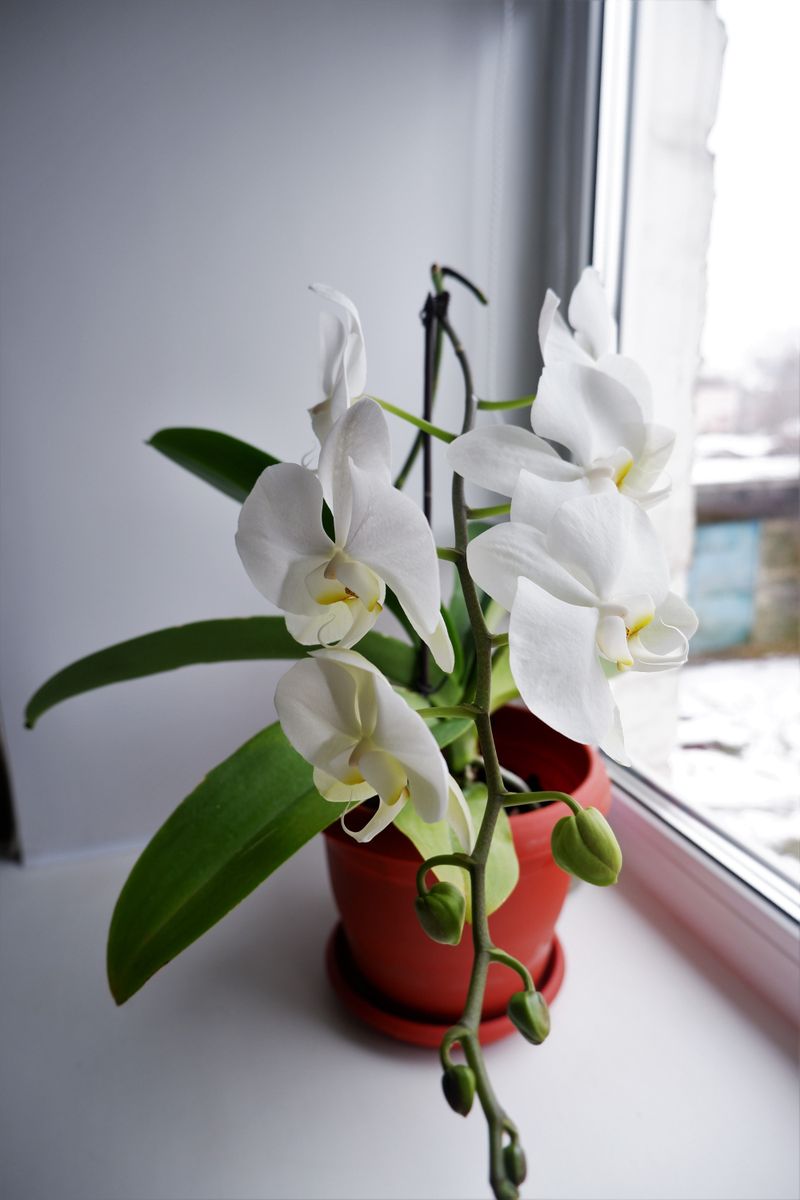
Furnaces kick on constantly during a northern winter, and that cozy blast feels like a hair dryer to orchids. I learned this after parking a gorgeous white bloomer above a floor register for a single week.
Hot, moving air pulls moisture out of leaves and flowers far faster than the roots can replace it. Buds often shrivel and drop before opening, a frustrating problem many orchid growers simply call bud blast.
Walk around your home and hold your hand near each vent to feel where the warm air travels. You might be surprised how far a strong current reaches across a room, especially near the floor.
Keeping pots at least several feet away from registers and radiators gives the plants a calmer setting. Plastic vent deflectors from the hardware store can also redirect airflow upward and away from your shelves.
Space heaters deserve extra caution, since they create a hot zone that can scorch nearby leaves over time. Personally, I keep any heater pointed toward people and my plants parked on the opposite side of the room.
Most moth orchids grow happily with daytime temperatures between about 65 and 80 degrees Fahrenheit indoors. Steady warmth matters more than heat, so aim for an even spot rather than the toastiest one.
Leathery leaves that suddenly look limp or wrinkled are often a clue that dry heat is reaching them. Shifting the pot a few feet usually helps, and new growth should look plump again within weeks.
3. Raise Humidity With A Humidifier And Pebble Trays
Indoor air in a heated house can drop to around 20 percent humidity, which feels downright parched to orchids. Most popular types prefer somewhere between 40 and 70 percent, much closer to their misty forest homes.
I keep a small hygrometer on my plant shelf, and it costs less than a fancy coffee. Watching the number climb after a few simple changes is oddly satisfying on a gray afternoon.
A cool-mist room humidifier is the most reliable way to raise moisture around a whole collection. Clean the tank often, since standing water inside these machines can grow slimy films and mold.
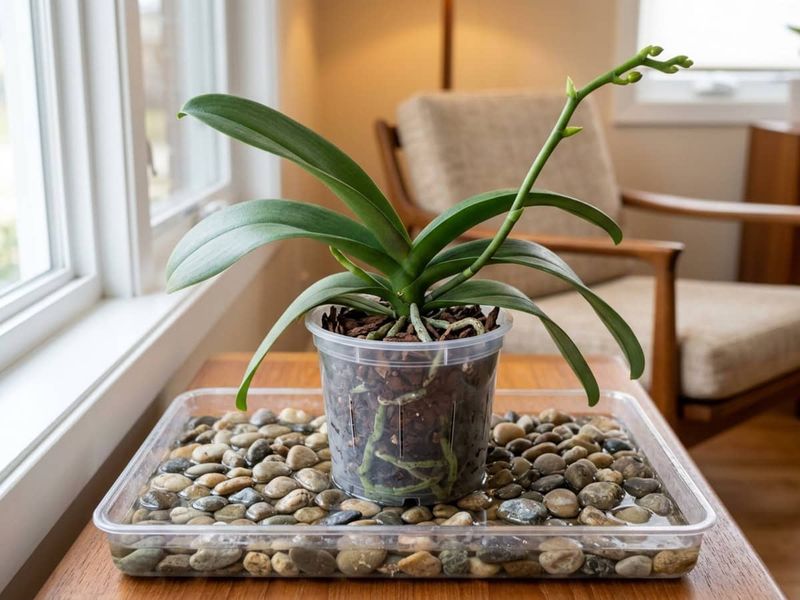
Pebble trays offer a cheaper boost, using a shallow dish of gravel with water poured just below the stones’ tops. Set each pot on top so the roots stay dry while evaporation softens the air nearby.
Grouping plants together helps too, because leaves release moisture and create a slightly damp pocket of air. I love how my little cluster of orchids and ferns looks like a tiny jungle on the windowsill.
Misting feels helpful, but the effect fades within minutes and offers only a brief bump in moisture. If you do mist, skip the crown where leaves meet, because trapped water there can cause rot.
Bathrooms with bright windows can work nicely, since hot showers add steam on a daily basis. Just make sure the room stays warm at night and gets enough light for steady growth.
4. Move Orchids Closer To Bright Winter Windows
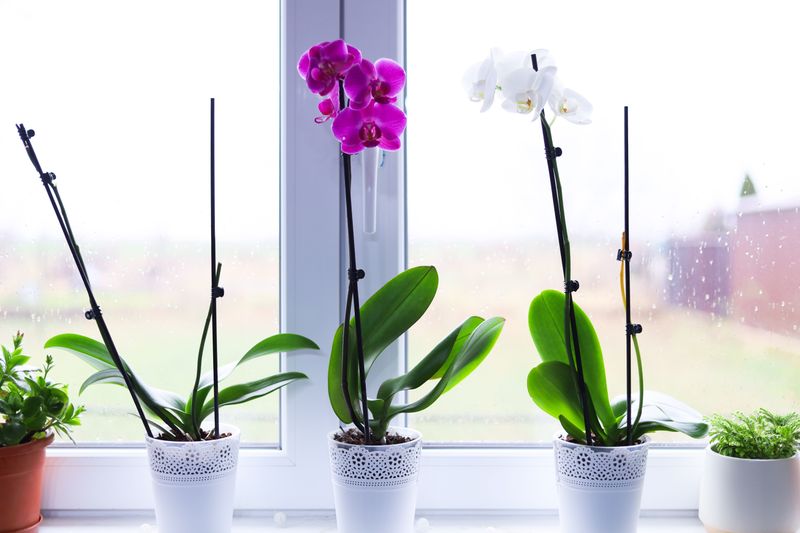
Winter sun in the Great Lakes region rides low and often hides behind thick lake-effect clouds for days. Your orchid notices that gloom, even if the cheerful kitchen lights make the house feel bright to you.
Moth orchids like bright, indirect light, and an east window with soft morning sun suits them beautifully. During the darker months, a south window often works well too, since the weaker rays rarely scorch leaves.
I usually shift my plants closer to the glass in daytime, then slide them back at night. That routine gives them the most light without exposing them to the chilliest hours by the window.
Leaf color offers a handy clue, and a healthy moth orchid usually shows medium olive green foliage. Very dark green leaves often mean the plant wants more light, while yellowish ones suggest too much.
Grow lights can rescue a dim apartment, and affordable LED bars fit neatly under kitchen cabinets or shelves. Many growers run them about 12 to 14 hours each day using an inexpensive outlet timer.
Keep the lights several inches above the leaves, and check for warm spots with your hand. Personally, I find a lit plant shelf brightens my mood on gloomy afternoons just as much as the orchids.
Dusty windows and leaves block more light than you might expect during these short winter days. A quick wipe with a soft, damp cloth gives your plant a noticeable boost of brightness.
5. Water Orchids Less Often With Lukewarm Water
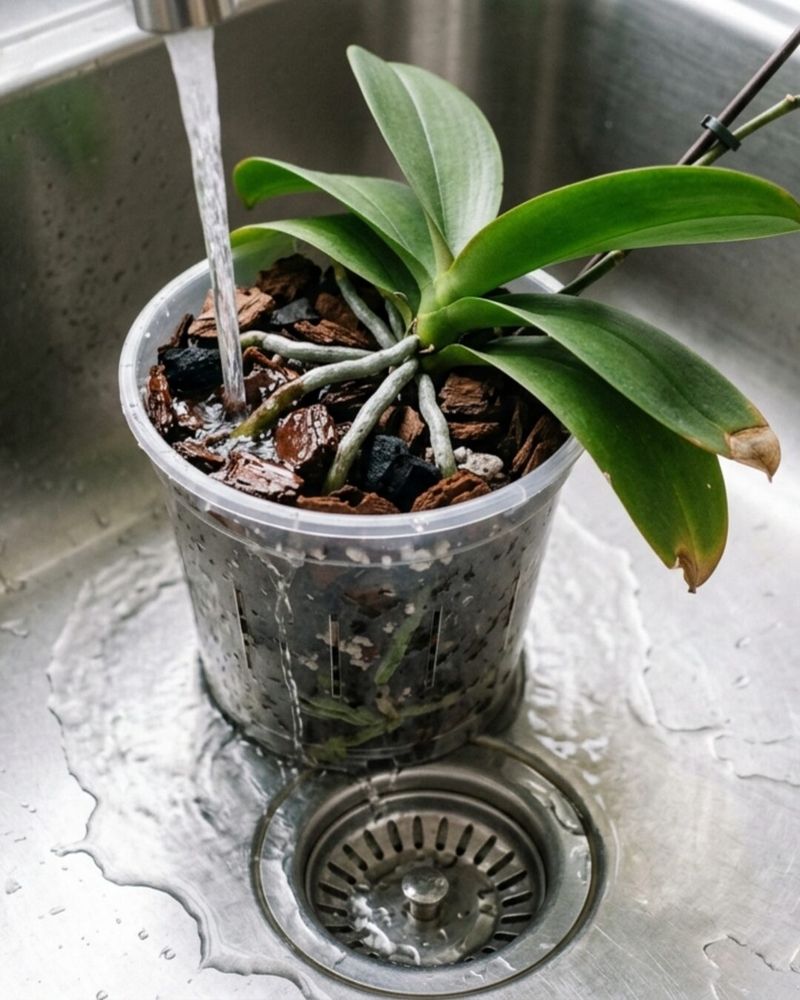
Soggy roots cause more orchid trouble than almost anything else, and winter makes the problem sneakier. Cooler rooms and dimmer light slow growth, so potting bark stays damp much longer than in summer.
Instead of following a strict calendar, I check each pot before reaching for the watering can. Roots that look silvery white are thirsty, while bright green roots tell you to wait a few days.
Lifting the pot works too, since a dry container feels noticeably lighter than one full of moisture. For many moth orchids in bark, watering often lands around every 10 to 14 days in winter.
Lukewarm water is kinder than icy tap water, which can shock tender roots on a frigid morning. Run it through the pot until it drains freely, then dump any extra sitting in the saucer.
Morning is the best time to water, because leaves and crowns have all day to dry off. Water left sitting in the crown overnight can lead to crown rot, a serious problem for moth orchids.
If drops do land in that center spot, dab them away gently with a paper towel. I keep a roll beside my sink just for this, and it has saved several plants over the years.
Ice cube watering tricks are popular online, but many experts prefer a thorough soak with room-temperature water. A full drink flushes out salts and reaches every root, which a melting cube rarely manages.
6. Ease Off Orchid Fertilizer During Slow Growth
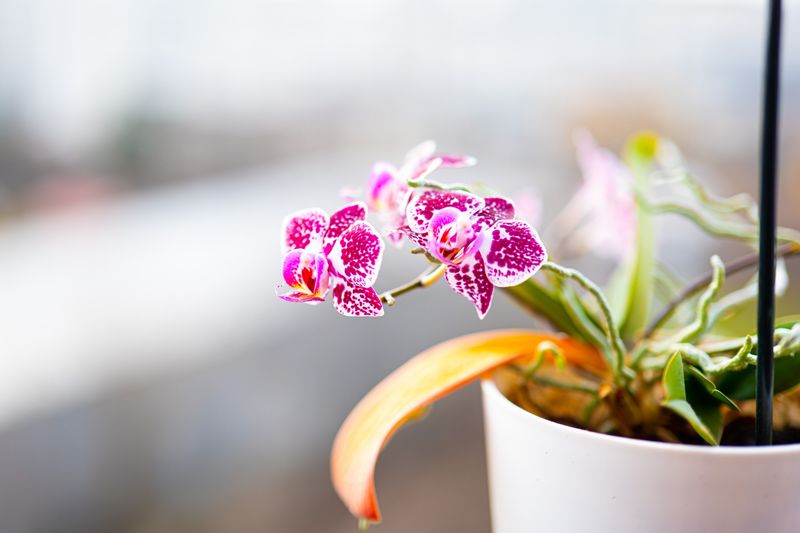
Feeding a resting orchid is a bit like serving a big dinner to someone who just wants a nap. Slower winter growth means the plant uses far fewer nutrients than during the long, bright days of summer.
Extra fertilizer salts build up in the potting mix and can burn root tips over time. You might notice crusty white deposits on the pot rim or brown tips appearing on newer leaves.
Many growers follow the old saying weakly, weekly, using a diluted fertilizer at a fraction of label strength. In winter, I stretch that schedule to every two to four weeks, depending on how active my plants look.
Moth orchids often push flower spikes this time of year, and those plants can handle light feeding. A balanced formula mixed at quarter strength gives them a gentle snack without overwhelming the roots.
Water the pot with plain water first, because fertilizer on dry roots is far more likely to burn. Then pour the diluted mix through and let the extra drain away freely into the sink.
Once a month, I flush each pot with plenty of clear water to rinse away leftover salts. Rainwater or distilled water works nicely if your Michigan tap water is especially hard and mineral rich.
Holding back on plant food feels strange to eager gardeners, but patience really pays off with orchids. When longer days return in spring, you can slowly resume a regular feeding routine as growth picks up.
7. Use A Small Fan For Gentle Orchid Airflow
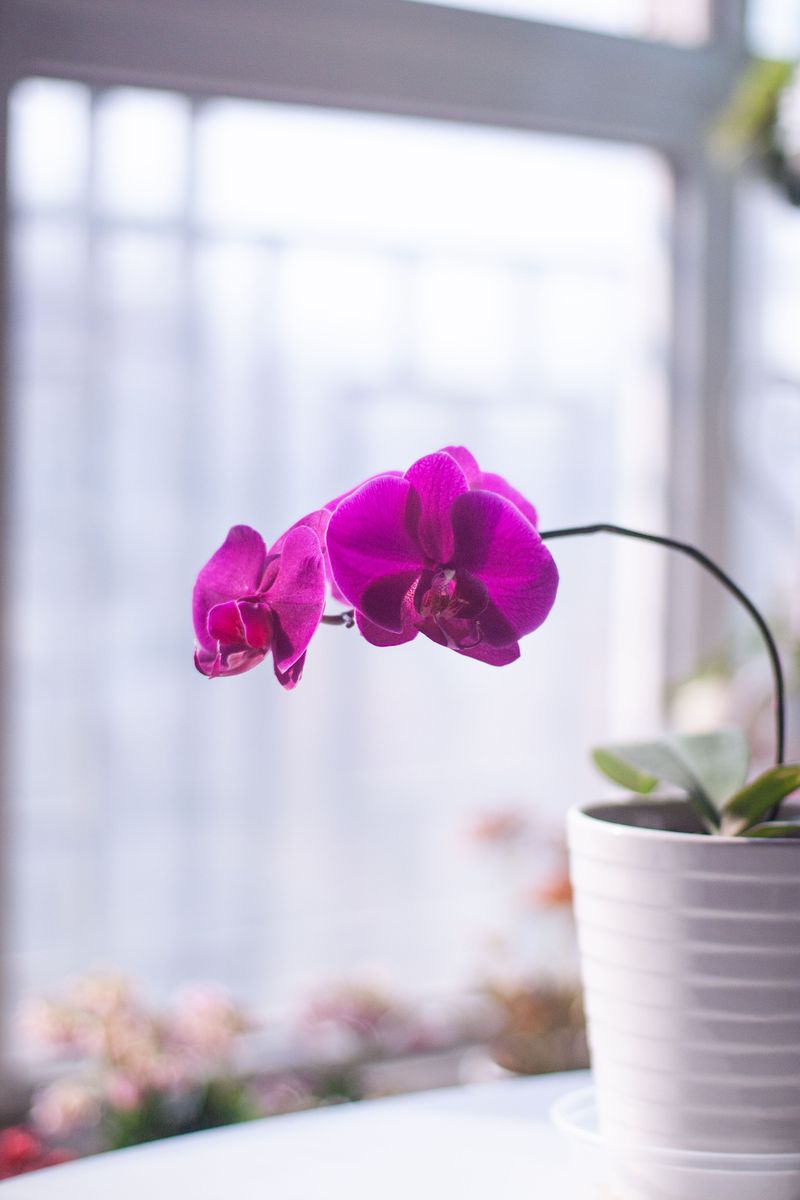
Wild orchids cling to branches where breezes drift past their roots and leaves nearly every hour of the day. Sealed-up winter homes rarely offer that kind of movement, especially once storm windows go in and doors stay shut.
Stagnant, damp air gives fungal spots and bacterial rot a better chance to settle onto leaves. I noticed fewer problems on my shelf after adding a tiny clip fan one snowy winter.
Set a small fan on its lowest speed and point it toward a wall or ceiling instead of the plants. You want leaves to flutter slightly, not whip around like flags in a stiff lake wind.
Gentle air movement also helps the potting mix dry evenly between waterings, which keeps roots healthier. Leaves that get splashed during watering dry faster too, lowering the chance of spots forming overnight.
Watch out for cold drafts, though, because a fan blowing chilly window air can do more harm than good. Placing the fan on the room side of your plants pushes warmer indoor air across them instead.
Humidifiers and fans make a great team, since one adds moisture while the other keeps it moving. That balance copies the airy, humid conditions orchids enjoy on mossy tree branches in the tropics.
Running the fan for a few hours each day is often plenty for a small windowsill collection. I put mine on a timer next to my grow lights, so I rarely forget to switch it on.
8. Check Orchid Leaves For Mealybugs And Scale
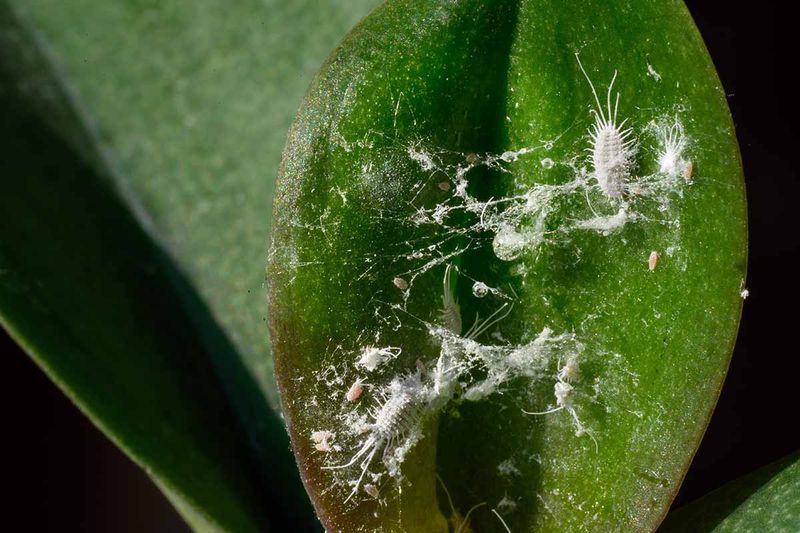
Mealybugs look like tiny tufts of cotton, and they love hiding where orchid leaves fold together. Warm, dry indoor air in winter suits them well, so populations can quietly grow while you watch the snow.
Scale insects are even sneakier, appearing as small brown or tan bumps glued to leaves and stems. Both pests suck plant sap, and both leave behind sticky honeydew that can attract sooty black mold.
I make a habit of flipping leaves over every time I water, since bugs prefer the undersides. A small flashlight helps you peek into the crown and along flower spikes where pests like to gather.
Spotting a few insects early makes cleanup simple, and a damp cotton swab removes most of them easily. Follow up with insecticidal soap labeled for houseplants, and repeat treatments weekly to catch newly hatched crawlers.
New plants from grocery stores or holiday gifts deserve a quiet quarantine corner for a few weeks. Personally, I learned that lesson after a cute bargain orchid shared its mealybugs with my whole shelf.
Isolating any infested plant right away keeps crawling young pests from wandering over to nearby pots on the shelf. Wipe down the shelf and saucers too, because stray insects often hide in those overlooked spots.
Healthy, unstressed plants tend to resist infestations better, so good care doubles as smart pest prevention. A weekly leaf check takes only a minute and saves you weeks of frustrating cleanup later.
9. Wrap New Orchids In Paper For Cold Car Rides Home

That gorgeous orchid in the store can suffer chill damage during the short walk across a frozen parking lot. Moth orchids are tropical plants, and freezing air can harm their tender flowers in just a few minutes.
Many garden centers in Michigan offer paper sleeves or bags for exactly this reason during winter. If they forget, ask for one, or bring a roomy shopping bag from home to wrap your new treasure.
Warm up your car before loading the plant, and set it on the floor or a seat away from vents. Leaving an orchid in a parked car while you run other errands is a common winter mistake.
I like to make the plant shop my very last stop, so the orchid heads straight home. That simple habit has spared my new plants from many chilly afternoons sitting in a cold trunk.
Mail-order orchids need care too, since packages can sit on frosty porches for hours after delivery. Many sellers add heat packs in winter, but tracking your box and bringing it inside quickly still helps.
Once home, unwrap the plant slowly and let it adjust in a warm room away from drafts. Some bud drop can happen after a move, so give your new orchid a few calm weeks to settle.
Chilled leaves may look water-soaked or translucent a day or two later, which signals cold injury. Trim badly damaged flowers with clean scissors, and keep caring for the healthy leaves and roots that remain.