10 Smart Things To Do When A Raccoon Visits Your Texas Yard

Raccoons show up in Texas yards far more often than homeowners realize, and a surprise visit can cause confusion about the safest next step.
These clever, curious animals slip through neighborhoods at night in search of easy meals, open water sources, and hidden shelter spots.
A raccoon may pause near a porch, sift through mulch, or approach pet food left outdoors, leaving residents unsure how to react without creating risk for themselves, their pets, or the raccoon.
Wildlife experts note that calm, deliberate action protects both people and property.
With the right approach, a homeowner can discourage future visits, remove tempting attractants, and keep the encounter from turning into a long-term nuisance.
Keep Your Distance And Observe Safely

Raccoons may look cute, but the safest response is to keep your distance and watch quietly from indoors so you can monitor their behavior without risking a direct encounter that could lead to defensive or unpredictable reactions.
Even if a raccoon appears calm, you should never approach it—especially during daylight hours—because daytime activity can signal illness, stress, or disorientation that requires professional evaluation rather than personal involvement.
Observing the raccoon from a window or porch allows you to determine whether it is simply passing through, searching for food, or showing signs of injury or sickness that may need reporting.
Because raccoons can become defensive if startled, avoid sudden movements or loud noises that could escalate an otherwise harmless situation into one where the animal feels compelled to protect itself.
Make sure children and pets remain indoors until the raccoon leaves, since pets may attempt to chase it and young children may misjudge its cuteness as an invitation to approach.
Use the moment to teach your household about respecting wildlife and why giving raccoons space helps keep both humans and animals safe.
If the raccoon appears sick, aggressive, or unusually disoriented, note the details so you can report them accurately to your local Texas animal control agency.
Remove All Food Sources Immediately
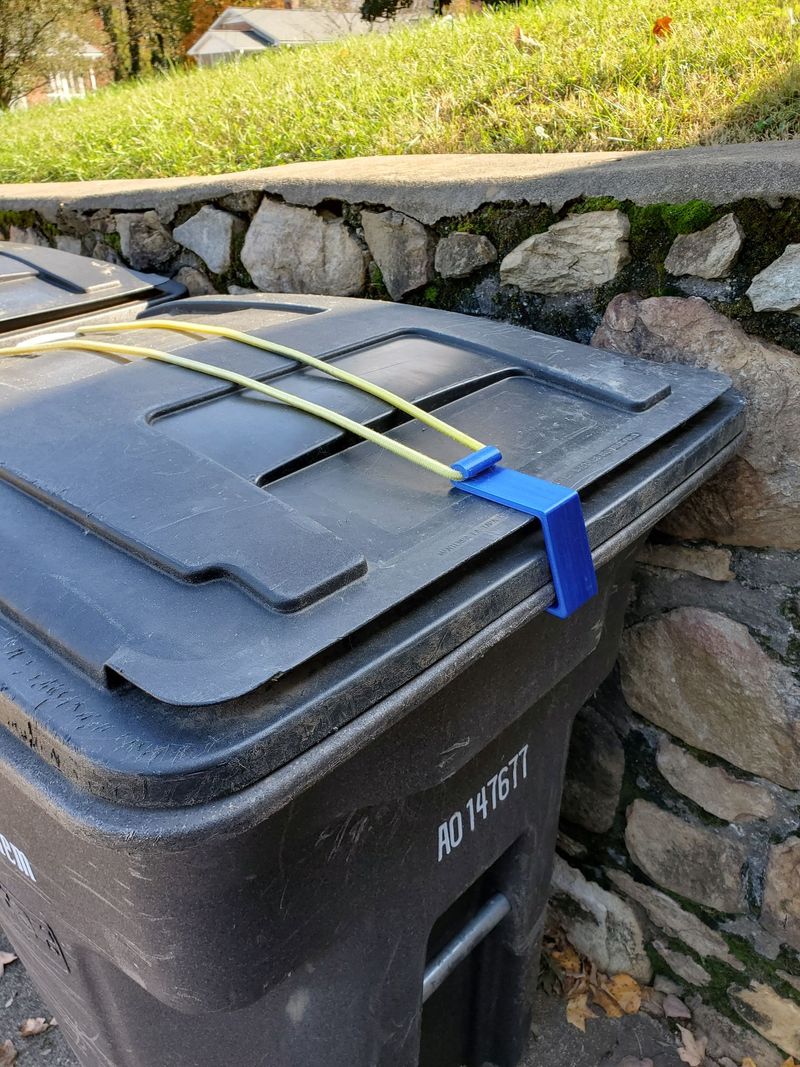
Because raccoons primarily visit Texas yards where they can find easy meals, removing every accessible food source is one of the fastest and most effective ways to convince them not to return.
Secure trash cans with tight lids or bungee cords so raccoons can’t pry them open, since they are strong, clever, and highly motivated by the smell of garbage.
Bring pet food bowls inside as soon as your animals finish eating, because leaving kibble outdoors—even briefly—signals to raccoons that your yard offers a reliable food supply.
Pick up fallen fruit, spilled birdseed, and other edible scraps, as raccoons remember where they find food and will revisit locations that reward them.
Store compost in sealed containers instead of open heaps that release strong food odors that raccoons can detect from afar.
If you have vegetable gardens or chicken coops, consider adding protective fencing or netting to block easy access and reduce temptation.
Once raccoons discover that your yard no longer provides meals, they generally move on to other locations within a few nights.
Your Texas Garden Changes Every Week. Your Plan Should Too.
Gardening in Texas changes quickly throughout the season. Every Friday you’ll receive a simple weekly plan showing exactly what to plant, prune, fertilize, harvest, and protect so you never miss the right timing.
Secure Potential Shelter Spots Around Your Property
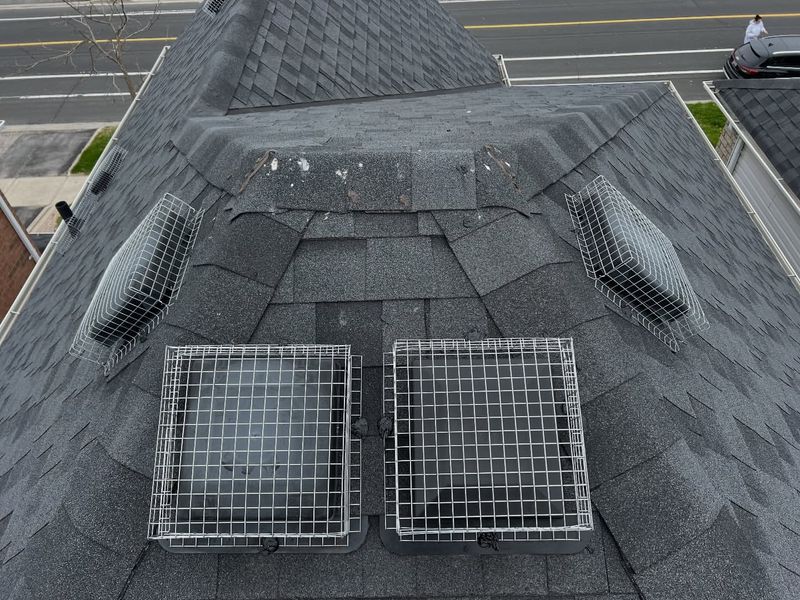
Beyond food, raccoons also look for safe hiding places to rest or raise their young, which means any unsealed gap around your property can become an invitation.
Inspect areas under decks, porches, sheds, and crawl spaces for openings larger than four inches, since raccoons can squeeze through surprisingly small gaps when looking for shelter.
Seal these entry points with sturdy materials like hardware cloth or heavy-gauge wire mesh, because regular chicken wire is too weak to withstand a determined raccoon.
Check your roof and attic vents for damage or loose coverings that could let raccoons inside, as attics provide the warm, quiet spaces they prefer for nesting.
Trim tree branches near your roof to prevent raccoons from using them as bridges to reach elevated entry points.
Install secure chimney caps to prevent raccoons from climbing inside, which is a common issue during birthing season.
Regular home maintenance makes it far less likely that raccoons will settle in and claim your property as their own.
Never Attempt To Feed The Raccoon
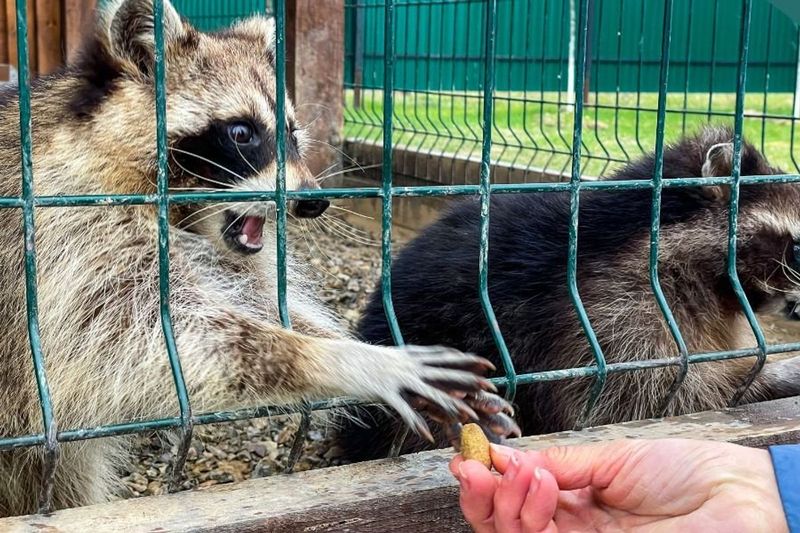
Feeding raccoons, no matter how cute they appear, teaches them to rely on humans for resources and encourages them to return with increasing boldness that can endanger both households and wildlife.
Once raccoons learn that people provide food, they lose their natural caution and begin approaching humans directly, which increases the risk of bites, confrontations, and disease transmission.
Young raccoons raised by fed adults grow up expecting easy meals from humans, perpetuating a cycle that disrupts their natural foraging behaviors.
Texas law prohibits feeding certain wildlife because it leads to overcrowding, aggressive competition, and repeated nuisance visits that can escalate into safety issues.
Human foods lack the nutrients raccoons need and often cause digestive distress or illness, despite the animals appearing to enjoy them.
Feeding raccoons attracts more animals to your yard and can cause property damage, overturned garbage cans, and territorial disputes among the raccoons themselves.
No matter how tempting it feels, withholding food is the most responsible choice for maintaining safe coexistence.
Install Motion-Activated Lights And Sprinklers
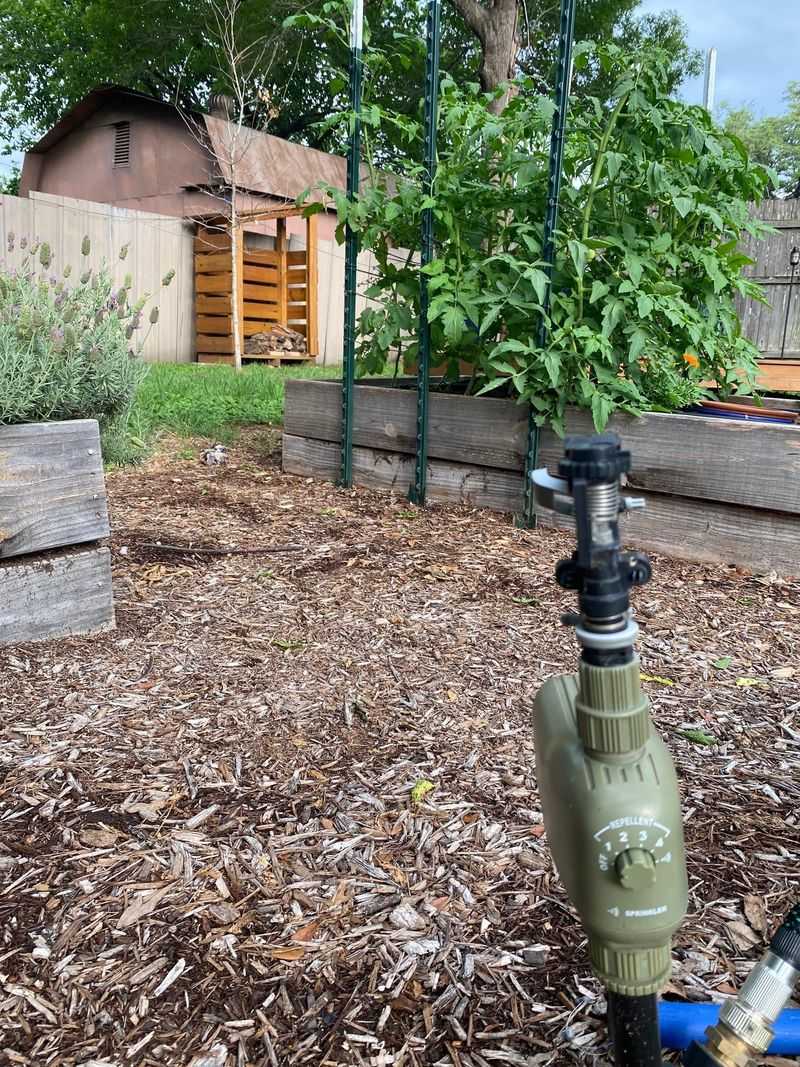
Motion-activated devices in Texas yards serve as highly effective, hands-free deterrents because raccoons dislike sudden light or bursts of water that disrupt their nighttime routines.
Bright LED lights triggered by movement make raccoons feel exposed and uncomfortable, prompting them to leave quickly.
Position lights near garbage areas, garden beds, and entry points to maximize coverage and discourage raccoons from lingering.
Motion-activated sprinklers add an extra deterrent by spraying water when animals move close, surprising raccoons without harming them.
Automation means these systems protect your yard even while you’re asleep, offering constant defense without requiring effort from you.
Adjust sensitivity settings so they respond appropriately to raccoons without reacting to every passing breeze.
Using lights and sprinklers together creates a powerful signal that your yard is not an easy or comfortable place for raccoons to explore.
Check For Babies Before Sealing Entry Points
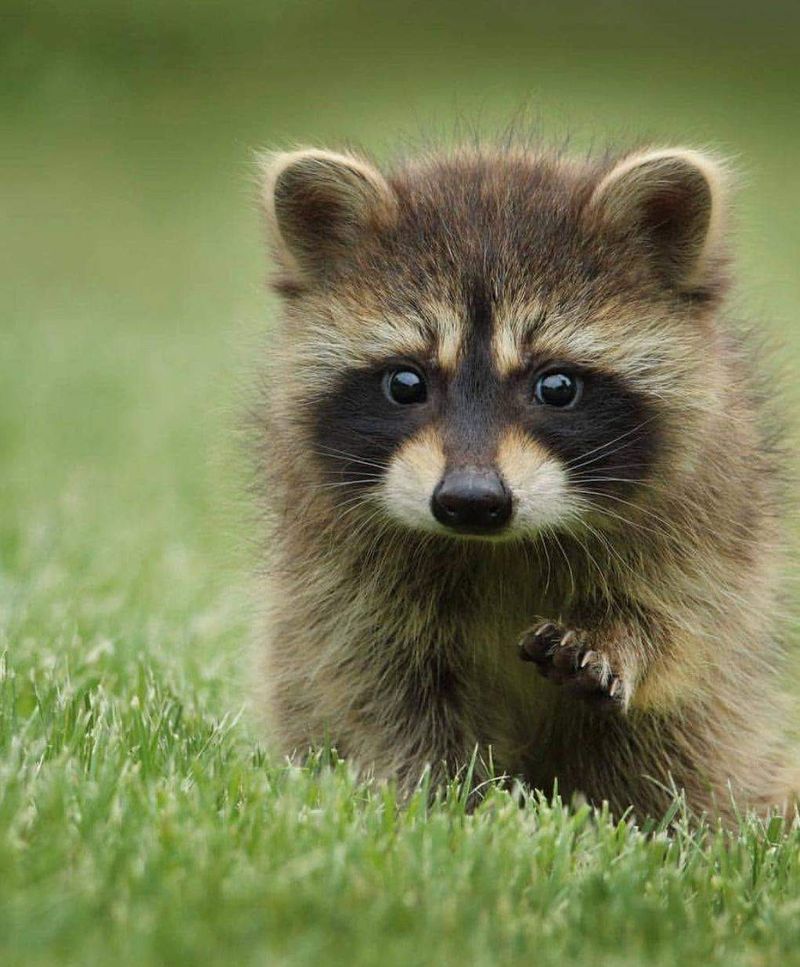
Because female raccoons in Texas often give birth in spring, it’s essential to check for babies before closing any gaps or sealing potential den sites.
If you unknowingly trap babies inside a space, the mother raccoon may cause extensive damage trying to reach them, creating a far bigger problem than the original visit.
Orphaned babies left behind will not survive, producing odors and sanitation issues that require professional cleanup.
Always use a flashlight to inspect attics, crawl spaces, or gaps for signs of nesting such as fur, droppings, or food remains.
If babies are present, wait until they’re old enough to leave with their mother or consult a wildlife professional to determine the safest timing.
A one-way exclusion door allows the mother to exit but prevents re-entry, ensuring the family relocates safely.
Once the animals are gone, you can securely and permanently seal the opening to prevent future nesting.
Document The Visit With Photos Or Video
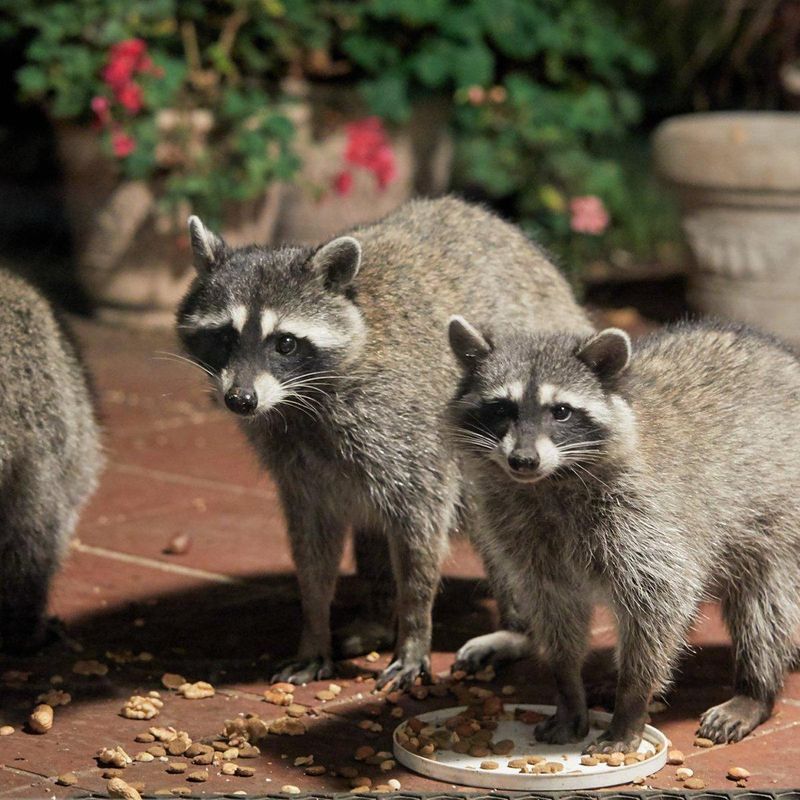
Recording raccoon visits provides valuable information that helps you understand patterns and address potential issues more effectively.
Taking photos or videos from indoors keeps you safe while giving you evidence of the raccoon’s behavior, frequency of visits, and entry points.
Visual documentation is especially important if the animal appears sick or aggressive, as it helps animal control respond appropriately.
If raccoons cause property damage, photos can support insurance claims or requests for professional repairs.
Sharing your documentation with your Texas neighbors alerts the community to raccoon activity so everyone can take consistent precautions.
Keeping a simple log of dates, times, and behaviors can reveal patterns that help you determine what attracts raccoons to your yard.
These records can also become educational tools for your family, helping children learn about wildlife from a safe distance.
Contact Local Wildlife Services If Needed

Certain raccoon encounters—especially those involving sickness, aggression, or repeated visits—require help from trained professionals who know how to manage wildlife safely.
Call animal control or licensed wildlife services if the raccoon seems injured, confused, or unusually bold, as these behaviors may indicate illness such as rabies or distemper.
Texas regulations require permits for trapping and relocating wildlife, so homeowners should never attempt DIY trapping.
Professional wildlife specialists use humane, legal methods to remove raccoons and identify vulnerabilities in your property.
Experts can also provide long-term exclusion solutions, such as sealing entry points or installing reinforced barriers.
Many companies offer safe cleanup services for contaminated areas, which is important because raccoon droppings can carry harmful parasites.
If preventive steps fail, involving wildlife professionals is often the quickest way to resolve the issue.
Use Natural Deterrents And Repellents Strategically
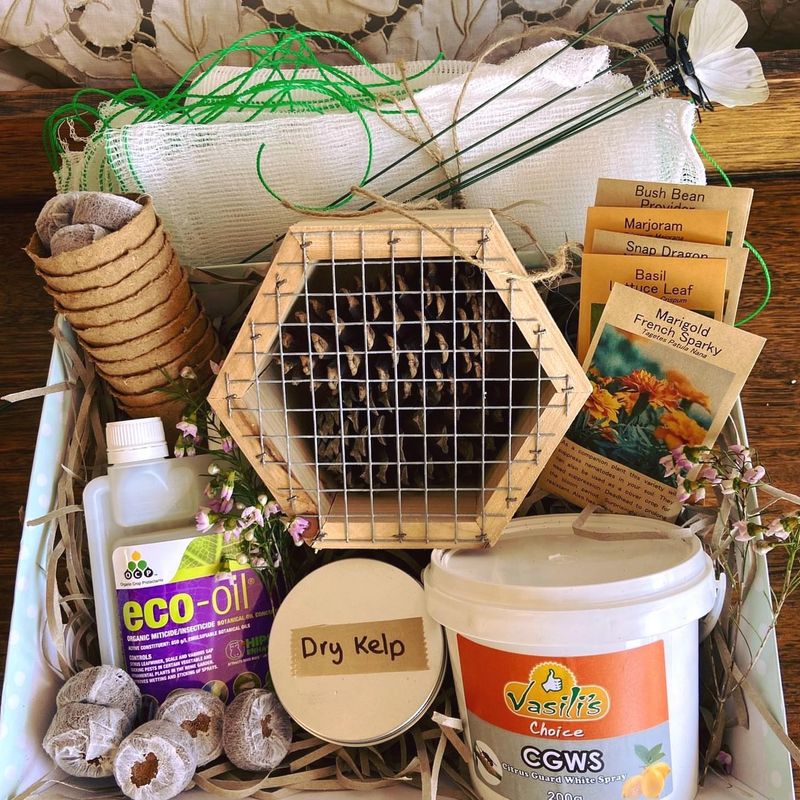
Certain scents and materials can discourage raccoons without harming them, making natural deterrents a useful addition to your prevention strategy.
Ammonia-soaked rags placed in loose bags near raccoon entry points mimic predator scents and encourage them to avoid the area.
Sprinkling cayenne pepper or hot sauce near gardens and garbage areas irritates raccoon paws and noses, though these must be reapplied after rain.
Commercial repellents containing natural extracts offer additional non-toxic options when used according to instructions.
Epsom salt scattered along your yard’s perimeter may deter raccoons while supporting plant health, especially in drier conditions.
A low-volume radio tuned to a talk station can create unpredictable background noise that makes raccoons uneasy.
Rotating repellents prevents raccoons from becoming accustomed to a single deterrent and keeps your Texas yard less appealing over time.
Educate Your Household About Raccoon Safety
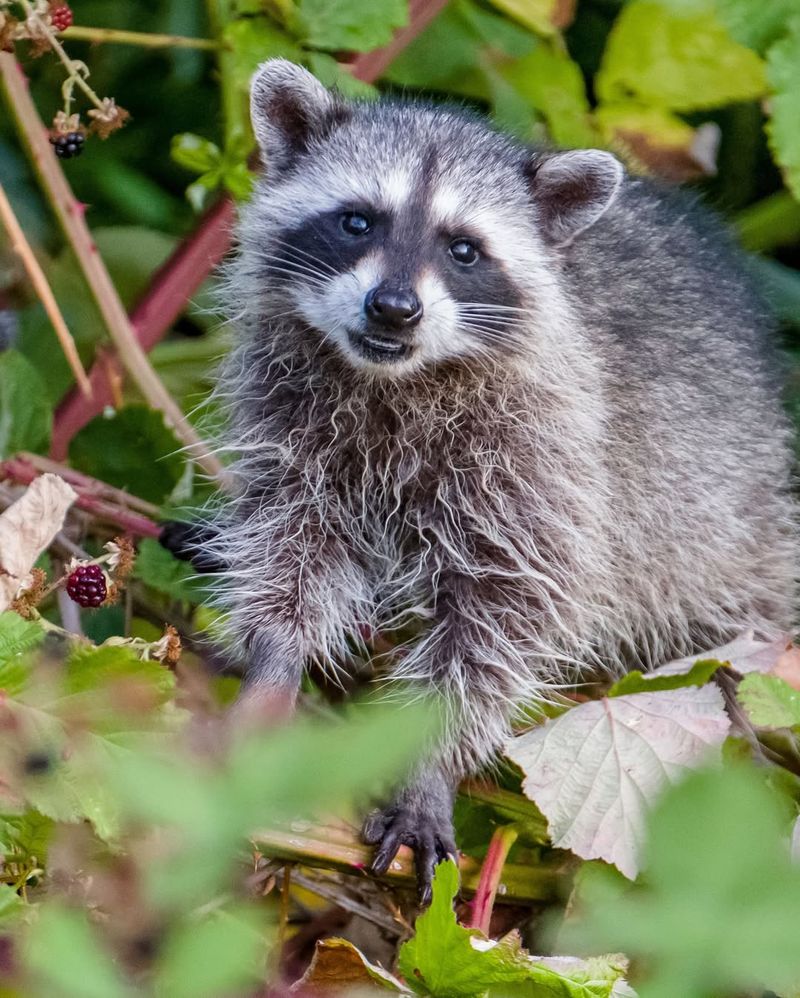
Everyone in your home should know how to behave during a raccoon encounter to ensure safety and consistency.
Teach children that raccoons, despite their cute appearance, are wild animals that should never be approached or touched.
Explain the signs of potentially rabid raccoons—such as stumbling, drooling, or unusual aggression—so family members can identify dangerous behavior early.
Make sure doors, windows, and pet access points are secured at night when raccoons are most active.
Create family routines for storing trash properly, removing outdoor food, and cleaning up patios or decks where crumbs may accumulate.
Discuss what to do if someone is scratched or bitten and emphasize the importance of immediate medical attention.
Post contact information for local wildlife and animal control services where everyone can find it, ensuring clear action during unexpected encounters.