New Jersey Homeowners Are Leaning Into A “Curated Wildness” Design
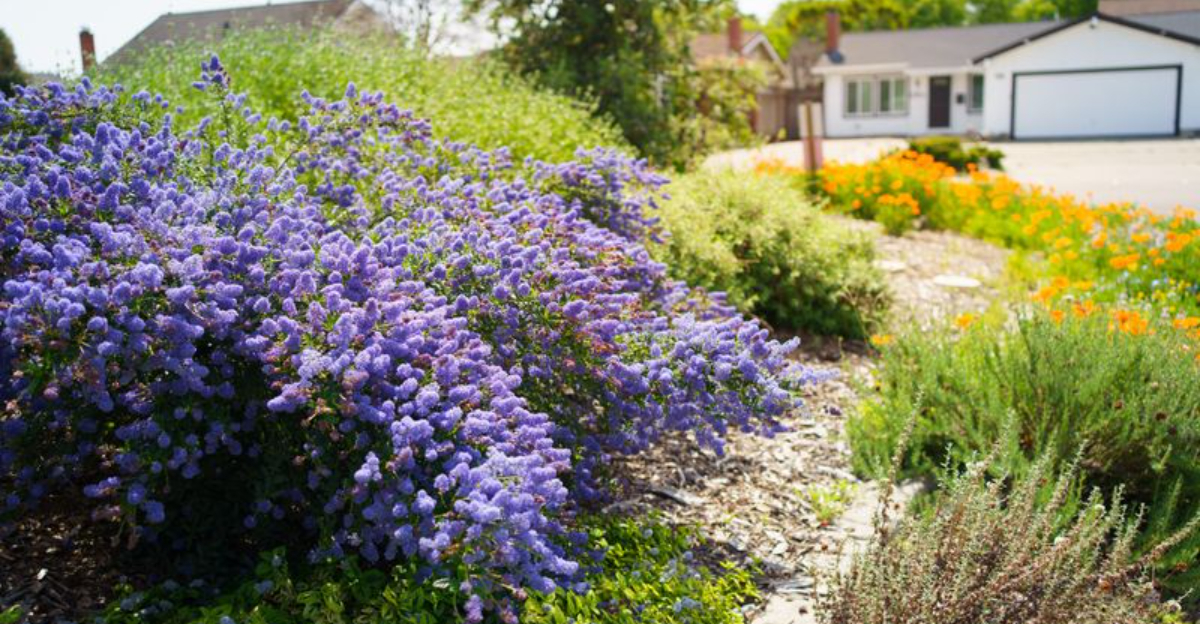
Homeowners are leaning into “curated wildness” because New Jersey wants gardens that feel natural and free while still keeping a bit of thoughtful shape.
The shift is showing up in neighborhood after neighborhood, giving New Jersey a mix of loose plantings, soft textures, and yards that look relaxed instead of overly tidy.
The style brings a calm energy to outdoor spaces, and New Jersey is turning this wild-meets-polished approach into a standout favorite among gardeners.
1. Lower Maintenance Requirements Save Time and Energy
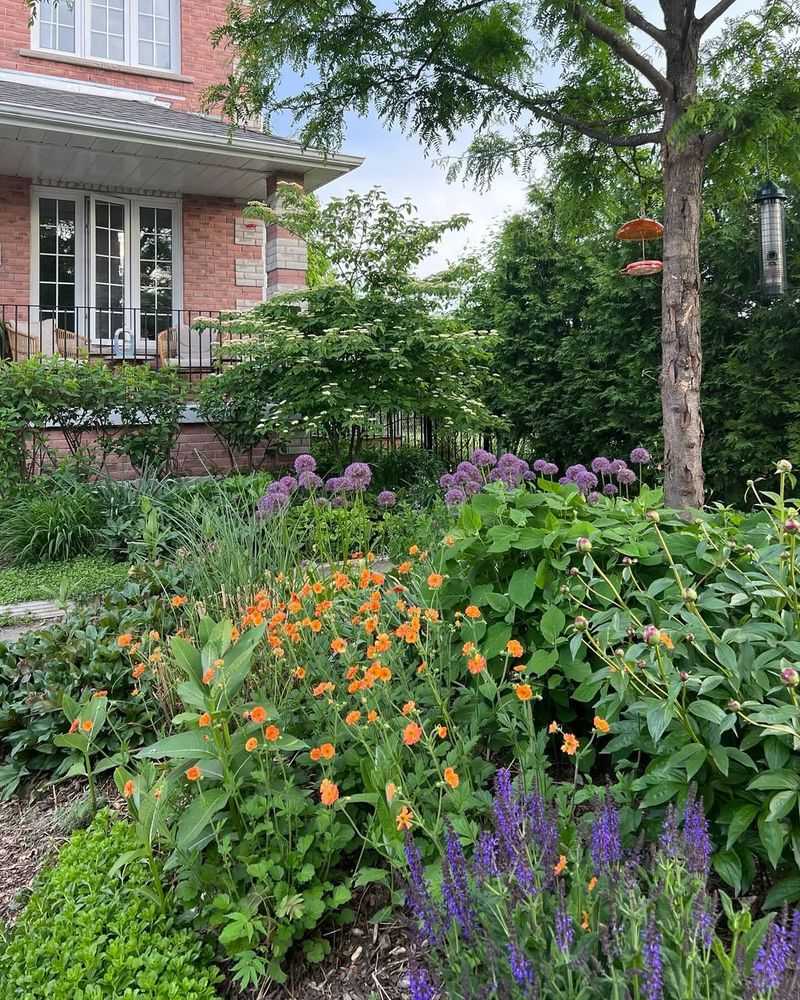
Curated wildness gardens require far less upkeep compared to traditional manicured lawns that demand constant mowing edging trimming and chemical treatments every single week.
Native plants adapted to New Jersey soil and climate conditions naturally thrive without needing excessive watering fertilizing or pest control interventions from homeowners.
Homeowners appreciate spending weekends relaxing instead of pushing lawnmowers across endless stretches of grass that never seem to stop growing during summer months.
Natural garden beds filled with perennials return each spring without replanting saving money time and physical effort for busy families with hectic schedules.
Wildflower meadows only need occasional trimming once or twice annually compared to weekly lawn care routines that consume precious weekend hours and energy.
This approach lets homeowners enjoy their outdoor spaces rather than constantly working to maintain them according to outdated landscaping standards and expectations.
Garden enthusiasts across New Jersey find that embracing natural growth patterns creates beautiful yards that practically take care of themselves throughout every season.
2. Environmental Benefits Support Local Ecosystems Effectively
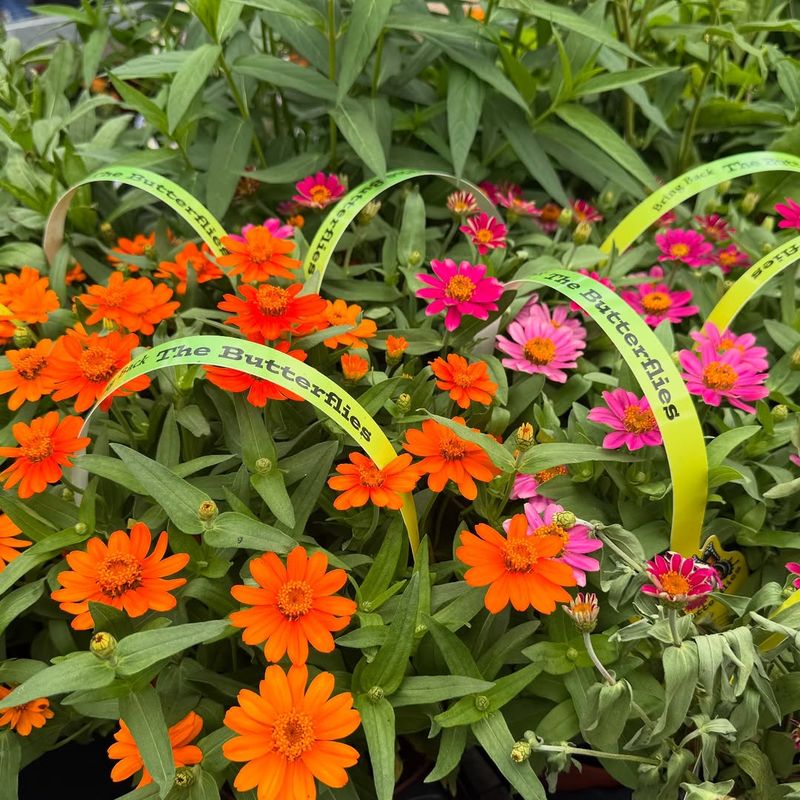
Native plant gardens provide essential habitat and food sources for pollinators like bees butterflies and hummingbirds that struggle in traditional suburban landscape designs.
New Jersey ecosystems benefit tremendously when homeowners choose indigenous species that evolved alongside local wildlife over thousands of years of natural adaptation and growth.
Chemical fertilizers and pesticides common in conventional lawns harm beneficial insects soil microorganisms and water quality in nearby streams rivers and underground aquifers.
Curated wildness eliminates the need for harmful treatments because native plants naturally resist local pests and diseases without requiring chemical intervention or applications.
Deep root systems of prairie plants and wildflowers prevent soil erosion filter rainwater and reduce flooding problems that plague many New Jersey communities annually.
Homeowners feel proud knowing their landscaping choices actively support biodiversity conservation efforts and help reverse habitat loss caused by urban development and sprawl.
Gardens designed with ecological principles create living corridors that connect fragmented natural areas allowing wildlife to move safely through increasingly developed suburban neighborhoods.
3. Unique Aesthetic Appeal Creates Visual Interest Year-Round
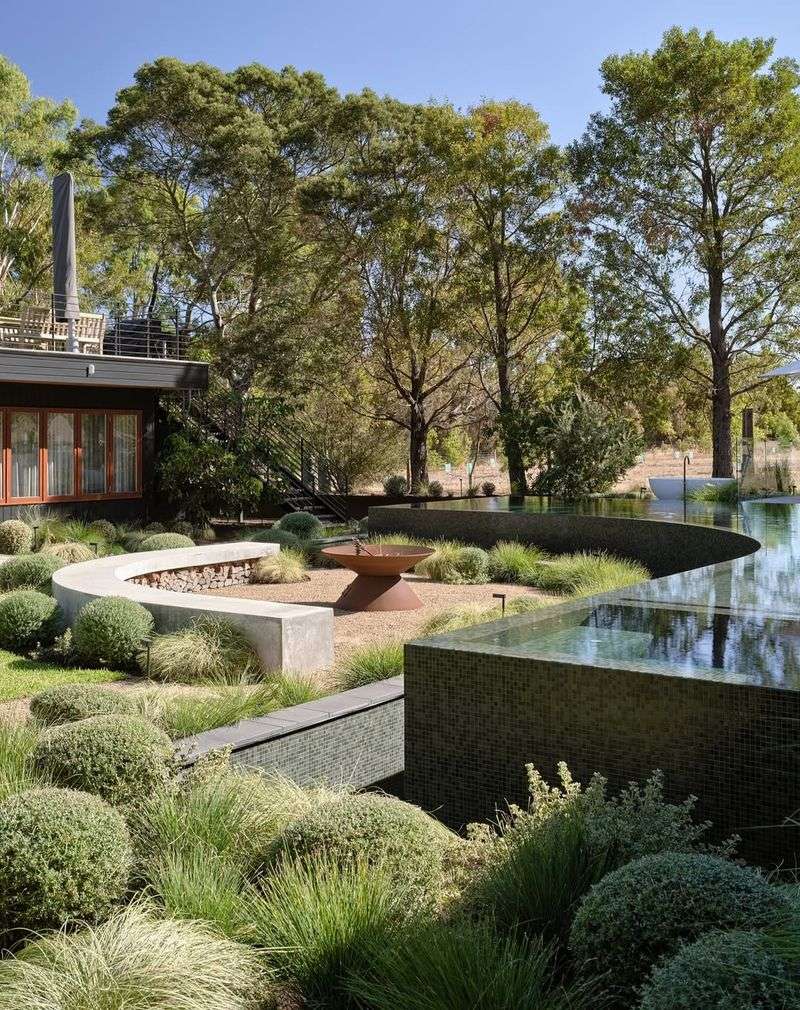
Curated wildness offers constantly changing scenery as different plants bloom fade and transition through spring summer fall and winter in beautiful natural sequences.
Ornamental grasses sway gracefully in breezes creating movement and texture that static lawns simply cannot provide for homeowners seeking dynamic landscape elements and features.
Seed heads left standing through winter months provide architectural interest and food for birds while adding sculptural beauty to snow-covered New Jersey yards.
Natural color palettes shift from fresh spring greens to vibrant summer blooms then transform into rich autumn golds and russets before winter dormancy arrives.
Your New Jersey Garden Changes Every Week. Your Plan Should Too.
Gardening in New Jersey changes quickly throughout the season. Every Friday you’ll receive a simple weekly plan showing exactly what to plant, prune, fertilize, harvest, and protect so you never miss the right timing.
Layered plantings with varying heights textures and bloom times ensure something interesting catches the eye throughout every month of the calendar year continuously.
Homeowners enjoy landscapes that feel alive and spontaneous rather than rigid and predictable like traditional foundation plantings that look identical in every neighborhood.
Garden visitors often comment on the artistic quality and natural beauty that emerges when plants are allowed to express their inherent forms.
4. Water Conservation Reduces Utility Bills Significantly
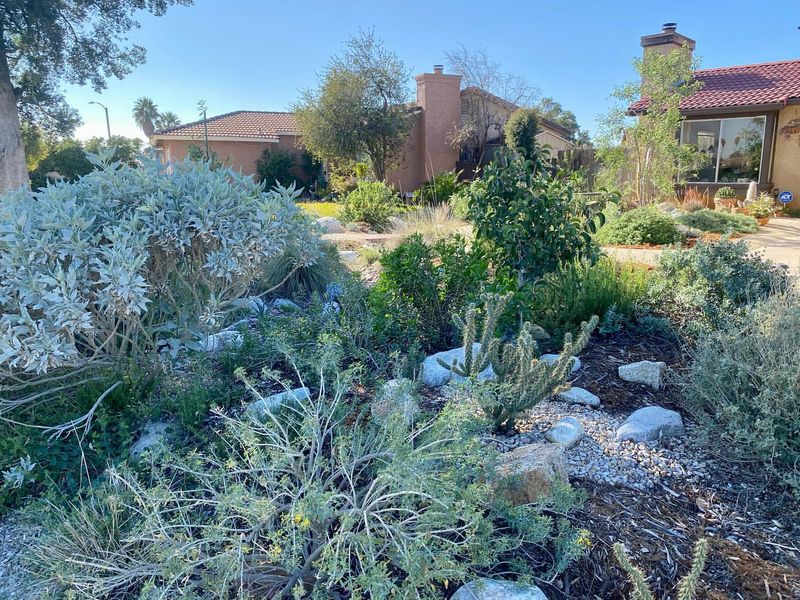
Native plants adapted to New Jersey rainfall patterns require minimal supplemental irrigation once established unlike thirsty lawns that demand constant watering throughout dry periods.
Deep root systems access moisture far below the surface allowing plants to survive droughts that leave conventional landscapes brown and stressed during summer months.
Homeowners notice substantial decreases in water bills when they replace grass with native perennials grasses and wildflowers that evolved to thrive on rainfall.
Mulched garden beds retain soil moisture more effectively than exposed lawn surfaces reducing evaporation and the need for frequent watering sessions during hot weather.
Rain gardens incorporated into curated wildness designs capture runoff from roofs and driveways preventing waste while naturally irrigating plants without using municipal water.
During drought restrictions common in New Jersey summers native gardens remain lush and attractive while neighbors struggle with irrigation bans and dying lawns everywhere.
Financial savings from reduced water consumption add up quickly especially for families with large properties that previously required extensive irrigation systems and regular usage.
5. Increased Property Value Attracts Potential Buyers
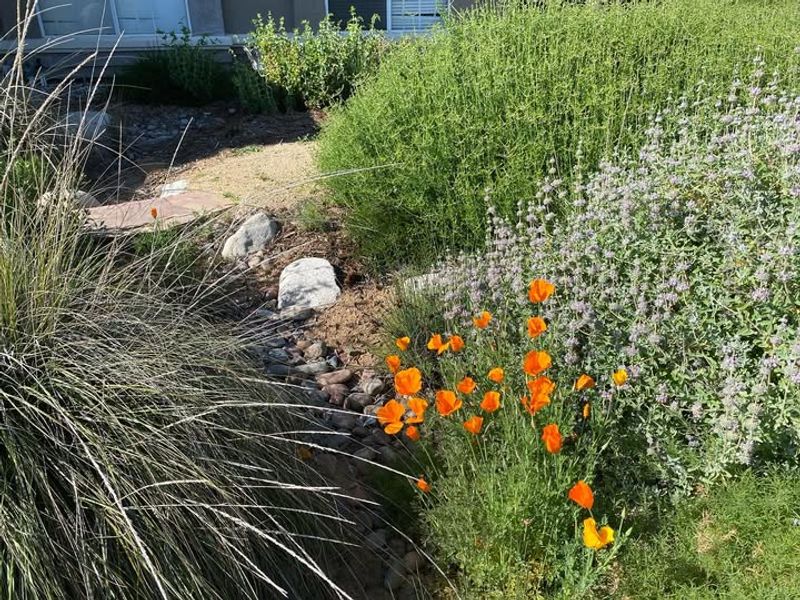
Real estate professionals increasingly recognize that unique landscaping sets properties apart in competitive markets where cookie-cutter yards fail to impress discerning homebuyers today.
Buyers interested in sustainability environmental stewardship and low-maintenance living actively seek homes with established native gardens and thoughtful ecological landscape designs throughout New Jersey.
Curated wildness demonstrates that current owners invested care and creativity into their property creating lasting value that extends beyond basic curb appeal considerations.
Mature native plantings represent years of growth and establishment that new owners can immediately enjoy without waiting for landscapes to develop over time.
Reduced maintenance requirements appeal to busy professionals retirees and families who want beautiful outdoor spaces without dedicating every weekend to yard work chores.
Home appraisers recognize quality landscaping as a significant value factor especially when designs incorporate sustainable practices that reduce ongoing costs for future property owners.
Distinctive gardens create memorable first impressions during showings helping properties stand out in buyers minds when they compare multiple similar homes in neighborhoods.
6. Personal Connection to Nature Improves Mental Wellbeing
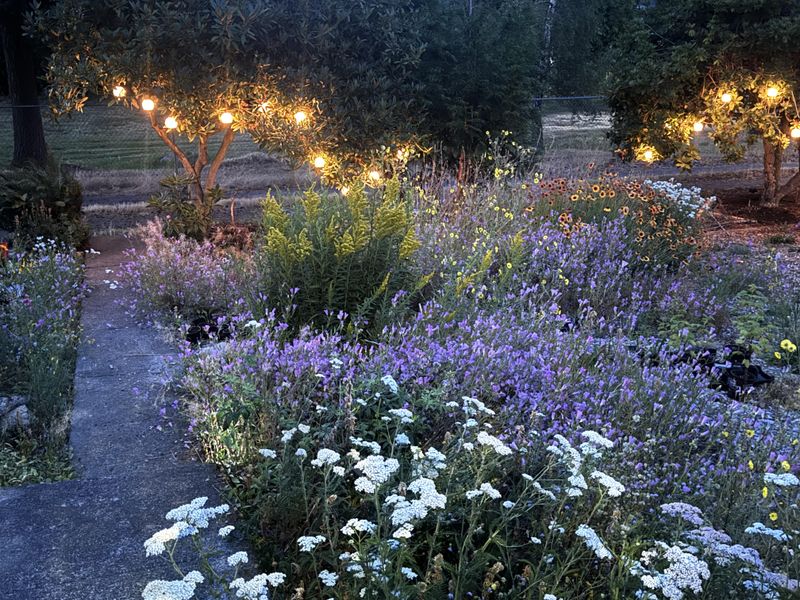
Spending time surrounded by native plants birds butterflies and natural beauty reduces stress anxiety and mental fatigue that accumulate from modern life pressures.
New Jersey homeowners report feeling more grounded and peaceful when they step into gardens that mimic the wild landscapes their ancestors knew intimately.
Watching seasonal changes unfold creates mindfulness opportunities and helps people reconnect with natural rhythms often lost in climate-controlled indoor environments and digital distractions.
Children who grow up exploring curated wildness gardens develop deeper appreciation for nature and learn valuable lessons about ecology sustainability and environmental responsibility.
Gardening activities like planting weeding and observing wildlife provide gentle exercise fresh air and purposeful outdoor time that benefits both physical and emotional health.
Natural spaces offer refuge from technology and constant connectivity allowing families to unplug recharge and enjoy simple pleasures that truly matter most.
Homeowners find that their wild gardens become favorite gathering spots for morning coffee evening relaxation and quality time with loved ones throughout every season.
7. Climate Resilience Prepares Yards for Changing Weather
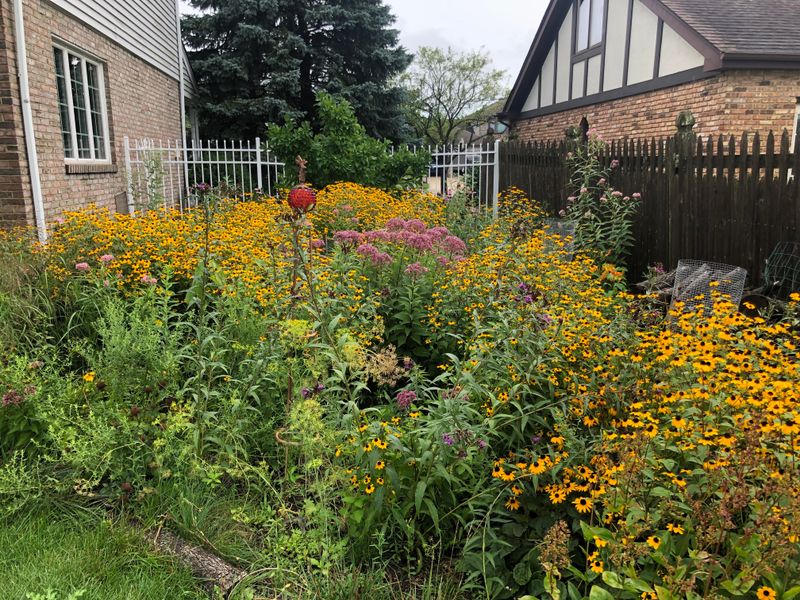
Native plants demonstrate remarkable adaptability to temperature fluctuations extreme weather events and unpredictable precipitation patterns increasingly common in New Jersey climate conditions today.
Diverse plantings create resilient ecosystems that bounce back quickly from storms droughts heat waves and other climate-related stresses that devastate monoculture lawn landscapes.
Deep root systems prevent erosion during heavy rainfall events that cause flooding and property damage in areas with shallow-rooted turf grass covering soil.
Curated wildness gardens naturally sequester carbon from the atmosphere helping homeowners reduce their environmental footprint while adapting to changing global climate patterns effectively.
Mixed plantings ensure that if one species struggles under specific conditions others will thrive maintaining overall garden health and beauty throughout challenging periods.
Homeowners sleep better knowing their landscapes can withstand future weather extremes without requiring expensive repairs replacements or emergency interventions from landscaping professionals constantly.
Forward-thinking New Jersey residents recognize that investing in climate-appropriate native gardens protects their properties while contributing to broader environmental solutions for communities.
8. Community Inspiration Encourages Neighborhood Transformation
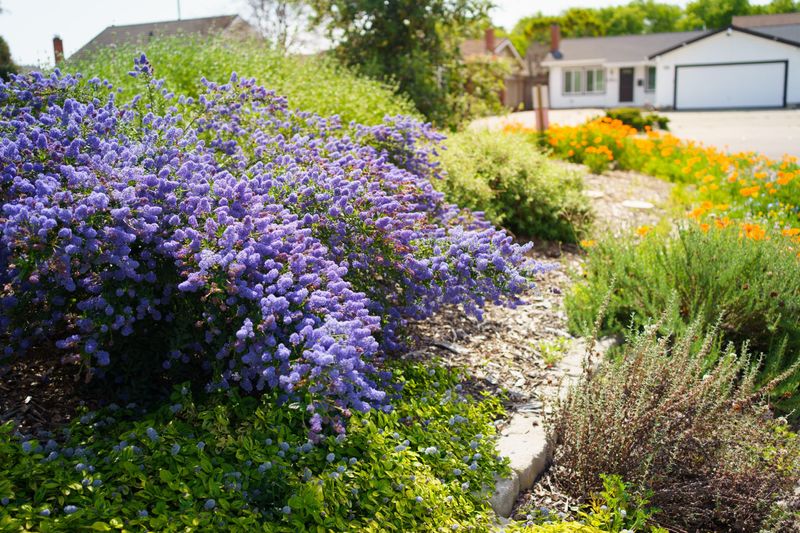
When neighbors see beautiful thriving native gardens they often feel inspired to reconsider their own landscaping choices and explore more sustainable design options.
Curated wildness creates conversation starters that help homeowners connect with each other over shared interests in gardening sustainability and environmental stewardship throughout New Jersey neighborhoods.
Successful native gardens serve as living demonstrations proving that alternatives to traditional lawns can be both practical and aesthetically pleasing for suburban residential properties.
Homeowners who embrace this style often share seeds plants and knowledge with neighbors creating ripple effects that transform entire streets into pollinator-friendly corridors.
Community pride grows when distinctive landscapes replace monotonous lawns giving neighborhoods unique character and identity that residents feel genuinely excited to call home.
Local garden clubs native plant societies and environmental groups gain new members as curated wildness sparks curiosity and engagement with ecological landscaping principles.
Children walking to school or playing outside encounter diverse plants insects and birds fostering environmental awareness and appreciation that shapes future generations positively.
9. Creative Expression Allows Personal Garden Artistry
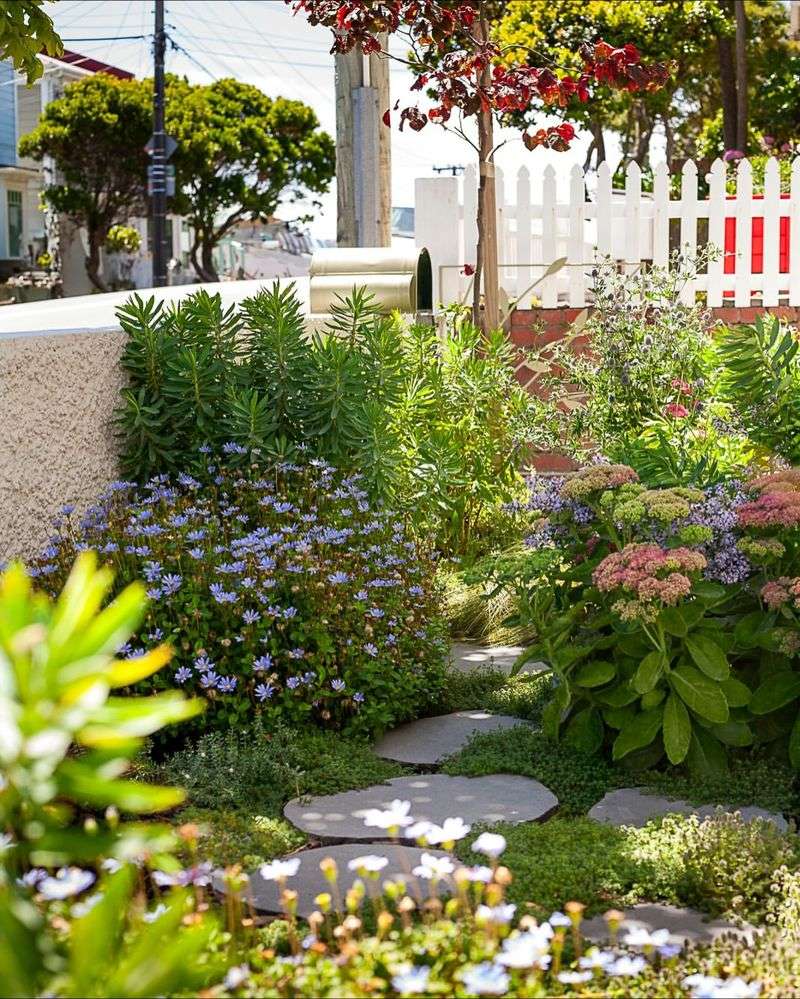
Curated wildness empowers homeowners to express individual creativity and personal taste through plant selection arrangement and overall design rather than following rigid conventions.
New Jersey gardeners enjoy experimenting with color combinations textures heights and seasonal interest creating outdoor spaces that reflect their unique personalities and artistic visions.
Natural gardens accommodate spontaneity allowing plants to self-sow in unexpected places and create happy accidents that add charm and authenticity to landscape compositions.
Homeowners can incorporate favorite native species meaningful plants and personal touches that transform yards into deeply personal spaces rather than generic landscape installations.
Artistic freedom extends to pathways seating areas sculptures and other hardscape elements that complement rather than compete with natural plantings and organic garden forms.
Gardens become ongoing creative projects that evolve over years as homeowners learn experiment and refine their designs based on observation experience and changing preferences.
Personal expression through landscaping provides immense satisfaction and pride that cookie-cutter professional installations simply cannot deliver to homeowners seeking authentic outdoor experiences today.