These 15 Pet-Safe Houseplants Are Popular Right Now In Texas Homes
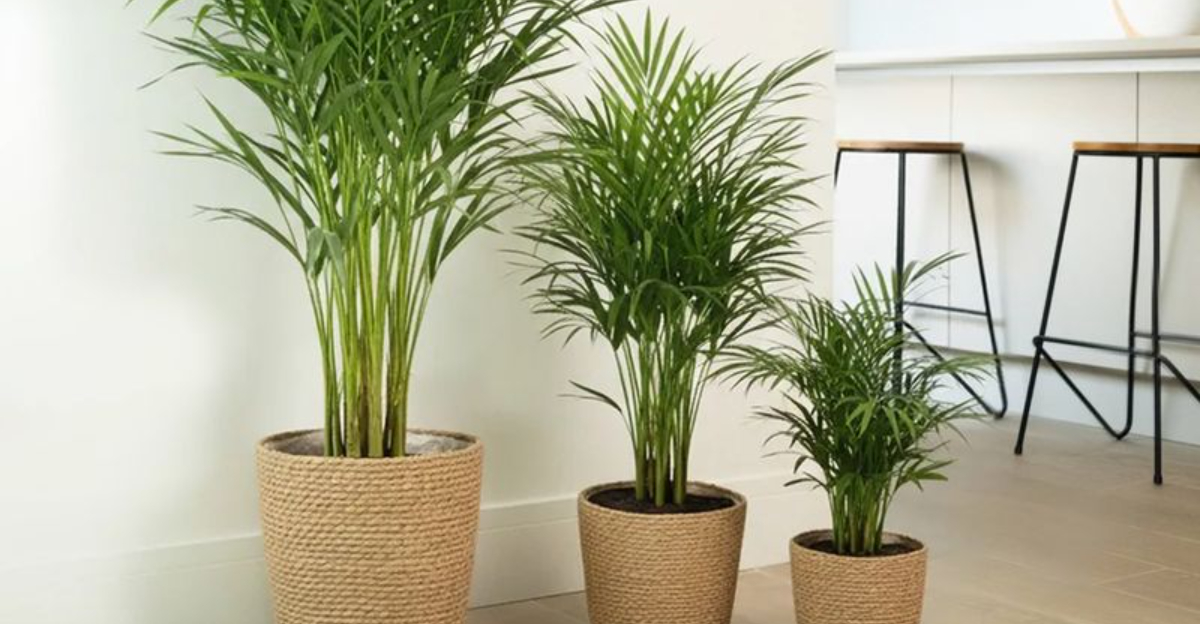
Houseplants are booming in Texas, and for good reason—they brighten rooms, purify the air, and bring life into every corner.
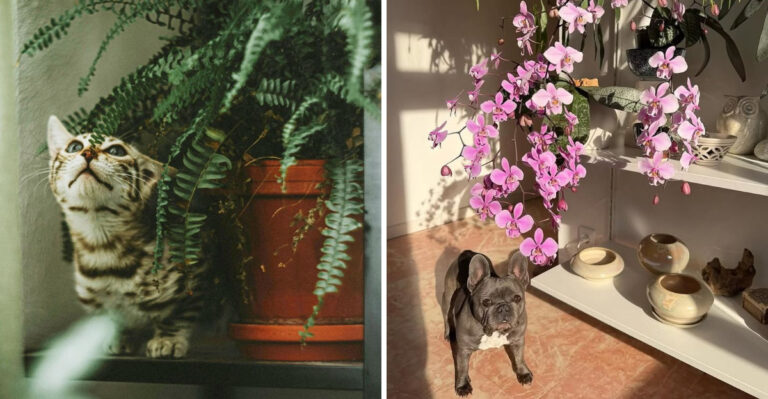
But if you have curious cats or playful dogs, some popular greenery can turn dangerous fast.
Choosing pet-safe plants is the key to having a beautiful home and keeping your furry friends out of harm’s way.
Your plants can be gorgeous without putting pets at risk!
From lush leafy favorites to flowering indoor stars, these 15 pet-friendly houseplants are not only safe—they’re also trending in Texas homes.
Easy to care for and visually stunning, they prove that style and safety don’t have to compete.
With the right choices, you can create a green, vibrant indoor oasis without constant worry over nibbling paws or toxic accidents.
Let your plants thrive while keeping your pets happy and healthy.
Texas homeowners can enjoy low-maintenance, decorative greenery that’s safe for every family member.
These popular houseplants make it simple to blend aesthetics with responsibility, creating a space everyone can enjoy.
Because your home deserves beauty—and your pets deserve safety.
1. Spider Plant For Easy, Pet-Safe Greenery
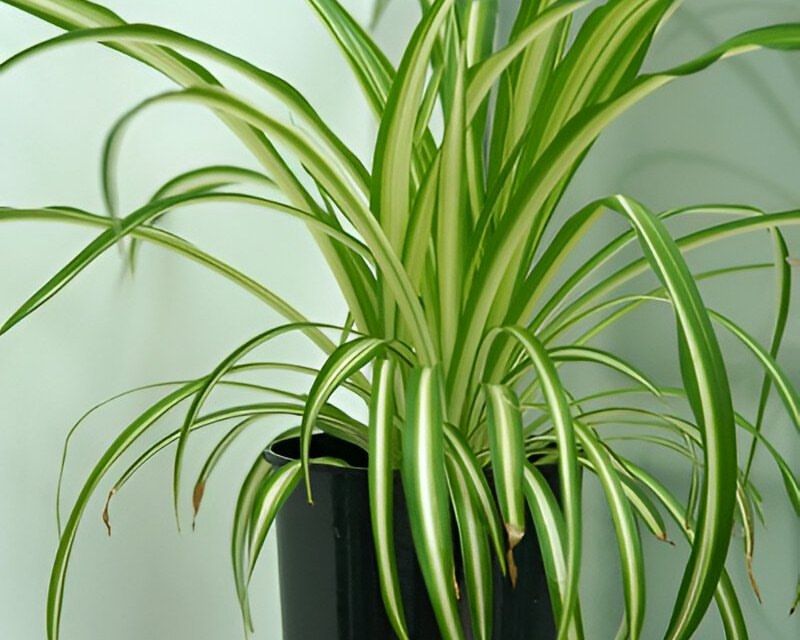
Walk into almost any Texas apartment these days and you’ll likely spot a spider plant cascading gracefully from a hanging basket or perched on a shelf.
These cheerful green beauties have become absolute favorites among pet owners because they’re completely harmless if your curious cat decides to take a nibble.
Their arching leaves with creamy white stripes add instant visual interest without requiring you to stress about emergency vet visits.
What makes spider plants particularly perfect for Texas living is their remarkable adaptability to different light conditions.
Whether you’re in a bright Dallas loft or a shadier Houston townhome, these resilient plants adjust beautifully.
They thrive in moderate to bright indirect light but won’t complain if conditions aren’t absolutely perfect, making them ideal for busy pet parents who want gorgeous greenery without constant fussing.
Spider plants also produce adorable baby plantlets that dangle from long stems, creating a waterfall effect that looks stunning in modern and traditional homes alike.
You can easily propagate these babies to share with friends or expand your own collection.
Their forgiving nature means occasional missed waterings won’t spell disaster, and they naturally help purify your indoor air while staying completely safe for dogs, cats, and even curious rabbits who might investigate.
2. Calathea Varieties For Bold, Non-Toxic Foliage
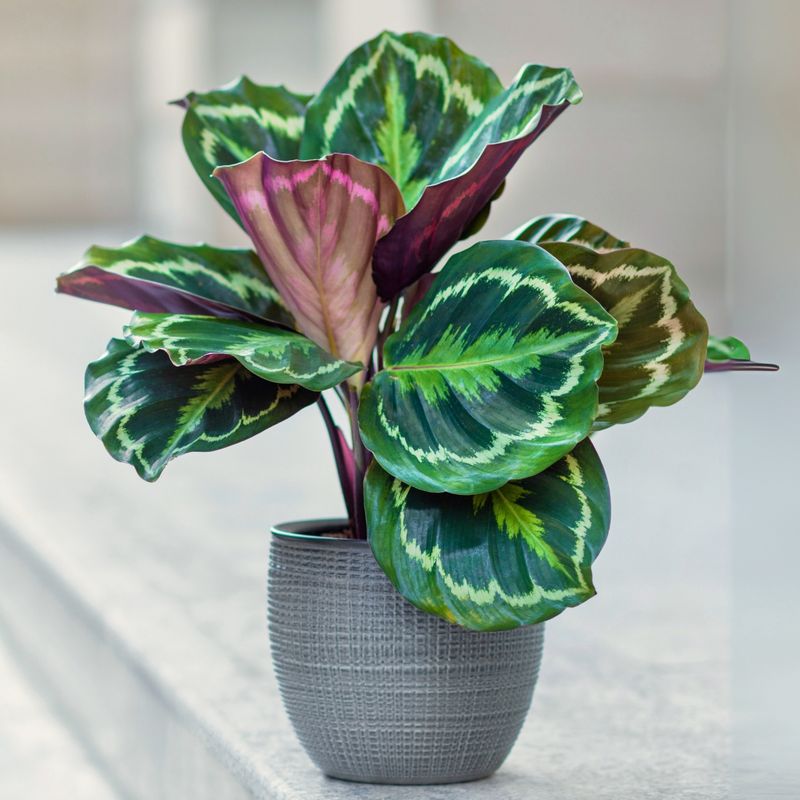
If you’re searching for a houseplant that makes a dramatic statement while keeping your pets completely safe, calatheas deliver spectacular results.
These stunning tropical beauties feature leaves painted with bold stripes, spots, and patterns in shades of deep green, burgundy, silver, and purple that look almost too artistic to be real.
Texas plant enthusiasts have fallen head over heels for varieties like the peacock plant and zebra plant, which transform ordinary rooms into lush indoor sanctuaries.
Calatheas do appreciate higher humidity levels, which can actually work in your favor in many Texas homes where air conditioning runs constantly during scorching summers.
Your Texas Garden Changes Every Week. Your Plan Should Too.
Gardening in Texas changes quickly throughout the season. Every Friday you’ll receive a simple weekly plan showing exactly what to plant, prune, fertilize, harvest, and protect so you never miss the right timing.
Placing them in bathrooms with natural light or grouping several plants together helps create the moisture they crave.
They prefer bright indirect light rather than harsh direct sun, making them perfect for north-facing windows or spots a few feet back from brighter exposures.
One enchanting characteristic that captivates Texas homeowners is how calathea leaves gently fold upward at night, almost like hands in prayer, then open again each morning.
This daily movement adds a living, breathing quality to your décor that fascinates both humans and pets alike.
While your dog or cat can safely investigate these plants, maintaining consistent watering and avoiding temperature extremes will keep your calatheas looking their absolute best throughout the year.
3. Prayer Plant (Maranta) For Soft, Safe Color
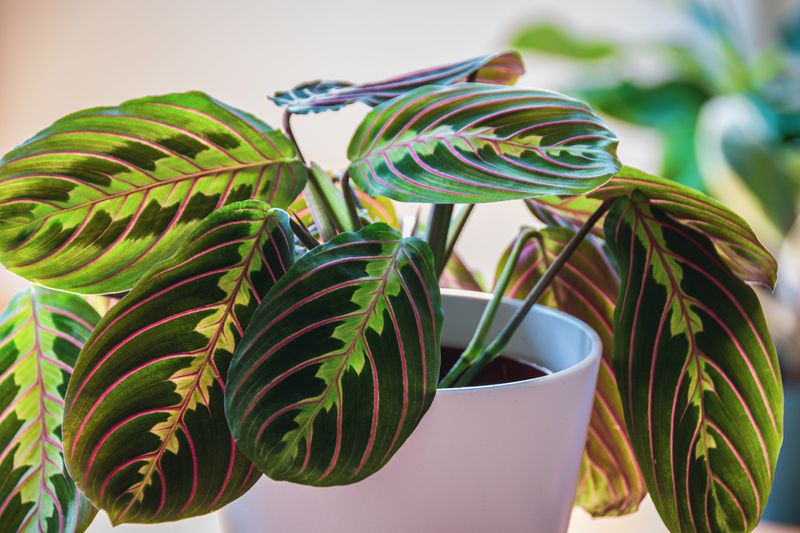
Maranta prayer plants have captured the hearts of Texas pet owners with their incredibly unique leaf patterns that resemble hand-painted watercolors.
Soft green leaves decorated with darker green splotches and deep red veins create an artistic look that complements everything from farmhouse to contemporary décor styles.
The gentle, rounded foliage feels less architectural than some houseplants, giving spaces a cozy, welcoming atmosphere that pet-friendly homes especially appreciate.
Named for their fascinating nighttime behavior, prayer plants fold their leaves upward each evening as daylight fades, then unfold them again when morning arrives.
This movement happens gradually enough that you might catch it in action if you pay attention during twilight hours.
Texas homeowners love this interactive quality because it adds an element of surprise and delight to their indoor gardens, and pets often find the gentle rustling sounds intriguing without being disturbed by them.
Prayer plants prefer moderate indirect light and consistently moist soil, though they’ll forgive you if you occasionally forget a watering session.
They thrive in the humidity that naturally occurs in kitchens and bathrooms, making them excellent choices for those spaces.
Because they stay relatively compact, prayer plants work beautifully on desks, nightstands, or small plant shelves where your pets can safely coexist with them.
Their non-toxic nature means even the most curious puppy or kitten can explore without any health concerns whatsoever.
4. Parlor Palm For Classic, Pet-Safe Style
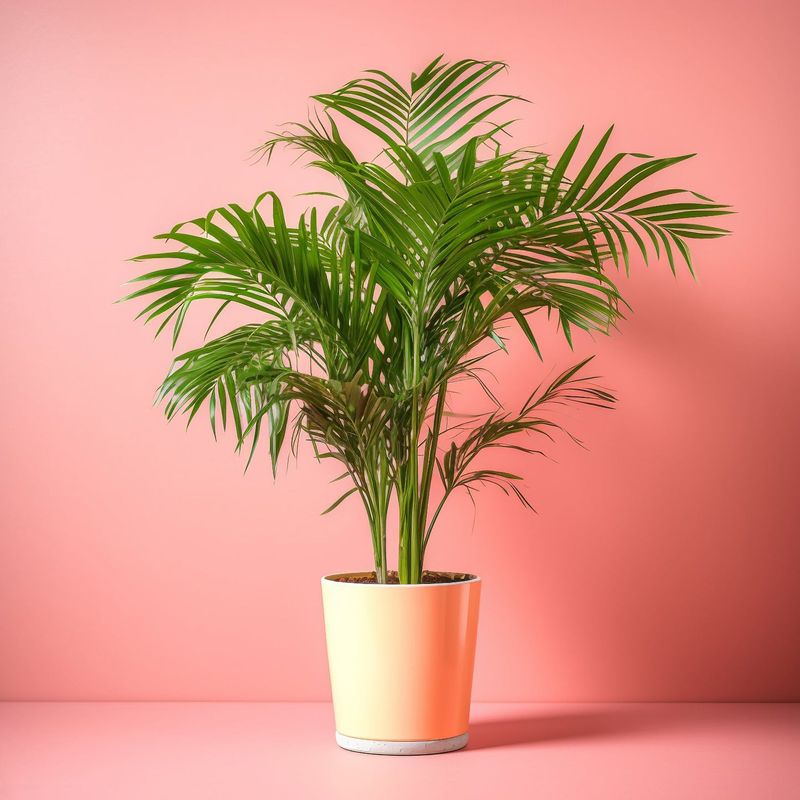
Few houseplants evoke timeless elegance quite like the parlor palm, which has graced homes for generations and remains wildly popular in Texas residences today.
With delicate, feathery fronds that arch gracefully outward, these charming palms bring a touch of tropical sophistication to living rooms, entryways, and bedrooms.
Best of all, they’re completely safe for pets, so you can enjoy their classic beauty without worrying about your four-legged family members.
Parlor palms truly shine in lower light conditions where many other houseplants struggle to survive.
This adaptability makes them absolutely perfect for Texas homes with limited natural light or rooms that face north.
They grow slowly and steadily, eventually reaching three to four feet tall indoors, which provides wonderful vertical interest without overwhelming smaller spaces.
Their manageable size and elegant appearance make them favorites for apartment dwellers and homeowners alike.
These palms prefer evenly moist soil and appreciate occasional misting to boost humidity, though they’re remarkably forgiving if you’re not always perfect with care routines.
They rarely suffer from pest problems and maintain their attractive appearance year-round with minimal effort.
Texas pet owners especially appreciate how the soft fronds withstand gentle investigation from curious cats without causing any harm.
Placing a parlor palm in a corner or beside furniture creates an instant focal point that feels both sophisticated and wonderfully welcoming throughout every season.
5. Areca Palm For Bright Indoor Spaces
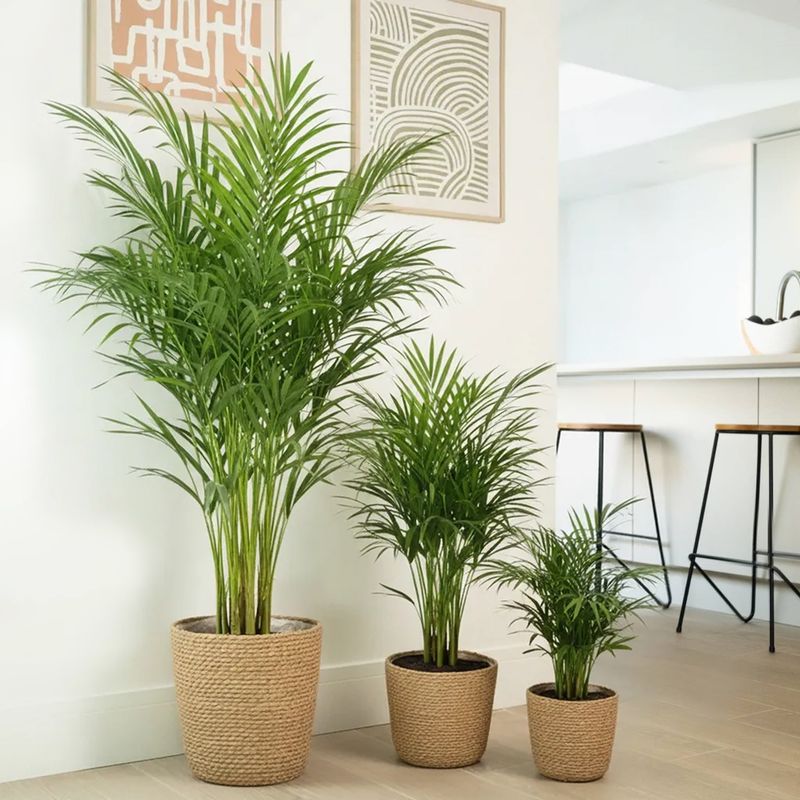
When Texas homeowners want to make a bold botanical statement in sunlit rooms, areca palms deliver spectacular results while remaining completely pet-friendly.
These gorgeous palms feature multiple bamboo-like stems topped with gracefully arching fronds that create a lush, tropical atmosphere reminiscent of vacation destinations.
Their golden-green foliage catches and filters sunlight beautifully, casting lovely dappled shadows that add depth and movement to your interior spaces throughout the day.
Areca palms thrive in bright indirect light, making them perfect companions for those sun-drenched Texas rooms with large windows facing south or west.
They can grow quite tall indoors, sometimes reaching six to seven feet, which makes them excellent choices for filling empty corners or framing architectural features.
Despite their impressive size, they maintain an airy, open appearance that never feels heavy or overwhelming in your living areas.
These palms do appreciate consistent watering and moderate humidity, though they adapt reasonably well to typical indoor conditions with a little extra attention.
Regular misting or placing them near other plants helps create the moisture they prefer.
Texas pet parents love that areca palms are entirely non-toxic, so even if your playful puppy or adventurous cat decides to bat at the swaying fronds, there’s absolutely no danger involved.
Their presence transforms ordinary rooms into peaceful retreats that benefit both human and animal family members equally.
6. Peperomia For Compact, Non-Toxic Design
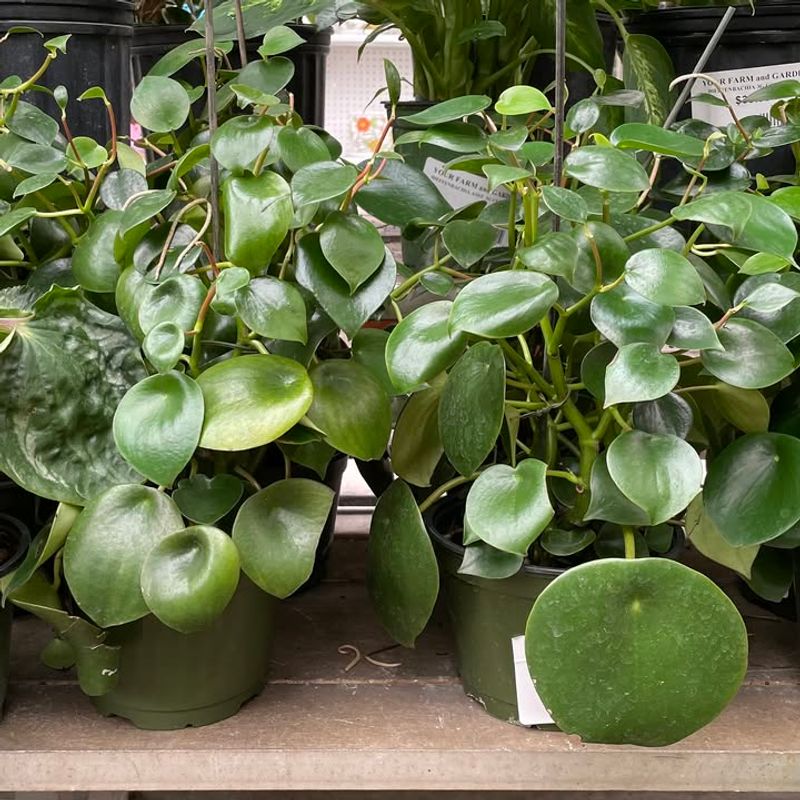
Peperomias have absolutely exploded in popularity among Texas plant lovers who appreciate their compact size, incredible variety, and complete safety for pets.
These charming little plants come in an astounding range of leaf shapes, colors, and textures—from glossy green rounds to rippled silver stripes to deep burgundy hearts.
Their small footprint makes them perfect for desks, shelves, windowsills, and any spot where you want a touch of greenery without taking up precious space.
What truly sets peperomias apart is their remarkably low-maintenance nature, which busy Texas pet owners find absolutely irresistible.
They prefer bright indirect light but tolerate lower light reasonably well, and their thick, succulent-like leaves store water efficiently, meaning they’re forgiving if you occasionally forget watering day.
Most varieties stay under a foot tall, making them ideal for creating layered displays or filling small gaps in your plant collection.
The modern, minimalist aesthetic of peperomias fits beautifully with contemporary Texas home décor trends, while their quirky leaf shapes add personality and visual interest.
They rarely attract pests and require very little fertilizer to stay healthy and attractive.
Because they’re completely non-toxic, you can confidently place them anywhere in your home, even on low tables or floor-level shelves where curious pets can easily reach them.
Their adaptability and safety make them perfect starter plants for new plant parents with furry companions.
7. Bamboo Palm For Pet-Safe Indoor Jungle Looks
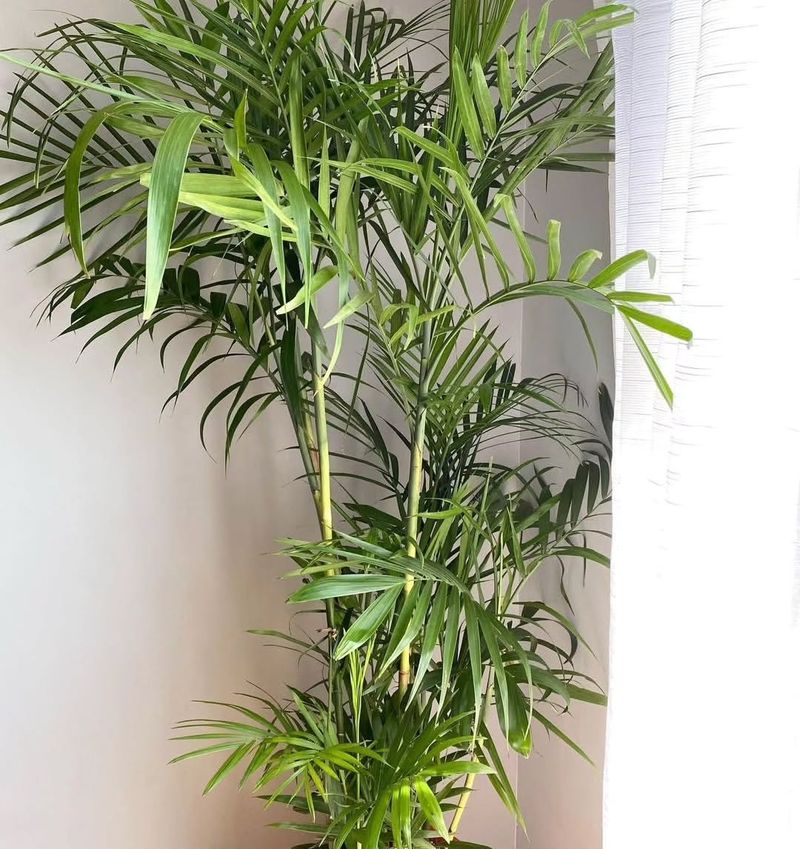
Creating an indoor jungle vibe while keeping pets safe becomes effortless with bamboo palms, which have become showstoppers in Texas homes across the state.
These impressive palms feature clusters of slender, bamboo-like stems crowned with lush, feathery fronds that bring instant tropical flair to any room.
Their substantial presence makes them perfect for filling large empty spaces, flanking doorways, or serving as natural room dividers that add both beauty and function.
Bamboo palms have earned recognition for their reputation as excellent air purifiers, naturally filtering common indoor pollutants while releasing oxygen.
This quality makes them particularly valuable in Texas homes where windows often stay closed during extreme weather, whether scorching summer heat or occasional winter chills.
They prefer bright indirect light and consistent moisture, though they’re relatively forgiving compared to some other tropical species.
These palms can reach impressive heights indoors, sometimes growing six to eight feet tall, which creates dramatic vertical interest that draws the eye upward and makes ceilings feel higher.
Despite their size, they maintain a graceful, elegant appearance that never feels cluttered or overwhelming.
Texas pet owners appreciate that bamboo palms are entirely non-toxic, so even large dogs who might accidentally brush against the fronds or curious cats who investigate from nearby perches face absolutely no health risks.
Their combination of beauty, functionality, and safety makes them outstanding choices for pet-friendly households seeking statement plants.
8. Ponytail Palm For Sculptural, Pet-Safe Décor
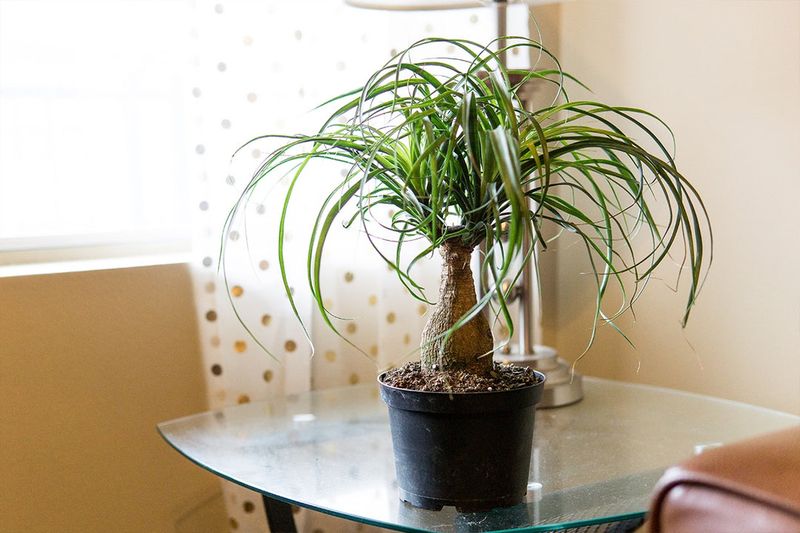
With its distinctive swollen trunk base and fountain of long, cascading leaves, the ponytail palm looks more like living sculpture than traditional houseplant.
Texas homeowners have embraced these quirky beauties for their architectural interest and incredibly forgiving nature, which suits the state’s sometimes unpredictable climate and busy lifestyles.
The bulbous base stores water efficiently, making ponytail palms exceptionally drought-tolerant and perfect for people who travel frequently or simply forget to water occasionally.
Despite their name, ponytail palms aren’t actually palms at all—they’re succulents, which explains their amazing ability to withstand neglect that would devastate most houseplants.
They thrive in bright light, including direct sun, making them ideal for those sunny Texas windows where other plants might scorch.
Their slow growth rate means they’ll maintain their attractive proportions for years without requiring frequent repotting or becoming unmanageably large.
The playful, whimsical appearance of ponytail palms adds personality and conversation-starting appeal to modern, southwestern, and eclectic décor styles equally well.
Their narrow, grass-like leaves cascade gracefully from the top of the trunk, creating movement and visual softness that contrasts beautifully with the sculptural base.
Texas pet parents love that ponytail palms are completely safe for cats and dogs, so these unique plants can take center stage on coffee tables, side tables, or floor stands without any worry about curious nibbles causing problems.
9. Friendship Plant (Pilea Involucrata) For Soft Texture
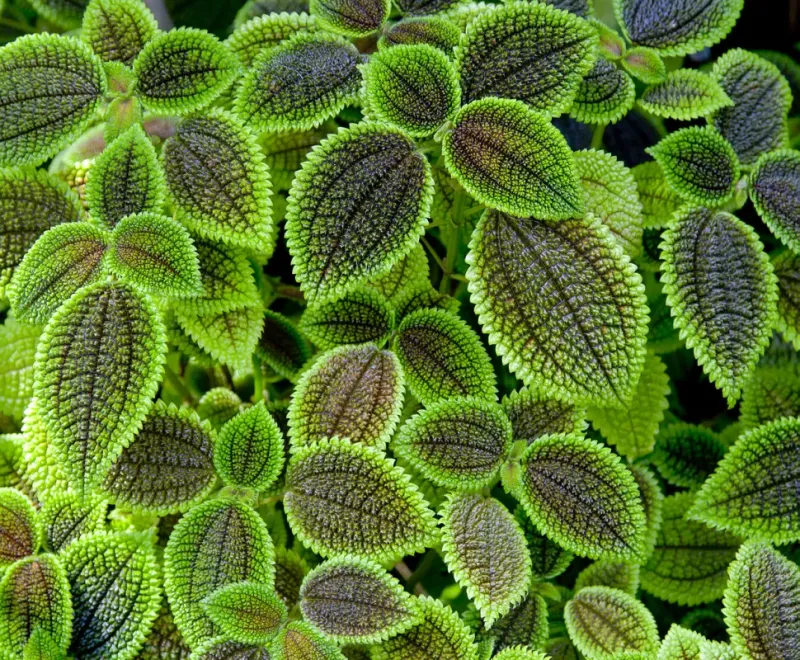
Friendship plants charm Texas pet owners with their incredibly tactile, quilted leaves that practically beg to be touched.
The deeply textured foliage in shades of bronze, silver, and green creates visual depth that photographs beautifully and looks stunning in person.
These compact plants rarely exceed eight to twelve inches in height, making them perfect for small spaces, terrariums, or creating lush groupings on shelves and windowsills throughout your home.
The common name comes from the plant’s ease of propagation and the tradition of sharing cuttings with friends and neighbors, which has helped spread their popularity throughout Texas communities.
They root quickly in water or soil, making it simple to expand your collection or pass along starter plants to fellow plant enthusiasts.
This generous nature fits perfectly with Texas hospitality traditions and the growing culture of plant swaps and sharing among local gardening groups.
Friendship plants prefer bright indirect light and consistently moist soil, though they’ll signal their thirst by slightly drooping leaves, which perk right back up after watering.
They appreciate higher humidity but adapt reasonably well to typical indoor conditions with occasional misting.
The soft, fuzzy texture of their leaves feels wonderful to touch and adds a sensory element that both humans and pets find appealing.
Because they’re completely non-toxic, you can place them anywhere without worrying about your curious cat or puppy taking an exploratory nibble during their indoor adventures.
10. Polka Dot Plant For Color Without Risk
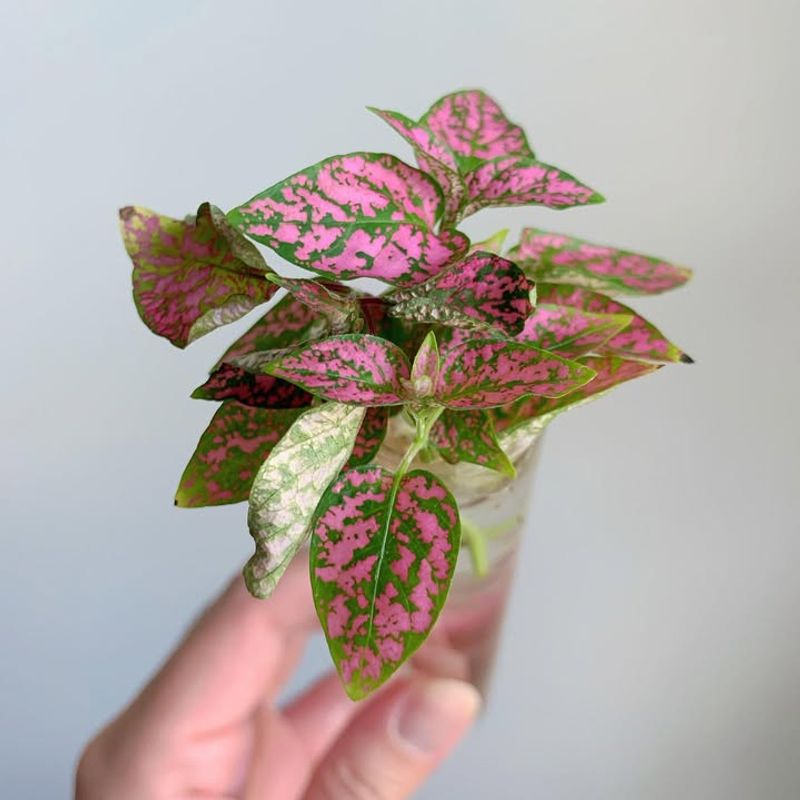
Polka dot plants inject vibrant color into Texas homes without requiring flowers or posing any risk to beloved pets.
Their stunning foliage comes splashed with bright pink, red, white, or purple spots against deep green backgrounds, creating a confetti-like effect that feels celebratory and joyful.
These energetic little plants bring the visual impact of blooming flowers while remaining much easier to maintain and completely safe for curious animals who might investigate.
The bold coloration of polka dot plants makes them fantastic accent pieces that draw attention and brighten spaces that might otherwise feel dull or monotonous.
They work beautifully in groupings with other pet-safe plants, where their vivid colors create striking contrasts against solid green foliage.
Texas plant lovers often use them to add pops of color to kitchen windowsills, bathroom counters, or bedroom nightstands where their cheerful appearance provides daily mood boosts.
Polka dot plants prefer bright indirect light to maintain their intense coloration, though too much direct sun can fade their distinctive spots.
They appreciate consistent moisture and will dramatically wilt when thirsty, though they recover quickly once watered.
Regular pinching back of growing tips encourages bushier growth and prevents them from becoming leggy.
Their compact size and non-toxic nature make them perfect for homes with cats who enjoy perching near windows or dogs who might accidentally bump into floor-level plants.
The combination of safety and spectacular color has made them increasingly popular across the Lone Star State.
11. Cast Iron Plant For Low-Light, Pet-Friendly Rooms
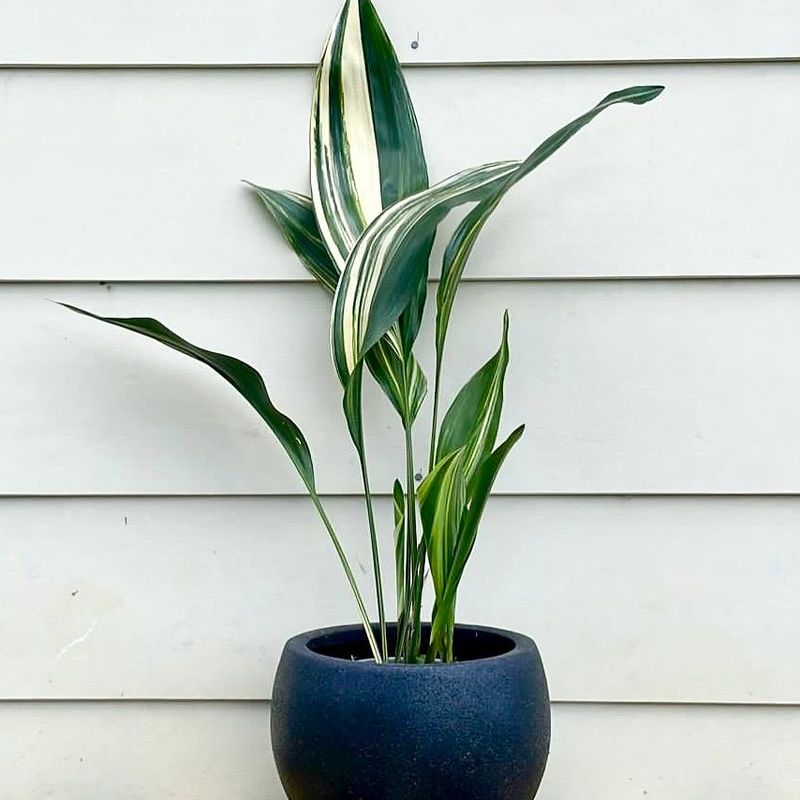
Living up to its tough-as-nails name, the cast iron plant thrives in conditions that would make most houseplants surrender completely.
Texas homeowners with challenging dark corners, north-facing rooms, or interior spaces far from windows have discovered these nearly indestructible plants as their saving grace.
The deep green, blade-like leaves grow directly from the soil in elegant clumps, creating a sophisticated look that complements traditional and modern décor styles equally well.
Cast iron plants tolerate low light, irregular watering, temperature fluctuations, and general neglect better than virtually any other houseplant, making them absolutely perfect for beginners or busy pet parents.
They grow slowly and steadily, eventually forming substantial clumps that provide impressive presence without requiring constant attention or care.
Their resilience has made them beloved fixtures in Texas offices, entryways, and bathrooms where conditions aren’t ideal for fussier species.
The glossy, arching foliage maintains its attractive appearance year-round with minimal effort, rarely suffering from pest problems or diseases.
Cast iron plants are completely safe for pets, so you can confidently place them in any room without worrying about toxicity issues.
They prefer to dry out slightly between waterings and actually perform better with benign neglect than overattentive care.
For Texas households juggling busy schedules, active pets, and the desire for beautiful greenery, cast iron plants offer the perfect combination of toughness, beauty, and complete safety.
12. Orchids (Phalaenopsis) For Elegant, Pet-Safe Blooms
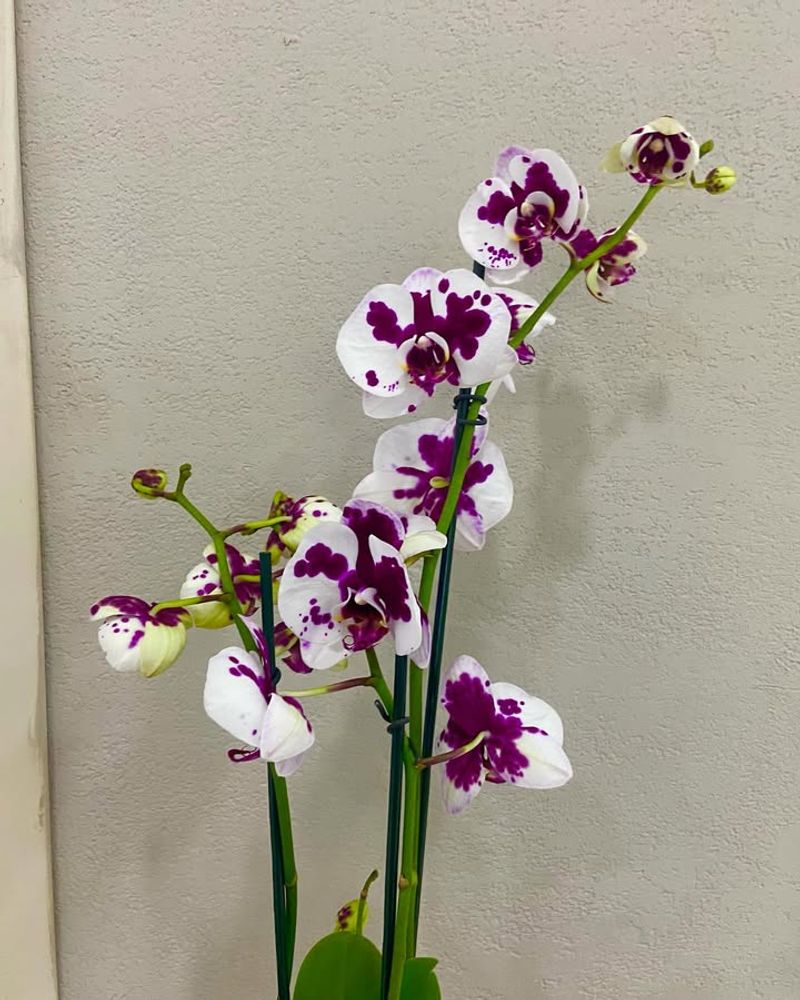
Orchids have shed their reputation as finicky divas and become surprisingly accessible houseplants that Texas pet owners can enjoy without worry.
Phalaenopsis orchids, commonly called moth orchids, produce stunning arching sprays of blooms in white, pink, purple, yellow, and multicolored combinations that last for months at a time.
Their elegant flowers bring sophistication and beauty to any room while remaining completely harmless to cats, dogs, and other household pets who might investigate.
Modern grocery stores, garden centers, and home improvement stores throughout Texas stock affordable orchids year-round, making them accessible to everyone regardless of budget or experience level.
The blooming period typically lasts two to three months, and with proper care, orchids will rebloom reliably year after year.
Their compact size works beautifully on bathroom counters, bedroom dressers, kitchen windowsills, or anywhere you want a touch of elegance without taking up significant space.
Orchids prefer bright indirect light and weekly watering, with ice cubes becoming a popular watering method that prevents overwatering while providing consistent moisture.
They appreciate humidity but adapt reasonably well to typical indoor conditions, especially in Texas bathrooms where natural moisture levels run higher.
The combination of long-lasting blooms, manageable care requirements, and complete pet safety has made orchids increasingly popular among Lone Star State residents.
Their ability to brighten spaces with living flowers while posing zero risk to beloved animals makes them truly special additions to pet-friendly homes.
13. Money Tree (Pachira Aquatica) For Pet-Safe Prosperity
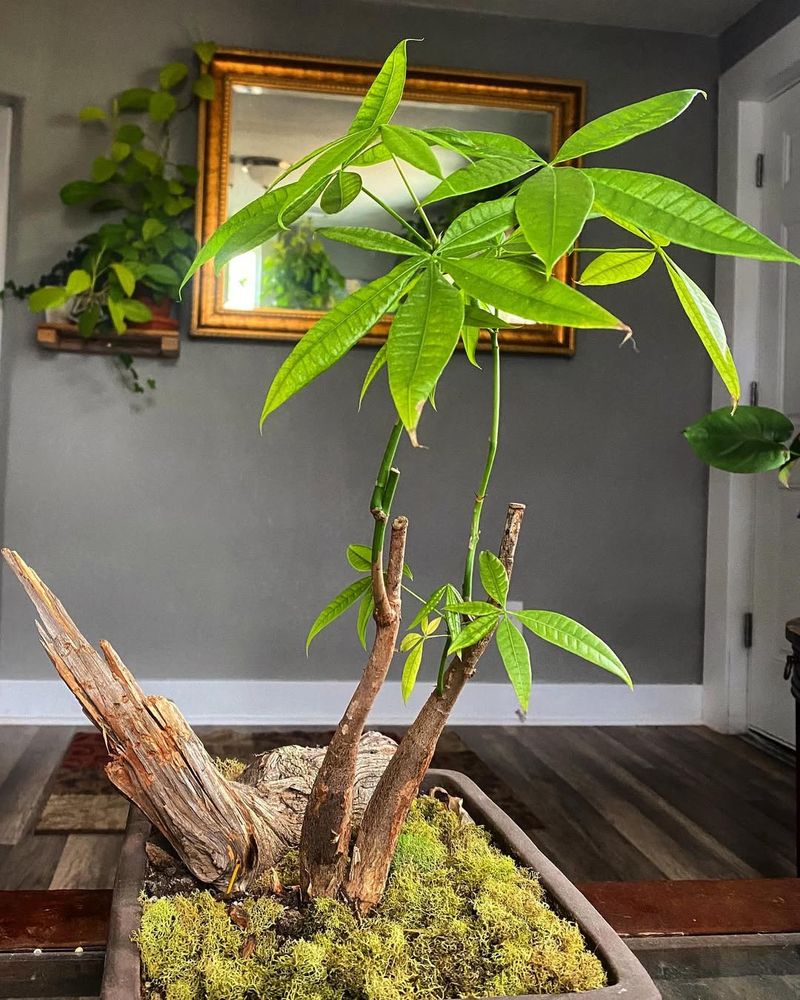
Money trees have become fixtures in Texas homes and offices, where their distinctive braided trunks and glossy, palm-like leaves create instant visual interest.
According to feng shui traditions, these plants bring good fortune and prosperity to their owners, which has contributed to their widespread popularity across cultures and decorating styles.
Beyond their symbolic meaning, money trees are genuinely attractive houseplants that add tropical flair while remaining completely safe for pets to coexist with peacefully.
The braided trunk is created when multiple young plants are woven together during their flexible growth stage, eventually fusing into a single sculptural trunk that serves as a living work of art.
Bright green leaves emerge in groups of five from the top of each stem, spreading outward like fingers and creating a lush canopy.
Money trees adapt well to various light conditions, from bright indirect light to moderate shade, making them versatile choices for different rooms throughout your home.
These plants prefer to dry out slightly between waterings and can tolerate occasional neglect better than constant overwatering, which suits busy Texas lifestyles perfectly.
They grow steadily but not aggressively, reaching three to six feet indoors over time while maintaining manageable proportions.
The combination of unique appearance, cultural significance, easy care, and complete pet safety has made money trees especially popular in Austin, Houston, Dallas, and San Antonio households.
Whether you believe in their prosperity-bringing powers or simply appreciate their beauty, money trees offer wonderful benefits without any risk to your furry family members.
14. Rattlesnake Calathea For Dramatic, Safe Foliage
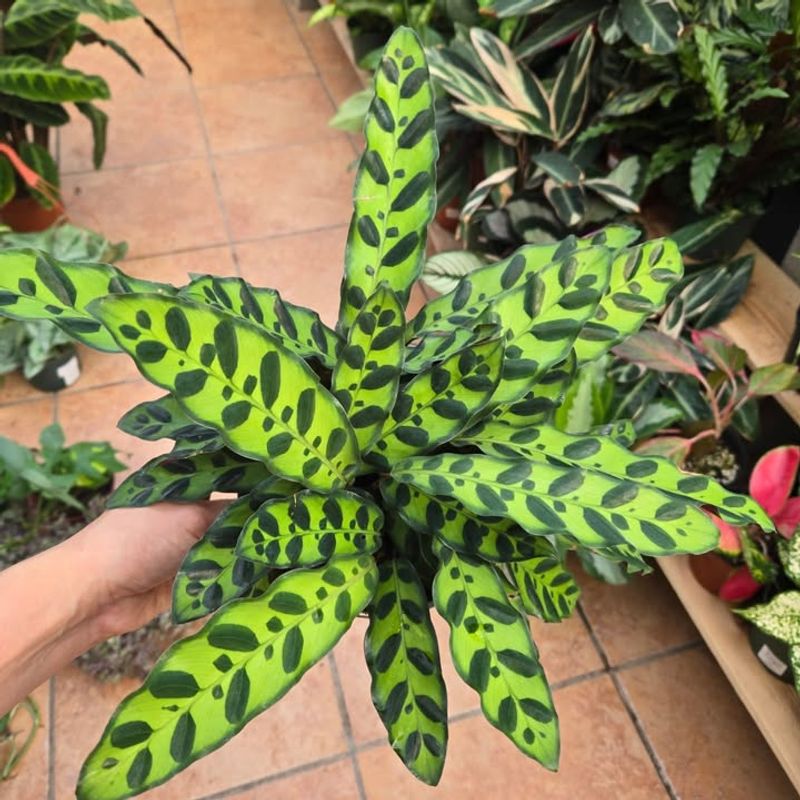
Among the already stunning calathea family, the rattlesnake variety stands out with particularly dramatic foliage that stops people in their tracks.
Long, slender leaves feature distinctive dark green patterns against lighter green backgrounds that resemble, well, rattlesnake markings—though these plants pose absolutely no danger to pets or people.
The undersides reveal gorgeous purple coloring that adds an extra layer of visual interest, especially when leaves curl slightly or catch light from different angles.
Rattlesnake calatheas share the family’s characteristic evening leaf movement, folding upward as darkness falls and reopening with morning light.
This daily rhythm adds a living, dynamic quality to your indoor garden that fascinates observers and creates subtle rustling sounds that pets often find intriguing.
Texas homeowners particularly appreciate how these plants transform ordinary spaces into exotic retreats that feel worlds away from everyday stress and busyness.
Like other calatheas, rattlesnake varieties prefer bright indirect light and consistent moisture without waterlogged soil.
They appreciate higher humidity levels, which you can provide through regular misting, pebble trays, or grouping plants together.
While they require slightly more attention than some ultra-low-maintenance species, their spectacular appearance and complete pet safety make the extra effort worthwhile.
Placing them where their distinctive patterns catch attention—perhaps on a plant stand or prominent shelf—allows them to serve as living art pieces that enhance your décor while keeping all household members perfectly safe.
15. How To Style Pet-Safe Houseplants In Texas Homes
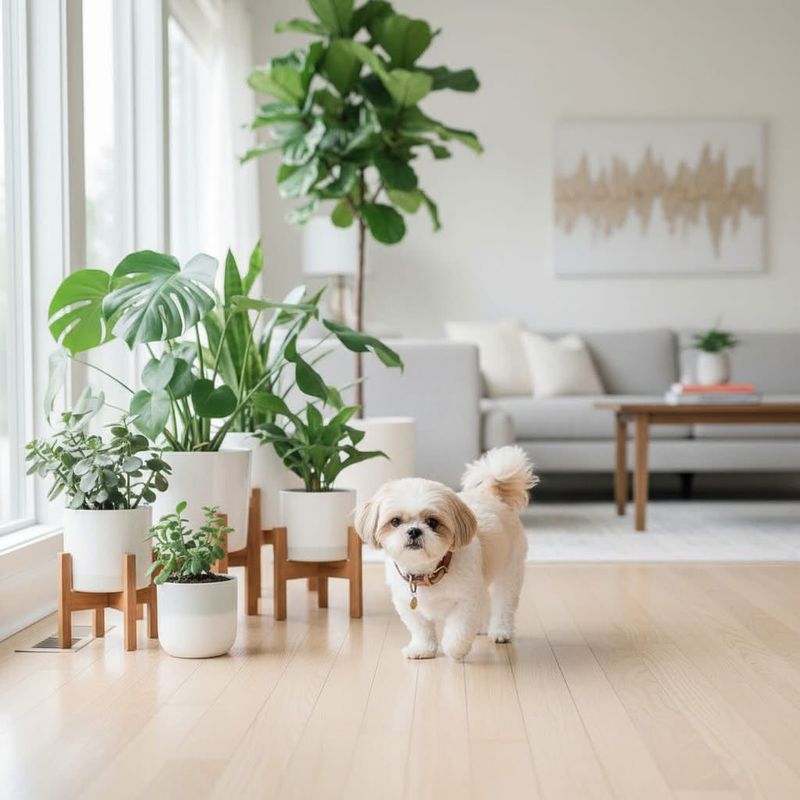
Creating beautiful plant displays while maintaining pet safety requires thoughtful placement and design strategies that work for everyone in your household.
Consider elevating smaller plants on shelves, plant stands, or hanging planters where curious cats can’t easily reach them, while reserving floor-level spots for larger, sturdier varieties like palms that can withstand occasional bumps from passing dogs.
Grouping multiple pet-safe plants together creates lush, layered arrangements that look professionally designed while ensuring every species remains harmless to your animals.
Texas homes often feature abundant natural light, which you can maximize by placing sun-loving plants near south and west-facing windows while positioning shade-tolerant varieties in north-facing rooms or interior spaces.
Using decorative pots and planters that complement your existing décor ties everything together visually and makes plants feel like intentional design elements rather than afterthoughts.
Consider texture, height, and color variations when selecting plants to create visual interest and dynamic compositions that evolve as plants grow.
Strategic placement also means thinking about your pets’ habits and favorite spots—avoid putting plants directly in high-traffic pathways or areas where your dog typically plays.
Creating dedicated plant zones on windowsills, corner plant stands, or wall-mounted shelves keeps greenery organized and accessible for care while minimizing accidental encounters.
Remember that even non-toxic plants can cause minor stomach upset if consumed in large quantities, so monitoring your pets’ interest levels and redirecting excessive nibbling helps everyone coexist peacefully.
With these pet-safe varieties and thoughtful styling, Texas homes can achieve the indoor jungle aesthetic while keeping all family members happy, healthy, and safe.