Why Texas Homeowners Are Growing Lantana Near Their Front Doors
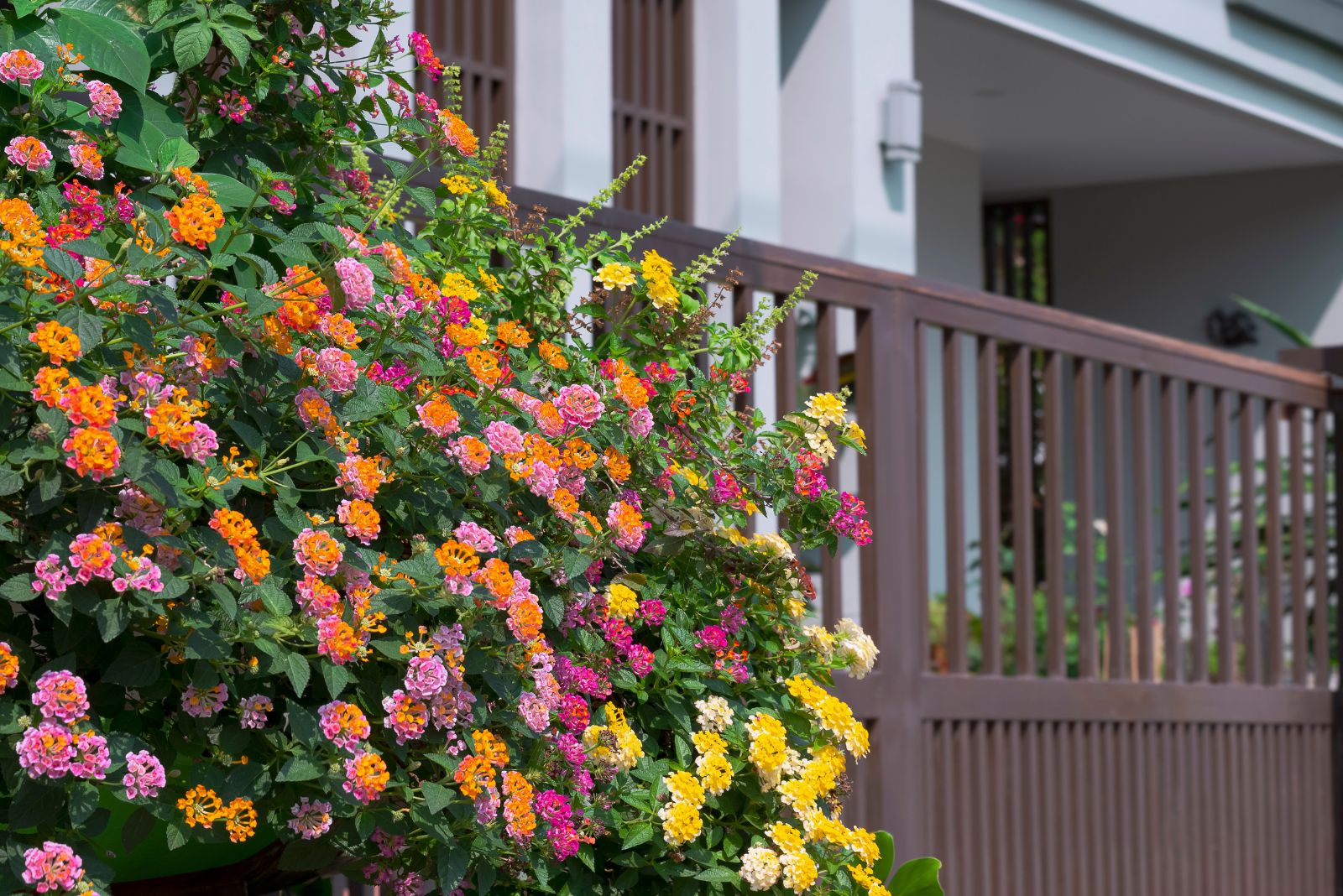
Have you noticed more bright, colorful flowers popping up by front doors across Texas neighborhoods? Many homeowners are turning to lantana for a simple reason.
This cheerful plant thrives in heat, handles dry spells, and keeps blooming when other flowers fade. Its vibrant clusters instantly boost curb appeal and create a warm, welcoming entrance.
Butterflies and pollinators love it, which adds life and movement right near your doorstep. Lantana also asks for very little care, making it perfect for busy homeowners who still want a lively landscape.
Whether planted in the ground or in decorative pots, it brings long lasting color through the hottest months. More Texans are choosing this hardy favorite to frame their entryways, brighten walkways, and create a friendly first impression.
It is tough, beautiful, and perfectly suited for the Texas climate, which explains why it keeps showing up by more and more front doors.
1. Thrives In Brutal Texas Heat Without Extra Watering
Texas summers can be absolutely punishing, with temperatures regularly climbing past 100 degrees for weeks at a time. Most flowering plants wilt and struggle when the thermometer soars, requiring constant watering and special attention.
Lantana laughs in the face of this heat, actually preferring the scorching conditions that make other plants suffer.
Once established near your front door, lantana needs very little supplemental water even during the driest months.
The plant developed deep root systems that tap into moisture below the surface. This means you can skip the daily watering routine that other flowers demand.
Homeowners across Texas appreciate this low-maintenance quality, especially during drought conditions when water restrictions become common. Your water bill stays manageable while your entryway stays beautiful.
The plant continues producing brilliant blooms throughout summer when most other flowers have given up.
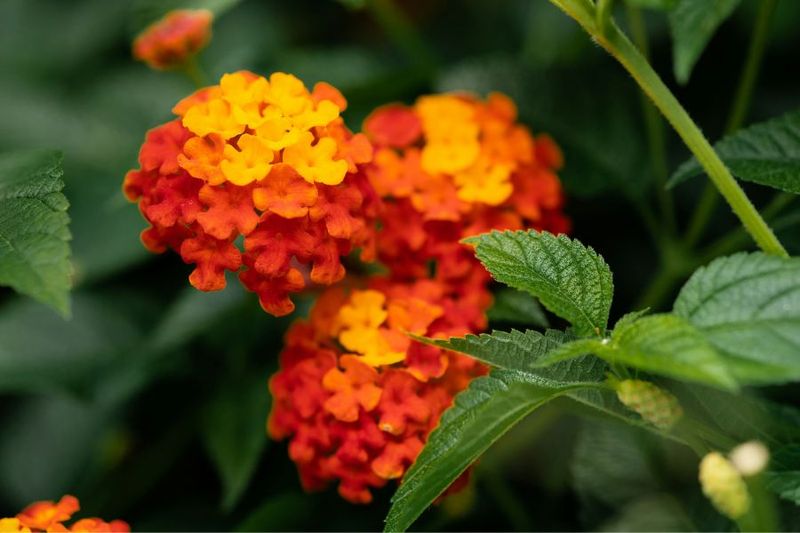
The leaves have a slightly fuzzy texture that helps reduce water loss through evaporation. This natural adaptation makes lantana perfectly suited for Texas climate conditions. You can plant it in full sun locations where other flowers would quickly fade.
Many Texas gardeners report their lantana looks better in August than it did in May. The intense heat actually encourages more vigorous blooming.
This reverse behavior compared to typical plants makes lantana a smart choice for front door plantings.
During extended dry spells, established lantana might show slight stress but bounces back quickly with a single deep watering. This resilience means your entrance always looks welcoming, even when nature refuses to cooperate with rainfall.
2. Creates A Butterfly Highway Right At Your Entrance
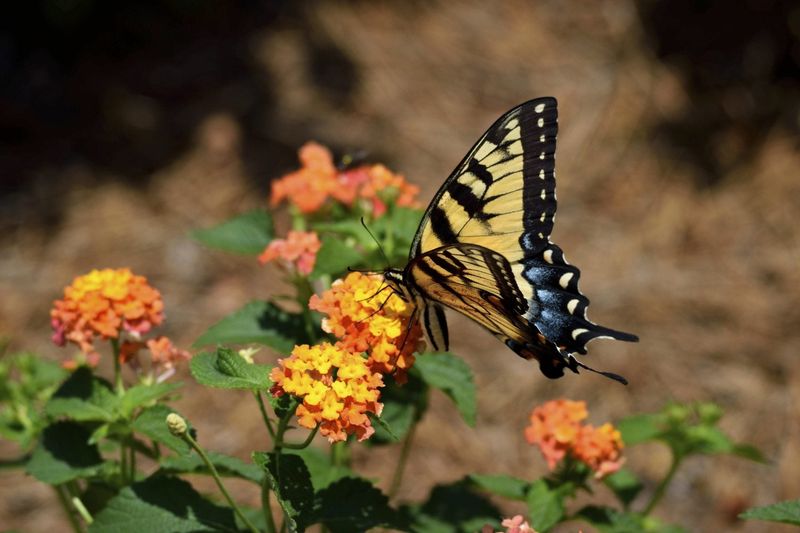
Walking up to a front door surrounded by fluttering butterflies creates an enchanting experience for visitors and family members alike.
Lantana acts like a magnet for these beautiful winged creatures, attracting dozens of species throughout the growing season. The nectar-rich flowers provide essential food sources that butterflies desperately need.
Monarchs, swallowtails, painted ladies, and gulf fritillaries all visit lantana regularly in Texas neighborhoods.
Watching these colorful insects dance from bloom to bloom adds movement and life to your entryway. Children especially love observing the butterfly activity during summer months.
Your Texas Garden Changes Every Week. Your Plan Should Too.
Gardening in Texas changes quickly throughout the season. Every Friday you’ll receive a simple weekly plan showing exactly what to plant, prune, fertilize, harvest, and protect so you never miss the right timing.
The flower clusters produce nectar continuously as long as temperatures stay warm. This consistent food source makes your front door area a reliable stop on butterfly migration routes.
Some homeowners report seeing twenty or more butterflies at once on their lantana plants.
Different lantana colors attract slightly different butterfly species, so planting multiple varieties increases diversity.
The orange and red blooms particularly appeal to monarchs during their fall migration through Texas. Yellow and pink varieties draw in other species throughout spring and summer.
Beyond butterflies, hummingbirds also frequent lantana flowers near front doors. These tiny birds zip in for quick sips of nectar, adding another layer of wildlife entertainment. The combination of butterflies and hummingbirds creates a living welcome sign.
Texas homeowners find that lantana near entrances sparks conversations with neighbors and visitors. People naturally pause to watch the butterfly activity, creating friendly interactions.
This simple plant transforms a basic doorway into a nature observation point that everyone enjoys.
3. Naturally Repels Mosquitoes And Other Biting Insects
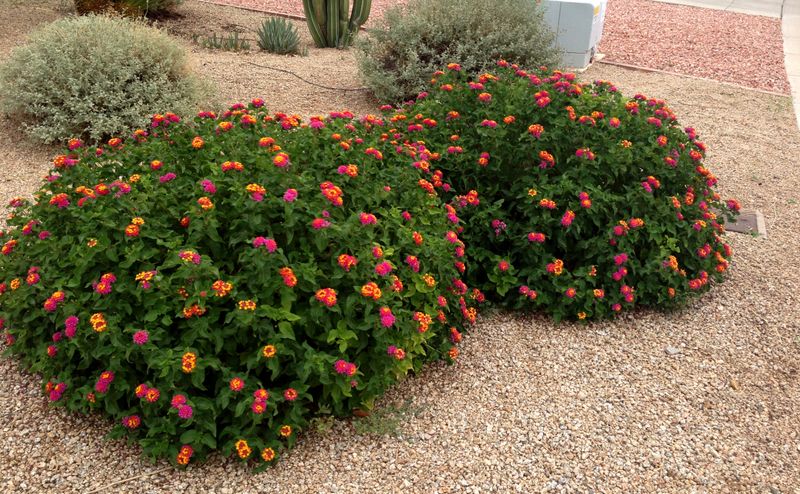
Nobody wants to get bitten by mosquitoes while fumbling for house keys or greeting guests at the front door. Lantana contains natural compounds in its leaves that mosquitoes find extremely unpleasant.
The scent that humans barely notice sends biting insects searching for easier targets elsewhere.
The foliage releases oils that disrupt mosquito sensory systems, making it harder for them to locate human targets. Planting lantana on both sides of your entrance creates a protective barrier zone.
Visitors often comment on how few mosquitoes bother them compared to other Houston, Dallas, or San Antonio area homes.
Texas mosquito populations explode during humid summer months, making outdoor activities miserable.
Traditional chemical repellents work but require constant reapplication and smell unpleasant. Lantana provides 24-hour protection without sprays, candles, or electronic devices.
The protective effect extends several feet from the plant, covering your entire doorway area. Guests can stand on the porch without constantly swatting away insects. This makes evening conversations and package deliveries much more comfortable.
Besides mosquitoes, lantana also deters gnats, flies, and other nuisance insects. The multi-layered pest control happens automatically without any effort on your part. You simply enjoy the flowers while benefiting from the invisible shield they create.
You can crush a few lantana leaves and rub them on exposed skin for additional protection. This old-fashioned technique works surprisingly well for short periods outdoors. The plant essentially serves as a living insect repellent factory right at your entrance.
During peak mosquito season, having lantana near your front door means fewer disease-carrying pests around your family. This health benefit adds serious value beyond the plant’s obvious beauty.
4. Provides Year-Round Color In Most Texas Regions
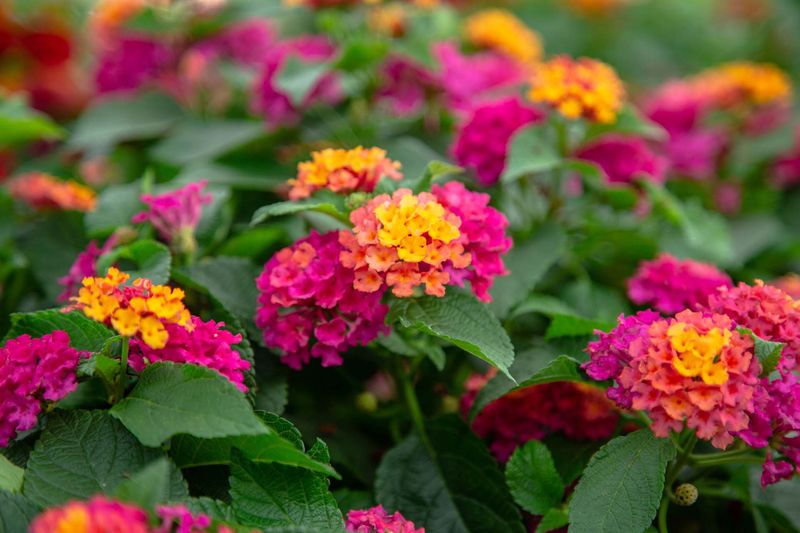
Most flowering plants bloom for a few weeks then fade away, leaving gaps in your landscape design. Lantana breaks this frustrating pattern by producing flowers for eight to ten months across most Texas regions.
From late spring through the first hard freeze, your front door stays decorated with vibrant color. The blooms start appearing in April or May depending on your specific location in Texas.
They continue non-stop through November in southern areas, with only occasional breaks during extreme weather. Northern Texas homeowners still enjoy six to seven months of continuous flowering.
Each flower cluster contains multiple tiny blooms that open in succession, ensuring constant color. As older flowers fade, new buds immediately take their place. This perpetual blooming cycle means your entrance never looks bare or neglected.
Many lantana varieties display multiple colors simultaneously, with blooms changing shade as they mature. A single plant might show yellow, orange, and red flowers all at once. This color-shifting quality adds visual interest that static single-color plants cannot match.
During mild Texas winters, lantana in southern regions sometimes continues blooming sporadically.
Even when not flowering, the evergreen foliage maintains green presence near your door. This beats the dry brown sticks that perennials in colder climates leave behind.
The extended blooming season means you get maximum value from your landscaping investment. While neighbors replace seasonal flowers multiple times, your lantana keeps performing month after month.
The cost savings add up quickly when you calculate the price of buying new plants repeatedly.
Texas homeowners love that their front entrance looks intentionally decorated rather than forgotten. The reliable color display makes your home appear well-maintained and welcoming throughout most of the year.
5. Requires Almost Zero Maintenance After Establishment
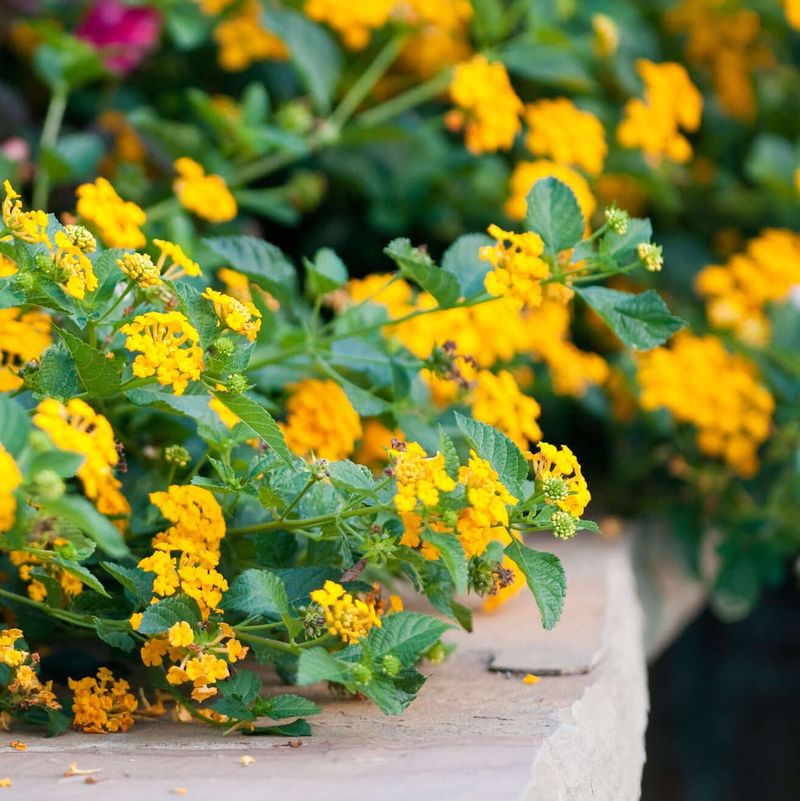
Busy Texas families need landscaping that looks great without demanding constant attention.
Lantana fits this requirement perfectly, thriving on benign neglect once roots establish. You can essentially plant it and forget it, checking in occasionally to enjoy the blooms.
The plant rarely suffers from serious disease problems that plague other flowering species. Fungal issues, leaf spots, and root rots seldom affect lantana in Texas conditions.
This natural disease resistance eliminates the need for chemical treatments and constant monitoring.
Fertilizing lantana is optional rather than required for decent performance. The plant grows and blooms adequately in average Texas soil without amendments.
Adding fertilizer once or twice annually boosts flower production but is not necessary for survival.
Pruning needs are minimal compared to roses, hydrangeas, or other popular flowering shrubs.
You can shape lantana once in early spring if desired, but many homeowners never touch their plants. The natural growth habit stays reasonably compact near front doors without intervention.
Pests rarely bother established lantana plants in Texas landscapes. While aphids occasionally appear, they seldom cause significant damage before beneficial insects control them. You avoid the endless battle against insects that rose growers face constantly.
Weeds struggle to compete with lantana’s dense growth habit once plants fill in. The spreading branches shade out most weed seeds trying to germinate below. This means less time spent pulling unwanted plants from your front entrance beds.
During vacation periods, lantana continues thriving without your presence. Neighbors do not need to water or care for these tough plants while you travel. You return home to find your entrance looking just as good as when you left.
6. Offers Affordable Curb Appeal That Increases Home Value
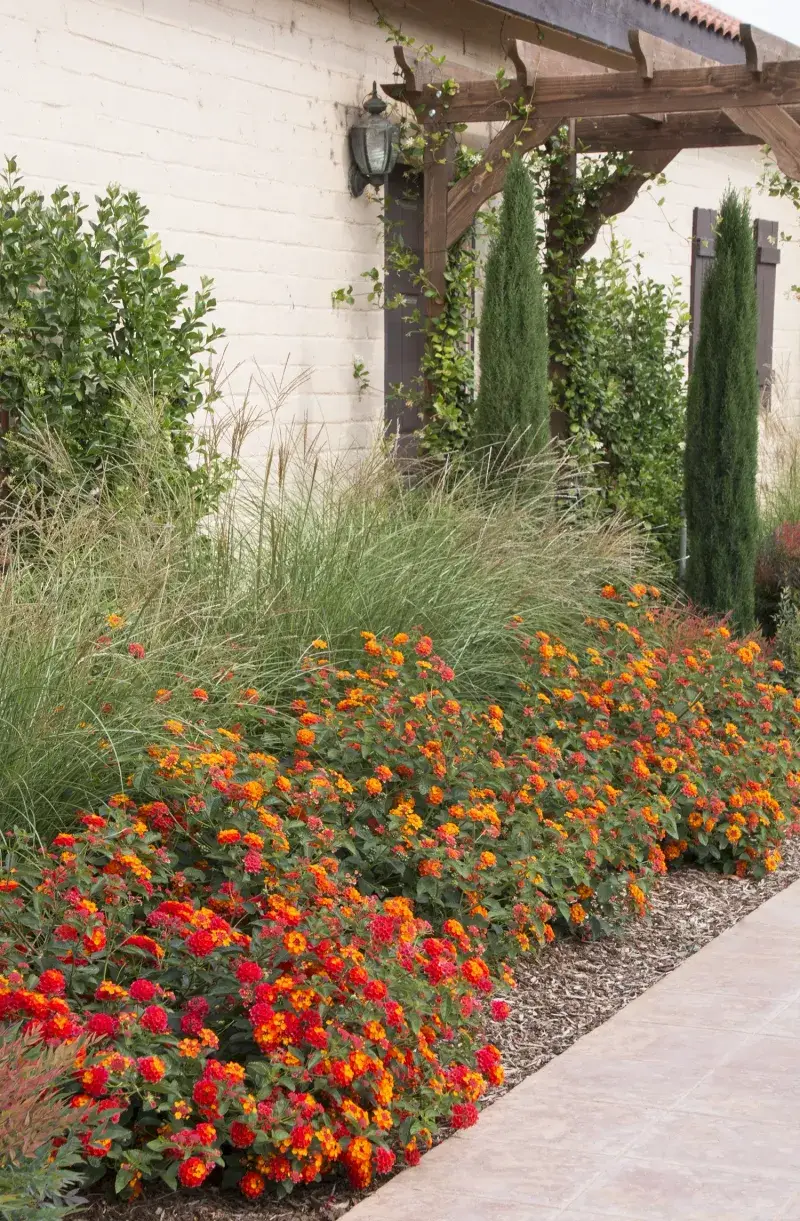
Real estate agents consistently emphasize the importance of strong curb appeal when selling Texas homes. First impressions form within seconds as potential buyers pull up to the curb.
Lantana near front doors creates that crucial positive impact without the expense of major landscaping projects.
A few lantana plants cost less than twenty dollars at most Texas nurseries. This minimal investment delivers maximum visual punch compared to expensive alternatives.
The bright blooms immediately draw eyes to your entrance, making the whole property appear more valuable.
Professional landscapers charge hundreds or thousands for elaborate front entrance designs. Homeowners can achieve similar eye-catching results by simply planting lantana themselves.
The DIY-friendly nature of these plants makes beautiful curb appeal accessible to any budget.
The continuous blooming discussed earlier means your home always looks its best for showings or appraisals.
Unlike seasonal flowers that might be dormant during listing periods, lantana performs reliably. This consistency helps your property stand out in competitive Texas real estate markets.
Neighbors often compliment homes with attractive lantana displays, creating positive community perception.
This reputation for maintaining a nice property subtly increases perceived value. Buyers want homes in neighborhoods where residents take pride in appearance.
The low maintenance requirements appeal to buyers who want beautiful landscaping without constant work.
Sellers can honestly market their homes as having easy-care landscapes. This selling point resonates strongly with busy professionals relocating to Texas cities.
Studies show that quality landscaping can increase home values by seven to fifteen percent. While lantana alone will not achieve maximum increases, it contributes significantly to overall curb appeal.
The return on investment far exceeds the minimal cost of purchasing and planting these colorful performers.