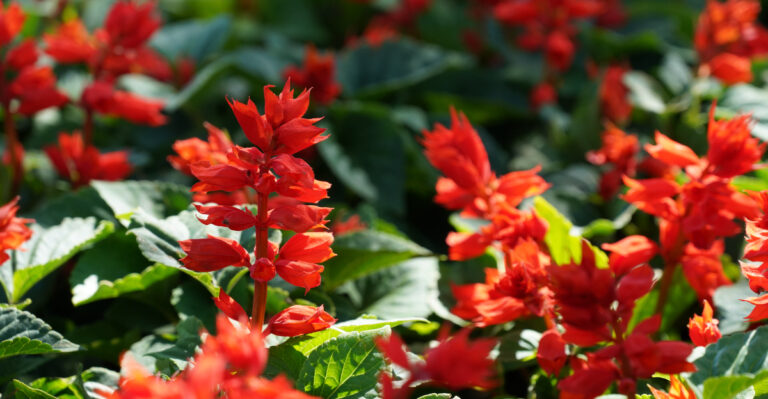
12 Indoor Plants Florida Homes Love For Every Room
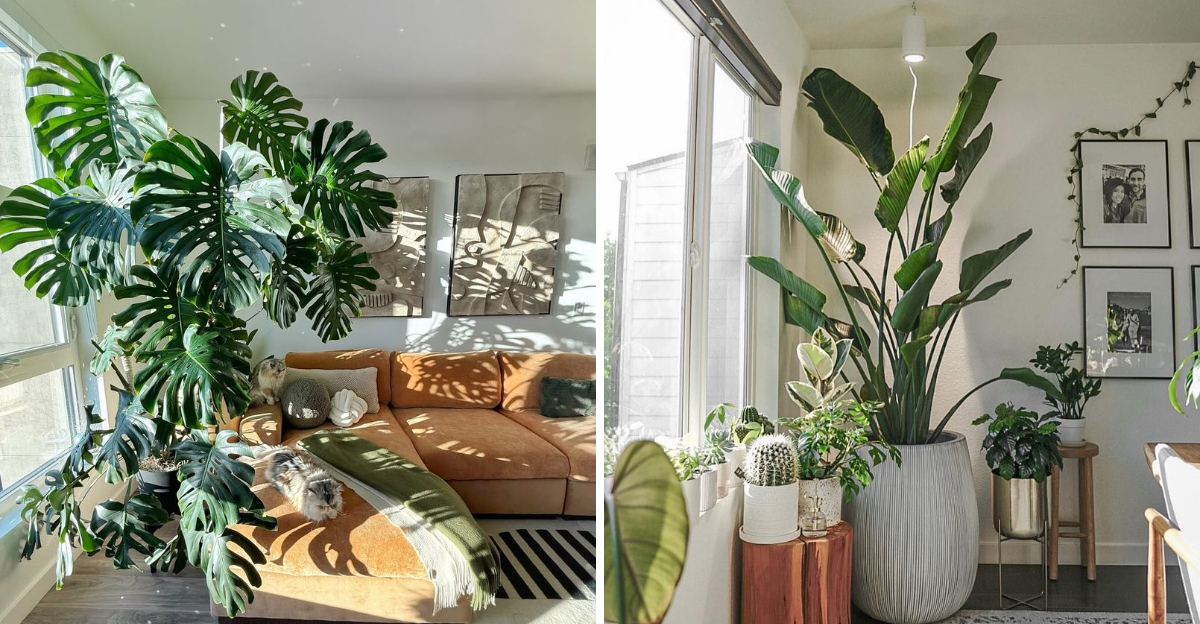
Florida homes have one major advantage that plant lovers dream about: light. Natural sunshine spills into living rooms, kitchens, and bedrooms almost year round, creating the perfect setting for greenery that feels vibrant and alive.
The right plant does more than sit in a corner. It shapes the mood of a space, softens bright interiors, and adds that relaxed, tropical touch Florida is known for.
Across the state, indoor plants have become part of everyday design.
A tall statement plant can anchor a sunlit living room. A compact favorite can freshen up a bathroom shelf or office desk.
Each room offers its own light, airflow, and level of humidity, which makes plant choice surprisingly important. Some varieties thrive in full sun, while others prefer softer corners away from direct rays.
With the right picks, every room in your home can feel greener, calmer, and perfectly suited to Florida living.
1. Golden Pothos Trails Effortlessly Through Bright Florida Rooms
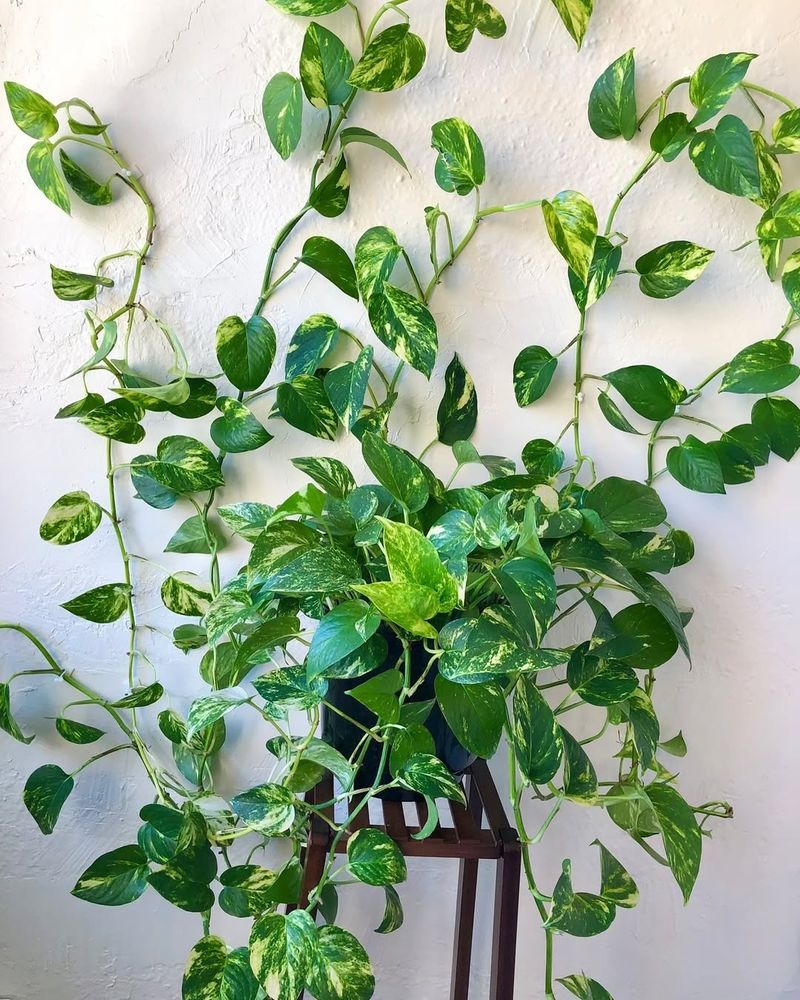
Soft, trailing vines have a way of making a room feel more relaxed, and golden pothos delivers that effect almost immediately. Its green-and-gold leaves spill naturally from shelves, cabinets, or hanging planters, adding movement and texture that suits Florida interiors filled with natural light.
Placement tends to be flexible. Bright, indirect light encourages fuller growth, but lower-light corners still support healthy vines, especially in Florida homes where ambient light remains fairly strong throughout the day.
Direct afternoon sun can be too intense, so a few feet back from a window often works best.
Air conditioning can reduce indoor humidity, which may slow growth slightly. Grouping plants together or placing the pot near a tray of water and pebbles can help create a more stable environment.
Occasional leaf cleaning also keeps the foliage looking fresh.
Water when the top inch or two of soil feels dry, and avoid letting excess water sit in the pot. Golden pothos is often associated with air-cleaning benefits, though the effect indoors tends to be limited.
What it reliably provides is easy growth, long trailing vines, and a forgiving nature that fits comfortably into almost any Florida room.
2. Snake Plant Stands Strong In Warm Indoor Corners
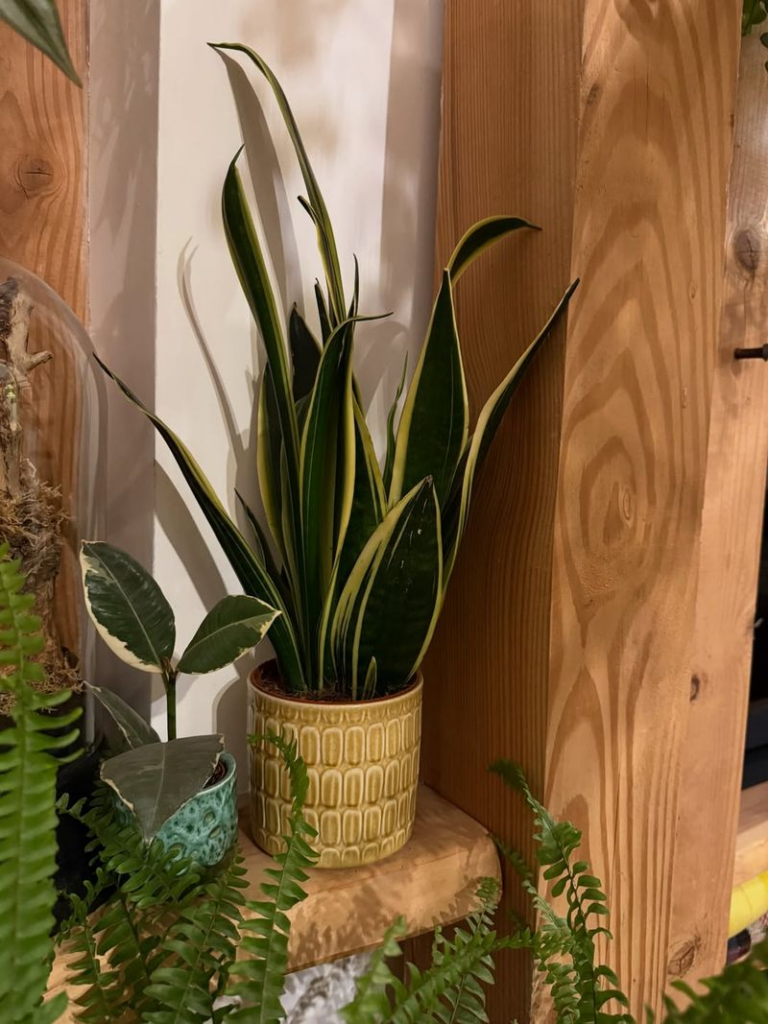
Clean lines and upright growth give the snake plant a structured look that works well in modern Florida interiors. Its tall, sword-like leaves add height without taking up much space, making it a strong choice for bedrooms, offices, or corners that need a vertical element.
Low maintenance care is part of its appeal. Snake plants adapt to a range of light conditions, from bright indirect light to lower-light areas, though growth may slow in dim spaces.
Florida homes with steady indoor temperatures provide a stable environment, even with regular air conditioning.
Dry air from vents rarely causes issues for this plant. In fact, excess moisture is more likely to create problems than dry conditions.
Allowing the soil to dry out between waterings helps prevent root issues and keeps the plant in good shape over time.
Positioning near a bright window can encourage more active growth, but it is not essential for maintaining a healthy appearance. Fertilizing lightly during the growing season supports steady development without pushing excessive growth.
Your Florida Garden Changes Every Week. Your Plan Should Too.
Gardening in Florida changes quickly throughout the season. Every Friday you’ll receive a simple weekly plan showing exactly what to plant, prune, fertilize, harvest, and protect so you never miss the right timing.
For Florida households that want a reliable plant with strong visual impact and minimal upkeep, the snake plant remains one of the most practical and adaptable choices available.
3. ZZ Plant Handles Low Light And Busy Lifestyles
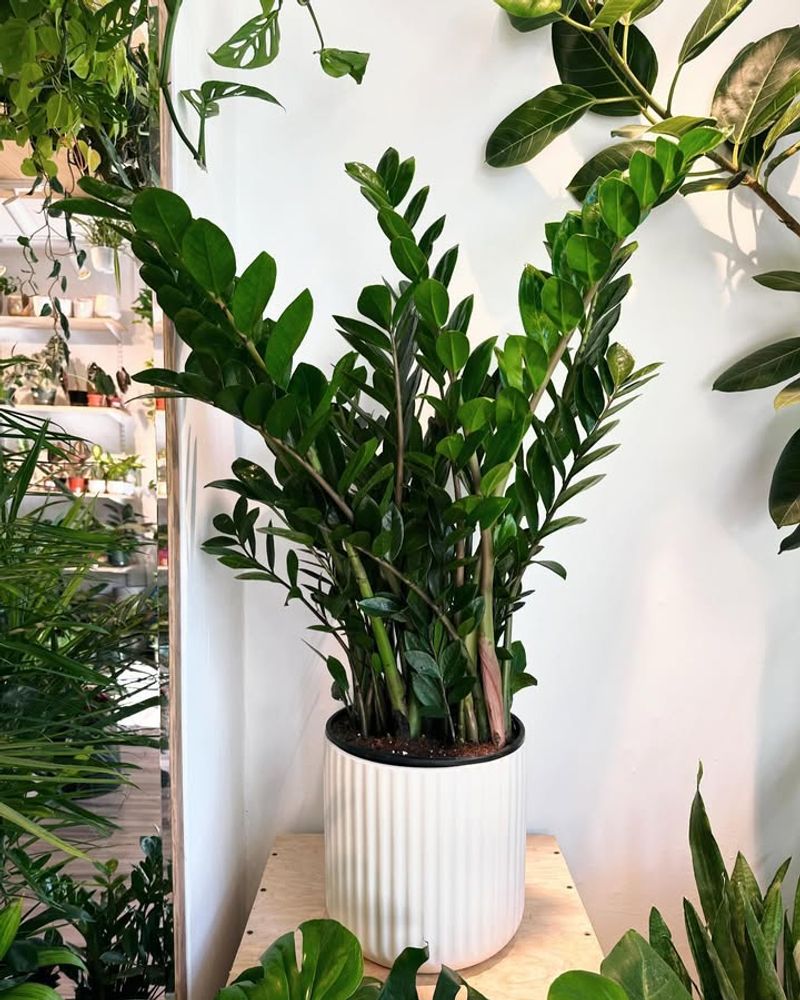
Some rooms simply do not receive much natural light, and that is where the ZZ plant tends to stand out. Thick, glossy leaves reflect light beautifully, bringing life into spaces that might otherwise feel flat or underused.
Storage of moisture within its rhizomes allows this plant to tolerate periods between waterings, which suits busy households or anyone who prefers a lower-maintenance routine. In Florida homes, where indoor temperatures stay fairly warm year-round, the ZZ plant continues to grow steadily even without constant attention.
Placement works best in low to moderate indirect light. Completely dark spaces may slow growth significantly, but hallways, shaded rooms, or offices with filtered light can support long-term health.
Keeping the plant a short distance away from air conditioning vents helps avoid occasional leaf edge dryness.
Water every two to three weeks during warmer months, adjusting slightly based on indoor conditions. Overwatering remains the most common issue, so allowing the soil to dry between waterings is important.
As with several indoor plants, ZZ plants should be kept out of reach of pets and small children. With minimal care and a polished appearance, it fits naturally into Florida homes that need greenery without added complexity.
4. Peace Lily Brings Glossy Leaves And Soft White Blooms
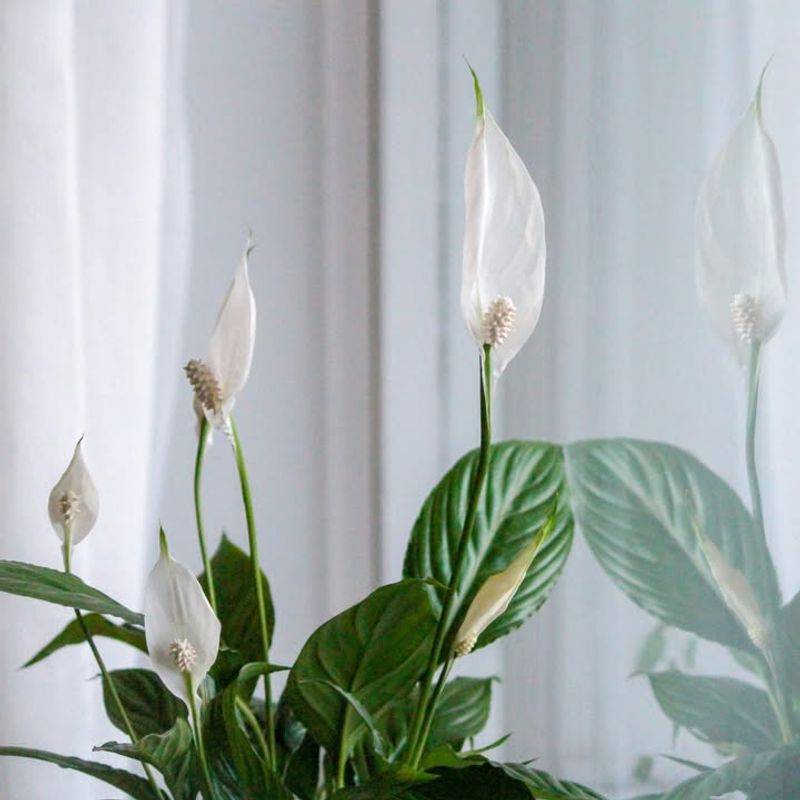
A single peace lily can shift the atmosphere of a room with very little effort. Deep green leaves catch the light, while the soft white blooms add a calm, understated focal point that works especially well in bedrooms and bathrooms across Florida homes.
Light plays a key role in how this plant performs. Indirect light supports steady growth, while brighter conditions often encourage more frequent blooming.
Direct sun can be too harsh, especially during Florida afternoons, so placement slightly away from a window tends to work better.
Humidity can influence appearance over time. Air conditioning may reduce moisture in the air, which can lead to browning at the leaf tips.
Occasional misting or placing the plant near other greenery can help maintain a more balanced environment.
Water when the top inch of soil feels dry. Peace lilies often show visible drooping when thirsty, which makes timing easier to read.
Some plants may be sensitive to fluoride or minerals in tap water, so filtered or rainwater can be worth trying if leaf tips begin to discolor.
With consistent care, peace lilies bring a soft, polished look that fits naturally into Florida interiors.
5. Heartleaf Philodendron Cascades Gracefully From Shelves
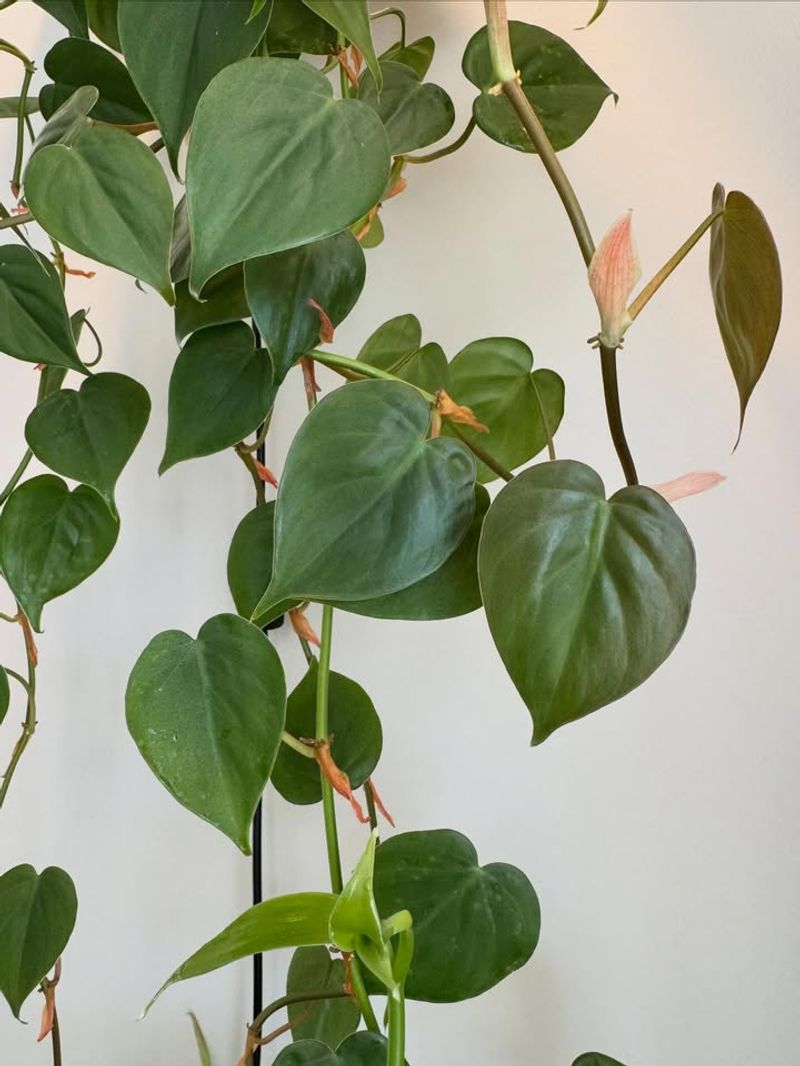
Trailing greenery has a way of making a space feel more relaxed, and heartleaf philodendron delivers that effect with ease. Its soft, heart-shaped leaves flow naturally from shelves and hanging planters, adding movement to Florida interiors without feeling overwhelming.
Adaptability is one of its strongest traits. Medium to bright indirect light encourages fuller growth, though it can still perform well in lower-light rooms.
Florida’s warm indoor temperatures support steady development, even in spaces that rely heavily on air conditioning.
Placement near a window with filtered light often produces the best balance between growth and leaf color. Strong direct sun may cause fading, while very dim areas can slow new growth.
Water when the top inch or two of soil dries out, keeping conditions slightly moist but not overly wet. Occasional feeding during the growing season supports fuller vines and healthier leaves.
Pruning helps maintain shape and encourages a bushier appearance rather than long, sparse strands. Cuttings root easily in water, making it simple to expand into other rooms.
For Florida homes with open shelving or vertical space, this plant adds a soft, flowing element that feels natural and easy to maintain.
6. Monstera Deliciosa Adds Bold Tropical Drama Indoors
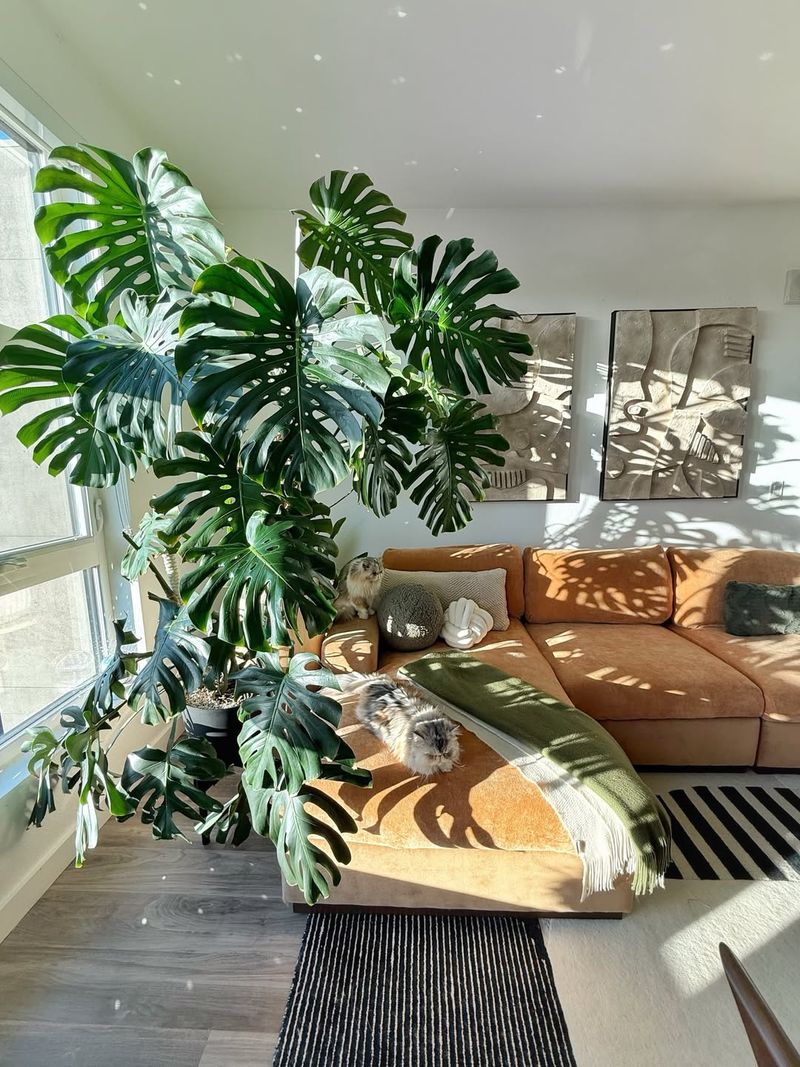
Large, sculptural leaves can completely transform a room, and monstera delivers that bold presence in a way few indoor plants can match. Its split leaves create a tropical look that pairs naturally with Florida’s bright interiors and relaxed design style.
Light conditions influence how the plant develops. Bright to medium indirect light supports larger leaves and more defined splits.
Direct sun can be too intense indoors, especially during peak afternoon hours, so a bit of distance from the window often works best.
Warm indoor temperatures help maintain steady growth. Air conditioning is generally not an issue unless the plant sits directly in a cold draft, which may lead to minor leaf damage over time.
Water thoroughly, then allow the soil to dry slightly before watering again. Good drainage remains important to avoid excess moisture around the roots.
Wiping the leaves occasionally helps keep them clean and functioning well, while also improving their appearance. As the plant matures, support structures like moss poles can guide upward growth.
For Florida homeowners looking to anchor a room with a strong visual statement, monstera offers both scale and character.
7. Rubber Plant Makes A Striking Statement With Deep Green Leaves
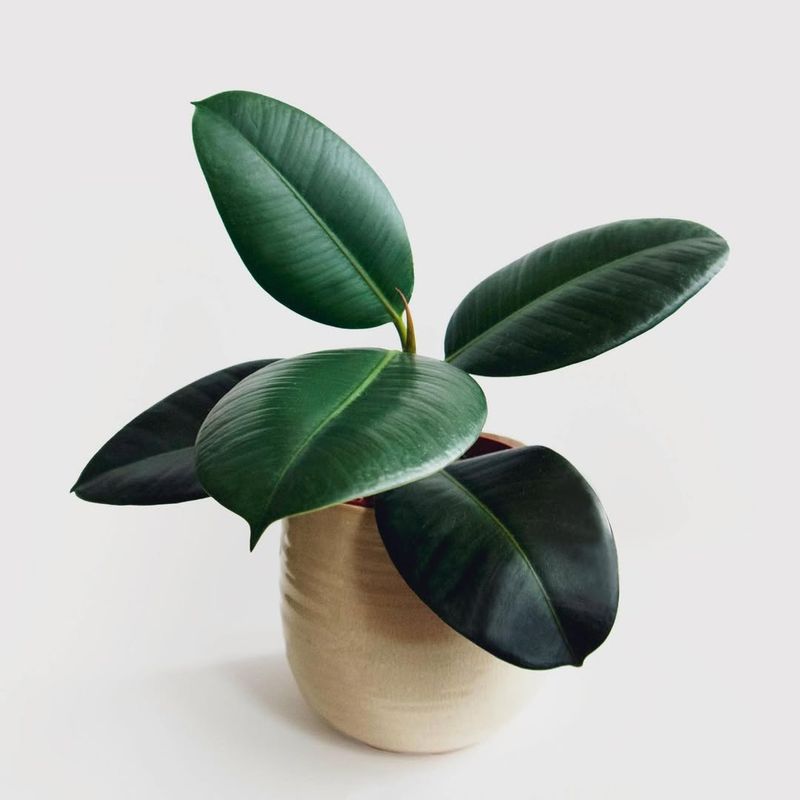
Not every plant needs to trail to make an impression. Rubber plants bring structure and depth through their broad, glossy leaves, creating a bold focal point that works especially well in Florida living rooms and offices.
Light exposure influences both color and growth. Bright indirect light helps maintain rich tones, while a bit of gentle morning sun can support steady development.
Too little light may slow growth and reduce leaf vibrancy.
Stable placement matters more than many expect. Sudden changes in location or exposure to strong air conditioning drafts can lead to leaf drop.
Keeping the plant in a consistent, well-lit spot usually produces better long-term results.
Water when the top inch of soil feels dry, avoiding overly wet conditions. Regular leaf cleaning helps maintain the plant’s appearance and supports overall health.
The sap inside the stems can irritate skin, so handling with care during pruning is recommended. Over time, rubber plants can grow into tall, structured specimens that fill vertical space naturally.
For Florida interiors that benefit from a strong, upright element, this plant adds depth without requiring complicated care.
8. Spider Plant Fills Spaces With Cheerful Arching Foliage
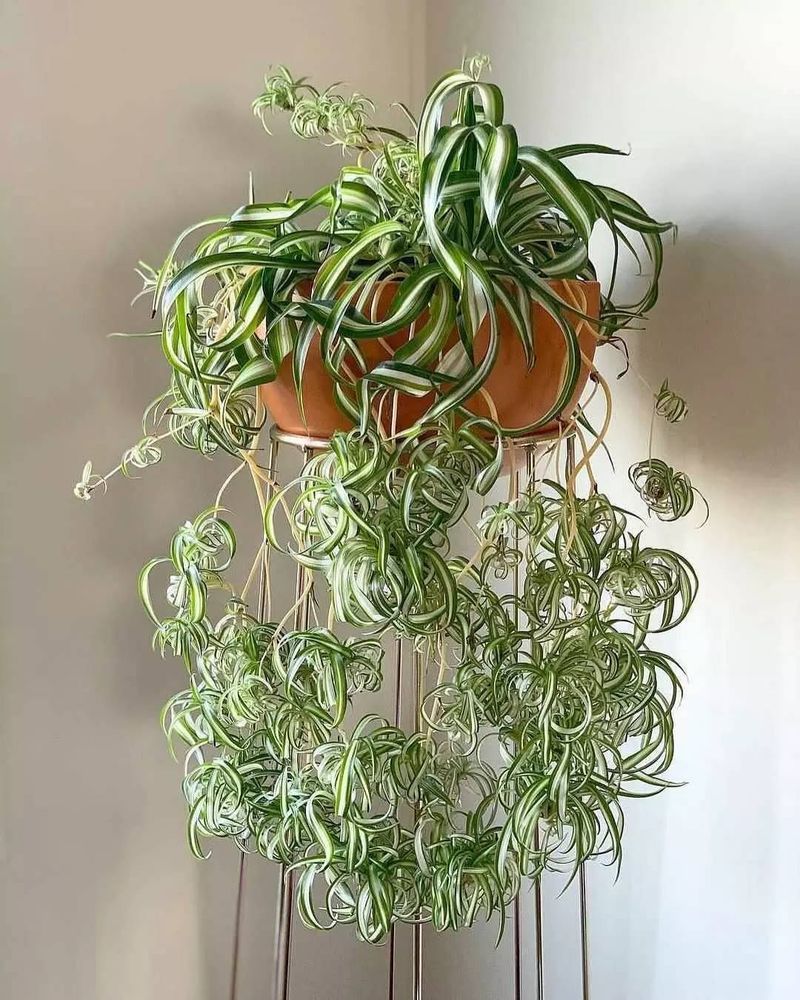
Light, arching leaves can bring a sense of movement into a room, and spider plants do that effortlessly. Their striped foliage and dangling plantlets create a lively display that fits naturally into Florida kitchens, bathrooms, and bright living areas.
Flexibility makes this plant easy to place. Bright indirect light encourages the best growth, though moderate shade is still acceptable in many Florida homes.
Direct sunlight can be too strong and may lead to fading or browning at the tips.
Humidity levels can influence appearance. Coastal Florida homes often provide enough moisture, while heavily air-conditioned interiors may lead to slight tip browning over time.
Water quality can also play a role, as some plants react to minerals found in tap water.
Water when the soil begins to dry, adjusting slightly based on room conditions. Consistent watering without overdoing it keeps the plant looking fresh and full.
Small plantlets that form along the stems can be rooted easily, making propagation simple. For households looking to add something lively and adaptable, spider plants bring both character and ease.
9. Bird Of Paradise Turns Living Rooms Into Tropical Retreats
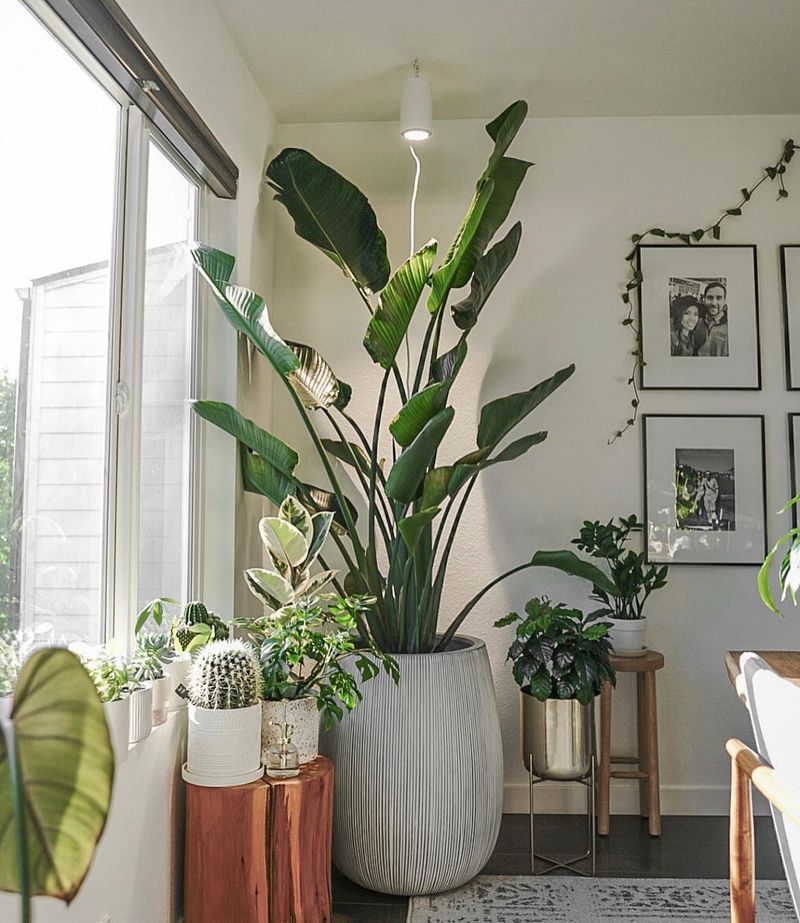
Large, upright leaves can change the feel of a space instantly, and bird of paradise brings that effect into Florida homes with confidence. Its bold shape creates a strong focal point, especially in bright living rooms or sunrooms.
Light is a key factor for success. Bright conditions, including some direct sunlight, support steady growth.
Placement near large windows often works best in Florida homes where natural light is abundant.
Warm indoor temperatures suit this plant well. Air conditioning is generally manageable, though direct drafts can lead to browning along the leaf edges.
Keeping the plant slightly away from vents helps maintain a healthier appearance.
Water when the top layer of soil dries out, and ensure the pot drains well. Occasional feeding during the growing season supports steady development.
While the plant is known for its striking flowers outdoors, blooming indoors is less common without very strong light conditions. Most indoor specimens are grown primarily for their foliage.
For Florida homeowners with space and light to spare, bird of paradise brings a bold, tropical presence that stands out in any room.
10. Areca Palm Softens Interiors With Feathery Fronds
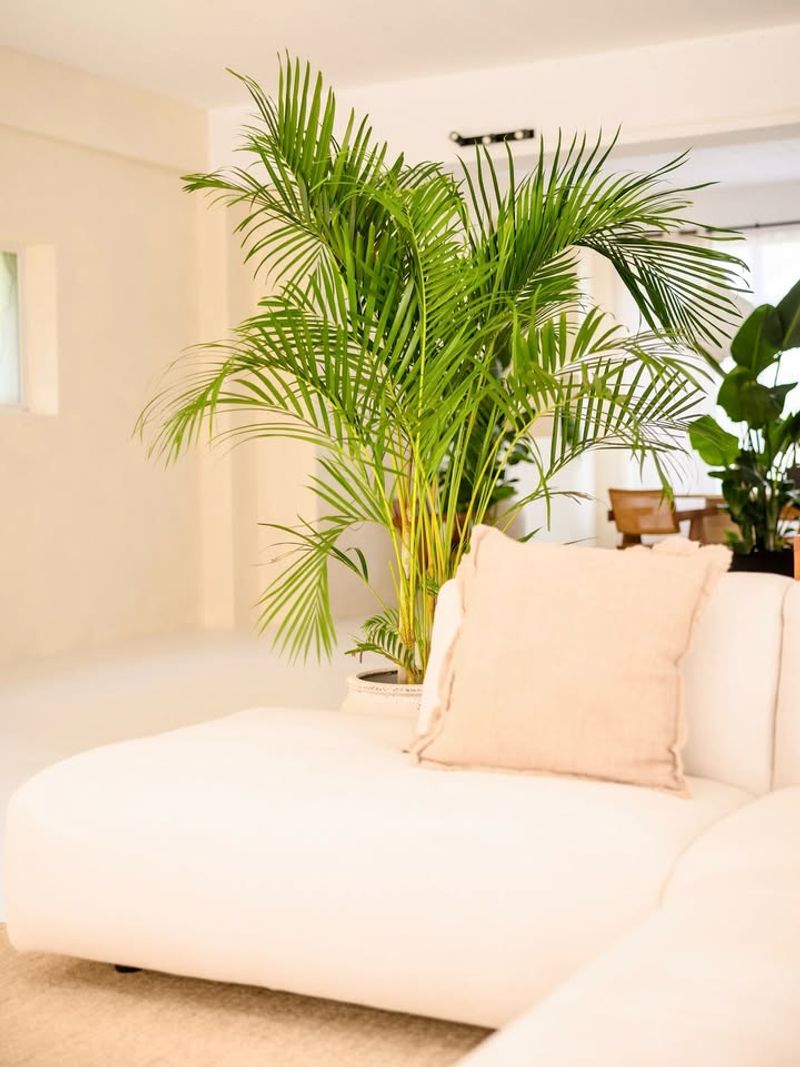
Soft, feathery foliage can make a room feel more relaxed, and areca palms bring that gentle texture indoors with ease. Their arching fronds create a layered look that works well in Florida living rooms, entryways, and sunlit corners.
Bright indirect light supports the healthiest growth. Florida homes often provide enough natural light for steady development, especially near larger windows.
Direct sun can sometimes be too strong indoors, so filtered light works best.
Humidity plays a role in how the plant looks over time. Air-conditioned spaces may dry the air, which can lead to browning at the tips.
Grouping plants together or adding a small humidifier nearby can help maintain better conditions.
Water consistently, keeping the soil slightly moist without becoming waterlogged. Sensitivity to minerals in tap water can occur, so filtered water may improve long-term results.
Light feeding during the growing season supports steady new growth. Over time, areca palms can fill out and create a soft, full appearance.
For Florida interiors that benefit from a lighter, more relaxed feel, this palm offers a natural and welcoming presence.
11. Chinese Evergreen Thrives In Calm Low Light Spaces
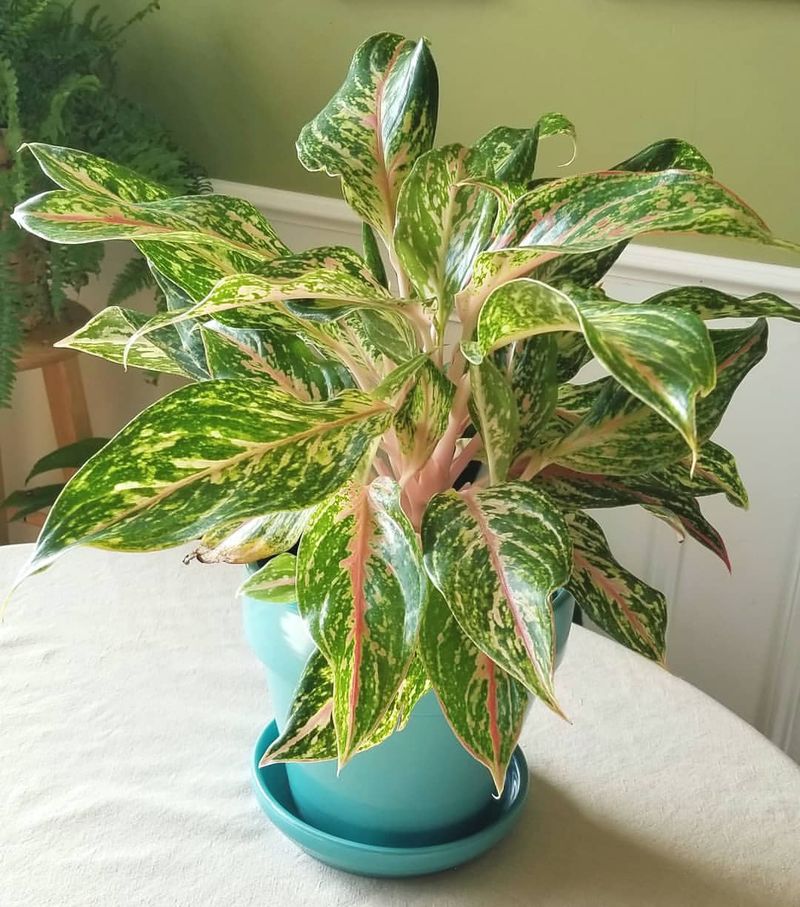
Some rooms call for a plant that can handle lower light without losing its appeal, and Chinese evergreen fits that role well. Its patterned leaves bring subtle color into spaces that might otherwise feel plain or underlit.
Light tolerance makes placement flexible. Low to medium indirect light supports steady growth, though brighter conditions can enhance leaf color in some varieties.
Florida homes often provide enough ambient light for this plant to remain healthy.
Stable conditions help maintain its appearance. Direct exposure to air conditioning vents can lead to leaf damage over time, so positioning away from strong airflow is a simple adjustment that makes a difference.
Water when the top inch of soil dries, keeping conditions balanced without excess moisture. Occasional feeding during warmer months supports healthy foliage.
Chinese evergreen adapts well to typical indoor humidity levels, making it suitable for bedrooms, offices, or shaded living spaces. Its steady growth and calm appearance make it a reliable choice.
For Florida homeowners seeking a low-light option with decorative appeal, this plant offers both consistency and visual interest.
12. Dracaena Marginata Adds Height With Sleek Sculptural Lines
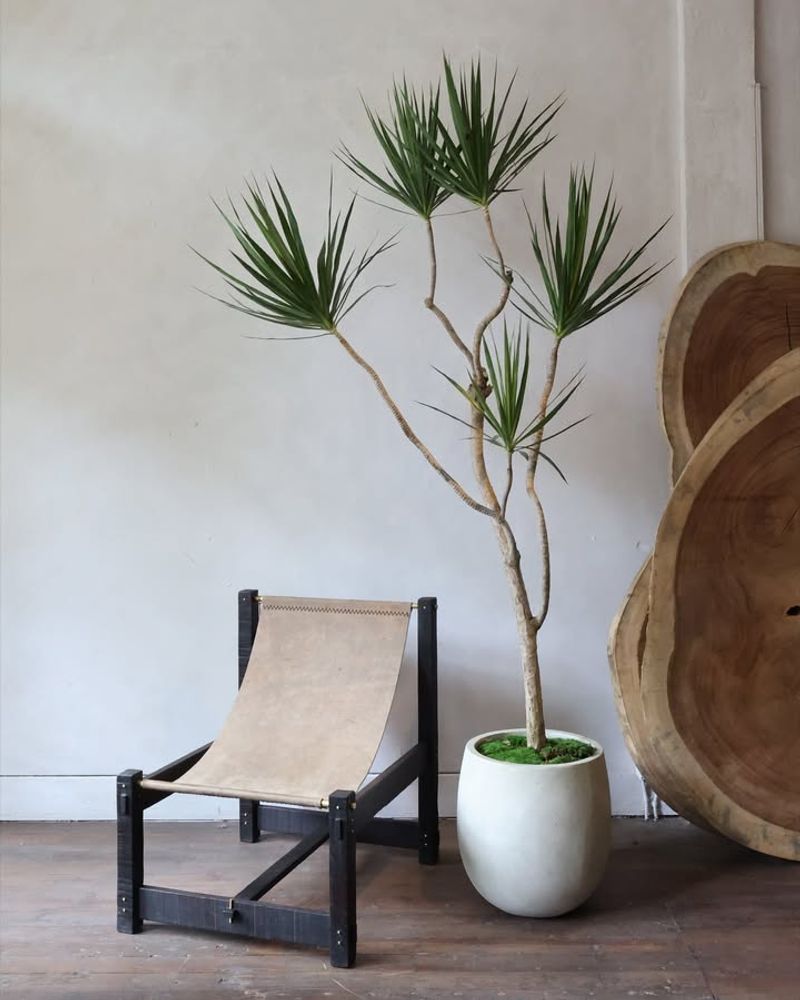
Height can change how a room feels, and dracaena marginata brings that vertical element in a clean, modern way. Its slender stems and narrow leaves create a sculptural look that works well in contemporary Florida interiors.
Light conditions remain flexible. Bright indirect light supports stronger growth, while lower-light spaces can still maintain a healthy plant, though growth may slow slightly.
Air conditioning can influence leaf tips over time. Dry air or inconsistent watering may lead to browning, so keeping the plant away from direct vents and maintaining a steady care routine helps improve results.
Water when the top portion of soil dries, adjusting based on indoor conditions rather than a fixed schedule. Sensitivity to fluoride or salts in tap water may occur, so filtered or collected rainwater can be helpful in some Florida homes.
Growth tends to be steady rather than fast, which makes it easier to manage indoors. Over time, it can reach a height that fills empty corners without overwhelming the space.
For Florida homes that need a tall, structured plant with minimal fuss, dracaena marginata offers a balanced and stylish solution.