10 Plants That Boost Soil Nitrogen To Grow In Your Ohio Vegetable Garden
Want healthier, more productive vegetable beds without relying on chemical fertilizers? Ohio gardeners have a secret weapon: nitrogen-boosting plants.
These clever crops naturally enrich your soil, feeding your vegetables the nutrients they crave while improving soil structure and fertility.
From leafy greens to flowering legumes, adding these plants to your garden helps your tomatoes, peppers, and beans grow bigger and stronger, year after year.
Even small spaces can benefit, and the rewards show up in vibrant, healthy crops that make every harvest more satisfying. With the right mix, your Ohio vegetable garden can thrive sustainably, giving you a yard full of life and flavor.
1. Crimson Clover Builds Nitrogen While Covering Bare Soil
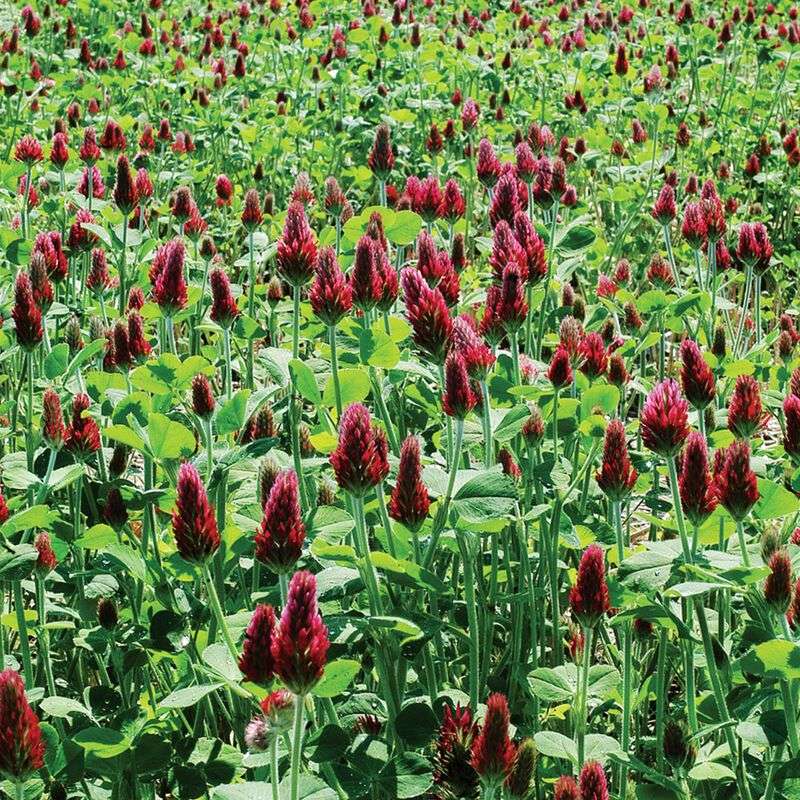
Bare soil left exposed over fall and winter loses nutrients fast, especially in Ohio where heavy rains and freeze-thaw cycles can strip the ground of its fertility. Crimson clover, a cool-season annual, solves that problem beautifully.
It germinates quickly after summer vegetables are pulled out, forming a thick, protective mat that shields soil from erosion and compaction all season long.
What makes crimson clover so valuable in Ohio vegetable gardens is its ability to fix atmospheric nitrogen through a partnership with soil bacteria called Rhizobia. According to Ohio State University Extension, well-established clover stands can fix between 70 and 150 pounds of nitrogen per acre, a significant boost for any garden bed.
When tilled under in spring, that nitrogen becomes available to your next crop of tomatoes, peppers, or corn.
Plant crimson clover seeds in late August or early September, about six weeks before the first frost. Broadcast seeds over cleared beds at a rate of about one pound per 1,000 square feet, then rake lightly to cover.
The following spring, mow or till the clover two to three weeks before planting your summer vegetables to allow the organic matter to break down and release its stored nutrients into the Ohio soil.
2. Red Clover Improves Soil And Attracts Pollinators
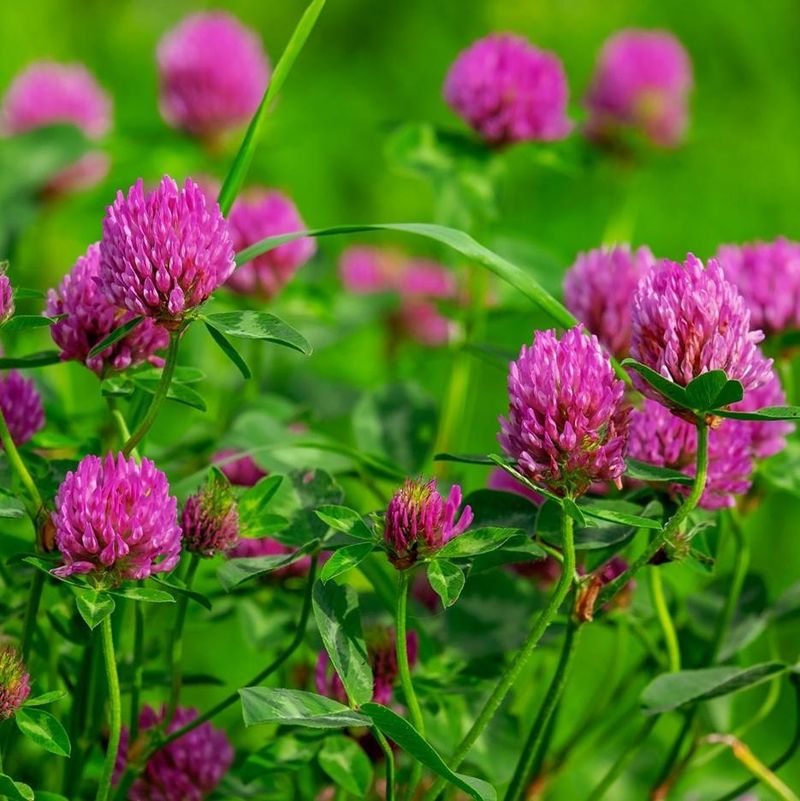
Some garden plants earn their keep twice over, and red clover is a perfect example. Grown widely across Ohio farms and gardens, this biennial legume does the hard work of pulling nitrogen out of the air and storing it in root nodules, while its cheerful blooms draw in bees, butterflies, and other pollinators that your vegetable crops desperately need for good harvests.
Red clover thrives in Ohio’s cooler spring and fall temperatures and tolerates the state’s clay soils better than many other cover crops. It forms a sturdy root system that loosens compacted ground over time, improving drainage and aeration.
University of Wisconsin Extension research shows that red clover can fix up to 200 pounds of nitrogen per acre when conditions are right, making it one of the more productive nitrogen fixers available to home gardeners.
Sow red clover seeds in early spring or late summer, broadcasting them over prepared soil or interseeding between vegetable rows. It works especially well when grown between corn or squash plants as a living mulch.
Allow it to grow through the season, then cut it back before it sets seed and till it in as a green manure to feed the soil ahead of your next Ohio planting season.
Your Ohio Garden Changes Every Week. Your Plan Should Too.
Gardening in Ohio changes quickly throughout the season. Every Friday you’ll receive a simple weekly plan showing exactly what to plant, prune, fertilize, harvest, and protect so you never miss the right timing.
3. White Clover Forms A Living Nitrogen Rich Ground Cover
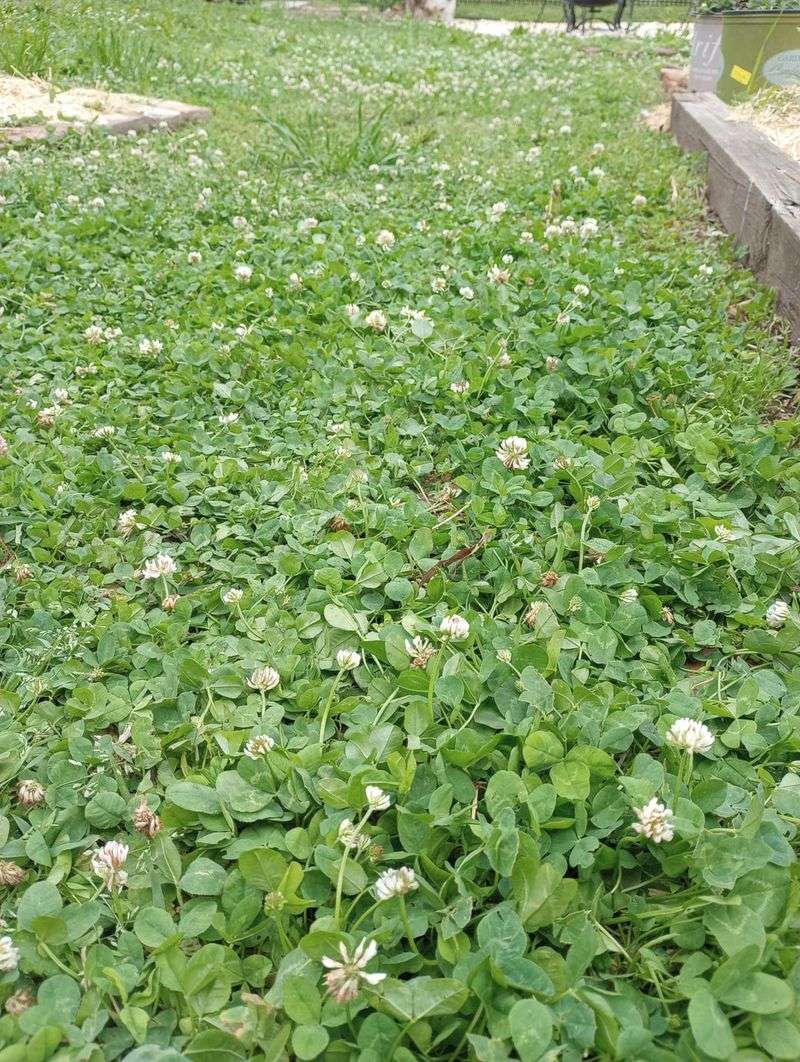
Walking through a garden with white clover carpeting the pathways between rows feels different from walking through bare soil. The ground stays cooler, moisture is retained longer, and weeds struggle to find a foothold.
That living ground cover does more than look tidy, though. White clover is a powerhouse nitrogen fixer that quietly enriches Ohio soil while your main crops grow above it.
Unlike taller cover crops that need to be tilled in, white clover can be managed as a permanent or semi-permanent living mulch. Its low-growing habit means it rarely competes with vegetable plants for light, and its shallow roots do not interfere with neighboring crops.
As its roots and nodules break down naturally over time, they release a steady supply of nitrogen directly into the surrounding soil, feeding your vegetables organically.
Ohio State University Extension notes that white clover is particularly well suited to Ohio’s humid climate and handles moderate foot traffic well, making it a practical choice for garden pathways and inter-row planting. Sow seeds in early spring by broadcasting them between established rows.
Mow occasionally to keep it tidy and to prevent it from flowering and self-seeding too aggressively. Over a full growing season, white clover can meaningfully reduce your garden’s need for added nitrogen fertilizers.
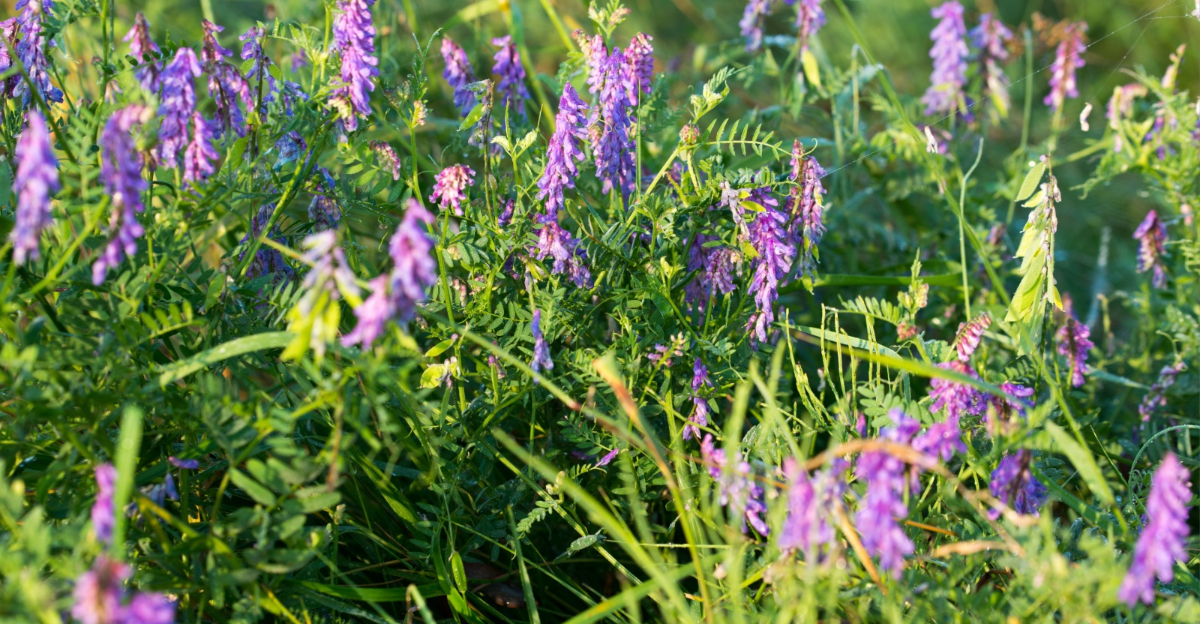
4. Hairy Vetch Restores Nitrogen Before Spring Planting
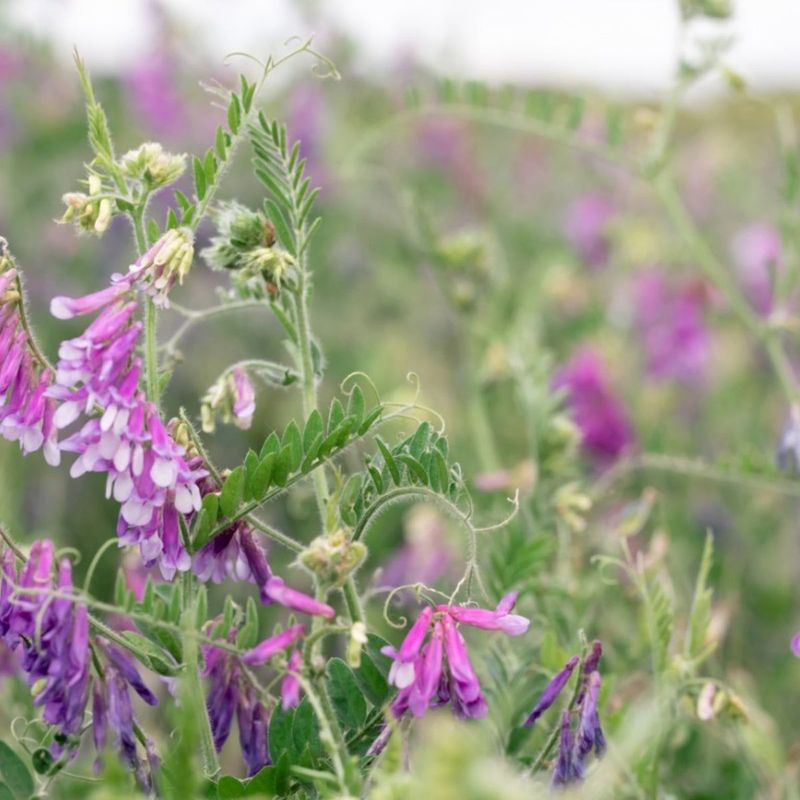
Few cover crops are as tough or as productive as hairy vetch when it comes to surviving Ohio winters. This fast-growing, cold-hardy legume can be seeded in late September or early October, right after summer crops are cleared, and it will establish itself firmly before the ground freezes.
Through the winter months, its tangled vines form a dense mat that protects soil from wind and water erosion.
Hairy vetch is one of the most efficient nitrogen fixers available to Ohio gardeners. Research from Virginia Cooperative Extension shows that hairy vetch can fix between 100 and 200 pounds of nitrogen per acre in a single season, rivaling many synthetic fertilizer applications.
That stored nitrogen becomes available to your spring vegetables once the vetch is cut or tilled under, giving crops like tomatoes, peppers, and cucumbers a strong early start.
Seed hairy vetch at a rate of about one to two pounds per 1,000 square feet, and mix it with winter rye for added weed suppression and soil coverage. In spring, cut or crimp the vetch two to three weeks before transplanting to allow residue to break down.
Ohio gardeners who use hairy vetch regularly report noticeably richer, darker soil and reduced need for supplemental fertilizing throughout the growing season.
5. Field Peas Add Nitrogen And Early Season Biomass
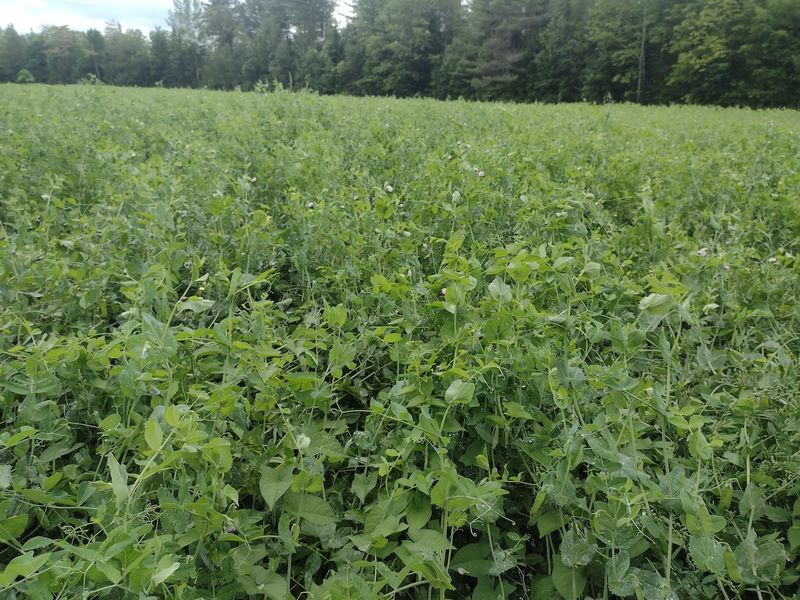
Early spring in Ohio can feel like a race against the clock. Gardeners want to get something growing as soon as the ground thaws, and field peas are one of the best choices for getting that early season momentum going.
These cool-season legumes can be planted as soon as soil temperatures reach about 40 degrees Fahrenheit, making them one of the earliest crops you can sow in an Ohio garden.
Beyond their edible appeal, field peas are exceptional nitrogen fixers. Their root systems develop nodules that house Rhizobia bacteria, which capture atmospheric nitrogen and convert it into a plant-available form.
When field pea plants are tilled under before they fully mature, they release a significant pulse of nitrogen into the soil, feeding the summer vegetables that follow. Ohio State University Extension recommends field peas as part of a spring cover crop rotation ahead of heavy nitrogen-demanding crops like corn or brassicas.
Sow field pea seeds directly into prepared garden beds in late March or early April. Plant them about one inch deep and two inches apart in rows.
Let them grow for six to eight weeks, then till the entire planting into the soil two weeks before setting out warm-season transplants. The combination of nitrogen and organic biomass they add makes Ohio soil noticeably more productive and easier to work through the summer.
6. Fava Beans Enrich Soil While Producing Edible Pods
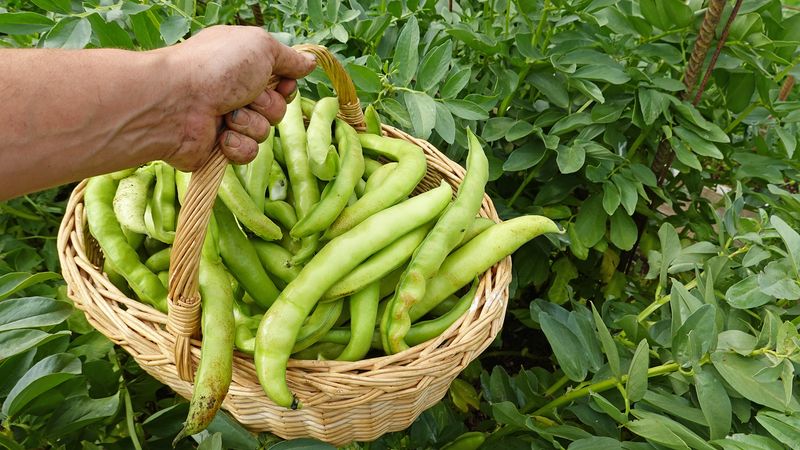
Not many garden plants can claim to both feed your family and rebuild your soil at the same time, but fava beans manage both with ease. These robust, upright legumes produce large, nutritious pods that taste wonderful when harvested young, and their root systems actively fix nitrogen throughout the growing season.
For Ohio gardeners looking for a dual-purpose plant that earns its space, fava beans are a standout choice.
Fava beans are cool-season growers that thrive in Ohio’s spring and fall temperatures. They prefer soil temperatures between 40 and 65 degrees Fahrenheit, making them ideal for planting in late March through April or again in late summer for a fall crop.
Their deep, sturdy root systems also help break up compacted clay soils, which are common in many parts of Ohio, improving both drainage and long-term soil structure.
Research from the Rodale Institute confirms that fava beans can fix between 80 and 150 pounds of nitrogen per acre under good growing conditions. After harvesting the pods, leave the root systems in place and cut the plants down at the soil line.
The decomposing roots release stored nitrogen slowly into the surrounding soil, benefiting the crops that follow. Tomatoes, squash, and leafy greens planted after fava beans consistently perform better in Ohio garden trials.
7. Bush Beans Feed The Soil While Producing Summer Harvests
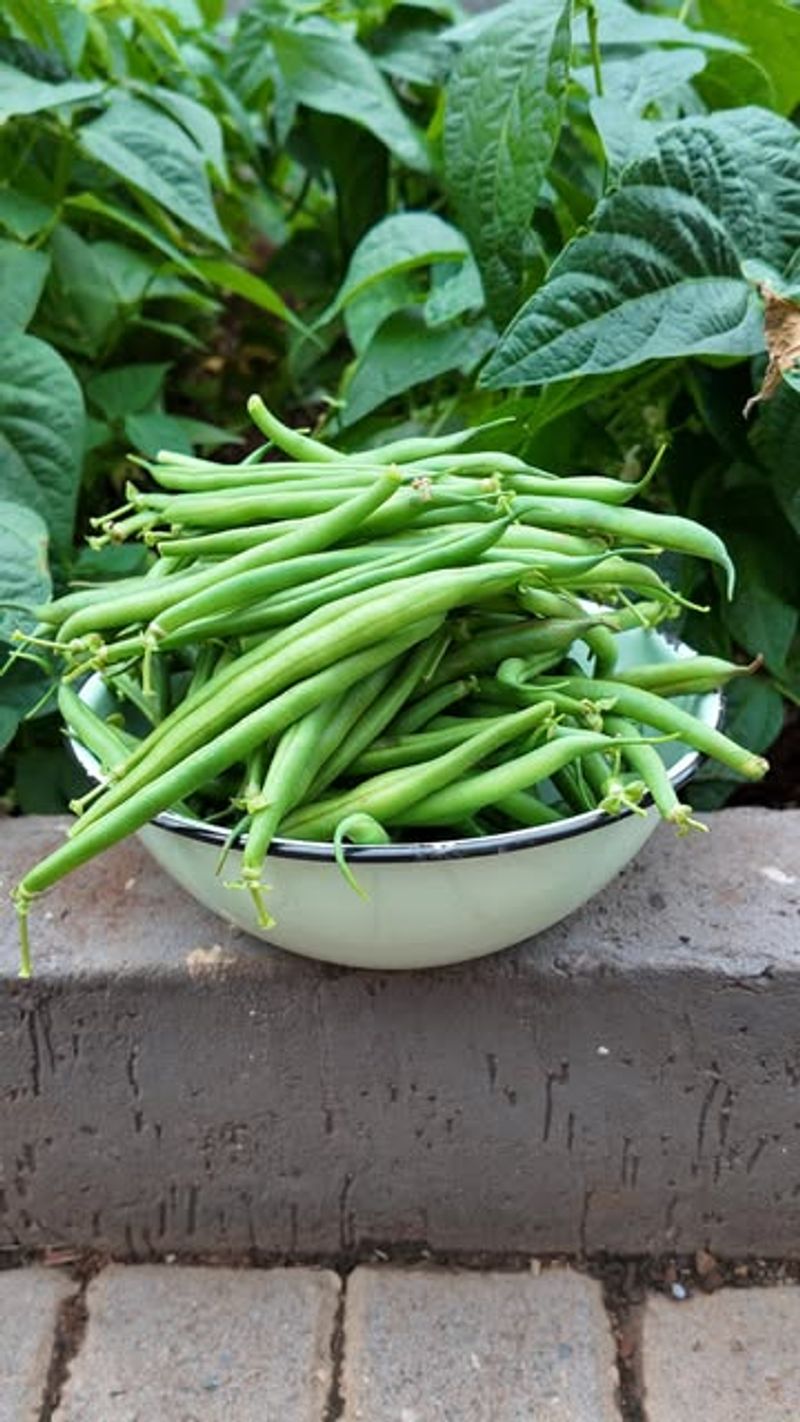
Most Ohio gardeners grow bush beans because they are easy, productive, and delicious. What fewer people realize is that these familiar garden favorites are also quiet soil builders working underground every day they are in the ground.
Like all legumes, bush beans form symbiotic relationships with Rhizobia bacteria in the soil, creating root nodules that capture atmospheric nitrogen and store it where future plants can use it.
Bush beans are warm-season plants that grow best when soil temperatures are consistently above 60 degrees Fahrenheit. In Ohio, that typically means planting from late May through early July.
They grow quickly, often producing harvestable pods within 50 to 60 days of seeding. Because they mature so fast, Ohio gardeners can fit in two plantings per season, doubling both the food yield and the nitrogen contribution to the soil.
After your final harvest, resist pulling the plants immediately. Leaving the root systems to decompose in place allows the stored nitrogen in the nodules to slowly release back into the soil.
Ohio State University Extension recommends following bush beans with nitrogen-hungry crops like leafy greens, brassicas, or sweet corn in the next rotation. Over several seasons of this practice, Ohio garden soil becomes noticeably richer, darker, and more biologically active without any synthetic fertilizer inputs.
8. Pole Beans Improve Garden Soil As They Climb
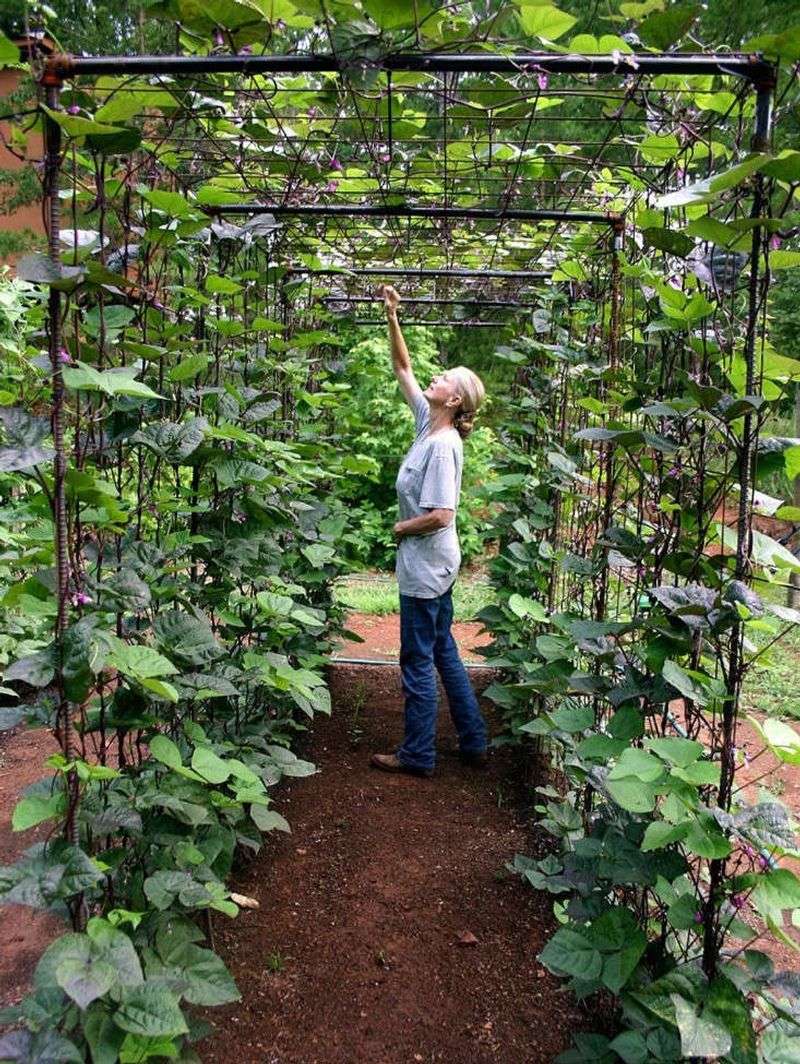
There is something satisfying about watching pole beans climb. They spiral up trellises with purpose, filling vertical space that would otherwise go unused in an Ohio garden.
But the real action with pole beans happens underground, where their extensive root systems develop dense networks of nitrogen-fixing nodules that steadily enrich the surrounding soil throughout the entire growing season.
Compared to bush beans, pole beans fix nitrogen over a longer period because they are indeterminate, meaning they keep growing and producing pods all season rather than maturing all at once. That extended root activity means a longer window of nitrogen contribution to your Ohio garden soil.
Pole beans planted in late May or early June will continue fixing nitrogen through August and into early September, giving surrounding plants a steady nutritional benefit.
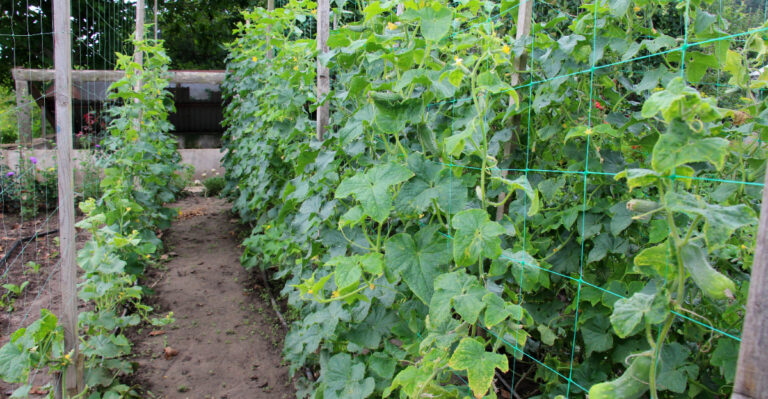
Pole beans also make excellent companion plants. Grown alongside corn and squash in the traditional Native American “Three Sisters” planting method, they provide nitrogen that feeds the heavy-feeding corn plants.
Ohio gardeners can replicate this system in raised beds or in-ground plots by pairing pole beans with corn and cucumbers or squash. After the season ends, cut the vines at ground level and compost the tops while leaving roots to break down in place, returning their stored nitrogen to the Ohio soil naturally.
9. Cowpeas Build Nitrogen During Warm Ohio Summers
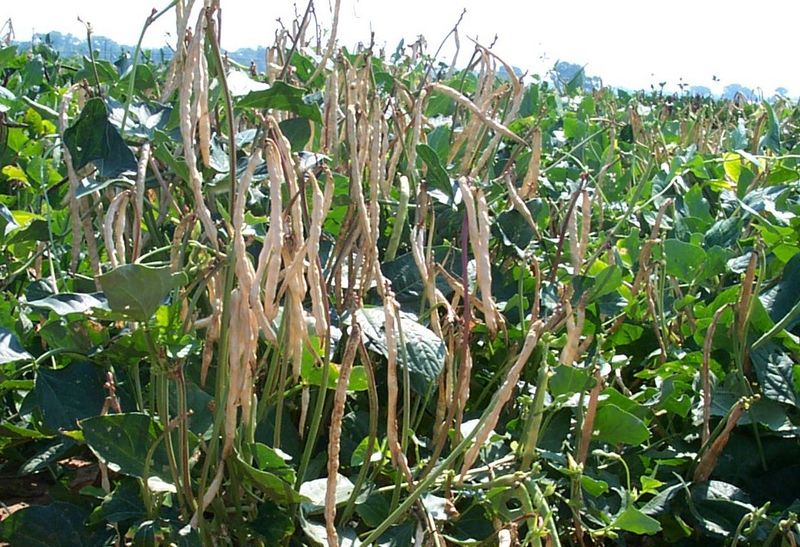
When summer heat settles over Ohio and many cool-season cover crops have long since faded, cowpeas step up and keep on working. Also known as southern peas or black-eyed peas, cowpeas are warm-season legumes that actually thrive in heat, making them one of the best summer cover crops for Ohio gardeners who want to keep building soil fertility between spring and fall plantings.
Cowpeas are remarkably effective nitrogen fixers in warm soil conditions. According to the University of California Cooperative Extension, cowpeas can fix between 100 and 150 pounds of nitrogen per acre in a single growing season under favorable conditions.
They also produce abundant leafy biomass that adds organic matter to the soil when tilled under, improving both moisture retention and soil structure in Ohio’s sometimes heavy clay soils.
Plant cowpeas in Ohio garden beds from late May through early July, once soil temperatures are reliably above 65 degrees Fahrenheit. Sow seeds about one inch deep and three to four inches apart.
Allow plants to grow for 60 to 90 days, then till them in before they fully mature and set seed. Follow cowpeas with fall brassicas, spinach, or garlic to take full advantage of the nitrogen boost they leave behind.
Ohio gardeners who add cowpeas to their summer rotation consistently report stronger fall crops and improved soil condition year over year.
10. Alfalfa Develops Deep Roots That Restore Soil Fertility
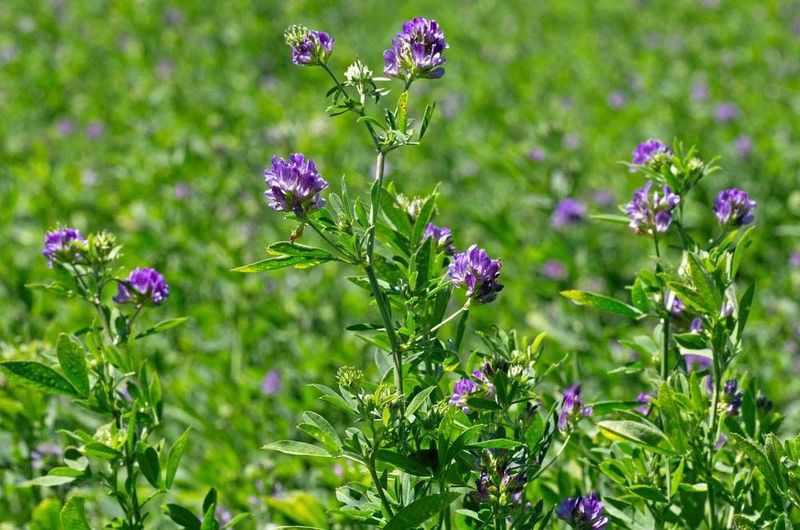
Soil fertility problems that seem impossible to fix on the surface often start deep underground, where compaction and nutrient depletion go unnoticed for years. Alfalfa tackles that hidden problem head-on.
Its taproot can reach six to ten feet into the ground, breaking through hardpan layers, improving drainage, and drawing up minerals from deep in the soil profile that shallower-rooted crops can never access on their own.
Alfalfa is one of the most productive nitrogen-fixing legumes available to Ohio gardeners. Research cited by Purdue University Extension shows that established alfalfa stands can fix between 150 and 250 pounds of nitrogen per acre annually, making it one of the most generous soil-building plants you can grow.
It also adds tremendous organic matter when cut and incorporated, improving the biological activity and moisture-holding capacity of Ohio soils over time.
Because alfalfa is a perennial, it works best when dedicated to a garden section for two to three years before being tilled in as green manure. Plant it in early spring or late summer in a sunny, well-drained bed.
Mow it several times per season to build root mass and prevent it from becoming too woody. When you finally incorporate it, the resulting soil improvement in your Ohio vegetable garden will be dramatic, with noticeably darker, looser, and more nutrient-rich ground ready for your most demanding vegetable crops.