9 Deer-Resistant Plants That Thrive In Michigan Gardens Without The Nibbling
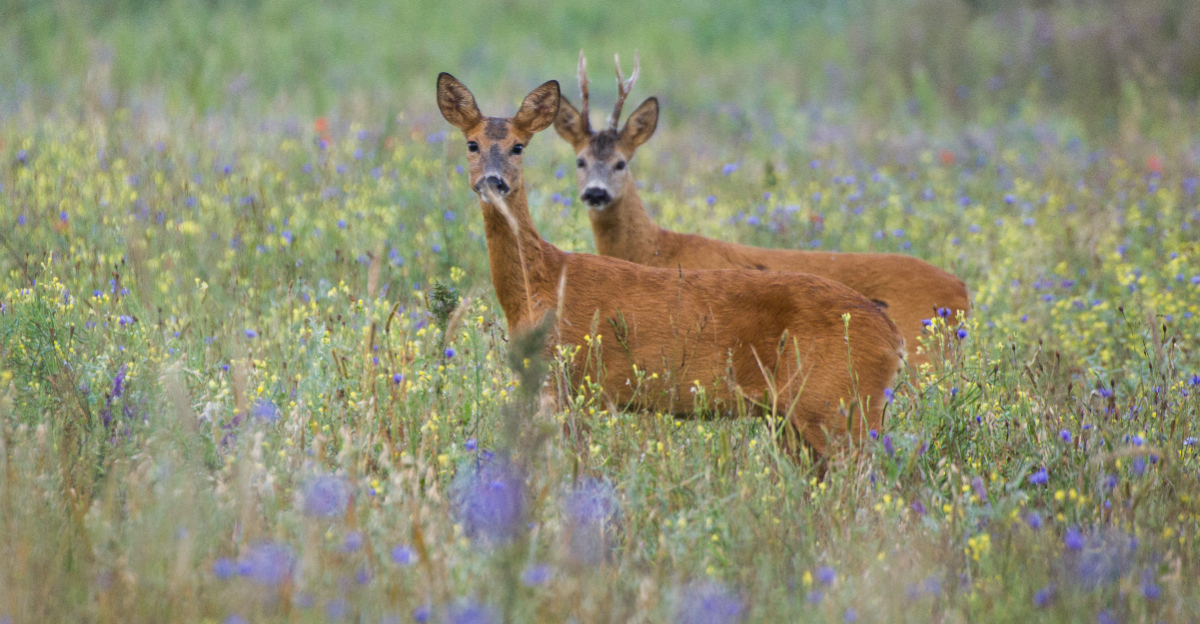
In the heart of the Mitten State, from the pine forests of the Upper Peninsula to the sprawling suburbs of Oakland County, local gardeners face a relentless challenge from foraging deer.
These graceful but hungry visitors can decimate a prize flower bed in a single moonlit night, leaving behind nothing but stems and disappointment.
However, a strategic shift in your botanical lineup can turn your landscape from an open buffet into a resilient, unappealing territory for local herds.
By selecting these nine specific varieties, you lean into natural defenses like pungent aromas, fuzzy textures, and bitter sap that discourage browsing without the need for unsightly fences or expensive chemical sprays.
These rugged performers are perfectly calibrated for Michigan’s humid summers and erratic spring thaws, ensuring your garden remains a lush, high-impact sanctuary.
Embracing these deer-resistant powerhouses allows you to enjoy a vibrant, worry-free outdoor space that stays beautiful from the first April bloom through the final autumn harvest.
1. Lavender
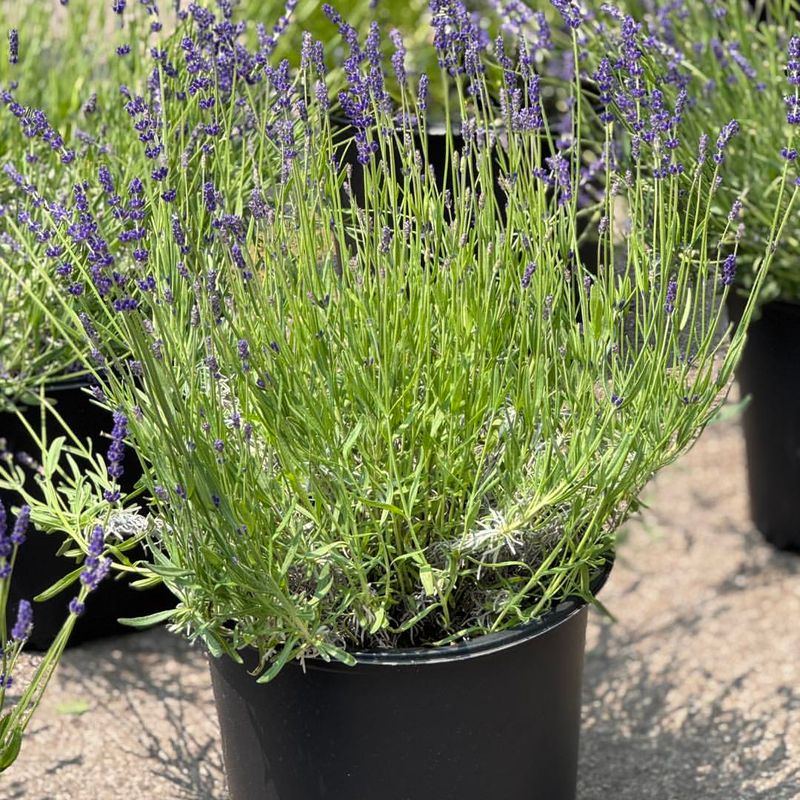
Few plants can match the calming beauty of lavender, and as a bonus, deer want absolutely nothing to do with it. The strong, unmistakable fragrance that humans love so much is exactly what sends deer walking in the other direction.
That powerful scent signals to them that this plant is not worth a taste. Lavandula angustifolia thrives in Michigan’s hot, dry summers once it gets settled into the ground.
It needs full sun, ideally six to eight hours daily, and soil that drains well so the roots never sit in standing water.
Sandy or loamy soils work beautifully, and adding a little gravel to the planting area can make a real difference in wet Michigan springs.
Plant lavender in a raised bed or along a south-facing slope for the best drainage results in your yard. Once established, it barely needs watering, which makes it a dream for busy gardeners who want low-maintenance beauty.
The silvery-green foliage stays attractive even when the blooms fade. Bees absolutely flock to lavender flowers, making your garden a pollinator paradise.
Trim it back lightly after the first bloom flush to encourage a second round of flowers later in summer. In Michigan, mulching around the base before winter helps protect the roots from harsh freezes and keeps the plant returning strong year after year.
2. Russian Sage
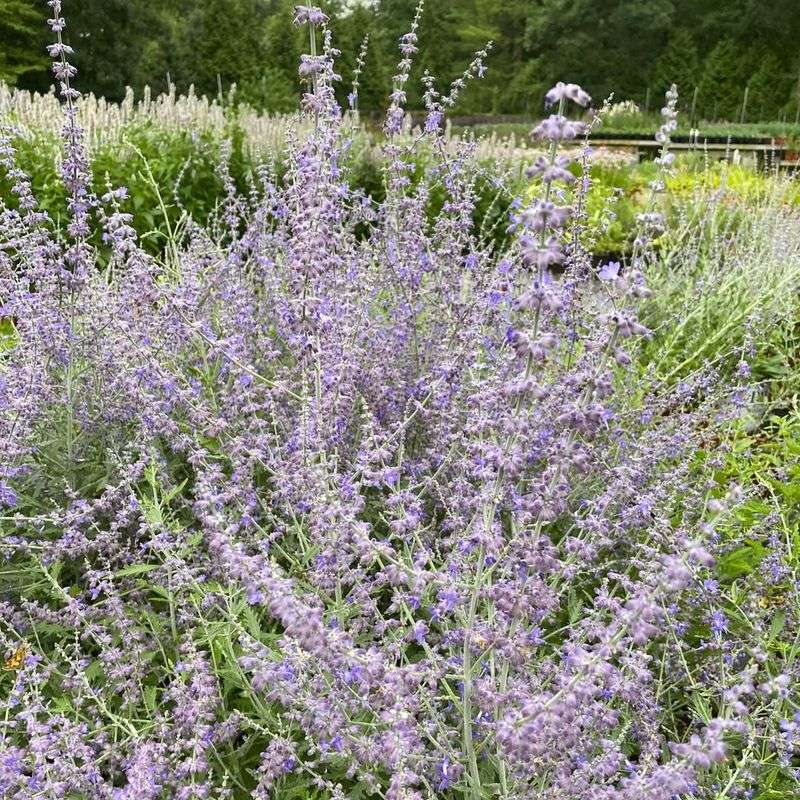
Russian Sage is one of those plants that looks like it belongs in a dream garden, floating with silvery stems and clouds of lavender-blue flowers that catch the breeze.
Deer find the aromatic, almost medicinal scent of Perovskia atriplicifolia completely unappealing, which means it stands tall and untouched all season long. That scent is part of what makes it such a smart pick for Michigan landscapes.
This perennial is incredibly tough and handles Michigan summers without much fuss at all. It craves full sun and well-drained soil, and once established, it becomes remarkably drought-tolerant.
In fact, overwatering is one of the few things that can actually set it back, so a lean watering schedule works best once the roots are established in your yard.
Your Michigan Garden Changes Every Week. Your Plan Should Too.
Gardening in Michigan changes quickly throughout the season. Every Friday you’ll receive a simple weekly plan showing exactly what to plant, prune, fertilize, harvest, and protect so you never miss the right timing.
Russian Sage pairs beautifully with plants like Black-Eyed Susans and coneflowers, creating a bold, colorful border that looks professionally designed.
The silvery foliage adds texture and contrast even before the flowers open, giving your garden visual interest from early summer onward.
Cut it back hard in early spring before new growth emerges to keep the plant full and tidy rather than woody and sprawling. Across Michigan, gardeners use Russian Sage along driveways, in pollinator gardens, and as a backdrop for shorter flowering plants.
Butterflies and bees visit it constantly, adding even more life to your outdoor space throughout the warm months.
3. Purple Coneflower
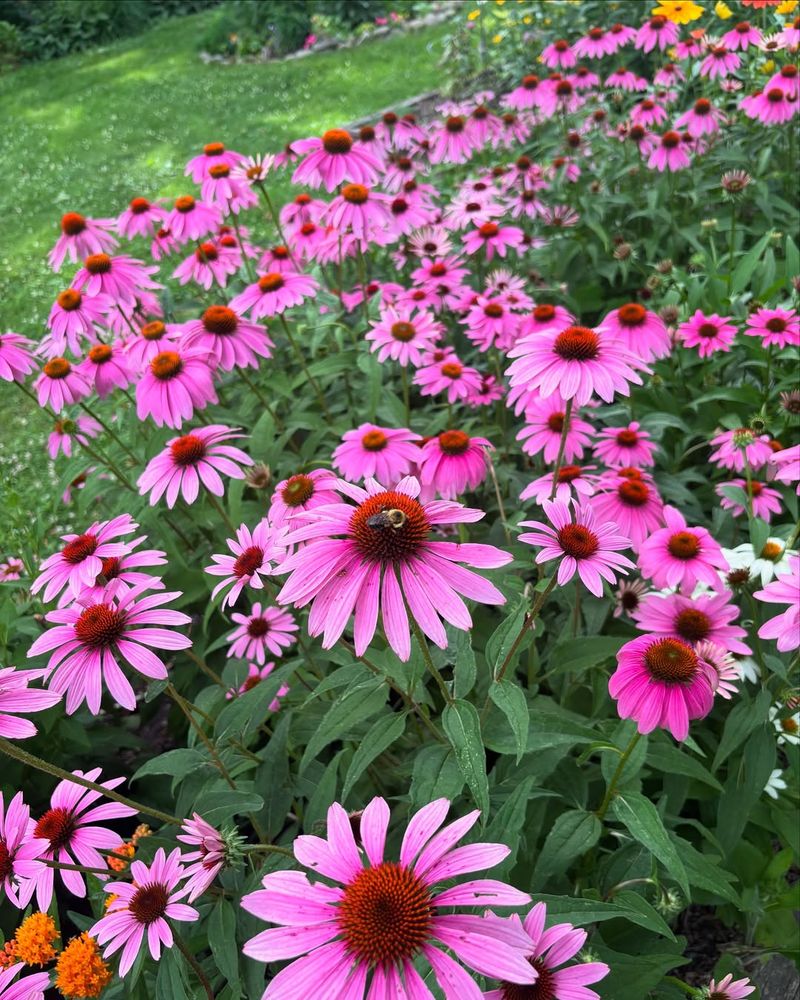
There is something undeniably cheerful about a patch of purple coneflowers swaying in a warm Michigan breeze.
Echinacea purpurea is a native perennial, which means it evolved right alongside Michigan’s climate and soil conditions, making it naturally tough and perfectly adapted.
Deer tend to steer clear of it thanks to its rough, scratchy texture and distinctly aromatic foliage that just does not appeal to their taste.
Growing coneflowers is genuinely straightforward. They prefer full sun but can handle a little afternoon shade without losing much of their flowering power.
Well-drained soil keeps them happy, and once established, they handle dry spells with impressive grace. Michigan’s warm summers are basically perfect for coneflowers to reach their full, glorious potential.
One of the best things about planting coneflowers in your Michigan garden is the wildlife activity they bring. Bees hover around the blooms all summer, and goldfinches flock to the spiny seed heads in fall, giving you something beautiful to watch even after the petals drop.
They also spread naturally over time, gradually filling in garden beds without much effort on your part. Deadhead spent blooms early in the season to encourage more flowers, but leave some seed heads standing through winter for the birds.
These plants are a staple in Michigan pollinator gardens, cottage gardens, and naturalized landscapes for very good reason.
4. Black-Eyed Susan
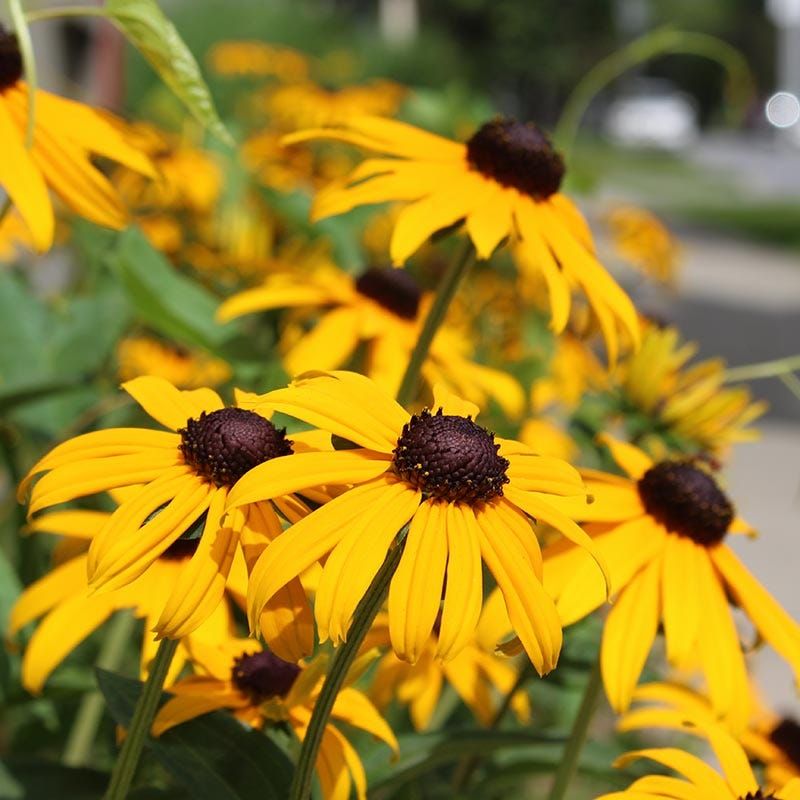
Walk through any wildflower meadow in Michigan and you will almost certainly spot the golden-yellow blooms of Black-Eyed Susans nodding in the sunlight.
Rudbeckia hirta is a native plant that feels right at home in Michigan gardens, and it happens to be one of the most reliable deer-resistant flowers you can grow.
The hairy, rough-textured leaves are simply not something deer enjoy brushing against or chewing on.
Full sun is where Black-Eyed Susans truly shine, though they can tolerate some light shade without much complaint. They are remarkably drought-tolerant once established, which is a huge win for Michigan gardeners dealing with dry mid-summer stretches.
Poor to average soil actually suits them better than rich, heavily amended beds, so you do not need to fuss too much with soil prep before planting.
Black-Eyed Susans bloom from midsummer through early fall, giving Michigan gardens a long stretch of bold color right when many spring plants have finished.
They attract butterflies, native bees, and beneficial insects in impressive numbers, turning your garden into a lively outdoor scene.
These plants also self-seed modestly, meaning you will see new plants pop up naturally over the years without any replanting effort. Pair them with Russian Sage or coneflowers for a stunning combination that looks wild and intentional at the same time.
They work beautifully in cottage gardens, rain gardens, and naturalized Michigan landscapes.
5. Autumn Joy Sedum
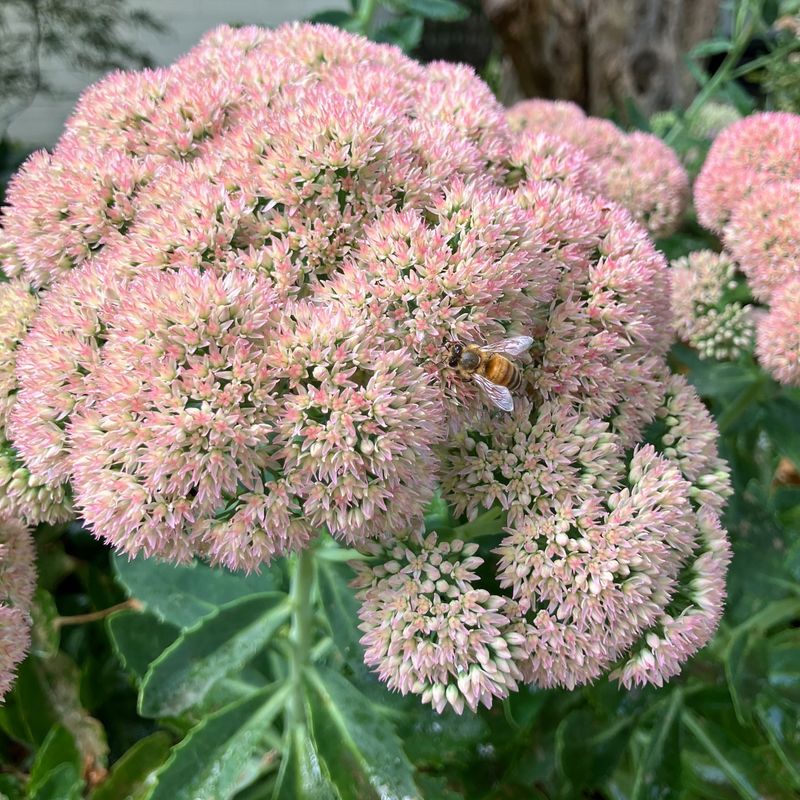
If you have ever wanted a plant that looks great from spring all the way through winter, Autumn Joy Sedum might just become your new favorite. The thick, fleshy succulent leaves are the key to its deer resistance.
Deer prefer tender, leafy plants, and the waxy texture of sedum simply does not match what they are looking for in a meal.
Sedum Autumn Joy grows in a tidy mound that starts out with blue-green foliage in spring, then gradually develops flat clusters of buds that open into rosy pink flowers by late summer.
As fall arrives in Michigan, those flowers deepen to a rich brick red, and even after frost, the dried seed heads hold their structure beautifully through winter. That four-season interest is genuinely hard to beat in a single plant.
Plant it in full sun with well-drained soil for the strongest performance, and avoid heavy clay soils that hold too much moisture around the roots.
Autumn Joy Sedum is incredibly low maintenance once established, needing almost no supplemental watering during Michigan’s typical summer rainfall pattern.
It also resists most common pests and rarely needs dividing more than every few years. Bees and butterflies love the late-season blooms, which is especially valuable in Michigan gardens when other nectar sources start winding down.
Cut the stems back to the ground in early spring to make room for fresh, healthy new growth.
6. Catmint
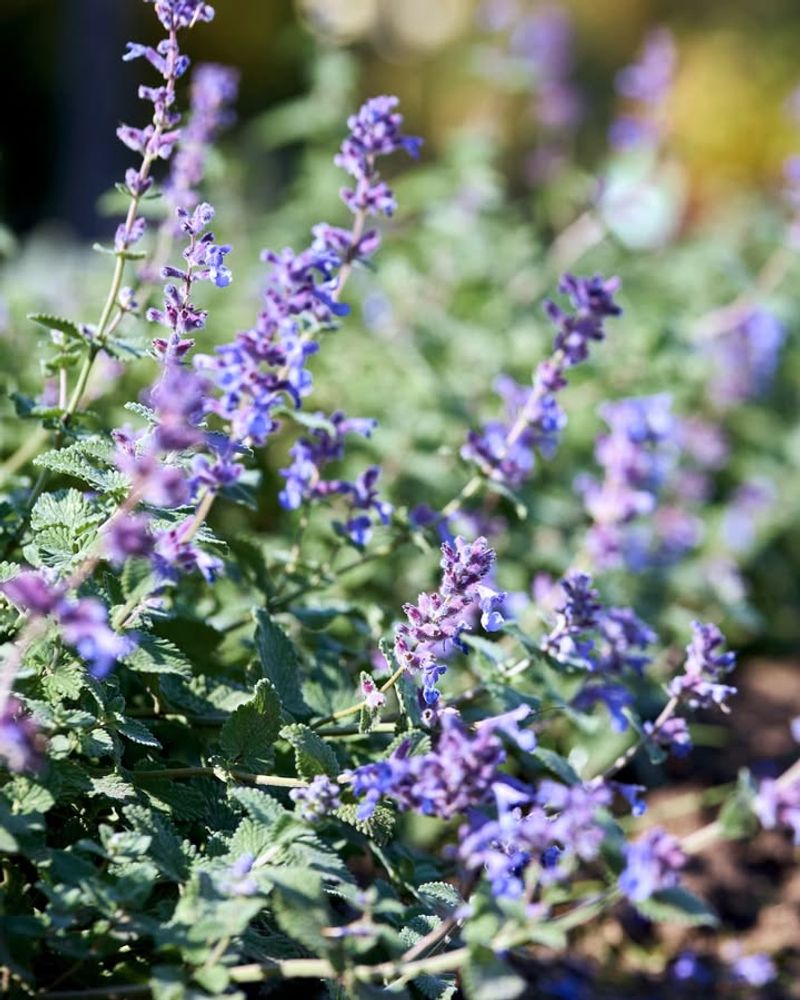
Catmint is one of those plants that gardeners in Michigan almost always end up wishing they had planted sooner. It spills beautifully over garden edges, covers bare spots with soft purple-blue flower spikes, and requires almost no attention once it settles in.
Deer avoid it almost entirely because of its strong, minty fragrance and fuzzy, rough-textured foliage that feels unpleasant against their sensitive noses.
Nepeta faassenii blooms generously in late spring and early summer, and if you shear it back by about half after the first flush of flowers fades, it rebounds with a fresh wave of blooms in late summer.
That repeat blooming habit makes it one of the hardest-working plants in any Michigan garden bed. It pairs beautifully with roses, coneflowers, and ornamental grasses for a layered, naturalistic look.
Full sun brings out the best in catmint, though it handles partial shade reasonably well without losing much of its vigor. Well-drained soil is essential since catmint dislikes wet feet, especially during Michigan’s sometimes soggy spring season.
Once established, it is remarkably drought-tolerant and rarely needs supplemental watering through the summer months. Bees absolutely adore the flowers, making it a top choice for Michigan pollinator gardens.
The silvery-green foliage also stays attractive between bloom cycles, keeping the garden looking tidy and lush rather than bare and patchy. It is a truly underrated workhorse of the perennial world.
7. Daffodils
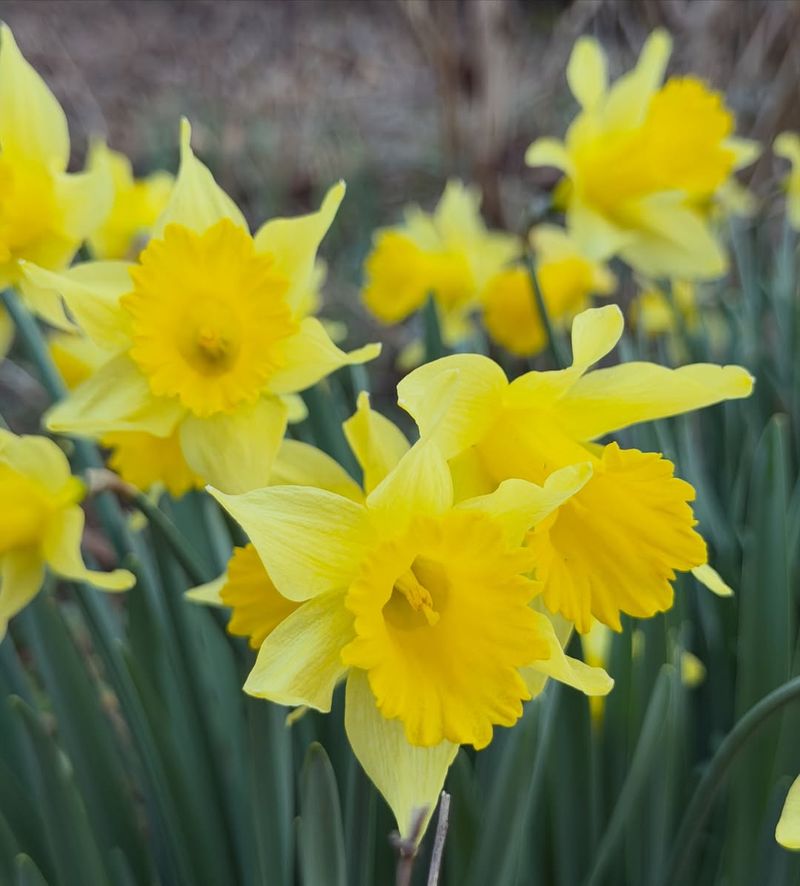
Every spring across Michigan, daffodils burst out of the ground with cheerful yellow and white blooms that signal warmer days are finally on the way. What makes them especially smart for Michigan gardens is that deer essentially refuse to touch them.
Daffodil bulbs contain a compound called lycorine that makes the entire plant unappealing and mildly toxic to wildlife, so deer and other browsers consistently leave them alone without any encouragement.
Planting daffodils is one of the easiest garden tasks you can tackle in fall. Tuck the bulbs into well-drained soil in a spot that gets full sun to partial shade, and they will do the rest on their own.
Michigan’s cold winters actually work in their favor since daffodil bulbs need a period of cold to bloom successfully, making them a natural fit for the state’s climate.
One of the most rewarding things about daffodils is that they naturalize over time, meaning the clumps gradually get bigger and produce more flowers each passing year without any replanting.
You can mix early, mid, and late-season varieties to stretch the bloom period across several weeks in spring.
Plant them in drifts under trees, along pathways, or mixed into perennial borders for a look that feels both wild and intentional. In Michigan, daffodils are often the first sign that the garden is waking back up after a long winter, and few sights are more welcome than that.
8. Bee Balm
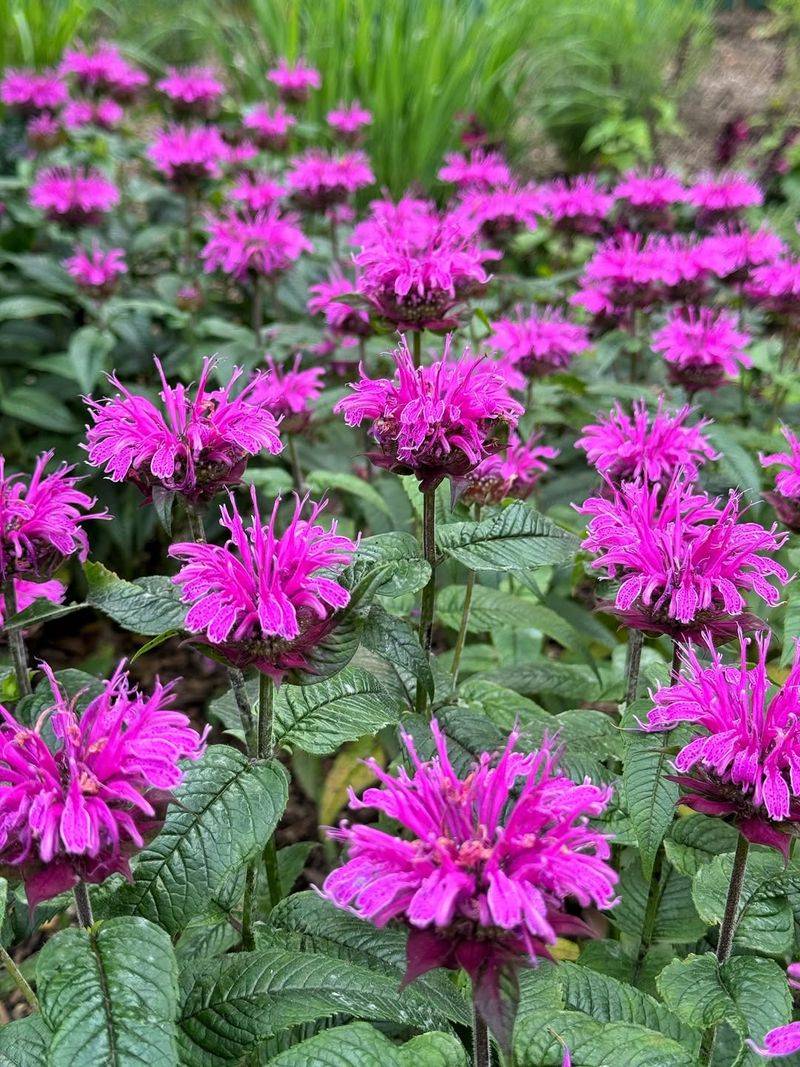
Bee Balm is the kind of plant that makes a garden feel alive. The shaggy, wildly colorful flower heads in shades of red, pink, purple, and white attract bees, butterflies, and hummingbirds in numbers that are genuinely exciting to watch on a warm Michigan afternoon.
Deer, however, find the strong, oregano-like scent of Monarda didyma completely unappealing, so the plant gets to put on its whole spectacular show without getting nibbled down.
Bee Balm grows well in full sun to partial shade, which gives Michigan gardeners a lot of flexibility in where they place it. It prefers moist, well-drained soil and benefits from consistent watering during dry stretches in summer.
Good air circulation around the plants helps prevent powdery mildew, which can sometimes appear in humid Michigan summers, so spacing plants about eighteen to twenty-four inches apart is a smart move.
This native perennial spreads by underground runners over time, gradually forming wider clumps that fill in garden beds with lush, leafy growth. Dividing the clumps every two to three years keeps the plants vigorous and prevents overcrowding.
Cut the stems back to the ground after the first hard frost in Michigan to keep the bed tidy heading into winter. Bee Balm works wonderfully in rain gardens, cottage gardens, and naturalized borders where its spreading habit adds to the overall wild, abundant feel of the landscape.
9. Hellebore
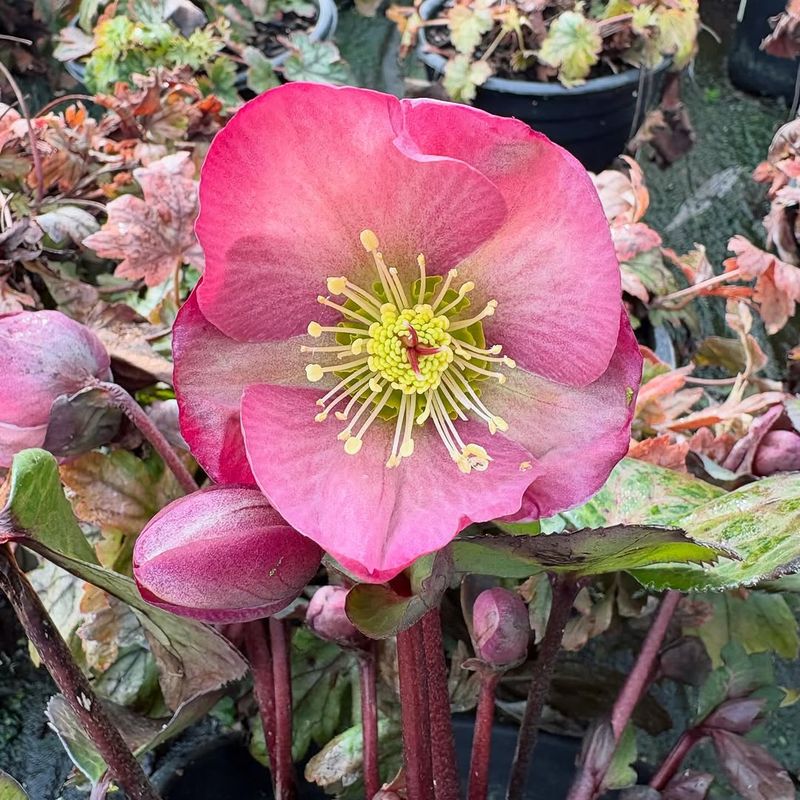
Most shade gardens in Michigan struggle to find plants that look great, survive tough winters, and stay unbothered by deer all at the same time.
Hellebore checks every single one of those boxes, which is exactly why it has become such a beloved plant among Michigan gardeners who deal with wooded lots and deep shade.
The tough, leathery leaves and naturally occurring toxic compounds in Helleborus spp. make deer completely uninterested in sampling them.
What makes hellebores especially exciting is their bloom time. They flower in late winter to early spring, often pushing up beautiful nodding blooms while snow is still on the ground in Michigan.
That early color is remarkable when almost everything else in the garden is still dormant, giving you something genuinely lovely to look at during the tail end of a long Michigan winter.
Hellebores thrive in partial to full shade, making them perfect under deciduous trees where dappled light filters through. They prefer rich, well-drained soil with consistent moisture and appreciate a layer of compost worked in at planting time.
Once established, they are long-lived and remarkably low maintenance, rarely needing much attention beyond removing old foliage in late winter before the new blooms emerge. They also self-seed gently over time, gradually filling shaded areas with more plants.
For Michigan gardeners with shady spots that feel bare and difficult, hellebores are genuinely one of the best solutions available.