The Best Way To Stop Crabgrass Before It Starts In Florida
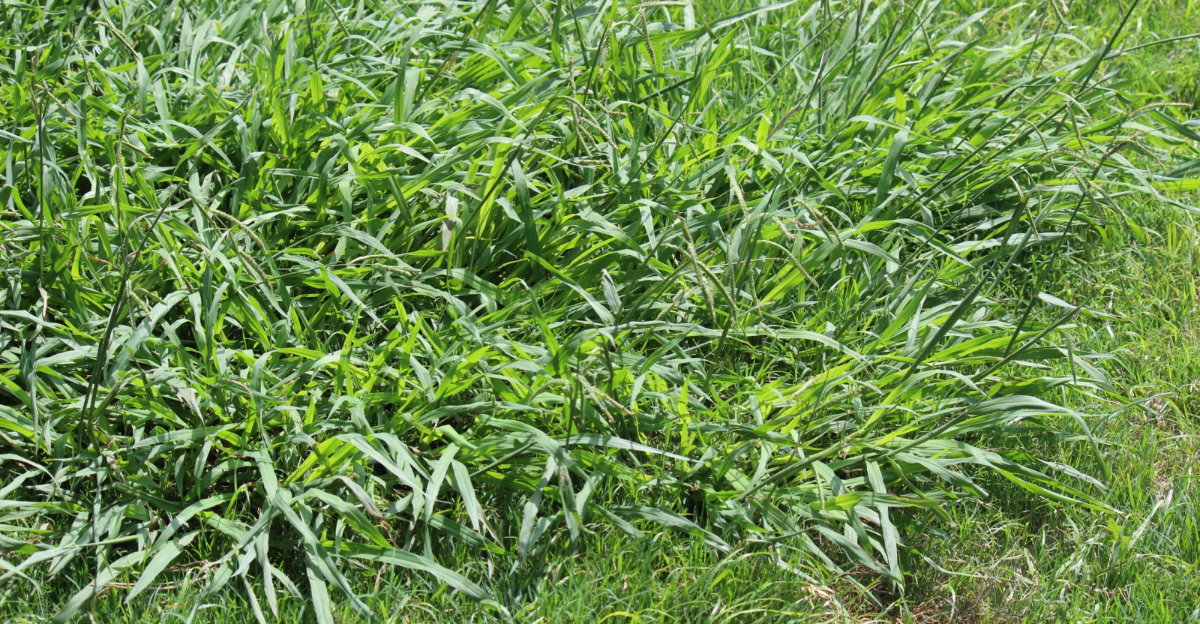
Crabgrass has a way of showing up fast in Florida lawns, then spreading so aggressively that stopping it feels impossible once summer hits. That is why the smartest move happens before the problem ever appears.
Many homeowners wait until patches take over the yard, then scramble for a fix after the damage is already visible. By that point, the battle gets harder, more expensive, and much less effective.
A healthy lawn starts with prevention, not reaction, especially in a climate where warmth gives weeds a huge advantage. The right approach can block crabgrass before seeds ever gain a foothold, protect the turf you already have, and save you from months of frustration later in the season.
For Florida homeowners, timing matters just as much as the product itself. Get ahead of crabgrass early, and your lawn has a far better chance to stay thick, clean, and resilient when growth kicks into full gear.
1. Apply Pre-Emergent At The Right Time
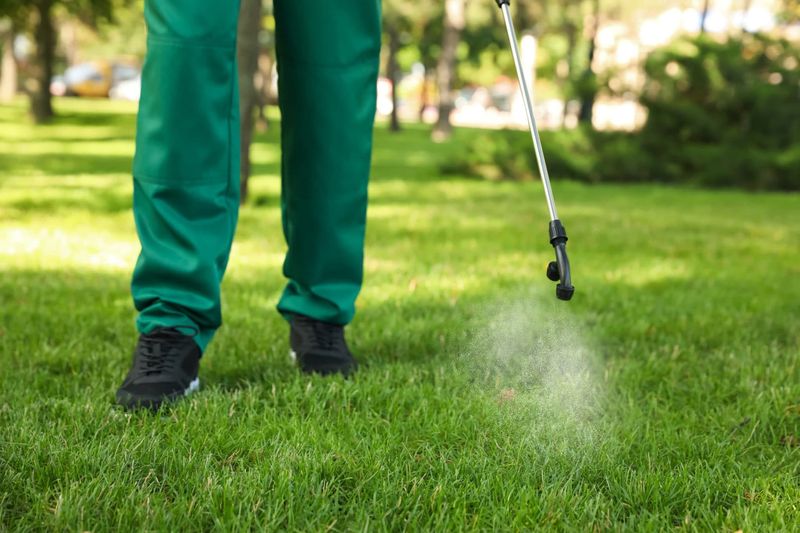
Timing is everything when it comes to stopping crabgrass before it ever shows up in your Florida lawn. Pre-emergent herbicides work by creating a chemical barrier in the soil that prevents crabgrass seeds from sprouting.
Once you miss that window, no amount of product will undo the damage already taking root beneath your feet.
For Florida homeowners, the general guidance from UF IFAS recommends applying pre-emergent before soil temperatures hold steady at 55 degrees Fahrenheit at a depth of two inches. South Florida typically hits this mark in early February.
Central Florida usually follows in mid-February, and North Florida homeowners should plan for early March.
Applying too early can mean the product breaks down before crabgrass season peaks. Applying too late means seeds have already started germinating and the barrier has nothing to stop.
Getting that application window right is the single most important step in your entire crabgrass prevention plan.
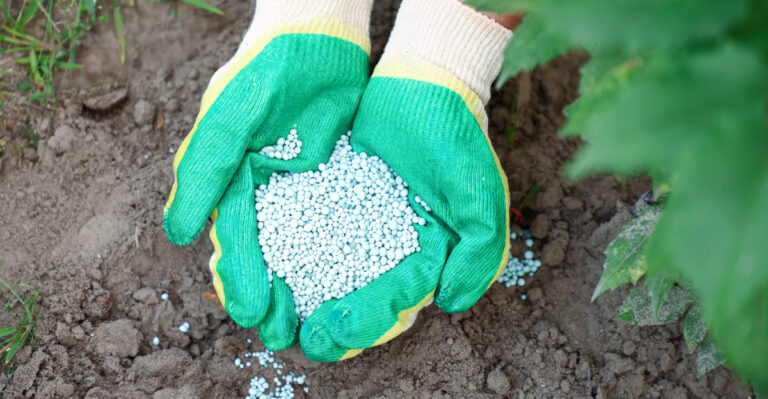
Pre-emergent products come in both granular and liquid forms. Granular options are popular for Florida homeowners because they are easy to spread evenly using a standard broadcast spreader.
Liquid formulas can provide more uniform coverage in tricky spots or along edges where granules may not reach as cleanly.
Read product labels carefully before applying anything to your lawn. Some formulas are designed for specific grass types common to Florida, like St. Augustine or Zoysia, and using the wrong product can cause more harm than good.
Starting with the right product at the right time sets the entire season up for success.
2. Watch Soil Temperatures Instead Of The Calendar
A lot of Florida lawn owners make the same mistake every year. They flip to February on the calendar, assume it is time to treat, and either act too early or too late based on a date rather than what the soil is actually doing.
Florida’s climate does not follow a strict schedule, and that matters a lot when planning crabgrass prevention.
Crabgrass seeds do not respond to the date on your phone. They respond to warmth in the soil.
Your Florida Garden Changes Every Week. Your Plan Should Too.
Gardening in Florida changes quickly throughout the season. Every Friday you’ll receive a simple weekly plan showing exactly what to plant, prune, fertilize, harvest, and protect so you never miss the right timing.
Research from UF IFAS confirms that crabgrass germination begins when soil temperatures consistently reach 55 degrees Fahrenheit at a depth of zero to two inches. That threshold can arrive at very different times depending on where in Florida you live.
South Florida often warms up weeks ahead of North Florida. A warm January in Tampa or Orlando can push Central Florida’s window earlier than expected.
Meanwhile, Tallahassee and the Panhandle may still be dealing with cold snaps well into February and early March. Relying on one fixed date across the whole state is a recipe for poor timing.
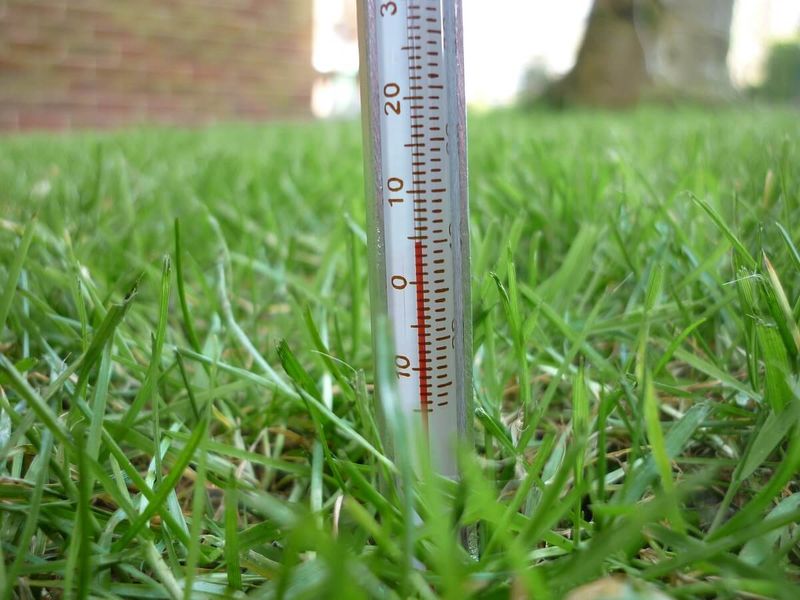
Investing in a simple soil thermometer is one of the smartest moves a Florida homeowner can make. They are inexpensive, easy to use, and give you real data instead of guesswork.
Check your soil temperature every few days during late January and February to track the warming trend in your specific yard.
Local extension offices and some weather services also provide soil temperature data for different Florida regions, which can be a helpful backup resource alongside your own readings.
3. Target The First Warm-Up Of The Season
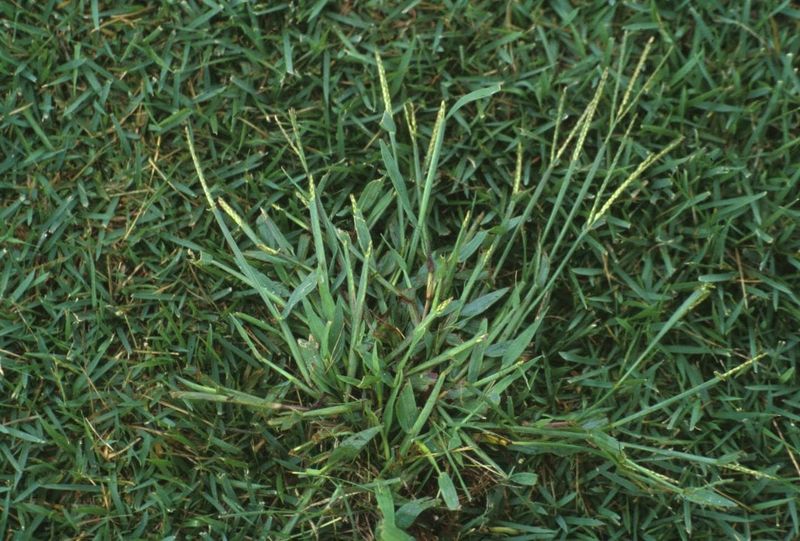
Florida winters are mild compared to most of the country, but that brief cool period matters for crabgrass prevention. The moment temperatures start climbing and the soil begins warming consistently, crabgrass seeds are waking up right along with everything else in your yard.
Catching that first warm-up is your clearest opportunity to act.
Think of the early season warm-up as your signal to get moving. You do not need to wait for it to feel like full spring outside.
In South Florida, that warm trend can arrive in January. In Central Florida, late January into early February is common.
North Florida homeowners may see it closer to late February or early March, but warm spells can push things earlier in any given year.
The goal is to have your pre-emergent already down and watered in before that soil temperature crosses the 55-degree threshold. Once crabgrass seeds sense consistent warmth, germination begins quickly.
A delay of even a week or two during a rapid warm-up can mean missing the window entirely for that season.
Watching local weather forecasts closely during this window is genuinely useful. A stretch of warm days after a cool period is a strong cue to check your soil temperature and prepare to apply.
Florida’s weather can shift fast, and staying alert to those early warming trends gives you a real edge over the weed.
Early action during that first warm-up sets the tone for your entire lawn care season and reduces the amount of reactive work needed later on.
4. Do Not Wait Until You See Crabgrass
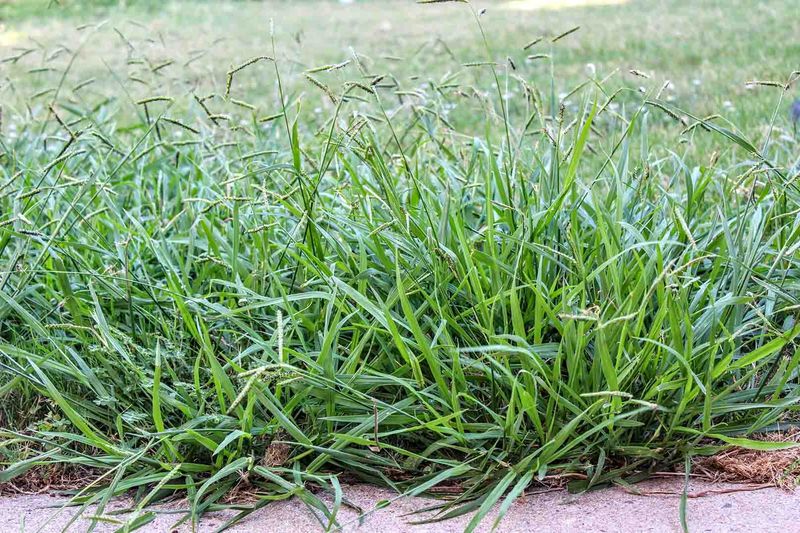
Spotting crabgrass in your Florida yard feels like a gut punch, especially when you thought your lawn was doing well. That low-growing, wide-bladed weed spreading out in a star shape is not a warning sign.
By the time you can actually see it, the prevention window has already closed for the season.
Pre-emergent herbicides do not work on crabgrass that has already sprouted. They are designed to stop seeds from germinating, not to address plants that are already growing.
Once visible crabgrass is established in your lawn, you are dealing with a post-emergent situation, which is a much harder and less reliable battle to fight.
Many Florida homeowners fall into this trap because crabgrass does not always show up in the same spots every year. It might appear in a thin patch near the driveway, along a sidewalk edge, or in a spot that got too much foot traffic.
Because it seems to pop up randomly, it is easy to feel caught off guard when you finally notice it.
The smarter move is to treat your entire lawn preventatively every season, even in years when you did not see much crabgrass the year before. Seeds can lie dormant in Florida soil for years before conditions favor germination.
Just because last summer looked clean does not mean this summer will.
Planning your pre-emergent application before any crabgrass appears keeps you firmly in control of your lawn rather than constantly reacting to a weed that spreads faster than most people expect.
5. Water In Your Pre-Emergent The Right Way
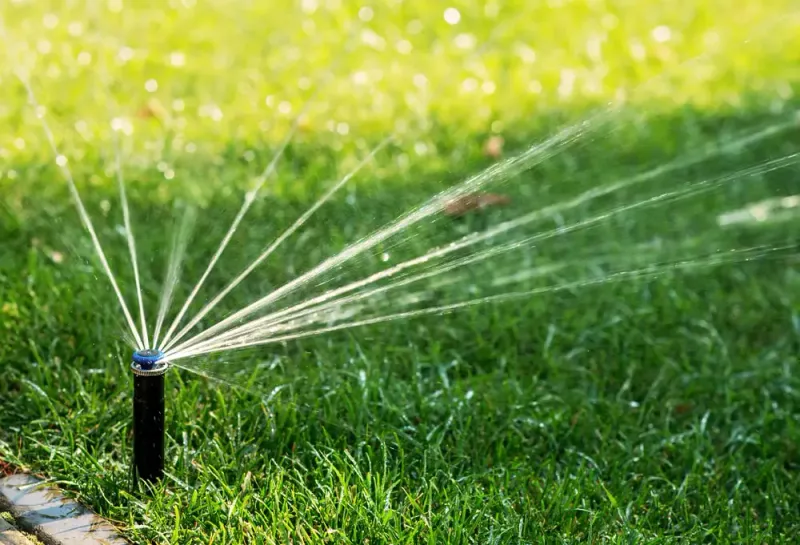
Spreading pre-emergent on your Florida lawn is only half the job. What happens in the hours after application matters just as much.
Pre-emergent herbicides need to be watered into the soil to activate properly and form the protective barrier that stops crabgrass seeds from germinating.
Most granular pre-emergent products require about a quarter to half an inch of water after application. This can come from rainfall or from your irrigation system.
Without that moisture, the product just sits on top of the grass and breaks down in Florida’s sun before it ever reaches the soil where it needs to work.
Timing your application around a forecasted rain event is a smart strategy for Florida homeowners. If rain is expected within a day or two, applying just before that window means nature does the watering for you.
Just avoid applying right before a heavy downpour that could wash the product off your lawn before it soaks in.
If you are relying on irrigation, run your system the same day as application or the following morning. Florida’s heat can start breaking down exposed herbicide quickly, so the sooner it gets watered in, the better.
Early morning watering is ideal because it reduces evaporation and gives the product time to absorb before the midday heat arrives.
Over-watering after application is also something to avoid. Saturating the soil too heavily can push the product deeper than the germination zone, reducing its effectiveness right when you need it most.
6. Keep Your Lawn Thick So Crabgrass Has Less Room
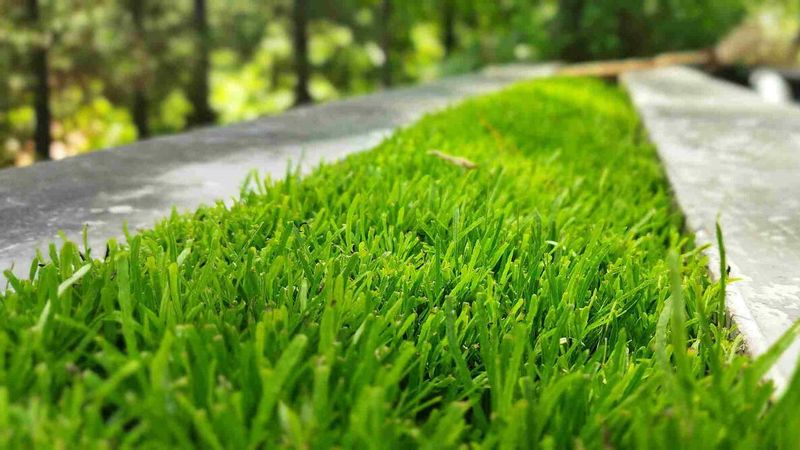
Products alone will never be a complete answer to crabgrass in Florida. A lawn that is thick, healthy, and well-maintained is one of the most powerful natural defenses against weeds of any kind.
Crabgrass thrives in thin, stressed, and bare areas where it faces little competition from desirable grass.
Mowing at the right height for your specific grass type plays a bigger role than most people realize. St. Augustine grass, which is common across much of Florida, does best when kept between three and a half to four inches tall.
Cutting it too short removes the leaf canopy that shades the soil, and shaded soil is much harder for crabgrass seeds to germinate in successfully.
Fertilizing on a proper Florida schedule also supports turf density. A lawn that is well-fed produces thick lateral growth that fills in gaps before crabgrass can claim them.
UF IFAS recommends fertilizing Florida lawns based on grass type and regional timing, so checking those guidelines for your specific county is worth doing.
Watering deeply but infrequently encourages your grass to develop a strong, deep root system. Shallow, frequent watering does the opposite and creates surface conditions that both crabgrass and other weeds prefer.
Deep roots mean a more resilient lawn that bounces back faster from stress.
Addressing bare spots promptly by overseeding or patching with sod removes the open invitation that crabgrass is always looking for. A crowded lawn simply leaves less room for weeds to establish and spread across your Florida yard.
7. Follow Up Before The Protection Wears Off
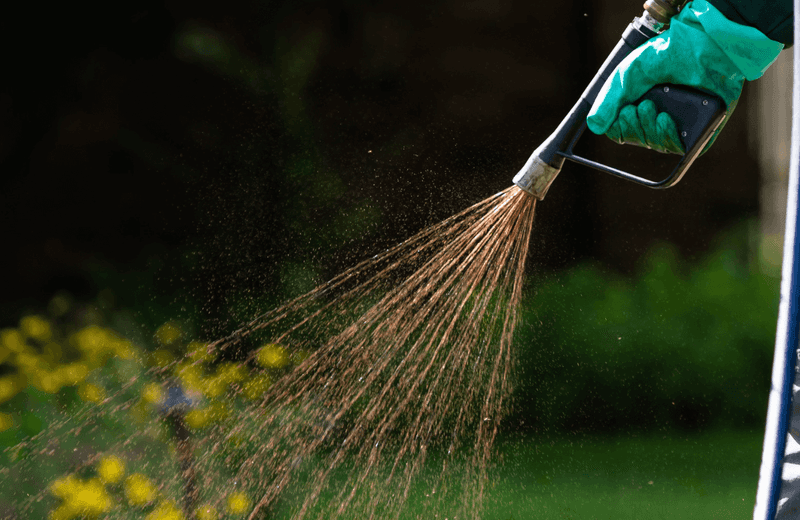
Pre-emergent herbicides do not last forever, and in Florida’s warm climate, that protection window can close faster than homeowners expect. Most standard pre-emergent products provide somewhere between eight to twelve weeks of barrier protection, depending on the formula, application rate, and local weather conditions.
Florida’s long warm season means crabgrass pressure does not disappear after one application. South Florida in particular can see extended weed pressure well into late spring and early summer.
If your first application was in early February, the barrier may begin weakening just as temperatures climb into the range where late-season crabgrass flushes can occur.
Some Florida lawn care professionals and UF IFAS resources suggest that a follow-up application may be appropriate depending on the product used and your region. A second pre-emergent application timed roughly eight to ten weeks after the first can extend protection through the higher-risk warm months.
Always check your product label for guidance on re-application intervals and annual use limits.
Keeping a simple lawn care calendar helps you track when you applied, what product you used, and when the protection window is expected to expire. This takes the guesswork out of deciding whether a follow-up is needed and prevents you from accidentally over-applying.
Florida’s unpredictable weather patterns, including early heat waves and unusually warm winters, can compress the season timeline in ways that make follow-up planning especially valuable. Staying proactive rather than waiting to react keeps your lawn protected and your crabgrass problem manageable all season long.