The Stunning Purple-Blue Flower That Helps Improve Soil In Georgia Gardens
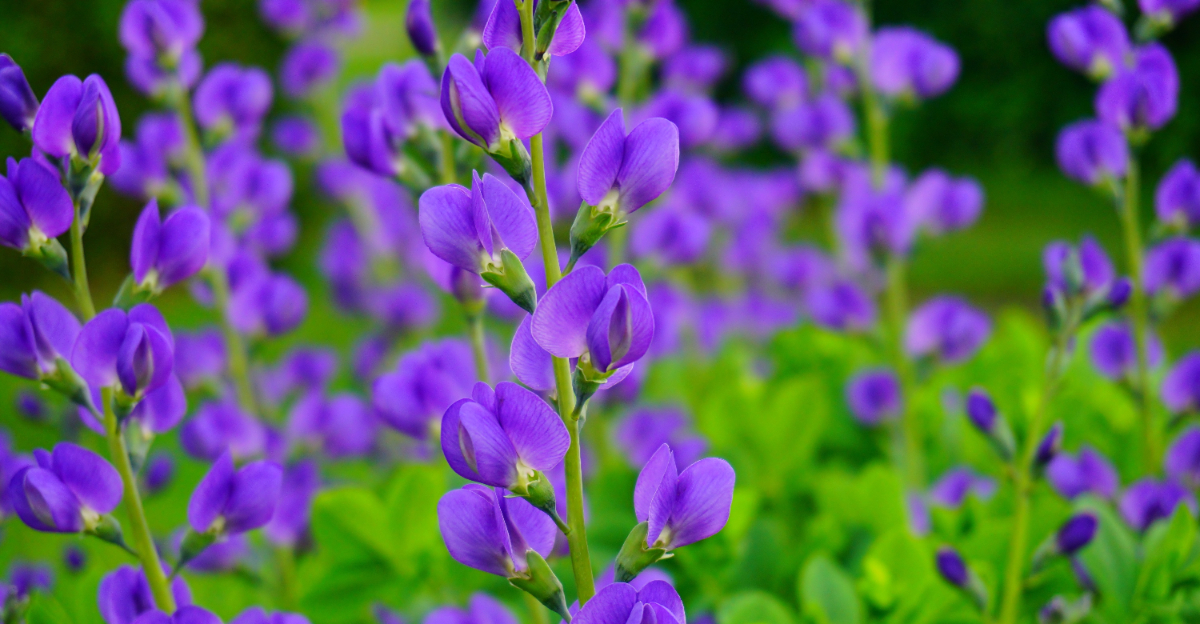
Some flowers earn attention for their color alone, but a few manage to do something useful at the same time. That is exactly why this purple blue bloomer stands out in Georgia gardens.
It brings that rich, eye catching color that instantly lifts a planting bed, but it also has a practical side that makes it even more worth growing.
In a state where healthy soil can make such a big difference in how well everything else grows, a plant that gives back to the garden always deserves a closer look. This one is not just there to be pretty for a few weeks and then fade into the background.
It can play a bigger role in how a garden feels and functions, especially during the growing season.
For Georgia gardeners who like plants that do more than one job well, this is the kind of flower that can quietly make the whole space better without demanding too much in return.
1. Blue Indigo Is A Native Plant That Improves Soil Over Time
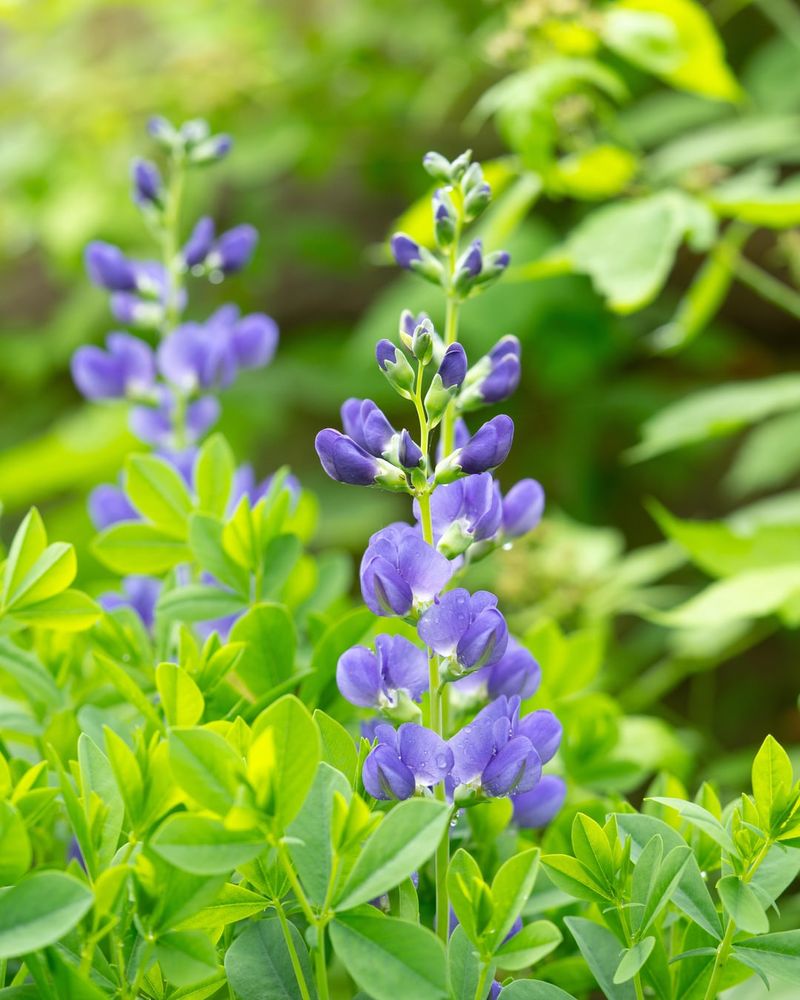
Blue Wild Indigo has been growing across Georgia long before anyone ever started keeping a garden. Baptisia australis is as native to this region as red clay and pine trees, and that deep connection to the land shows up in how naturally it fits into local landscapes.
You do not have to fight the environment to grow it here.
What makes this plant genuinely useful is what happens underground. Blue Wild Indigo forms a partnership with naturally occurring soil bacteria called rhizobia.
These bacteria attach to the plant roots and convert nitrogen gas from the air into a form that plants can actually absorb and use. Over several growing seasons, that process quietly builds up the nitrogen levels in your soil without any help from a fertilizer bag.
Gardeners in Georgia dealing with depleted garden beds or tired clay soil often notice real improvement after a few years of growing Baptisia nearby. Surrounding plants tend to grow stronger, and the ground itself starts to feel more alive.
Earthworm activity often increases too, which is always a good sign.
Unlike annual flowers that you have to replant every spring, Blue Wild Indigo keeps working year after year from the same root system. Each season, the roots grow deeper and the soil around them gets a little better.
Planting it once can set off a slow but steady improvement that benefits everything else growing nearby in your Georgia garden beds.
2. Deep Roots Help Break Up Compacted Ground Naturally
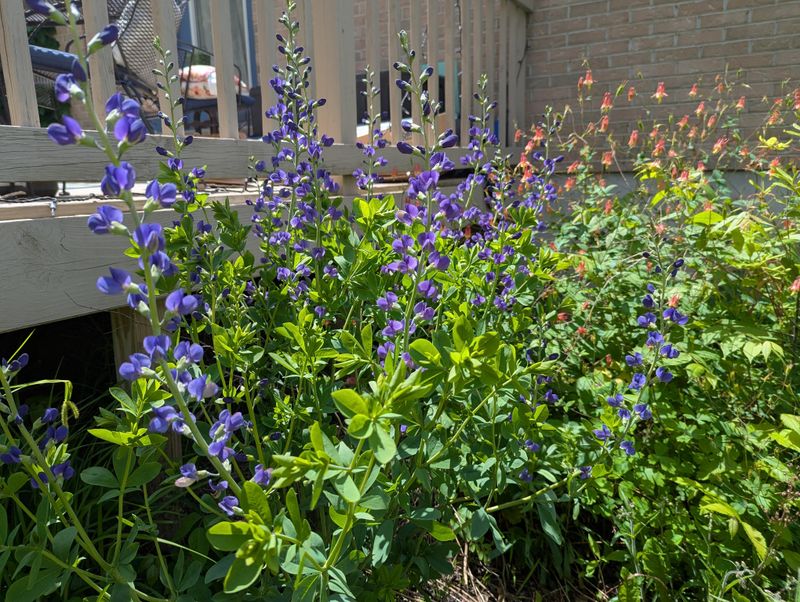
Compacted soil is one of the most frustrating problems Georgia gardeners run into, especially in yards with heavy clay or areas that get a lot of foot traffic. Water pools on the surface, roots struggle to push through, and plants just sit there looking miserable.
Most solutions involve hauling in amendments or renting equipment.
Blue Wild Indigo takes a completely different approach. Its taproot can push several feet straight down into the ground, cracking through dense layers that shallow-rooted plants cannot touch.
Your Georgia Garden Changes Every Week. Your Plan Should Too.
Gardening in Georgia changes quickly throughout the season. Every Friday you’ll receive a simple weekly plan showing exactly what to plant, prune, fertilize, harvest, and protect so you never miss the right timing.
That root does not just sit there either. As it grows and eventually breaks down over time, it leaves behind channels that air and water can move through freely.
In Georgia, where red clay can form an almost brick-like layer just below the surface, that kind of root action is genuinely valuable. Raised beds and tilling help short-term, but a deep-rooted perennial works on the problem continuously without any extra effort from you.
Neighboring plants benefit because their own roots can follow the pathways that Baptisia creates.
Gardeners who have grown Blue Wild Indigo in the same spot for three or four years often report that the soil nearby is noticeably looser and easier to work. Rain soaks in faster instead of running off, and planting holes are easier to dig.
Across Georgia, where summer storms can dump a lot of rain fast, better drainage is not just convenient, it protects your entire garden from waterlogging and root stress.
3. Perennial Adds Nitrogen Back Into The Soil As It Grows
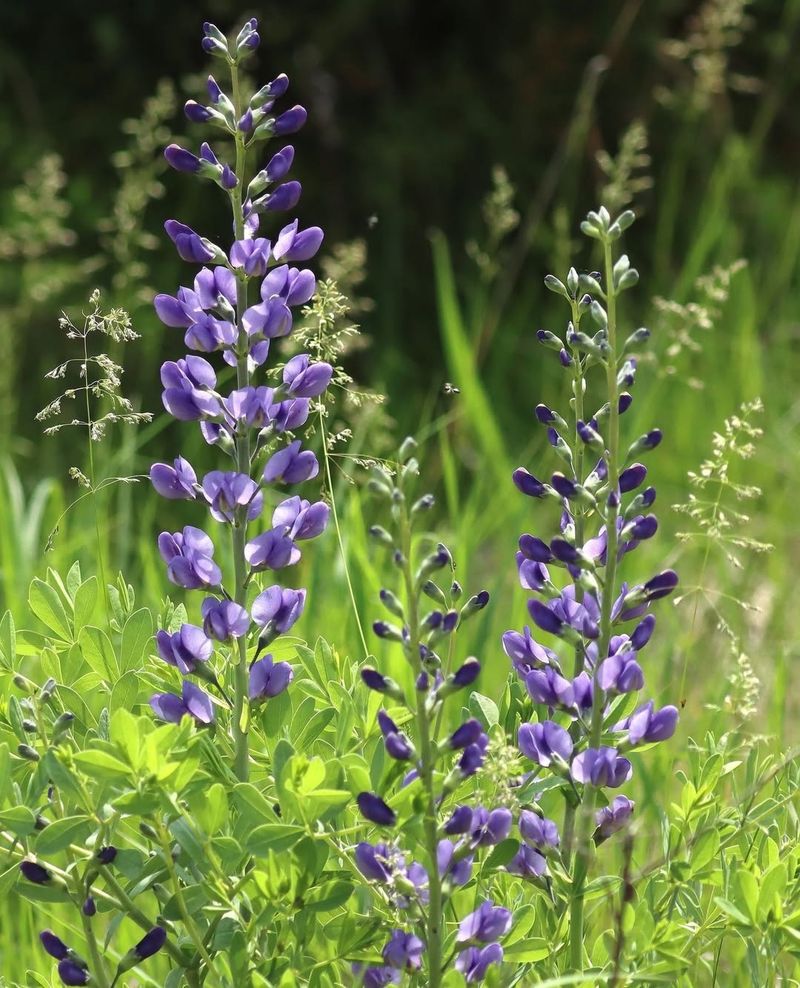
Nitrogen is the nutrient most gardens run short on first. It fuels leafy green growth, supports strong stems, and keeps plants looking healthy through the season.
Without enough of it, gardens fade fast, and most gardeners end up buying bags of fertilizer to compensate.
Blue Wild Indigo belongs to the legume family, which puts it in the same category as beans, clover, and peas. Plants in this group do something extraordinary: they host bacteria in their root nodules that pull nitrogen directly from the atmosphere and lock it into the soil.
Every growing season that Baptisia sits in your Georgia garden bed, it is slowly depositing nitrogen that other plants can draw from.
Over several years, the buildup becomes noticeable. Vegetables planted near established Baptisia often show stronger growth without extra feeding.
Perennial flowers growing in the same bed tend to bloom more heavily. Lawns bordering areas where Blue Wild Indigo grows sometimes green up faster in spring.
What makes this especially practical for Georgia gardeners is the timing. Baptisia starts working in early spring as temperatures climb, which lines up perfectly with the start of the main growing season.
Nitrogen availability peaks right when surrounding plants need it most. Rather than applying synthetic fertilizer and hoping rain does not wash it away, you have a living, self-renewing system working quietly in the background, season after season, without any additional cost or effort on your part.
4. Thrives In Georgia Conditions Without Needing Rich Soil
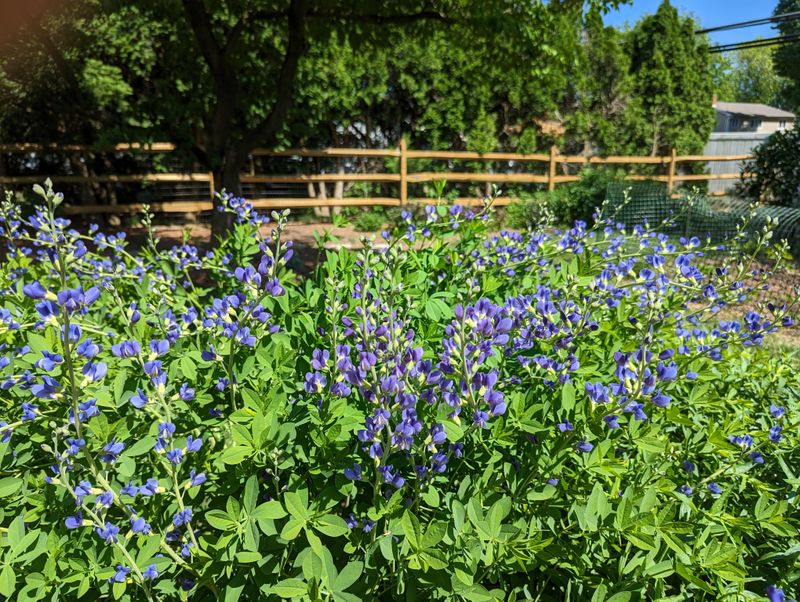
A lot of beautiful plants look great in a nursery but fall apart the moment you put them in actual Georgia soil.
Between the summer heat, the stretches of drought, and the stubborn clay or sandy ground depending on where you live in the state, plenty of plants simply struggle here.
Blue Wild Indigo was shaped by exactly these conditions. Baptisia australis evolved across the Southeast without anyone watering it, amending the soil, or protecting it from heat.
It adapted to survive in ground that other plants would find hostile. That history shows up in how reliably it performs across different parts of Georgia, from the Piedmont region to the coastal plain.
Poor soil does not slow it down. In fact, overly rich or heavily fertilized soil can actually cause problems, pushing it toward floppy, weak growth instead of the sturdy upright form it naturally holds.
Lean soil suits it better, which is the opposite of what most ornamental plants prefer.
Planting Blue Wild Indigo in a spot with full sun and average or even below-average soil gives it exactly what it wants. Skip the heavy soil prep.
Skip the fertilizer. Clear the area, loosen the top few inches, plant it, water it in, and let Georgia do the rest.
Gardeners who have tried to pamper this plant often end up with worse results than those who simply leave it alone and let it settle into the ground on its own terms.
5. Drought Tolerant Once Established And Easy To Maintain
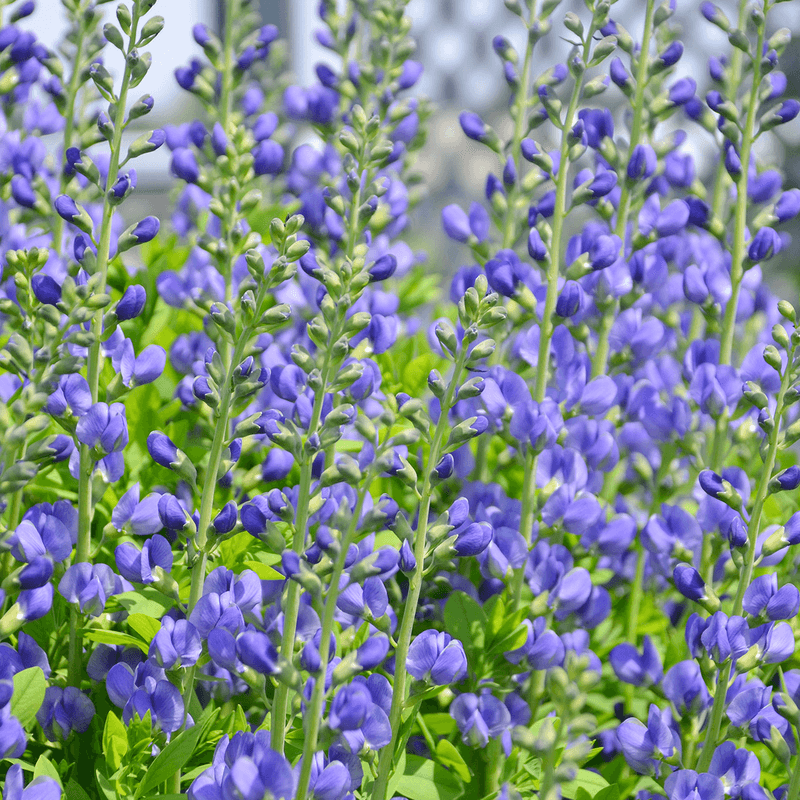
Georgia summers are not gentle. Weeks can pass without meaningful rain, temperatures push into the upper nineties, and even tough plants start to show stress.
Keeping a garden looking decent through July and August takes real effort, which is why low-water plants are worth their weight in gold here.
Blue Wild Indigo handles dry stretches remarkably well once its root system gets settled in. That deep taproot reaches moisture that surface-rooted plants cannot access during dry spells.
While other plants in the garden wilt and struggle, Baptisia holds its shape and keeps going without drama.
During the first season after planting, some extra watering helps the roots get established before heat arrives. After that first year, most Georgia gardeners find they rarely need to water Baptisia at all, even during prolonged dry periods.
A good soaking during an unusually long drought is all it typically needs.
Maintenance is genuinely minimal. Blue Wild Indigo does not need regular pruning, staking, or deadheading to stay healthy.
After the blooms fade, attractive seed pods form and dry on the plant, adding visual interest through fall and winter. Cutting the whole plant back in late winter before new growth starts is about the only task on the annual to-do list.
For busy Georgia gardeners who want something beautiful without constant upkeep, Baptisia fits that description about as well as any plant out there.
6. Attracts Pollinators While Supporting Overall Garden Health
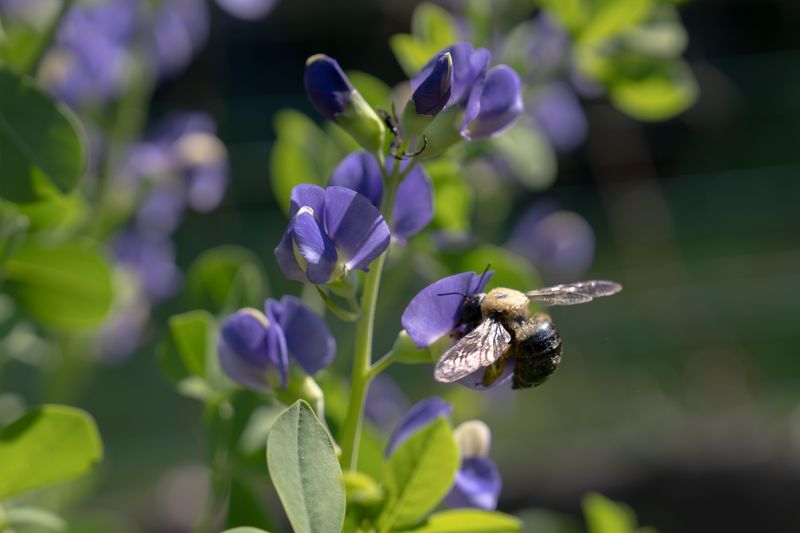
Walk past a blooming Blue Wild Indigo on a warm Georgia morning and you will almost always hear it before you see what is happening. Bumblebees absolutely swarm this plant when it is in flower, and the buzzing is constant.
Few plants in a Georgia garden pull in pollinators this reliably during mid-spring.
Bumblebees are the primary visitors, and they are perfectly sized to work the pea-shaped flowers. As they push inside to reach nectar, they pick up pollen and carry it to the next bloom.
Certain butterfly species also visit regularly, and the plant serves as a host for several native moth and butterfly caterpillars, meaning it supports wildlife at multiple stages of their life cycles.
Beyond the insects, a yard with active pollinator traffic tends to produce better fruit and vegetable yields. Tomatoes, squash, and beans all benefit from strong pollinator presence nearby.
Planting Baptisia near your vegetable garden is a practical move that pays off in produce, not just aesthetics.
Georgia has lost a significant amount of native plant habitat over the decades, which has put pressure on local pollinator populations. Planting natives like Blue Wild Indigo helps restore some of what has been lost at the neighborhood level.
Even a single established clump in a suburban Georgia backyard can become a reliable refueling stop for bees and butterflies making their way through a landscape that otherwise offers very little for them.
7. Long Lasting Blooms And Strong Structure Year After Year
Some perennials put on a great show the first year and then slowly decline into sad little clumps that barely flower. Blue Wild Indigo runs in the opposite direction.
Each year it comes back a bit larger, a bit fuller, and with more flower spikes than the season before.
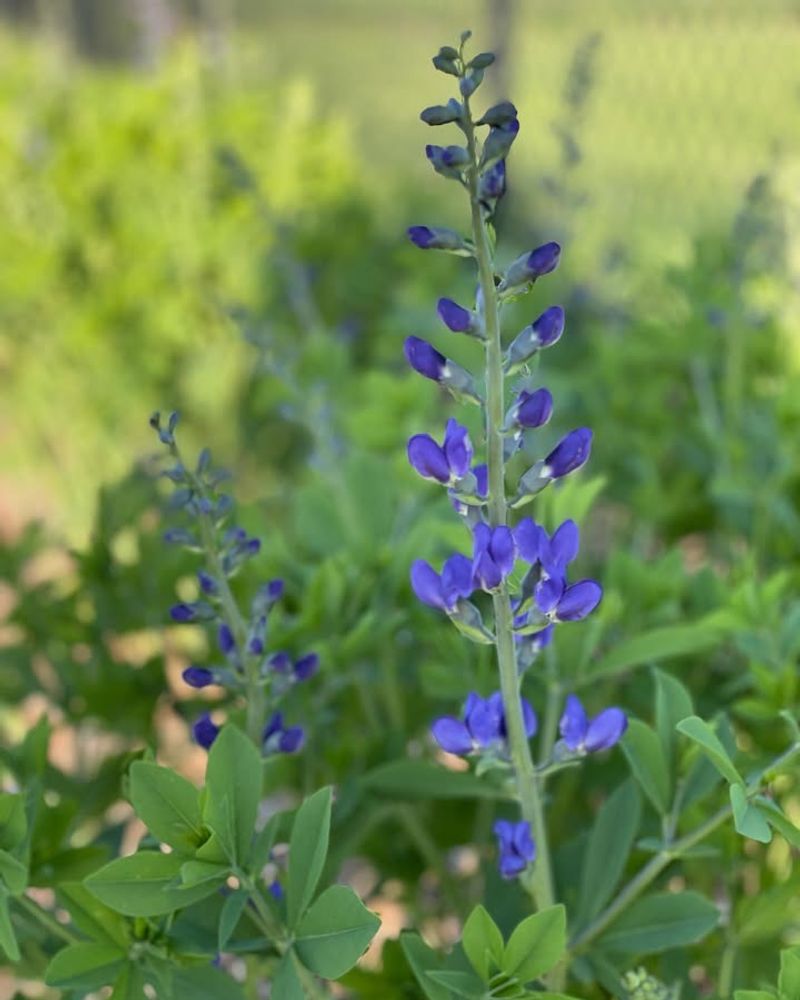
Blooms appear in mid to late spring across Georgia, covering the plant in tall spikes of deep purple-blue flowers that can last three to four weeks. After flowering, the plant develops inflated seed pods that turn nearly black as summer progresses.
Those pods rattle when shaken and hold their shape on the plant well into winter, giving the garden structure and visual interest long after the flowers are gone.
By the time a Baptisia plant is five or six years old, it can form an impressive shrub-like mound three to four feet tall and equally wide.
At that size, it provides real presence in a Georgia garden bed, anchoring a planting design the way a small shrub would without the pruning demands.
Dividing it is possible but not required, and most gardeners choose to leave it undisturbed since the plant resents root disturbance. Plant it where you want it permanently, give it room to expand, and it will reward you with reliable structure and seasonal color for decades.
In a Georgia garden where so much effort goes into fighting conditions, having a plant that genuinely improves with age is something worth celebrating.