How To Grow A Full Spilling Wandering Dude Indoors Or Outdoors In North Carolina
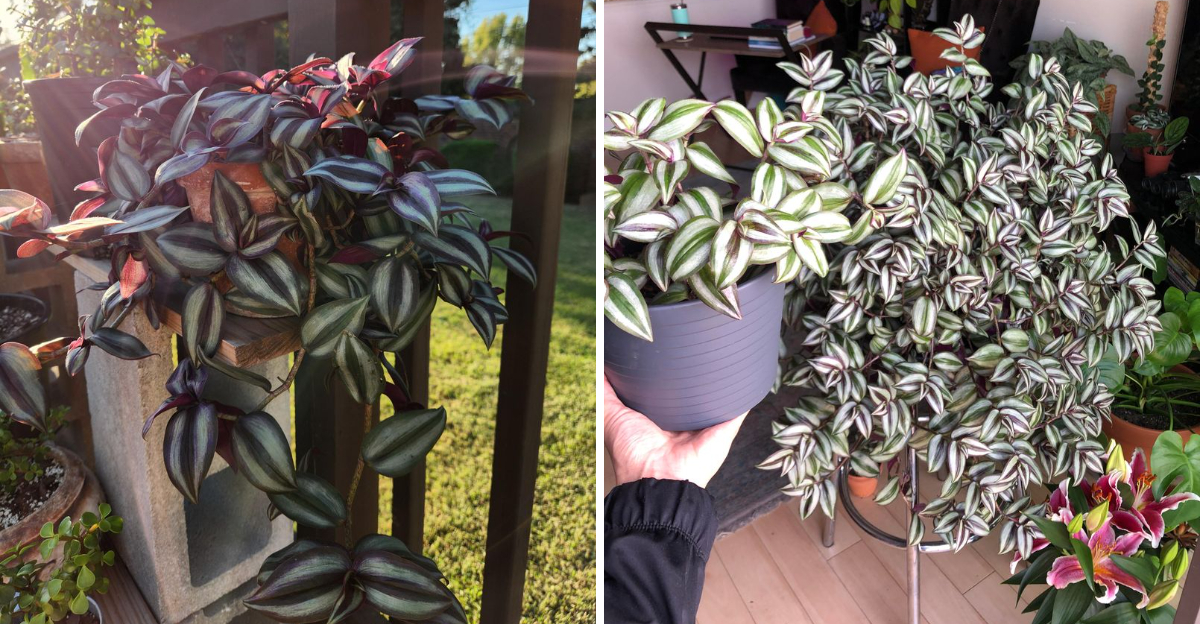
Wandering dude is one of those plants that can steal attention fast when it grows the way people hope it will. Instead of looking thin, leggy, or uneven, the best plants spill over the edges of pots with thick color and long trailing stems that feel full and lush.
In North Carolina, that kind of growth can happen indoors or outside, but only if the plant gets the right start. Light, watering, and trimming all play a big part in whether it stays compact and healthy or starts looking sparse and tired.
That is why this plant can be both easy and frustrating at the same time. When conditions are right, it grows quickly and turns into a showy part of the space.
When something is off, it loses that full look fast. A few smart care moves can make all the difference in how rich and overflowing it becomes.
1. Give Bright, Indirect Light For Best Color
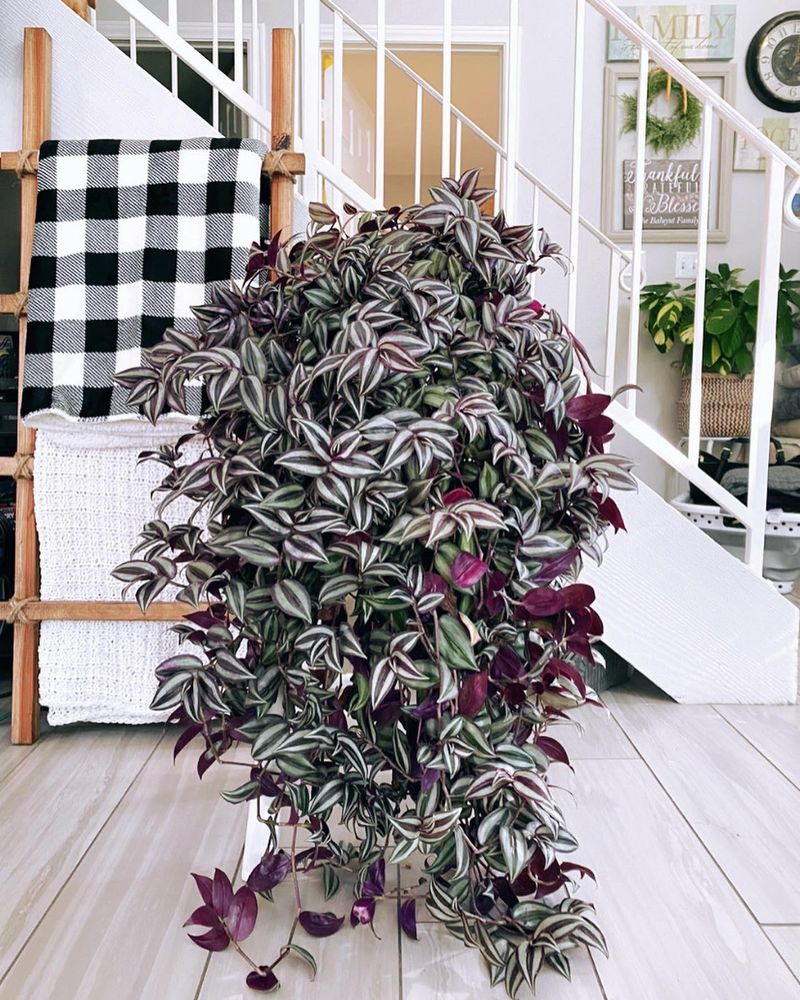
Color is everything with the Wandering Dude, and light is the key to keeping those bold purple and silver stripes looking their best.
Tradescantia zebrina thrives in bright, indirect light, which means a spot near a sunny window where direct rays do not hit the leaves all day.
A north or east-facing window indoors works really well for this plant in most North Carolina homes.
When the plant does not get enough light, something noticeable happens fast. The stems start stretching long and thin, reaching desperately toward any light source they can find.
The gorgeous leaf colors fade to a dull greenish tone, and the full, bushy look you want simply disappears.
Outdoors in North Carolina, a spot with morning sun and afternoon shade is nearly perfect. The intense midday sun during summer can scorch those beautiful leaves, so some shelter during the hottest part of the day makes a real difference.
Under a porch, beneath a tall shrub, or on a shaded patio all work beautifully. Rotating your indoor pot every week or two keeps growth even on all sides. Without rotating, one side reaches toward the light while the other stays bare and sparse.
A little rotation effort goes a long way toward keeping your Wandering Dude looking full, balanced, and absolutely stunning all year long.
2. Use Well-Drained Soil To Prevent Rot
Soggy roots are the fastest way to ruin a perfectly healthy Wandering Dude, and North Carolina’s humid summers make proper soil drainage even more important than in drier climates.
Heavy, water-retaining soil stays wet too long after rain or watering, which creates exactly the conditions that lead to root rot. Starting with the right soil mix from the beginning saves you a lot of frustration later on.
A simple and effective mix combines regular potting soil with perlite at about a two-to-one ratio. Perlite is that lightweight, white, pebble-like material you see in many commercial potting mixes, and it creates tiny air pockets that allow excess water to drain away quickly.
Some gardeners also add a small amount of coarse sand to improve drainage even further.
Your North Carolina Garden Changes Every Week. Your Plan Should Too.
Gardening in North Carolina changes quickly throughout the season. Every Friday you’ll receive a simple weekly plan showing exactly what to plant, prune, fertilize, harvest, and protect so you never miss the right timing.
Outdoors in North Carolina, summer rainstorms can be heavy and frequent, especially from June through August. If your Wandering Dude sits in a container outside, make absolutely sure the pot has drainage holes at the bottom.
Water pooling at the roots for even a few days during a rainy stretch can cause serious damage.
For in-ground planting, raised beds or sloped areas where water runs off naturally work much better than flat, low-lying spots.
Good drainage gives the roots the breathing room they need to stay healthy, strong, and ready to push out all that gorgeous trailing growth you are going for.
3. Pinch Back Regularly For Fuller Growth
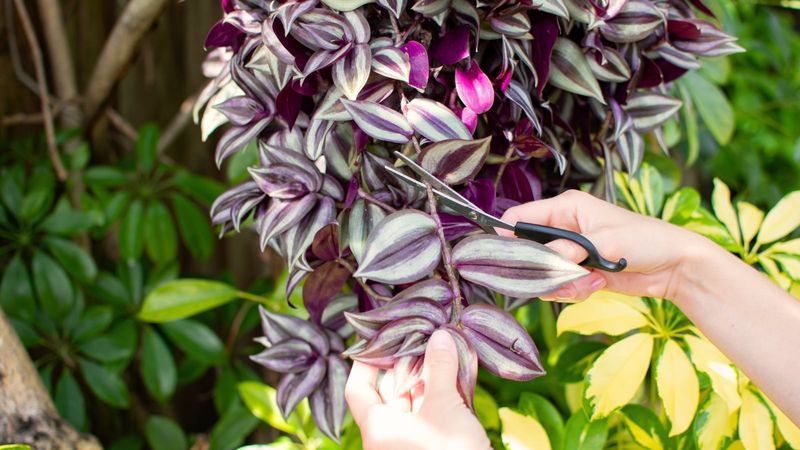
Here is a gardening secret that makes a massive difference with Wandering Dude: pinching works like magic. When you pinch or trim the growing tips of the stems, the plant responds by sending out two or more new shoots from just below the cut.
More shoots mean more leaves, more trailing vines, and that gorgeous, overflowing, bushy look that makes this plant so eye-catching.
Pinching is simple and takes only a few minutes. You just use your fingers or a small pair of clean scissors to snip the stem right above a leaf node, which is the small bump or joint where a leaf attaches to the stem.
New growth will sprout from that node within days, and the difference becomes visible surprisingly fast.
Many Wandering Dude owners in North Carolina skip this step and then wonder why their plant looks long and stringy rather than full and lush. Without regular pinching, the plant naturally puts all its energy into extending a few long vines instead of branching out.
Just a quick pinch every couple of weeks during the growing season keeps things looking thick and beautiful.
Do not throw away the pinched tips either, because they root easily in water or soil. Replanting those cuttings back into the same pot quickly fills in any thin spots.
Regular pinching combined with replanting cuttings is honestly the fastest path to a full, spilling, show-stopping Wandering Dude.
4. Water When The Top Soil Dries Slightly
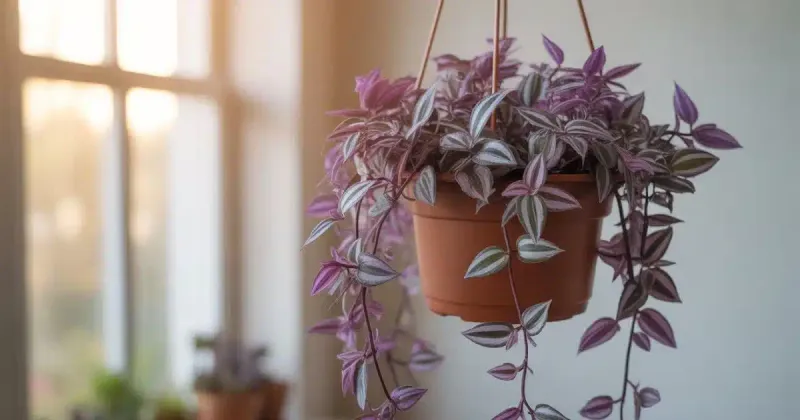
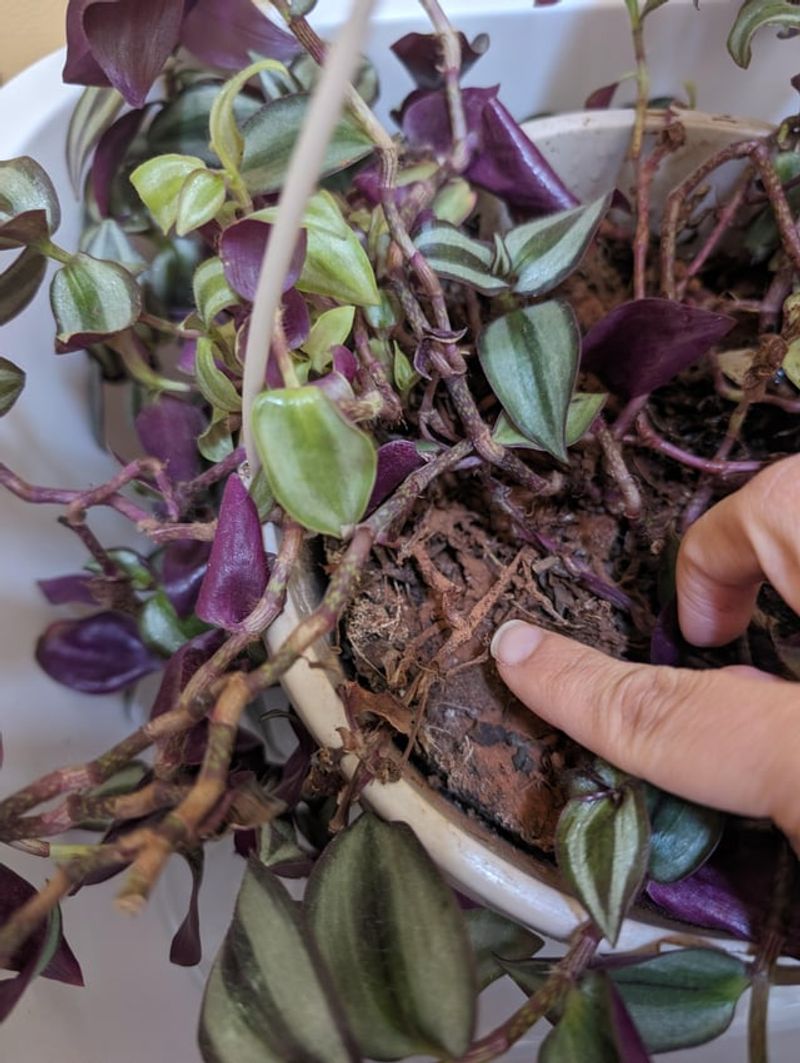
Watering the Wandering Dude correctly is honestly one of the most important things you can do, and it is easier than most people think once you know the simple rule. Stick your finger about an inch into the soil, and if it feels dry at that depth, it is time to water.
If it still feels slightly damp, wait another day or two and check again.
North Carolina’s humidity adds an extra layer to think about, especially during summer. The air moisture in many parts of the state, particularly in the Piedmont and coastal regions, slows down how fast soil dries out.
Because of this, you will likely water less frequently outdoors in summer than you might expect, since the surrounding humidity keeps the soil moist longer between rains.
Overwatering is actually more common than underwatering with this plant, and the signs can look confusing at first. Yellowing lower leaves, soft mushy stems near the base, and a general wilting despite wet soil all point to too much water rather than too little.
Cutting back on watering frequency usually solves the problem quickly.
When you do water, water thoroughly until it drains out the bottom of the pot, then let the soil partially dry before watering again. This deep-and-dry approach encourages strong root growth and keeps the plant healthier over time.
Consistent, thoughtful watering makes a real difference in how full and vibrant your Wandering Dude stays throughout the year.
5. It Thrives Outdoors In Warm Months
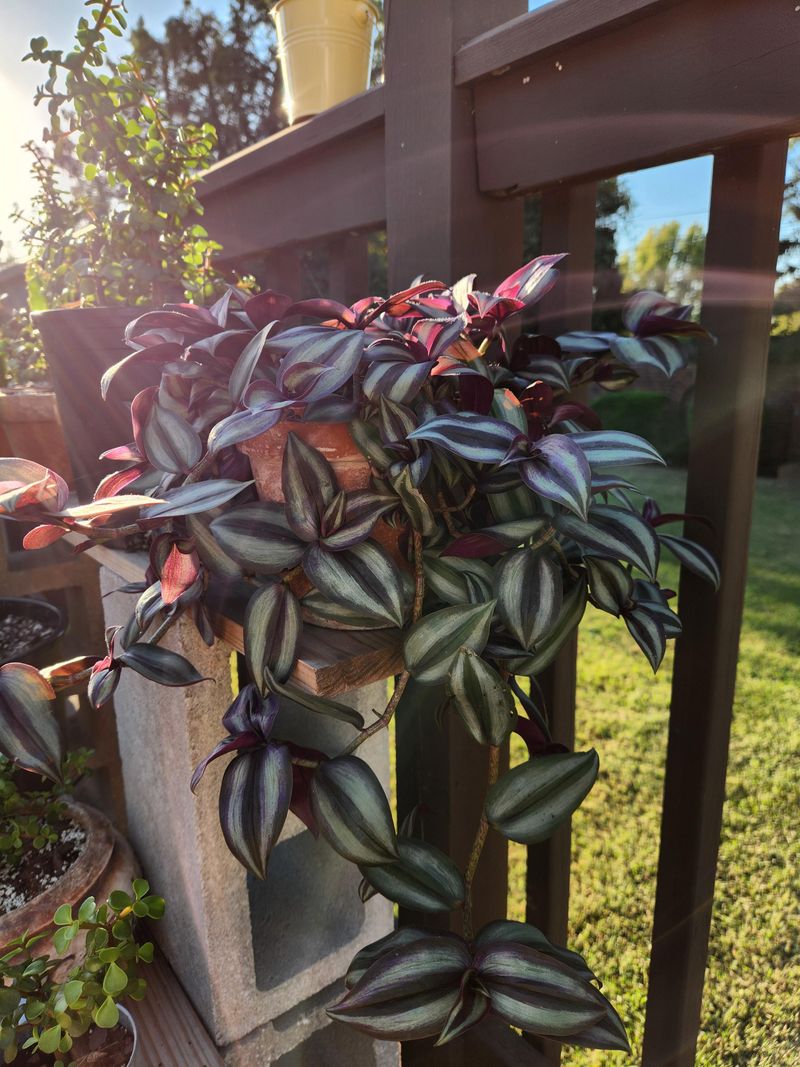
North Carolina’s warm season is practically made for growing Wandering Dude outdoors, and taking advantage of it can transform your plant into something truly spectacular.
Once overnight temperatures consistently stay above 50 degrees Fahrenheit, usually from late April through early May in most parts of North Carolina, it is safe to move your plant outside.
The fresh air, natural humidity, and longer daylight hours really push growth into high gear.
Hanging baskets are one of the most popular ways to show off this plant outdoors, and for good reason. The trailing vines spill dramatically over the edges of the basket, creating a curtain of purple and silver that looks stunning on porches, pergolas, and fences.
A basket hung in a spot with morning sun and afternoon shade hits the sweet spot for both color and protection.
Mixed container planters are another fantastic option across North Carolina gardens. Wandering Dude works beautifully as the spiller in a thriller-filler-spiller combination, trailing over the pot’s edge while taller, bolder plants take center stage.
Its fast growth rate means it fills its role in a mixed planter quickly and keeps going all season long.
Growth outdoors during summer is noticeably faster than indoors, so expect to pinch and trim more often to keep the shape you want.
The extra warmth and light of a North Carolina summer really brings out the most vivid colors in the foliage, making outdoor growing during warm months an experience worth trying every year.
6. Bring It Indoors Before First Frost
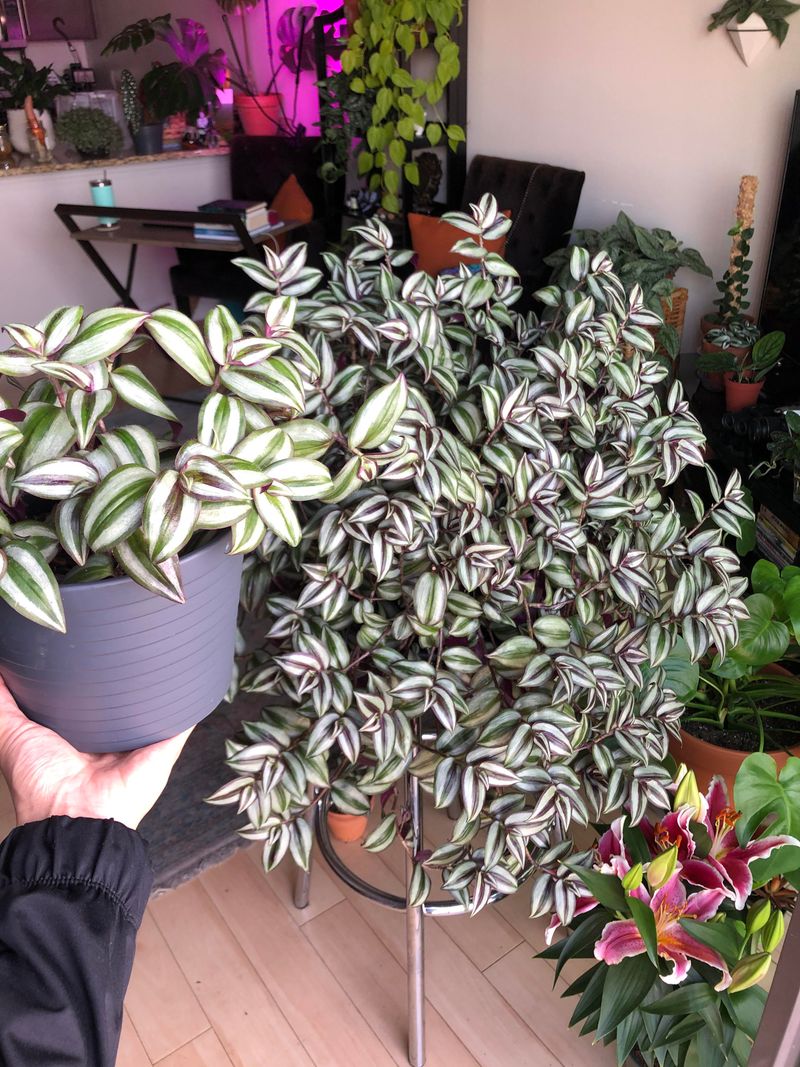
Timing matters a lot when it comes to protecting your Wandering Dude from North Carolina’s cooler months, and waiting too long is a mistake you only want to make once.
Tradescantia zebrina has no tolerance for frost, and temperatures dropping below 32 degrees Fahrenheit will cause serious damage to the foliage and stems.
In the mountains of western North Carolina, the first frost can arrive as early as mid-October, so planning ahead is essential.
In the Piedmont region, including cities like Raleigh, Charlotte, and Greensboro, the first frost typically arrives sometime in late October or early November. Coastal areas of eastern North Carolina tend to stay warmer a bit longer, sometimes into November.
Regardless of your specific location in the state, a safe rule is to bring your plant indoors by mid-October to avoid any surprise cold snaps.
Before bringing the plant inside, give it a good inspection and a gentle rinse with the garden hose. Outdoor plants can pick up small insects or pests that you definitely do not want moving into your home.
Checking the undersides of leaves and the soil surface carefully takes only a few minutes and prevents bigger problems later.
Once inside, place your Wandering Dude near the brightest window available to help it adjust to lower indoor light levels. Growth will naturally slow down during fall and winter, and that is completely normal.
With just a little care through the cooler months, your plant will be ready and eager to go back outside again next spring.
7. Propagate Cuttings To Keep It Full And Fresh
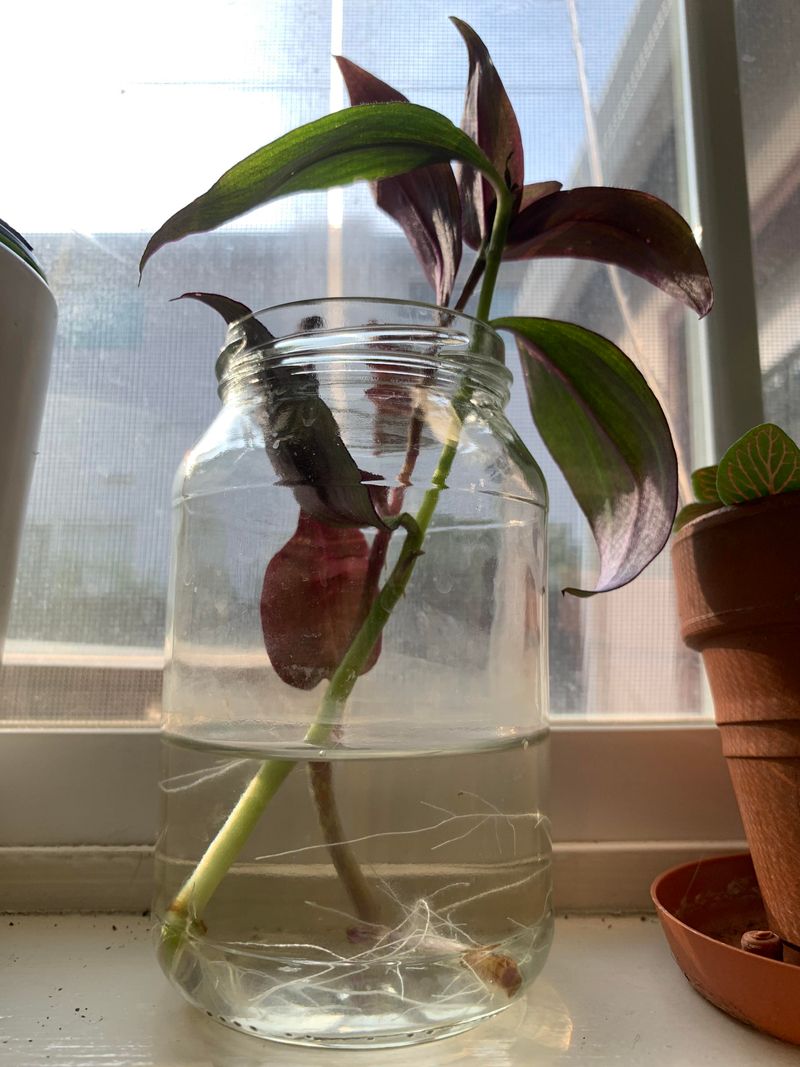
One of the most satisfying things about growing Wandering Dude is how ridiculously easy it is to make new plants from cuttings, and doing this regularly is one of the best ways to keep your plant looking thick, full, and fresh.
Over time, even a well-maintained Wandering Dude can develop bare or woody sections near the base, and fresh cuttings rooted back into the pot fix that problem beautifully.
Taking a cutting is straightforward. Snip a stem that is three to five inches long, remove the lower leaves so a couple of bare nodes are exposed, and either place it in a glass of water or push it directly into moist potting soil.
Water propagation lets you watch the roots develop, which is genuinely exciting, especially for younger gardeners. Roots typically appear within one to two weeks.
Soil propagation works just as reliably and skips the step of transplanting from water into soil later.
Simply press the bare stem nodes into slightly damp potting mix, keep the soil consistently moist for the first week or two, and the cutting will establish roots and start growing new leaves before you know it.
North Carolina gardeners can propagate Wandering Dude throughout the spring and summer growing season with great success.
Tucking several fresh cuttings around the edges of an existing pot quickly fills in thin spots and gives the whole plant a lush, overflowing appearance.
Propagating regularly means you always have healthy, vibrant plants ready to grow and show off.