Do Bird Feeders Attract Rats In Texas (What Actually Causes The Problem)
Bird feeders seem like one of the easiest ways to make a Texas yard feel more alive. You fill them up, hang them in the right spot, and before long you have cardinals, finches, doves, and all kinds of other visitors showing up throughout the day.
Then someone brings up rats, and suddenly a simple backyard hobby starts sounding a lot less appealing.
It is a fair concern, especially when people notice extra seed on the ground or movement around the feeder after dark. But the feeder itself is usually not the whole story.
What really causes the problem is the setup around it. Rats are drawn to easy meals, sheltered hiding spots, and a steady food source they can count on night after night.
In Texas, where warm weather can keep pests active for much of the year, spilled seed, messy feeding habits, and overgrown areas nearby can turn a bird-friendly yard into something much more inviting to the wrong guests.
That does not mean you have to give up feeding birds. It just means the small details matter more than most people realize.
Yes, Bird Feeders Can Attract Rats
Most people set up a bird feeder because they want to enjoy watching cardinals, sparrows, and other Texas birds up close. What they do not always expect is that a rat might show up too.
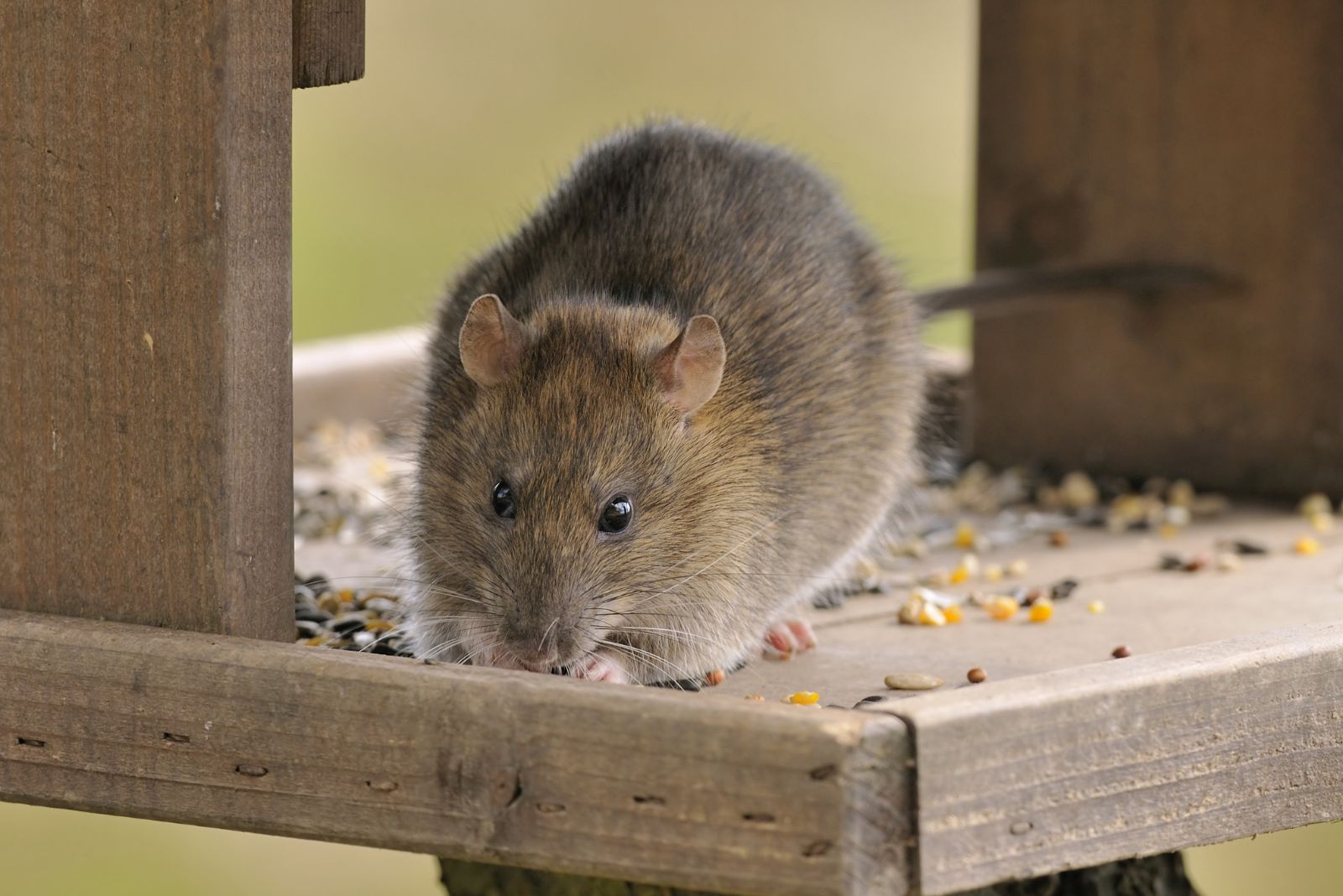
The truth is, bird feeders do not magically draw rats from miles away. What actually pulls rodents in is the food that ends up around the feeder, not the feeder hanging in the air. Rats are opportunistic eaters. They are always on the lookout for an easy, reliable meal.
When birdseed collects on the ground beneath a feeder, it becomes exactly that. Sunflower seeds, millet, and peanuts are high in calories and very attractive to rats and mice.
In Texas, where the climate is warm and rodents stay active for most of the year, this kind of food source gets noticed fast.
Seed hulls left by birds also pile up over time. Even if the actual seed inside has been eaten, the smell of food lingers in the area.
That smell alone can be enough to bring rodents sniffing around your yard. Rats have an excellent sense of smell, and they are not picky about eating leftovers.
So yes, bird feeders can be part of the problem, but only because of what falls below them. A feeder that is well-maintained, placed thoughtfully, and cleaned regularly is much less likely to become a rat magnet.
Knowing this is the first step toward protecting your Texas yard while still enjoying every bird that visits your backyard setup each day.
Spilled Seed Is What Turns A Feeder Into A Rat Magnet
Picture this: a busy bird feeder on a warm Texas afternoon. Birds are tossing seeds left and right, cracking open hulls, and dropping pieces they do not want.
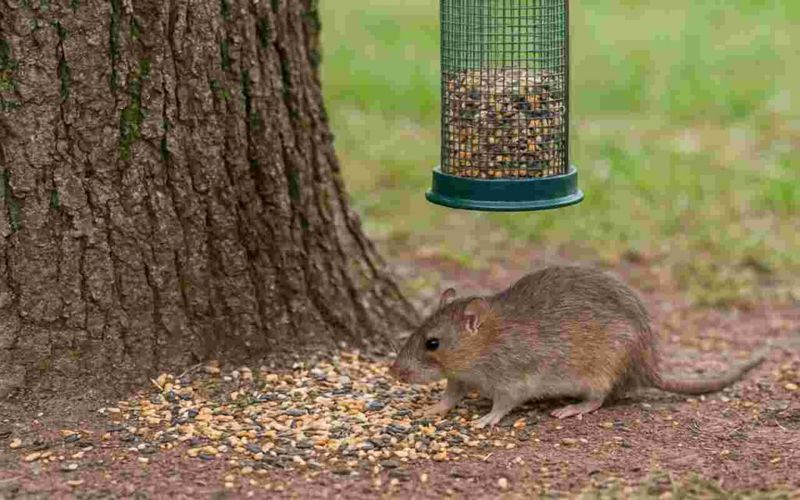
By the time the sun goes down, there is a small buffet sitting right there on the ground. That is the moment rats have been waiting for.
Your Texas Garden Changes Every Week. Your Plan Should Too.
Gardening in Texas changes quickly throughout the season. Every Friday you’ll receive a simple weekly plan showing exactly what to plant, prune, fertilize, harvest, and protect so you never miss the right timing.
Spilled seed is the number one reason bird feeders become problems in Texas yards. Birds are naturally messy eaters.
They sort through seed mixes, toss out the pieces they do not like, and leave behind a trail of edible waste. Hulls from sunflower seeds are a big contributor. Even though the seed inside is gone, the oily residue and smell attract rodents like a signal.
Rats are most active at night, which means all that fallen seed sitting on the ground after dark is easy pickings. They do not have to work hard for the meal at all.
An effortless food source is exactly what encourages rats to stick around and come back night after night in your Texas neighborhood.
The fix starts with understanding that spilled seed is the real trigger. Reducing how much seed hits the ground, cleaning up regularly, and using feeders designed to catch waste can make a huge difference.
Catch trays that attach below feeders are a simple and affordable solution. They hold fallen seed so birds can still eat it, but it does not pile up on the soil where rats can easily reach it.
Managing seed waste is one of the most effective ways to keep your Texas yard bird-friendly without rolling out a welcome mat for rodents.
Ground Feeding Makes The Problem Worse Fast
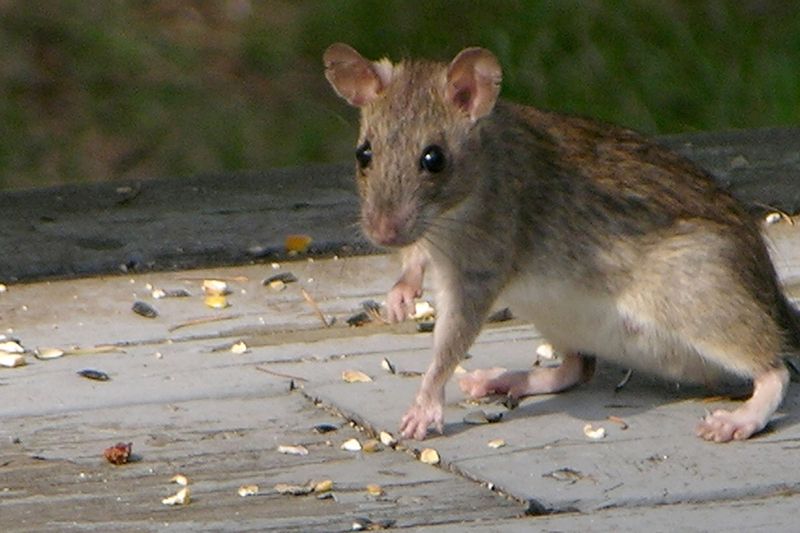
Some Texas homeowners scatter seed directly on the ground to attract ground-feeding birds like doves and sparrows. It makes sense from a bird-watching perspective, but it also creates the easiest possible setup for rats to move in and stay.
Ground-level food requires zero effort for a rodent to access, and that convenience matters a lot.
Once rats discover a yard that offers a steady, easy meal, they tend to return on a regular schedule. Rats are creatures of habit.
They memorize food routes and revisit reliable sources night after night. A Texas yard with seed on the ground is not just a one-time snack stop.
It can become a regular part of a rat’s nightly routine, and that is when a small problem turns into a much bigger one.
Heavy buildup beneath feeders has the same effect. When nobody cleans up the area for days or weeks, seed and hulls pile up into a thick layer of food waste.
That buildup is warm, sheltered, and packed with calories. It can even attract rodents during the day if the activity level gets high enough and the food supply feels safe and consistent.
Avoiding ground feeding altogether is a smart move for Texas homeowners who want to reduce rodent risk. If you enjoy watching ground-feeding birds, try using a low tray feeder that you clean out every day or two.
Removing leftover seed before nightfall makes a big difference. Rats are far less likely to stay interested in a yard that does not reliably offer food sitting at ground level waiting for them every single evening without fail.
Feeder Placement Matters More Than Most Texas Homeowners Realize
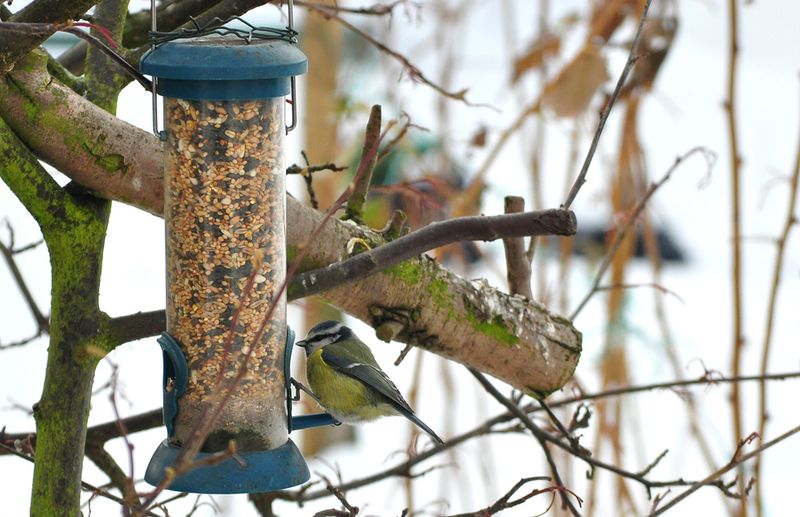
Where you hang your bird feeder matters just as much as how you maintain it. Many Texas homeowners pick a spot based on what looks nice or what is easy to reach for refilling.
But placement has a direct impact on whether rats can easily access the feeder and the area around it.
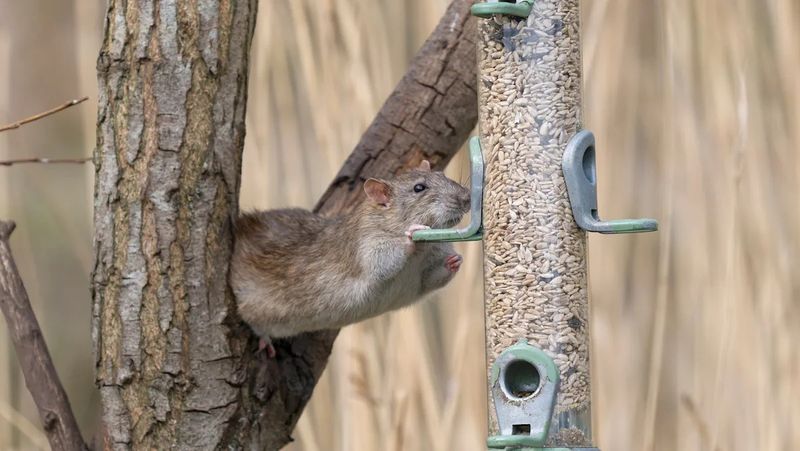
Rats are skilled climbers. They can scale wooden fences, rough tree bark, brick walls, and even metal poles if they get a grip.
Placing a feeder near a fence, tree branch, or dense shrub gives them a natural launch point. From there, they can jump or crawl toward the feeder or simply hang around the ground below it where seed falls regularly throughout the day and night.
Structures like sheds, garages, and overgrown garden beds near feeders also provide cover. Rats prefer to travel along edges and stay hidden as much as possible.
When a feeder is surrounded by clutter, dense plants, or places to hide, rats feel safer spending time in that area. A Texas yard with a feeder tucked into a corner near a wooden fence and thick bushes is basically an ideal setup for rodents.
A smarter placement puts the feeder out in the open, away from fences, walls, and heavy vegetation. Using a smooth metal pole with a baffle guard makes it much harder for rats to climb up from below.
Keeping the ground around the feeder clear of clutter removes hiding spots and makes rodents feel exposed. Small changes to feeder placement can have a surprisingly big impact on whether your Texas yard stays rodent-free throughout the year.
Some Birdseed Mixes Invite More Trouble Than Others
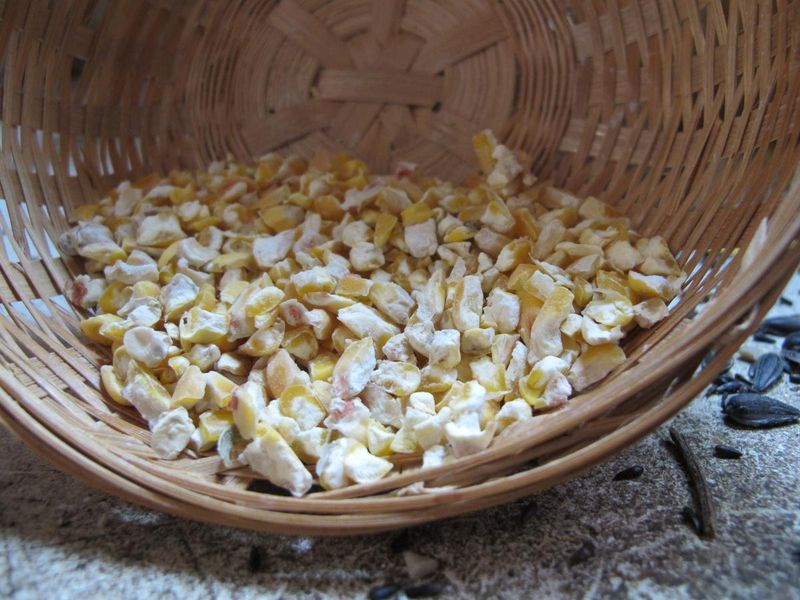
Not all birdseed is created equal, and the type you choose for your Texas feeder can either reduce or increase your chances of attracting rats. Cheaper seed mixes are often packed with fillers like milo, red millet, and cracked corn.
Most backyard birds in Texas do not prefer these seeds and will toss them aside without eating them. All that rejected seed ends up on the ground.
Sunflower seeds, especially black oil sunflower seeds, are a favorite for many birds. But they also come with shells that pile up fast beneath feeders.
Those shells carry an oily scent that lingers in the soil long after the actual seed is gone. That smell can attract rats and mice even when there is no visible food left on the ground, which surprises a lot of homeowners.
Peanuts and corn are two other common feeder ingredients that rats find irresistible. Both are high-calorie and easy to eat.
If your seed mix contains a lot of either one, you may be unintentionally offering rats one of their favorite meals. Texas homeowners who switch to cleaner, no-waste seed blends often notice fewer rodent signs around their feeders within just a few weeks.
No-waste seed options include hulled sunflower chips, nyjer seed, and safflower seed. Birds eat these more completely, which means less falls to the ground.
Nyjer seed in particular is not very appealing to rats, making it a smart choice for Texas bird lovers who want to attract finches without the rodent risk. Choosing better seed is one of the simplest upgrades you can make right away.
A Few Simple Changes Can Stop Most Rat Problems
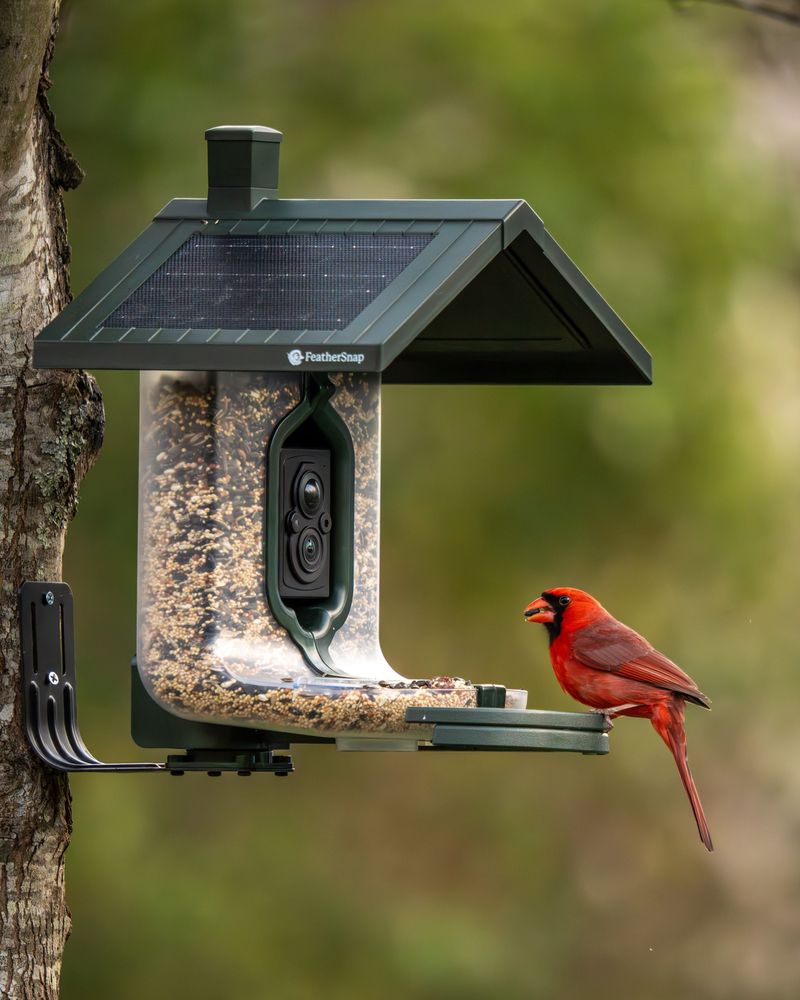
Here is the encouraging part: most rat problems connected to bird feeders in Texas are completely preventable. You do not have to give up bird feeding to solve the issue.
A handful of practical habits can make your setup far less welcoming to rodents while keeping it just as attractive to the birds you love watching.
Start by cleaning up fallen seed every day or two. A quick rake or sweep beneath your feeder removes the food source that draws rats in after dark.
Adding a catch tray below your feeder helps collect seed before it hits the ground. Many catch trays are inexpensive and easy to attach to existing feeders.
Emptying them regularly keeps things tidy and removes the odor that lingers in the soil beneath your setup.
Avoid overfilling your feeder. When feeders are packed too full, seed gets pushed out easily by birds landing and shifting around.
Fill feeders with just enough seed to last a day or two, and refill them in the morning rather than at night. Rats are most active after dark, so removing easy food access during evening hours reduces the risk significantly across your Texas property.
Store birdseed in a sealed, hard-sided container rather than a paper bag or open bucket. Rats can chew through soft materials quickly.
A metal or thick plastic container with a tight lid removes the storage area as a food source. Also consider using a rodent-proof feeder with a weight-activated closing mechanism.
These feeders shut off access when something heavier than a bird lands on them. With the right habits in place, you can enjoy bird feeding in Texas year-round without worrying about rats moving into your yard.