7 Native Florida Trees To Plant Instead Of Crape Myrtle
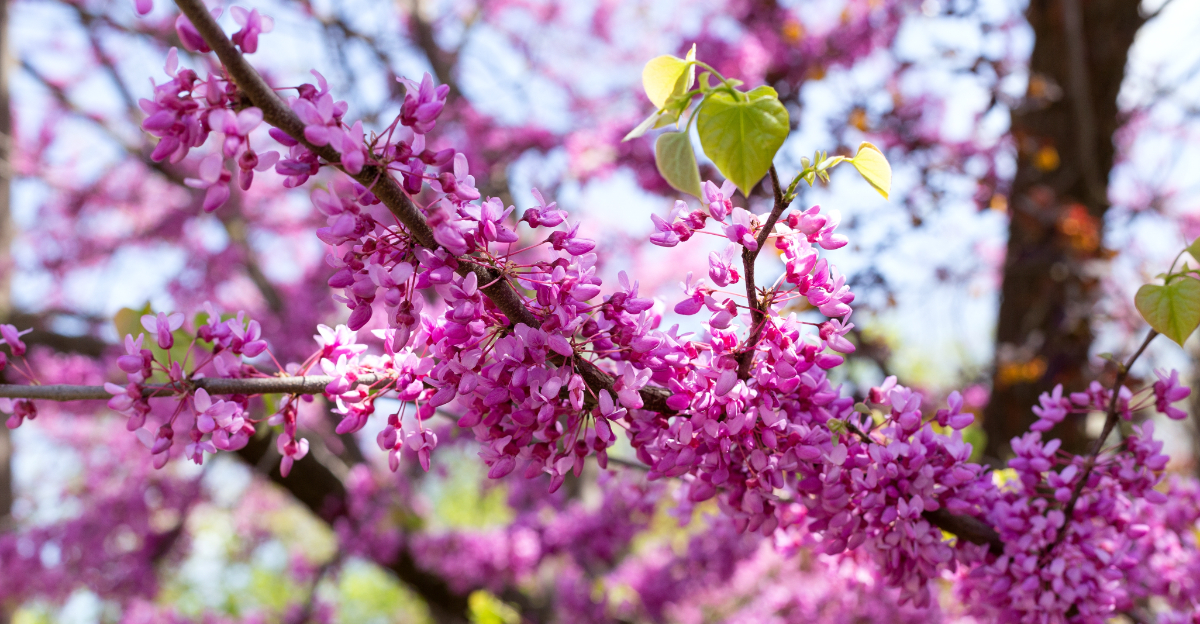
Ever notice how one tree seems to take over every Florida street the moment summer hits? Crape myrtles lined up like copy and paste, blooming hard while every yard starts to look the same.
For a long time, that was the go to move. Safe, familiar, easy to find at every nursery.
But is that really the best Florida can do? Florida homeowners are starting to read the room and switch things up.
Native trees handle heat like a pro, shrug off heavy humidity, and roll with sandy soil and sudden downpours. They also pull their weight by supporting birds, pollinators, and the life most yards are missing.
This is where the tables turn. Once you see what these Florida natives bring to the landscape, crape myrtle starts to feel like yesterday’s news.
1. Eastern Redbud Brings Early Spring Color
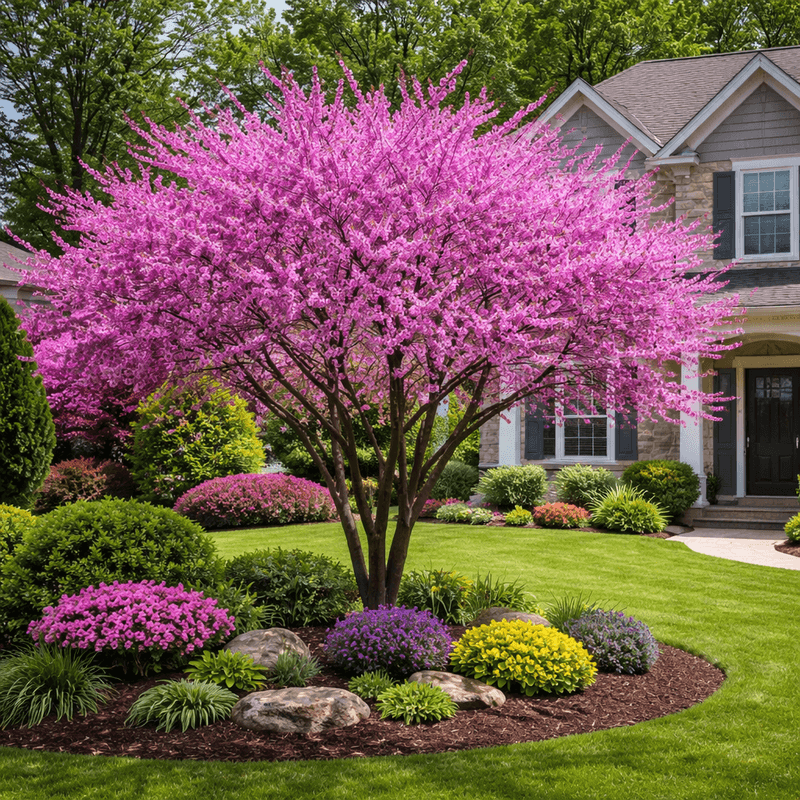
Before most trees even think about waking up from winter, Eastern Redbud puts on one of the most eye-catching shows in the spring landscape. Tiny magenta-pink flowers coat every branch from tip to trunk, and they appear before a single leaf has opened.
It’s a dramatic, almost theatrical display that makes neighbors stop and stare.
Eastern Redbud (Cercis canadensis) is a small understory tree, typically growing between 20 and 30 feet tall with a rounded, spreading canopy. That manageable size makes it a practical fit for residential yards, garden borders, and areas beneath larger shade trees.
It performs best in North and Central Florida, where winters are cool enough to trigger a reliable bloom cycle each year.
Well-drained soil is important for this tree. It handles clay and loam reasonably well, but it doesn’t do well with consistently waterlogged roots.
Partial shade is actually fine for Eastern Redbud since it naturally grows beneath taller forest canopies in the wild. Full sun works too, especially in northern parts of the state.
Coastal gardeners should know that Eastern Redbud is not salt-tolerant, so it’s better suited for inland landscapes. Once established, it shows decent drought tolerance, though young trees appreciate regular watering during dry spells.
The heart-shaped leaves that follow the blooms add soft texture through summer and fall. Pollinators, especially native bees, flock to the flowers in early spring when food sources are still limited.
Planting one near a patio or window gives you a front-row seat to that annual color show.
2. Red Maple Adds Bright Seasonal Color Fast
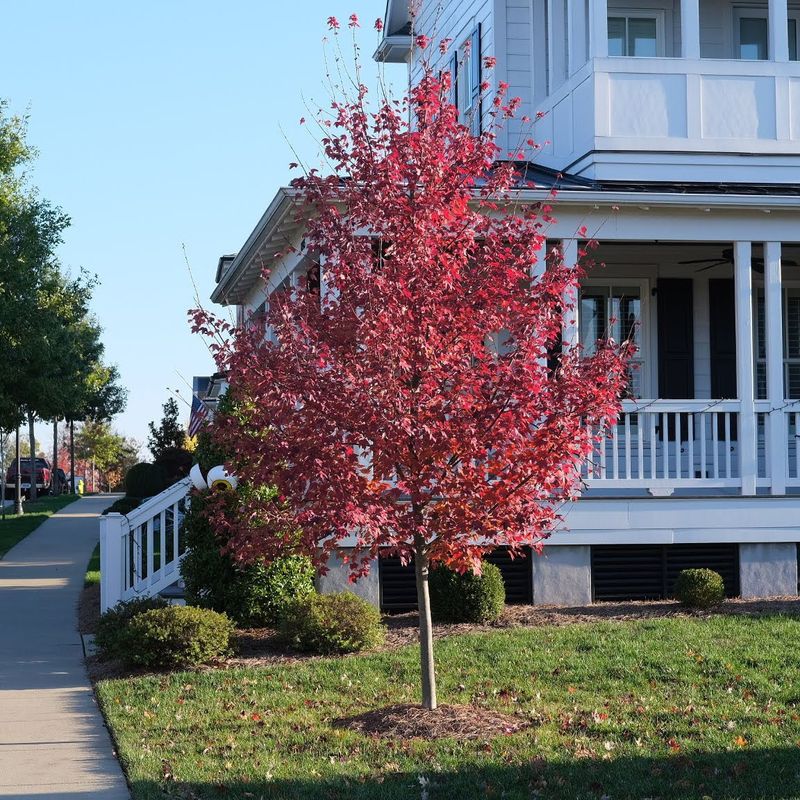
Few native trees move as fast or look as striking through multiple seasons as Red Maple. In late winter, clusters of small red flowers appear on bare branches weeks before most other trees show any sign of life.
By fall, the foliage shifts into warm shades of red, orange, and yellow, which is a rare treat in a state not exactly famous for autumn color.
Red Maple (Acer rubrum) can reach 40 to 60 feet tall at maturity, making it a solid choice for medium to large yards that need reliable shade. Growth rate is genuinely fast compared to many native hardwoods, which makes it satisfying for homeowners who want results without waiting decades.
Your Florida Garden Changes Every Week. Your Plan Should Too.
Gardening in Florida changes quickly throughout the season. Every Friday you’ll receive a simple weekly plan showing exactly what to plant, prune, fertilize, harvest, and protect so you never miss the right timing.
One important detail worth knowing: not all Red Maples sold at nurseries are equal in Florida. Generic nursery stock from northern seed sources may struggle in Florida’s heat and humidity.
Look specifically for Florida-ecotype Red Maple varieties or plants grown from local seed sources, as these are far better adapted to the state’s climate conditions.
Red Maple tolerates wetter soils better than most trees, making it an excellent option near low spots, retention areas, or poorly draining sections of a yard. That said, it also adapts to average well-drained soil once established.
A practical tip from University of Florida IFAS: mulching around the base helps retain moisture and keeps root temperatures stable during hot summers. Full sun produces the best growth and fall color, though partial shade is tolerated.
3. Fringe Tree Stands Out With Soft White Blooms
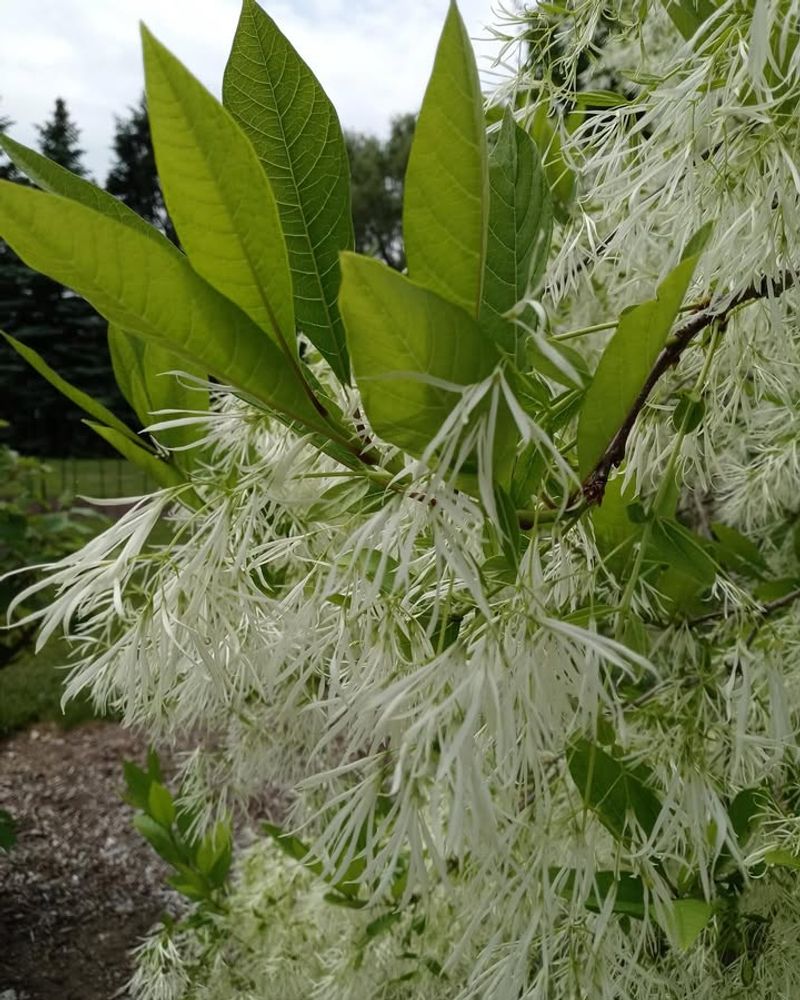
There’s nothing quite like the moment a Fringe Tree hits full bloom. The flowers hang in loose, thread-like clusters that look almost like soft white fringe draped across every branch, and the fragrance drifts through the yard on a warm spring morning in a way that’s genuinely hard to describe without experiencing it firsthand.
Chionanthus virginicus is a native small tree or large shrub that typically reaches 12 to 20 feet tall, occasionally taller in ideal conditions. The loose, open canopy gives it a graceful, natural look that suits both formal and informal garden styles.
It blooms in mid to late spring, usually after Eastern Redbud but before summer heat sets in hard.
Soil adaptability is a real strength here. Fringe Tree grows in sandy soils, clay, loam, and even slightly wet areas, which covers a wide range of Florida yard conditions.
Once it’s established after the first season or two, moderate drought tolerance kicks in, reducing the need for supplemental irrigation.
Full sun encourages the most flower production, but partial shade is perfectly acceptable, especially in hotter parts of Central and South Florida. Native bees and other pollinators visit the flowers regularly, and female plants produce small blue-black fruits that birds appreciate in late summer.
Fringe Tree grows slowly compared to some other natives on this list, so patience pays off. Starting with a larger nursery specimen can help shorten the wait.
It’s also relatively pest-resistant and low-maintenance once settled into the landscape, making it a rewarding long-term planting.
4. Yaupon Holly Offers Year Round Structure And Berries
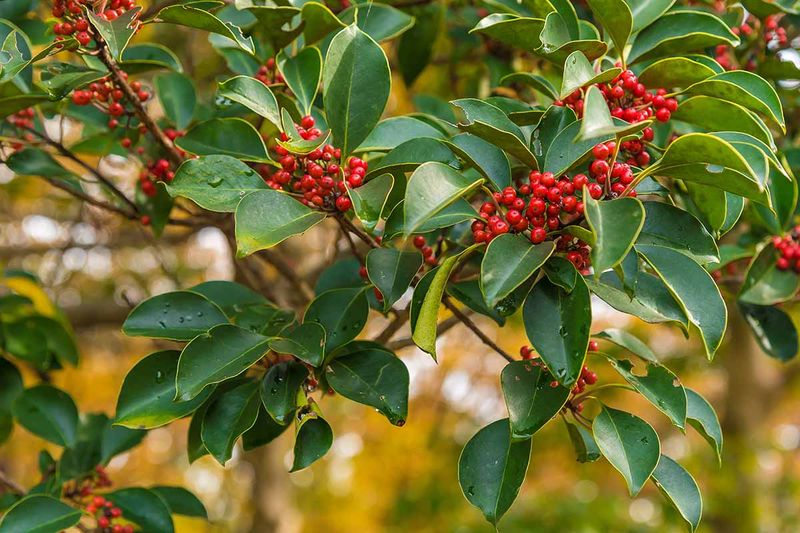
Yaupon Holly might be the toughest, most versatile native tree in the entire Florida plant palette. Sandy soil, clay soil, wet areas, dry areas, coastal salt spray, full sun, or heavy shade, this plant handles nearly every condition the state can throw at it without flinching.
That kind of adaptability is rare and genuinely valuable in Florida landscapes.
Ilex vomitoria is an evergreen species with small, glossy dark green leaves that hold their color year-round. Female plants produce dense clusters of bright red berries that ripen in fall and persist through winter, providing a critical food source for mockingbirds, cedar waxwings, and dozens of other native bird species during the lean winter months.
Size and form can vary quite a bit. Left to grow naturally, Yaupon Holly can reach 15 to 25 feet as a multi-stemmed tree or large shrub.
It also responds exceptionally well to pruning, which means it can be trained into a formal hedge, a small single-trunk tree, or kept as a rounded specimen. That flexibility makes it useful in a wide variety of landscape situations.
For coastal homeowners, the salt tolerance of Yaupon Holly is a major advantage. Very few native trees handle salt air and spray as well.
It’s also deer-resistant, which matters in suburban areas where deer pressure is high.
A practical note: only female plants produce berries, so planting at least one male nearby ensures pollination and a reliable berry crop. Many nurseries sell named varieties with predictable berry production and compact growth habits.
5. Southern Magnolia Delivers Glossy Leaves And Classic Impact
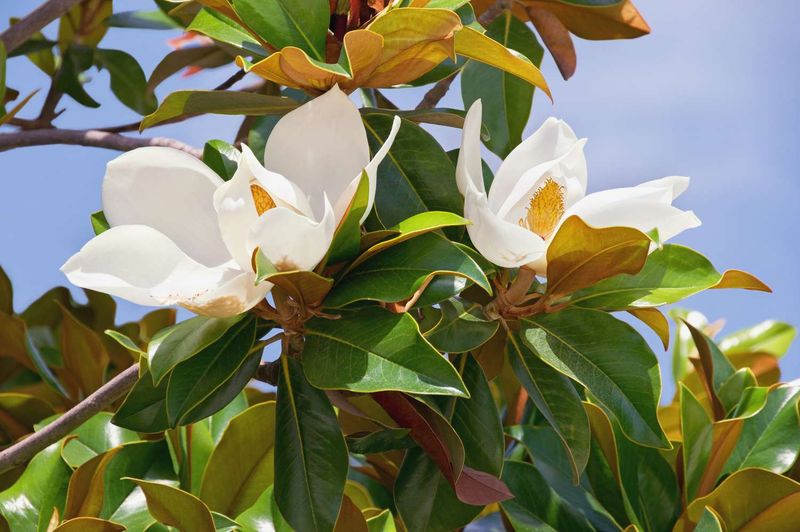
Walk past a Southern Magnolia in late spring and the scent hits you before you even see the flowers. Those enormous white blooms, sometimes stretching eight to twelve inches across, carry a rich, lemony fragrance that feels almost tropical in the thick Florida air.
It’s the kind of tree that leaves a lasting impression long after you’ve walked away.
Magnolia grandiflora is a true Florida native and one of the most iconic trees in the entire Southeast. Mature specimens can reach 60 to 80 feet tall with a broad, pyramidal canopy, so this is definitely a tree that needs room to grow.
Spacing is a serious consideration, and most planting guides recommend keeping it at least 20 to 30 feet away from structures, driveways, and utility lines.
The large evergreen leaves are thick, leathery, and deep green on top with a rusty-brown underside that adds textural interest even when the tree isn’t blooming. Leaf litter is consistent and somewhat heavy, which is worth factoring into placement decisions near lawns or garden beds.
Southern Magnolia thrives in moist, well-drained, acidic soils across North, Central, and parts of South Florida. Full sun produces the strongest growth and best flowering, though young trees appreciate some afternoon shade during establishment in hotter zones.
As a long-lived shade tree, Southern Magnolia is a genuine investment in the landscape. Trees planted today can provide cooling shade and wildlife habitat for generations.
Songbirds, squirrels, and small mammals use the seed cones as a food source each fall.
6. Bald Cypress Handles Wet And Dry Conditions Easily
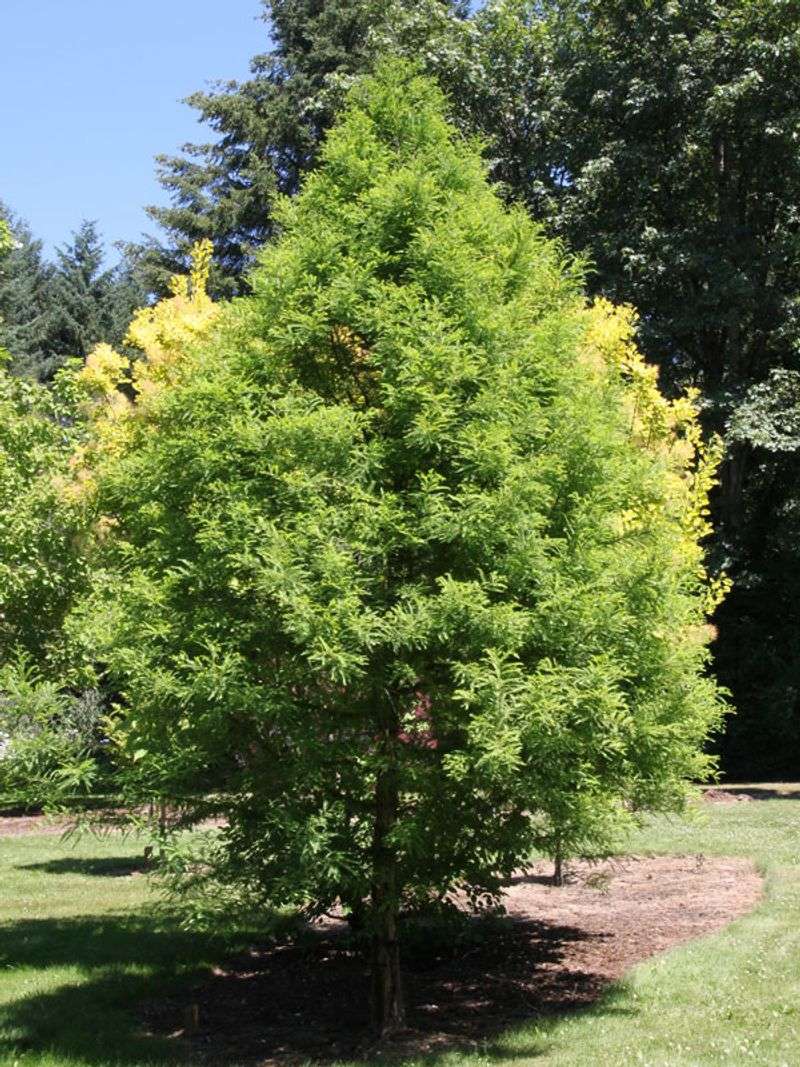
Most trees ask you to choose between wet soil and dry soil. Bald Cypress simply doesn’t care.
Native to Florida’s swamps, river floodplains, and coastal lowlands, this ancient tree has spent millions of years adapting to conditions that would stress most other species into decline. And yet it also grows well in average, well-drained upland soils when given the chance.
Taxodium distichum is a large deciduous conifer, which surprises some people since conifers are often associated with evergreen foliage. The feathery, soft needles turn a warm coppery-orange in fall before dropping entirely, leaving an elegant silhouette through winter.
That seasonal change adds real visual interest to Florida landscapes that otherwise stay green year-round.
Near ponds, drainage swales, and low-lying areas, Bald Cypress is almost unbeatable as a functional and beautiful planting. The distinctive woody projections known as knees tend to develop when roots are submerged or in consistently wet soil.
In drier upland settings, knees are far less likely to appear, which matters for homeowners concerned about lawn mowing around them.
Mature trees can reach 50 to 70 feet tall with a broad, buttressed base and graceful upward-sweeping branches. Full sun is preferred for the best growth rate and healthiest structure.
The tree is also notably wind-resistant, a valuable quality in a state that deals with tropical storms and hurricanes regularly.
Wildlife value is strong: wood ducks, osprey, and various herons use Bald Cypress for nesting and perching near water. It’s a genuinely hardworking native tree.
7. Live Oak Creates Lasting Shade And Structure
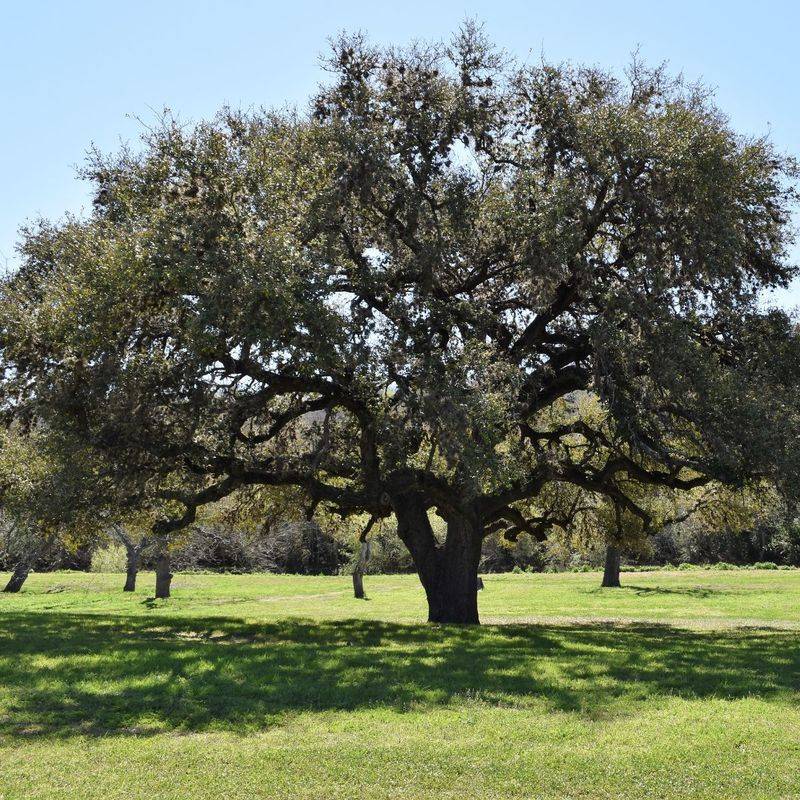
Some trees are planted for a season. Live Oak is planted for a century.
The broad, sweeping canopy of a mature Quercus virginiana can stretch 60 to 100 feet wide, casting deep, reliable shade that makes Florida summers genuinely bearable in the landscape beneath it. There’s a reason Live Oak lines the streets of historic Florida towns and graces the grounds of old estates throughout the South.
This is an evergreen oak that briefly drops its old leaves in early spring just before new growth flushes in, so it stays green and full nearly year-round. The leaves are small, leathery, and dark green, giving the tree a dense, layered appearance that provides excellent wind resistance.
Live Oaks are notably storm-tolerant, with deep root systems and flexible wood that holds up well under hurricane-force conditions.
Spacing requirements are significant and should not be underestimated. Young Live Oaks look modest, but they need room to grow into their full spread over time.
Planting too close to foundations, driveways, or septic systems creates problems down the road. Large yards, parks, and open properties are the best settings for this tree to reach its full potential.
Sandy, well-drained soils suit Live Oak well, and it handles Florida’s acidic soil conditions naturally. Full sun is ideal.
Once established, it’s highly drought-tolerant and requires almost no supplemental care.
Acorns produced each fall feed squirrels, deer, wild turkeys, and blue jays. The canopy supports hundreds of native caterpillar species, making Live Oak one of the most ecologically valuable trees a Florida homeowner can plant.