These Florida Vegetables Climb And Support Each Other In The Garden
Florida gardens can get crowded fast. One minute you have neat little seedlings in tidy rows, and a few weeks later vines are stretching, stems are leaning, and everything seems to be searching for space.
But some vegetables actually thrive when they grow together. Certain climbing crops naturally use nearby plants for support, weaving their way upward instead of sprawling across the soil.
When paired correctly, these vegetables create a living support system that saves space, improves airflow, and keeps plants off the hot Florida ground. It is a simple trick gardeners have used for generations.
And in Florida’s warm, fast-growing seasons, it can turn a crowded garden bed into a surprisingly productive partnership.
1. Corn And Pole Beans Grow Strong Together
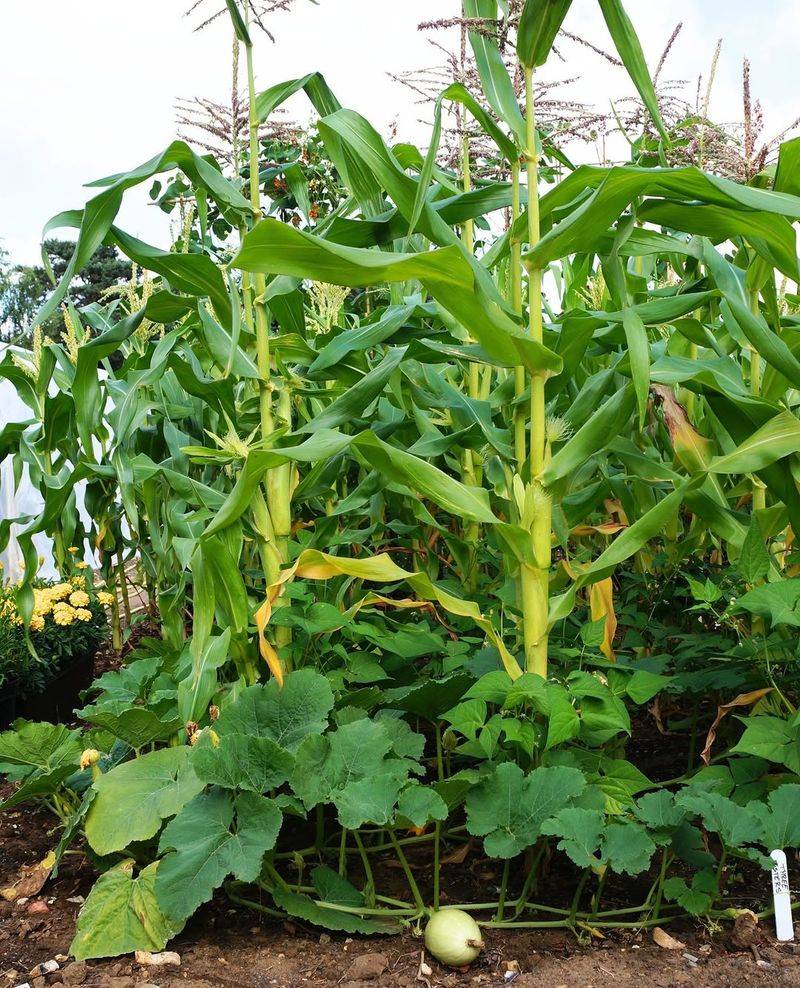
Few gardening partnerships are as time-tested and productive as corn and pole beans growing side by side.
This classic combination draws from the Native American tradition known as the Three Sisters, where corn, beans, and squash were planted together to support and nourish each other naturally.
According to UF/IFAS Extension, Florida gardeners can adapt this method to take full advantage of the state’s long growing seasons.
Corn grows tall and sturdy, giving pole beans a ready-made structure to wrap around as they climb toward sunlight.
The beans, in return, pull nitrogen from the air and release it into the soil through their roots, feeding the corn and improving overall soil health.
Varieties like Kentucky Wonder, Rattlesnake, and Blue Lake pole beans perform especially well in Florida’s warm climate.
Plant corn first and allow it to reach about six inches tall before sowing beans at the base of each stalk. Space rows wide enough to allow good airflow, which is especially important in humid Florida summers.
This pairing makes efficient use of vertical space while producing two harvests from one small area, making it a favorite strategy for backyard vegetable gardeners across the state.
2. Sunflowers Provide Natural Support For Cucumbers
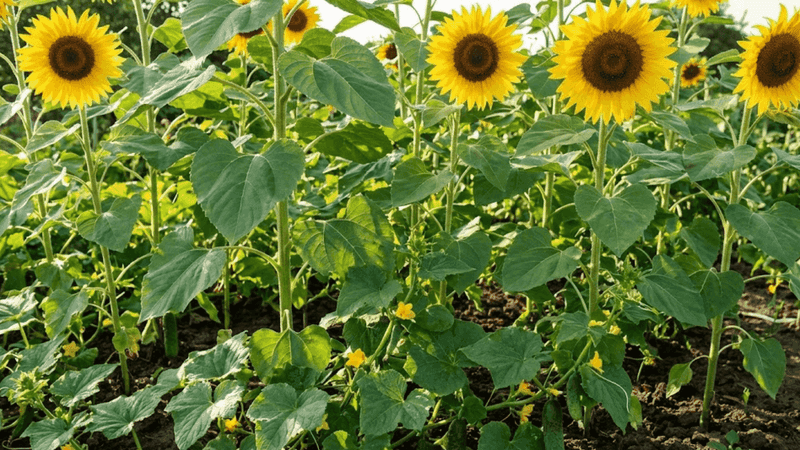
Not every trellis has to be made of wood or wire. Sunflowers are surprisingly strong plants, and their thick, fibrous stems can hold up lightweight climbing vegetables like cucumbers without any hardware required.
Florida gardeners looking for creative ways to save space while adding color to their gardens will love this living trellis idea.
Cucumbers are natural climbers that use small tendrils to grab onto anything nearby. When planted at the base of tall sunflower varieties, they will quickly find their way up the sunflower stem and begin spreading their vines upward.
Keeping cucumbers off the ground reduces the risk of soil-borne disease and rot, which can be a real problem during Florida’s wet and humid summers.
Choose a tall sunflower variety that grows at least six feet high, such as Mammoth or American Giant.
Plant cucumber seeds or transplants about six inches away from the sunflower base once the sunflower is established and standing firm.
Water consistently at the base rather than overhead to keep foliage dry and reduce fungal issues.
Your Florida Garden Changes Every Week. Your Plan Should Too.
Gardening in Florida changes quickly throughout the season. Every Friday you’ll receive a simple weekly plan showing exactly what to plant, prune, fertilize, harvest, and protect so you never miss the right timing.
This combination also attracts pollinators, which benefits the entire garden and helps cucumbers produce a fuller, more generous harvest throughout Florida’s growing season.
3. Corn And Yardlong Beans Make A Productive Pair
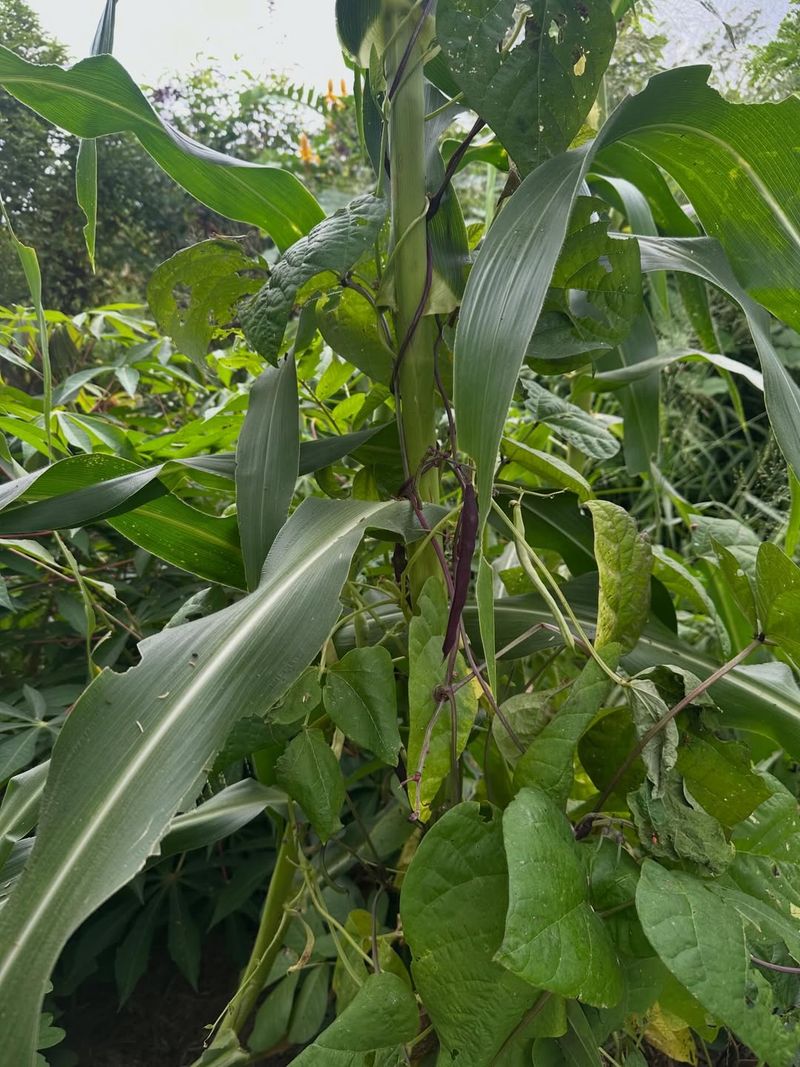
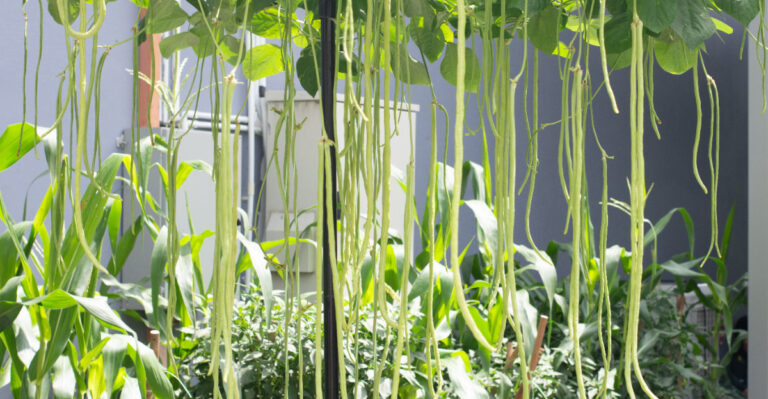
Yardlong beans, also called asparagus beans or Chinese long beans, are a fantastic warm-season crop that thrives in Florida’s heat and humidity.
Unlike many vegetables that struggle when temperatures climb above 90 degrees, yardlong beans keep producing through the hottest months, making them a reliable choice for Florida gardeners who want a steady harvest all summer long.
Pairing yardlong beans with corn creates a natural vertical growing system that benefits both plants. The corn stalks act as a living pole, giving the vigorous bean vines something sturdy to wrap around as they reach upward.
Meanwhile, the beans enrich the soil with nitrogen, supporting the corn’s heavy feeding needs throughout the growing season. It is a relationship where both plants genuinely help each other thrive.
Sow corn seeds first and wait until the stalks are around eight to ten inches tall before planting yardlong beans at their base.
These beans can grow up to eighteen inches long, so having them elevated off the ground makes harvesting much easier and cleaner.
UF/IFAS recommends planting yardlong beans in spring or fall in North Florida and almost year-round in South Florida. This pair is a space-saving, high-yield combination worth trying in any Florida backyard garden.
4. Okra Can Act As A Living Trellis For Climbing Beans
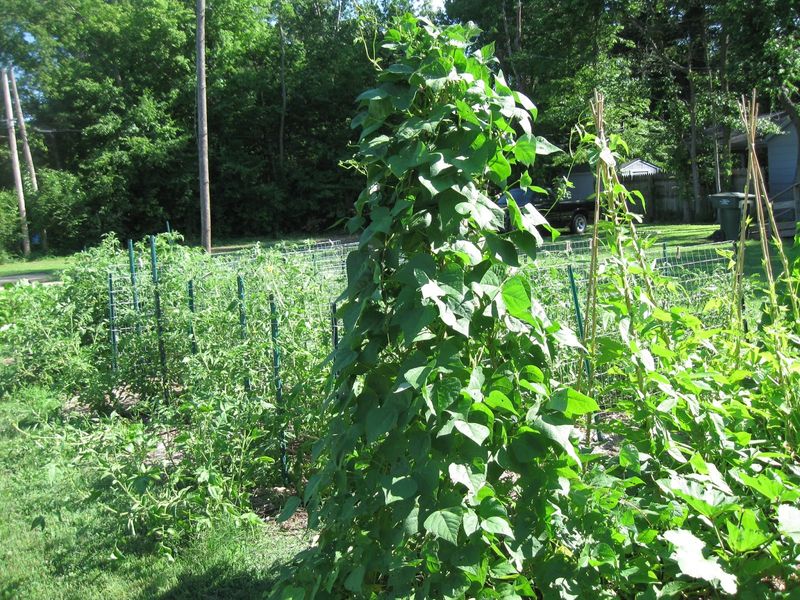
Okra is one of Florida’s most dependable summer vegetables, and most gardeners know it for its tall, bold growth habit and heat-loving personality.
What fewer people realize is that okra’s thick, upright stems can double as a living trellis for lightweight climbing vegetables like pole beans.
This clever pairing works especially well in small Florida gardens where every square foot counts.
Okra plants can easily reach five to seven feet in height during a Florida summer, giving climbing beans plenty of vertical space to explore.
The beans weave their tendrils around the okra stems and leaves, climbing steadily upward without damaging the host plant.
Both crops enjoy full sun and warm temperatures, so they share similar growing conditions, which makes managing watering and fertilizing straightforward.
Plant okra seeds first and allow them to establish for two to three weeks before introducing pole beans nearby. Keep the beans at the base of the okra row and let them naturally find their way upward.
Avoid planting too densely, since both plants need good airflow to stay healthy in Florida’s humid conditions.
Harvesting okra regularly also keeps the plants productive and prevents pods from becoming too tough, which benefits the entire planting arrangement throughout the season.
5. Sunflowers Help Pole Beans Reach The Sun
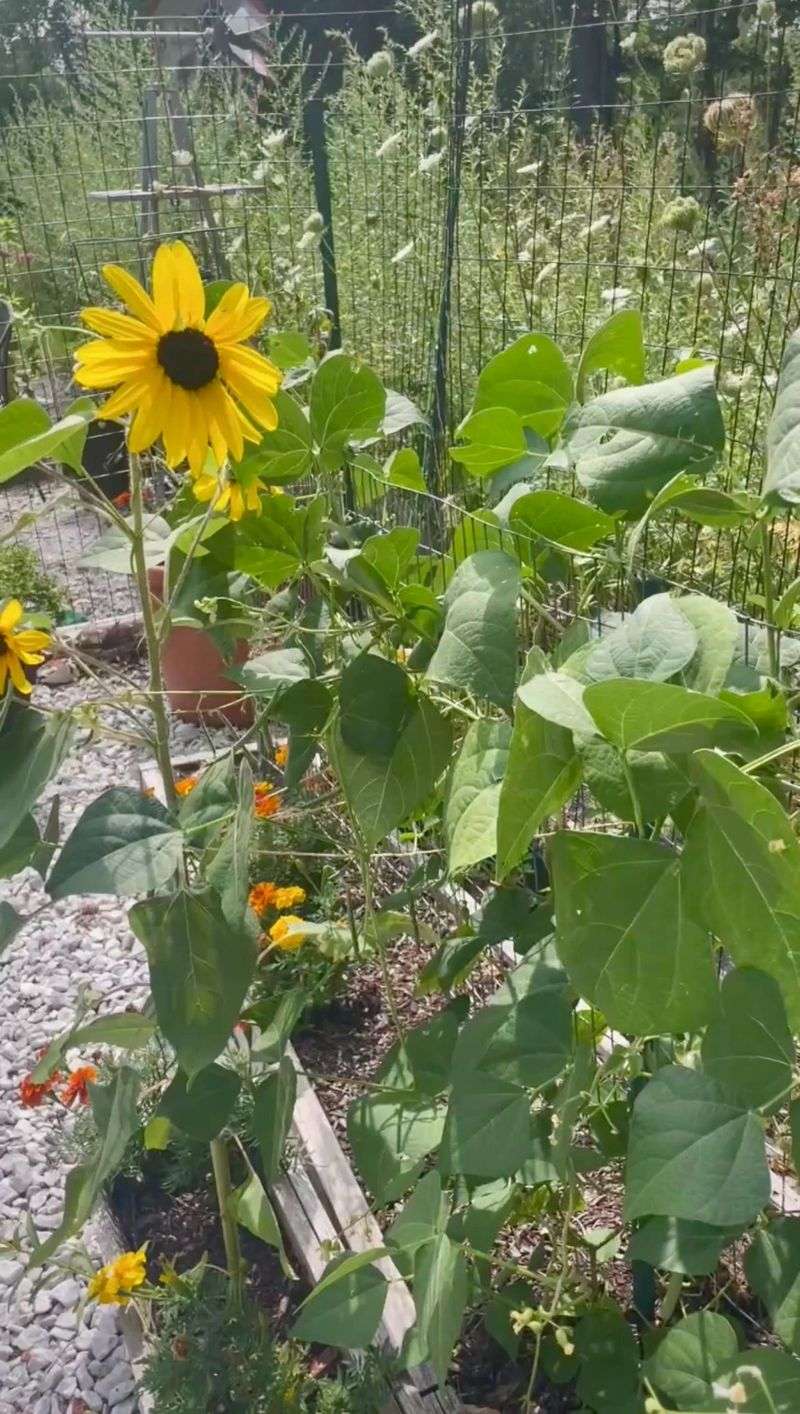
Sunflowers and pole beans share a surprisingly productive relationship that Florida gardeners can take advantage of during the warm growing months. Sunflowers grow fast and stand tall, sometimes reaching eight feet or more in a single season.
Their strong, woody stems offer a firm anchor for pole bean vines, which are always searching for something to hold onto as they climb skyward.
Growing beans vertically alongside sunflowers does more than just save space. Elevating the bean vines improves airflow around the foliage, which helps prevent the fungal diseases that can spread quickly in Florida’s humid climate.
Beans grown off the ground also tend to produce cleaner pods that are easier to spot and harvest without digging through tangled ground-level growth.
To set up this pairing, plant sunflower seeds first and give them a two to three week head start. Once sunflowers are standing firm at about one foot tall, sow pole beans at their base and guide the young vines toward the stem.
Water at soil level and avoid wetting the leaves to keep both plants healthy.
This combination works well in both spring and fall planting windows across Florida, giving gardeners two opportunities each year to enjoy this productive and visually appealing garden pairing.
6. Malabar Spinach Climbs Easily On Tall Garden Crops
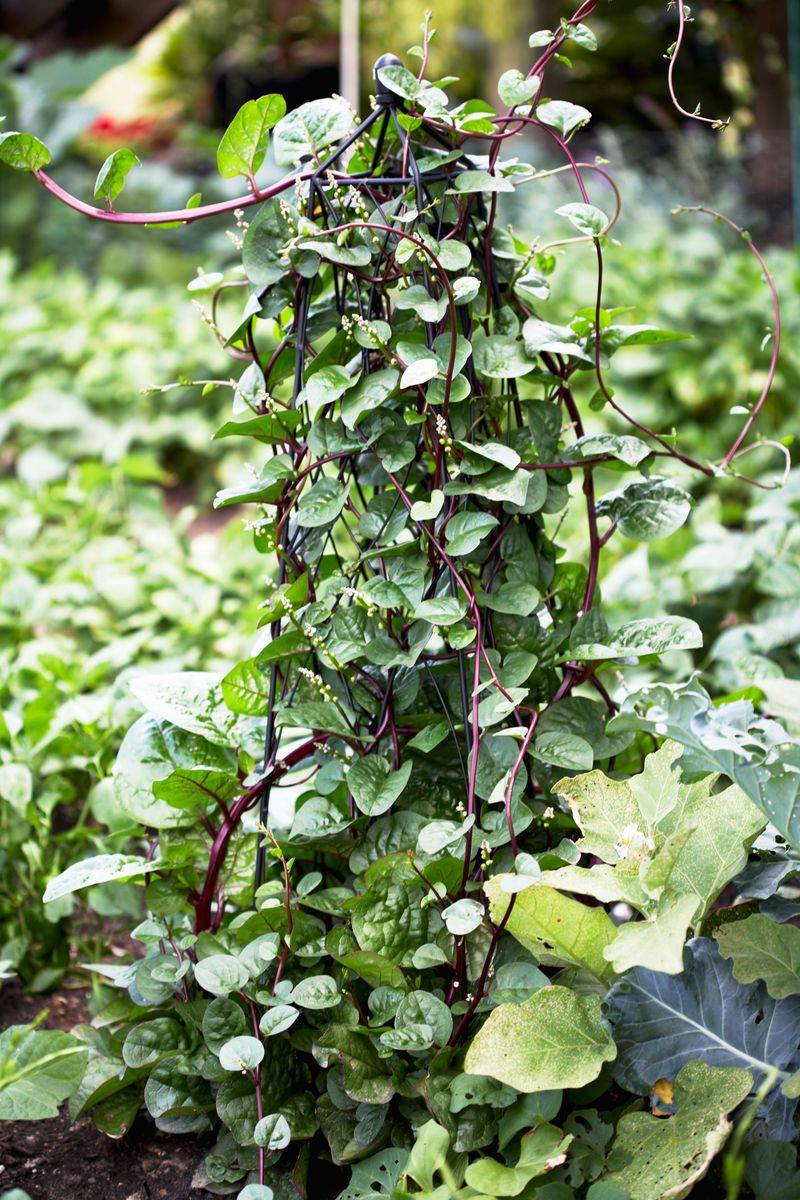
Regular spinach bolts and fades fast once Florida’s temperatures rise, but Malabar spinach is a whole different story. This tropical vine loves heat, thrives in humidity, and keeps producing lush, glossy leaves through the hottest months of the year.
Florida gardeners who struggle to grow leafy greens in summer have found Malabar spinach to be a genuine game-changer in the vegetable garden.
Despite sharing a name with true spinach, Malabar spinach is actually a vigorous climbing vine that can grow ten feet or more in a single season.
Its thick stems and bold leaves make it an attractive addition to any garden, and it climbs readily using its twining stems to grab onto trellises, fences, or even nearby tall crops like corn or okra.
Planting it beside a sturdy support structure keeps the vines organized and productive.
Start Malabar spinach from seeds or cuttings in late spring or early summer in Florida. The plant prefers full sun but can tolerate some afternoon shade, which is actually helpful during the peak of Florida’s intense summer heat.
Harvest outer leaves regularly to encourage continuous new growth. The leaves can be eaten raw in salads or cooked like regular spinach, making this climbing vegetable both ornamental and genuinely useful in any Florida kitchen garden.
7. Chayote Vines Thrive On Strong Garden Supports
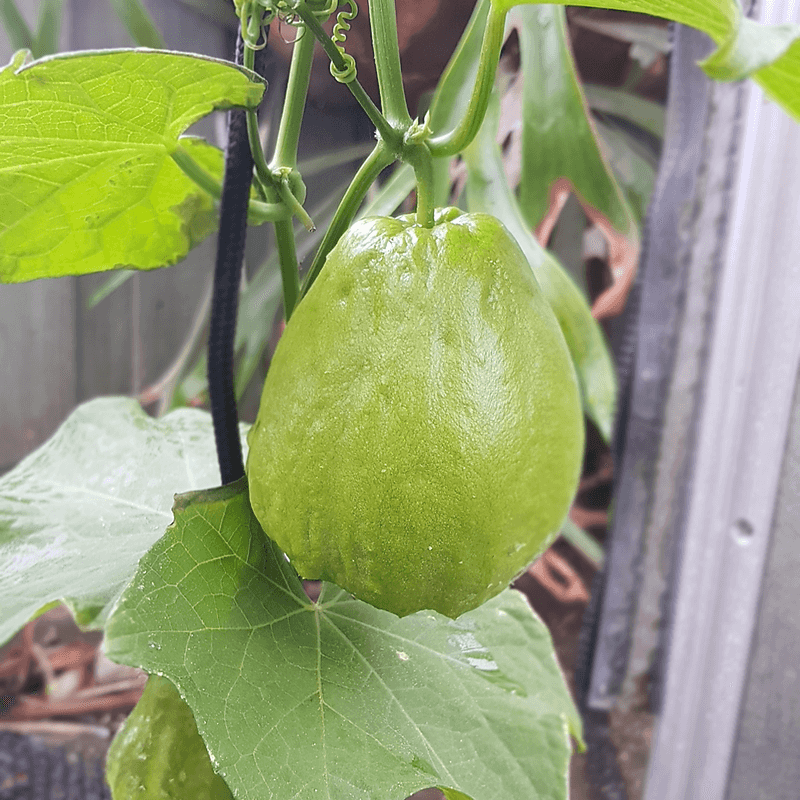
Walk through any traditional South Florida yard and you might spot a sprawling vine loaded with pale green, pear-shaped fruits hanging from a fence or trellis.
That is chayote, a vigorous and productive climbing vegetable that has been a staple in tropical and subtropical gardens for generations.
Chayote is not just a curiosity; it is one of the most generous producers you can grow in a Florida garden.
A single chayote plant can send out vines stretching twenty feet or more in a single growing season. Because of this aggressive growth habit, it absolutely needs a strong support structure.
Wooden trellises, chain-link fences, pergolas, and sturdy wire frames all work well for keeping chayote vines organized and productive. Without support, the vines will pile up on the ground and become difficult to manage.
Plant chayote in fall in Florida, since it prefers slightly cooler temperatures to set fruit. Place the entire fruit in the soil at an angle with the stem end slightly exposed, and watch it sprout within a few weeks.
Once established, chayote needs consistent watering and a trellis it can grow onto freely. The fruits, shoots, and even roots are all edible, making chayote one of the most versatile and rewarding vertical crops a Florida gardener can choose to grow.
8. Luffa Gourds Climb High With Sturdy Garden Partners
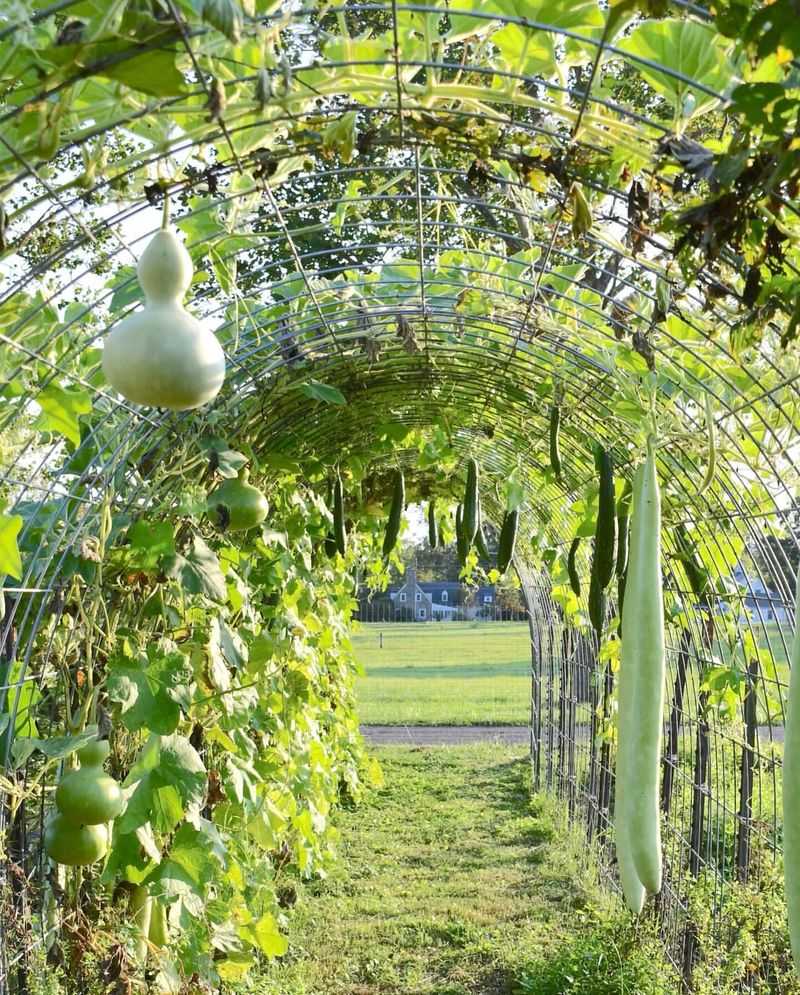
Most people know luffa as the fibrous sponge found in bath and beauty aisles, but fewer realize it starts out as an edible gourd growing on a fast-climbing vine in the vegetable garden.
In Florida, luffa gourds are a fantastic warm-season crop that rewards gardeners who give them the tall, strong support they need to grow at their best.
Luffa vines are enthusiastic growers that can easily reach fifteen to twenty feet in length during a Florida summer.
They produce bright yellow flowers that attract pollinators, followed by long cylindrical fruits that can be harvested young for cooking or left to mature and dry for use as natural sponges.
Because the vines grow so aggressively, a flimsy trellis simply will not hold up through the season.
Build or install a sturdy trellis at least six feet tall before planting luffa seeds in spring after the last frost risk has passed in your Florida region.
Luffa grows best in full sun with consistent moisture and benefits from a balanced fertilizer applied throughout the growing season.
Harvest young fruits at around four to six inches long for the best eating quality. Florida’s long, warm summers give luffa plenty of time to mature fully, making this climbing gourd a rewarding and unique addition to any Florida vegetable garden.