Avoid These Florida April Garden Mistakes That Can Set Plants Back All Season
April in Florida has a way of making everything feel ready all at once. The days warm up fast, garden centers are busy, and it’s easy to spend a full afternoon planting, trimming, and getting beds back in shape.
Many gardeners have been through this routine for years, and it often feels like second nature.
But Florida doesn’t follow the same rules as most places. The heat builds quickly, the soil drains faster than expected, and plants respond differently depending on how they’re handled early in the season.
Small decisions made in April can quietly shape how everything grows once summer settles in.
Some of the most common habits this time of year seem harmless at first, but they tend to show up later when plants should be at their strongest.
1. Planting The Wrong Varieties For Florida Conditions
Walk into any big-box store in Florida during April, and you will find rows of plants that look beautiful but are completely wrong for the Florida climate. Many of those varieties are bred for cooler northern states and will struggle badly once the summer heat rolls in.
Choosing the right plant variety is one of the most important decisions a Florida gardener can make.
Florida-friendly plants are bred to handle the intense heat, high humidity, and occasional drought conditions that come with living in the Sunshine State. Look for heat-tolerant vegetables like sweet potatoes, okra, and southern peas.
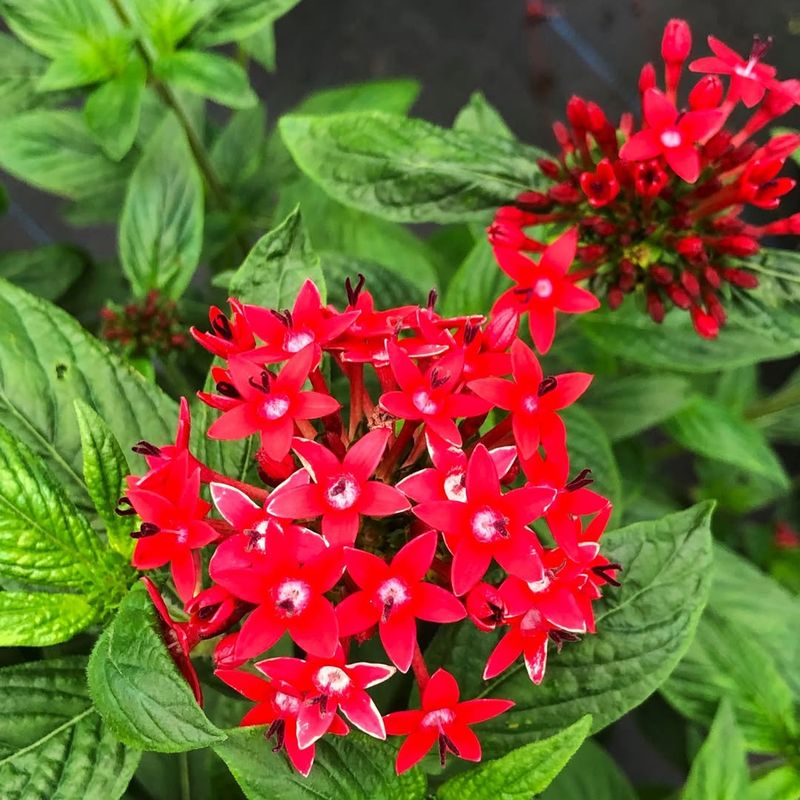
For flowers, try celosia, vinca, or pentas, which thrive in warm Florida conditions rather than wilting under the sun.
Reading plant tags carefully before buying is a habit worth developing. If a tag says it prefers cool weather or partial shade in hot climates, that is a red flag for Florida gardeners.
Local nurseries in Florida often carry regionally appropriate varieties that are far better suited to your specific growing zone. Always check the USDA hardiness zone and heat tolerance information before adding any new plant to your Florida garden this April.
2. Ignoring Proper Planting Timing For Florida Seasons
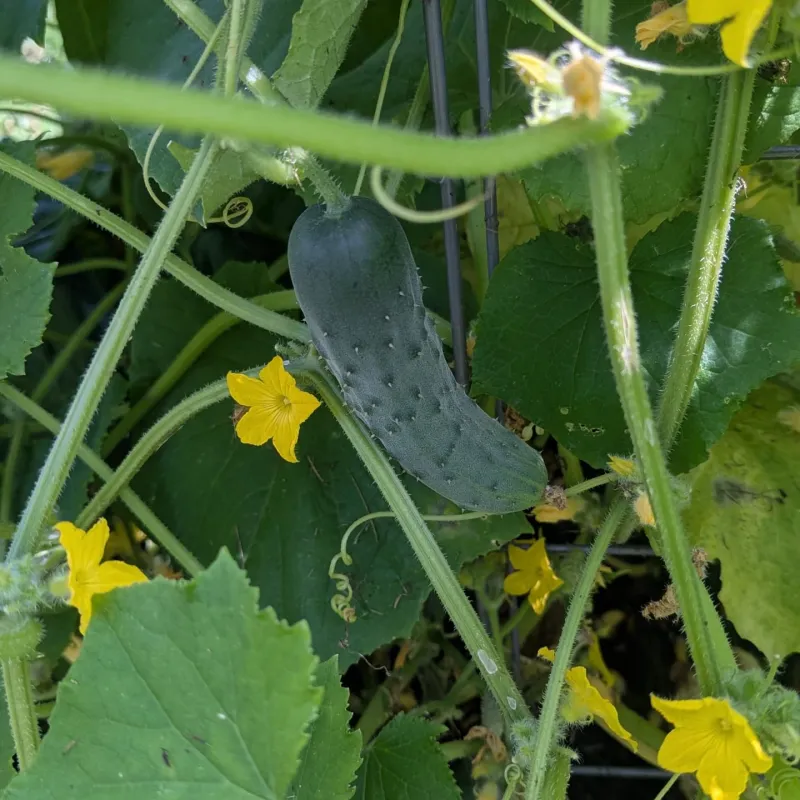
Florida does not follow the same gardening calendar as the rest of the country, and that surprises a lot of new gardeners. By April, many warm-season crops that gardeners in the north are just starting to plant have already been in the ground in Florida for weeks.
Getting your timing right is everything when it comes to a productive season in the Sunshine State.
April is actually a transition month in Florida. It is still a good time to plant warm-season vegetables like cucumbers, squash, and beans in northern Florida.
However, in central and south Florida, the intense summer heat is already approaching fast, which means some crops planted too late in April may not have enough time to produce before the scorching temperatures arrive.
Knowing your specific Florida region matters a great deal here. North Florida, central Florida, and south Florida each have different planting windows.
The University of Florida IFAS Extension publishes free planting guides tailored to each region of the state. Using those resources helps reduce guesswork and allows you to plan your garden with timing that better matches local conditions and seasonal planting windows.
Your Florida Garden Changes Every Week. Your Plan Should Too.
Gardening in Florida changes quickly throughout the season. Every Friday you’ll receive a simple weekly plan showing exactly what to plant, prune, fertilize, harvest, and protect so you never miss the right timing.
3. Failing To Amend Florida’s Sandy Soil With Organic Matter
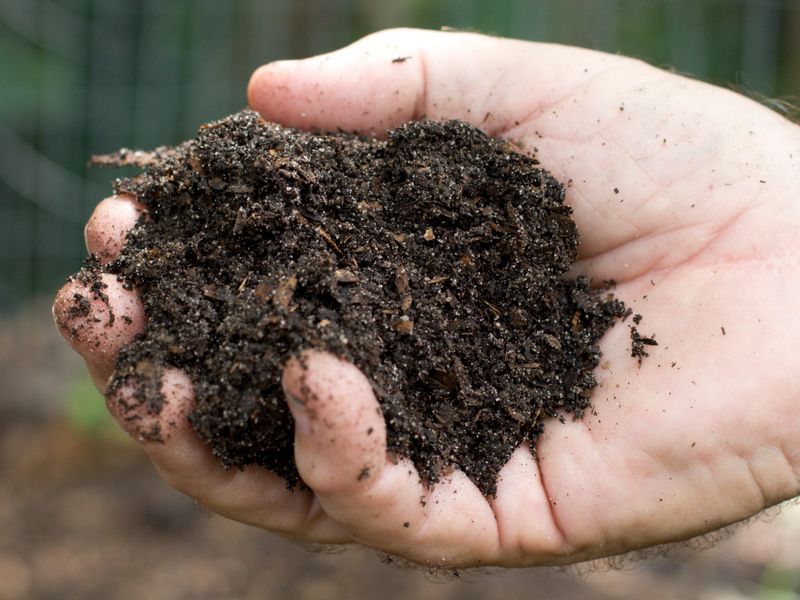
Florida soil has a reputation, and not a great one. Much of the state sits on sandy, nutrient-poor ground that drains water so fast that plant roots barely get a chance to absorb it.
If you stick plants straight into unamended Florida soil without any preparation, you are setting yourself up for a frustrating season of struggling, underperforming plants.
Adding organic matter is the single best thing you can do for Florida garden soil. Compost, aged manure, and peat moss all help improve soil structure by giving it more body and water-holding ability.
Even a few inches of good compost mixed into the top layer of your garden bed can make a noticeable difference in how well your plants grow throughout the season.
Mulching on top of the soil after planting also plays a big role in Florida gardens. A thick layer of mulch slows down water evaporation, keeps roots cooler during the hot months ahead, and gradually breaks down to feed the soil with nutrients.
Many Florida gardeners use pine bark, wood chips, or straw mulch with great results. Making soil amendment a regular part of your April garden routine will reward you with stronger, healthier plants all season long.
4. Skipping A Soil Test Before Planting
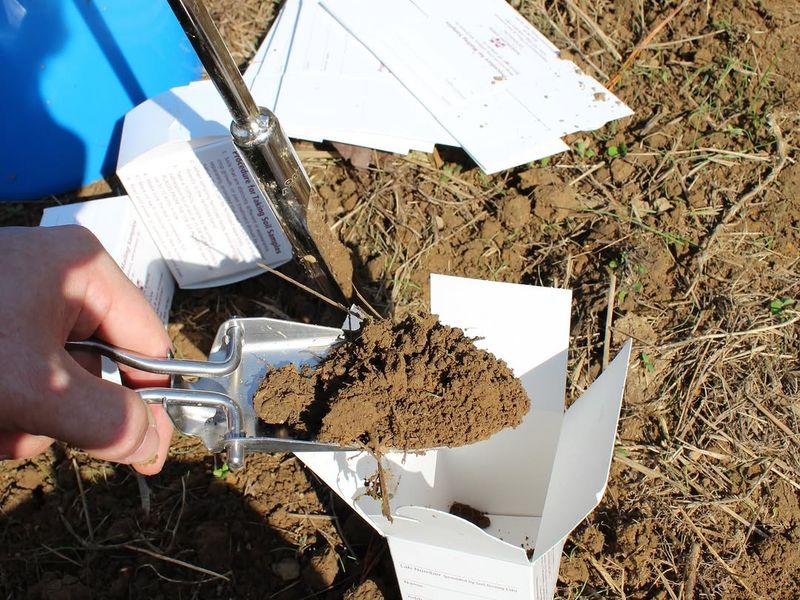
Most gardeners skip the soil test because it feels like an extra step that is easy to put off. But planting in soil without knowing its pH level or nutrient content is a bit like cooking a recipe without knowing what ingredients you already have.
You might get lucky, or you might end up with plants that cannot absorb the nutrients they need no matter how much fertilizer you add.
Many Florida soils tend to be slightly acidic, though pH can vary by region, and it plays an important role in how well plants take up nutrients. If your soil pH is off, even the best fertilizer will not work properly.
A simple soil test, available through your local University of Florida IFAS Extension office or at most garden centers, gives you a clear picture of what your soil needs before you plant anything.
Soil tests check for nitrogen, phosphorus, potassium, and pH levels, giving you a solid foundation for making smart amendments. Results usually come with specific recommendations for your Florida soil type, so you are not just guessing.
Taking this step in April, before the ground is full of plants, makes adjustments much easier. A small investment in a soil test now can save you a lot of frustration and wasted money later in the season.
5. Using The Wrong Fertilizer Or Applying Too Much At Once
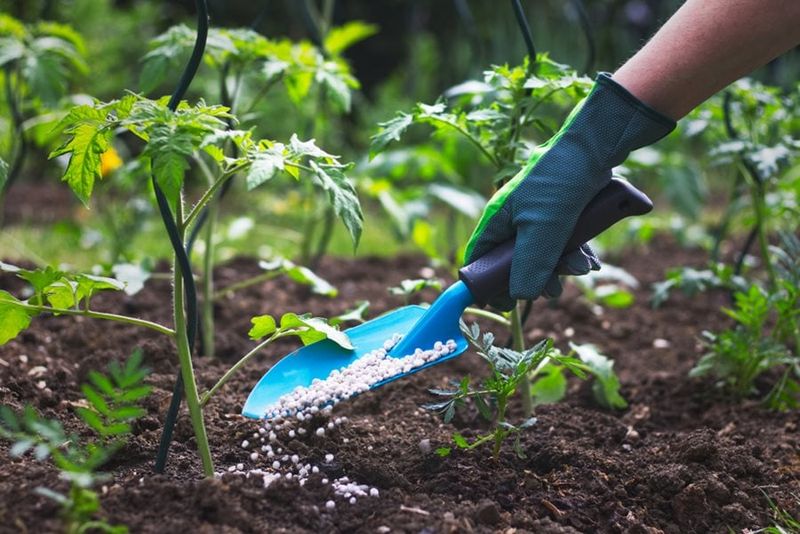
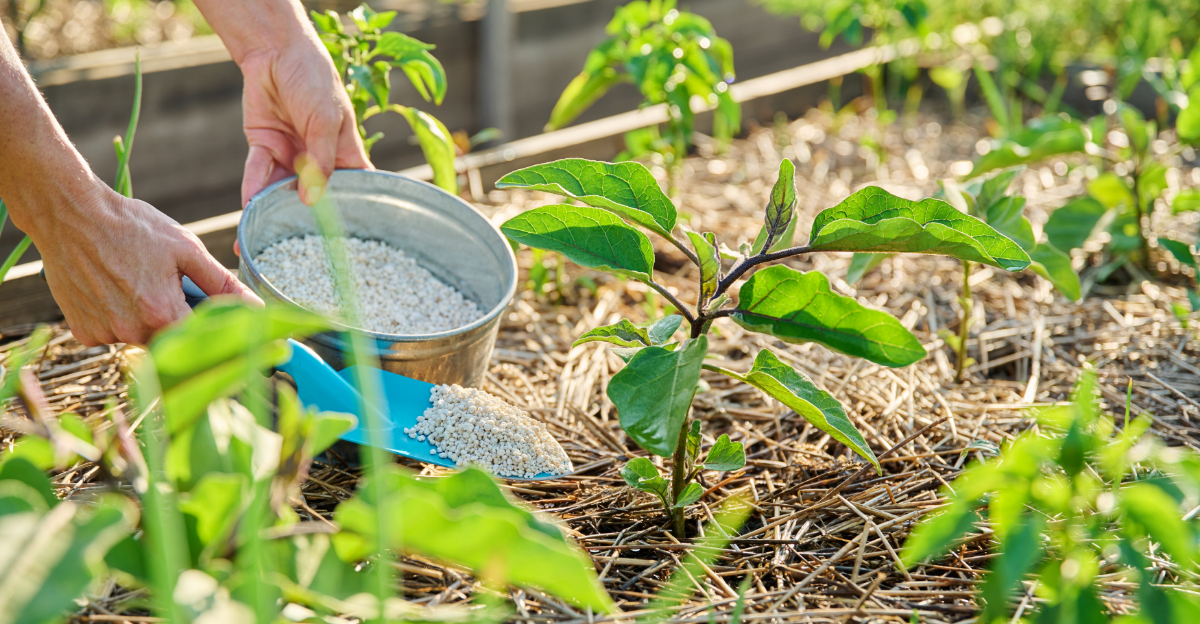
Many Florida gardeners pick up the first bag of fertilizer on the shelf without reading the label, and it often leads to problems. Fertilizers are not one-size-fits-all, and using the wrong type can actually make your plants worse off than if you had used nothing at all.
Florida’s unique soil chemistry means that fertilizer choices here really matter.
One common problem is applying too much nitrogen at once. While nitrogen encourages leafy green growth, overdoing it causes plants to push out lots of leaves while producing very little fruit or flowers.
In Florida’s warm April weather, over-fertilized plants can also become more attractive to pests and more vulnerable to disease. Slow-release fertilizers are often a smarter choice for Florida gardens because they feed plants gradually over time.
Look for fertilizers formulated for Florida conditions, as they may include micronutrients like iron and magnesium, which can sometimes be limited in sandy soils. Always follow the recommended application rates on the package, and when in doubt, use less rather than more.
Splitting fertilizer applications into smaller, more frequent doses throughout the growing season is a much better approach than dumping a large amount all at once and hoping for the best.
6. Watering Inconsistently Or Letting Soil Dry Out Too Much
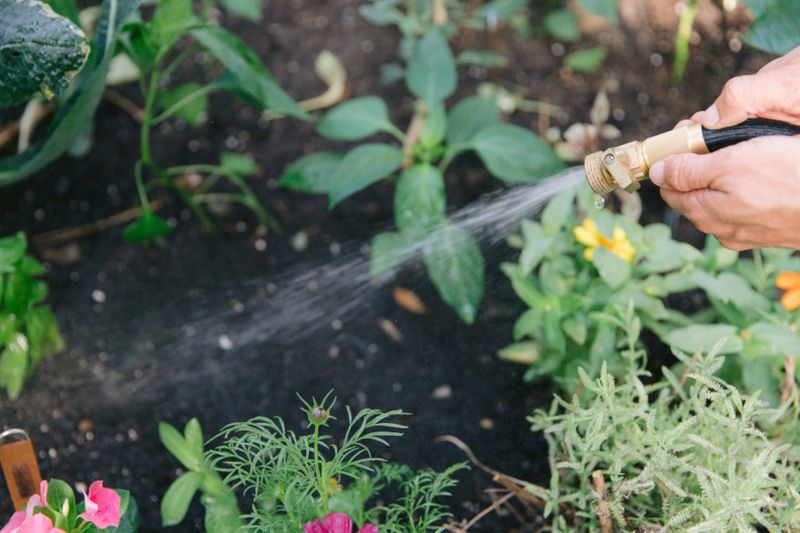
Watering might seem like the simplest part of gardening, but inconsistent watering is one of the top reasons Florida gardens underperform in spring. Plants that get too much water one day and then dry out completely the next are under constant stress.
That back-and-forth puts a strain on root systems and leads to problems like blossom end rot in tomatoes and peppers, which is extremely common in Florida gardens.
April in Florida brings unpredictable weather. Some days are hot and dry, while others bring afternoon thunderstorms that soak the ground.
Relying on rain alone is not a reliable strategy for keeping your garden properly hydrated. A consistent watering schedule, adjusted based on recent rainfall, is a much smarter approach for Florida gardeners during this time of year.
Drip irrigation is widely recommended for Florida gardens because it delivers water directly to the root zone, reducing waste and keeping foliage dry to prevent fungal issues. Watering in the early morning is also ideal in Florida because it gives plants time to absorb moisture before the midday heat kicks in.
Checking soil moisture with your finger before watering helps you avoid overwatering, which is just as harmful as letting the soil get bone dry between sessions.
7. Planting Crops Out Of Season For Florida’s Climate
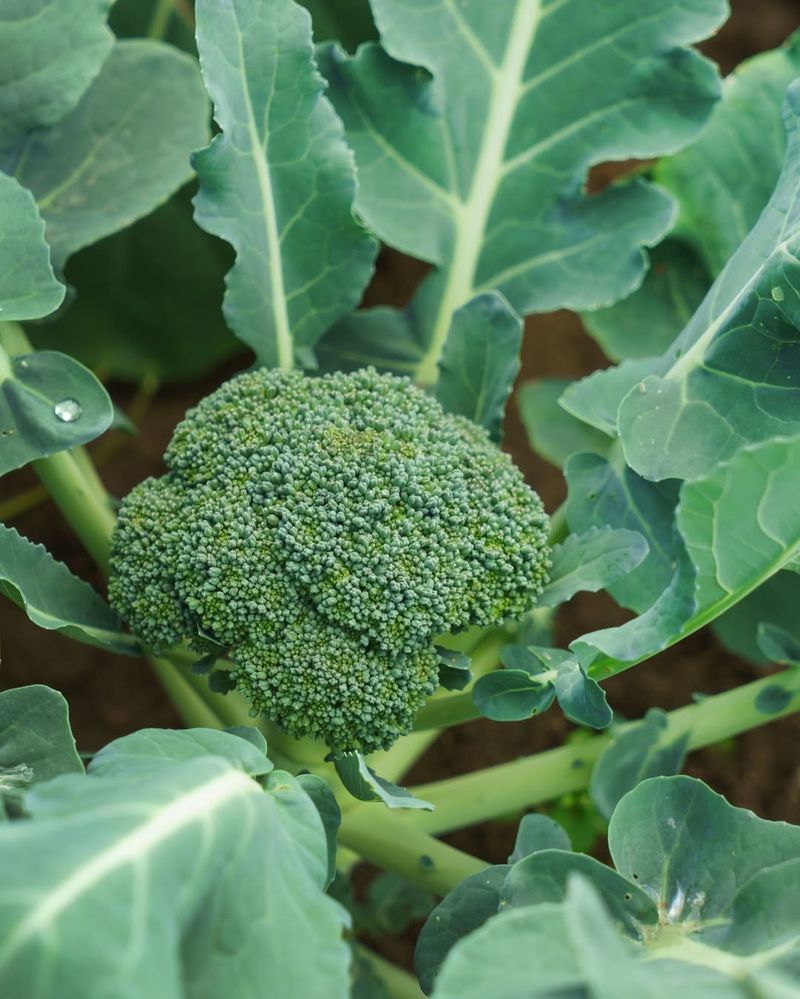
Cool-season crops like broccoli, cabbage, and lettuce are absolute stars in Florida’s fall and winter garden, but trying to grow them in April is a recipe for disappointment. As temperatures climb into the upper 80s and beyond across Florida, these plants are more likely to bolt, which can lead to bitterness and reduced harvest quality.
Understanding Florida’s unique seasonal calendar is the key to avoiding this frustrating mistake.
April is the time to fully commit to warm-season crops in Florida. Think about planting heat lovers like okra, sweet potatoes, southern peas, and herbs like basil and lemongrass.
These plants are built for the conditions that April and beyond bring to Florida, and they will reward you with strong, consistent production throughout the warmer months ahead.
Many first-time Florida gardeners are used to growing gardens based on what they see in national gardening magazines or YouTube channels filmed in northern climates. That advice simply does not translate to Florida’s growing zones.
Local gardening groups, Florida-based gardening blogs, and the University of Florida IFAS Extension are excellent resources for finding out exactly which crops belong in your April garden. Planting in season makes the entire experience more enjoyable and far more productive.
8. Crowding Plants Without Proper Spacing
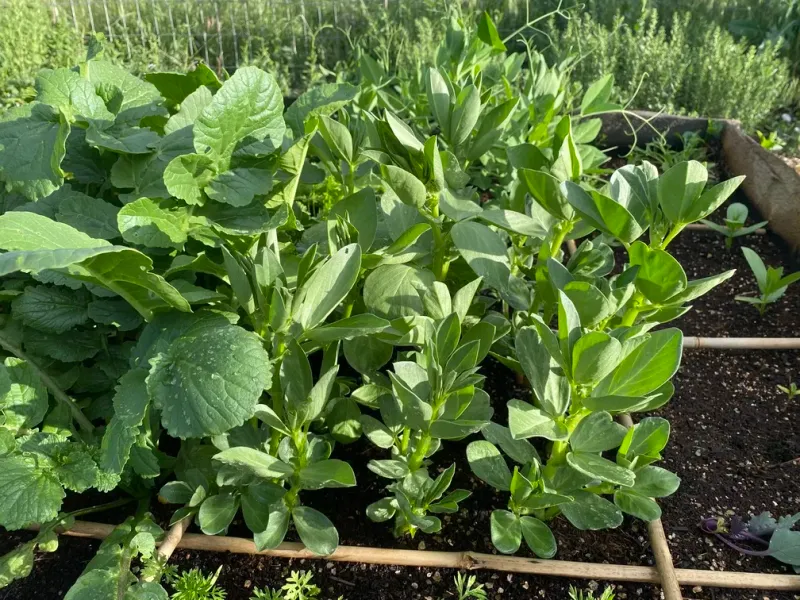
Many gardeners try to fit as many plants as possible into a small space, but crowding plants is one of the fastest ways to create problems in Florida’s humid climate. When plants are packed too tightly together, air cannot circulate properly between them.
That trapped moisture creates the perfect environment for fungal diseases like powdery mildew and leaf spot, both of which are very common in Florida gardens.
Proper spacing also affects how much sunlight each plant receives. Florida gardeners know that sunlight is rarely the issue here, but when plants are crowded, lower leaves get shaded out and become weak.
Crowded root systems also compete aggressively for water and nutrients in Florida’s already nutrient-light sandy soil, which means every plant in the bed ends up underperforming.
Always read the spacing recommendations on seed packets or plant tags before putting anything in the ground. It can feel wasteful to leave so much bare soil between young seedlings, but those plants will fill in quickly once they start growing in Florida’s warm April conditions.
Filling gaps with mulch helps keep weeds down in the meantime. Giving your plants room to breathe is one of the simplest and most effective things you can do for a thriving Florida garden.
9. Planting Without A Clear Garden Plan
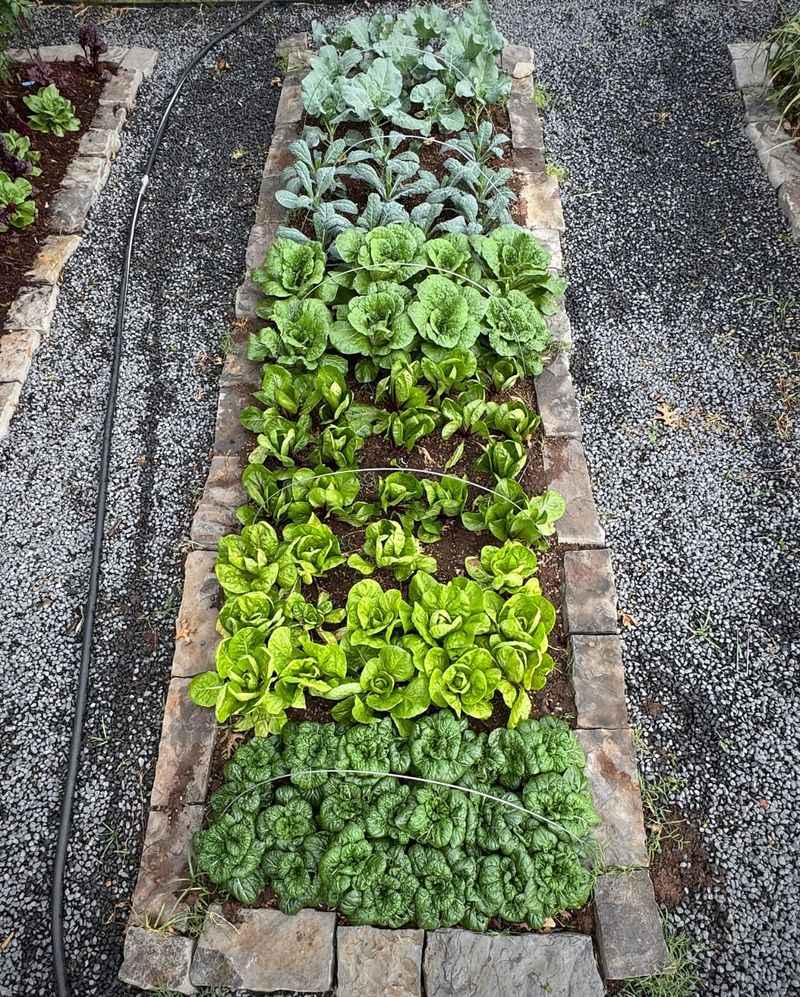
A lack of planning might feel spontaneous and fun, but it often leads to chaos by midsummer. Plants end up in the wrong spots, tall crops shade out shorter ones, and you run out of space before you have planted everything you wanted.
A little planning before April gets away from you can make an enormous difference in how smoothly your Florida garden runs all season.
Start by sketching out your garden space and deciding which crops you want to grow. Think about sun exposure throughout the day, since Florida’s intense sunlight can actually scorch certain plants if they are placed in full sun without any afternoon shade.
Consider companion planting combinations that work well together, like pairing basil with tomatoes to repel certain pests naturally.
Planning also means thinking ahead to crop rotation. If you grew tomatoes in a particular spot last season, moving them to a different area this April helps reduce the buildup of soil-borne diseases.
A written plan does not need to be complicated. Even a simple hand-drawn sketch with notes about what goes where gives you a clear roadmap to follow.
Florida gardeners who plan ahead consistently grow more productive, better-organized gardens than those who wing it every spring.
10. Working Or Planting In Poor Soil Conditions Without Preparation
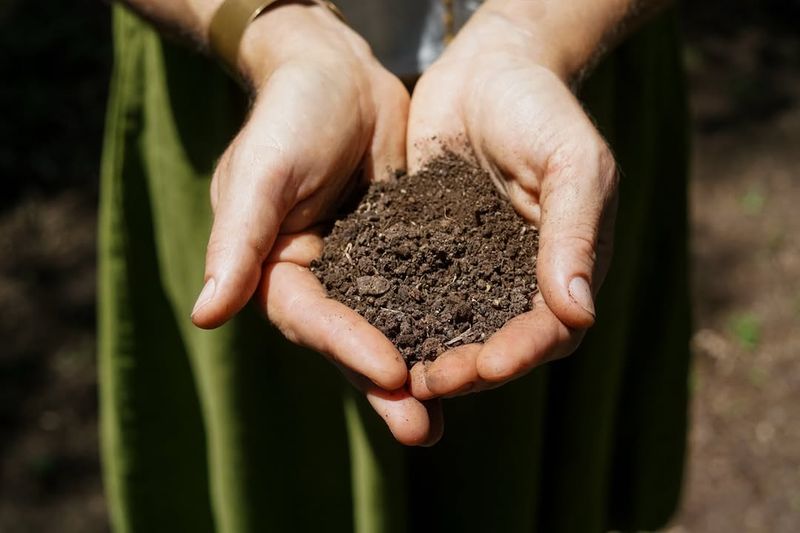
Gardeners who plant directly into compacted or overly dry soil often run into problems quickly in Florida. Poor soil structure makes it difficult for roots to spread out and find water and nutrients.
Plants grown in poorly prepared soil often look weak from the start and never quite catch up, no matter how much you water or fertilize them as the season progresses.
Before planting anything in April, take the time to properly work your soil. Break up any compacted areas, remove old roots and debris from previous crops, and mix in a generous amount of compost or other organic amendments.
If your Florida soil is extremely sandy, consider building up raised beds filled with a quality garden soil and compost blend for the best possible growing environment.
Soil preparation also means checking moisture levels before you start digging. Working soil that is too dry can damage its structure, while working waterlogged soil can compact it further and destroy beneficial soil organisms.
Florida gardeners who take soil preparation seriously before April planting season consistently see better germination rates, stronger root development, and more productive harvests. A well-prepared garden bed is truly the foundation of everything good that happens in your Florida garden throughout the entire growing season.