The One Flower That Truly Thrives In Texas Heat
When Texas heat settles in for real, plenty of flowers start looking like they regret being planted there. The fresh spring color fades, leaves droop, and suddenly the garden seems a lot less confident.
That is why one tough, sunny bloom stands out so much. It does not just hang on through the hottest part of the season.
It keeps showing up, keeps blooming, and keeps the yard looking lively when many other plants start to struggle.
For Texas gardeners, that kind of reliability matters. A flower that can take strong sun, long dry stretches, and high temperatures without acting delicate is always going to earn attention.
It is even better when that same plant brings bright color and a cheerful look that works in flower beds, borders, and more natural-style plantings.
Black-eyed Susan has exactly that kind of appeal. It is bold, easygoing, and built for warm weather performance.
When the Texas summer starts testing everything in the yard, this is one flower that still knows how to look right at home.
Meet The Winner: Black-Eyed Susan
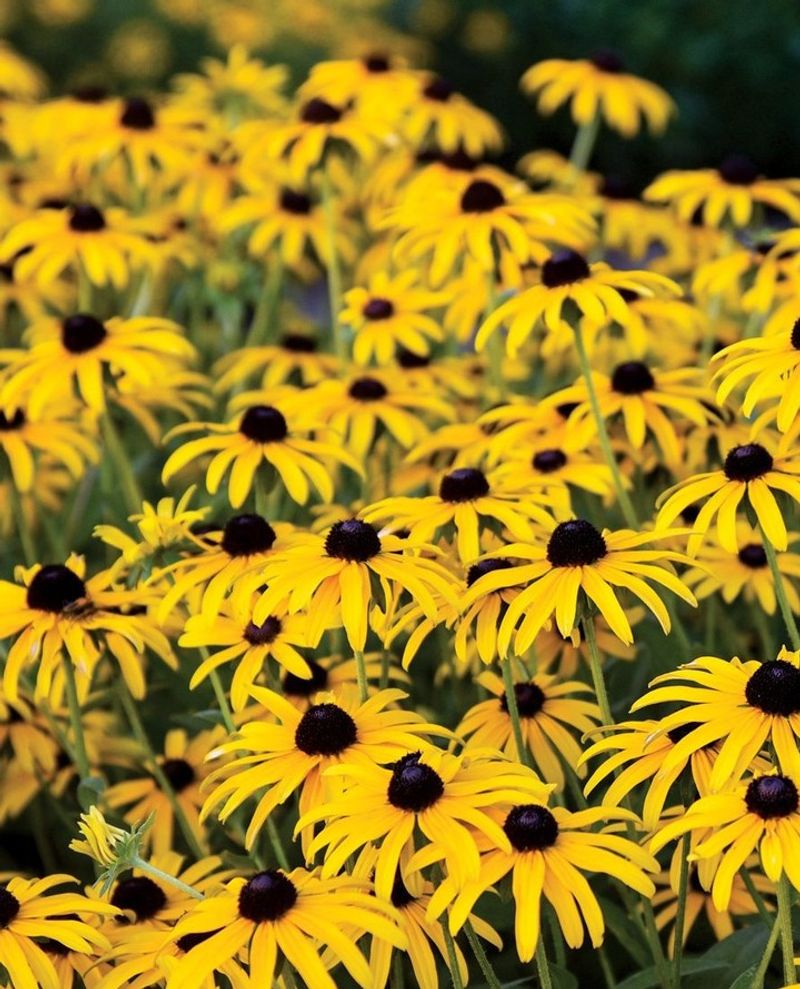
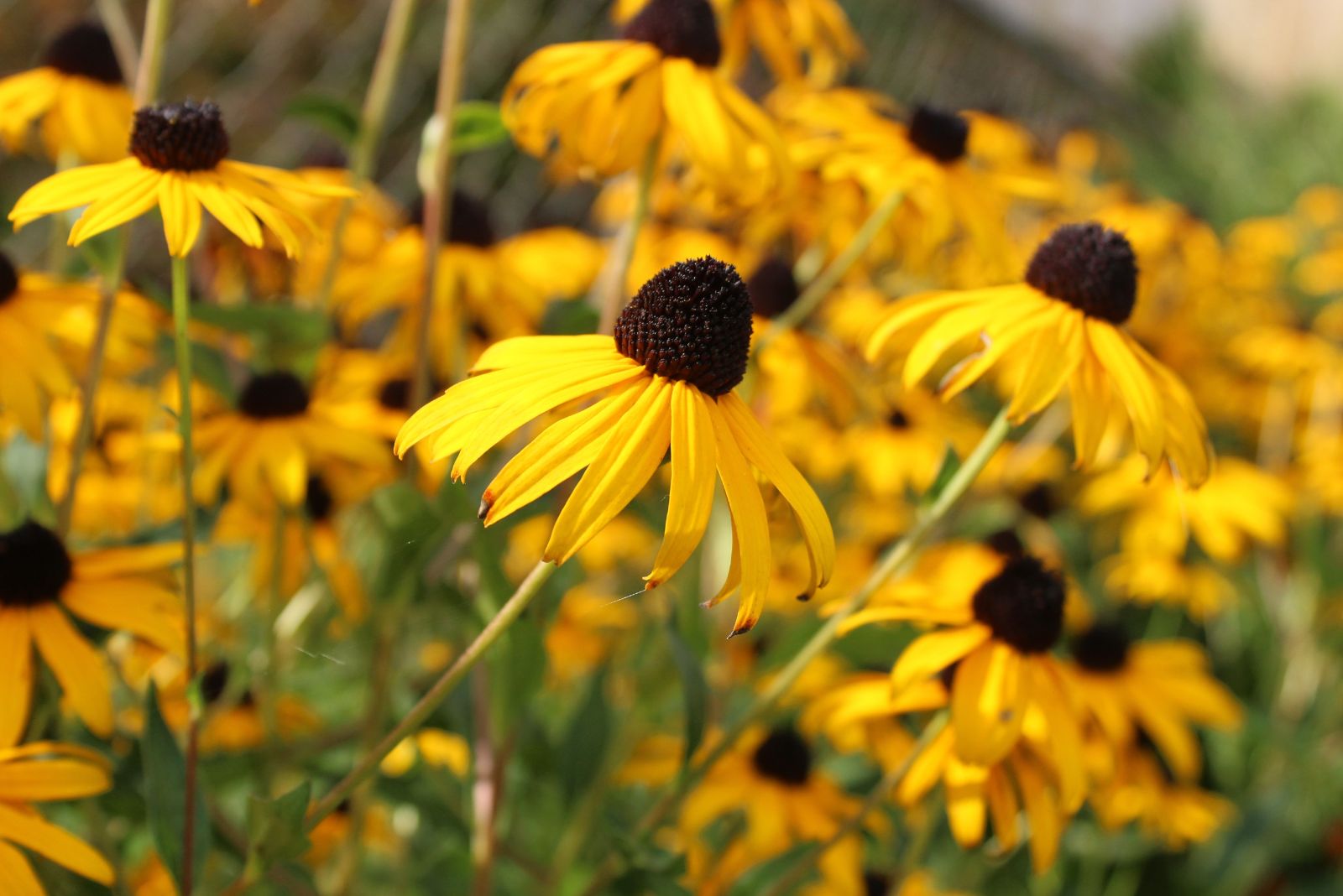
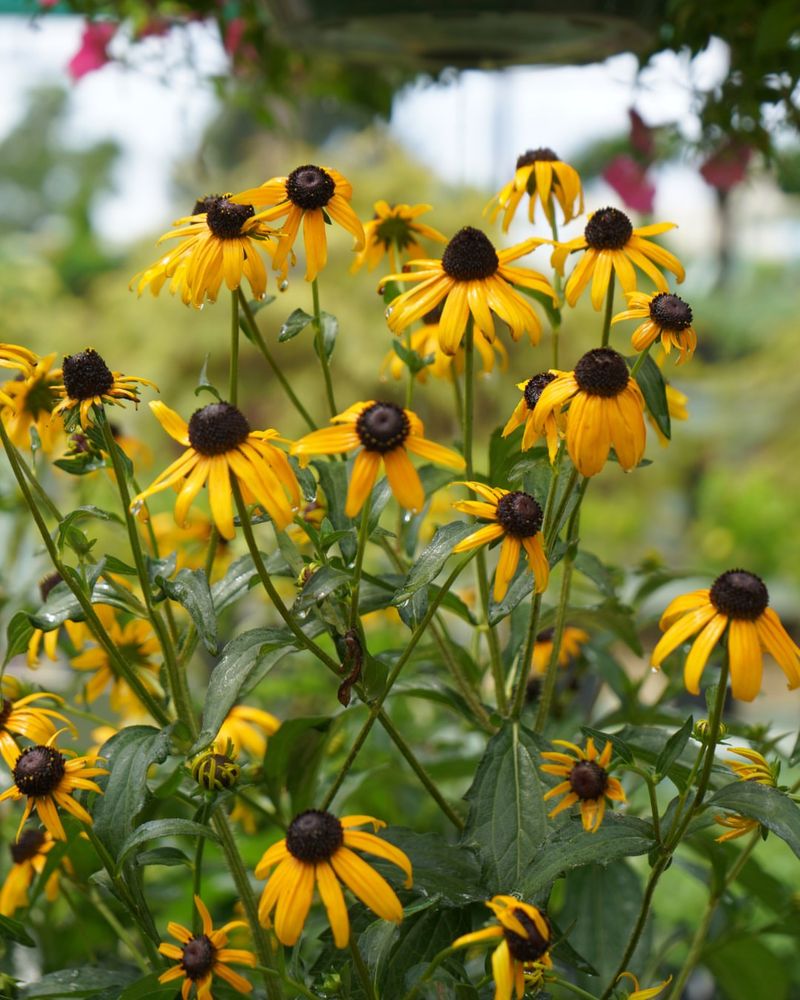
Picture a flower with bold golden petals fanned out around a rich, dark brown center. That is exactly what Black-Eyed Susan looks like, and once you spot it in a Texas garden, you will not forget it.
It has a cheerful, sunny look that just makes a yard feel alive and welcoming. Black-Eyed Susan, known by its scientific name Rudbeckia hirta, is a wildflower that grows naturally across North America. In Texas, it feels right at home.
You will find it growing along roadsides, in open meadows, and in home gardens all across the state, from the Hill Country to East Texas.
The flowers are daisy-like in shape, usually measuring about two to three inches wide. The petals are a warm, golden-yellow color, and the dark center gives it that classic look that gardeners love.
It stands anywhere from one to three feet tall, making it easy to spot in any garden bed. What really sets it apart from other flowers is its toughness. Many popular garden flowers start to struggle when Texas heat kicks in.
Black-Eyed Susan does not flinch. It keeps its color and keeps blooming through the hottest parts of summer without missing a beat.
Gardeners across Texas appreciate how reliable it is. You do not have to baby it or worry about it fading away when July and August arrive.
It just keeps going, season after season, bringing that bright pop of color that every yard needs. For Texas, this flower is truly a standout performer.
Why Black-Eyed Susan Thrives In Texas Heat
Not every flower is built for Texas weather. The state is famous for its blazing summers, low rainfall in many regions, and long stretches of intense sunshine.
Most flowers need a break from all that, but Black-Eyed Susan actually loves it. Full sun is where this flower performs best. It needs at least six hours of direct sunlight each day, and in Texas, that is rarely a problem.
Your Texas Garden Changes Every Week. Your Plan Should Too.
Gardening in Texas changes quickly throughout the season. Every Friday you’ll receive a simple weekly plan showing exactly what to plant, prune, fertilize, harvest, and protect so you never miss the right timing.
More sun usually means more blooms, so the intense Texas sunshine actually works in its favor rather than against it.
High temperatures do not slow it down either. While many common garden flowers start to look wilted and tired once temps climb into the 90s and beyond, Black-Eyed Susan stays strong.
Its leaves are slightly rough and hairy, which helps the plant hold onto moisture during hot, dry stretches.
Drought tolerance is another big reason it does so well in Texas. Rainfall can be unpredictable across the state.
Some weeks are dry for long periods, especially in Central and West Texas. Black-Eyed Susan handles those dry spells better than most flowering plants you will find at a garden center.
The plant also has deep roots that help it pull water from lower in the soil. That root system is a big advantage during heat waves when the top layer of soil dries out quickly.
Once established, Black-Eyed Susan can go longer between waterings than many other flowers, making it a smart, low-stress choice for Texas gardeners who want reliable color without constant watering.
How Black-Eyed Susan Keeps Blooming Through Summer
One of the biggest frustrations for Texas gardeners is watching flowers fade out just when summer gets going. Spring bloomers often burn out by June, and many annuals struggle to push through July and August.
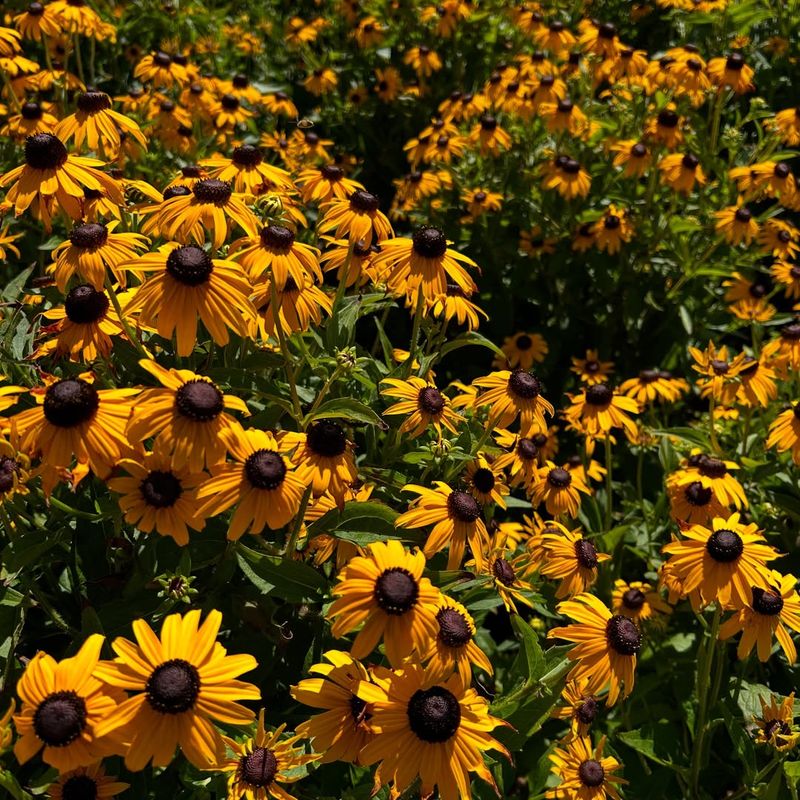
Black-Eyed Susan plays by different rules. Its blooming season is impressively long. In Texas, it typically starts blooming in late spring and keeps going strong through summer and into early fall.
That means you get months of golden color instead of just a few short weeks. For a state with such a long growing season, that staying power really matters.
The secret behind its long-lasting performance is how the plant handles stress. Instead of shutting down when temperatures rise, Black-Eyed Susan redirects its energy into producing more flower heads.
Hot weather actually encourages it to keep blooming rather than slow down. Across Texas, gardeners notice that this flower looks just as vibrant in August as it did in May.
While neighboring plants in the garden might look tired or scorched, Black-Eyed Susan stands tall with fresh blooms opening up regularly. It brings consistent color when the yard needs it most.
Another bonus is that the plant self-seeds easily. At the end of the season, the seed heads attract birds and also drop seeds that sprout the following year.
So your Black-Eyed Susan patch can actually grow bigger over time without any extra effort from you. For Texas gardeners who want a flower that keeps giving season after season, this one delivers in a way that few others can match.
Where To Plant Black-Eyed Susan In A Texas Garden
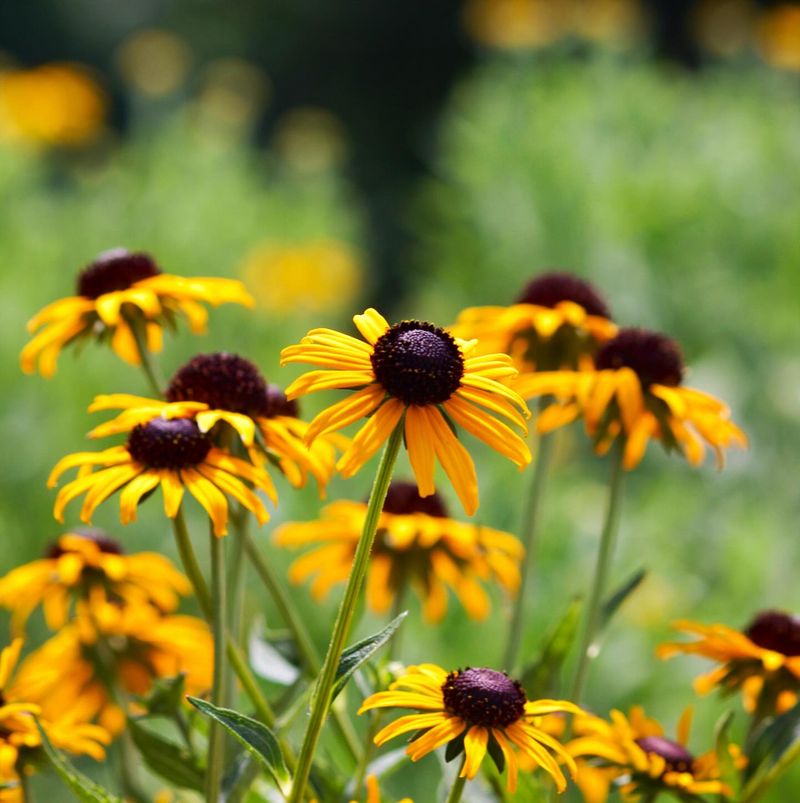
Choosing the right spot for Black-Eyed Susan is simple because the plant is not picky. Give it sunlight and decent drainage, and it will reward you with a season full of golden blooms.
In Texas, finding a sunny spot is rarely the challenge. Flower beds and garden borders are classic choices. Plant Black-Eyed Susan along the edge of a walkway or fence line, and it creates a cheerful, colorful display all season.
It looks great as a border plant in both formal garden designs and more relaxed, natural-style landscapes.
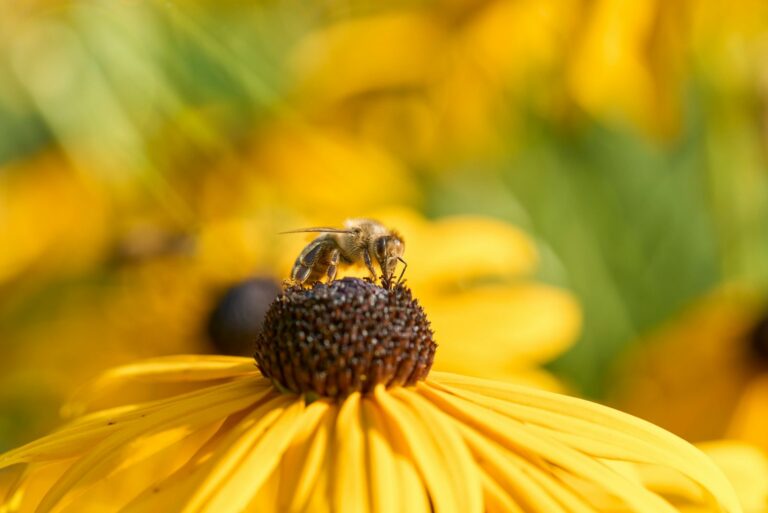
Pollinator gardens are another excellent option. Black-Eyed Susan attracts bees, butterflies, and other beneficial insects like a magnet.
If you are trying to support pollinators in your Texas yard, mixing this flower into a pollinator garden alongside other native plants is a smart move.
Naturalized landscapes work beautifully with Black-Eyed Susan as well. In Texas, many homeowners are moving toward low-water, natural-style yards that use native and adapted plants.
Black-Eyed Susan fits perfectly into that kind of setting. It looks natural, grows freely, and does not need a lot of fussing to look good.
When it comes to soil, well-drained ground is key. Heavy clay soil that holds too much water can cause problems, so if your Texas yard has dense clay, consider adding compost or planting in a raised bed.
Sandy or loamy soil works great. Avoid low spots where water collects after rain. Open areas with plenty of airflow and sunshine, which are easy to find across most of Texas, give this flower everything it needs to perform at its best.
How To Care For Black-Eyed Susan For The Best Results
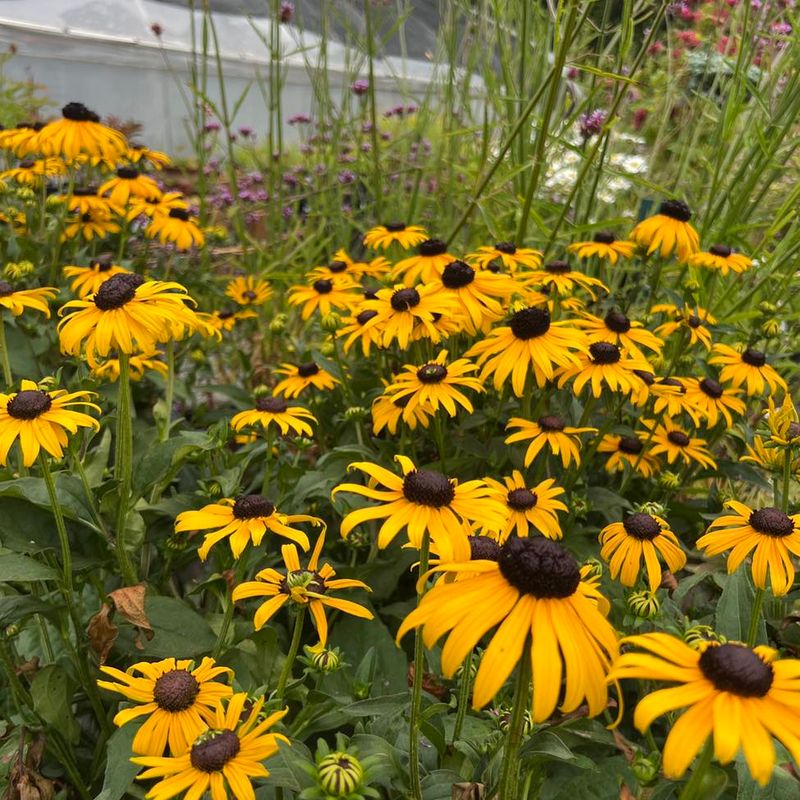
Good news for busy Texas gardeners: Black-Eyed Susan is one of the easiest flowers to care for. Once it gets settled into your garden, it handles a lot on its own.
But giving it a little attention early on makes a big difference in how well it performs. Watering matters most during the first few weeks after planting. New plants need regular moisture to establish their root systems.
Water deeply a few times a week when the weather is hot and dry. Once the roots are established, usually after four to six weeks, you can cut back on watering significantly.
After that, let the Texas rainfall do most of the work. Supplemental watering during long dry spells is helpful, but do not overdo it.
Black-Eyed Susan does not like soggy roots, and too much water can actually cause more harm than good. A deep soak once a week during dry periods is usually plenty.
Deadheading, which means removing spent flower heads, encourages the plant to push out new blooms. You do not have to deadhead every single flower, but doing it regularly during the growing season helps keep the plant looking tidy and blooming longer.
Just pinch or snip off the faded flowers above a leaf node. Fertilizer is generally not needed. Black-Eyed Susan is adapted to lean, average soils and does not need heavy feeding.
Too much fertilizer can actually produce more leaves and fewer flowers. A light application of balanced fertilizer in early spring is more than enough. Minimal care, maximum color: that is the Black-Eyed Susan promise for Texas gardens.
Why It’s The Best Choice For Texas Gardeners
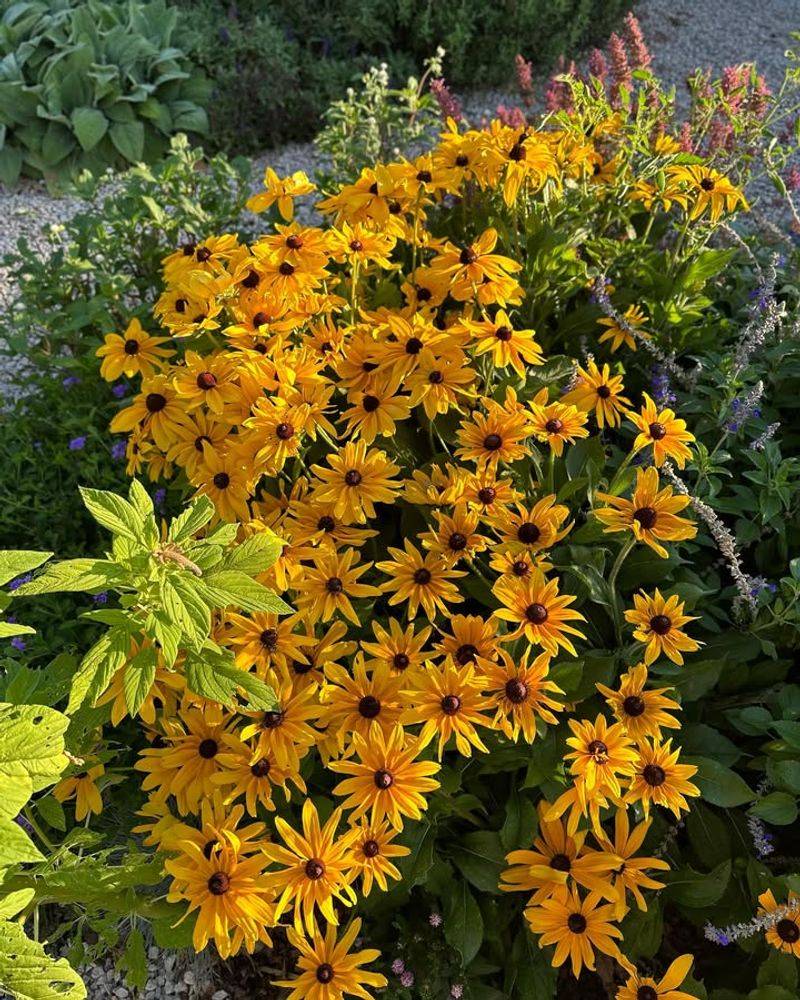
Ask any experienced Texas gardener what flower they trust most during the brutal summer months, and Black-Eyed Susan comes up again and again. It is not just a pretty face.
This flower earns its reputation by delivering real results in real Texas conditions. Toughness is the first thing that stands out. Texas summers test every plant in the garden.
Between the extreme heat, unpredictable rainfall, and relentless sunshine, only the strongest plants survive and look good doing it. Black-Eyed Susan handles all of that without complaint, blooming boldly from late spring through fall.
Easy care is another huge advantage. Not everyone has hours to spend in the garden every week.
Black-Eyed Susan fits perfectly into a low-maintenance lifestyle. Once established, it needs very little from you.
Water it occasionally during dry spells, deadhead a bit here and there, and it takes care of the rest.
The bright golden color it brings to a yard is hard to beat. Whether you are planting a small city garden in Dallas or a sprawling landscape outside of Austin, that cheerful yellow-gold color adds warmth and energy to any outdoor space.
It pairs beautifully with other Texas-tough plants like purple coneflower and lantana. Beyond beauty, it supports local wildlife. Bees, butterflies, and birds all benefit from Black-Eyed Susan.
In a state as big and ecologically rich as Texas, planting native and adapted flowers like this one helps support the local environment in a meaningful way.
For Texas gardeners who want beauty, toughness, and purpose all in one plant, Black-Eyed Susan is simply the best choice available.