8 Reasons Why Your Bird of Paradise Isn’t Blooming In Florida (And How To Fix It)
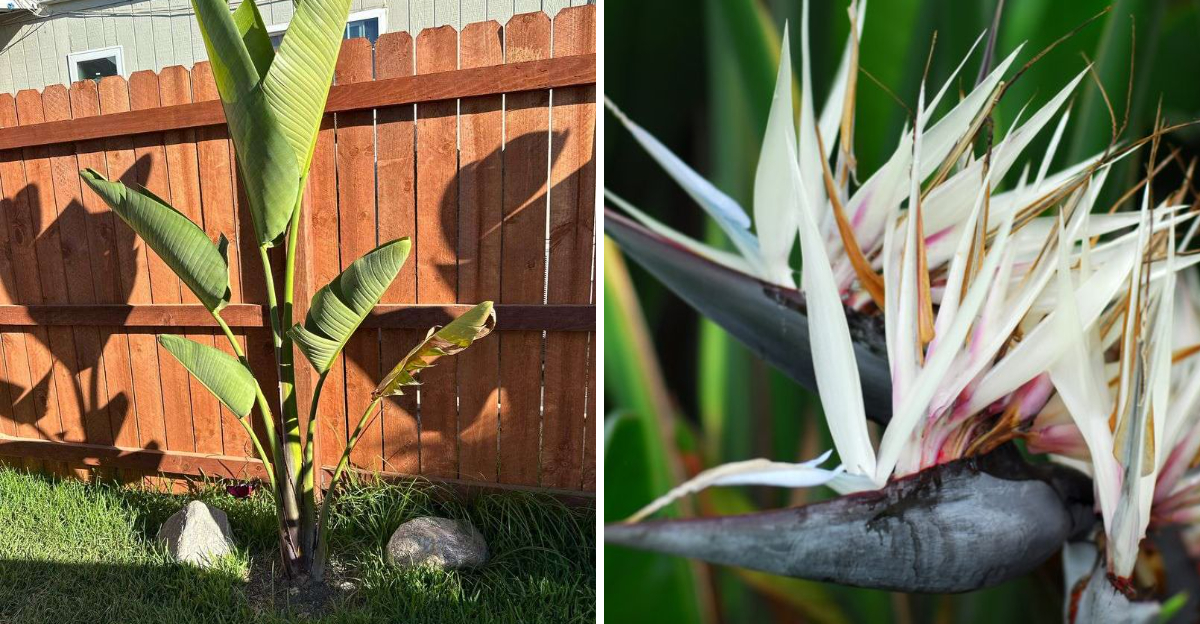
You planted it for the flowers, so where are they? In Florida, bird of paradise usually looks like it should be thriving.
Big leaves, strong growth, plenty of sun. Everything seems right, yet the blooms never show up.
Frustrating, right? This is one of the most common complaints Florida gardeners have, and the reason is rarely just one thing.
Small details in care, timing, or placement can quietly hold the plant back, even when it looks perfectly healthy on the surface. The good news is that bird of paradise is not as mysterious as it seems.
Once you spot what is missing or slightly off, things can change faster than expected. Those bold, tropical blooms are often closer than they appear, and a few simple adjustments can make all the difference.
1. Not Enough Direct Sunlight Slows Down Blooming
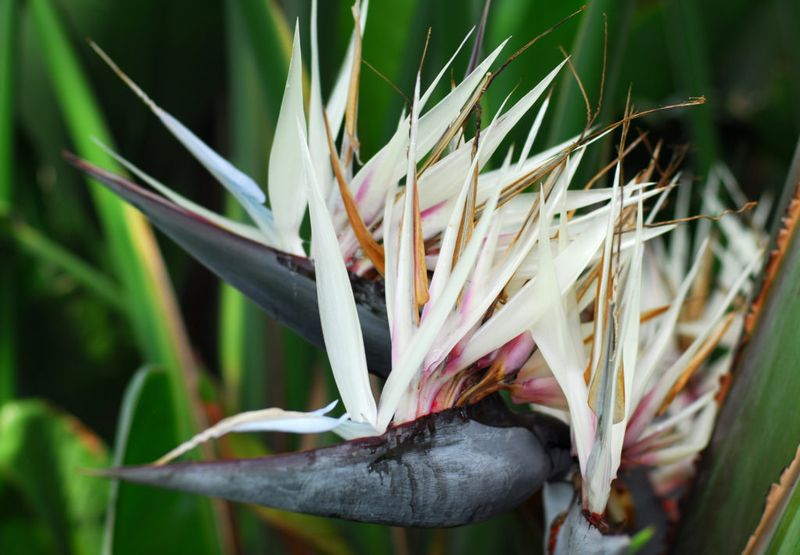
Sunlight is the single biggest driver behind whether your Bird of Paradise will actually produce flowers. Without enough of it, the plant simply redirects its energy toward keeping its leaves healthy rather than investing in blooms.
Florida may be the Sunshine State, but a plant tucked under a tree canopy or near a shaded fence might only be getting a fraction of what it actually needs.
Bird of Paradise requires at least six hours of direct sunlight each day to flower reliably. According to University of Florida IFAS Extension guidance, full sun exposure is strongly recommended for outdoor planting to encourage consistent bloom production.
Partial shade might keep the plant alive and green, but it rarely produces the energy surplus needed to trigger flowering.
If your plant is getting less than six hours of direct sun, moving it to a sunnier location is the most effective fix. South-facing or west-facing spots in Florida landscapes tend to offer the strongest light exposure throughout the day.
Even shifting the plant just a few feet from under a tree canopy can noticeably improve its blooming potential over the following growing season.
2. Too Much Shade Leads To Lots Of Leaves But No Flowers
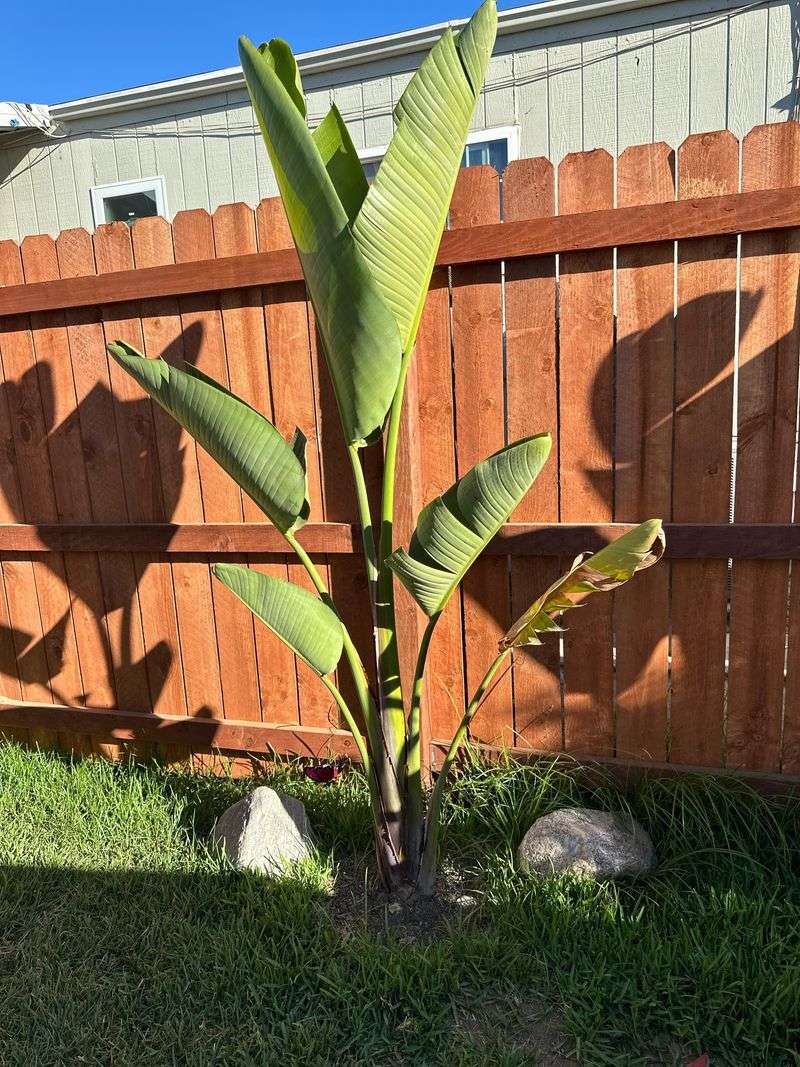
A Bird of Paradise growing in too much shade will look impressively full and green, which can actually trick gardeners into thinking the plant is thriving. What is really happening beneath all that foliage is a plant that has shifted its priorities entirely toward leaf production because it lacks the light energy needed to bloom.
More shade equals more leaves, and almost no flowers.
Shade triggers the plant to grow larger leaves as a survival response, trying to capture whatever light it can. You might notice unusually tall stems and oversized leaf blades, which sounds appealing but signals a light-starved plant.
Florida landscapes with dense tree coverage, covered patios, or north-facing exposures are common culprits for this pattern.
The fix starts with an honest look at how many hours of direct sun your plant actually receives throughout the day, not just a glance at midday. Trimming nearby shrubs or low-hanging tree branches can help open up the canopy and let more light through without requiring a full transplant.
Your Florida Garden Changes Every Week. Your Plan Should Too.
Gardening in Florida changes quickly throughout the season. Every Friday you’ll receive a simple weekly plan showing exactly what to plant, prune, fertilize, harvest, and protect so you never miss the right timing.
If trimming is not possible, consider relocating the plant to a spot that gets consistent morning and afternoon sun for the best results.
3. Overwatering Keeps The Plant Focused On Growth Instead Of Blooms
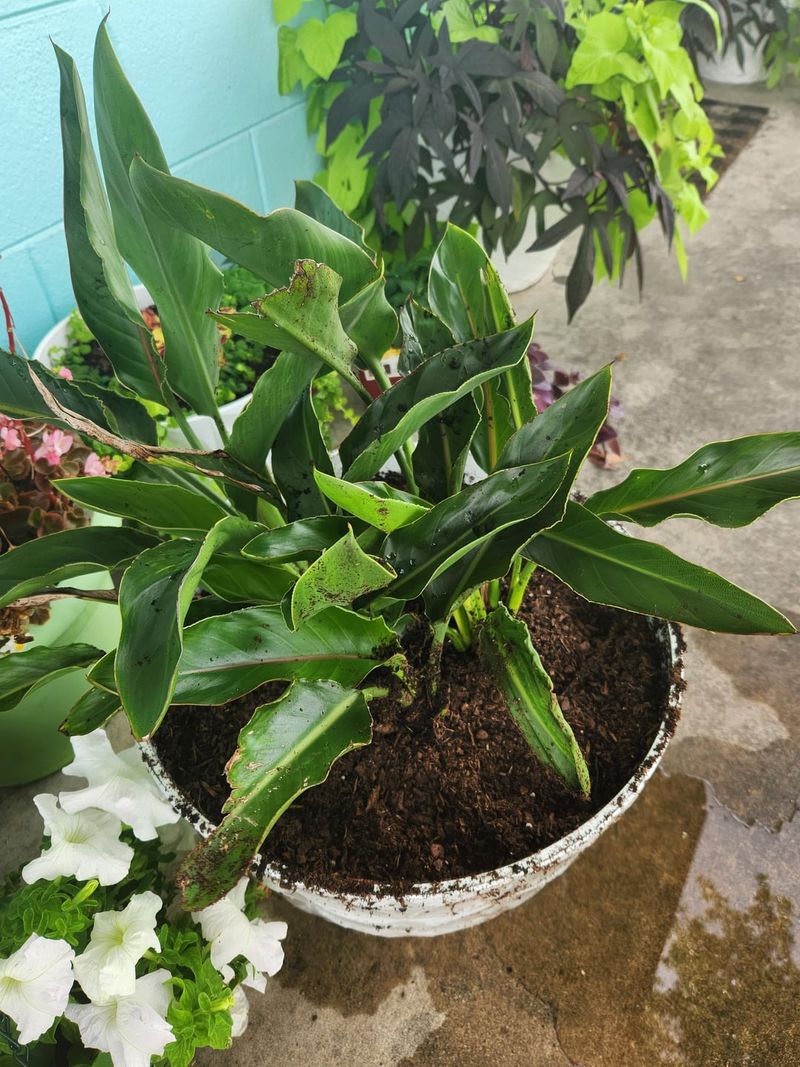
Watering more than a plant needs might seem like good care, but for Bird of Paradise, excess moisture sends a very specific message: keep growing. When soil stays consistently wet, the plant focuses on pushing out new roots and leaves rather than channeling energy into producing flowers.
Florida’s humidity already keeps the air moist, which means the soil often holds water longer than gardeners expect.
Overwatering becomes especially problematic in low-lying areas or spots where water pools after rain. Roots that sit in soggy soil for extended periods can begin to suffer from reduced oxygen, which weakens the overall plant and makes flowering even less likely.
Yellowing lower leaves and soft, mushy stems near the base are early signs that too much water is the issue.
A practical rule of thumb is to water deeply but infrequently, allowing the top one to two inches of soil to dry out between waterings. During Florida’s rainy season, you may not need to supplement with irrigation at all.
Reducing watering frequency during periods of heavy rainfall is a simple adjustment that can make a real difference in how the plant uses its energy going forward.
4. Poor Soil Drainage Can Limit Flower Production
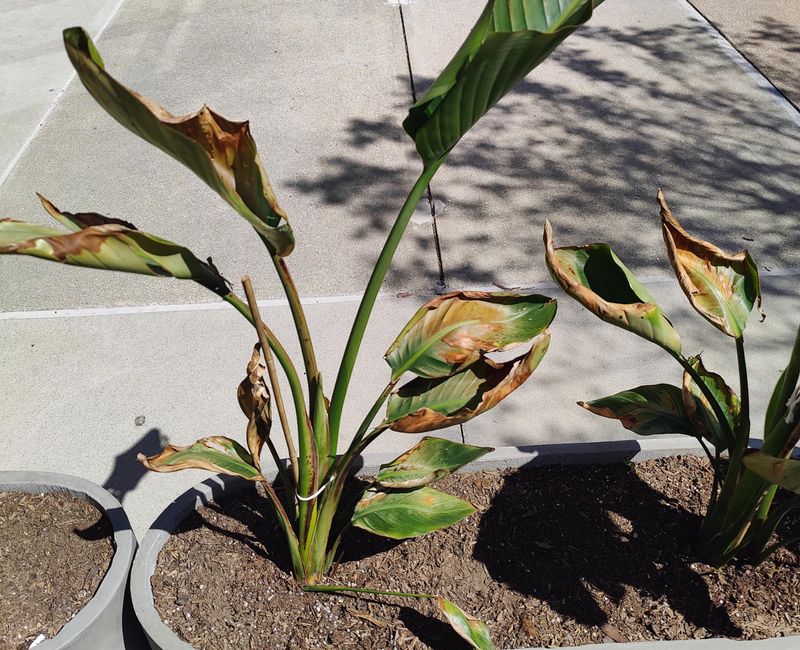
Florida soils are a mixed bag. Some areas have fast-draining sandy soil that dries out quickly, while others have compacted or clay-heavy zones that hold water for far too long.
Bird of Paradise needs well-drained soil to stay healthy and produce flowers. When roots are consistently sitting in moisture-heavy ground, the plant spends most of its resources managing stress rather than blooming.
Sandy soils in coastal Florida can actually drain too fast, causing drought stress between waterings, which is equally problematic. The sweet spot is a loamy, well-aerated growing medium that holds enough moisture to stay hydrated but releases excess water efficiently.
University of Florida IFAS Extension recommends amending Florida soils with organic matter like compost to improve both drainage and water retention at the same time.
Raised planting beds are a practical solution for landscapes with poor drainage. Adding a few inches of elevation improves water movement around the roots significantly.
For existing in-ground plants, working aged compost into the surrounding soil without disturbing the root zone can gradually improve drainage conditions. Checking the soil texture and drainage before planting is always the smarter first step when setting up a new garden bed in Florida.
5. Too Much Nitrogen Pushes Leaves Instead Of Flowers
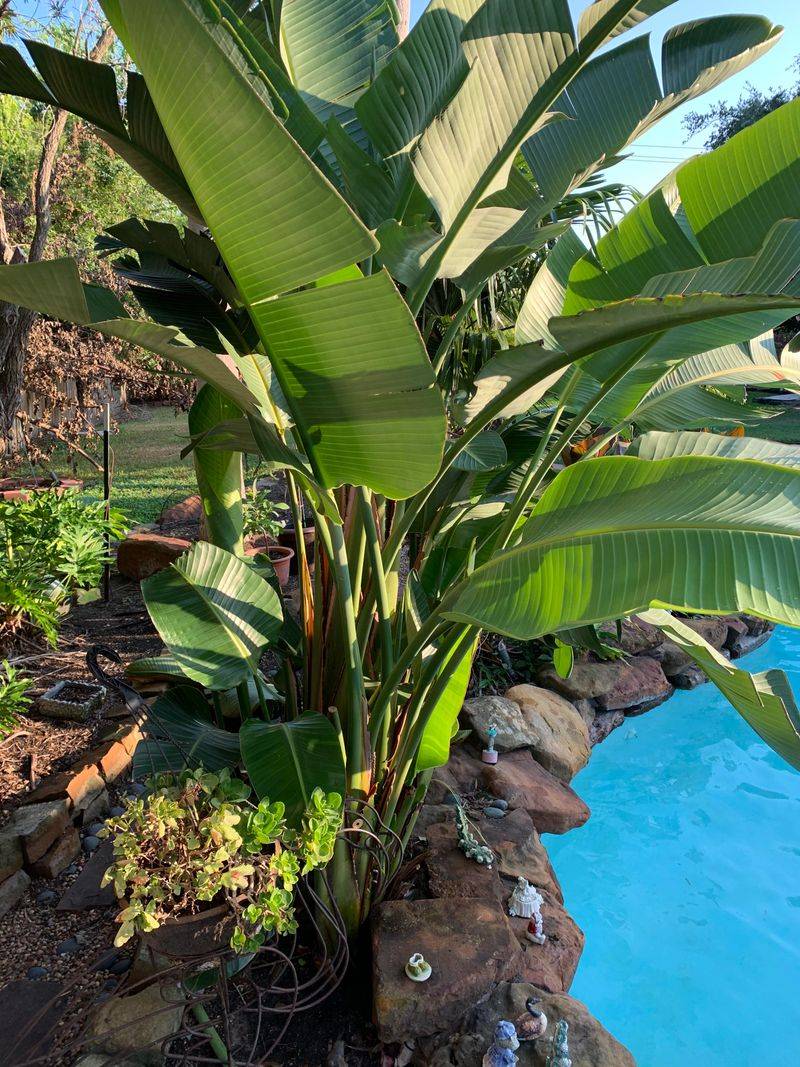
Fertilizer is supposed to help plants grow, but the wrong type can actually work against flowering. Nitrogen is the nutrient most responsible for leafy, vegetative growth, and when it is applied in excess, Bird of Paradise responds by pushing out more and more foliage while completely skipping over the blooming process.
This is one of the most common mistakes Florida gardeners make when trying to encourage a struggling plant.
High-nitrogen lawn fertilizers are particularly problematic when used near garden beds. If your Bird of Paradise sits close to a regularly fertilized lawn, it may already be absorbing more nitrogen than it needs.
The result is a plant that looks lush and vibrant on the outside but has no interest in flowering whatsoever.
Switching to a fertilizer with a higher phosphorus content, which is the middle number on the fertilizer label, can help redirect the plant’s energy toward bloom production. A balanced slow-release fertilizer with a ratio such as 10-30-10 or similar is often recommended for flowering tropicals.
Apply it in spring and again in early summer, and avoid fertilizing heavily in fall when the plant naturally slows down its growth cycle in Florida’s slightly cooler months.
6. Immature Plants Need Time Before They Start Blooming
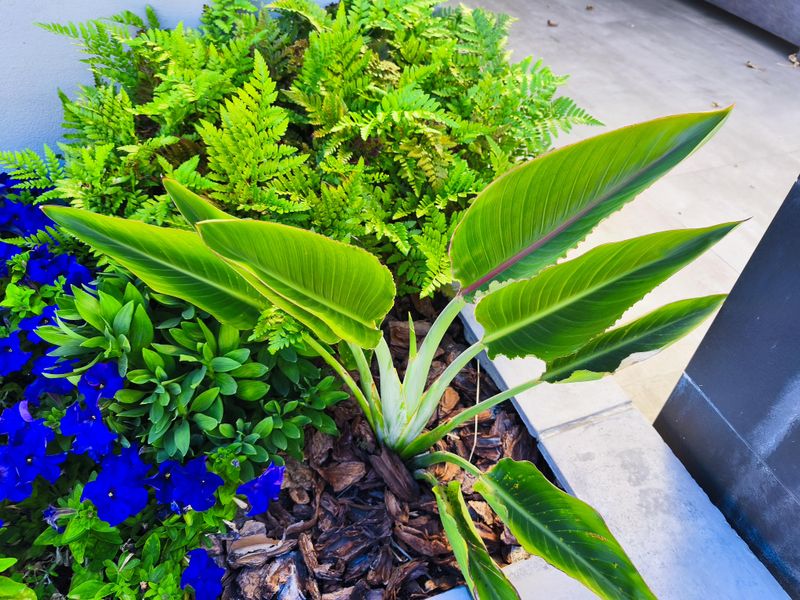
Patience is genuinely one of the most important tools when growing Bird of Paradise from seed or from a small nursery division. Young plants simply are not ready to flower, no matter how ideal the growing conditions are.
Most Bird of Paradise plants take three to five years to reach the level of maturity needed to produce their first bloom, and plants grown from seed can take even longer.
This is not a sign that something is wrong. A plant in its first or second year is focused entirely on establishing a strong root system and building up enough leaf mass to support future flowering.
Trying to push it with extra fertilizer or adjusting care routines out of frustration usually does more harm than good during this stage.
The best approach with a young plant is to focus on giving it ideal growing conditions consistently: full sun, proper watering, good drainage, and a balanced fertilizer routine. Keeping track of when you planted it can help set realistic expectations.
If your plant is already three or more years old and still not blooming despite good care, then it is worth investigating other factors. But for plants under three years old, steady and patient care is genuinely the most useful thing you can do.
7. Cool Weather Can Delay Blooming In Some Parts Of Florida
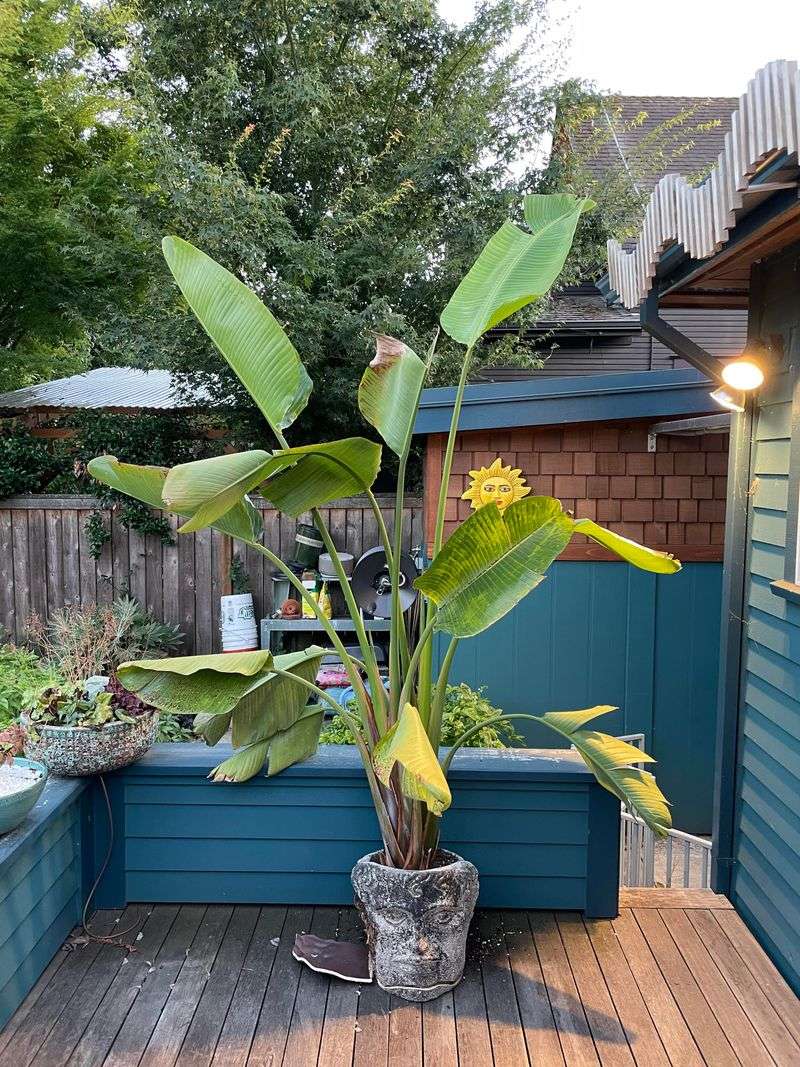
Florida is not one uniform climate from top to bottom, and that distinction matters a lot for Bird of Paradise. In South Florida, temperatures rarely drop enough to cause any meaningful bloom delay.
But in North Florida and parts of Central Florida, cooler winters can slow down or pause the blooming cycle, especially if temperatures dip below 50 degrees Fahrenheit for extended periods during the late fall or winter months.
Bird of Paradise is tropical in nature and performs best when temperatures stay consistently warm. A cool snap does not necessarily cause lasting harm to an established plant, but it can push back the bloom timeline noticeably.
Gardeners in Gainesville, Tallahassee, or Jacksonville may find their plants blooming later in spring compared to those in Miami or Fort Lauderdale.
Protecting plants from cold snaps with frost cloth or mulching around the base can help maintain soil warmth and reduce temperature stress. Applying a two to three inch layer of organic mulch around the root zone in late fall is a simple and effective way to insulate the soil.
Once warmer temperatures return in spring, a plant that was well protected through winter typically resumes its normal growth and blooming pattern with minimal setback.
8. Crowded Roots Can Prevent Flowering Over Time
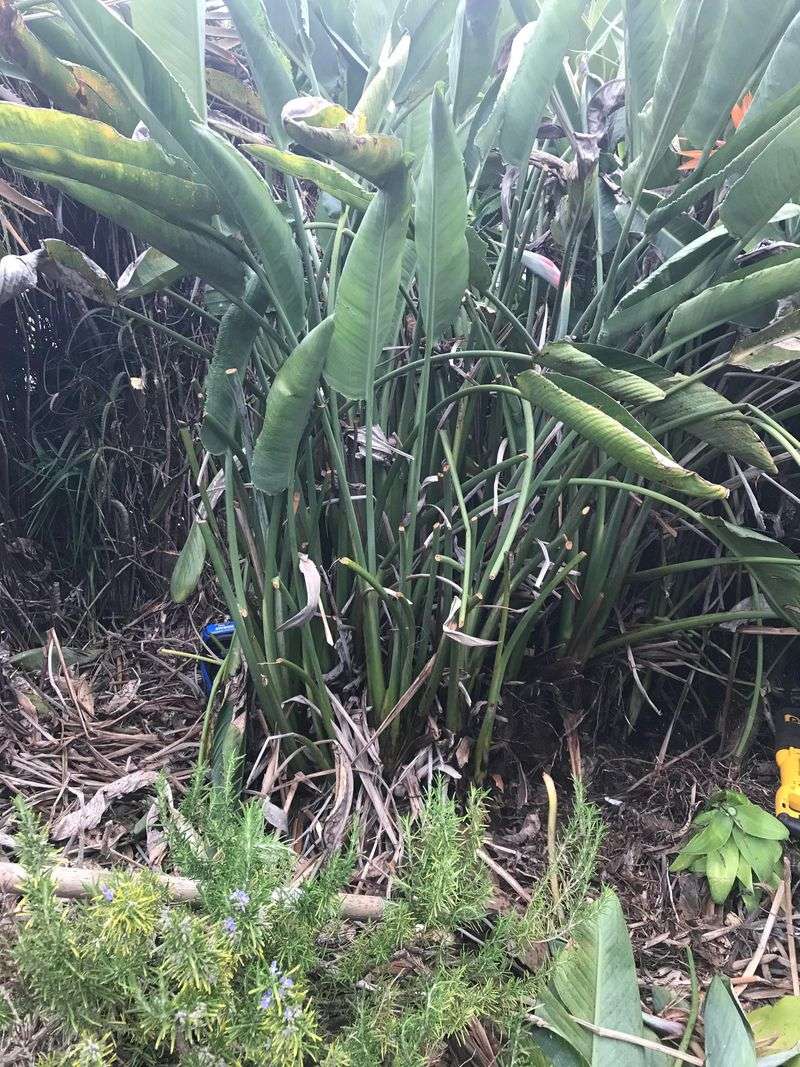
Root crowding is a sneaky problem because it develops slowly over time and does not always show obvious symptoms right away. As Bird of Paradise matures in the ground, its root system expands and can eventually become so dense that competition for nutrients and space starts to limit the plant’s ability to produce flowers.
Nearby plants, roots from large trees, or even the plant’s own offshoots can all contribute to this crowding effect.
Interestingly, a mild degree of root binding can actually encourage blooming in container-grown Bird of Paradise, but in-ground plants that have become severely overcrowded tend to experience the opposite effect. When roots are fighting for space and resources over a large area, energy gets spread thin and flowering takes a back seat to basic survival functions.
Dividing an overcrowded clump every four to five years helps reset the plant’s energy balance and often triggers a new round of flowering. When dividing, use a sharp spade to separate root sections cleanly and replant divisions in well-prepared soil with plenty of room to expand.
Giving each division its own generous growing space, at least three to five feet from other plants, sets it up for a healthier and more productive blooming cycle going forward.