Why Goldenrod Is A Native North Carolina Favorite That Does Not Cause Allergies
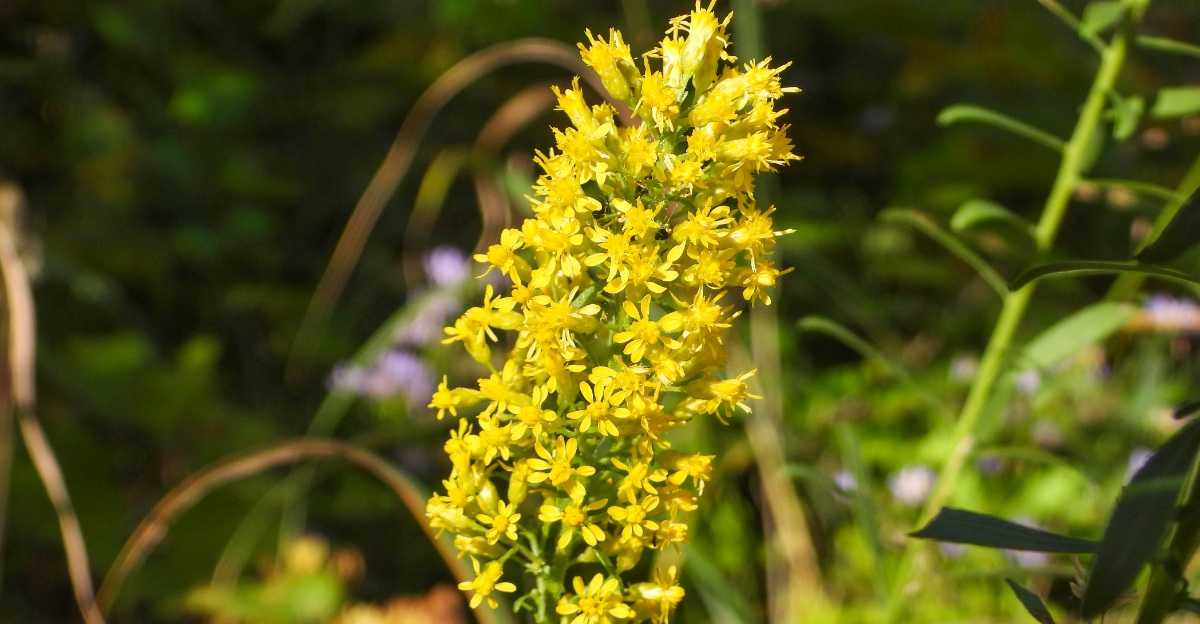
Goldenrod often gets blamed for seasonal allergies, but in North Carolina, this native plant is actually one of the most misunderstood favorites in the landscape.
As it blooms in late summer and early fall, its bright yellow flowers stand out, and many people assume it must be the cause of sneezing and discomfort.
The truth, however, is quite different. Goldenrod produces heavy pollen that is not easily carried through the air, which means it is far less likely to trigger allergies than people think.
The real culprit is usually another plant blooming at the same time. Beyond clearing up that confusion, goldenrod brings real value to gardens across the state.
It supports pollinators, adds bold color, and thrives in local conditions with very little effort. Once you understand what makes it unique, it becomes easy to see why so many gardeners choose to include it in their landscape.
1. It Is Truly Native Across North Carolina
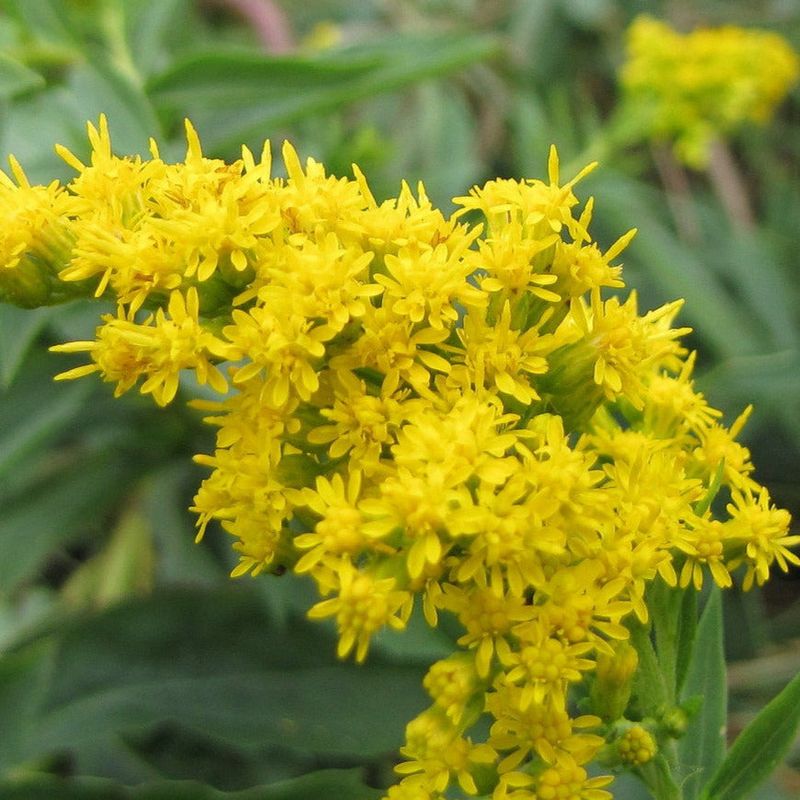
Goldenrod has been part of North Carolina’s landscape long before anyone started planting gardens.
Solidago species grow naturally across every major region of the state, from the sandy Coastal Plain to the rich Piedmont soils and even up into the cool Blue Ridge Mountains. That kind of range is rare, and it tells you a lot about how well this plant fits into local life.
Because goldenrod evolved right here in North Carolina, it already knows exactly what to do with the local soil, rainfall patterns, and seasonal temperatures. You do not need to baby it or adjust your yard to suit it.
It simply settles in and starts contributing to the ecosystem around it, filling roadsides, open woodlands, and garden edges with cheerful yellow blooms.
Native plants like goldenrod also build relationships with local insects, birds, and soil organisms that have developed over thousands of years. That connection makes your garden stronger and more resilient overall.
Planting something that already belongs here is one of the smartest choices any North Carolina gardener can make. You get beauty, function, and reliability all wrapped up in one easy-growing plant that truly calls this state home.
2. Its Pollen Is Heavy And Sticky
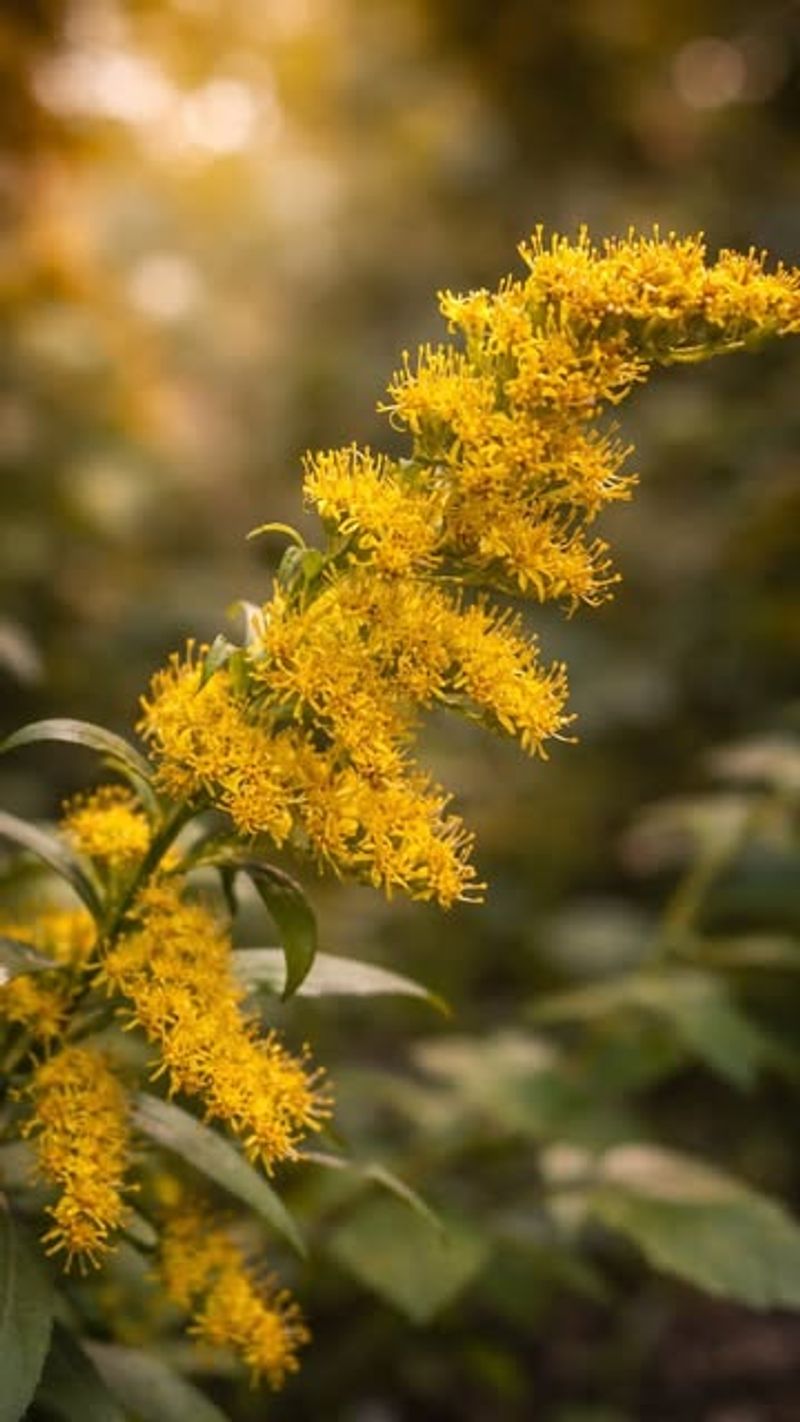
Here is something most people never think about: not all pollen behaves the same way. Goldenrod produces pollen that is thick, waxy, and heavy, which means it sticks to things rather than floating through the air.
Insects carry it from flower to flower, and it almost never reaches your nose or eyes on a breezy fall afternoon.
Allergy symptoms are triggered by pollen that travels through the air in large quantities. Think of plants like ragweed, which releases billions of tiny, lightweight pollen grains that drift for miles.
Goldenrod simply does not work that way. Its pollen is designed to stick to the body of a bee or butterfly, not to float into your sinuses.
This is actually a fascinating example of how plant biology works in your favor. Goldenrod evolved to partner with pollinators, not the wind, so its pollen is built for attachment rather than airborne travel.
Your North Carolina Garden Changes Every Week. Your Plan Should Too.
Gardening in North Carolina changes quickly throughout the season. Every Friday you’ll receive a simple weekly plan showing exactly what to plant, prune, fertilize, harvest, and protect so you never miss the right timing.
That sticky quality is exactly why allergists confirm that goldenrod is not a meaningful cause of seasonal allergies.
In North Carolina, where fall allergy season can feel brutal, knowing that goldenrod is not the problem gives gardeners real peace of mind and one more reason to plant it freely.
3. Ragweed Blooms At The Same Time (The Real Cause)
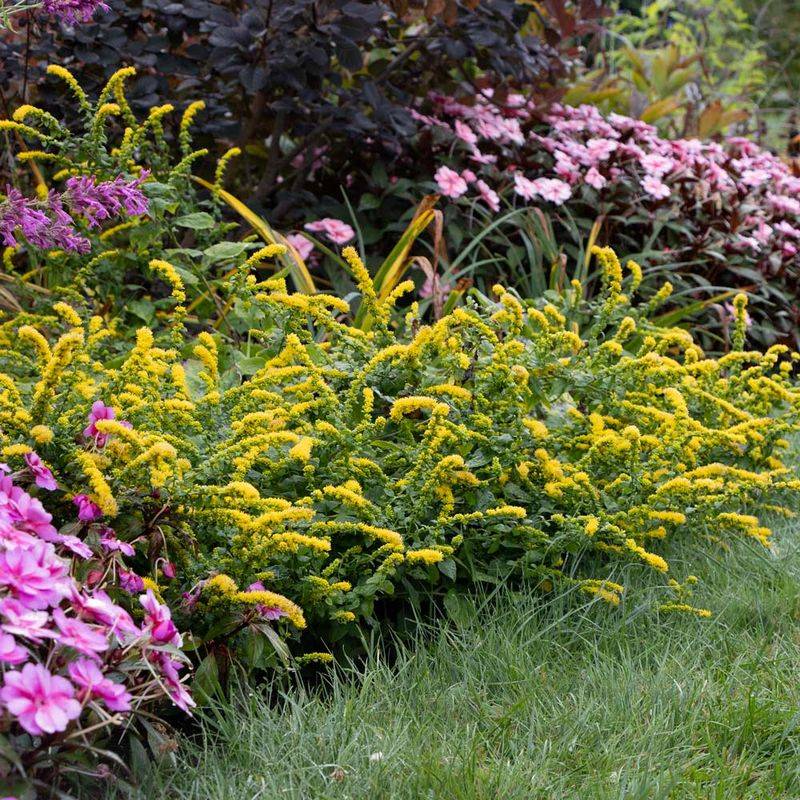
Timing is everything when it comes to fall allergies, and goldenrod has had terrible timing for its reputation.
Every August and September across North Carolina, goldenrod bursts into vivid yellow bloom right alongside ragweed, which is dull, green, and nearly invisible to most people walking by.
Naturally, the bright plant gets the blame. Ragweed, known scientifically as Ambrosia artemisiifolia, is the real troublemaker. It releases enormous clouds of fine, airborne pollen that travel for miles on the wind.
A single ragweed plant can produce up to one billion pollen grains in a season, and those grains are perfectly sized to trigger sneezing, itchy eyes, and runny noses. Goldenrod produces none of that airborne chaos.
Once you know what ragweed looks like, you will start spotting it everywhere in North Carolina fields, vacant lots, and roadsides. It grows low, blends into the surroundings, and rarely catches anyone’s attention.
Goldenrod, by contrast, stands tall and golden and gets noticed immediately. That visibility has made it an unfair scapegoat for generations.
Spreading the truth about these two plants helps gardeners make smarter choices and gives goldenrod the appreciation it genuinely deserves in every North Carolina landscape.
4. It Supports Pollinators At A Critical Time
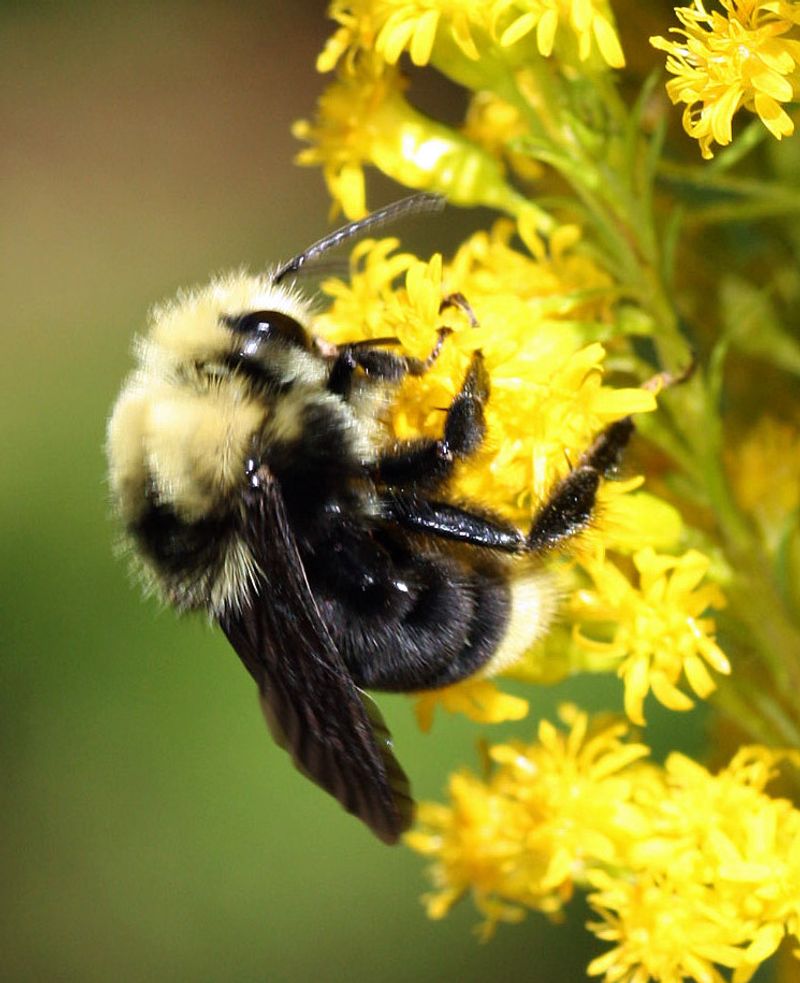
Most flowers wrap up their blooming season well before fall arrives, which creates a serious food gap for pollinators trying to prepare for colder months.
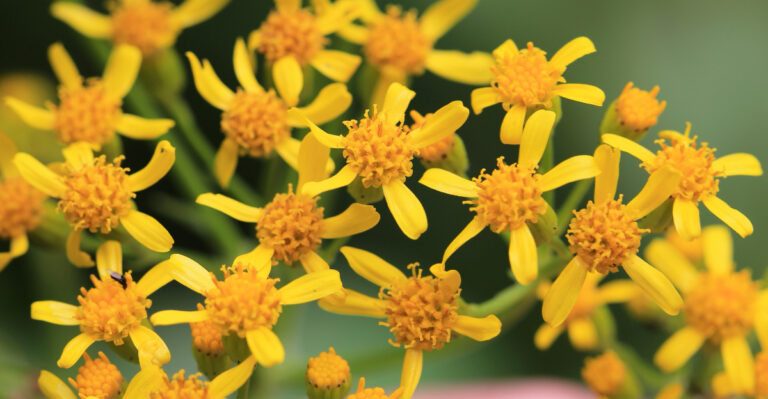
Goldenrod steps in at exactly the right moment, offering rich nectar and pollen from late summer straight through October across much of North Carolina. For bees and butterflies, that timing is everything.
Monarch butterflies passing through North Carolina on their migration south rely heavily on goldenrod as a fuel stop. Bumblebees use it to build up fat reserves before winter sets in.
Native sweat bees, beetles, and dozens of other pollinator species visit goldenrod blooms constantly during this window, making a single plant an entire neighborhood for wildlife.
Gardeners in North Carolina who want to support local pollinator populations can make a huge impact just by adding goldenrod to their yard or garden border.
You are not just planting a flower; you are providing a lifeline during one of the most challenging seasons for these essential creatures.
Healthy pollinator populations benefit every garden in the area by improving fruit set, seed production, and overall plant health.
Goldenrod makes that support easy, beautiful, and completely natural for anyone gardening across the Piedmont, coast, or mountain regions of the state.
5. It Thrives In Poor Soil Without Fertilizer
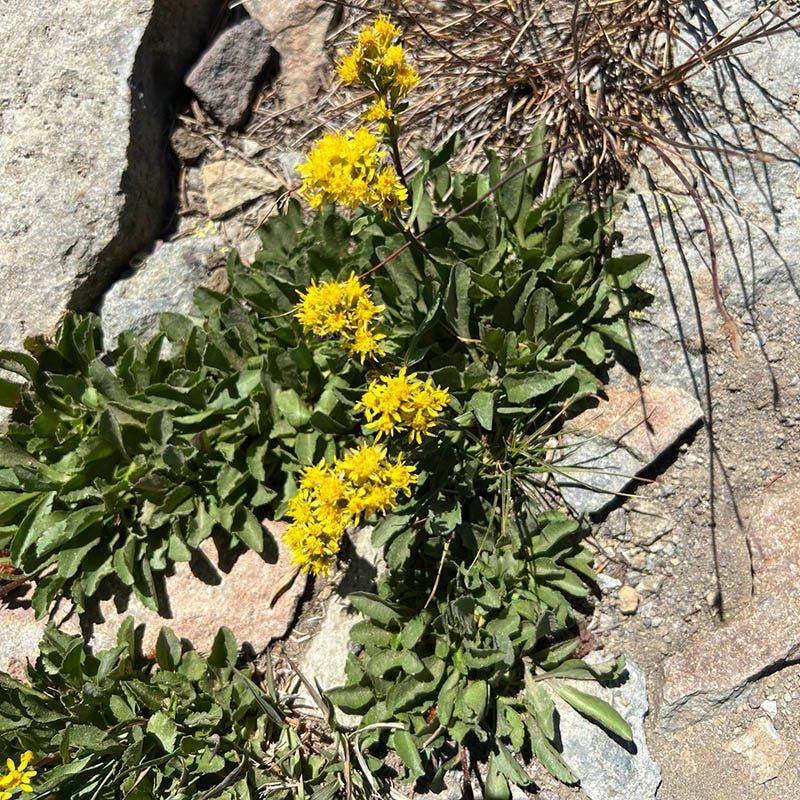
Not every yard in North Carolina comes with rich, loamy garden soil, and that is perfectly fine when you are growing goldenrod.
Sandy soils along the Coastal Plain, heavy clay soils through the Piedmont, and rocky hillside soils in the mountains are all places where goldenrod grows without complaint. This plant was built for real-world conditions, not ideal ones.
Most gardeners spend a lot of time and money trying to improve their soil before planting. With goldenrod, you can skip most of that effort.
It does not need fertilizer, soil amendments, or heavy compost additions to perform well. Its deep root system reaches into the soil and pulls up what it needs on its own, which also helps improve soil structure over time.
Growing plants that work with your existing soil conditions rather than against them is one of the most practical approaches to low-effort gardening. Goldenrod rewards that philosophy completely.
North Carolina’s wide variety of soil types actually makes it an ideal state for this plant because goldenrod has adapted to nearly all of them over centuries of natural growth.
Adding it to your landscape means spending less on soil prep and more time simply enjoying what your yard has to offer through every season.
6. It Handles Heat And Humidity With Ease
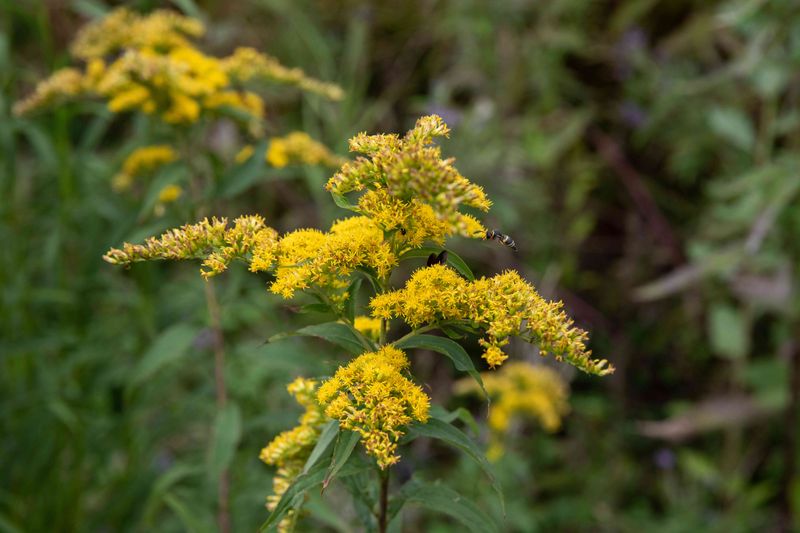
North Carolina summers are not gentle. High humidity, blazing afternoon heat, and stretches of hot weather that seem to go on forever can push many garden plants right to their limit.
Goldenrod barely notices. It keeps growing, stays upright, and eventually bursts into full bloom just as summer transitions into fall, looking completely unfazed by the season.
Many popular garden plants struggle in the humid southeastern climate. They wilt, develop fungal problems, or simply stop performing once temperatures climb.
Goldenrod, by contrast, evolved in this very climate and has developed natural resistance to the heat and moisture conditions that challenge so many other species. You get consistent results without having to intervene.
For North Carolina gardeners who are tired of replacing plants that cannot handle the local climate, goldenrod is a welcome change. Plant it once, give it a season to get established, and watch it come back stronger every year without any special summer care.
Its ability to handle the full force of a Carolina summer while still delivering a spectacular fall bloom makes it one of the most reliable plants you can choose for any garden bed, border, or naturalized area across the state’s diverse climate zones.
7. It Is Drought-Tolerant Once Established
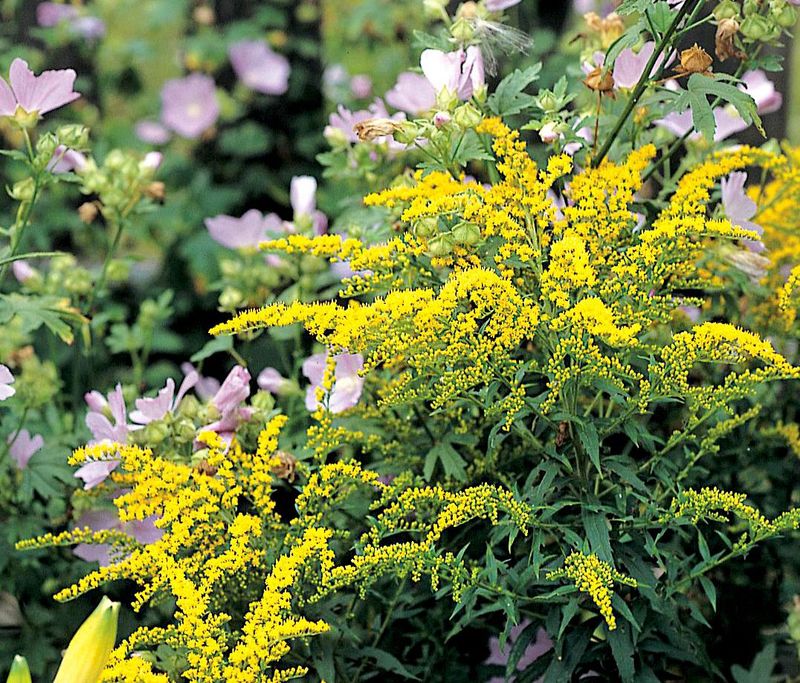
Late summer in North Carolina often brings dry spells that stress even well-established garden plants. Rainfall can disappear for weeks at a time, especially across the Piedmont and western Foothills, leaving gardeners scrambling to water everything by hand.
Goldenrod handles those dry stretches without skipping a beat, which makes it incredibly practical for busy or water-conscious gardeners.
The secret is in the roots. Goldenrod develops a deep, spreading root system during its first season that allows it to tap into soil moisture well below the surface.
Once those roots are established, the plant can sustain itself through extended dry periods that would cause other flowering plants to wilt and struggle. You get consistent blooms even when rainfall is scarce.
Water conservation matters more every year, especially as summers across North Carolina trend hotter and drier than previous decades. Choosing drought-tolerant native plants like goldenrod is one of the best ways to keep your garden looking great while using less water overall.
There is real satisfaction in watching a plant thrive during a dry August without needing daily watering from you. Goldenrod delivers that reliability season after season, making it a smart, sustainable choice for any North Carolina yard where water efficiency is a priority.
8. It Comes Back Strong Every Year
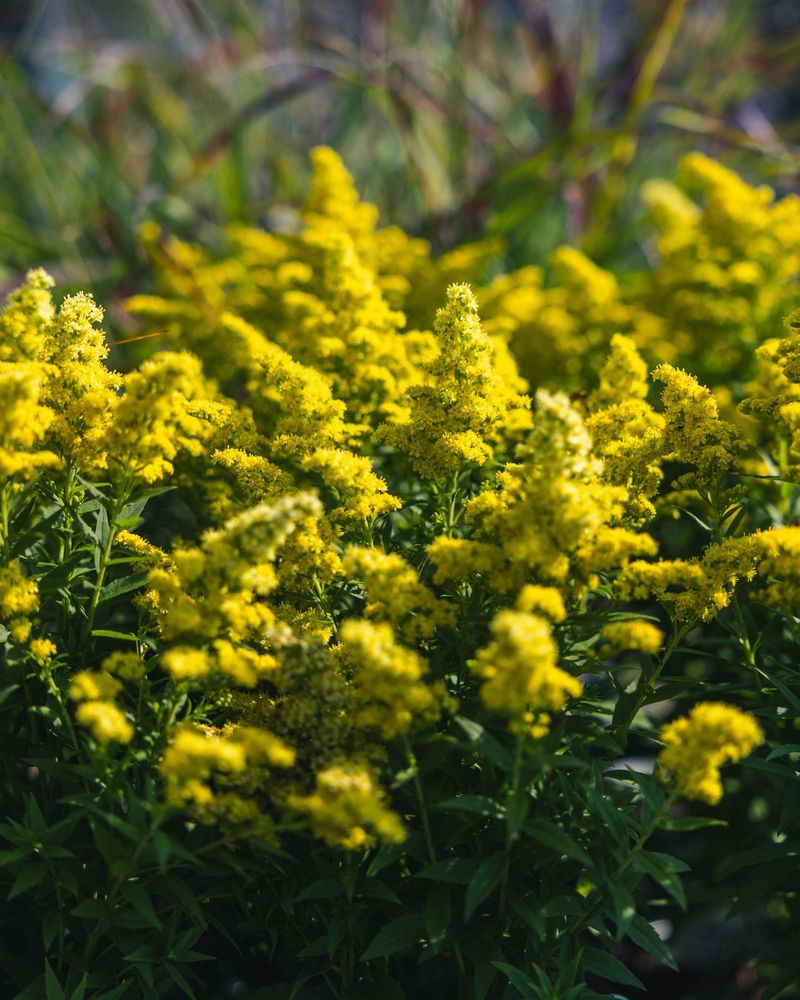
Perennial plants are the backbone of any low-maintenance garden, and goldenrod is one of the best perennials North Carolina has to offer.
Once it gets comfortable in your yard, it returns every spring with fresh new growth, spreads gradually to fill empty spaces, and delivers that brilliant yellow fall show year after year without you needing to replant anything.
Over time, goldenrod forms larger, fuller clumps that become even more impactful in the landscape. You can divide those clumps every few years to share plants with neighbors or spread them to other areas of your property.
In North Carolina, goldenrod naturalizes beautifully in garden borders, meadow plantings, and even along the edges of wooded areas where other perennials might struggle to establish.
There is something deeply satisfying about a plant that rewards your initial effort with years of reliable performance. Goldenrod does not need to be coaxed back each season or replaced after a tough winter.
It simply returns, grows strong, and does its job for pollinators, wildlife, and your garden’s overall health without demanding much in return.
For North Carolina gardeners who want lasting color, ecological value, and genuine ease of care, goldenrod is one of the most rewarding long-term investments you can make in your outdoor space.