The Smart Irrigation System That Reduces Water Waste In Arizona Heat
Water use becomes a major concern in Arizona once heat builds, and not every system handles that pressure well. Some setups apply more water than plants need, while others miss key areas and leave soil uneven.
That imbalance often leads to waste on one side and stress on the other, even when schedules seem consistent.
The way water gets delivered matters just as much as how often it runs. A more precise approach can help keep moisture where it belongs without excess runoff or dry spots.
When the system adjusts to real conditions instead of fixed routines, the difference starts to show in both plant health and water use.
This is where the right setup can make a noticeable impact during the toughest part of the season.
1. Smart Irrigation Systems Use Sensors To Guide Watering
Sensors buried in the soil are doing work most people never think about. In Arizona, where the ground can go from damp to bone dry within hours on a summer afternoon, knowing exactly how much moisture is down near the roots makes a real difference.
Soil moisture sensors send live data to your irrigation controller, telling it when watering is actually needed versus when the soil still has enough hydration left from the last cycle.
Without that feedback, most traditional timers just run on a fixed schedule regardless of actual conditions. You could be watering after a monsoon storm rolled through and dropped half an inch of rain the night before.
Sensors prevent that kind of waste by keeping the system informed about what is actually happening underground.
Flow sensors add another layer of protection. If a line breaks or a sprinkler head gets knocked loose, the system can detect the unusual water usage and shut things down automatically.
In a state like Arizona where water rates are climbing every year, catching a leak fast saves both water and money.
Evapotranspiration sensors take things even further by measuring how much water the landscape is losing to heat and wind. Companies like Eco Verde Irrigation in Arizona use this data to calculate precise run times that match actual plant needs.
Getting that level of accuracy means your yard gets what it needs without a drop going to waste, which is exactly what efficient desert landscaping requires.
2. Watering Adjusts Automatically During Hot And Dry Conditions
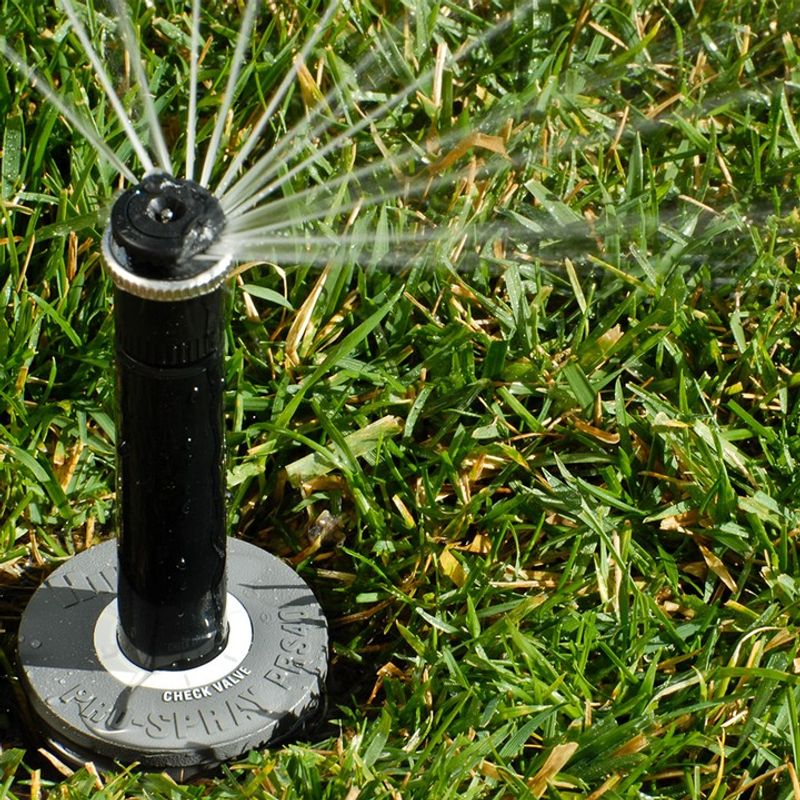
When temperatures spike above 105 degrees in Phoenix or Tucson, a regular irrigation timer has no idea anything changed. It runs the same schedule it ran in April, even though the evaporation rate in July is dramatically higher.
Automatic adjustment features built into modern smart systems respond directly to those temperature swings without you touching a single button.
Weather-based controllers pull real-time data from local weather stations or built-in sensors to recalculate how much water the landscape needs each day. If a stretch of dry, windy weather is forecasted, the system increases run times slightly.
If cooler temperatures are coming, it dials back. That kind of responsiveness is hard to replicate manually, especially during Arizona monsoon season when conditions can shift fast.
Your Arizona Garden Changes Every Week. Your Plan Should Too.
Gardening in Arizona changes quickly throughout the season. Every Friday you’ll receive a simple weekly plan showing exactly what to plant, prune, fertilize, harvest, and protect so you never miss the right timing.
Phoenix Water Solutions is one local company that has built its entire service model around this type of real-time weather adjustment.
Their systems are designed specifically for the desert Southwest, where the difference between a mild spring day and a brutal July afternoon can mean doubling the water demand of your landscape practically overnight.
Automatic adjustments also reduce the temptation to overwater, which is actually more common than people realize in Arizona. Roots sitting in waterlogged soil in extreme heat can develop problems just as quickly as roots left too dry.
Letting the system respond to actual weather data rather than guessing keeps plants in a healthier range without requiring constant manual oversight from the homeowner.
3. Built In Features Help Reduce Unnecessary Water Use
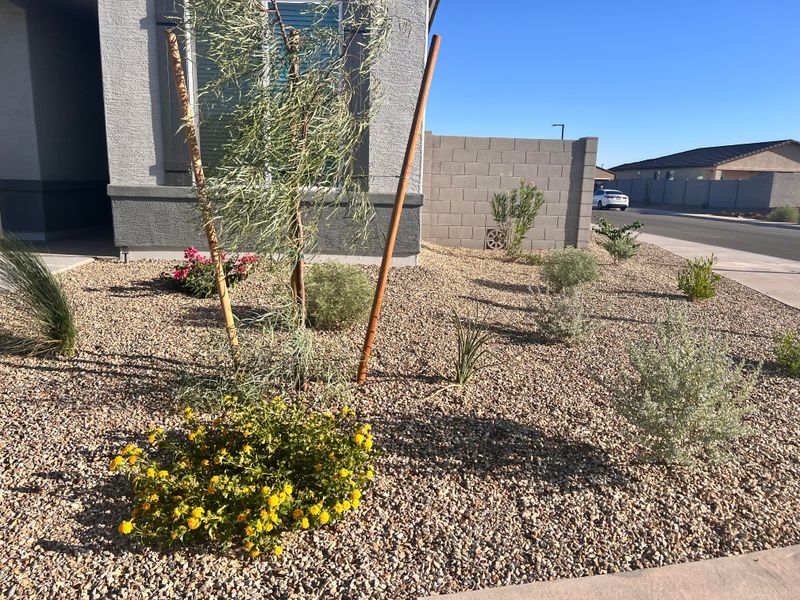
Rain shutoff sensors are one of the simplest built-in features, and they prevent an embarrassingly common problem: sprinklers running full blast while it is actively raining outside.
In Arizona, monsoon storms can drop significant rainfall in short bursts, and a system without a rain sensor will ignore all of that free water and run its schedule anyway.
A basic rain shutoff device clips onto the system and halts watering automatically when precipitation is detected. Cycle and soak programming is another feature that makes a noticeable difference in Arizona clay and caliche soils.
Instead of running water for ten straight minutes and watching it pool on the surface and run off, the system applies a short burst, pauses to let it absorb, then repeats.
That approach gets water down to the root zone more effectively and wastes far less in surface runoff.
Water budgeting tools inside many smart controllers let homeowners set a monthly usage cap and track how close they are getting to it.
For people in municipalities like Gilbert or Scottsdale that offer rebates for smart controller installation, these tools also help document water savings for rebate applications.
The Town of Gilbert estimated that properly programmed smart controllers can save roughly 24,855 gallons per year per household, which adds up fast across a whole neighborhood.
Multiple zone programming means different parts of your yard get treated differently.
A shaded north-facing bed needs far less water than a sun-blasted south-facing slope, and smart systems let you set those zones independently without complicated manual overrides every season.
4. Controllers Change Schedules Based On Weather Shifts
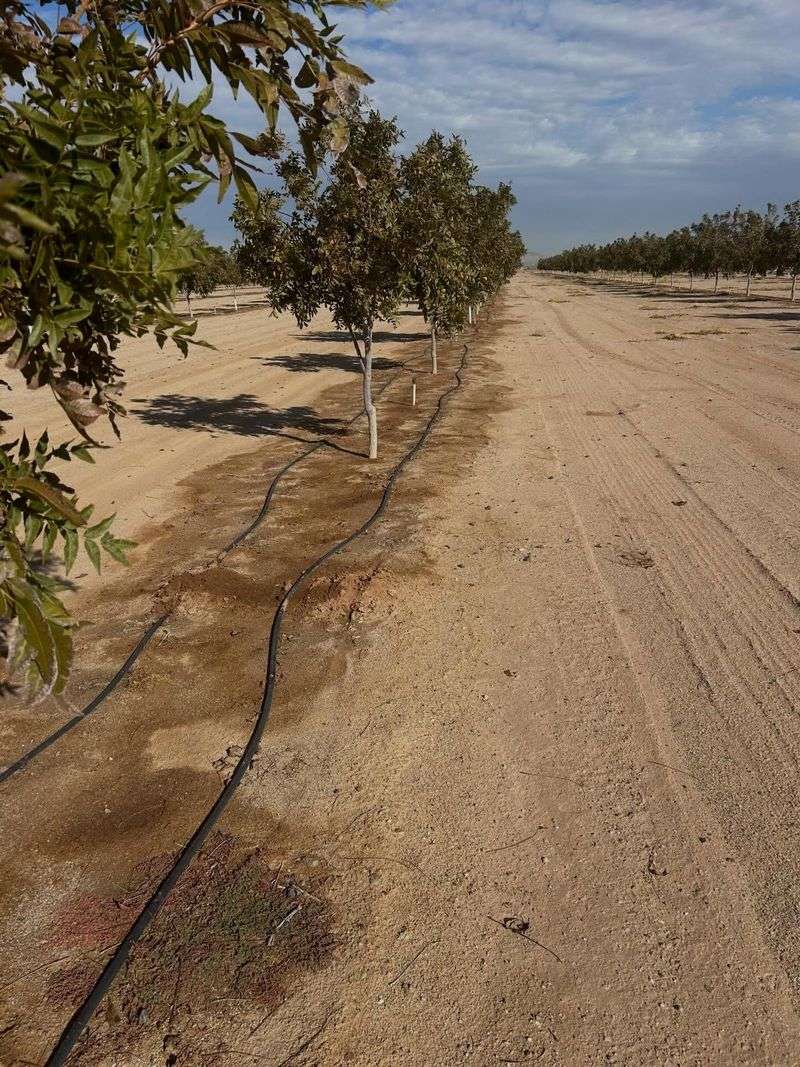
Arizona weather does not follow a neat, predictable pattern from week to week.
A mild stretch in late September can flip into triple-digit heat with almost no warning, and the monsoon season between July and September brings its own unpredictable mix of intense rain and dry spells.
A controller that cannot respond to those shifts is going to waste water during wet periods and underwater during the hottest stretches.
EPA WaterSense-labeled controllers are specifically designed to handle this kind of variability. They use either local weather data or on-site sensors to recalculate watering schedules daily rather than sticking to a static program set months earlier.
In Arizona, where seasonal swings are significant, that daily recalculation matters more than in milder climates.
Some controllers connect directly to weather station networks and update their programming every 24 hours based on what conditions actually looked like that day.
Backyard Zanjero, an Arizona company focused on flood irrigation automation, incorporates remote scheduling tools that let homeowners adjust timing from their phones when unexpected weather rolls in.
That kind of flexibility is especially useful during monsoon season when a storm can change the whole week’s irrigation needs in one afternoon.
Scheduling flexibility also extends to time of day. In Arizona heat, watering during the middle of the day leads to high evaporation losses before water even reaches the root zone.
Smart controllers can be set to run in the early morning hours when temperatures are lower and wind is calmer, stretching every gallon further and reducing waste across the entire system.
5. Water Reaches Roots More Efficiently With Targeted Delivery
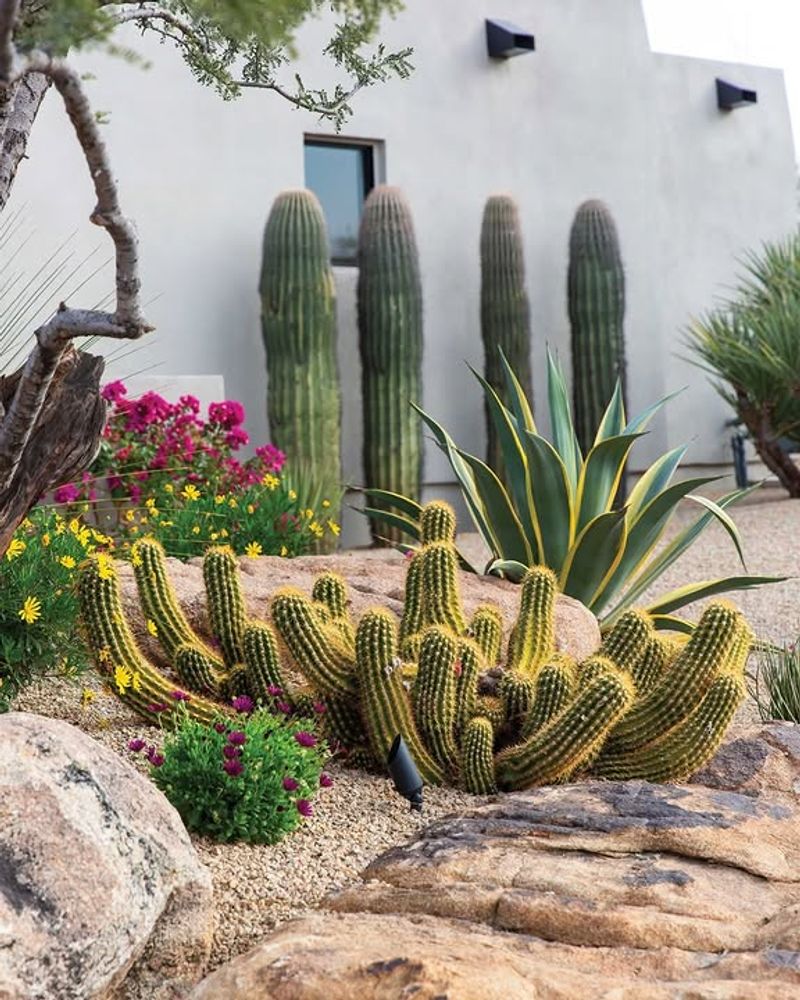
Spraying water into the air in Arizona heat is one of the fastest ways to lose it before it ever reaches a plant.
Wind drift and evaporation can claim a surprising percentage of water thrown by traditional spray heads, especially on hot afternoons when the air itself is pulling moisture upward aggressively.
Targeted delivery systems solve this by putting water exactly where it needs to go.
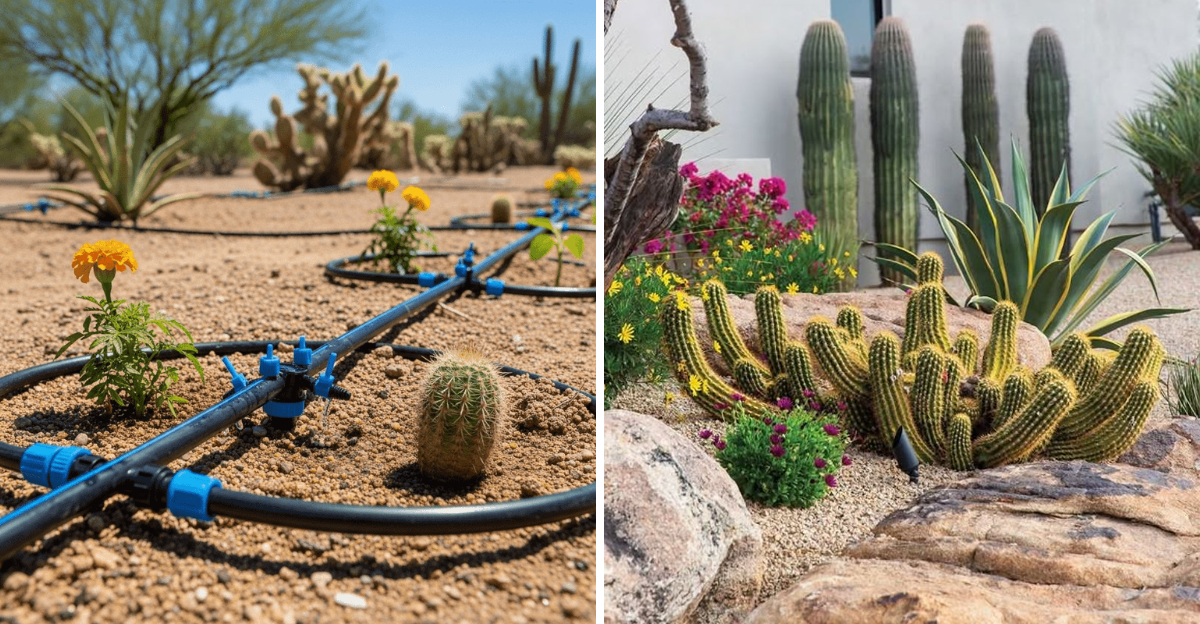
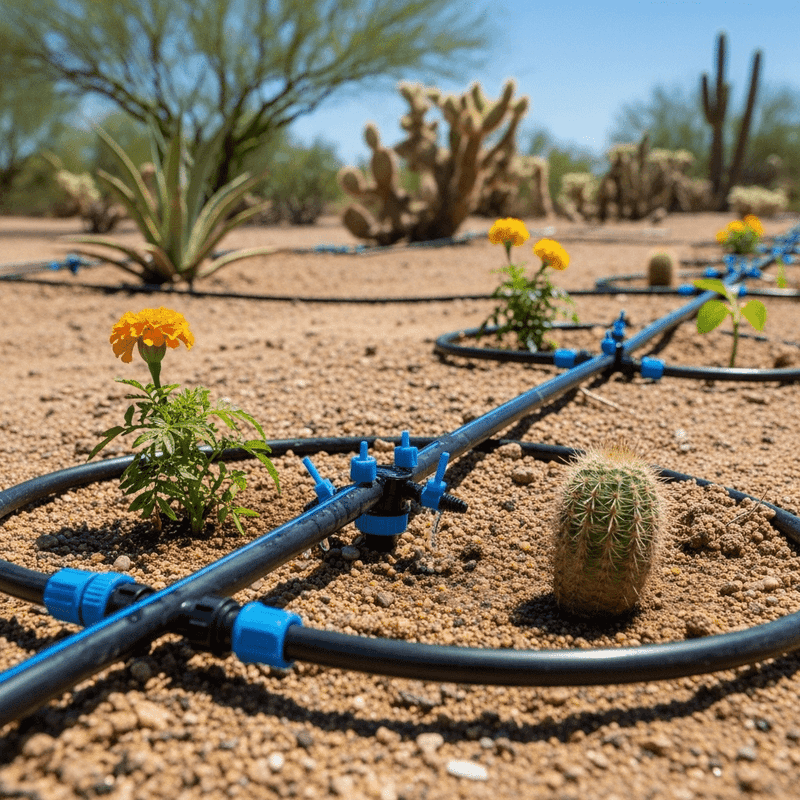
Drip irrigation is the most common targeted approach in Arizona residential landscapes. Emitters placed at the base of each plant release water slowly and directly into the soil around the root zone.
There is no broadcast spray, no overshoot onto hardscape, and no water landing on leaves in direct sun. The slow release rate also allows the soil to absorb water gradually rather than letting it pool and run off across the surface.
Subsurface drip systems take that efficiency even further by burying the lines below the soil surface. Evaporation from the soil surface drops significantly, and weeds between plants get far less encouragement to sprout because the surface stays dry.
In a desert climate like Arizona, keeping surface soil dry between plants is a small but meaningful way to reduce the overall water demand of a yard.
Micro-spray heads are a middle-ground option for groundcover plantings or areas where drip emitters are impractical.
They deliver a low, close-to-ground spray pattern that covers more area than a single drip emitter but still keeps water much lower and more targeted than a standard pop-up spray head.
For mixed Arizona landscapes, combining drip and micro-spray zones in one smart system gives each plant type exactly the delivery method it responds to best.
6. Regular Maintenance Keeps The System Running Smoothly
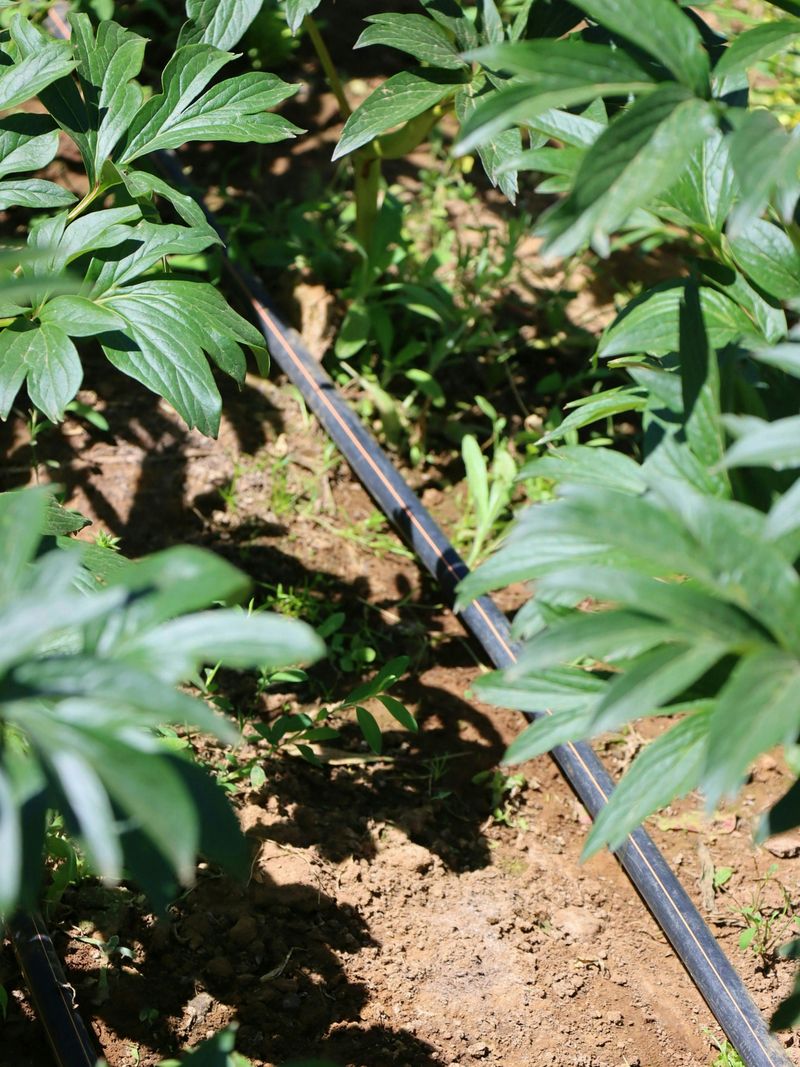
Even the smartest irrigation system will waste water if a clogged emitter goes unnoticed for a month. Maintenance is not glamorous, but skipping it in Arizona’s harsh conditions leads to dry patches, overworked zones, and unexpected water bills.
Dust, mineral deposits from hard water, and sun-degraded tubing are all regular challenges that come with desert irrigation systems.
Walking your irrigation zones at least once a month during the growing season is worth the 20 minutes it takes. Look for emitters that are not flowing, spray heads that are tilted or clogged, and any soft, wet spots in the soil that might indicate a slow underground leak.
Arizona’s hard water leaves calcium deposits inside emitter openings faster than in softer-water regions, so flushing lines and replacing clogged emitters is a more frequent task here than it would be elsewhere.
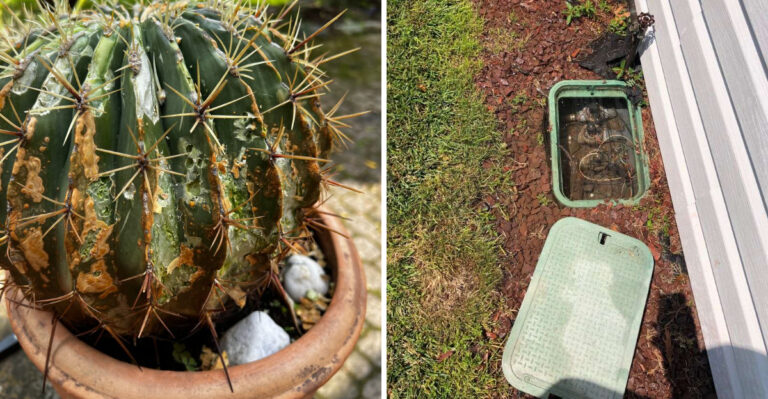
Filter maintenance is another part of the routine that gets overlooked. Most drip systems include a small inline filter near the valve box that catches sediment before it reaches the emitters.
In Arizona, where water often carries mineral content and fine particles, that filter can clog faster than expected. Checking and cleaning it a few times a season keeps the whole system flowing at the correct pressure.
UV exposure breaks down plastic components faster in Arizona than in most other states. Tubing left on the surface can become brittle and crack within a few seasons.
Burying lateral lines a few inches or using UV-resistant tubing adds years of reliable performance and prevents the kind of slow surface leaks that quietly drive up water bills without ever being obvious enough to notice right away.
7. Healthier Growth Happens With Less Water Waste
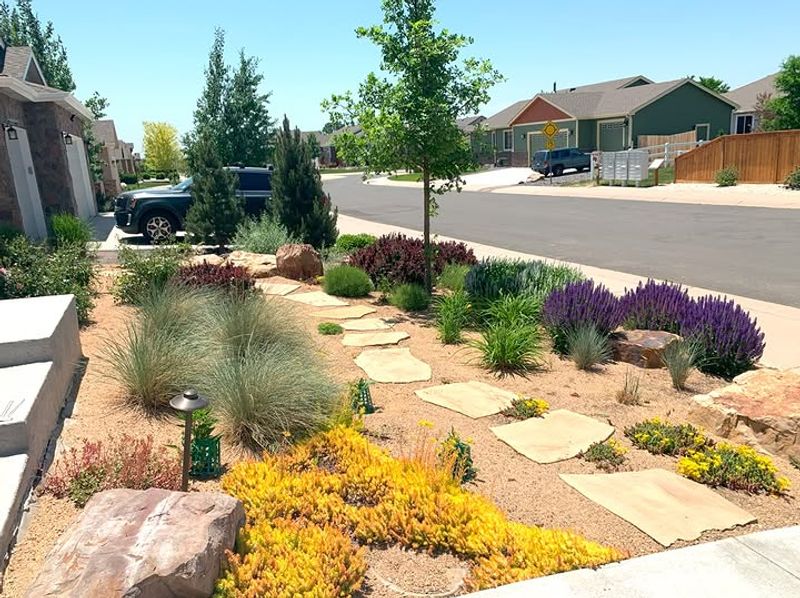
Overwatering is genuinely one of the most common problems in Arizona landscapes, and it does not look the way most people expect.
Plants getting too much water often show yellowing leaves, soft stems, or a general lack of vigor that homeowners sometimes mistake for heat stress.
Cutting back to the right amount of water, delivered consistently through a smart system, frequently produces better-looking plants than flooding the same area on a fixed timer schedule.
Desert-adapted plants like mesquite, palo verde, agave, and brittlebush are built to handle dry periods between waterings.
Giving them deep, infrequent irrigation encourages roots to push down further into the soil where temperatures are more stable and moisture lingers longer.
Frequent shallow watering keeps roots near the surface where heat stress is more intense during Arizona summers.
Native and drought-tolerant plants paired with a properly calibrated smart system can thrive on significantly less water than traditional turf or non-adapted plantings.
That is not a guarantee of zero problems, because soil type, sun exposure, and plant establishment stage all affect outcomes.
However, matching irrigation frequency to the actual needs of desert-adapted plants is one of the most reliable ways to reduce water use without sacrificing plant health.
Healthy soil biology also benefits from consistent but measured watering. Overwatered soil in Arizona heat can become compacted and oxygen-poor, reducing the activity of beneficial soil organisms that support root health.
A smart irrigation system that delivers the right amount at the right time helps maintain a soil environment where roots can actually function well, not just survive, through the long Arizona summer.