Are Black Eyed Susans Annual Biennial Or Perennial, Here’s The Truth For North Carolina Gardeners
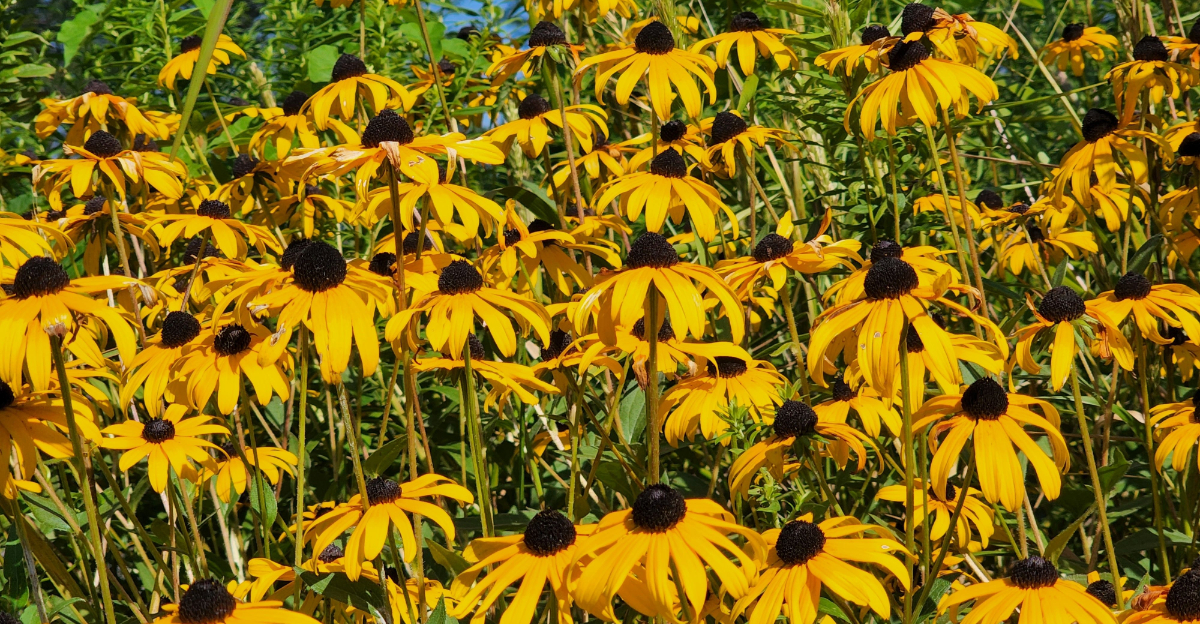
Black eyed Susans are one of those cheerful flowers that seem to pop up everywhere, brightening up gardens, roadsides, and wild spaces across North Carolina.
With their golden yellow petals and dark centers, they look like the kind of plant you can count on year after year.
But if you have ever planted them and wondered why they did or did not come back, you are not alone. The truth is, their life cycle is not always as simple as it seems.
Depending on the variety, black eyed Susans can behave as annuals, biennials, or short lived perennials. In North Carolina’s climate, many types will reseed easily, which can make them appear to return every season even if individual plants do not last long.
That can be confusing for gardeners who expect the same plant to come back in the same spot each year. Understanding how they actually grow and spread can help you plan your garden better and enjoy these classic blooms without the guesswork.
1. Most Common Type Is Technically A Short-Lived Perennial
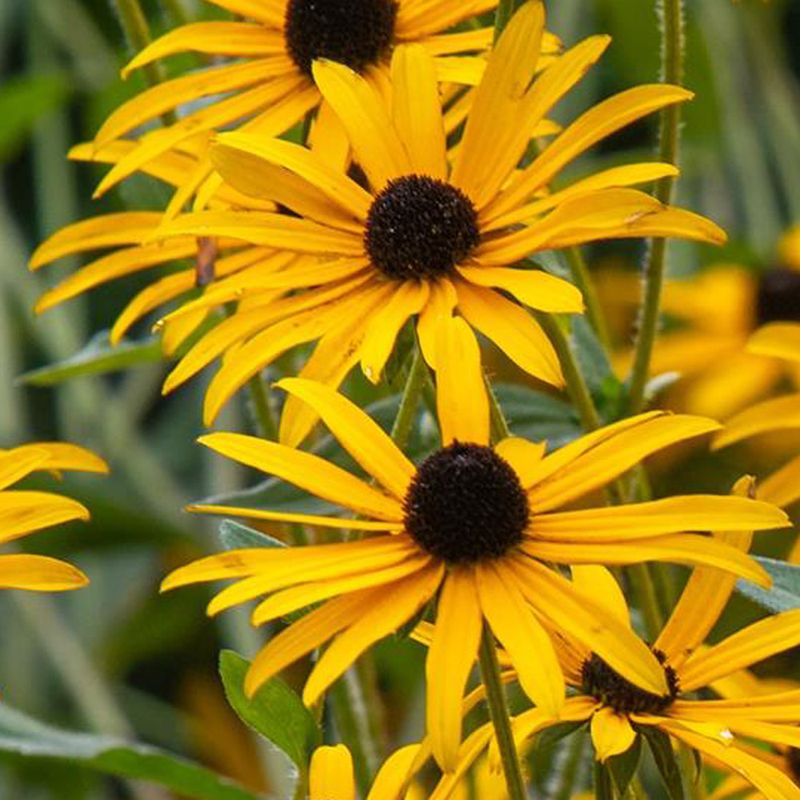
Surprise: the black-eyed Susan most people grow in North Carolina is not a true perennial in the classic sense. Rudbeckia hirta, the most widely planted species, is officially classified as a short-lived perennial.
That means it can survive more than one growing season, but it rarely sticks around for many years the way roses or coneflowers do.
In North Carolina, the combination of hot summers, high humidity, and heavy clay soils can really wear this plant down. Many gardeners notice their Rudbeckia hirta thriving in year one, looking a little tired in year two, and sometimes disappearing by year three.
That pattern is completely normal and does not mean you did anything wrong in the garden.
The good news is that knowing this upfront helps you plan smarter. North Carolina gardeners who treat Rudbeckia hirta as a short-lived plant are never caught off guard when it fades.
You can always replant fresh seedlings every couple of years to keep your beds looking full and vibrant.
Many experienced gardeners across the Piedmont and Coastal Plain regions actually prefer this approach because it gives them a chance to refresh their planting designs regularly. Short-lived does not mean disappointing at all.
2. Often Grown As An Annual In Many North Carolina Gardens
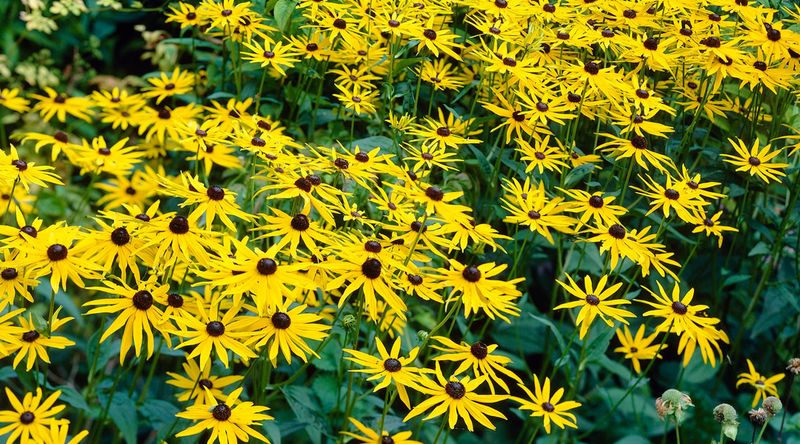
Walk through any garden center in North Carolina between April and June, and you will find black-eyed Susans sold right alongside classic annuals like zinnias and marigolds. That is not a mistake.
Many growers and home gardeners treat Rudbeckia hirta as a yearly plant, and honestly, it works out beautifully.
When grown from seed or transplant in spring, black-eyed Susans bloom heavily during their first season. They put on a spectacular show all summer and into fall, filling borders with warm golden color.
In North Carolina’s intense summer heat, especially in the Coastal Plain and lower Piedmont areas, the plant sometimes exhausts itself after that first big bloom cycle.
Treating them as annuals actually removes a lot of garden stress. You simply plant fresh each spring, enjoy the blooms all season, and then swap them out in autumn or early winter.
Your North Carolina Garden Changes Every Week. Your Plan Should Too.
Gardening in North Carolina changes quickly throughout the season. Every Friday you’ll receive a simple weekly plan showing exactly what to plant, prune, fertilize, harvest, and protect so you never miss the right timing.
This approach also lets you experiment with different varieties year after year without committing to a fixed design. Some North Carolina gardeners mix annual Rudbeckia hirta with longer-lasting perennial varieties to get the best of both worlds.
The result is a garden that looks consistently full and colorful from late spring all the way through the first cool nights of October. It is a practical, low-pressure strategy that works really well.
3. Can Behave Like A Biennial In Some Conditions
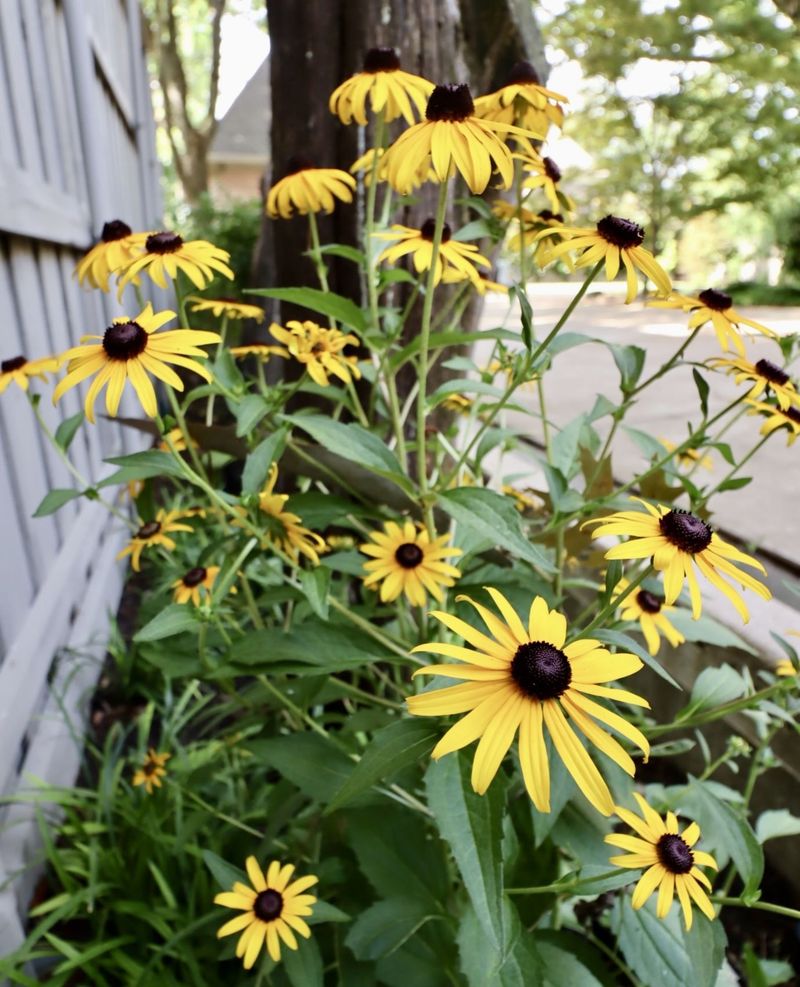
Here is something most gardeners never expect: black-eyed Susans can sometimes act like biennials.
That means in certain conditions, a plant will spend its entire first year just growing leaves and building a root system, then bloom the following year before finishing its cycle. It sounds unusual, but it actually happens more often than people realize.
Planting time and environmental conditions are the two biggest triggers for this biennial pattern. Seeds sown late in the season or transplants placed in cooler, shadier spots in North Carolina may skip flowering in year one.
Instead, they quietly develop strong roots and wait for the right conditions to bloom the next spring or summer.
In the cooler mountain regions of western North Carolina, this pattern is especially common. Lower temperatures and shorter growing seasons can slow the plant’s progress significantly.
Gardeners in Asheville or Boone sometimes notice small leafy rosettes in autumn that seem to do nothing, only to burst into full bloom the following summer. Understanding this cycle prevents a lot of unnecessary frustration.
Rather than pulling up what looks like a non-blooming plant, give it time and space. Patience in the garden almost always pays off, and a second-year Rudbeckia hirta bloom is absolutely worth the wait when it finally arrives.
4. Reseeding Makes It Seem Like A True Perennial
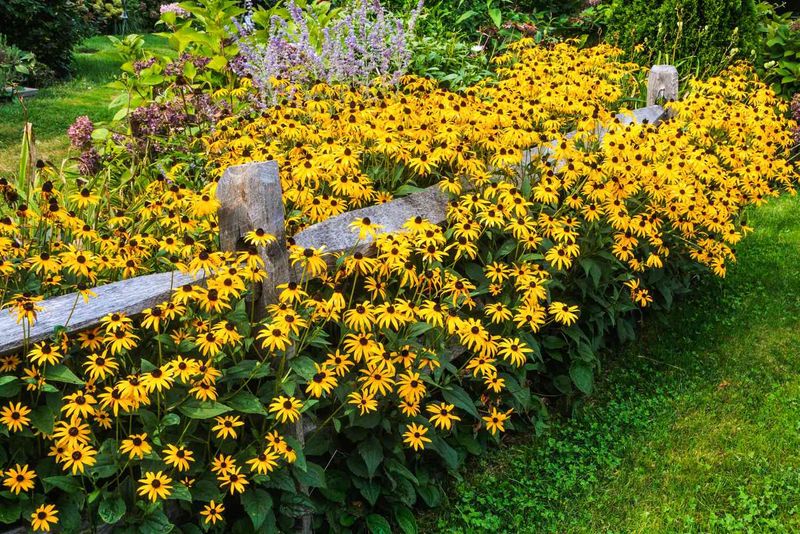
One of the most magical things about black-eyed Susans is how effortlessly they reseed themselves. When you let the flowers go to seed at the end of the season, hundreds of tiny seeds drop to the ground and germinate the following spring.
To most people, it looks exactly like the original plant came back to life. This reseeding behavior is incredibly reliable in North Carolina, especially in open, sunny garden beds with loose or well-draining soil.
The seeds need light to germinate, so they actually do better when left on the soil surface rather than buried deep.
Nature handles most of the work on its own, which makes this one of the easiest plants to maintain in any Carolina garden.
The result is a self-sustaining patch of black-eyed Susans that returns year after year without much effort from the gardener at all. Over time, a single plant can spread into a wide, cheerful colony of blooms.
Gardeners across the Piedmont and Coastal Plain of North Carolina often report that their original planting has expanded beautifully over several seasons. The trick is simply to resist the urge to deadhead every single flower.
Leave some seed heads standing through winter, let the birds enjoy them, and then watch new plants pop up come spring. It feels like a gift from the garden every year.
5. True Perennial Types Also Exist And Thrive In North Carolina
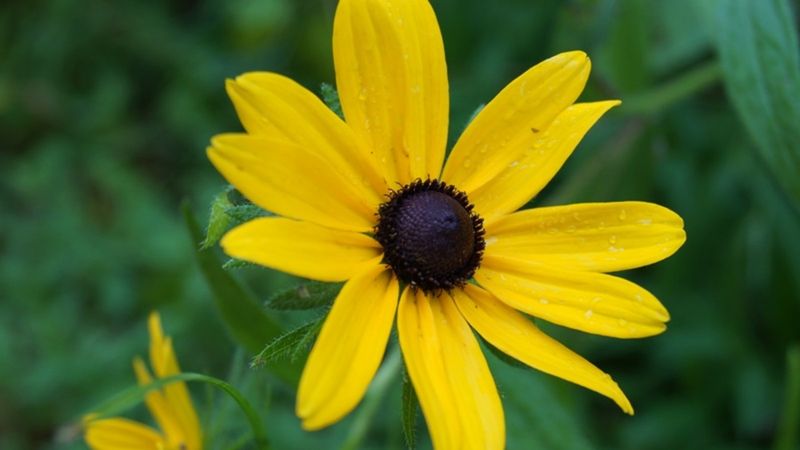
Not all black-eyed Susans are short-lived. Rudbeckia fulgida, sometimes called the orange coneflower, is a genuine perennial that returns reliably from the same root system year after year.
For North Carolina gardeners who want a low-maintenance, long-lasting option, this species is a total game changer.
Rudbeckia fulgida handles North Carolina’s heat and humidity far better than Rudbeckia hirta. It forms sturdy clumps that expand gradually over time, and it blooms from midsummer well into fall.
One of the most popular cultivars, Rudbeckia fulgida var. sullivantii ‘Goldsturm’, has become a staple in residential landscapes and public gardens across the state for good reason.
The flowers look nearly identical to the common black-eyed Susan, so most visitors to your garden will never know the difference.
But you will notice it when the plant comes back even stronger in year two and year three, filling your borders with rich golden color without any replanting effort.
Gardeners in Raleigh, Charlotte, and Wilmington have been relying on Rudbeckia fulgida for decades.
If you want something that truly earns the perennial label and delivers consistent beauty season after season in North Carolina conditions, this is the species to choose. It rewards minimal effort with maximum visual impact every single summer.
6. Heat And Humidity Affect How Long Your Plants Last
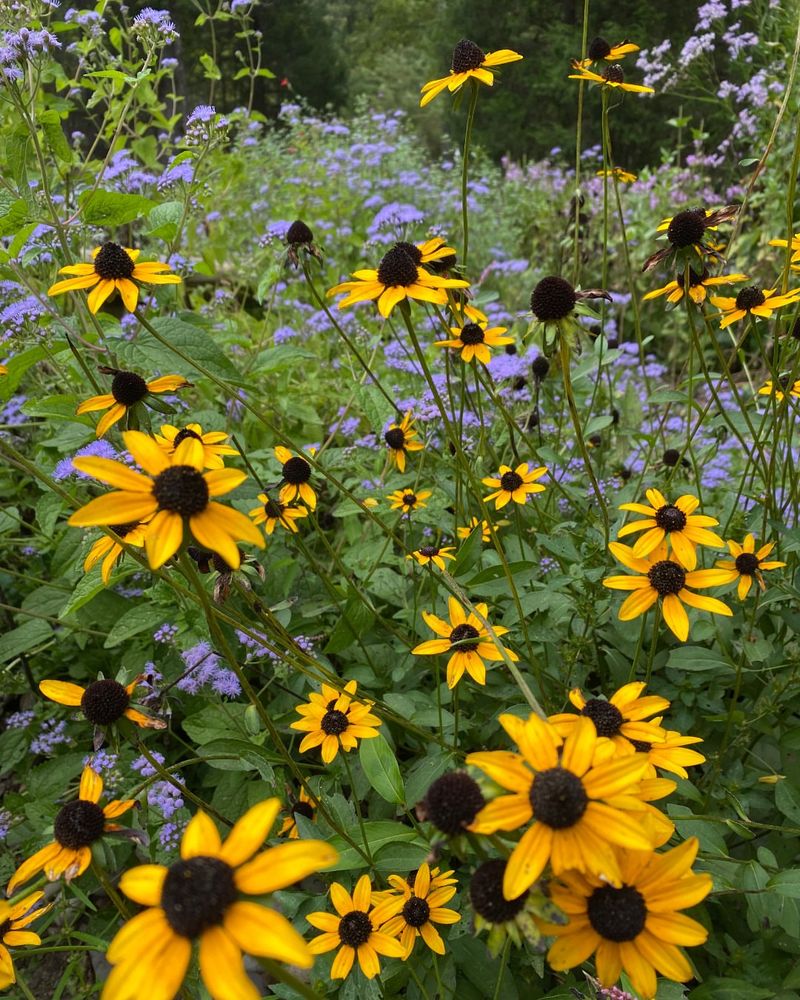
North Carolina summers are no joke. Between the blazing afternoon sun, high humidity levels, and stretches of temperatures above 90 degrees, the growing season here can be genuinely tough on plants that prefer cooler conditions.
For Rudbeckia hirta especially, this kind of heat can shorten an already brief lifespan even further.
The Coastal Plain and lower Piedmont regions of North Carolina tend to be the most challenging environments for short-lived black-eyed Susans.
Soil temperatures stay high for months, and nighttime humidity creates conditions that stress shallow-rooted plants over time.
Gardeners in cities like Fayetteville, Greenville, and New Bern often notice their plants looking worn out by late August.
A few smart strategies can help extend the life of your plants in these warmer areas. Mulching around the base of each plant keeps soil temperatures lower and retains moisture during dry spells.
Planting in spots that receive afternoon shade instead of full blazing sun can also reduce heat stress considerably. Choosing heat-tolerant varieties and watering deeply but infrequently encourages strong root development.
The goal is to help your black-eyed Susans build enough resilience to push through the toughest summer weeks.
With a little extra attention during July and August, many North Carolina gardeners successfully extend the bloom season well into fall, getting far more beauty from each plant than they expected.
7. Soil Drainage Plays A Bigger Role Than Most Gardeners Realize
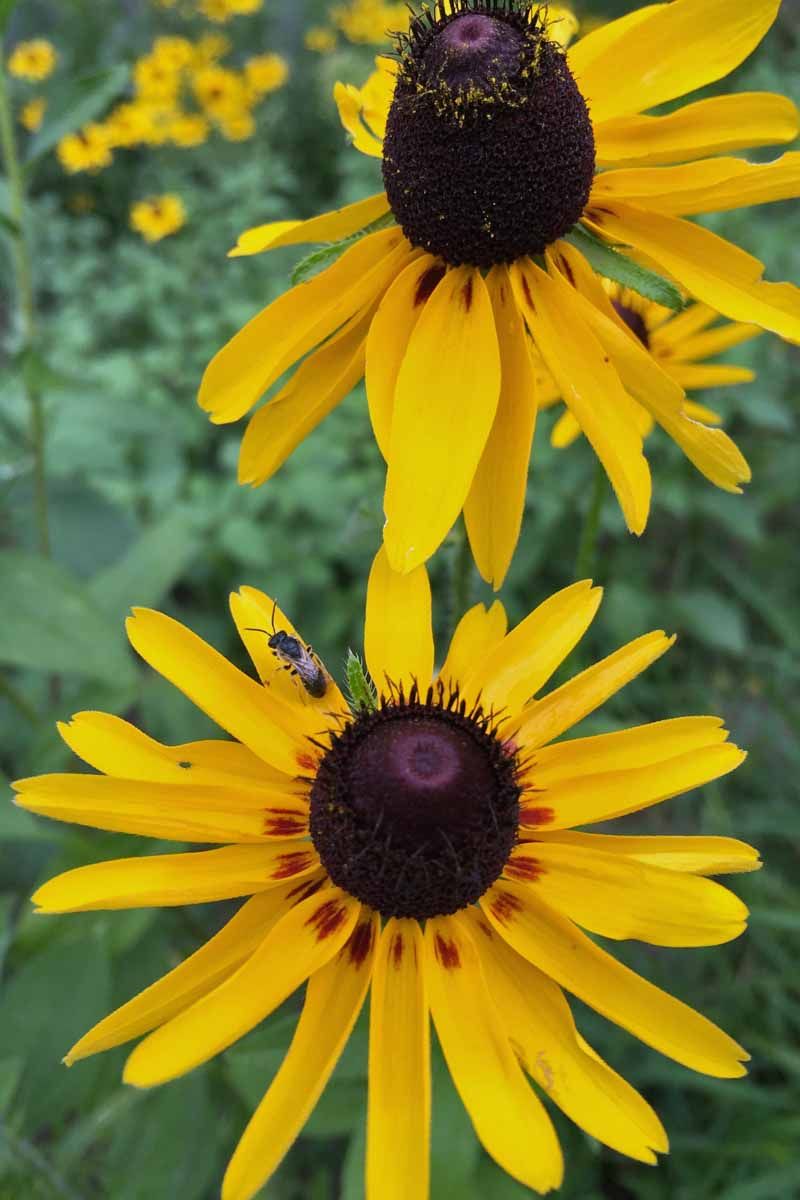
Ask any experienced North Carolina gardener what single factor makes the biggest difference in plant survival, and soil drainage will almost always come up.
Black-eyed Susans are relatively tough plants, but they have one major weakness: sitting in wet, poorly drained soil for too long. That kind of environment encourages root rot and dramatically shortens the plant’s life.
Much of central and eastern North Carolina is covered in heavy clay soil that drains slowly after rain. While clay holds nutrients well, it also holds water, which creates soggy conditions that black-eyed Susans simply cannot handle over time.
If you have ever planted a beautiful patch only to watch it fade faster than expected, poor drainage might have been the real reason.
Improving your soil before planting makes a noticeable difference. Work several inches of compost or aged organic matter into your garden bed to loosen clay and improve water movement through the soil profile.
Raised beds are another excellent option for North Carolina gardeners dealing with persistent drainage problems. Even a few inches of elevation can completely transform the growing environment for your plants.
Sandy soils found along the Coastal Plain actually drain too quickly, so those gardeners need to add organic matter for the opposite reason, to retain some moisture.
Getting the drainage balance right is the foundation of growing healthy, long-lasting black-eyed Susans in any part of North Carolina.
8. The Best Strategy Is To Let Them Reseed Naturally Each Year
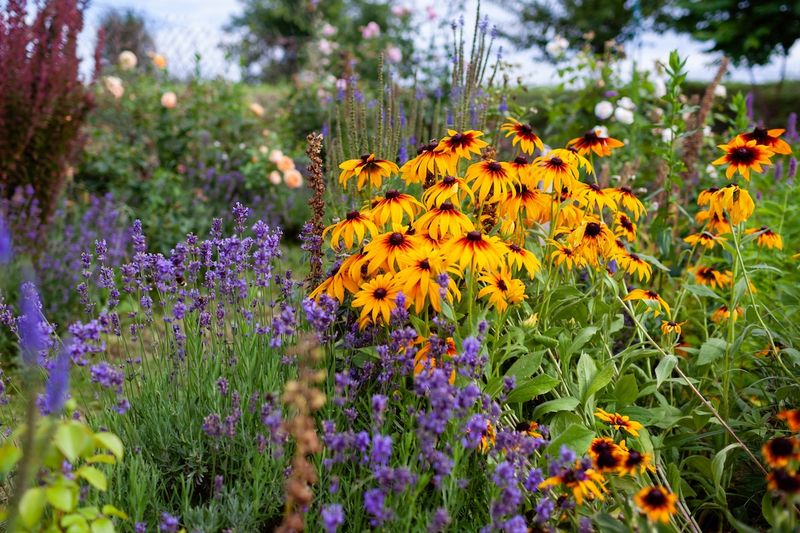
After learning everything about the annual, biennial, and short-lived perennial nature of black-eyed Susans, the most practical takeaway is surprisingly simple: just let them reseed.
Nature already has a plan for keeping these flowers coming back, and your best move as a North Carolina gardener is to work with that plan rather than against it.
At the end of each blooming season, resist cutting everything back to the ground right away. Leave a good number of seed heads standing through autumn and into early winter.
Birds like goldfinches will visit regularly to feed on the seeds, and any seeds that remain will drop naturally into the soil below. By late winter or early spring, you will start to see tiny new seedlings emerging right where last year’s plants stood.
Over time, this approach creates a self-renewing garden bed that requires almost no replanting effort on your part. North Carolina’s warm springs and long growing seasons make it an ideal environment for this kind of natural reseeding cycle to work smoothly.
Whether you garden in the mountains near Asheville, the Piedmont around Greensboro, or the Coastal Plain near Wilmington, this strategy works reliably across the entire state.
You get a continuous, evolving display of cheerful golden blooms every single year without starting from scratch. Gardening really does not get much more satisfying than that.