7 Native Pennsylvania Plants To Use Instead Of Mulch That Look Better
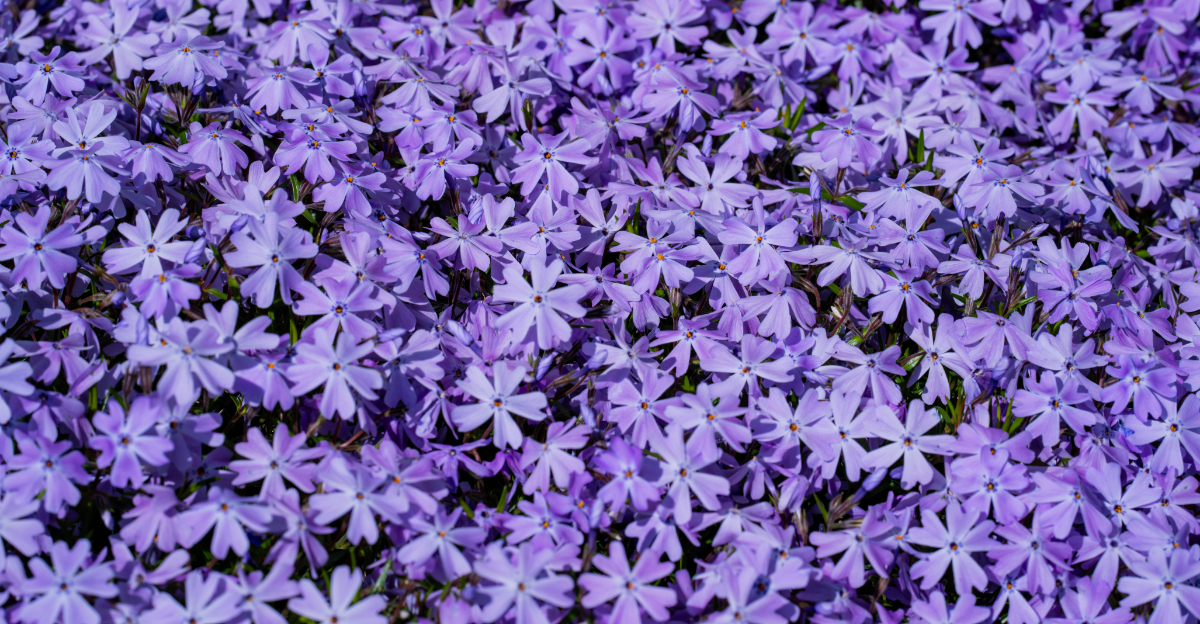
Mulch gets the job done, but let’s be honest, it is not exactly exciting. You spread it, smooth it out, and for a little while everything looks tidy, but it rarely adds much personality to a yard.
That is one reason more gardeners are warming up to the idea of using living plants as ground cover instead. In Pennsylvania, native options can do more than fill bare space.
They can soften edges, support pollinators, help cover the soil, and make the whole landscape feel more alive and layered. It is a practical move, but it also looks a whole lot better than a flat sea of brown bark.
For anyone tired of refreshing mulch and wishing those areas had more charm, this approach makes a lot of sense. Some native plants are especially good at stepping into that role, and they can change the feel of a yard fast.
1. Pennsylvania Sedge Soft Texture That Spreads Naturally
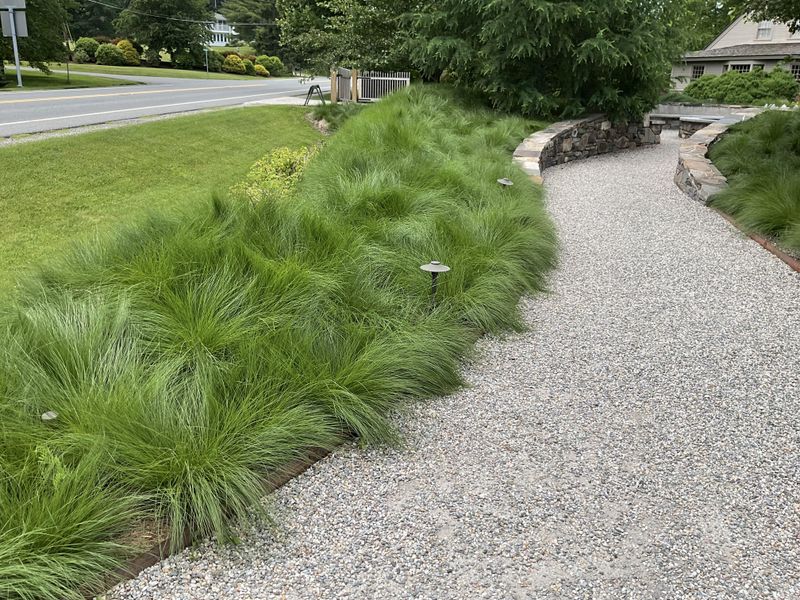
Not every great plant gets the attention it deserves, and Pennsylvania Sedge is a perfect example of a quiet overachiever. This native grass-like plant forms a thick, low-growing mat of fine green blades that stays evergreen through most of Pennsylvania’s winters.
It spreads gradually by underground roots, slowly filling in bare spots without becoming aggressive or invasive.
One of the best things about Pennsylvania Sedge is how well it handles shade. Under big oak trees or along the north side of a house where grass refuses to grow, this plant thrives without complaint.
It stays naturally short, usually reaching only six to ten inches tall, so you rarely need to mow it. That alone makes it a huge time-saver compared to traditional lawn grass.
Pennsylvania Sedge is also incredibly helpful for soil health. Its dense root system holds soil in place on slopes and hillsides, reducing erosion after heavy rain.
It helps the ground retain moisture, meaning you water less often during dry summer stretches. Compared to a layer of wood mulch that breaks down and needs replacing every year, this plant keeps working season after season.
Wildlife benefits too. Small insects and native bees find shelter among the blades, and birds sometimes use the plant for nesting material.
For Pennsylvania gardeners who want a low-maintenance, eco-friendly alternative to mulch, this sedge checks every box. Plant it once, give it a season or two to settle in, and you will have a living groundcover that looks far more natural and polished than any bag of wood chips ever could.
It pairs beautifully with native ferns and woodland wildflowers for a layered, forest-floor look.
2. Barren Strawberry Low Growth With Bright Spring Blooms
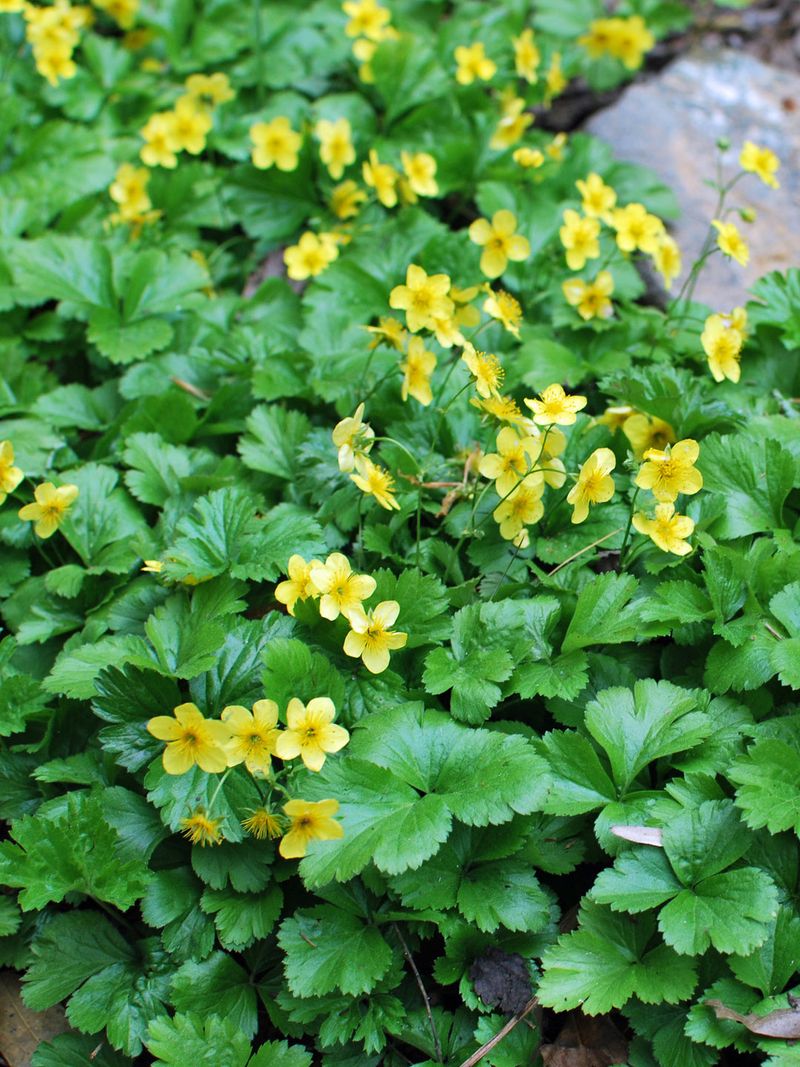
It might sound like a disappointment, but gardeners across Pennsylvania who have tried barren strawberry know better. The name just means it does not produce edible fruit, but what it does produce is a gorgeous, dense mat of glossy green leaves that look remarkably similar to wild strawberry plants.
In spring, cheerful little yellow flowers pop up across the whole planting, giving your garden a burst of color right when you need it most after a long winter.
Your Pennsylvania Garden Changes Every Week. Your Plan Should Too.
Gardening in Pennsylvania changes quickly throughout the season. Every Friday you’ll receive a simple weekly plan showing exactly what to plant, prune, fertilize, harvest, and protect so you never miss the right timing.
One of the standout qualities of this plant is its toughness. Barren Strawberry handles dry soil, rocky ground, and partial shade without skipping a beat.
In Pennsylvania, where soils can vary wildly from region to region, that kind of flexibility is genuinely valuable. Whether you are gardening in the Lehigh Valley or up near the Pocono Mountains, this plant adapts and performs.
As a groundcover, Barren Strawberry spreads steadily through runners, slowly knitting together to form a weed-suppressing carpet. Once established, it shades the soil surface so effectively that most weeds simply cannot get enough light to sprout.
That means far less weeding for you and no need to haul in fresh mulch each spring.
The evergreen foliage also adds visual interest through fall and into winter, turning a warm bronze color when temperatures drop. That seasonal color shift gives your garden a dynamic, layered look that plain mulch can never offer.
Birds and small mammals sometimes nibble on the plant, and native pollinators visit the flowers in spring. For a tough, beautiful, and truly low-maintenance alternative to mulch in Pennsylvania landscapes, Barren Strawberry earns its spot at the top of any planting list.
3. Allegheny Pachysandra Glossy Green Coverage Year-Round
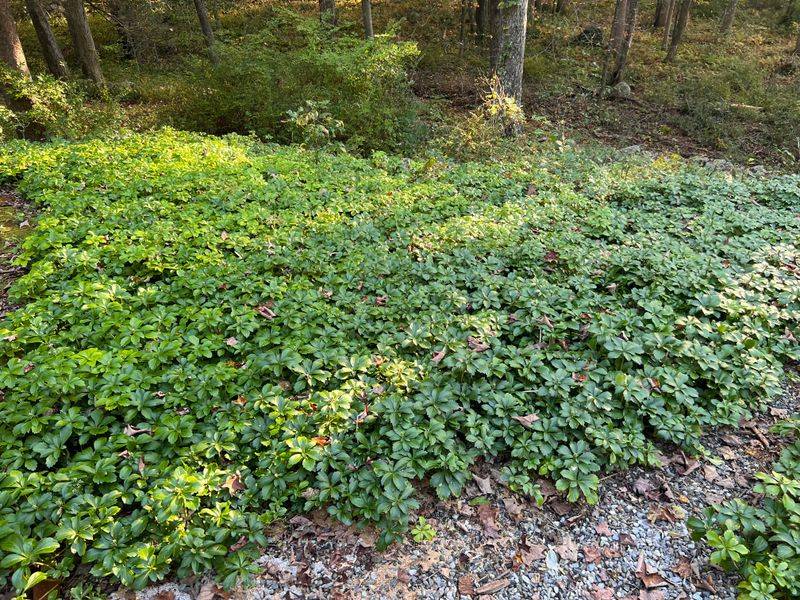
Most people have heard of Japanese Pachysandra, the common groundcover found in front yards all across Pennsylvania neighborhoods. Far fewer know about its native cousin, Allegheny Pachysandra, and that is a real shame because the native version is arguably more beautiful and far better for local wildlife.
The leaves are mottled with silver and green, giving them an almost artistic, hand-painted look that the plain Japanese variety simply cannot match.
Allegheny Pachysandra grows naturally in the forests of the Appalachian Mountains, which means Pennsylvania’s climate feels like home to it. It thrives in deep shade where most other plants give up, making it an ideal solution for those tricky spots under dense tree canopies or along the shaded north side of a building.
Once established, it spreads slowly and steadily, forming a reliable weed-blocking mat that keeps the soil cool and moist underneath.
In early spring, small white to pinkish flowers appear just above the foliage. They are subtle but sweet-smelling, and native bees appreciate the early nectar source.
The flowers are followed by white berry-like fruits that birds may visit later in the season. Compared to Japanese Pachysandra, the native version supports a much wider range of Pennsylvania wildlife because local insects have evolved alongside it over thousands of years.
Gardeners who make the switch from wood mulch to Allegheny Pachysandra often say they wish they had done it sooner. The plant looks lush and intentional, not like a temporary fix.
It requires almost no maintenance once it gets going, no annual top-ups, no reapplication, and no worrying about mulch washing away in a rainstorm. For shade gardens across Pennsylvania, this native gem is hard to beat.
4. Wild Ginger Lush Leaves That Fill Shady Spots
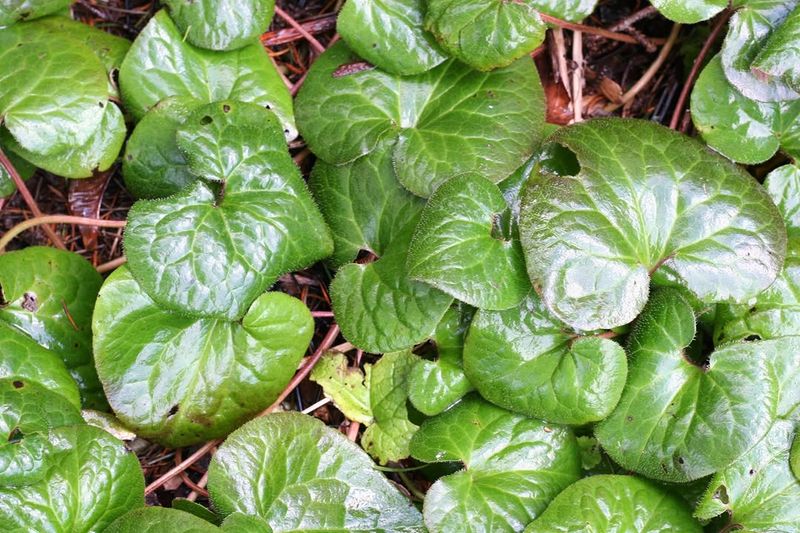
Walk through any old-growth forest in Pennsylvania and you might spot Wild Ginger carpeting the ground in broad, heart-shaped leaves. This plant has been part of Pennsylvania’s woodland ecosystem for centuries, and it brings that same rich, natural beauty into home gardens.
The leaves are soft and velvety to the touch, deep green, and large enough to overlap each other and completely shade the soil beneath them.
Wild Ginger is a champion weed suppressor. Because the leaves grow so densely and block sunlight so effectively, most weed seeds simply cannot germinate underneath.
Gardeners who plant it along shaded pathways or beneath large trees often find that their weeding time drops dramatically after just one or two growing seasons. That is the kind of payoff that makes a plant worth every bit of effort during the initial planting phase.
The plant spreads slowly through underground rhizomes, which means it fills in gradually rather than taking over the whole garden at once. That slow spread also makes it easy to control if you ever want to keep it within a certain area.
In Pennsylvania’s humid summers and cold winters, Wild Ginger remains reliably hardy, bouncing back each spring with fresh, bright new leaves.
One fun detail: Wild Ginger does have a faint ginger-like scent when the leaves or roots are crushed, which is how it earned its common name. However, it is not related to the culinary ginger you find in grocery stores and should not be eaten.
For pollinators, the small reddish-brown flowers that hide close to the ground in early spring are visited by early-emerging insects looking for food. As a mulch replacement in Pennsylvania shade gardens, Wild Ginger is both practical and genuinely stunning.
5. Creeping Phlox A Carpet Of Color In Spring
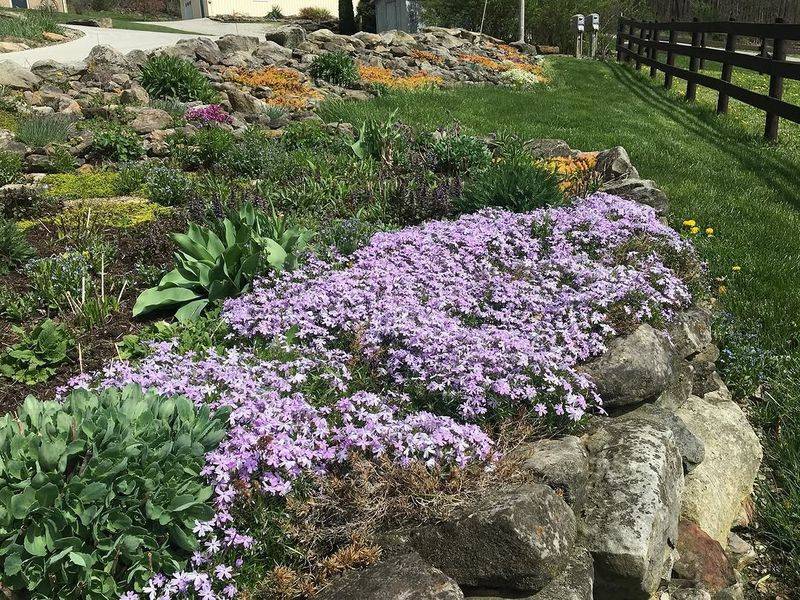
Every spring, something magical happens in Pennsylvania gardens where Creeping Phlox has been planted. The entire plant disappears under a thick blanket of tiny flowers in shades of pink, purple, white, or lavender, creating a color display so vivid it almost looks unreal.
Creeping Phlox is one of those plants that stops people in their tracks and makes neighbors ask what on earth you planted and where they can get some.
Beyond the dazzling spring show, Creeping Phlox is a workhorse groundcover. It forms a dense, low-growing mat of needle-like evergreen foliage that hugs the ground tightly and suppresses weeds effectively.
On slopes and hillsides, it holds soil in place even better than mulch, which tends to slide or wash away during Pennsylvania’s spring rainstorms. Plant it at the top of a retaining wall and let it cascade over the edge for a look that feels straight out of a professional landscape design.
After the flowers fade, the foliage stays green and tidy through the summer, fall, and even into winter in many parts of Pennsylvania. It requires almost no attention once established, just a light trim after flowering to keep it looking neat and encourage dense growth.
It handles full sun and even moderately dry conditions with ease, making it a great choice for sunny slopes or rock gardens.
Native bees and butterflies absolutely love the spring flowers, arriving in numbers when Creeping Phlox is in full bloom. That pollinator activity adds another layer of life and movement to your yard that a bed of wood mulch could never provide.
For Pennsylvania gardeners who want maximum visual impact with minimum effort, Creeping Phlox delivers in a way few other plants can match.
6. Golden Ragwort Tough Growth With Early Yellow Blooms
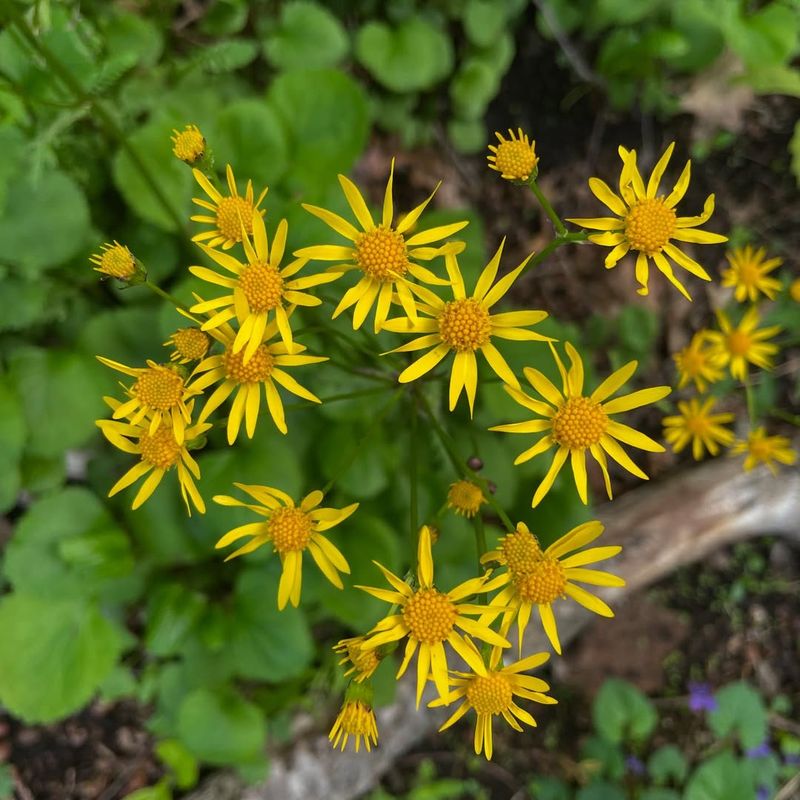
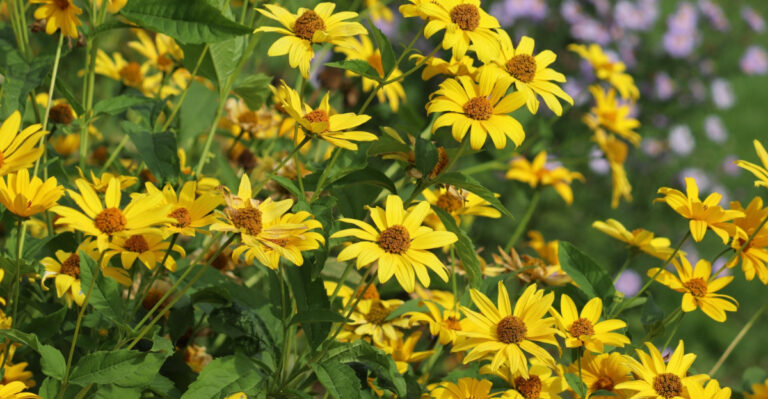
It might have an unusual name, but once you see it in bloom, you will forget all about it and just enjoy the show. In mid to late spring, this native Pennsylvania plant sends up clusters of bright yellow, daisy-like flowers on stems that rise above the low-growing foliage.
The effect is cheerful and wild-looking in the best possible way, like a meadow sprung up right in your own backyard.
What makes Golden Ragwort especially valuable as a mulch replacement is its ability to form a thick, weed-smothering mat of basal leaves that stays green almost year-round. The leaves are rounded and glossy at the base, with a deep, rich green color that looks attractive even when the plant is not in flower.
In Pennsylvania’s shadier spots, along stream edges or under deciduous trees, Golden Ragwort spreads steadily to cover large areas over time.
It handles a wide range of soil types, including the wet, clay-heavy soils found in many Pennsylvania lowlands. That adaptability makes it useful in spots where other groundcovers might struggle.
It also tolerates periodic flooding, which means it is a smart pick for rain gardens or low-lying areas that collect water after storms.
Pollinators go wild for the flowers. Bees, butterflies, and beneficial insects flock to Golden Ragwort in spring, making it a valuable early-season food source when not many other plants are blooming yet.
Birds also visit the seed heads after flowering. For Pennsylvania homeowners who want a groundcover that works hard, looks beautiful, and gives back to the local ecosystem all at the same time, Golden Ragwort is an underrated gem worth planting in generous quantities.
7. Foamflower Airy Blooms Over A Lush Green Carpet
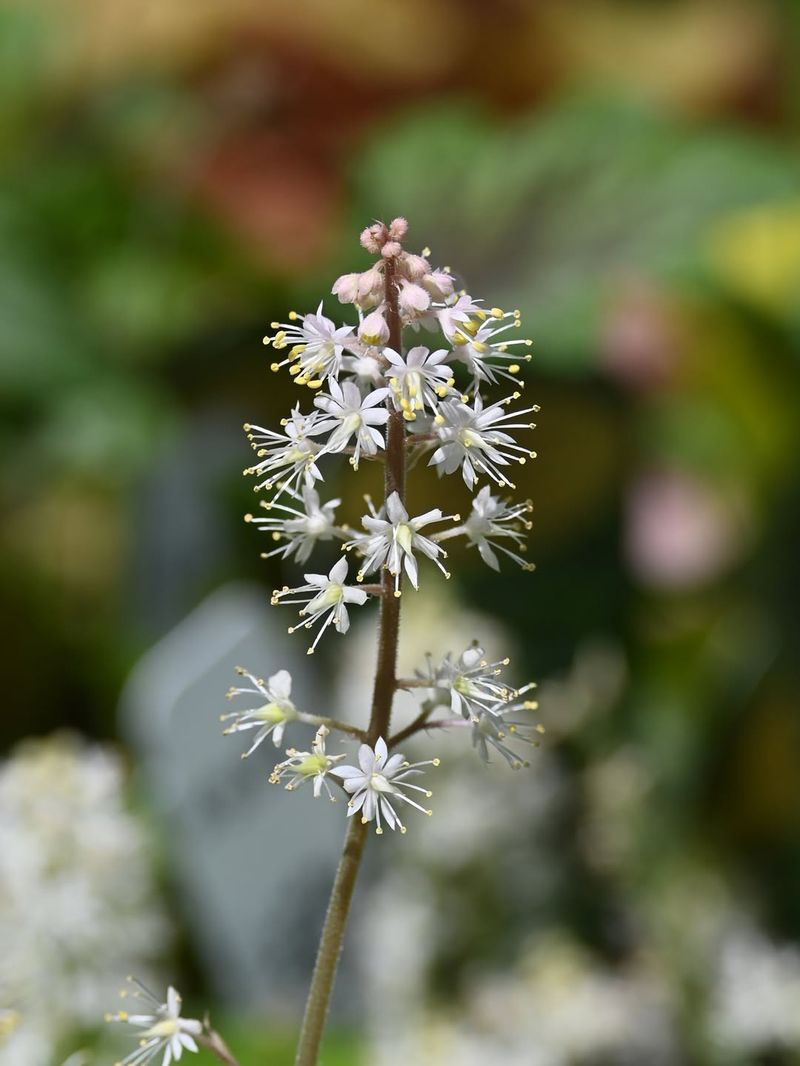
In many Pennsylvania woodlands, a soft layer of foliage spreads across the forest floor, creating a natural carpet that feels both lush and effortless. Foamflower, known botanically as Tiarella cordifolia, brings that same look into home landscapes with ease.
Its low-growing leaves form dense, attractive clumps that hug the ground, helping to shade the soil and create a finished, polished appearance without the need for traditional mulch.
Foamflower is especially valued for how well it performs in shade. It thrives in partial to full shade with moist, well-drained soil, making it an excellent choice for areas beneath trees, along shaded borders, or in woodland-style plantings.
Once established, it requires very little maintenance beyond occasional watering during dry spells. The foliage spreads gradually by short runners, allowing it to fill in gaps over time without becoming aggressive or difficult to manage.
In spring, Foamflower adds another layer of interest with delicate, airy flower spikes that rise above the leaves. These blooms are typically white to pale pink and appear in clusters that give the plant its common name.
They attract early-season pollinators, including small bees and other beneficial insects, adding ecological value to its visual appeal.
The foliage often remains attractive through much of the growing season, and in some cases, it can persist into winter, especially in milder parts of Pennsylvania. With its ability to cover soil, reduce weed growth, and provide seasonal beauty, Foamflower works beautifully as a living mulch alternative.
It blends naturally into native plantings while offering a reliable, low-effort solution for gardeners who want both function and style.