Ohio Flowers To Plant In April If You Want More Goldfinches In The Yard
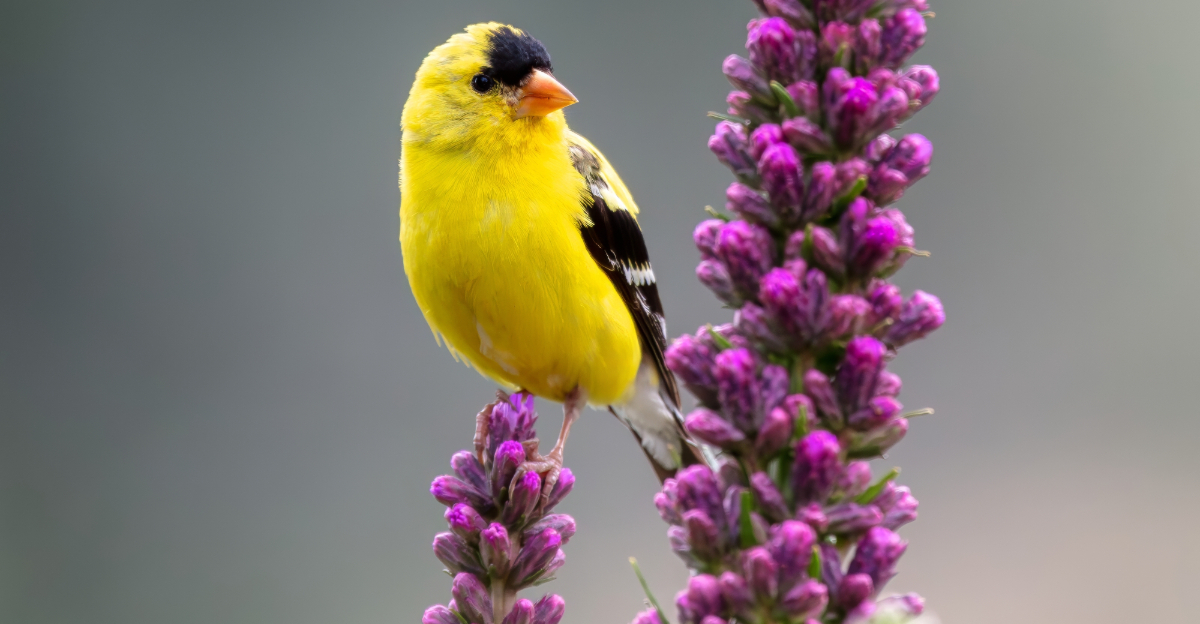
April has a way of turning Ohio yards into birdwatching territory without much warning. One week the garden still feels sleepy, the next there is movement in the branches, chatter in the air, and that flash of yellow that makes you stop in your tracks.
Goldfinches have a knack for stealing the show, and once they start showing up, every yard feels a little more alive. The trick is giving them a reason to stay.
In April, that starts with flowers that do more than look pretty. The right picks can help turn an ordinary yard into a place goldfinches want to visit, linger around, and keep coming back to as the season rolls on.
That is where planting now can really pay off. A few well-chosen Ohio-friendly flowers can bring color to your beds and a lot more flutter and song to the yard before spring really hits its stride.
1. Purple Coneflower Keeps Goldfinches Coming Back
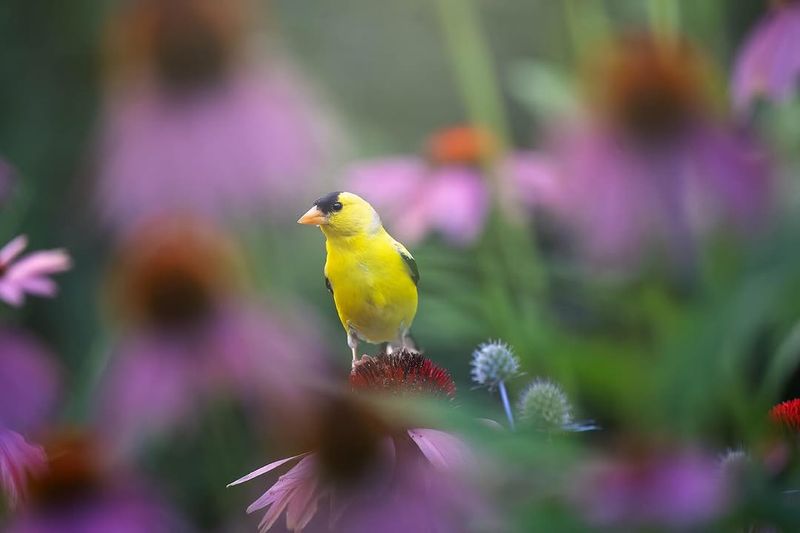
Few plants earn their place in an Ohio yard quite as reliably as purple coneflower. Known botanically as Echinacea purpurea, this tough native perennial is a familiar sight across the state, and goldfinches absolutely love it.
The reason comes down to those bold, spiky seed heads that form after the petals fade. American goldfinches will cling right to the cone and pick out seeds with impressive precision, returning to the same plants again and again through late summer and fall.
April is a smart time to get nursery-grown coneflower starts into the ground in Ohio. The soil is warming up, frost risk is tapering off, and young plants have plenty of time to establish strong root systems before summer heat arrives.
Full sun is ideal, though coneflowers handle a bit of afternoon shade without much fuss. They also tolerate Ohio’s clay-heavy soils reasonably well once established, making them forgiving for gardeners who are still improving their beds.
One important tip: resist the urge to cut back the seed heads in fall. Leaving them standing through autumn and even into winter gives goldfinches an ongoing food source right in your own yard.
Purple coneflower also supports native bees and butterflies during its blooming phase, so you get wildlife value across multiple seasons from a single plant. It is a genuinely hard-working addition to any Ohio garden.
2. Black-Eyed Susan Turns Beds Into Bird Buffets
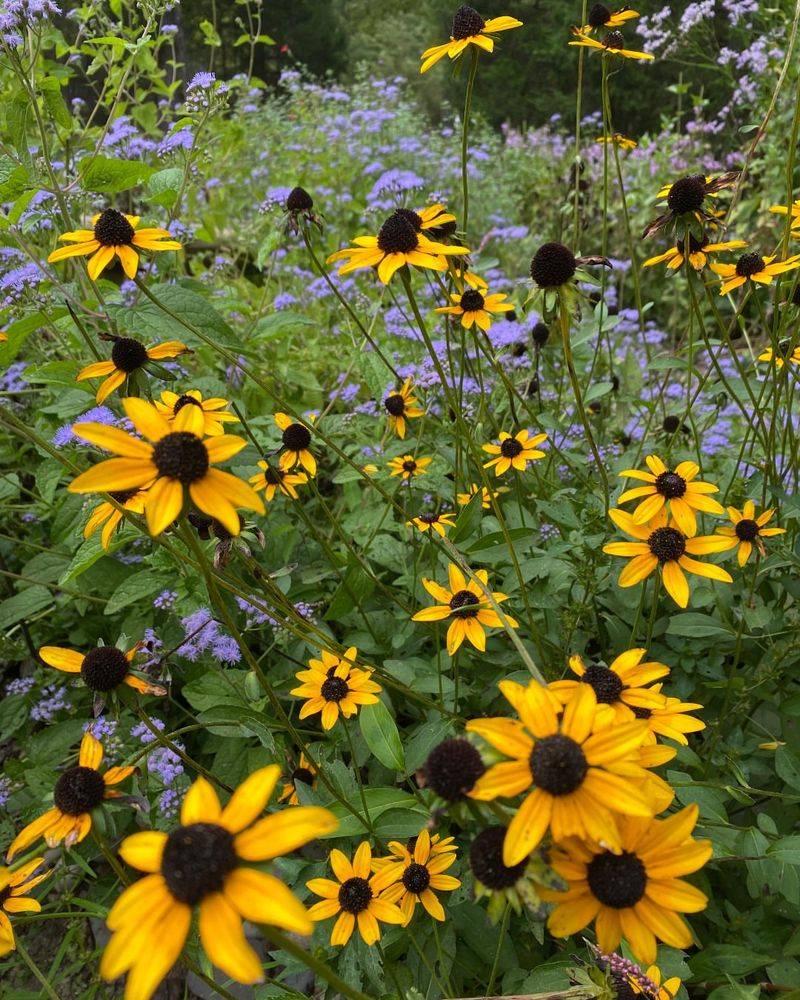
Walk through almost any Ohio meadow in midsummer and you will likely spot the cheerful yellow blooms of black-eyed Susan lighting up the landscape.
Rudbeckia hirta is a beloved native wildflower that brings serious color to garden beds while quietly building up a seed supply that goldfinches find irresistible.
The dark, cone-shaped centers are packed with small seeds that ripen by late summer, right when goldfinches are actively foraging and preparing for the season ahead.
Planting nursery-grown black-eyed Susan starts in April gives these plants a solid runway for growth. They prefer full sun and well-drained soil, and they handle Ohio summers with ease once their roots are settled.
Your Ohio Garden Changes Every Week. Your Plan Should Too.
Gardening in Ohio changes quickly throughout the season. Every Friday you’ll receive a simple weekly plan showing exactly what to plant, prune, fertilize, harvest, and protect so you never miss the right timing.
Short-lived perennials in some settings, they often self-seed generously, meaning a small planting can gradually fill in a bed over a few seasons without much effort on your part.
The visual payoff alone makes black-eyed Susans worth every bit of garden space. Bold golden petals surrounding near-black centers create a striking contrast that looks polished in formal beds and equally at home in naturalistic plantings.
Pair them with purple coneflower for a classic Ohio native combination that delivers color, texture, and bird activity all at once.
Just like with coneflower, leaving the seed heads standing after blooming is the move that really makes goldfinches take notice and keeps them visiting longer into the season.
3. Wild Bergamot Gives Goldfinches More To Snack On
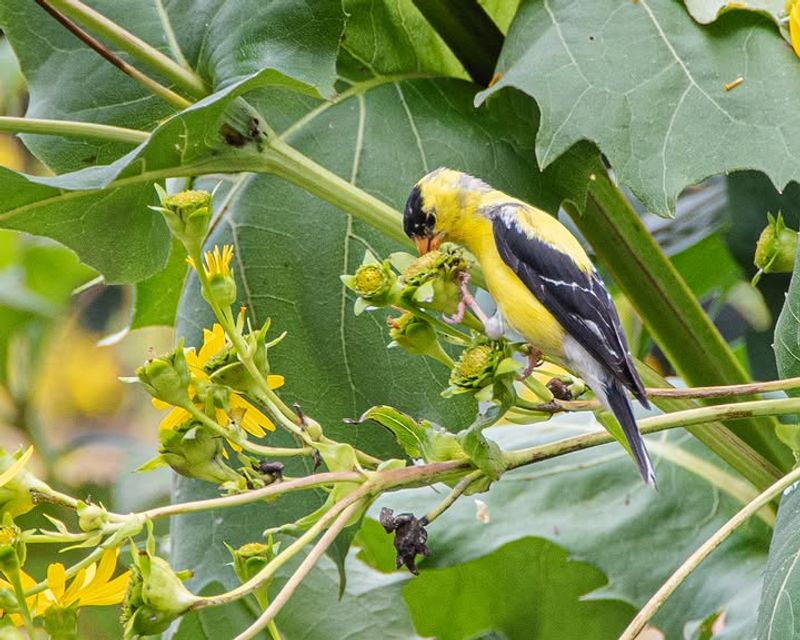
Wild bergamot has a bit of a reputation as a pollinator magnet, and that reputation is well earned. Monarda fistulosa produces clusters of soft lavender-pink blooms that bees, butterflies, and hummingbirds flock to throughout summer.
What gets less attention is what happens after those blooms fade. The round, textured seed heads that follow are attractive to goldfinches, giving your yard an extra snacking station as the season winds down.
This Ohio native perennial is genuinely low-maintenance once it finds its footing. It prefers full sun to light shade and handles average to dry soils well, which makes it a practical choice for gardeners who do not want to fuss over watering schedules.
Planting nursery-grown starts in April works well across most of Ohio, giving plants enough time to establish before summer heat kicks in. Wild bergamot spreads gradually by rhizomes, so giving it a defined space from the start is a good idea if you want to keep it tidy.
Beyond its wildlife value, wild bergamot adds real visual interest to the yard. The blooms have a slightly wild, cottage-garden feel that softens formal planting arrangements and looks wonderful alongside taller natives like blazing star or goldenrod.
The foliage carries a pleasant herbal scent when brushed, which is a small but enjoyable bonus. For an Ohio yard that works hard for wildlife across multiple seasons, wild bergamot is a plant worth making room for this April.
4. Dense Blazing Star Adds Color And Seedhead Appeal
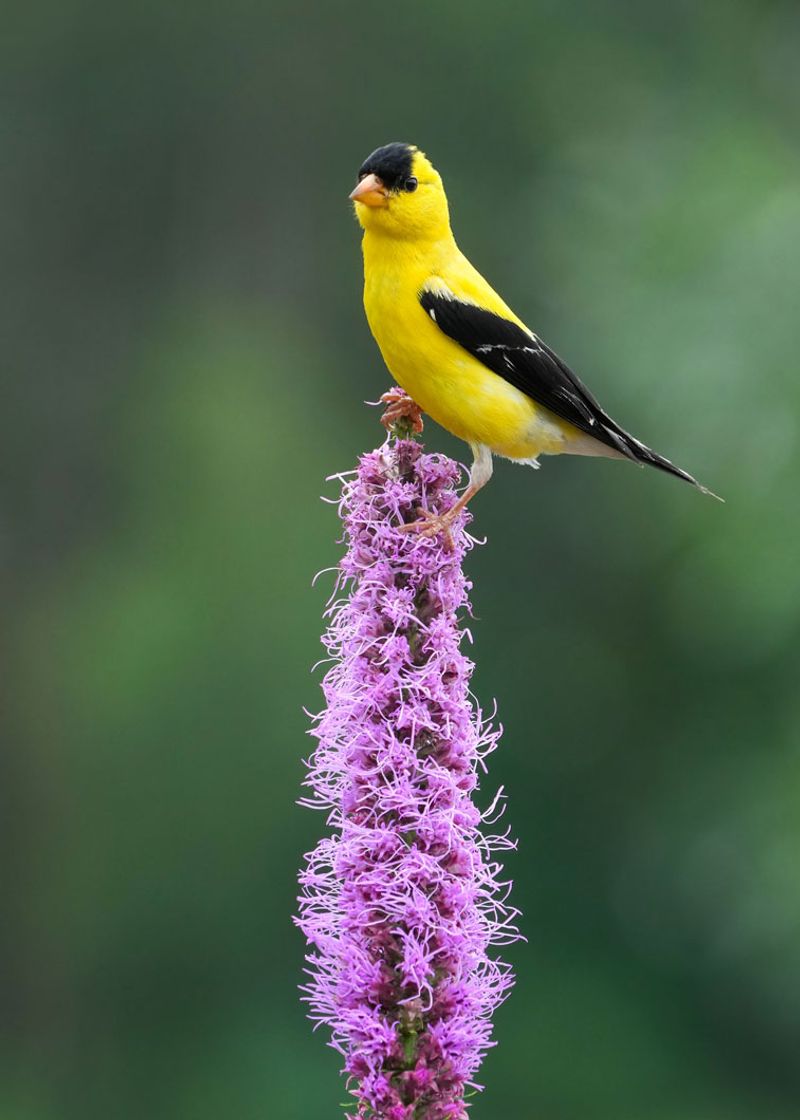
There is something genuinely eye-catching about a stand of dense blazing star in full bloom.
Liatris spicata sends up bold, upright spikes of rosy-purple flowers that open from the top down, which is the opposite of most flowering plants and makes it a real conversation starter in the garden.
Goldfinches are drawn to the fluffy seed heads that develop after the flowers fade, and a grouping of blazing star can become a reliable feeding spot from late summer well into fall.
April planting works well for this native Ohio perennial. Nursery-grown plants or corms can go into the ground once frost risk is winding down, and they settle in quickly with minimal fuss.
Dense blazing star prefers full sun and tolerates a range of soil types, including the heavier clay soils common in many Ohio yards.
Once established, it is notably drought-tolerant, which is a real advantage during dry Ohio summers when keeping up with watering can feel like a chore.
From a design perspective, the vertical form of blazing star adds structure to beds that might otherwise feel flat or blobby.
It pairs beautifully with black-eyed Susans and purple coneflower, creating a layered native planting that is both visually appealing and functionally excellent for wildlife.
Leaving the seed spikes standing through fall is the key step that makes goldfinches return repeatedly. Plant it in groups of three or more for the strongest visual and wildlife impact in your Ohio yard.
5. Smooth Blue Aster Keeps The Yard Busy Later
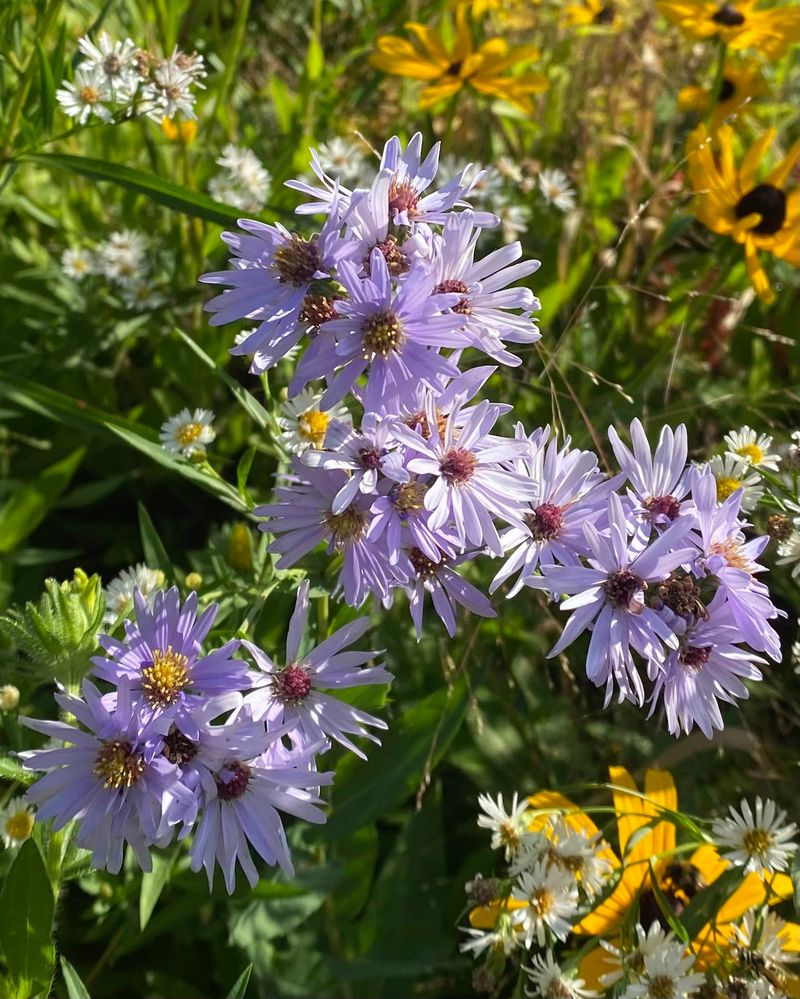
By the time late summer rolls around, a lot of garden plants are looking tired. Smooth blue aster is the opposite.
Symphyotrichum laeve holds its energy and kicks into gear just when other plants are winding down, producing a generous flush of small, lavender-blue flowers that cover the plant in early fall.
Goldfinches are active foragers at this time of year, and the fluffy seed heads that follow the blooms give them a reliable food source right when they need it most.
Smooth blue aster is a native Ohio perennial with a relatively tidy, upright growth habit compared to some of its wilder aster cousins. It handles full sun to partial shade and tolerates a range of soil conditions, including drier spots that challenge other plants.
Planting nursery-grown starts in April gives this species plenty of time to develop a strong root system before it channels its energy into fall flowering. Once established, it is a genuinely low-effort plant that rewards patience with a spectacular late-season show.
The blue-purple flower color is somewhat uncommon in the fall palette, which makes smooth blue aster a standout in mixed plantings.
It works particularly well alongside goldenrod, where the contrasting yellow and blue-purple tones create a classic native combination that looks intentional and polished.
For anyone trying to extend yard activity and goldfinch visits deeper into the Ohio fall season, smooth blue aster is a smart, reliable plant to add this April.
6. New England Aster Gives Goldfinches A Fall Bonus
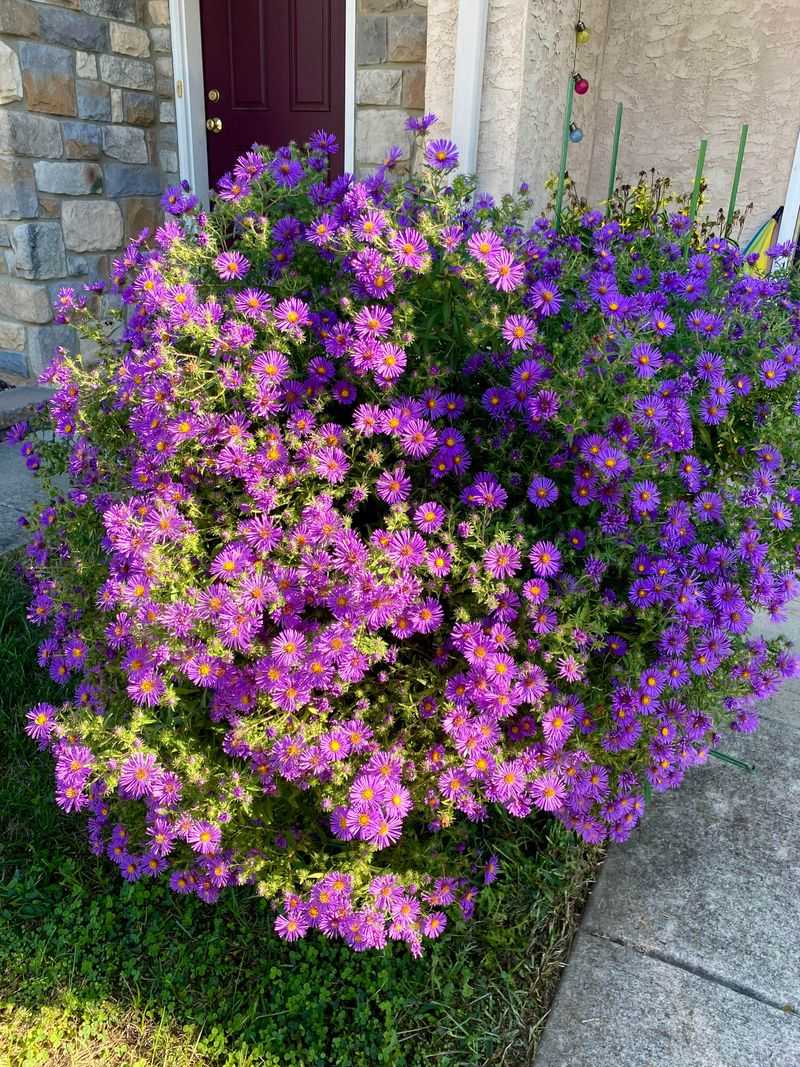
Rich, saturated purple blooms covering a tall, bushy plant in September and October is a sight that makes any Ohio yard feel alive well past the main gardening season.
New England aster, Symphyotrichum novae-angliae, is one of the showiest native asters in the region, and it has the added advantage of producing abundant fluffy seed heads that goldfinches find highly attractive.
Watching a goldfinch work its way through a mature aster plant in fall is one of those backyard moments that makes all the planting effort feel completely worthwhile.
April is a great time to get nursery-grown New England aster starts into Ohio beds. The plants are vigorous growers and will put on significant size through summer before putting on their fall flower display.
Full sun brings out the best bloom production, and while New England aster tolerates a range of soils, it does appreciate consistent moisture during establishment.
Taller varieties may benefit from a light trim in early summer to encourage a more compact, bushy shape and prevent flopping later on.
Beyond goldfinches, New England aster is a critical late-season resource for native bees, including specialist aster bees that depend on aster pollen. Adding it to your yard contributes to a broader web of wildlife support that extends far beyond birds alone.
Plant it near the back of a bed where its height works in your favor, and pair it with goldenrod for a bold, wildlife-friendly fall combination that looks stunning from indoors too.
7. Stiff Goldenrod Pulls More Life Into The Garden
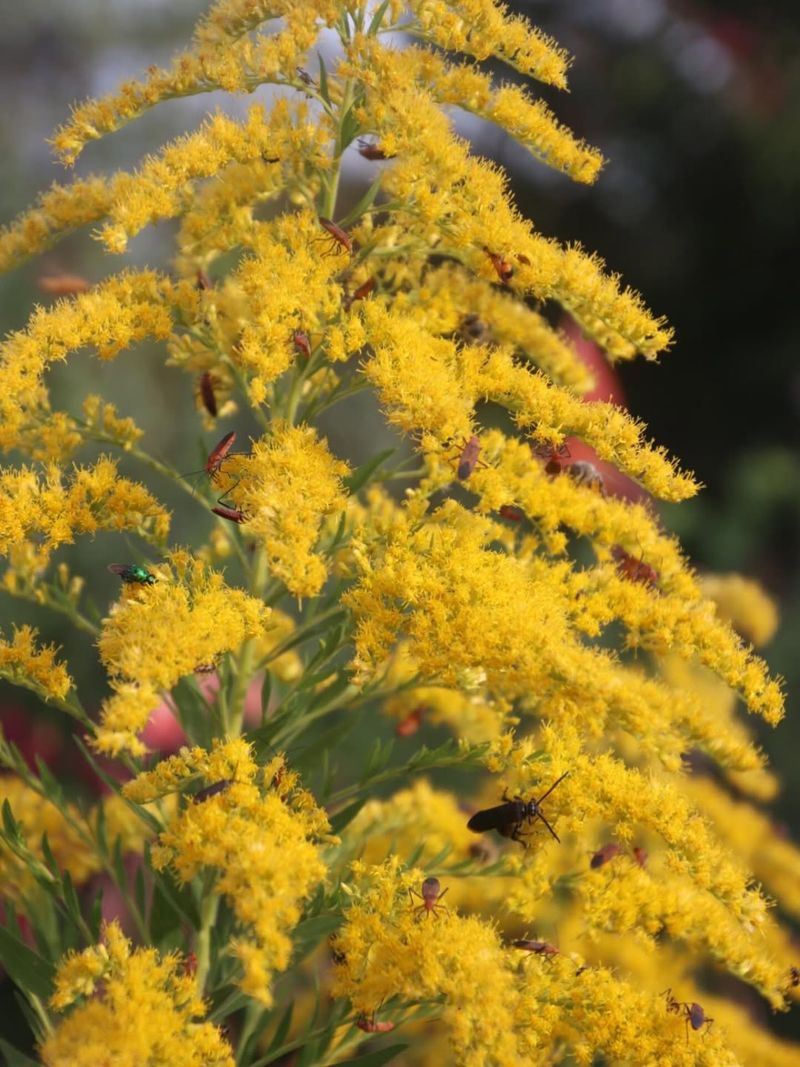
Goldenrod gets an unfair reputation in some circles, often blamed for hay fever that is actually caused by ragweed blooming at the same time. Stiff goldenrod, Solidago rigida, deserves much better press.
It is a bold, upright Ohio native that produces broad, flat-topped clusters of golden-yellow flowers in late summer and fall, and those flowers are followed by seed-rich heads that goldfinches visit with real enthusiasm. Few plants do as much for yard wildlife in a single season.
Planting nursery-grown stiff goldenrod in April sets it up for a strong first season. It prefers full sun and well-drained to average soils, tolerating dry conditions once established.
Unlike some goldenrod species that spread aggressively, stiff goldenrod has a more restrained clumping habit, making it easier to manage in a tidy garden setting.
It reaches a height of roughly two to four feet, giving it a strong vertical presence without overwhelming smaller neighboring plants.
The wildlife value of stiff goldenrod extends well beyond goldfinches. Native bees, beetles, and other beneficial insects rely on the late-season blooms heavily.
The combination of insect activity during flowering and seed activity after creates a layered wildlife benefit that keeps your yard buzzing and fluttering across multiple weeks.
Pair stiff goldenrod with New England aster and smooth blue aster for a fall native planting trio that is genuinely hard to beat for Ohio gardeners who want a yard full of life from late summer through early winter.
8. Perennial Sunflowers Make Goldfinches Feel At Home
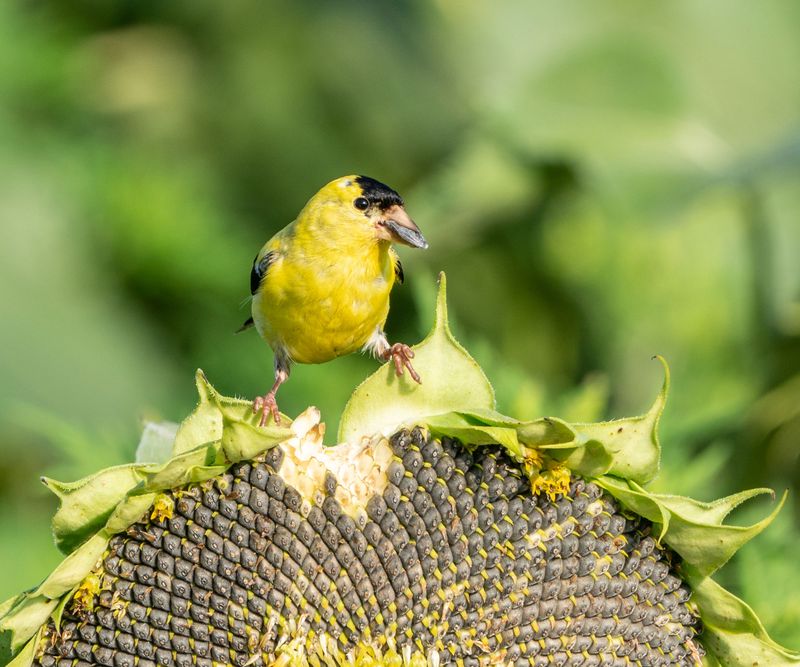
Sunflowers and goldfinches go together like peanut butter and jelly. While annual sunflowers get most of the attention, perennial sunflower species are an underrated option for Ohio yards that want reliable, low-effort seed production year after year.
Species like Helianthus mollis (downy sunflower) and Helianthus divaricatus (woodland sunflower) are native to Ohio and produce cheerful yellow blooms in late summer, followed by seed heads that goldfinches target with obvious excitement.
April is a practical time to plant nursery-grown perennial sunflower starts in Ohio. These plants prefer full sun and are notably adaptable to a range of soil conditions, including the drier, poorer soils where other plants struggle.
Once established, perennial sunflowers are tough, spreading gradually to form patches that provide increasing wildlife value over the years. Giving them enough space from the start prevents crowding and makes management easier down the road.
The visual impact of perennial sunflowers in a yard is immediate and cheerful. Tall, golden blooms create a bright backdrop for shorter natives planted in front, and the overall effect has a relaxed, naturalistic feel that suits Ohio landscapes beautifully.
Leaving the seed heads standing through fall and into winter is especially rewarding with sunflowers, as goldfinches will return repeatedly to work through the seeds.
For a yard that feels genuinely welcoming to wildlife, finishing your April planting plan with perennial sunflowers is a strong and satisfying choice.