The April Lawn Moves Florida Homeowners Should Not Skip
April is when Florida lawns start telling the truth. A yard that looked decent in March can suddenly show every weak spot once the heat picks up and the growing season kicks into gear.
Thin patches stand out more, weeds start making moves, and small problems can turn into a mess before summer even gets going. That is why April matters so much.
It is not just another month on the lawn calendar. It is the stretch that helps set the tone for everything that follows.
A few smart moves now can help grass fill in better, handle stress more easily, and look far more polished heading into the hottest part of the year. Skip them, and the lawn often pays for it later.
For Florida homeowners who want thick, healthy grass without playing catch-up all summer, April is the month that deserves attention.
1. Feed The Lawn Only After Active Growth Kicks In
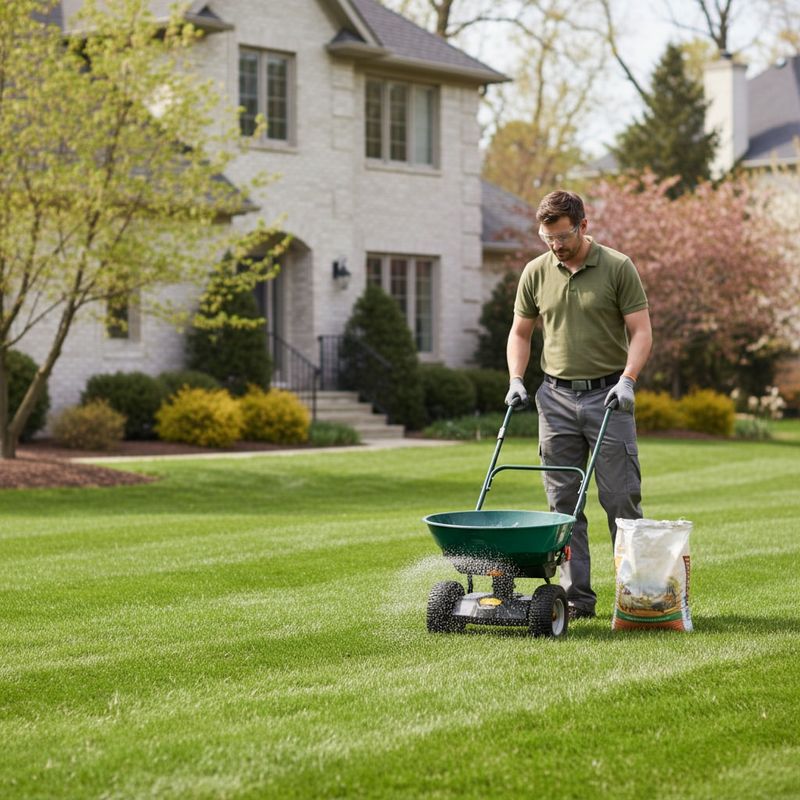
Grabbing the fertilizer bag the moment March ends feels productive, but in Florida, early feeding is one of the most common spring mistakes homeowners make. Applying fertilizer before your lawn is actively growing means the grass cannot use those nutrients efficiently.
Instead of fueling growth, the fertilizer can leach through sandy Florida soils and end up where it does not belong, including nearby waterways.
According to UF/IFAS, warm-season grasses should be fertilized only after they have broken dormancy and are showing consistent, active growth. That timing varies depending on where you live in Florida.
In South Florida, active growth may begin earlier in the season. In North Florida, you may need to wait until late April or even early May before the lawn is truly ready.
Grass type matters too. Centipedegrass, for example, is sensitive to over-fertilization and does not need heavy feeding the way St. Augustinegrass might.
A soil test through UF/IFAS Extension can tell you exactly what your lawn needs before you apply anything. Feeding at the right time, with the right product, in the right amount is the difference between a lawn that thrives and one that burns out before summer even starts.
2. Raise The Mower To The Right Height Before Heat Builds
Most people do not think twice about mowing height until the lawn starts looking rough. By then, the damage is already done.
Cutting Florida grass too short in spring sets the turf up for stress before summer heat even arrives, and recovering from a scalped lawn mid-season is a slow and frustrating process.
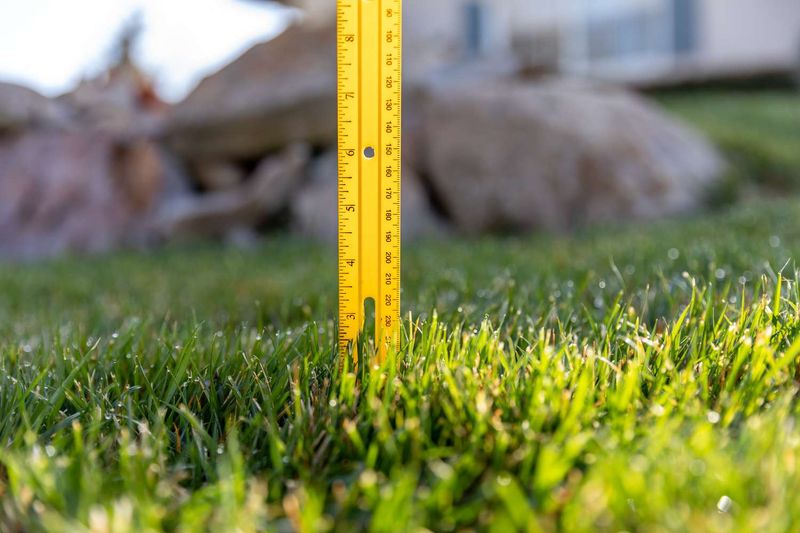
Mowing height is not one-size-fits-all in Florida. St. Augustinegrass generally performs best when kept between 3.5 and 4 inches, according to UF/IFAS.
Bahiagrass is typically mowed at 3 to 4 inches. Zoysiagrass can be maintained a bit shorter, often around 2 to 2.5 inches depending on the variety.
Centipedegrass does well at 1.5 to 2 inches. Cutting any of these grasses lower than recommended removes too much of the leaf blade at once, which stresses the plant and opens the door to weeds and disease.
April is the right time to check your mower deck setting before you lock into a summer routine. Taller turf shades the soil, which helps slow weed germination and keeps soil moisture from evaporating too quickly.
Your Florida Garden Changes Every Week. Your Plan Should Too.
Gardening in Florida changes quickly throughout the season. Every Friday you’ll receive a simple weekly plan showing exactly what to plant, prune, fertilize, harvest, and protect so you never miss the right timing.
A simple height adjustment before the heat builds is one of the easiest ways to protect your lawn all season long.
3. Sharpen Mower Blades Before Ragged Cuts Invite Trouble
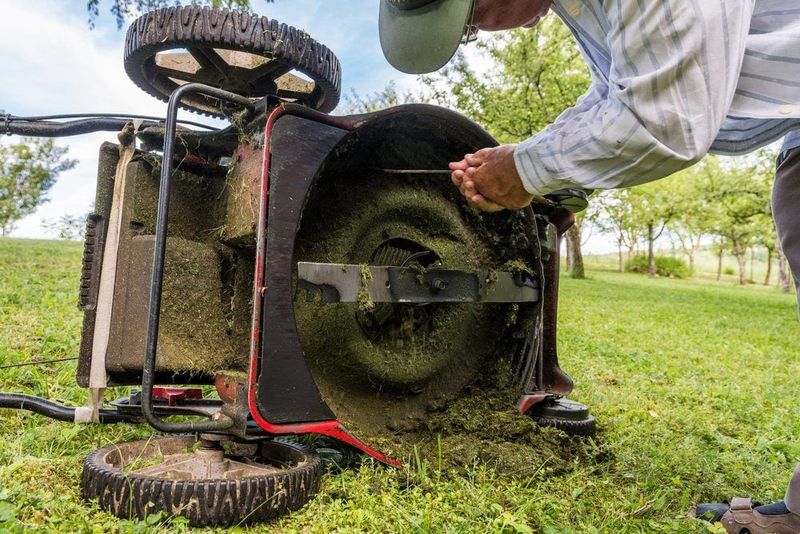
Here is something most homeowners overlook until the lawn starts looking a little off: dull mower blades do not cut grass, they tear it. That distinction matters more than it sounds.
When a blade rips through a grass leaf instead of slicing cleanly, the tip of each blade shreds into a frayed, ragged edge. Those damaged tips turn brown within a day or two, giving the entire lawn a dull, stressed appearance even after a fresh mow.
Torn grass tips also create entry points for fungal pathogens and other diseases. Florida’s warm, humid spring climate is already favorable for turf diseases, so there is no reason to make the grass more vulnerable by mowing with a blade that needs attention.
UF/IFAS and most turf extension specialists recommend sharpening mower blades at least once or twice per season, with more frequent sharpening if you are mowing regularly or hitting hard debris like sticks and rocks.
April is the perfect time to pull the blade, inspect it, and either sharpen it yourself or have it done professionally. A sharp blade is a small detail that pays off in a healthier-looking lawn, cleaner cuts, and turf that recovers faster between mowing sessions.
Do not skip this step just because it feels minor.
4. Spot Weeds Early Before Thin Turf Gives Them Room
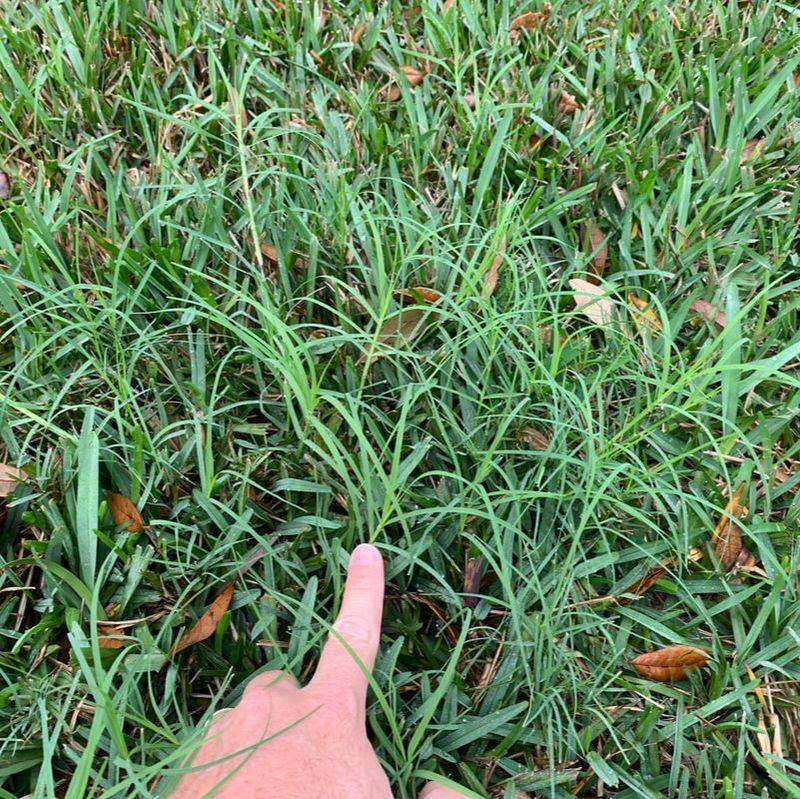
A thin lawn in April is basically an open invitation. Weeds are opportunistic, and they move into bare or struggling turf faster than most homeowners expect.
The best weed control strategy in Florida is not a spray bottle. It is a dense, healthy lawn that crowds weeds out before they ever get established.
That said, April is a smart time to walk the lawn and take stock of what is already coming up. Common Florida spring weeds include dollarweed, chamberbitter, and various grassy weeds that thrive as temperatures climb.
If pre-emergent herbicides were not applied in late winter or early spring, some of those weeds may already be visible. Post-emergent options exist, but product selection matters.
Not every herbicide is safe on every Florida grass type, and using the wrong one can damage or destroy your turf.
UF/IFAS Extension recommends identifying your specific weeds before reaching for any product. Misidentified weeds lead to the wrong treatment, wasted money, and sometimes turf damage on top of the original problem.
Spot-treat where needed rather than blanketing the entire lawn. Keeping the grass thick through proper mowing, watering, and feeding is still the most reliable long-term defense against Florida spring weeds.
5. Water Only When The Grass Shows Real Stress
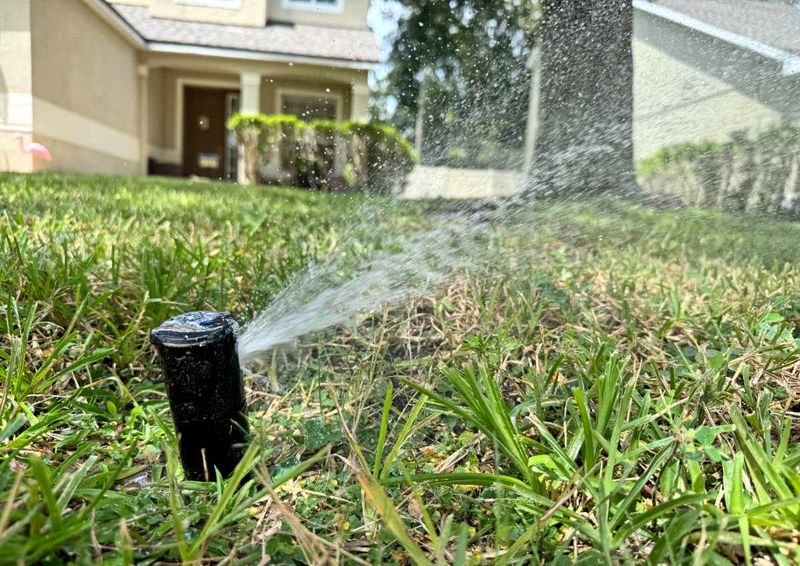
Florida gets a reputation for rain, and in many parts of the state, April is still in the dry season before summer thunderstorms arrive. That can push homeowners toward the irrigation controller out of habit or worry.
But running sprinklers on a fixed schedule regardless of what the lawn actually needs wastes water and can create conditions that favor fungal disease.
UF/IFAS and the Florida-Friendly Landscaping program both recommend watering only when the lawn shows signs of stress. Those signs are easy to spot once you know what to look for.
Grass blades that fold in half lengthwise, turf that takes on a bluish-gray color, and footprints that stay visible instead of bouncing back are all reliable indicators that the lawn is ready for water.
Waiting for those cues instead of running irrigation on autopilot trains the grass roots to grow deeper, which builds drought tolerance over time.
Most Florida local water management districts also have irrigation restrictions in place. Checking your district’s rules before adjusting your system keeps you compliant and avoids fines.
Watering deeply and infrequently, rather than lightly and often, is the approach that produces stronger turf and uses water more responsibly across Florida’s diverse growing regions.
6. Scout For Chinch Bugs And Other Warm Weather Lawn Pests
Warm weather in Florida does not just wake up the grass. It also signals the start of pest season.
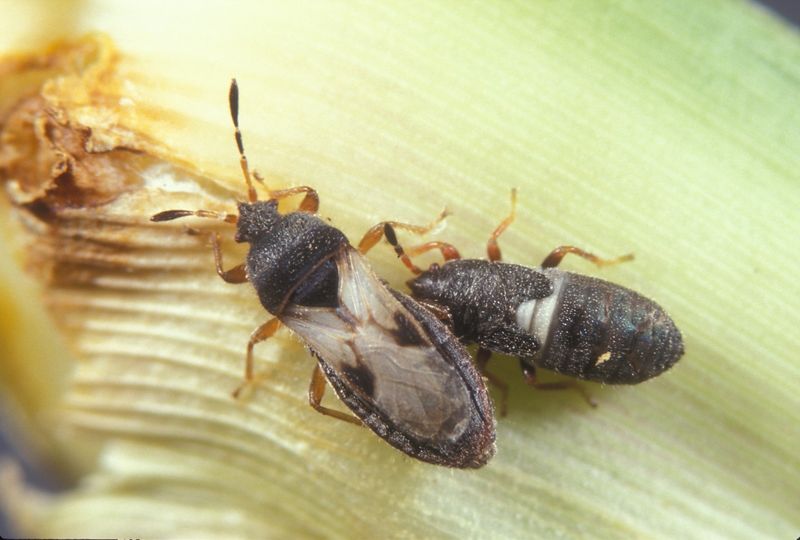
Chinch bugs are among the most damaging lawn pests in the state, and St. Augustinegrass is their preferred target. They tend to show up first in hot, dry, sunny areas of the lawn, often near driveways, sidewalks, or the edges of the yard where heat builds up fastest.
April is a good time to start scouting because catching an infestation early makes it far easier to manage. Chinch bug damage often looks like drought stress at first, with patches of yellowing or browning turf that do not recover even after watering.
To check, part the grass blades near the edge of a damaged area and look closely at the soil and thatch layer. Chinch bugs are small but visible to the naked eye.
Adults are black with white wings, while nymphs are reddish-orange.
Other pests worth watching in April include mole crickets, which are more common in bahiagrass, and armyworms, which can move through a lawn quickly. According to UF/IFAS, correct pest identification before any treatment is critical.
Applying the wrong product or treating the wrong pest wastes time and money and can harm beneficial insects in the process.
7. Edge And Clean Hard Surfaces Before Fertilizer Washes Away
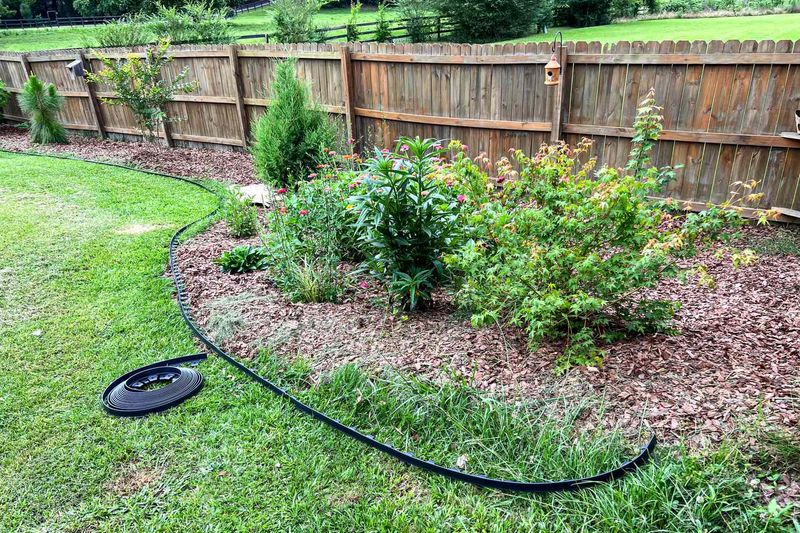
Fertilizer that lands on sidewalks, driveways, or curbs does not stay there. Rain or irrigation washes it into storm drains and eventually into Florida’s lakes, rivers, and coastal waterways.
Nutrient runoff is a serious environmental issue in Florida, and homeowners who fertilize without cleaning up hard surfaces are contributing to it, often without realizing it.
Edging the lawn before or right after fertilizer application is a practical step that keeps product where it belongs. Clean, defined edges also prevent grass from creeping onto hard surfaces, which reduces the amount of stray fertilizer that ends up off the turf.
After spreading granular fertilizer, sweeping or blowing any granules that land on concrete back onto the lawn is a simple habit that makes a real difference.
Florida’s Best Management Practices for residential lawn care specifically address this issue. The Florida Department of Environmental Protection and UF/IFAS both emphasize that responsible fertilizer use includes proper cleanup, not just proper application rates.
Many Florida counties also have local fertilizer ordinances that restrict or ban applications during rainy periods for exactly this reason.
Knowing your county’s rules, edging consistently, and cleaning hard surfaces after every application makes your lawn care routine better for your yard and for the broader Florida environment.
8. Match Every April Move To Your Florida Grass Type
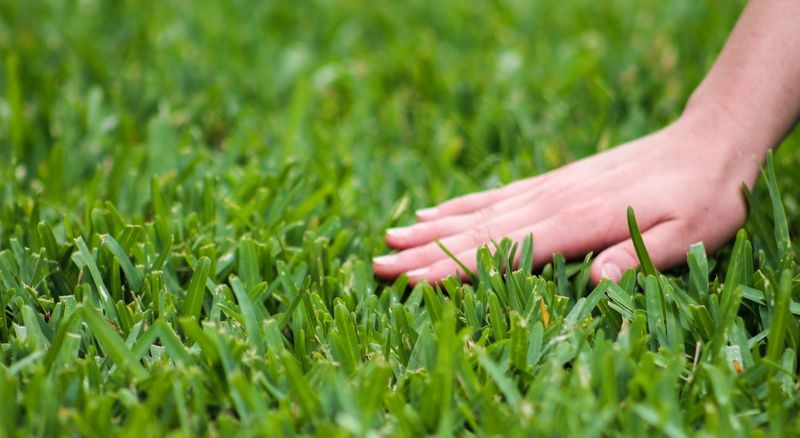
Not every Florida lawn plays by the same rules, and April is the month where that difference really shows up. A care routine built for St. Augustinegrass may be completely wrong for a centipedegrass lawn across the street.
Treating all warm-season turf the same way is one of the most common and costly mistakes Florida homeowners make in spring.
St. Augustinegrass is the most widely planted lawn grass in Florida and handles moderate shade reasonably well, but it is also the most vulnerable to chinch bugs and certain herbicides.
Bahiagrass is tougher and more drought-tolerant, common in North and Central Florida, and generally needs less fertilizer than St. Augustine.
Zoysiagrass is denser and slower-growing, which affects mowing frequency and timing. Centipedegrass is particularly sensitive to over-fertilization and high-phosphorus products, and pushing it too hard in spring can cause long-term damage.
Before applying any product or adjusting any practice this April, confirm what type of grass you have. UF/IFAS Extension offices across the state can help with identification if you are unsure.
Once you know your grass type, you can match your mowing height, fertilizer timing, watering habits, and pest management approach to what that specific turf actually needs, rather than following generic advice that may not apply.