How To Grow Lemon Trees Successfully In Containers In California
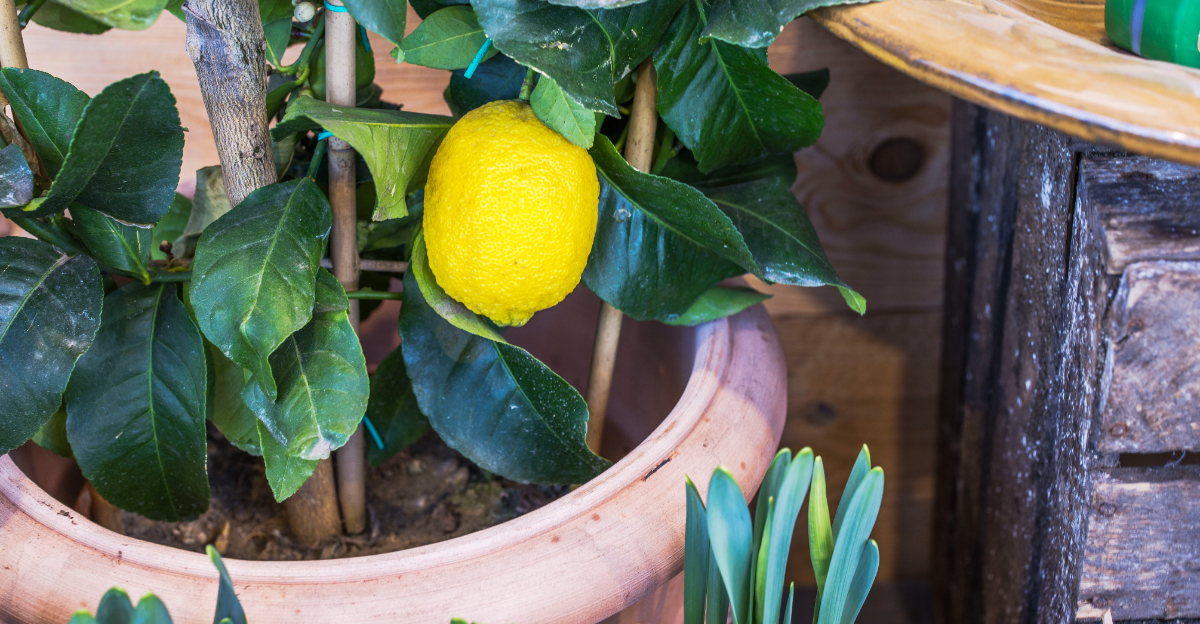
A potted lemon tree has a way of making even a small California patio feel a little more special. Glossy leaves, bright fruit, that fresh citrus scent in the air, it is easy to see why so many gardeners want one.
The catch is that container lemons can be a little picky when the basics are off. Too much water, not enough sun, the wrong pot, and a tree that looked full of promise can start acting fussy fast.
The good news is that California gives lemon trees a strong head start, especially when mild weather and bright light are on your side. With the right setup, a container-grown tree can stay healthy, productive, and genuinely beautiful for years.
It is less about luck and more about getting a few key details right early on. Once that happens, growing lemons in pots starts to feel a lot simpler and a whole lot more rewarding.
1. Pick The Right Variety
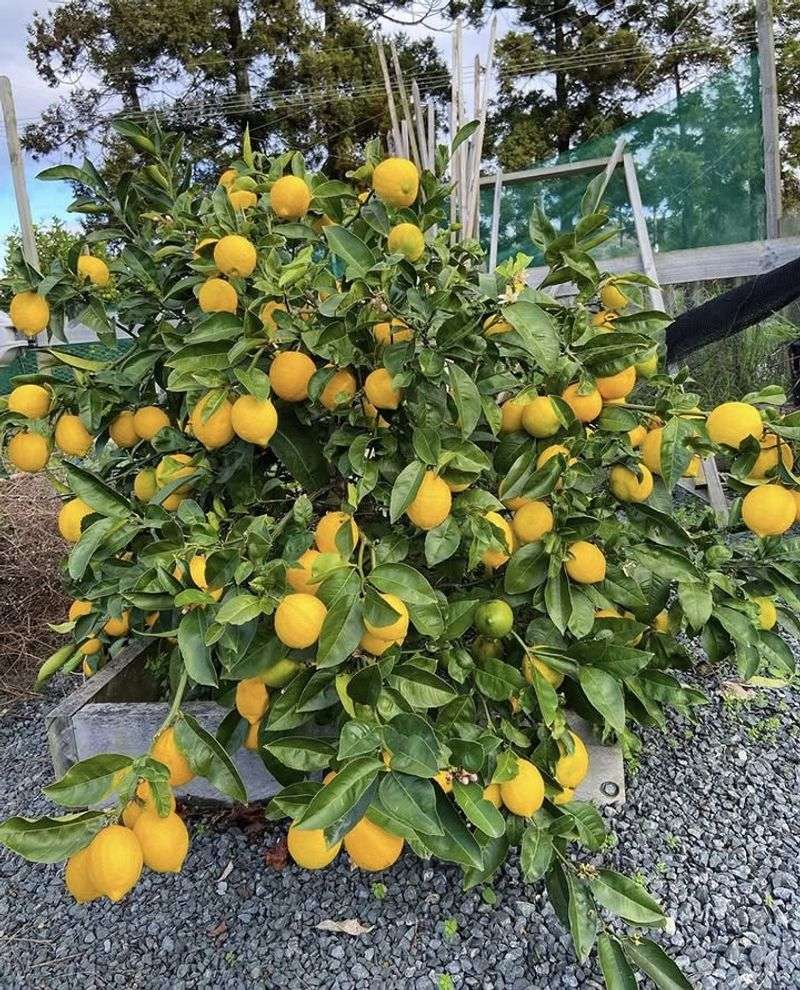
Not every lemon tree is built for container life, and picking the wrong one can make things harder than they need to be. The good news is that several varieties are perfectly suited for pots.
Your best bet in California is the Meyer Lemon. It stays compact, produces sweet and juicy fruit, and handles the mild California climate really well.
The Improved Meyer Lemon is an even better choice if you want extra disease resistance. It grows strong and steady in containers without taking up too much space.
Another solid pick is the Ponderosa Dwarf, which produces surprisingly large lemons and adapts well to pot growing.
When shopping at a local California nursery, look for trees labeled “dwarf” or “semi-dwarf.” These are grafted onto special rootstock that keeps them at a manageable height, usually under six feet. A smaller tree does not mean fewer lemons.
Many container-grown dwarf trees produce plenty of fruit each season. Starting with the right variety sets the foundation for everything else.
2. Choose A Bigger Pot
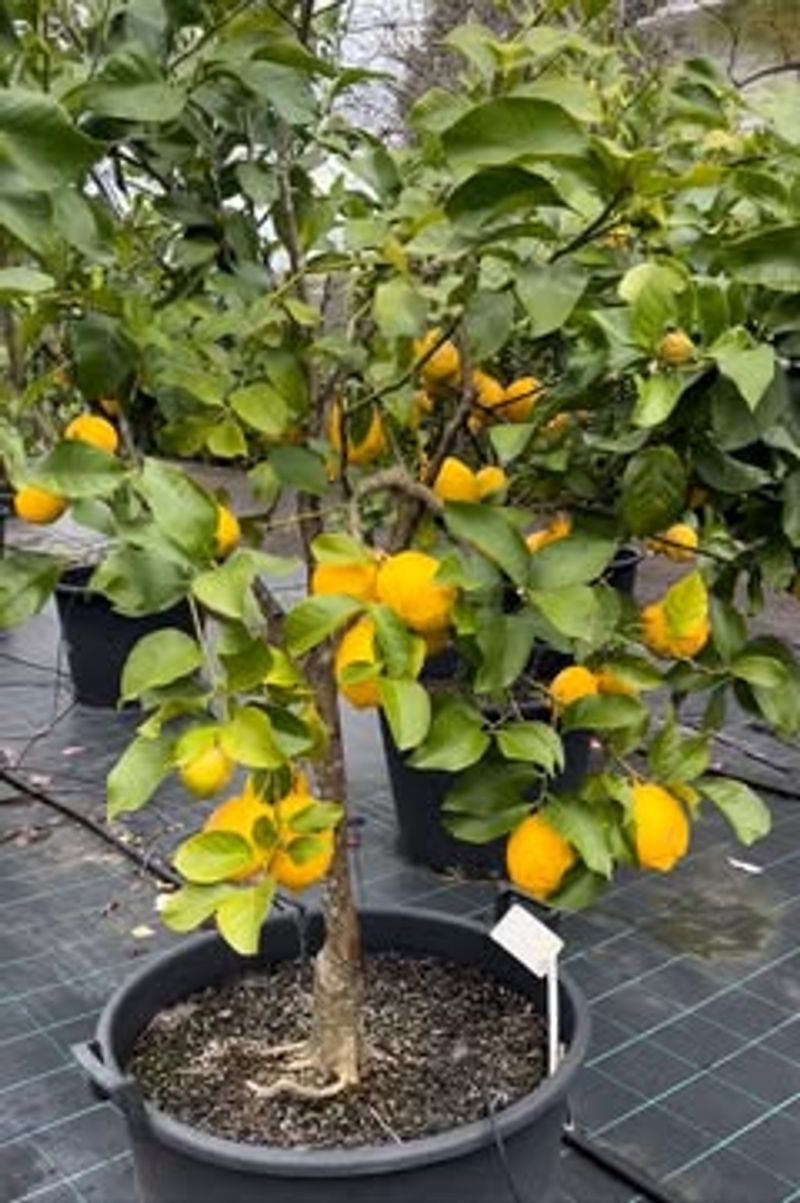
Pot size matters more than most people think. A lemon tree crammed into a tiny pot will struggle to grow properly.
Roots need room to spread out, and without enough space, the tree gets stressed and may stop producing fruit altogether. Start with a container that is at least 10 to 15 gallons when the tree is young.
As the tree grows, you will want to move up to a 20 to 25 gallon pot. That size gives the roots enough space to anchor the tree and absorb water and nutrients efficiently.
In California’s warmer regions, larger pots also help keep the soil from drying out too fast on hot days.
Always make sure your pot has drainage holes at the bottom. Without drainage, water sits in the soil and causes root rot, which is one of the most common problems with container citrus.
Materials like plastic, ceramic, or clay all work well. Plastic is lighter and easier to move, which is helpful if you need to bring the tree indoors during cooler California nights.
Your California Garden Changes Every Week. Your Plan Should Too.
Gardening in California changes quickly throughout the season. Every Friday you’ll receive a simple weekly plan showing exactly what to plant, prune, fertilize, harvest, and protect so you never miss the right timing.
A good pot is a long-term investment in your tree’s health.
3. Use Fast-Draining Soil
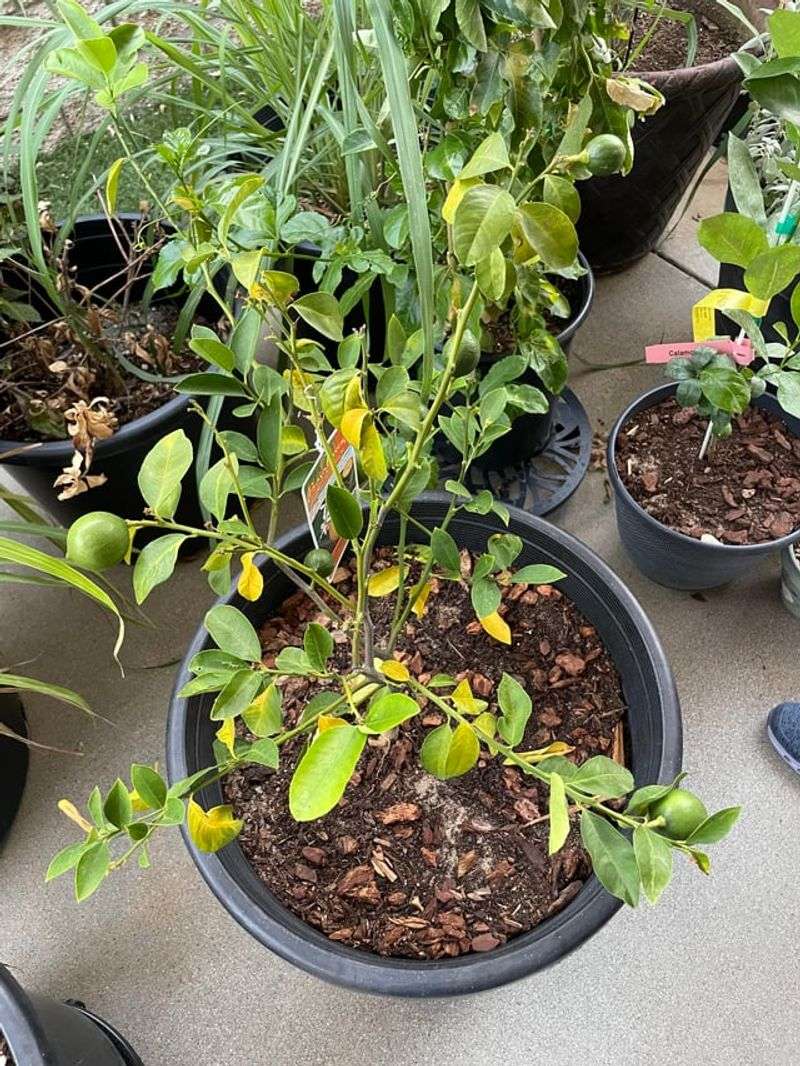
Regular garden soil is too dense and heavy for container lemon trees. It holds too much moisture, which can suffocate roots and lead to fungal problems.
What you need is a fast-draining mix that lets water flow through quickly while still holding enough nutrients to feed the tree.
A citrus-specific potting mix is the easiest option. You can find it at most garden centers across California.
If you prefer to mix your own, combine equal parts potting soil, coarse sand, and organic compost. This blend keeps roots aerated and drains well after each watering.
Adding a layer of gravel or small stones at the bottom of the pot used to be popular advice, but modern research shows it can actually trap water near the roots. Skip the gravel layer and just rely on good-quality soil and proper drainage holes instead.
Refresh the soil every two to three years by gently repotting the tree with fresh mix. Old soil loses its structure over time and can compact, slowing down drainage.
Good soil is the silent engine behind a healthy, productive lemon tree growing in a California container garden.
4. Give It Full Sun
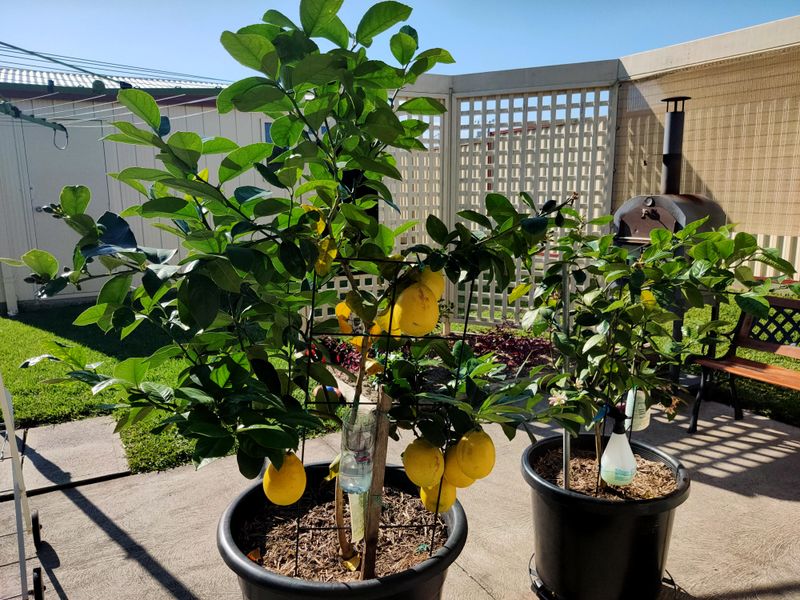
Lemon trees are sun lovers, plain and simple. They need at least six to eight hours of direct sunlight every single day to grow well and produce fruit.
One of the biggest advantages of living in California is that sunshine is rarely in short supply, making it easier to meet this need compared to many other states.
Place your container in the sunniest spot you have. South-facing or southwest-facing areas tend to get the most sun throughout the day.
Patios, decks, and driveways near a south-facing wall are great options. The wall reflects extra heat and light onto the tree, which citrus trees absolutely love.
If you ever need to move the tree indoors, place it near the brightest south-facing window you have. Natural light through glass is still weaker than outdoor sunlight, so a grow light can help fill in the gap.
Rotate the pot every few weeks so all sides of the tree get even sun exposure. Uneven light can cause one side to grow more than the other, making the tree lopsided over time.
Consistent sunlight is one of the simplest ways to keep your California container lemon tree thriving season after season.
5. Water Deeply, Not Constantly
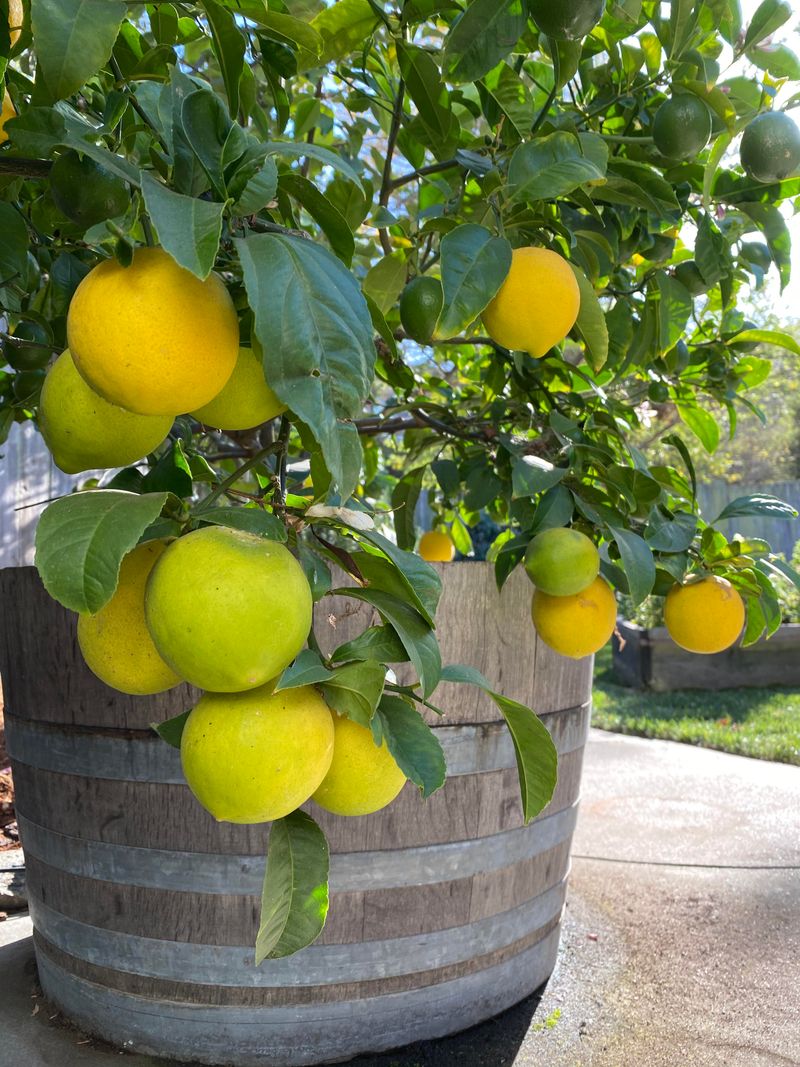
Watering a container lemon tree is all about balance. Too little and the tree dries out.
Too much and the roots sit in soggy soil, which leads to rot and other problems. The key is to water deeply but only when the tree actually needs it.
Check the soil before you water. Stick your finger about two inches into the soil.
If it feels dry at that depth, it is time to water. If it still feels moist, wait another day or two.
When you do water, pour slowly and steadily until water drains out of the bottom holes. That means the water has reached the roots.
In California’s hot summer months, especially in inland areas like the Central Valley or Inland Empire, containers dry out faster. You may need to water every two to three days during heat waves.
In cooler coastal areas or during winter, once a week may be plenty. The seasons and your local California climate will guide your watering schedule more than any fixed rule.
Yellowing leaves often signal overwatering, while dry, curling leaves point to underwatering. Pay attention to your tree and it will tell you what it needs.
6. Feed During Active Growth

A lemon tree growing in a container depends on you for its nutrients. Unlike trees planted in the ground, potted trees cannot pull minerals from a wide area of soil.
Every time you water, some nutrients wash out through the drainage holes. Regular feeding keeps the tree strong, green, and productive.
Use a fertilizer made specifically for citrus trees. These products are formulated with the right balance of nitrogen, phosphorus, potassium, and micronutrients like iron and zinc that lemons need.
Feed the tree every four to six weeks from spring through summer. That is when growth is most active and the tree is working hard to produce new leaves and fruit.
Slow down on fertilizing in the fall and stop through winter. Lemon trees naturally slow their growth during cooler months, and feeding them too much during that time can actually cause problems.
In California, where winters are mild in most regions, you might continue light feeding through early fall. Always water the tree before applying fertilizer to avoid burning the roots.
Following a consistent feeding schedule makes a noticeable difference in how many lemons your tree produces each year.
7. Protect It From Cold
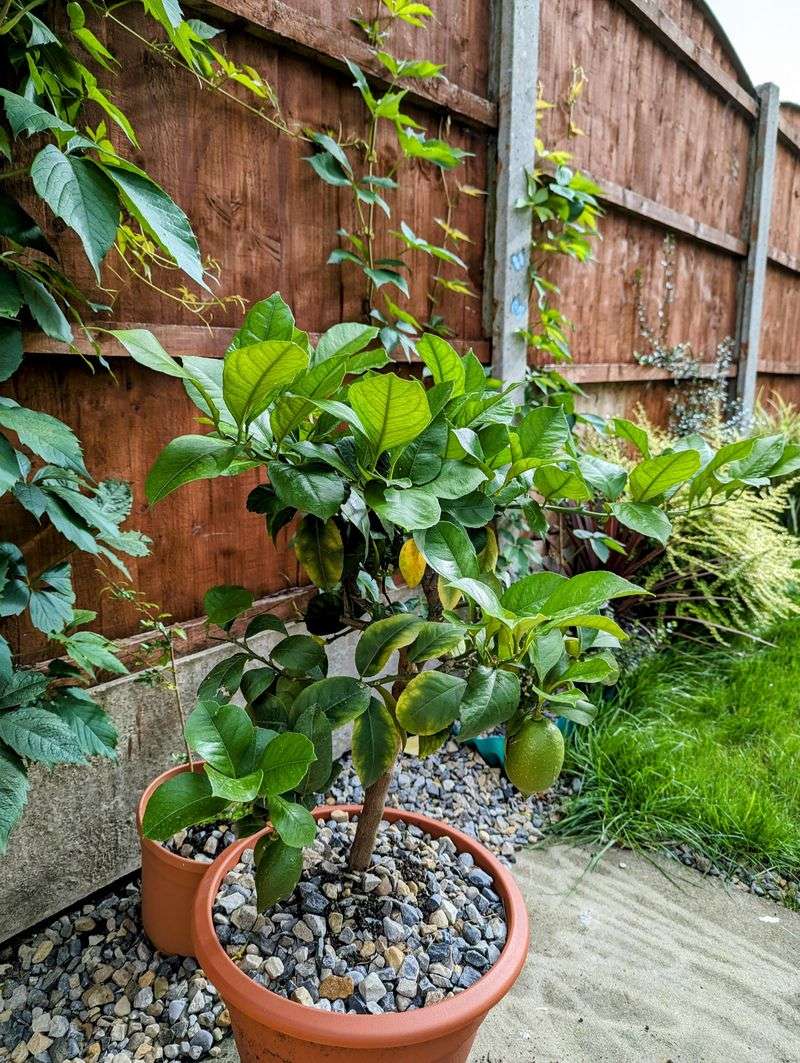
Even in California, cold snaps can catch you off guard. Lemon trees are tropical by nature and do not handle frost well.
Temperatures below 29 degrees Fahrenheit can seriously damage the leaves and branches of a container lemon tree. Because pots are above ground, the roots are even more exposed to cold air than trees planted in the ground.
The good news is that container trees are easy to move. If a cold night is in the forecast, roll or carry the pot into a garage, shed, or covered porch.
Even a few degrees of shelter can make a big difference. Southern California gardeners may rarely need to do this, but those in the Central Valley, Inland Empire, or higher elevation areas of Northern California should stay alert during winter months.
If moving the pot is not an option, drape the tree with frost cloth or an old bedsheet overnight. Remove the covering during the day so the tree still gets sunlight.
Placing the pot against a south-facing wall also adds a layer of warmth. Container lemon trees can thrive in California for many years when given just a little extra protection during the coldest nights of the season.