Mistakes Some Texas Gardeners Make In Spring That Hurt Summer Plants
Spring in Texas can feel like a fleeting gift after a mild winter, but it moves incredibly fast. Temperatures climb quickly, the sun intensifies by the week, and soil that felt perfectly moist can turn bone-dry before you know it.
Texas gardeners who don’t pay close attention to these rapid shifts often find their summer plants struggling once the real heat settles in.
It turns out that small missteps made during those pleasant spring weeks can create big headaches when July temperatures push past 100 degrees across much of the state.
If you want a garden that thrives through the sizzle, success starts with getting these critical spring basics right.
1. Planting Too Late Into Warming Soil
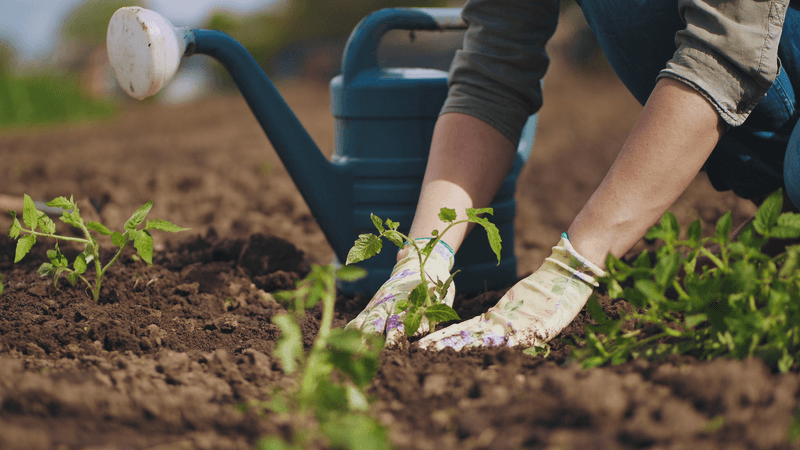
Warm spring days in Texas can create a false sense of timing security, making it easy to push planting dates further than you should. Soil temperature matters more than air temperature when deciding when to put warm-season crops in the ground.
Tomatoes, peppers, and squash need soil that has reached at least 60 to 65 degrees Fahrenheit consistently before they can establish strong roots.
When gardeners wait too long, they compress the growing window before summer heat peaks. A plant that goes in the ground in late May instead of mid-April has far less time to develop a root system capable of handling Texas summer stress.
That shorter establishment period often shows up as wilting, reduced fruit production, and overall weak performance during the hottest months.
Checking soil temperature with an inexpensive probe thermometer is one of the simplest habits a Texas gardener can build. Planting on time gives roots weeks of moderate weather to spread out and anchor properly.
That head start pays off considerably once temperatures begin climbing toward the triple digits that many parts of Texas experience regularly from June onward.
2. Overwatering In Mild Spring Weather
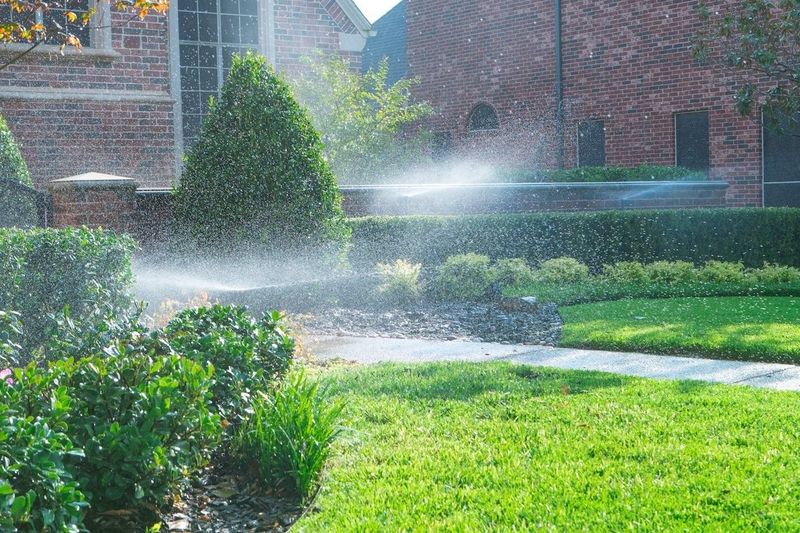
Texas spring weather can be deceptively comfortable, with mild temperatures and occasional rain making it easy to forget that plants do not need as much water as they will in summer.
Overwatering during cooler spring weeks is a surprisingly common habit that sets plants up for problems later in the season.
Roots sitting in overly wet soil have less access to oxygen, which weakens their structure before summer stress even begins.
Fungal issues also tend to develop when soil stays damp for extended periods during moderate spring temperatures. Root rot and stem diseases that start in spring often go unnoticed until summer arrives and the plant suddenly struggles under heat load.
By then, the underlying damage has already limited what the plant can do.
A simple finger test works well for most garden beds. Push a finger about two inches into the soil near the plant base.
If it still feels moist, skip watering for another day or two. Adjusting irrigation schedules as the season changes, rather than running the same routine from week to week, helps Texas gardeners avoid one of the most overlooked forms of early-season plant stress.
3. Skipping Mulch Early In The Season
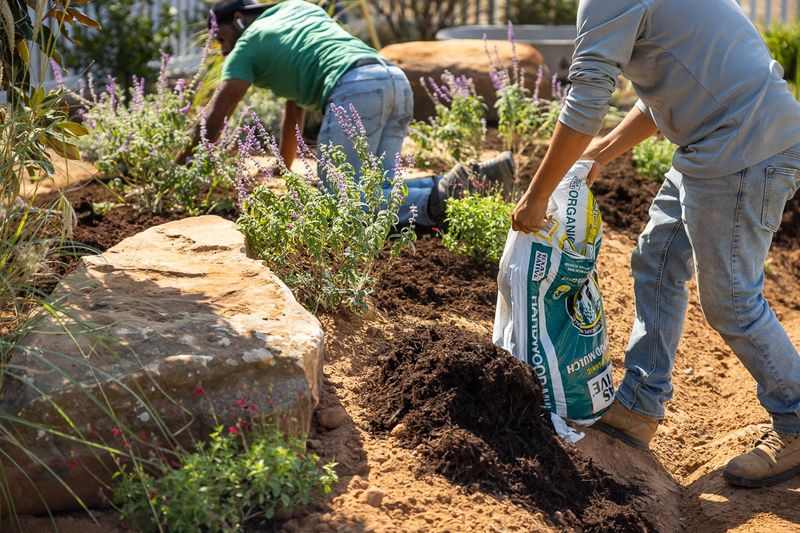
Many gardeners think of mulch as something to add once summer heat arrives, but waiting that long means missing some of its most important seasonal benefits. Applying mulch early in spring helps lock in soil moisture before evaporation rates climb.
Your Texas Garden Changes Every Week. Your Plan Should Too.
Gardening in Texas changes quickly throughout the season. Every Friday you’ll receive a simple weekly plan showing exactly what to plant, prune, fertilize, harvest, and protect so you never miss the right timing.
It also moderates soil temperature swings that happen frequently during Texas spring, when mornings can be cool and afternoons push into the 80s and 90s.
Without mulch, soil can crust over after rain or irrigation, making it harder for water to penetrate deeply where roots need it most. Weeds also take advantage of bare soil early in the season, competing with garden plants for nutrients and moisture right from the start.
Getting mulch down in early spring cuts off that competition before it gains momentum.
Cedar, pine bark, and hardwood mulch are all solid choices for Texas gardens. A layer of two to three inches around transplants and seedlings works well without smothering root zones.
Keep mulch pulled slightly back from plant stems to allow airflow and reduce fungal pressure. Early mulching is one of the lowest-effort, highest-reward habits a Texas gardener can adopt to protect plants heading into summer.
4. Fertilizing Too Heavily Too Early
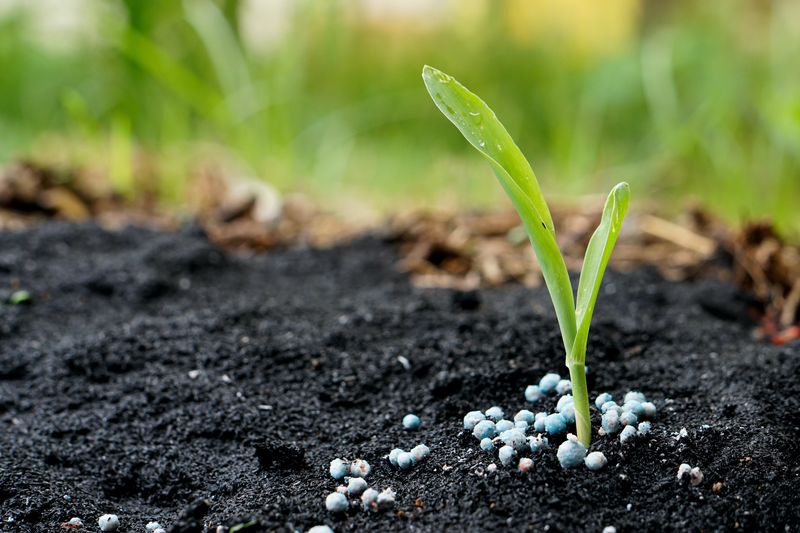
The urge to feed plants as soon as they go in the ground is understandable, especially after waiting through winter.
However, applying heavy doses of fertilizer before plants have developed a working root system often does more harm than good.
Young roots cannot absorb large nutrient loads efficiently, and excess nitrogen in the soil can burn tender root tissue before summer even begins.
Heavy early fertilizing also pushes plants to produce lush, soft leafy growth that looks healthy but is actually more vulnerable to heat stress. When temperatures rise sharply in Texas, that overly tender growth struggles to adapt.
Plants that grew more slowly and steadily through spring tend to have denser, tougher tissue that holds up better when the heat intensifies.
A balanced, slow-release fertilizer applied in modest amounts after transplants show signs of active new growth is a more measured approach. Watching how plants respond before adding more nutrients helps prevent overfeeding.
Soil testing in spring is also worth doing, since Texas soils vary widely in nutrient content across the state.
Feeding based on what the soil actually needs leads to stronger, more resilient plants when summer conditions arrive.
5. Not Hardening Off Transplants Properly
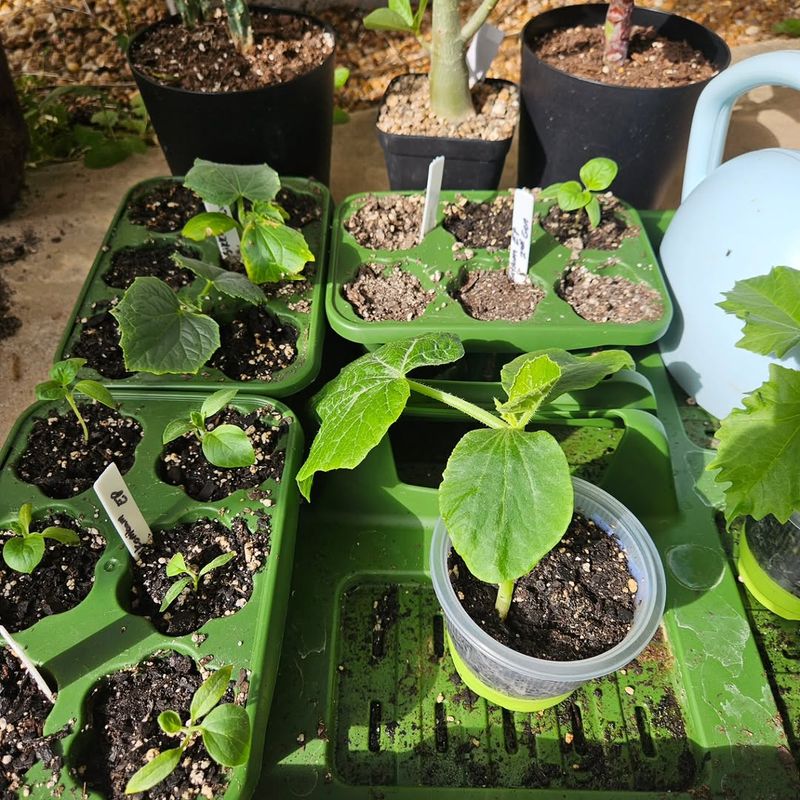
Seedlings raised indoors or purchased from a greenhouse have spent their early lives in stable, protected conditions. Moving them directly into a Texas spring garden without a transition period puts them under immediate environmental stress.
That shock can set plants back significantly, slowing root development right when they need to be growing steadily toward summer.
Hardening off is the gradual process of introducing transplants to outdoor conditions over one to two weeks.
Starting with a few hours of morning shade and working up to full outdoor exposure each day allows plants to adjust their leaf structure and internal chemistry.
Skipping this step often results in sunscald, wilting, or stunted growth that lingers well into the summer months.
A shaded porch, a cold frame, or even a spot under a large tree works well for the hardening process. Morning sun exposure followed by afternoon shade is a gentler starting point than full Texas midday sun.
Transplants that go through a proper hardening period establish roots faster, show less transplant shock, and tend to handle the rapid temperature increases that Texas springs are known for with noticeably more resilience and vigor.
6. Ignoring Soil Preparation
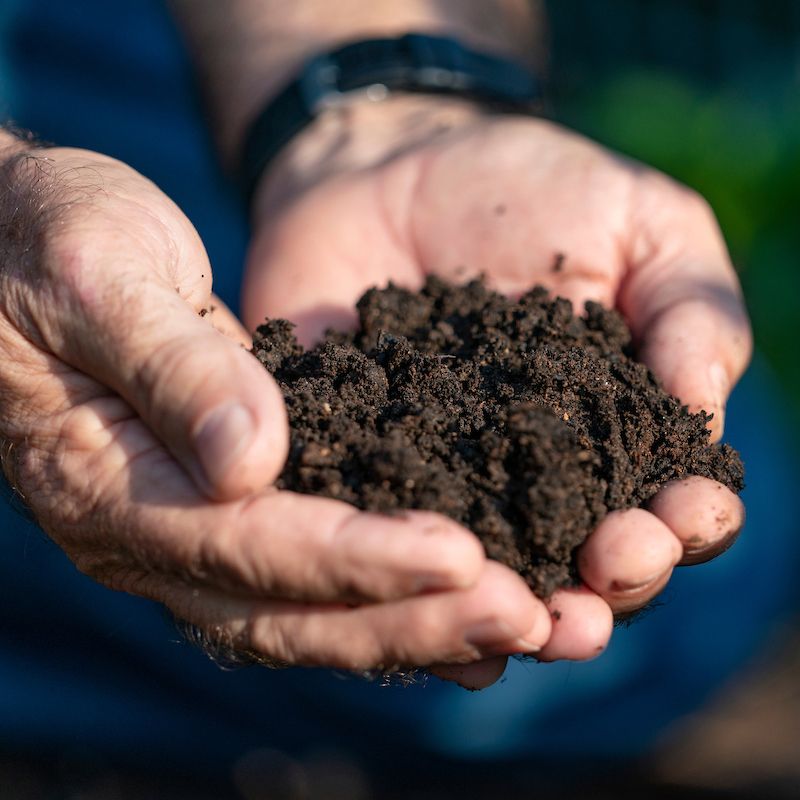
Good soil does not happen by accident, and Texas gardeners who skip soil preparation in spring often spend the rest of the season fighting problems that could have been avoided.
Much of Texas has heavy clay soils or sandy soils that drain too fast, and neither extreme supports strong plant growth without some amendment.
Spring is the right time to address these issues before roots are already established and struggling.
Incorporating compost into the top several inches of soil improves drainage in clay-heavy beds and helps sandy soils retain moisture longer.
Both outcomes directly support summer plant performance, when water management becomes the most critical factor in garden success.
Improved soil structure also creates a better environment for the beneficial microorganisms that help roots absorb nutrients efficiently.
A simple soil test can reveal pH imbalances and nutrient deficiencies that are common across various Texas regions. Adjusting pH before planting helps nutrients become more available to roots rather than locked up in the soil.
Spending even a few hours on soil preparation in early spring creates a foundation that supports plants through the entire growing season, making summer challenges considerably easier to manage across the board.
7. Crowding Plants Too Closely
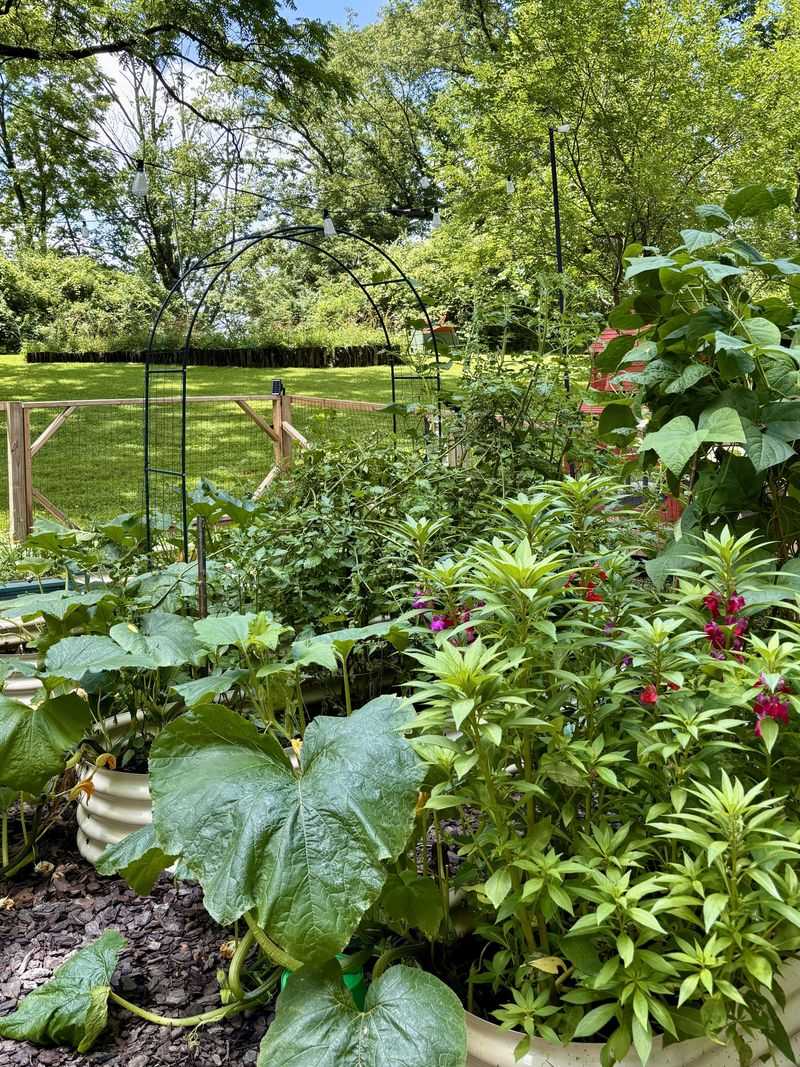
Packing plants into a garden bed in spring might seem like a way to maximize production, but crowded conditions tend to work against gardeners once summer arrives in Texas.
Limited airflow between plants creates pockets of humidity that encourage fungal diseases, especially during the brief but intense spring rain events Texas regularly sees before the dry summer heat settles in.
Root competition is the other major concern with tight spacing. When plants are too close together, their root systems compete for the same water and nutrients in the same soil zone.
As Texas summer temperatures rise and water becomes the most limiting resource in the garden, that competition intensifies and plants on the losing end show it through reduced yields and visible stress.
Following spacing guidelines on seed packets and plant tags is a practical starting point. Tomatoes generally benefit from at least 24 to 36 inches of space between plants, while peppers and squash have their own spacing needs based on mature size.
Giving plants room to breathe in spring pays off when summer sun is relentless. Fewer, well-spaced plants often outperform a crowded bed in Texas heat by a wide margin.
8. Choosing The Wrong Plants For Texas Heat
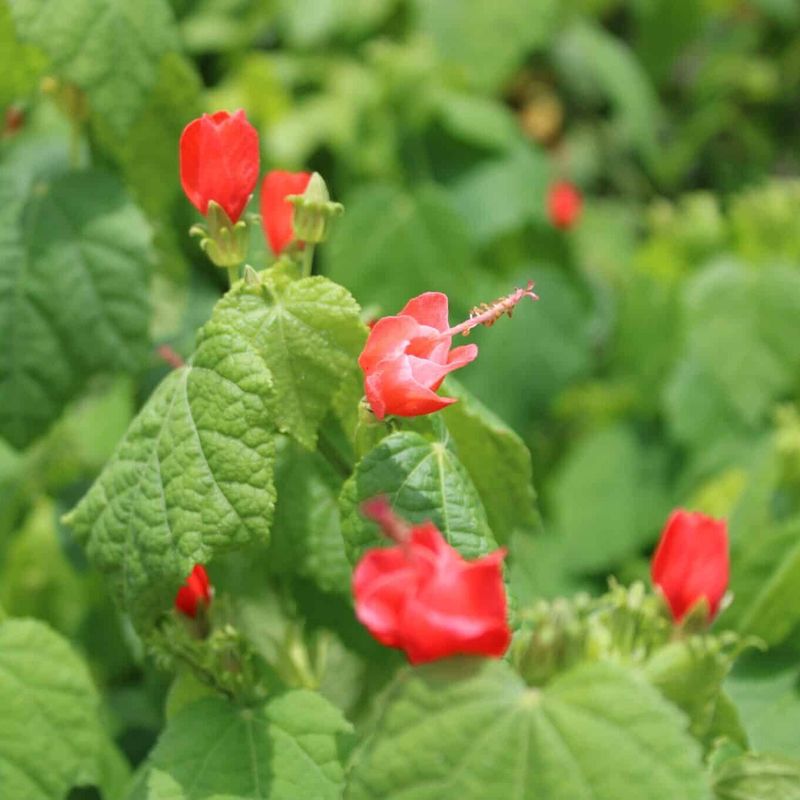
Spring gardening catalogs and nursery displays are full of beautiful plants, but not all of them belong in a Texas summer garden.
Cool-season crops like lettuce, spinach, and broccoli thrive in the mild temperatures of early Texas spring but bolt or deteriorate quickly once heat sets in.
Planting these too late in spring or choosing them as warm-season standbys is a setup for frustration by June.
Texas summers demand heat-tolerant varieties that have been selected or bred specifically for high-temperature performance.
Sweet potatoes, okra, southern peas, Armenian cucumber, and certain tomato varieties bred for heat retention all tend to perform far better through the summer months than varieties developed for cooler climates.
Checking a plant’s heat tolerance before purchasing saves a lot of disappointment later in the season.
Regional seed companies and local nurseries that specialize in Texas-adapted plants are excellent resources for finding varieties suited to the state’s climate zones.
Texas spans multiple hardiness zones, and what works in the Hill Country may not be the best choice for the Gulf Coast or the Panhandle.
Matching plant selection to local conditions is one of the most impactful decisions a Texas gardener can make each spring for long-term summer success.
9. Delaying Pest Monitoring Early In The Season
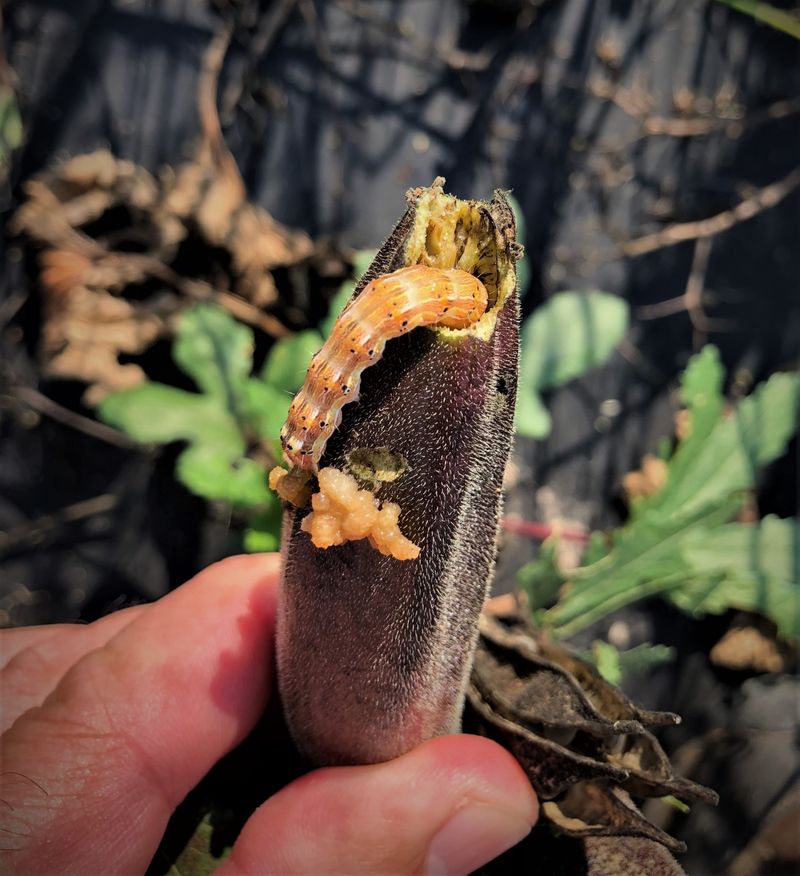
Spring feels calm in the garden, but pest populations are already building quietly beneath the surface and on the undersides of leaves.
Waiting until pest damage is visible before starting to monitor means problems are often already well established by the time action is taken.
Early spring is when many common Texas garden pests, including aphids, whiteflies, and spider mites, begin their seasonal population surge.
Catching pest pressure early gives gardeners far more options for managing it with minimal intervention. A strong spray of water can dislodge aphid colonies before they multiply.
Beneficial insects like ladybugs and lacewings are more effective at controlling pest populations when those populations are still small.
Letting pests go unchecked through spring often means entering summer with infestations that are much harder to bring under control.
Walking through the garden two to three times per week and flipping leaves to check for egg clusters and feeding damage takes only a few minutes. Keeping a simple record of what is found and where helps identify patterns over time.
In Texas, where warm springs accelerate insect breeding cycles, consistent early monitoring is one of the most reliable ways to protect summer plants before the heat makes plants more vulnerable to pest-related decline.
10. Not Adjusting Sun Exposure For Rising Temperatures
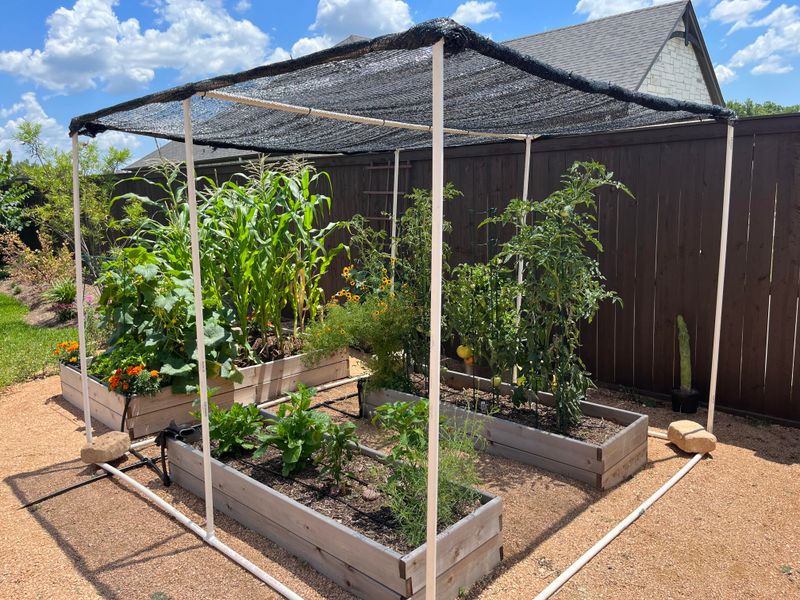
Sun exposure that feels pleasant in March can become overwhelming for garden plants by late May in Texas.
The angle and intensity of sunlight shifts noticeably as the season progresses, and plants that were thriving in full sun during early spring may begin showing signs of heat stress as days grow longer and temperatures push higher.
Failing to adjust for that shift is a common spring oversight.
Afternoon sun in Texas is particularly intense during the late spring transition period. Western exposures that seemed manageable in March can scorch tender leaves and reduce fruit set in tomatoes and peppers once May arrives.
Providing shade cloth rated at 30 to 40 percent during the hottest afternoon hours can make a meaningful difference in how well plants hold up as summer approaches.
Shade cloth is relatively affordable and easy to install over raised beds or garden frames. Positioning transplants near taller plants or structures that offer natural afternoon shade is another strategy worth considering at planting time.
Being proactive about sun management in spring, rather than waiting until plants show visible stress, gives them a much better chance of maintaining productivity through the long and demanding Texas summer season ahead.