Common Fungal Problems In East Texas Yards
An East Texas yard can look perfectly fine one week and then suddenly start throwing out strange patches, spots, or thinning areas that make you stop in your tracks. A lot of homeowners blame insects first.
Others assume the grass just needs more water. Then the problem spreads, the weather stays humid, and the lawn starts looking worse by the day.
That is where fungal trouble gets a lot of attention in this part of the state. Warm temperatures, heavy moisture, and thick turf can create the kind of conditions these problems love.
Some show up as circles, some as discolored patches, and some go after the roots before you even realize what is happening up top.
The frustrating part is that they do not all look the same, and they do not all show up for the same reason. The names on this list are the ones East Texas homeowners are most likely to run into when the yard starts changing fast.
1. Brown Patch That Spreads In Cool Wet Weather
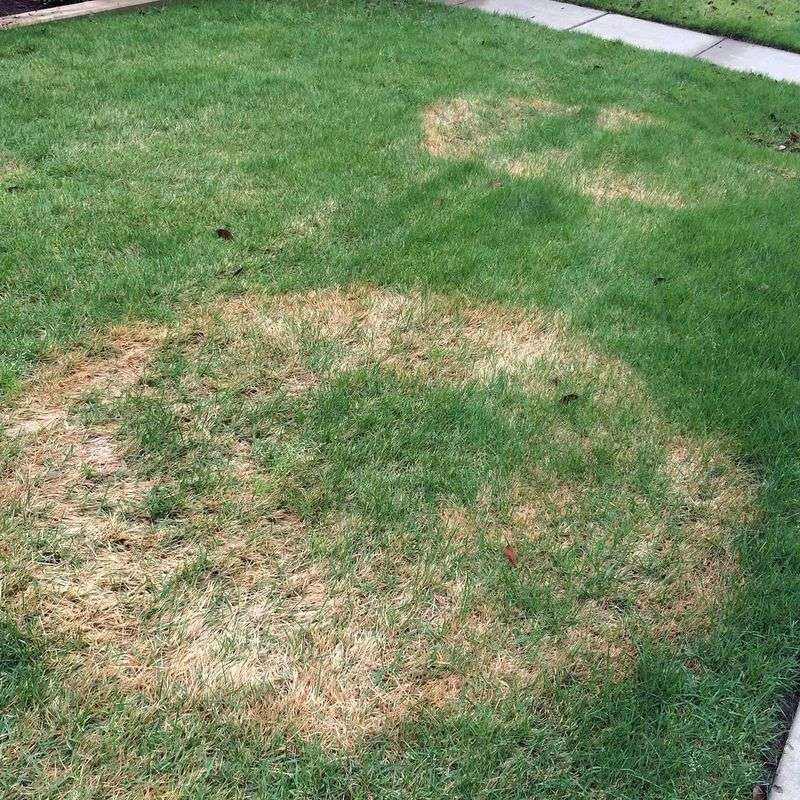
Walk out to your East Texas yard on a cool fall morning and you might notice something alarming: large, circular patches of yellowing, slimy-looking grass staring back at you. That is Brown Patch, one of the most widespread lawn diseases in the region, caused by the fungus Rhizoctonia solani.
It tends to show up fast, sometimes spreading several feet overnight when conditions are just right.
Brown Patch loves cool, wet weather, which is exactly what East Texas gets plenty of in the fall. Overwatering in the evening makes things worse because it keeps the grass blades damp for hours, giving the fungus the moisture it craves.
You might also notice a dark, water-soaked border around the affected area, sometimes called a smoke ring, which is a telltale sign of this particular disease.
Managing Brown Patch starts with changing a few watering habits. Water your lawn in the early morning so the grass has time to dry out before nightfall.
Avoid overwatering altogether, and make sure your mowing height matches what is recommended for your specific grass type. Keeping the lawn at the right height improves airflow and reduces moisture buildup near the soil.
If the problem is severe, fungicide applications can help slow the spread during peak conditions. Aerating your lawn in the fall also helps reduce the humidity trapped near the soil surface.
Fertilizing with too much nitrogen in late summer can make your grass more vulnerable, so hold off on heavy feedings as the weather cools down. With a little attention and some smart lawn care habits, Brown Patch is very manageable in East Texas yards.
2. Gray Leaf Spot That Moves Fast In Humid Heat
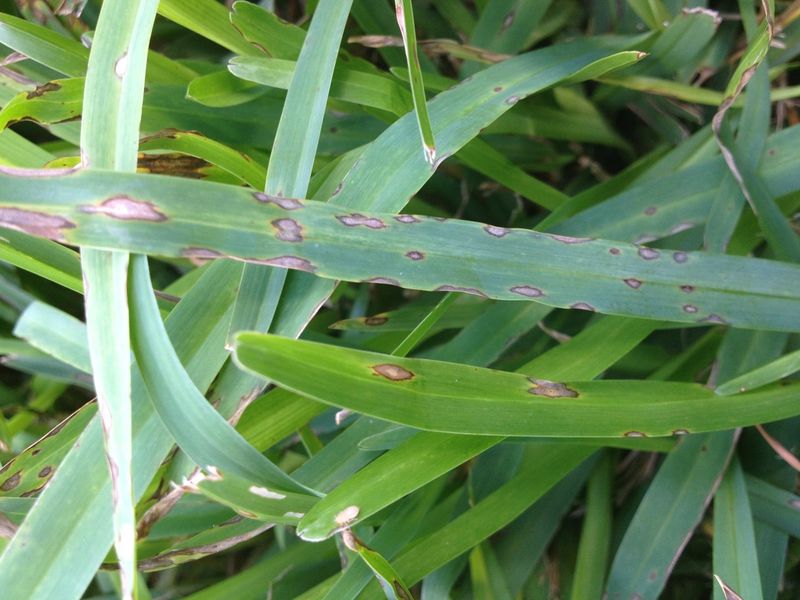
What might sound like a minor cosmetic issue can actually spread across an East Texas lawn surprisingly fast, and gray leaf spot is a good example of that. Caused by the fungus Pyricularia grisea, this disease is especially aggressive on St. Augustine grass, which is one of the most popular turf choices across East Texas neighborhoods.
Your Texas Garden Changes Every Week. Your Plan Should Too.
Gardening in Texas changes quickly throughout the season. Every Friday you’ll receive a simple weekly plan showing exactly what to plant, prune, fertilize, harvest, and protect so you never miss the right timing.
When temperatures are warm and humidity is high, which describes most of the summer here, Gray Leaf Spot can get out of hand quickly.
The symptoms are pretty easy to spot once you know what to look for. Small, oval or oblong lesions appear on the grass blades, starting out as tiny brown or gray spots with yellow halos around them.
As the disease progresses, those spots grow larger, the centers turn ash gray, and the blades start to look scorched or twisted. Heavily infected lawns take on a grayish-brown appearance that is hard to miss from across the yard.
Newly laid sod and recently overseeded areas are particularly vulnerable to Gray Leaf Spot because the grass is still getting established. Applying too much nitrogen fertilizer during the growing season is one of the biggest mistakes East Texas homeowners make, since it pushes fast, soft growth that the fungus loves to attack.
Reducing nitrogen applications during humid summer months can really make a difference. Water in the morning rather than the evening, and avoid leaving standing water on the lawn.
Fungicides are available and can be effective when applied early in the disease cycle. Keeping your mower blades sharp also helps because clean cuts heal faster and leave less opportunity for fungal entry into the grass tissue.
3. Large Patch That Leaves Big Ugly Circles
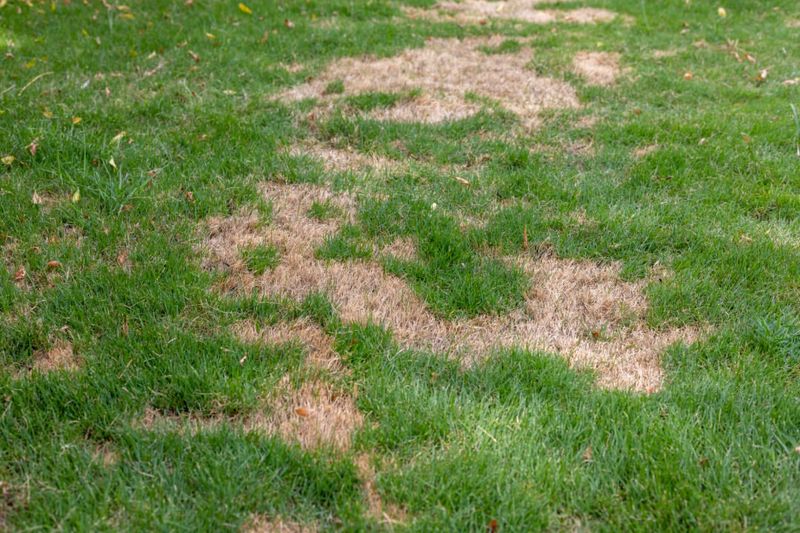
Large Patch is basically Brown Patch’s bigger, bolder cousin, and it is one of the most damaging fungal diseases that East Texas lawns face each year. While both are caused by Rhizoctonia solani, Large Patch specifically targets warm-season grasses like zoysia and centipede, and it earns its name honestly.
The patches it creates can grow enormous, sometimes stretching 10 to 25 feet across, making them impossible to ignore in your yard.
Cooler fall temperatures and wet conditions are what trigger Large Patch activity. You will usually start seeing it in the late fall when your warm-season grass is slowing down for the season.
The outer edges of the affected areas often have an orange or yellow color while the interior of the patch collapses into a tan or straw-colored mess. The base of the grass stems may look dark and rotted, which is one of the clearest signs you are dealing with this particular fungus rather than a drought or nutrient problem.
One of the trickiest parts about Large Patch is that the damage you see in spring might actually have happened the previous fall. The fungus can stay active in the soil through winter and resume attacking the grass as temperatures shift.
Avoiding late-season nitrogen fertilizer applications is one of the most important preventive steps East Texas homeowners can take. Excess nitrogen encourages lush, soft growth that is highly susceptible to fungal attack.
Improving soil drainage, aerating compacted areas, and mowing at the correct height all help reduce the risk. Preventive fungicide treatments applied in the fall before symptoms appear tend to work much better than trying to treat an active outbreak after the damage is already visible across your lawn.
4. Dollar Spot With Small Patches And Big Impact
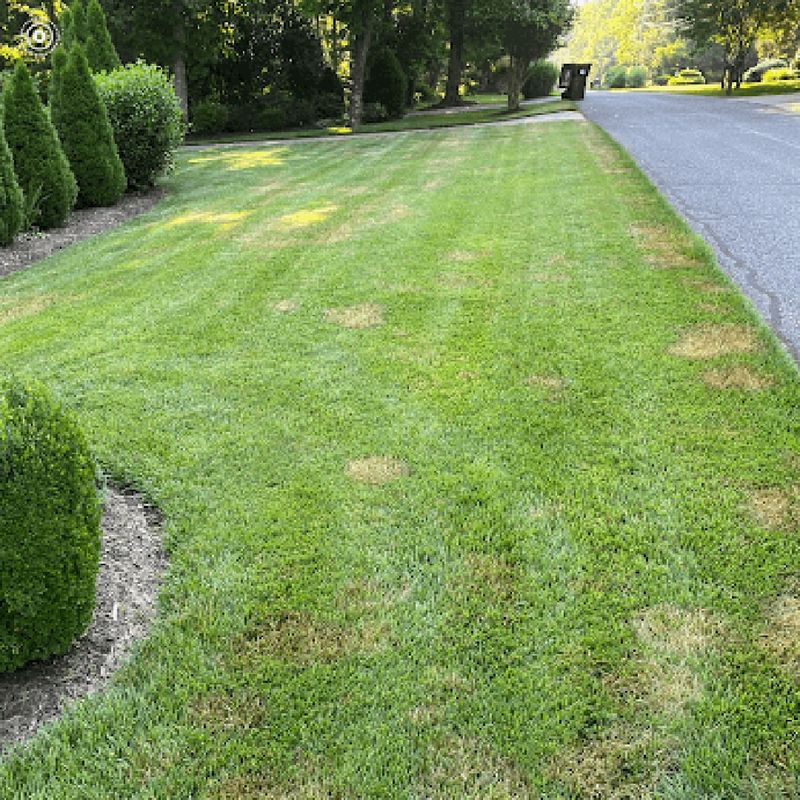
Spotted a bunch of small, tan circles scattered across your East Texas lawn that look roughly the size of silver dollars? You have likely got Dollar Spot on your hands.
Caused by the fungus Clarireedia jacksonii, this disease is a common visitor in East Texas yards, especially on bermudagrass and zoysia during warm, humid stretches of weather. While each individual patch starts small, they can merge together over time and create large areas of damaged turf.
One interesting clue that points to Dollar Spot is the appearance of white, cottony mycelium on the grass blades in the early morning when dew is still present. The individual grass blades within the spots often show tan lesions with reddish-brown borders, which is a pretty distinctive look compared to other fungal diseases.
Lawns that are low on nitrogen are actually more prone to Dollar Spot, which surprises a lot of people who think fertilizing makes problems worse rather than better.
Balanced fertilization is one of the best defenses against Dollar Spot in East Texas. Keeping your lawn properly fed with the right amount of nitrogen helps the grass grow vigorously enough to resist and recover from fungal attacks.
Watering deeply but infrequently, and always in the morning, reduces the prolonged leaf wetness that the fungus needs to thrive. Mowing at the recommended height for your specific grass type also plays a role in keeping Dollar Spot at bay.
Avoid leaving grass clippings on the lawn if Dollar Spot is active, since they can spread fungal spores around. Fungicide treatments are available for severe cases, but improving basic lawn care practices is often enough to bring Dollar Spot under control in most East Texas yards.
5. Take-All Root Rot That Starts Below The Surface
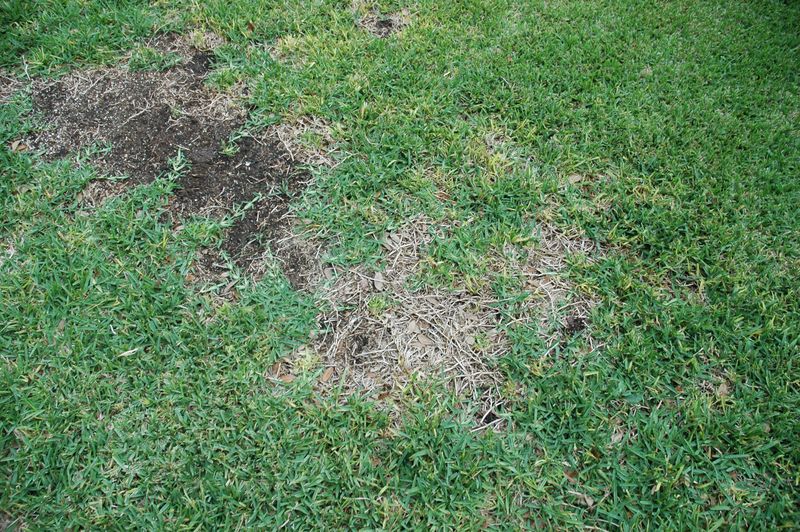
One of the sneakiest lawn diseases works underground before you ever see the damage above the surface, and take-all root rot fits that description perfectly. Caused by the fungus Gaeumannomyces graminis, this disease attacks the roots and stolons of warm-season grasses, cutting off their ability to take up water and nutrients.
By the time you notice yellowing, thinning patches in your East Texas yard, the root system underneath may already be severely compromised.
St. Augustine grass is the most commonly affected turf in East Texas, though bermudagrass and zoysia can also fall victim. The affected areas often look like they are suffering from drought stress or nutrient deficiency, which makes Take-All Root Rot tricky to diagnose correctly.
Pulling up a section of struggling turf and checking the roots for black, rotted tissue is one of the best ways to confirm what you are dealing with. Healthy roots should be white or light tan, so dark discoloration is a red flag.
Managing Take-All Root Rot requires a multi-pronged approach because there is no single quick fix. Improving drainage in low-lying areas of your yard is a good starting point since the fungus thrives in waterlogged soil.
Avoid applying high amounts of nitrogen fertilizer late in the growing season, as this stresses the grass and makes it more vulnerable. Peat moss applications have shown some effectiveness in suppressing the fungus by lowering soil pH in the affected areas.
Aerating the soil helps improve root health and reduces compaction. Fungicide treatments can be beneficial when applied correctly, but timing matters a great deal.
Keeping your East Texas lawn on a consistent, balanced care schedule throughout the year gives it the best chance of resisting this damaging root disease.
6. Fairy Ring That Turns Lawns Strange Overnight
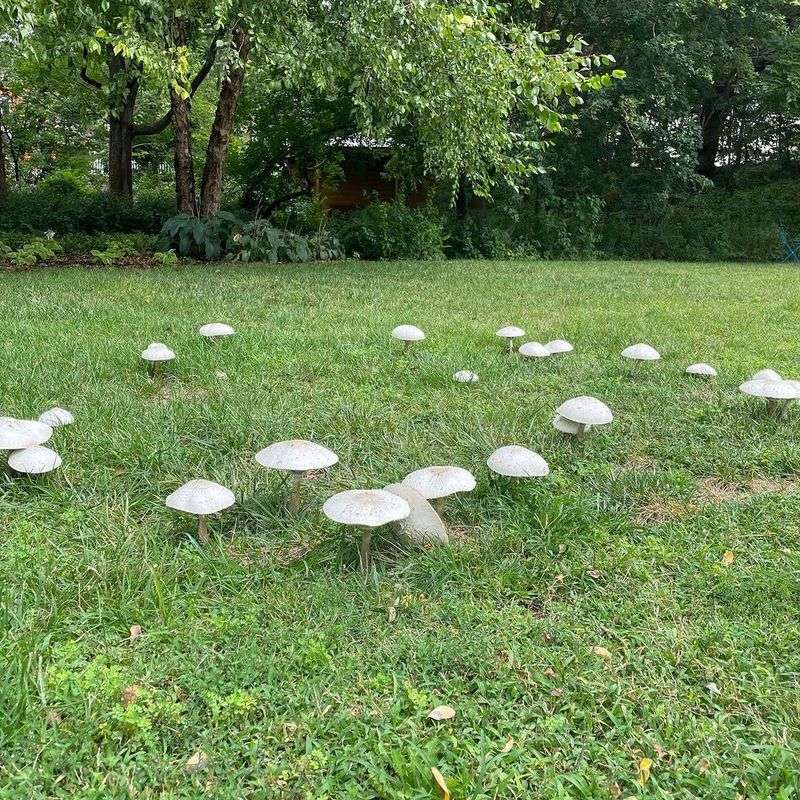
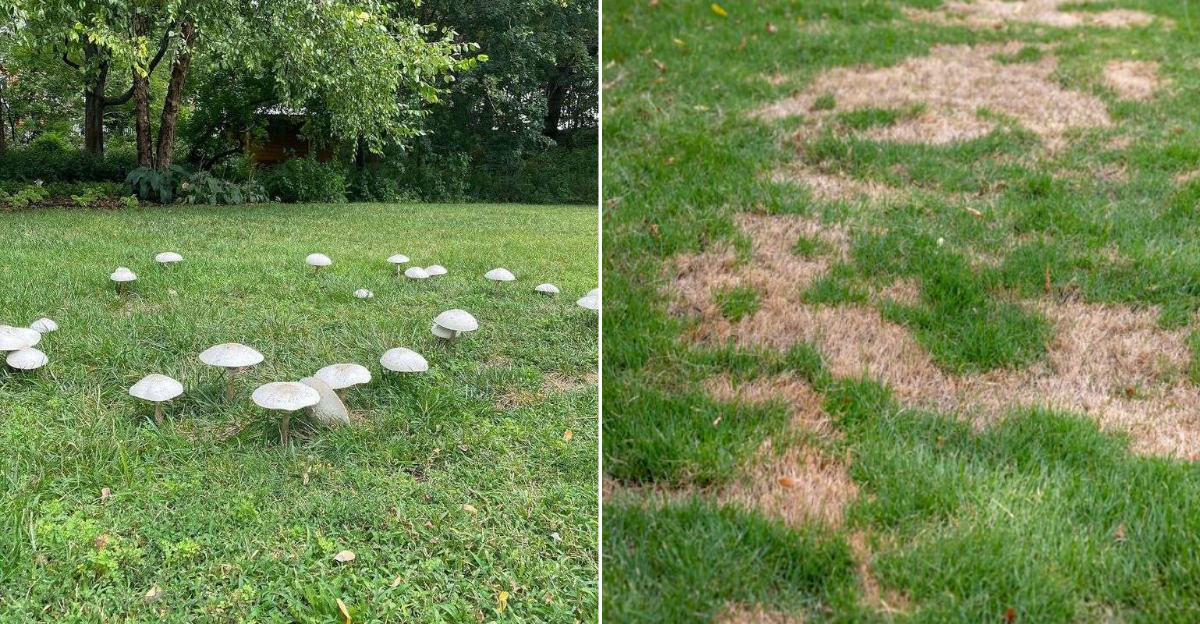
Few lawn phenomena are as visually striking as Fairy Ring, and East Texas yards are no strangers to this unusual fungal problem. Fairy Ring appears as dark green circles or arcs of unusually lush grass, sometimes accompanied by a ring of mushrooms popping up along the outer edge.
The name comes from old folklore that claimed these rings were created by dancing fairies, but the real culprit is a group of soil-dwelling fungi that break down organic matter buried in the ground beneath your lawn.
The dark green color in the ring happens because the fungi release nitrogen as they break down organic material, essentially fertilizing the grass above them. In some cases, the opposite effect occurs and the grass inside or along the ring turns brown and struggles to survive because the fungal mat becomes so dense that it repels water, making it nearly impossible for moisture to reach the roots below.
This water-repelling layer is one of the most frustrating aspects of dealing with Fairy Ring in East Texas.
Old tree stumps, buried wood debris, or high organic matter in the soil are common triggers for Fairy Ring development. The fungi can persist in the same spot for many years, slowly expanding outward as they consume organic material.
Aerating the affected area aggressively and applying a wetting agent to help water penetrate the hydrophobic fungal layer can provide some relief. Removing buried organic debris when possible eliminates the food source the fungi depend on.
Fungicide applications are sometimes used for severe cases, but they need to be applied to the soil rather than just the surface. Consistent lawn care and keeping your East Texas yard free of buried debris goes a long way toward preventing Fairy Ring from becoming a recurring issue.
7. Spring Patch In Bermudagrass That Slows Green-Up
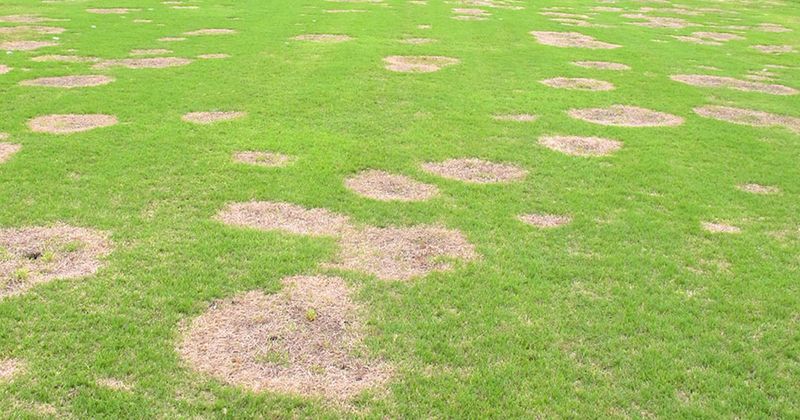
Every spring, East Texas homeowners with bermudagrass lawns eagerly watch for their turf to green up after winter dormancy. But sometimes, instead of a beautiful carpet of green emerging evenly across the yard, irregular yellow or straw-colored patches appear that just refuse to recover.
This frustrating situation is often caused by Spring Patch, a fungal problem that strikes bermudagrass during the transition from cool to warm weather, when the lawn is already under stress from waking up after winter.
Spring Patch in bermudagrass is linked to fungal activity that affects the lawn during cool, moist conditions and often shows up as the grass starts greening up in spring. The patches can range in size from just a few inches to several feet across, and they tend to have a sunken appearance as the grass struggles to push new growth through the damaged root and stolon tissue.
The surrounding healthy bermudagrass will eventually try to fill in the affected areas, but recovery can be slow without some help from the homeowner.
Preventing Spring Patch starts with good fall lawn care habits. Avoid applying nitrogen fertilizer too late in the growing season, as this produces soft growth that is more susceptible to fungal damage over winter.
Make sure your soil has good drainage so water does not pool and stay saturated during cool months. Core aeration in the fall improves soil structure and helps reduce the conditions that favor fungal development.
Once spring arrives and you spot the patches, light topdressing with compost can encourage recovery. Preventive fungicide applications made in late fall or early spring before symptoms appear tend to be far more effective than reactive treatments.
With the right timing and care, your East Texas bermudagrass lawn can bounce back strong every season.