Texas Entry Path Plants That Look Expensive But Need Little Water
Want your front entry to look polished and high-end without turning into a watering project every few days? That is the sweet spot a lot of Texas homeowners are after, especially when the heat is relentless and keeping thirsty plants alive starts to feel like a chore.
A beautiful walkway can make the whole house feel more inviting, but that does not mean you need fussy landscaping or a huge water bill to get there.
Some of the best entry path plants for Texas bring color, structure, and that clean, designed look people usually associate with more expensive landscapes. The difference is that these plants can handle dry conditions far better than they get credit for.
Once established, many of them keep looking sharp with minimal watering and far less attention than traditional choices.
That makes them perfect for spots where curb appeal matters most. A smart mix of low-water plants can frame your path, soften hard edges, and give your entry a more refined look without creating extra work every weekend.
1. Mexican Feather Grass (Nassella Tenuissima)
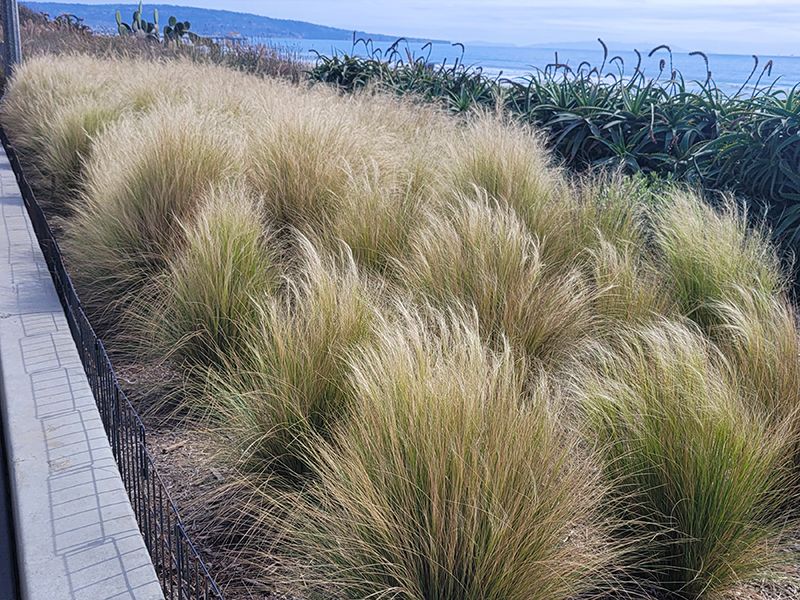
Picture a plant that dances every time the wind blows. Mexican Feather Grass does exactly that, and it makes any entry path look like it was designed by a professional landscaper.
The thin, wispy blades catch the light in a way that feels almost magical, especially in the late afternoon Texas sun.
Once this grass gets settled in the ground, it asks for very little water. That makes it a dream for Texas homeowners who want beauty without big water bills. It fits perfectly in clean, modern designs where less is more.
Plant it in clusters along both sides of your walkway for a flowing, symmetrical look. The soft texture balances well against harder surfaces like concrete or flagstone. Neighbors will definitely stop and stare.
Mexican Feather Grass grows to about two feet tall and wide, so it never feels overwhelming. It thrives in full sun and well-drained soil, which is exactly what most Texas front yards already offer.
No fancy fertilizers or special soil mixes are needed here. One fun fact: this grass actually looks even more dramatic in winter when it turns a warm golden color.
So your entry path stays eye-catching all year long. It truly earns its spot as a low-effort, high-reward plant in any Texas landscape.
2. Gulf Muhly (Muhlenbergia Capillaris)
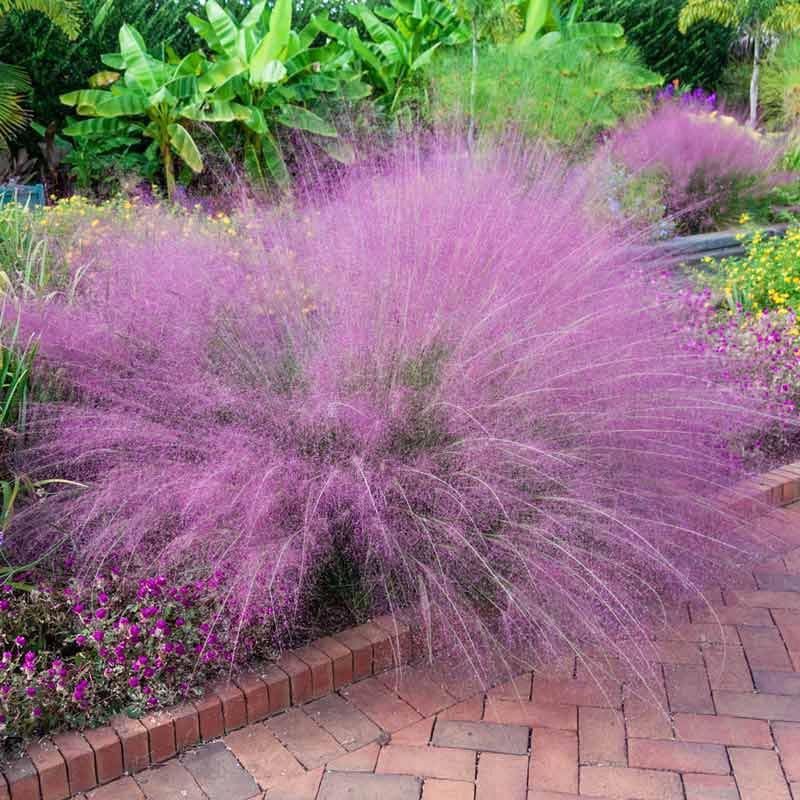
Every fall, Gulf Muhly puts on one of the most breathtaking shows in the Texas plant world. The plant erupts in soft, cloud-like pink and purple plumes that seem to float above the ground.
Designers across Texas use it specifically because it looks like something that should cost a fortune to maintain, but it really does not.
Lining a front walkway with Gulf Muhly creates a dramatic, welcoming effect. Guests walking up to your door will feel like they are strolling through a boutique garden.
The airy blooms catch the breeze just like Mexican Feather Grass, giving your entry path constant movement and life.
Your Texas Garden Changes Every Week. Your Plan Should Too.
Gardening in Texas changes quickly throughout the season. Every Friday you’ll receive a simple weekly plan showing exactly what to plant, prune, fertilize, harvest, and protect so you never miss the right timing.
Heat and drought are no problem for this tough native plant. Once established in the Texas soil, Gulf Muhly can go long stretches without rain and still look gorgeous. Full sun is its best friend, and it rewards you generously for giving it a good spot.
Outside of fall bloom season, the green foliage stays tidy and compact. It grows about three feet tall, which is just the right height for bordering a path without blocking views. Trim it back in late winter to keep it fresh for the next growing season.
Gulf Muhly is native to the southeastern United States, meaning it already knows how to handle tough Texas conditions. It is truly one of the most rewarding plants you can add to a Texas entry path.
3. Texas Sage (Leucophyllum Frutescens)
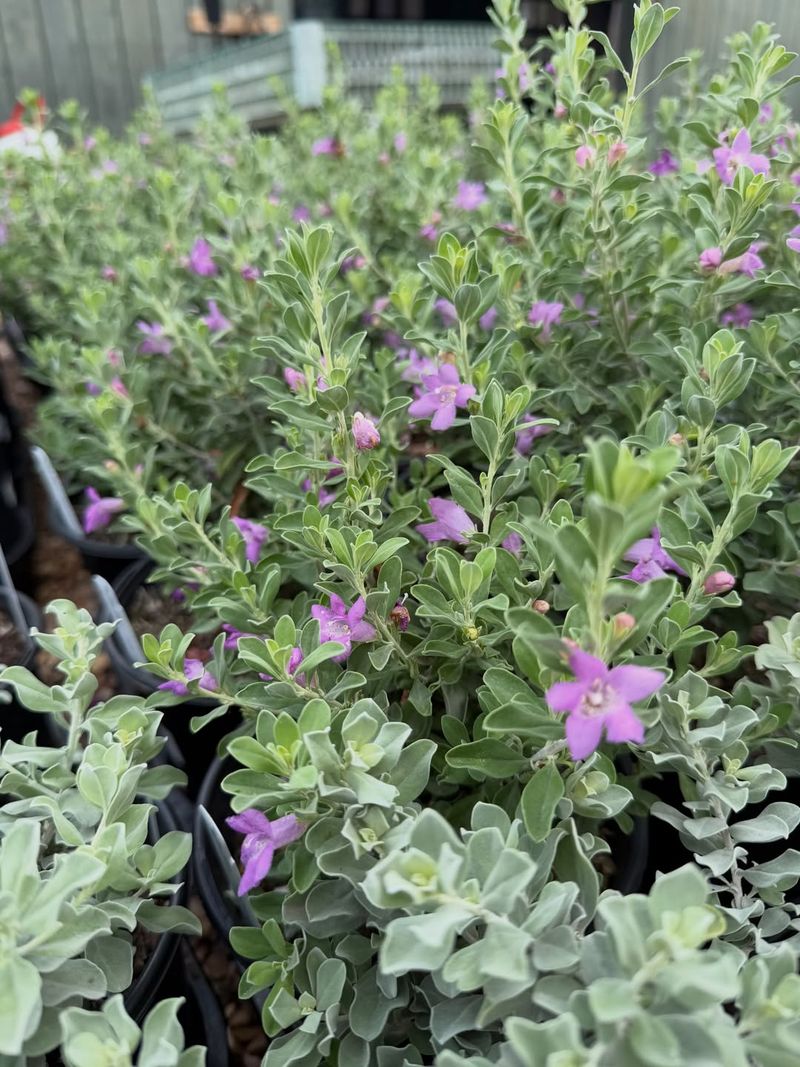
Sometimes called the “barometer bush,” Texas Sage has a cool trick: it bursts into purple blooms right before or after rain. Locals in San Antonio and West Texas have watched this plant for generations as a natural weather signal.
Beyond that fun quirk, it is simply one of the most polished-looking shrubs you can put along an entry path in Texas.
The silvery-gray foliage gives it a refined, almost sculptural look that works year-round. When the purple flowers appear, the contrast between the silver leaves and vivid blooms is genuinely stunning.
It looks like something from an upscale resort garden, yet it requires almost no irrigation once established.
Texas Sage handles full sun and rocky, alkaline soil without complaint. Those are exactly the conditions many Texas front yards offer, making this plant a natural fit across the state. It is also deer-resistant, which is a huge bonus in many Texas neighborhoods.
For a formal, symmetrical entry path look, plant Texas Sage in evenly spaced rows on both sides of the walkway. Prune it lightly to keep a clean, rounded shape.
The result is a tidy, elegant border that looks expensive without needing constant attention.
It grows slowly, reaching about five feet tall if left unpruned. Keeping it trimmed to three feet gives a neat, manicured appearance. Few plants offer this level of visual payoff with such little effort in the Texas heat.
4. Dwarf Yaupon Holly (Ilex Vomitoria ‘Nana’)
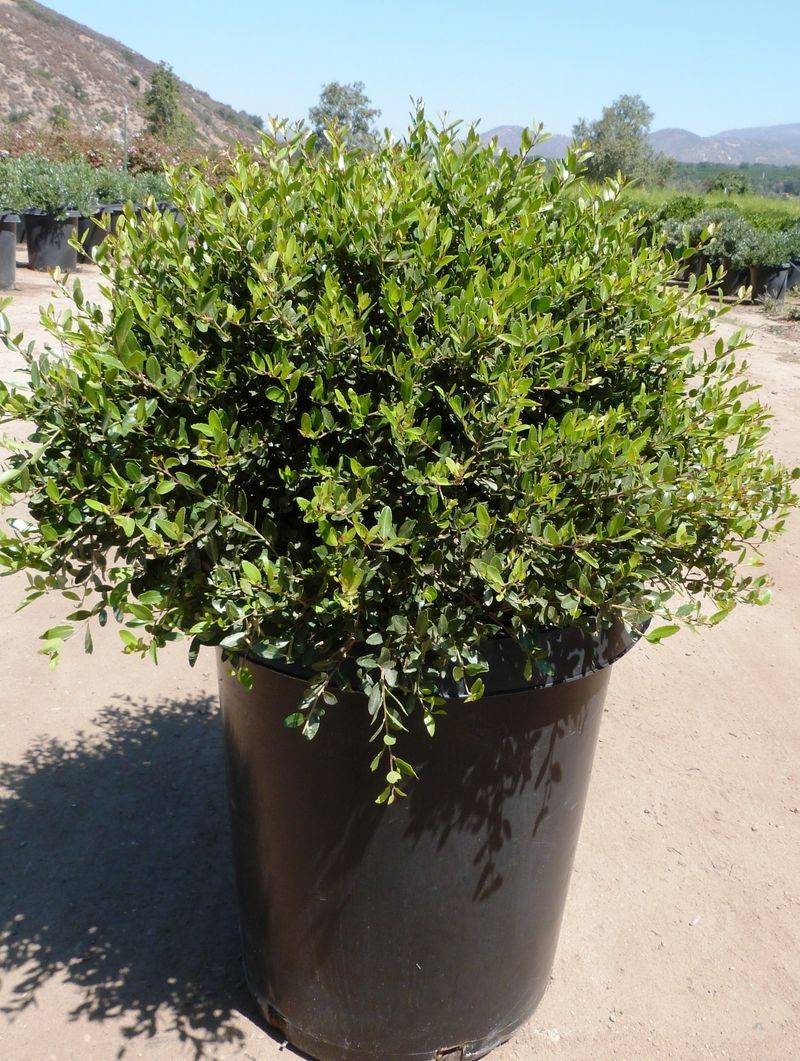
Walk up to any high-end Texas home and you will likely spot a pair of perfectly rounded evergreen shrubs flanking the front door. Chances are good that those shrubs are Dwarf Yaupon Holly.
This compact, tidy plant is a go-to choice for designers who want a formal, structured look that holds up through Texas summers without demanding constant watering.
What makes it feel expensive is the shape. Dwarf Yaupon Holly naturally grows into a dense, rounded mound that looks like it was professionally sculpted.
You can also shear it into formal geometric shapes if you want an even more polished entry path design. Either way, it brings serious curb appeal.
Being a native Texas plant, it is built for the local climate. It tolerates heat, drought, poor soil, and even occasional flooding.
Once established, it rarely needs supplemental watering, which makes it one of the most practical choices for a low-maintenance Texas landscape.
The deep green foliage stays vibrant all year, giving your entry path color even in the middle of winter when other plants look tired.
It grows slowly, reaching about three to four feet tall and wide, so it never outgrows its space too quickly. Trimming once or twice a year keeps it looking sharp.
Pair it with ornamental grasses or flowering perennials for a layered look that feels professionally designed. Dwarf Yaupon Holly is truly one of the hardest-working plants in the Texas landscape toolkit.
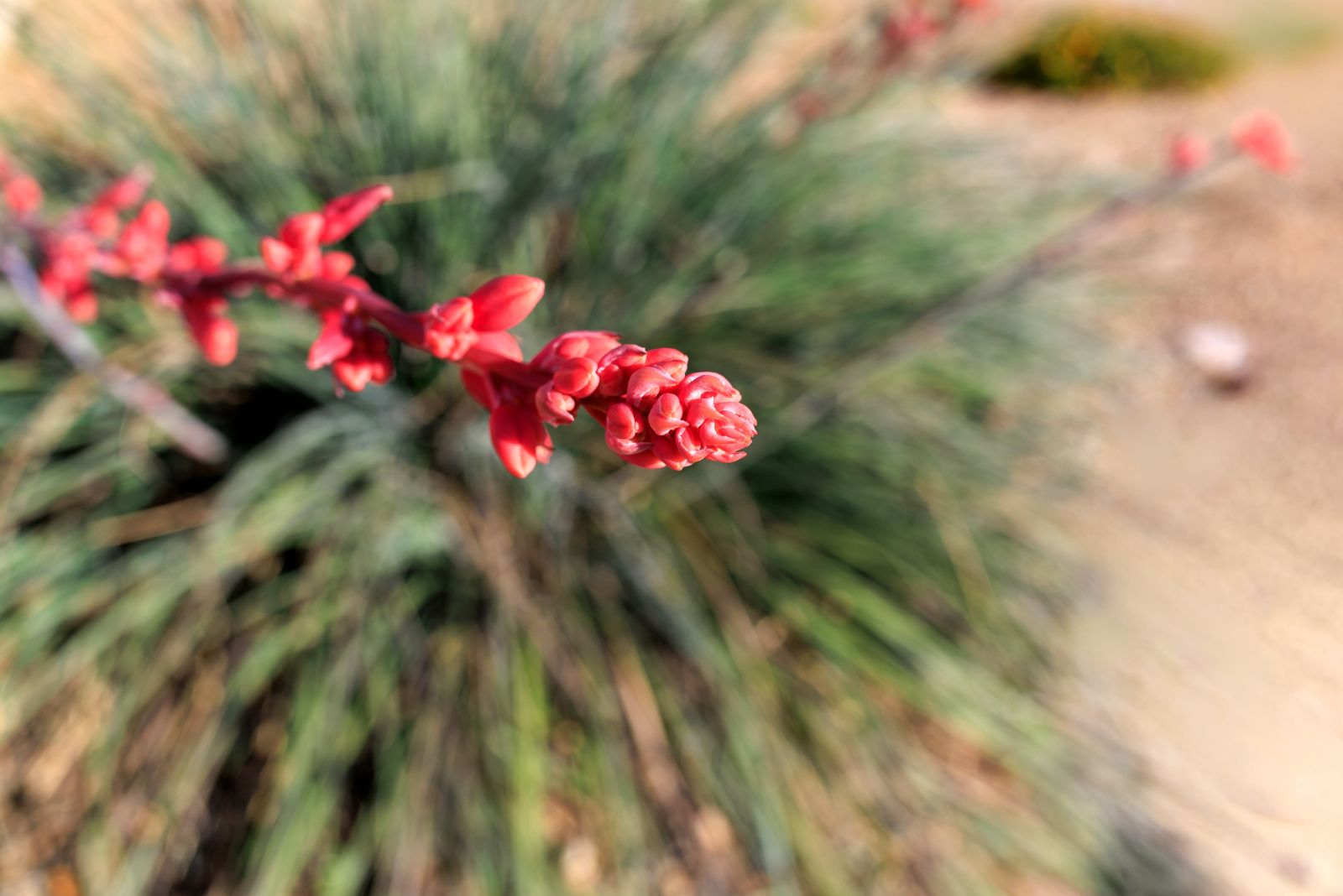
5. Red Yucca (Hesperaloe Parviflora)
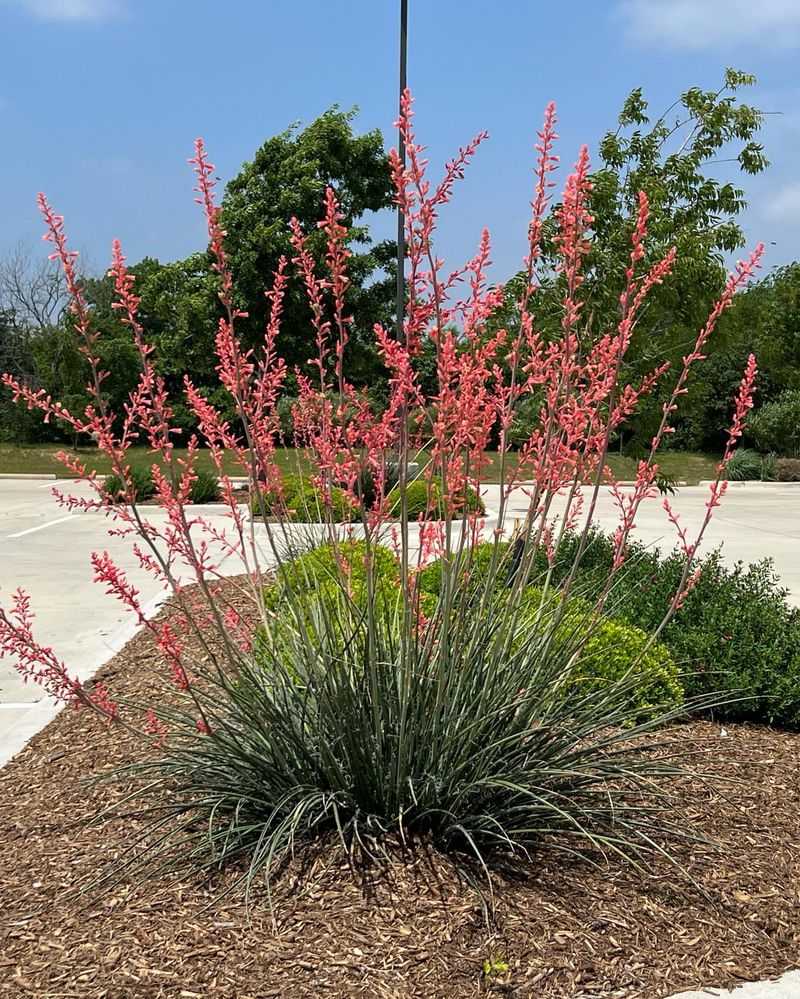
Bold, sculptural, and undeniably eye-catching, Red Yucca is one of those plants that makes people stop and ask, “What is that?”
Despite its exotic appearance, it is completely native to Texas and thrives in the exact conditions that challenge most other plants. Hot sun, dry soil, and intense summer heat are where Red Yucca truly shines.
The long, arching green leaves fan out from the base in an elegant, fountain-like shape. In late spring and summer, tall flower spikes shoot up to five feet high, covered in coral and red tubular blooms.
Hummingbirds absolutely love these flowers, so planting Red Yucca along your entry path brings both beauty and wildlife activity right to your front door.
From a design perspective, Red Yucca adds what landscape architects call “architectural interest.”
Its strong, clean lines work especially well in modern and contemporary home designs. Pair it with smooth concrete, gravel, or large flagstone for a high-end xeriscaped entry look.
Water needs are extremely low once the plant is established. In most parts of Texas, rainfall alone is enough to keep it healthy and blooming.
No fertilizer is required, and pests rarely bother it, which means less time spent on maintenance and more time enjoying the view.
Red Yucca also stays attractive in winter, when the foliage takes on a slightly reddish tint. For a plant that gives so much and asks for so little, it is hard to beat anywhere in the Texas landscape.
6. Blackfoot Daisy (Melampodium Leucanthum)
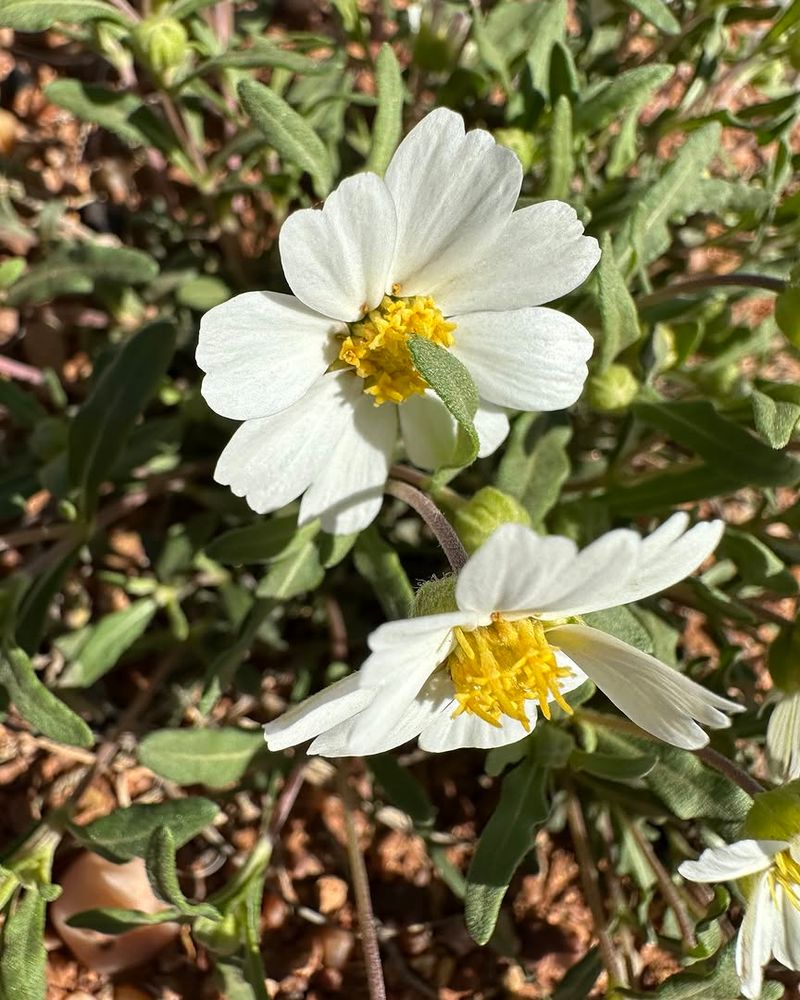
Cheerful is the best word for Blackfoot Daisy. This small, mounding plant covers itself in white daisy-like flowers with bright yellow centers for most of the year, giving your Texas entry path a fresh, lively look without any fuss.
It blooms from early spring all the way through fall, which means your walkway always has something pretty to offer.
Blackfoot Daisy grows low to the ground, usually only about a foot tall and two feet wide. That compact size makes it ideal for edging a path without blocking the view of your home.
It softens the hard edges of concrete or stone walkways in a way that feels natural and effortless. Rocky, alkaline soil? No problem.
Blackfoot Daisy actually prefers lean, well-drained soil over rich garden beds. In Texas, where caliche and rocky ground are common, this plant is right at home.
It needs very little water once established and handles the Texas heat without skipping a beat.
The white blooms have a light, honey-like fragrance that adds a subtle sensory detail to your entry path experience.
Guests walking up to your door will notice the scent before they even see the flowers. That is the kind of thoughtful detail that makes a landscape feel truly curated.
For best results, plant Blackfoot Daisy in full sun with excellent drainage. Trim it back lightly after each major bloom cycle to encourage fresh new flowers. It is a small plant with a big personality that suits any Texas front yard beautifully.
7. Agave (Agave Parryi)
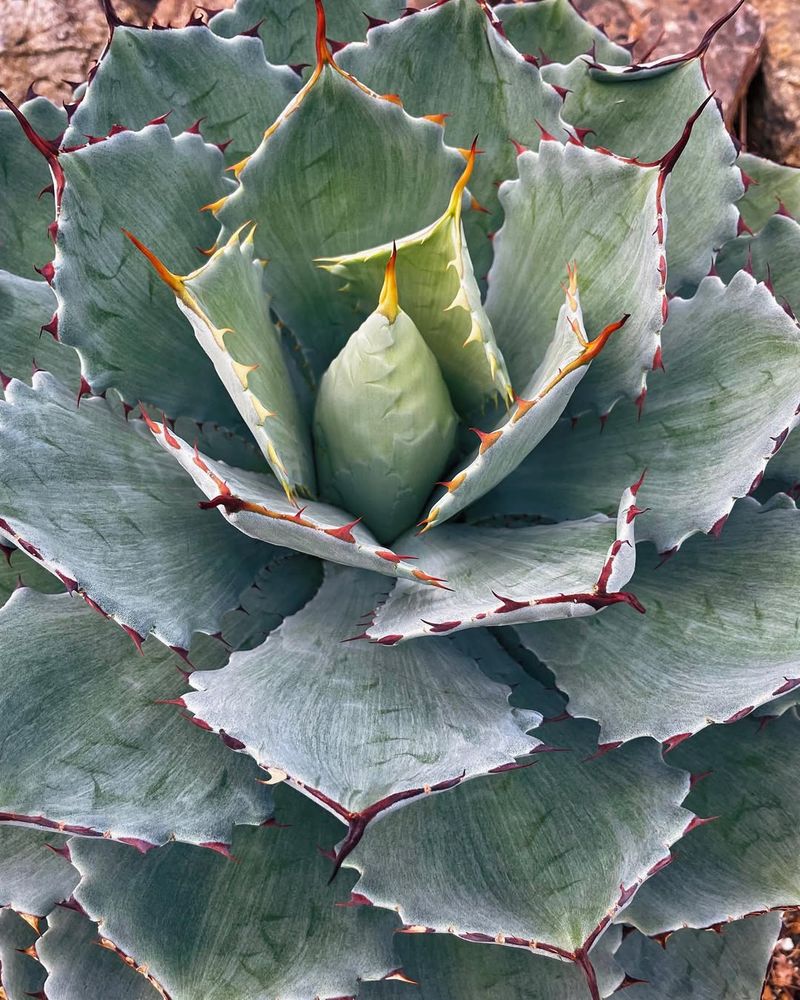
Few plants command attention the way Agave does. With its thick, symmetrical rosette of blue-gray leaves tipped with sharp points, Agave parryi looks like living sculpture.
Place one on each side of your entry path and the effect is instantly upscale, like something you would see outside a boutique hotel in Austin or Scottsdale.
Agave parryi is one of the smaller agave varieties, typically growing about two feet tall and three feet wide. That compact size makes it manageable for residential entry paths without overwhelming the space.
The tight, geometric form stays neat on its own without any pruning, which is a big plus for busy Texas homeowners.
Water requirements could not be lower. Agave stores moisture in its thick leaves, allowing it to go weeks or even months without rain and remain perfectly healthy. In Texas, where summer droughts are common, that kind of resilience is genuinely valuable.
The blue-gray color of the leaves pairs beautifully with warm-toned gravel, concrete, or terracotta. For a clean, modern xeriscaped entry, surround each plant with decomposed granite and add a border of smooth river rock.
The result looks professionally designed and requires almost zero upkeep. Did you know Agave plants can live for decades before flowering? When they finally do bloom, they send up a towering flower stalk that can reach over ten feet tall.
For a plant that brings drama, structure, and effortless style to any Texas entry path, Agave parryi is truly in a class of its own.
8. Autumn Sage (Salvia Greggii)
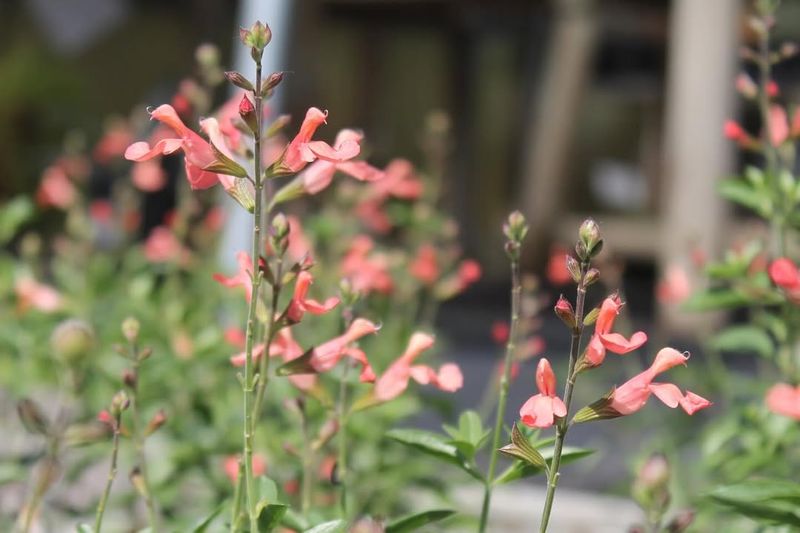
Color is sometimes the one thing missing from a drought-tolerant Texas landscape. Autumn Sage fixes that problem beautifully.
From late winter all the way through fall, this compact shrub pushes out wave after wave of tubular blooms in shades of red, pink, coral, and white. It is one of the most reliably colorful plants you can put along a Texas entry path.
Salvia greggii is native to the Texas Hill Country and northern Mexico, so it knows exactly how to handle brutal summer heat and dry spells. Once established, it needs very little supplemental water.
Plants that bloom this freely while drinking so little are genuinely rare and valuable in the Texas landscape world.
The compact, tidy growth habit makes it easy to work with in entry path designs. It typically reaches about two to three feet tall and wide, fitting neatly into borders without crowding the walkway.
No aggressive spreading or invasive tendencies to worry about here. Hummingbirds and butterflies are drawn to the blooms, bringing a lively, garden-party atmosphere to your front entry.
On a warm Texas afternoon, watching pollinators visit your Autumn Sage plants while guests arrive at your door is one of those simple joys that makes gardening worthwhile.
Prune it back by about one-third in late winter to encourage vigorous new growth and heavier blooming throughout the season.
For a layered entry path design, combine Autumn Sage with Blackfoot Daisy or Gulf Muhly. The result is a stunning, colorful, and completely water-wise Texas front yard.