Top Perennials That Thrive For Decades And Bloom Every Year In Texas
Some plants give you one good season, then start fading, flopping, or asking for more attention than they are worth. That is a frustrating trade when you are trying to build a Texas garden that actually lasts.
With the heat, dry spells, wild weather swings, and long growing season, it makes sense to choose plants that can settle in, come back strong, and keep doing their job year after year. That is exactly why long-lived perennials are such a smart investment.
The best ones do more than survive. They return each season with dependable color, stronger roots, and the kind of easy presence that makes a garden feel established instead of temporary.
Once they are happy, many of them keep blooming for years with far less fuss than short-lived plants that need constant replacing. That means less work, fewer gaps in the landscape, and a yard that gets better over time instead of starting over every spring.
For Texas gardeners, that kind of staying power is hard to beat. A perennial that can handle the climate and still bloom beautifully every year earns its place fast.
1. Autumn Sage (Salvia Greggii)
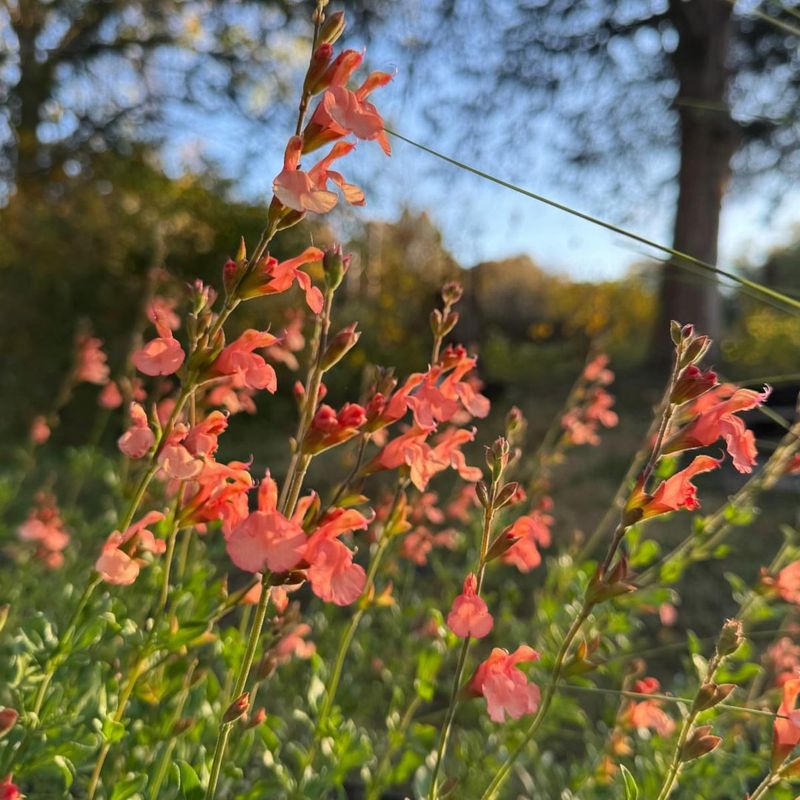
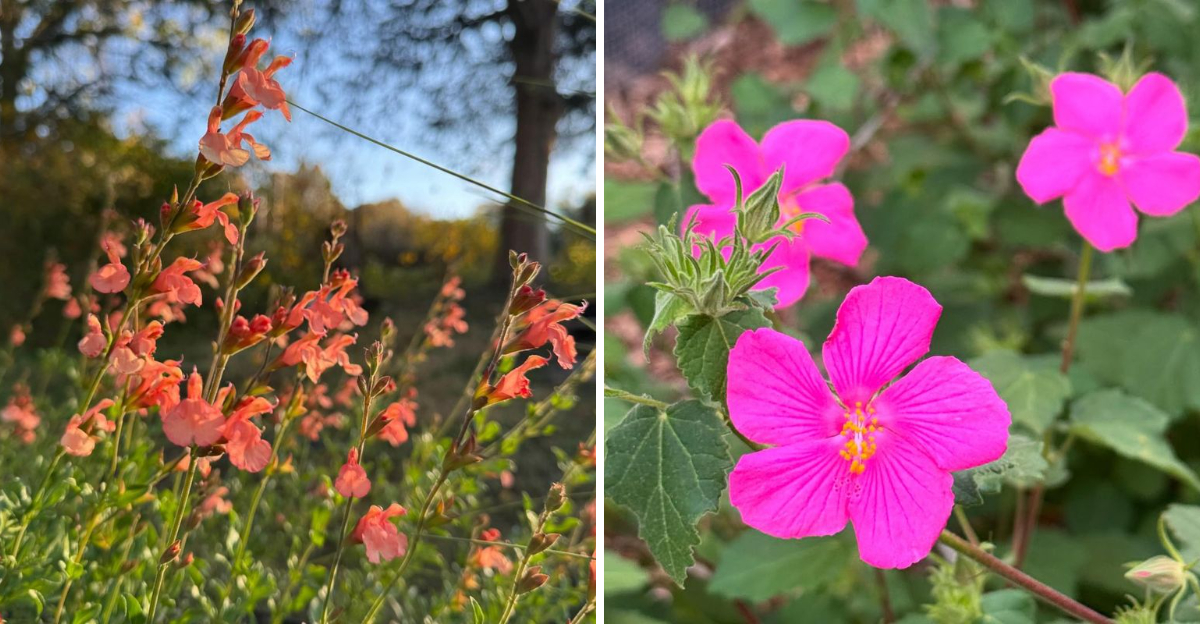
Few plants earn their place in a Texas garden quite like Autumn Sage. Known by its botanical name Salvia greggii, this woody perennial has been a beloved staple across the state for generations.
Gardeners from San Antonio to Dallas swear by it, and for good reason. Autumn Sage blooms from spring all the way through fall, filling your yard with tubular flowers in shades of red, pink, coral, and white.
Hummingbirds absolutely love it, and butterflies are frequent visitors too. Planting it near a patio or window means you get a front-row seat to all that wildlife activity.
One of its greatest strengths is its ability to handle Texas heat without complaint. Once established, it needs very little water and thrives in full sun with well-draining soil.
It is also resistant to drought, which makes it a smart choice for gardeners looking to conserve water.
Light pruning after each bloom cycle encourages fresh new growth and more flowers. With minimal attention, a single plant can live and bloom for many years.
Some gardeners report their Autumn Sage plants thriving for over a decade with nothing more than occasional trimming and a good sunny spot. If you are building a low-maintenance Texas garden that delivers consistent color, this plant belongs at the top of your list.
2. Turk’s Cap (Malvaviscus Arboreus Var. Drummondii)
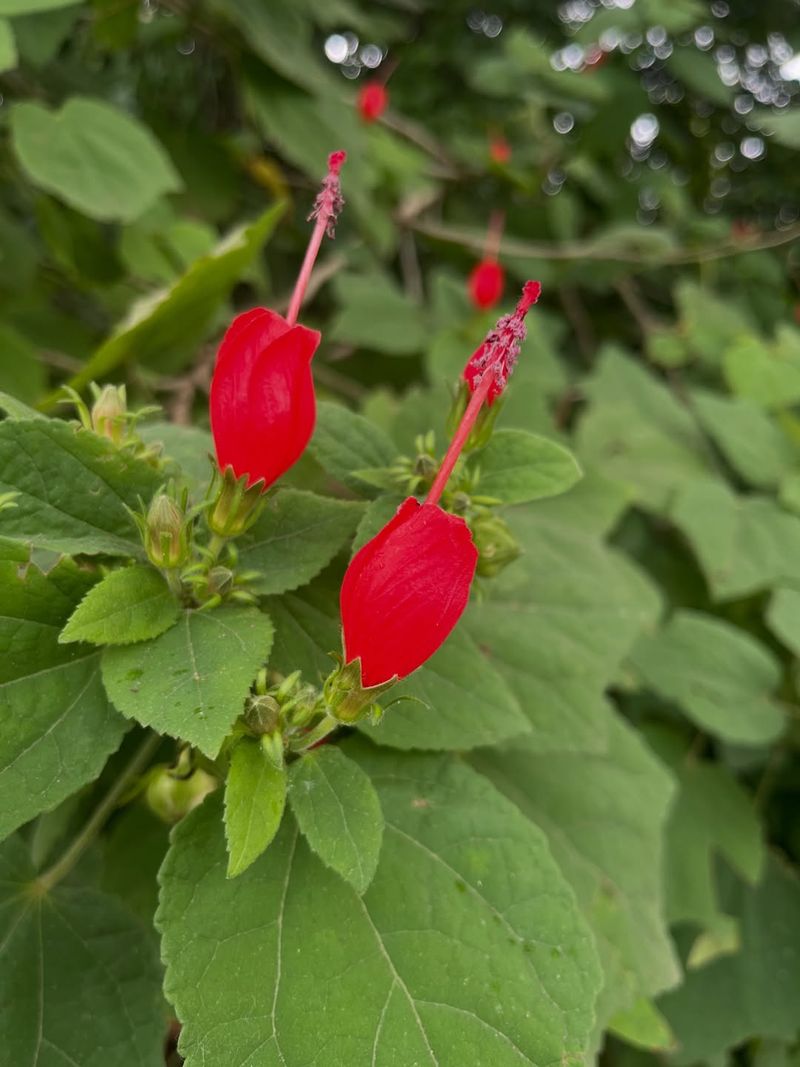
Shaded spots in Texas gardens can be tricky to fill, but Turk’s Cap handles them beautifully. This long-lived native perennial thrives in areas where many other plants struggle, making it a true problem-solver for difficult corners of the yard.
The flowers are one of a kind. They are bright red and shaped like a partially opened hibiscus bloom, which is exactly what earns this plant its memorable nickname.
Hummingbirds are particularly drawn to the tubular shape, and they will visit repeatedly throughout the blooming season, which stretches from spring all the way into fall.
Your Texas Garden Changes Every Week. Your Plan Should Too.
Gardening in Texas changes quickly throughout the season. Every Friday you’ll receive a simple weekly plan showing exactly what to plant, prune, fertilize, harvest, and protect so you never miss the right timing.
Turk’s Cap handles Texas heat and humidity without missing a beat. It adapts well to a variety of soil types, including poor or clay-heavy soils that challenge other perennials.
Over time, it spreads slowly and fills in naturally, creating a lush, full look with very little effort from the gardener.
Each year, it comes back stronger and fuller than the year before. Many Texas gardeners have had the same Turk’s Cap plants for well over a decade.
Once established, it needs almost no supplemental watering, making it wonderfully water-wise. Trim it back in late winter to keep it tidy and encourage vigorous new growth in spring.
For shaded beds, borders, or naturalized areas across Texas, this native gem is simply hard to beat.
3. Purple Coneflower (Echinacea Purpurea)
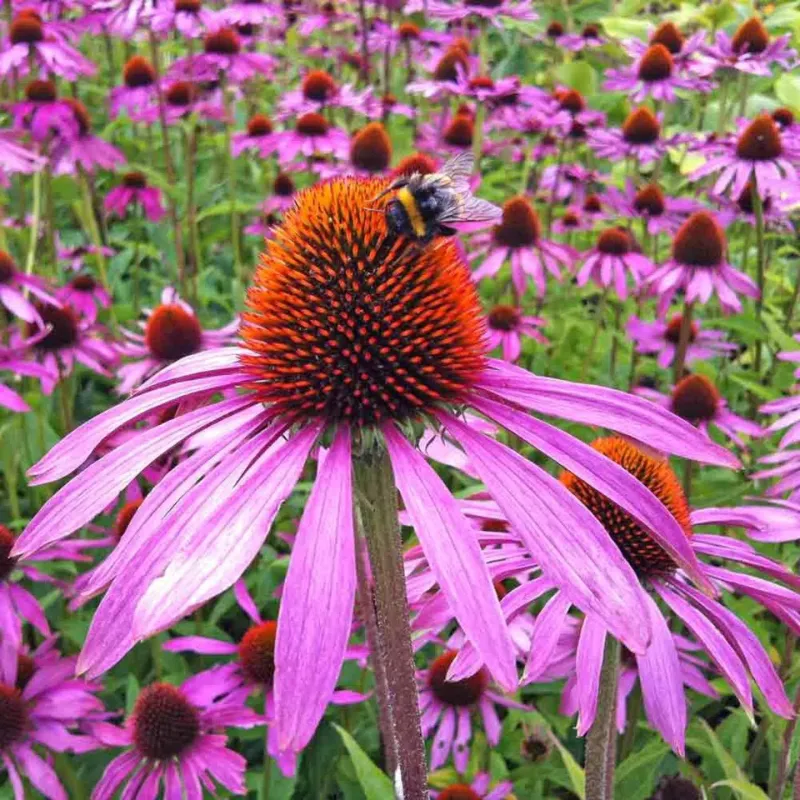
Walk through almost any Texas native plant nursery and you will spot Purple Coneflower near the front. Echinacea purpurea has earned its popularity honestly.
It is tough, adaptable, and produces some of the most eye-catching blooms of any summer perennial in the state.
The flowers feature sweeping purple petals surrounding a bold, raised central cone that turns a warm orange-brown as the season progresses. Bees, butterflies, and goldfinches all love this plant.
Leaving the seed heads standing through winter gives birds a food source and adds interesting structure to the garden during cooler months.
Purple Coneflower is drought-tolerant once established, which is a major advantage in Texas where summer rainfall can be unreliable. It grows best in full sun with well-drained soil and blooms reliably every summer without much fuss.
Over time, plants self-seed lightly, meaning new seedlings pop up nearby and help maintain a healthy colony year after year.
Dividing clumps every few years keeps plants vigorous and encourages stronger blooming. This is a perennial that rewards patience.
Plants may take a season or two to really hit their stride, but once they do, they bloom dependably for many years.
Across Texas, from the Panhandle to the Piney Woods, Purple Coneflower proves it can handle whatever the climate throws its way with grace and staying power.
4. Blackfoot Daisy (Melampodium Leucanthum)
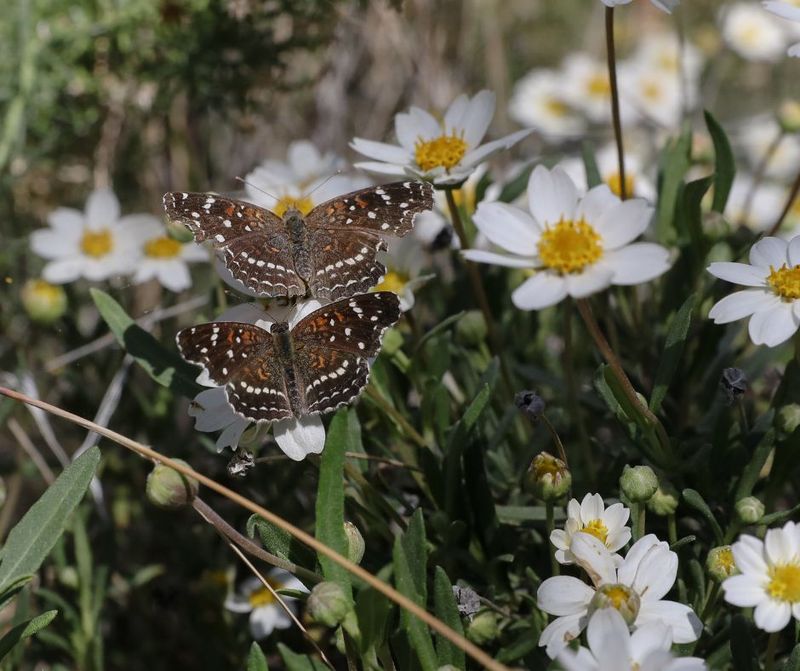
There is something quietly cheerful about a Blackfoot Daisy. Low-growing and airy, this compact native perennial produces a near-constant show of small white flowers with bright yellow centers throughout the warm months.
It looks delicate, but do not let that fool you. Native to Central and West Texas, Blackfoot Daisy is built for tough conditions. It thrives in full sun and actually prefers rocky, poor, well-drained soils where other plants might struggle.
Trying to grow it in rich, moist soil often backfires, so resist the urge to over-amend your planting area. Less really is more with this plant.
Once established, it needs very little water, making it a natural fit for xeriscaping and water-wise Texas landscapes. It blooms continuously during warm weather, which in much of Texas means you get flowers from early spring well into fall.
The cheerful white blooms attract small butterflies and native bees, adding life and movement to the garden.
Plants stay naturally compact and tidy, rarely needing much pruning or shaping. They can live for many years in the right spot with almost no intervention.
A light trim after heavy bloom cycles can refresh the plant and encourage another round of flowers. For sunny, dry spots in Texas where other perennials give up, Blackfoot Daisy steps up and delivers season after season without complaint.
5. Gregg’s Mistflower (Conoclinium Greggii)
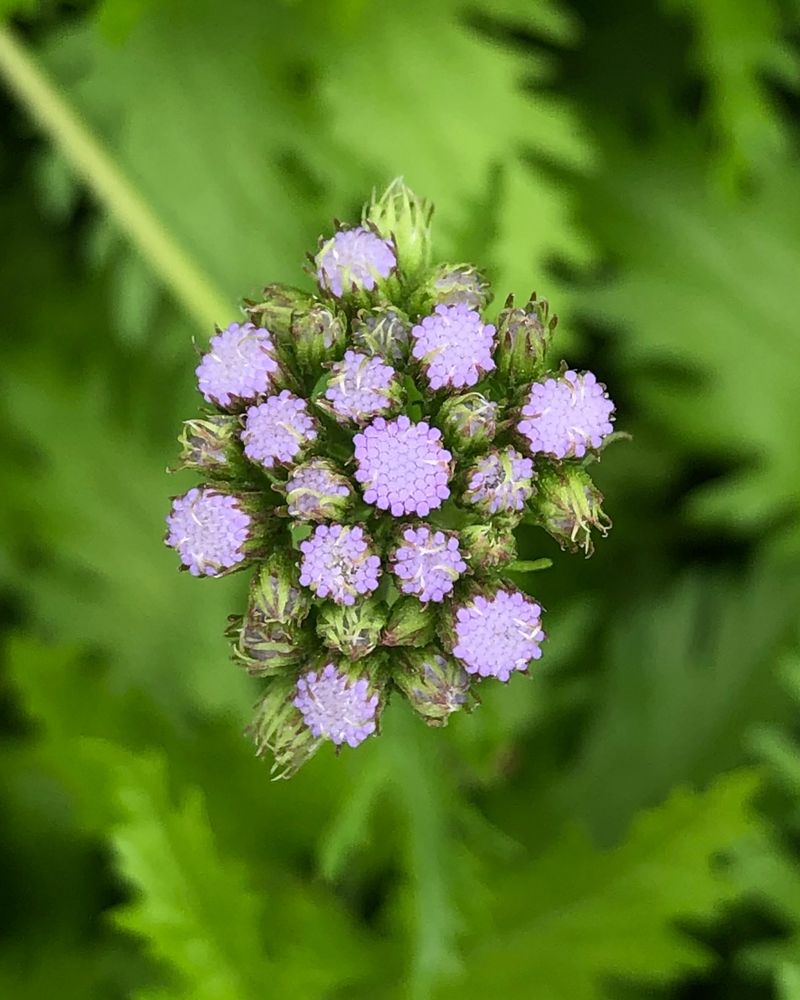
When most summer flowers are winding down, Gregg’s Mistflower is just getting started. This late-season bloomer puts on a spectacular show in fall, covering itself in soft, fluffy clusters of lavender-blue flowers that seem almost too pretty for such a tough plant.
Monarch butterflies migrating through Texas in autumn absolutely flock to Gregg’s Mistflower. Planting it is practically like setting up a butterfly rest stop in your own backyard.
Queen butterflies, skippers, and many other species visit regularly, making this one of the most wildlife-friendly perennials you can grow in the state.
It spreads reliably through underground rhizomes, slowly filling in and naturalizing over time. This spreading habit makes it excellent for covering slopes, filling in bare areas, or creating a meadow-style planting.
In Texas gardens, it thrives in full sun to partial shade and handles the heat of summer without trouble, even when it is not yet in bloom.
Cut plants back hard in late winter to encourage fresh, vigorous growth each spring. Established clumps return reliably year after year and actually become more impressive over time.
Gregg’s Mistflower is native to the Edwards Plateau and West Texas, so it is perfectly suited to the local climate. For gardeners who want late-season color and serious pollinator appeal, this perennial is a standout choice that earns its spot every single year.
6. Coreopsis (Coreopsis Lanceolata)
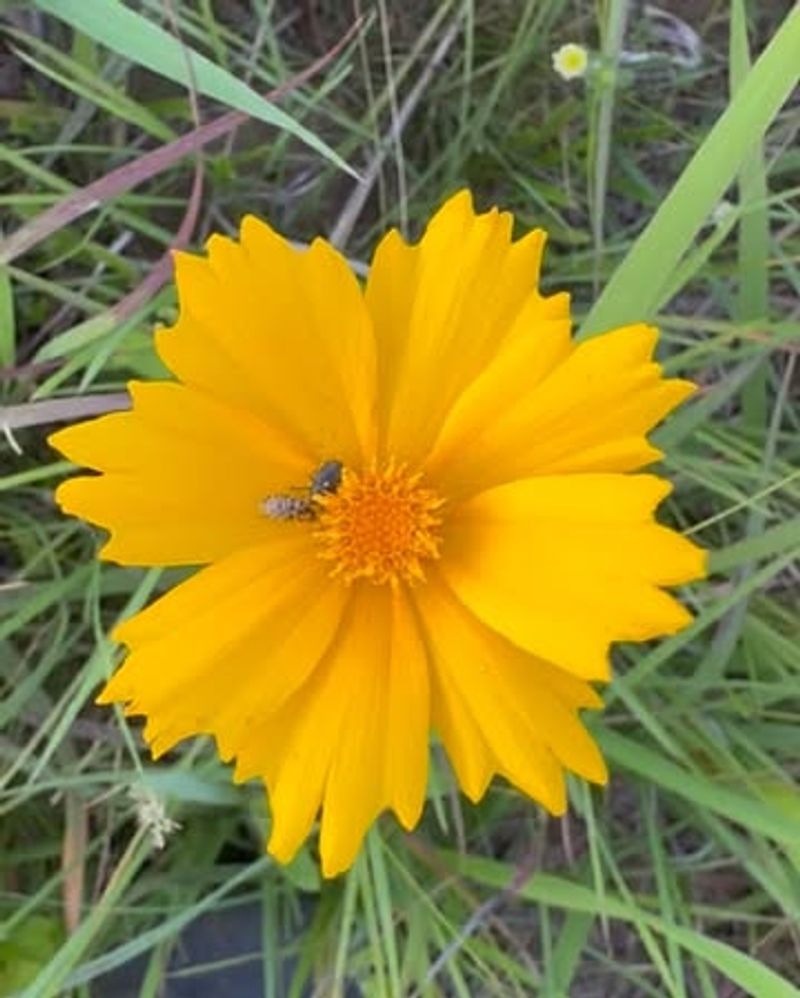
Sunny, golden, and nearly impossible to mess up, Coreopsis lanceolata is the kind of perennial that makes gardening feel easy.
Also called lanceleaf coreopsis, this bright yellow wildflower naturalizes readily across Texas and blooms with impressive enthusiasm from late spring through summer.
The cheerful, daisy-like flowers are a rich golden yellow that catches the eye from across the yard. Bees and butterflies visit frequently, and the long stems make Coreopsis a nice choice for cut flower arrangements too.
Deadheading spent blooms regularly extends the flowering period, though even without that extra attention, plants put on a solid show.
Heat and dry conditions do not slow this plant down. Once established in a sunny spot with well-drained soil, Coreopsis needs very little supplemental watering.
It is well-suited to the warm, often dry summers that much of Texas experiences. Poor or sandy soils are actually fine for this plant, which makes it a great option for spots where more finicky perennials refuse to perform.
Coreopsis self-seeds lightly and can spread gradually over time, slowly building up a larger colony that blooms more impressively each year. Dividing plants every few years keeps them productive and prevents overcrowding.
Across Texas, from the coastal plains to the central Hill Country, Coreopsis delivers reliable, long-lasting color with minimal effort. It is one of those plants that just works, year after year, without asking for much in return.
7. Damianita (Chrysactinia Mexicana)
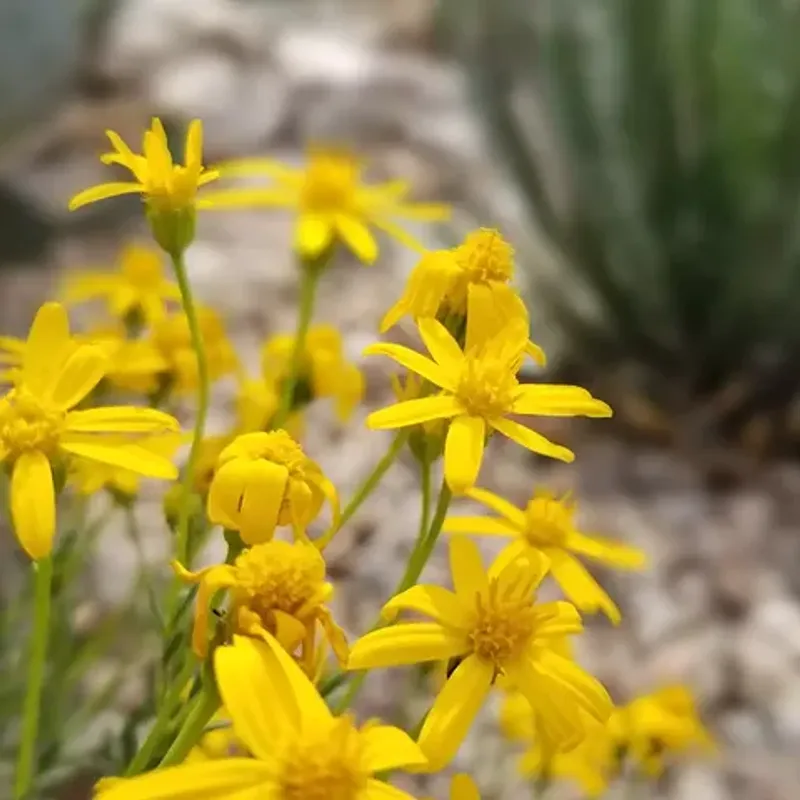
Not every garden star needs to be tall and dramatic. Damianita proves that compact plants can be just as impressive, especially in the challenging conditions found across much of Texas.
This small, mounding native perennial is built like a little tank, tough and reliable in ways that much larger plants simply cannot match.
Native to the Chihuahuan Desert and the Texas Hill Country, Damianita is perfectly adapted to the rocky, alkaline, limestone soils that cover large parts of the state.
It thrives in full sun and blooms with cheerful bright yellow flowers, typically in spring and again in fall after monsoon rains. The blooms have a pleasant, aromatic fragrance that becomes noticeable on warm days.
Drought toughness is one of Damianita’s most impressive traits. Once established, it can go long stretches without any supplemental water and still look great.
The fine-textured, dark green foliage stays attractive even between bloom cycles, giving the plant year-round visual appeal in the garden.
It naturally maintains a tidy, rounded shape without much pruning. An occasional light trim keeps it looking fresh and can encourage additional flowering.
Plants are long-lived and become more established and resilient over the years. For sunny, dry spots in Texas where most plants struggle, Damianita is a standout performer.
It brings consistent color, interesting texture, and remarkable durability to landscapes that need a tough, dependable native plant.
8. Rock Rose (Pavonia Lasiopetala)
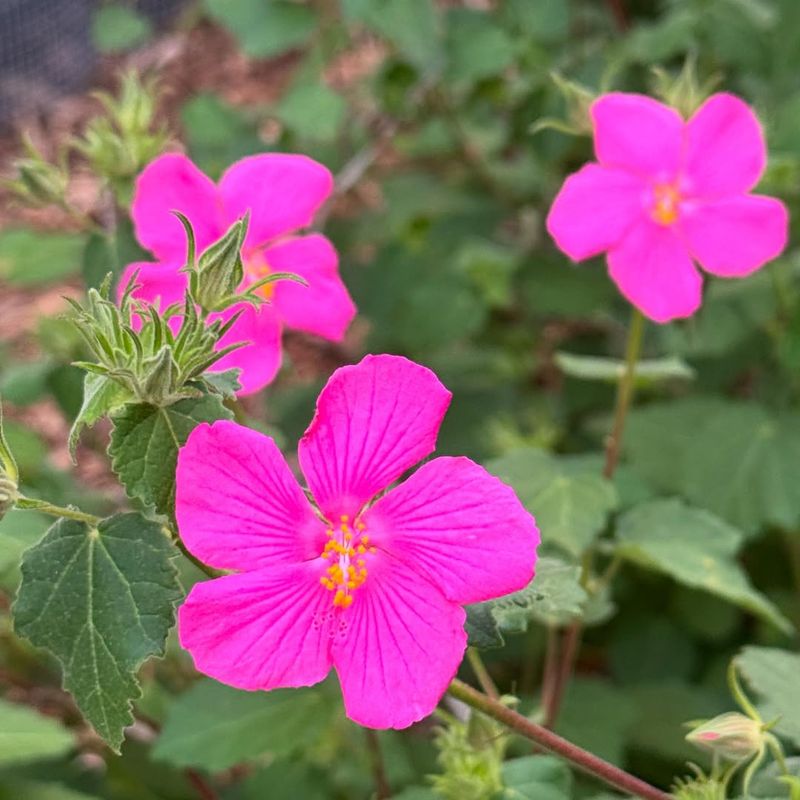
Do not let the delicate-looking flowers fool you. Rock Rose is one of the toughest native perennials in the Texas Hill Country, and it has been charming gardeners across the state for a very long time.
The blooms are soft, rosy pink, and hibiscus-shaped, giving the plant an almost tropical elegance that feels surprising given how little care it needs.
Pavonia lasiopetala thrives in full sun and handles poor, rocky soils with ease. It actually prefers the kind of lean, well-drained conditions that challenge less adapted plants.
In rich, heavily watered soils, it can become floppy and less floriferous, so resist the temptation to pamper it. Plant it in a sunny spot, give it time to establish, and then mostly leave it alone.
The blooming season is impressively long, stretching from late spring through fall in most parts of Texas. Hummingbirds and butterflies visit the flowers regularly, adding extra life and movement to the garden.
Each individual flower lasts only a day, but new blooms open continuously throughout the season, keeping the display fresh and colorful.
Cut plants back to the ground in late winter and they bounce back with vigorous new growth each spring. Over many years, Rock Rose builds a deep, resilient root system that makes it increasingly drought-tough.
For Texas gardeners who want long-term beauty with minimal fuss, Rock Rose is a native treasure that simply keeps on giving, season after season.