These Plants Are Quietly Taking Over Texas Yards For Good
Some yard trends show up loud and obvious. Others creep in quietly, then suddenly seem to be everywhere.
That is exactly what is happening across Texas, where certain plants are showing up in more front beds, backyard borders, entry paths, and low-maintenance landscapes than ever before. At first, it might seem like a coincidence.
Then you start noticing the same favorites again and again, and it becomes clear that homeowners are making very specific choices.
It is not hard to see why. In a place where heat, dry spells, tough soil, and water concerns shape almost every landscaping decision, people are paying closer attention to plants that can truly earn their space.
They want options that look good, hold up in real Texas conditions, and do not turn into a constant battle by midsummer. That shift is changing what Texas yards look like in a big way.
Some of these plants bring color, some add structure, and some simply make life easier. What they all have in common is that they fit the way Texans actually live and garden now.
1. Texas Sage
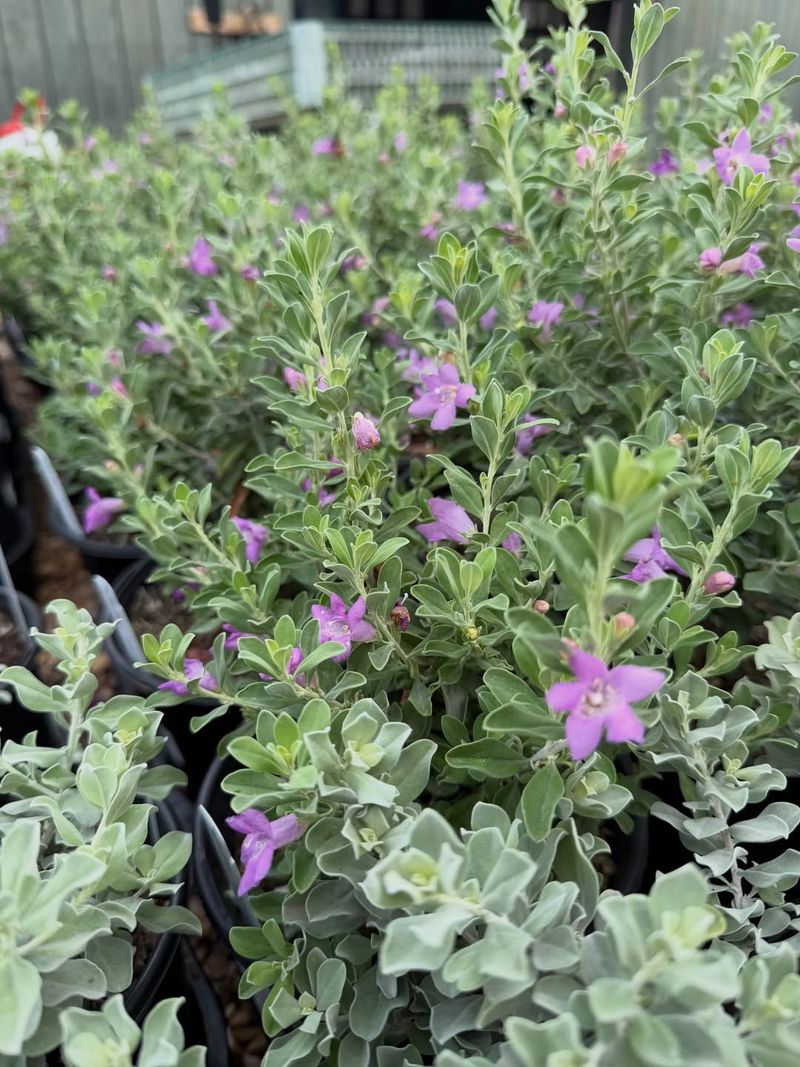
Walk through almost any neighborhood in San Antonio or Austin right now, and you will spot this silvery shrub lining driveways and front yards like it owns the place. Texas Sage, also known as Cenizo, has become one of the most recognized plants in the Lone Star State.
It earns that reputation every single summer. What makes this plant so popular is how little it asks for. Once it is settled into the ground, it can handle extreme heat and long dry spells without much help from you.
Texas gets brutal summers, and most plants struggle to survive them. Texas Sage just keeps going, looking great the whole time.
The silvery-green leaves give it a clean, modern look that fits perfectly in today’s landscape designs.
Many Texas homeowners love how it pairs with stone pathways and gravel mulch for that low-water, high-style look. It is a natural match for xeriscaping projects across the state.
After a good rain, this plant puts on a show. It bursts into clusters of purple or lavender blooms almost overnight, which is why many Texans call it the “barometer bush.” It actually responds to humidity changes, making it feel almost alive in a magical way.
Planting Texas Sage is simple. Pick a sunny spot with well-draining soil, and avoid overwatering.
Too much water is really the only thing that can cause problems for this tough shrub. Give it space to grow wide, and it will reward you with years of color and beauty without much effort on your part.
2. Gulf Muhly
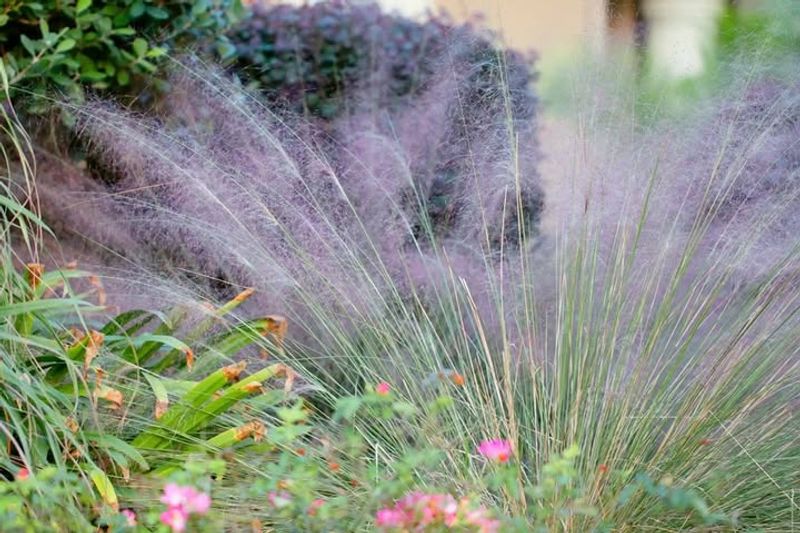
If you have ever driven past a Texas yard in October and done a double take at what looked like a pink cloud floating above the ground, you probably saw Gulf Muhly.
This ornamental grass is having a serious moment in Texas landscaping, and it is easy to understand why. It looks like something straight out of a design magazine.
Your Texas Garden Changes Every Week. Your Plan Should Too.
Gardening in Texas changes quickly throughout the season. Every Friday you’ll receive a simple weekly plan showing exactly what to plant, prune, fertilize, harvest, and protect so you never miss the right timing.
Gulf Muhly earns its place in the yard during the fall season when it produces soft, airy pink plumes that seem to glow in the sunlight.
The blooms are delicate and feathery, giving the plant a light, dreamy texture that moves beautifully in the breeze. It adds a softness to yards that few other plants can match.
Beyond its stunning fall display, this grass is incredibly easy to care for. It is drought-tolerant, which makes it a smart pick for Texas gardeners who want beauty without a big water bill.
Once established in your yard, it needs very little attention to thrive through the hot months.
Gulf Muhly grows in clumps that stay tidy and manageable. It works well as a border plant, a focal point, or even in mass plantings for a dramatic effect.
Landscapers across Texas are using it more and more in both residential and commercial projects because it delivers big visual impact for low effort.
Plant it in full sun and well-drained soil for the best results. Cut it back in late winter to encourage fresh growth in spring.
It is one of those plants that makes every Texas yard look professionally designed without requiring professional-level maintenance.
3. Red Yucca
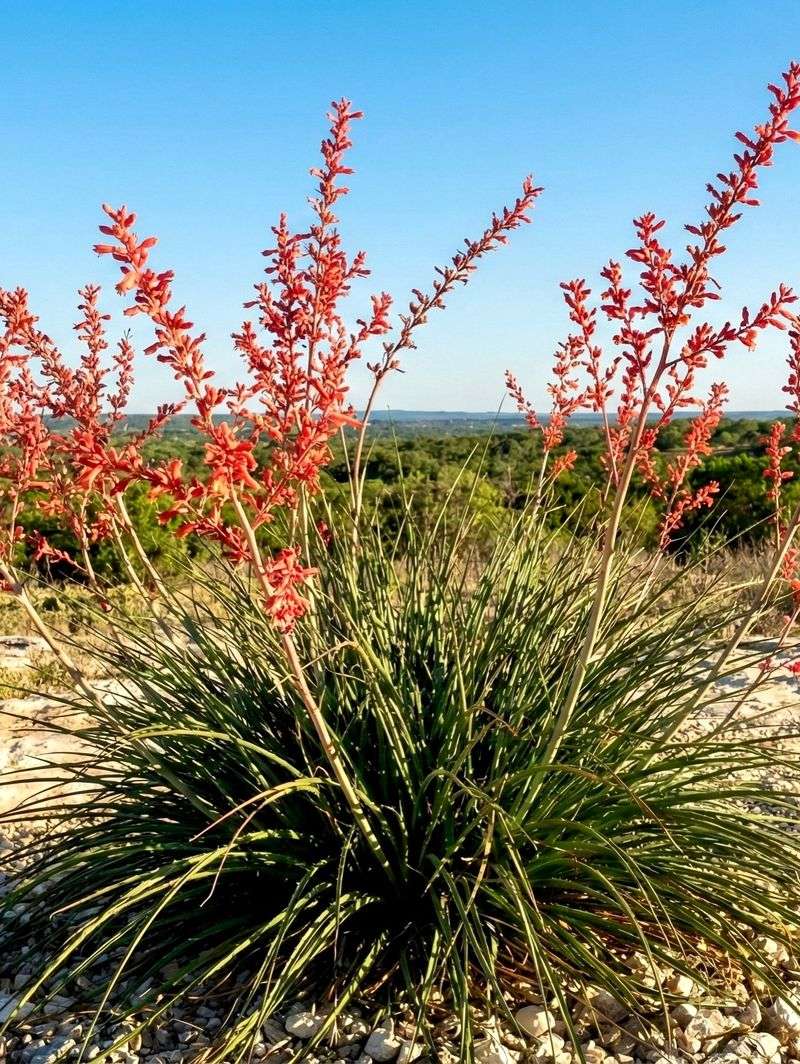
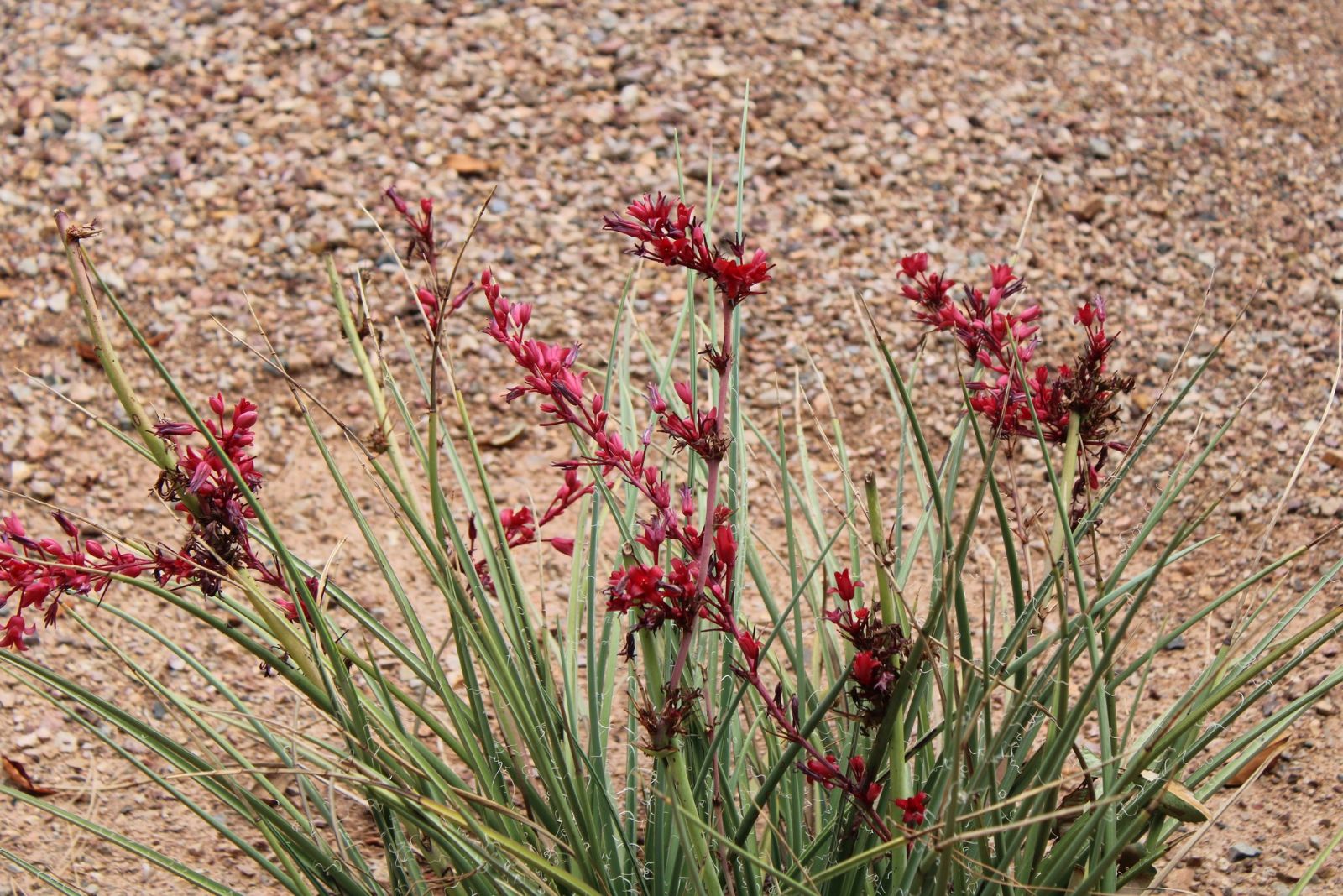
Tough, sculptural, and surprisingly elegant, Red Yucca is one of those plants that looks like it belongs in an art gallery as much as it does in a Texas front yard.
Despite its name, it is not a true yucca, but it carries that same bold, spiky personality that Texas landscapes are known for. And right now, it is popping up in yards all across the state.
One of the biggest reasons Red Yucca is spreading fast is its relationship with hummingbirds. The tall, arching flower stalks produce coral-pink to red tubular blooms that hummingbirds absolutely love.
If you plant Red Yucca in your Texas yard, do not be surprised when you start spotting these tiny, fast-moving birds hovering around it all season long.
Red Yucca handles the Texas climate like a champion. It thrives in full sun, laughs at dry soil, and rarely needs any extra watering once it is established.
In a state where summer temperatures regularly climb above 100 degrees, having a plant that does not need constant babysitting is a major win for homeowners everywhere.
The narrow, arching leaves stay green year-round, giving the yard structure even when nothing else is blooming. This evergreen quality makes it a reliable anchor plant in any landscape design.
It looks sharp next to rocks, gravel, or other drought-tolerant plants. Planting Red Yucca is straightforward. Put it in a sunny spot, skip the heavy clay soil, and water lightly until it settles in.
After that, it practically takes care of itself, making it one of the smartest low-maintenance choices for Texas yards today.
4. Turk’s Cap
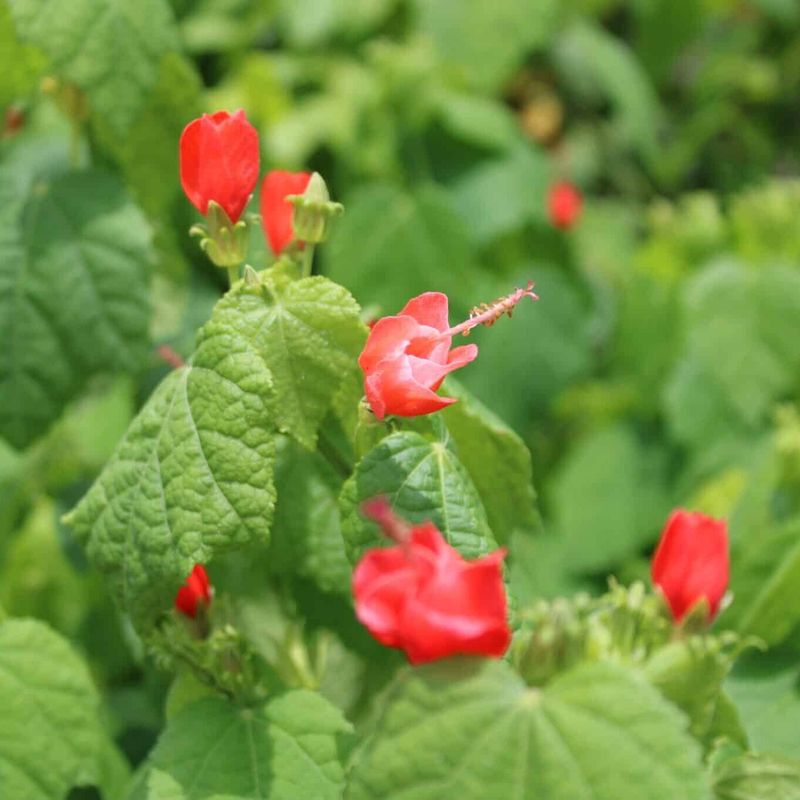
Not every Texas yard is baking in full sun. Some spots are shaded, humid, and tricky to plant in, and that is exactly where Turk’s Cap steps in and takes charge.
This cheerful native shrub thrives in conditions that would wear out most other plants, making it a go-to solution for the shadier corners of yards across Texas.
Turk’s Cap gets its name from its unique flowers, which look like little red turbans that never fully open.
They twist into a tight spiral at the top, giving the plant a playful, quirky look that stands out in any garden. Butterflies, hummingbirds, and bees are drawn to these blooms all summer and into fall.
What really sets this plant apart is how well it handles Texas heat and humidity together. That combination can be rough on many plants, especially in East Texas and along the Gulf Coast.
Turk’s Cap takes it all in stride, staying lush and green even when conditions get tough and sticky.
Gardeners love it because it is extremely long-lived. Once it is planted and settled in, it can return year after year with minimal fuss.
It spreads gradually over time, slowly filling in shaded beds and creating a full, layered look that feels natural and established. It is the kind of plant that just gets better with age.
Pruning it back in late winter keeps it tidy and encourages strong new growth each spring. Plant it under trees or along shaded fences in your Texas yard, and it will reward you with nonstop color and wildlife activity for many seasons to come.
5. Frogfruit
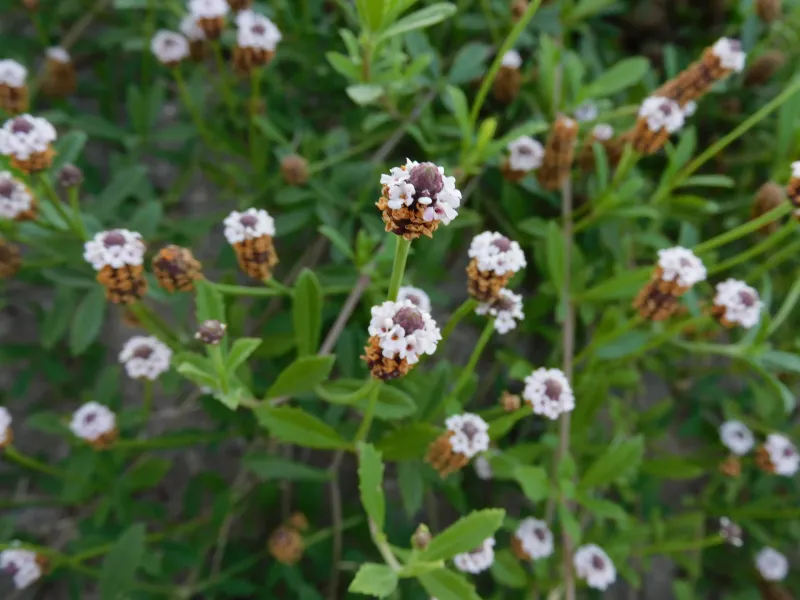
Imagine a lawn that barely needs watering, stays low to the ground on its own, and doubles as a buffet for butterflies and bees.
That is exactly what Frogfruit offers, and Texas homeowners are starting to catch on in a big way. This little ground cover is quietly replacing traditional turf grass in yards all over the state.
Frogfruit spreads by creeping along the ground and filling in gaps naturally. It forms a dense, mat-like surface that looks tidy and green without the constant mowing that regular grass demands.
For anyone tired of spending every weekend pushing a lawnmower in the Texas heat, this plant is a genuine game-changer.
The tiny white and pink flowers it produces might look small, but pollinators go absolutely wild for them. Butterflies, native bees, and other beneficial insects flock to Frogfruit in large numbers.
Planting it in your Texas yard is one of the easiest ways to support local wildlife while also reducing your lawn care workload at the same time.
Water needs for this plant are remarkably low. Once it spreads and establishes itself, it can handle dry spells that would turn traditional turf grass brown and patchy.
In a state like Texas where water conservation matters more every year, Frogfruit is a smart and responsible choice for forward-thinking homeowners.
It grows best in sunny to partially shaded areas and handles foot traffic reasonably well. Plant plugs or small sections, give them a little water to get started, and then watch Frogfruit do what it does best: spread quietly, bloom constantly, and make your yard a better place for every creature that visits.
6. Esperanza
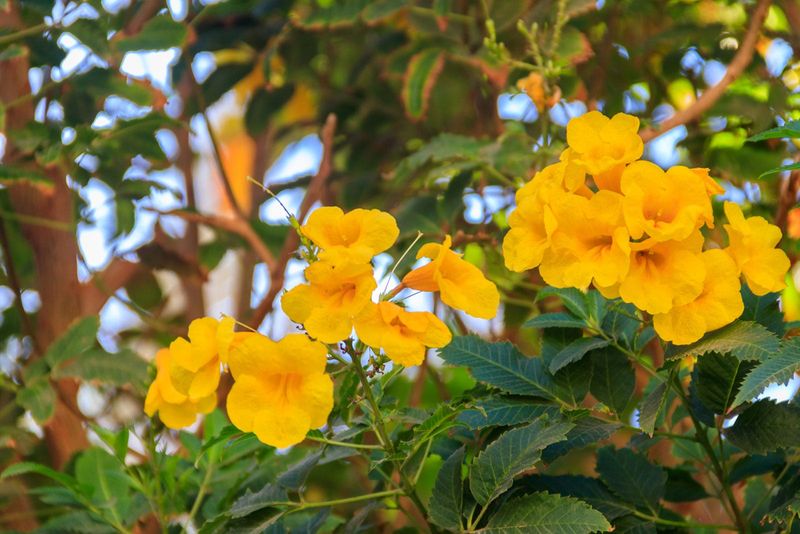
Bold, bright, and practically bursting with energy, Esperanza is the kind of plant that makes people stop their cars just to take a second look.
Its name means “hope” in Spanish, and in Texas, it has become a symbol of summer beauty that refuses to fade even in the most punishing heat. Once you plant one, you will wonder why you waited so long.
Esperanza produces clusters of vivid yellow, trumpet-shaped blooms from late spring all the way through fall. While other plants in your yard slow down during the hottest months, this one actually seems to enjoy the heat more.
The hotter it gets, the more it blooms, which makes it perfectly suited for the Texas climate from the Panhandle to the Rio Grande Valley.
Growth speed is another thing that makes Esperanza stand out. It can shoot up several feet in a single growing season, quickly filling in empty spaces in a yard and creating a lush, tropical feel without much help from the gardener.
For anyone starting a new landscape from scratch, this fast growth is a huge advantage. Hummingbirds and butterflies are regular visitors to Esperanza blooms, adding even more life and movement to the yard.
It pairs beautifully with other Texas-tough plants like Red Yucca and Texas Sage, creating a layered, colorful landscape that looks intentional and well-designed throughout the entire growing season.
Plant it in full sun with good drainage, and water it moderately until it gets established. After that, it handles dry stretches with ease.
Cut it back in late winter to shape it up, and it will come back stronger and fuller every single year.
7. Texas Sedge
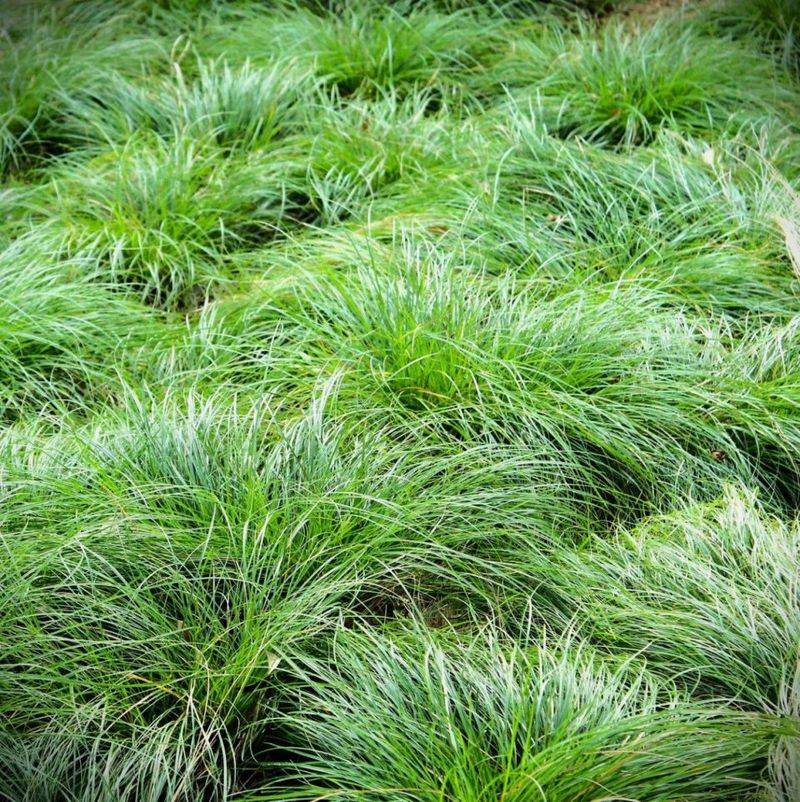
Shady yards in Texas come with a familiar frustration: regular grass just does not want to grow there. It thins out, goes patchy, and eventually gives up.
Texas Sedge has figured out how to solve that problem quietly and naturally, which is exactly why it is showing up in more and more shaded yards across the state every year.
Texas Sedge is a native, grass-like plant that forms soft, low-growing clumps of fine green foliage. From a distance, it looks a lot like a traditional lawn, which is part of what makes it so appealing.
Neighbors might not even notice the switch, but the homeowner will definitely notice the difference in water usage and maintenance time.
Unlike turf grass, Texas Sedge handles dry shade remarkably well. It grows under trees where little else will cooperate, slowly spreading to fill in the ground beneath the canopy.
This makes it incredibly useful in older Texas neighborhoods where large, established trees create deep, dry shade that challenges even experienced gardeners.
Mowing is optional with Texas Sedge. If you let it grow freely, it stays at a natural, low height that looks tidy on its own.
For a more manicured appearance, a light trim once or twice a year is all it needs. Either way, the result is a soft, attractive ground cover that requires far less water than traditional lawn grass.
Start with plugs or small transplants spaced about a foot apart, water them in well, and give them a season to spread. Once established in your Texas yard, this quiet little plant will reward you with a lush, green carpet that practically takes care of itself year after year.